In 1974, Roche Bobois opened its first showroom in the United States on Madison Avenue in New York City. The celebrated luxury French furniture brand is now in 50 countries with more than 200 stores.
The Roche Bobois story has origins in 1950, when entrepreneur Jacques Roche converted an old Paris theater into two contemporary furniture boutiques so that his sons could help usher stunning Bauhaus-inspired work out of the shops and into French homes nearby.
At another showroom called Au Beau Bois, also in the French capital city, the Chouchan family was simultaneously selling home furnishings. The families met later, when Philippe and François Roche convened with Patrick and Jean-Claude Chouchan at a furniture exhibition in Copenhagen in 1960 and afterward produced a catalog announcing their partnership.
Minimal and modernist Scandinavian design had gained prominence in the furniture industry by 1960, rendering designers such as Kaare Klint and Poul Henningsen marquee names — and Roche Bobois's principals had taken notice. Following a national advertising campaign in Elle magazine a year later, the Scandinavian furniture that the newly minted Roche Bobois was importing to Paris became a huge success. Early promotional material from the firm likely included the sleek modular wall units crafted in rosewood by Danish furniture maker Poul Cadovius. It didn’t take long for Roche Bobois to shift toward producing its own contemporary furniture line.
When the popularity of cable television took hold in more major American cities during the 1970s, sofas and other seating became integral to contemporary living-room decor. Roche Bobois’s newly launched Les Contemporains series positioned its own sofas front and center, and it also offered plush lounge chairs designed by Mario Bellini.
Bold works from the company during the decade included Marc Berthier’s Pop Art–colored tubular metal desks and chairs — the latter covered with braided fabric — as well as one of Roche Bobois’s most enduring and well-known pieces, the Mah Jong sectional sofa created by sculptor, painter and designer Hans Hopfer. Anchored by few central elements, this modular lounge sofa can be combined or stacked, giving the buyer total freedom over its appearance and the ability to maximize comfort.
Since its inception, Roche Bobois has worked with many internationally renowned architects and designers on its collections, among them Paola Navone and Vladimir Kagan. Even fashion designers such as Missoni and Emanuel Ungaro have made contributions to the company’s lineup.
In 2010, Roche Bobois marked its 50-year anniversary by debuting a partnership with French fashion designer Jean Paul Gaultier. A decade later, Roche Bobois teamed up with Portuguese artist Joana Vasconcelos, who designed a collection of organically shaped sofas as well as vibrant, colorful accent pillows and rugs.
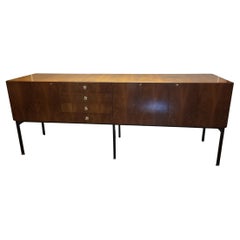
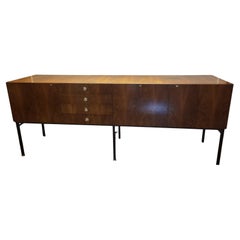
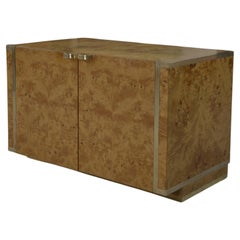
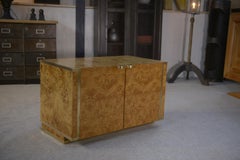
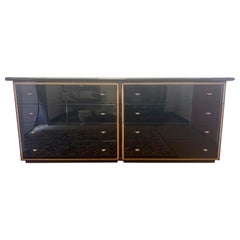
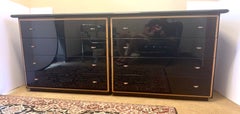
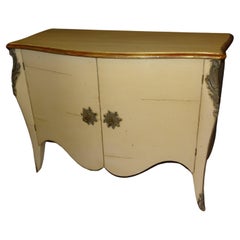
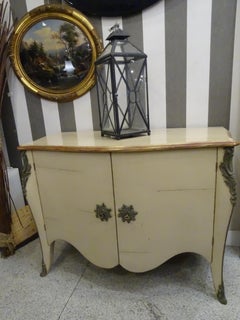
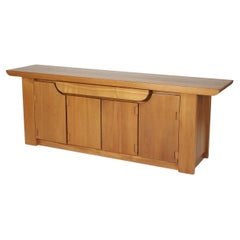
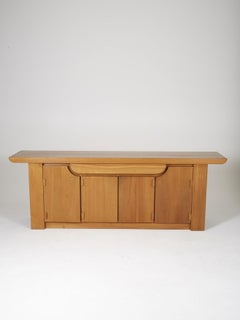
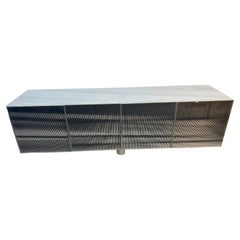
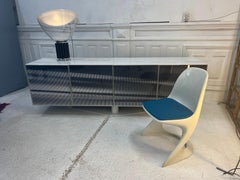
Roche Bobois’s offerings over the years have included everything from mid-century modern armchairs to Art Deco case pieces to sculptural outdoor cocktail tables framed in metal wire — shop these classics now on 1stDibs.
For get-togethers or large celebratory meals in your already sumptuous dining area, a charming and durable vintage, new or antique buffet, with its decorative and practical features, can truly elevate the experience.
Although often used as a synonym for “sideboard,” a buffet technically possesses a tiered or shelved superstructure for displaying decorative kitchenware. The term derives from buffet à deux corps, a piece that is seen mostly in French Provincial furniture. And while the terms “case pieces” and “case goods” may cause even the most decor-obsessed to stumble, these furnishings — which include buffets, credenzas, cupboards and other must-have items — have been a vital part of the home for centuries.
Buffets are the ideal place to keep serveware and larger serving pieces that you’d rather have tucked away when not in use. They’re typically long and low and can be the perfect option for serving food as well as storing your porcelain and making your space tidy and organized. Feel free to dress up your buffet between meals with decorative objects or stacks of art books.
A buffet can be positioned in your living room, entryway or hall if space allows. But if you intend to permanently pair your case piece with your dining room table, when shopping for your vintage buffet you’ll definitely want to think about your dining room’s space restrictions. Allow for at least two feet of space between your buffet and your table so that guests can easily move to and fro as needed, and a buffet that is convenient for serving food should be as high as a kitchen counter if possible.
If you’re looking for inspiration for your home bar or dining area, find Art Deco buffets, mid-century modern buffets, Hollywood Regency buffets and other varieties on 1stDibs today.