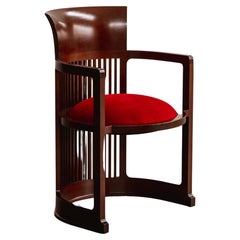
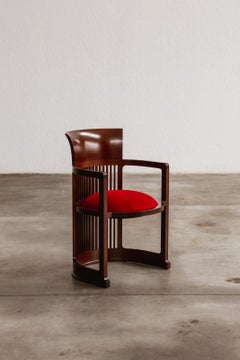
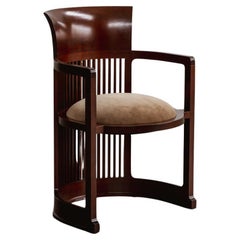
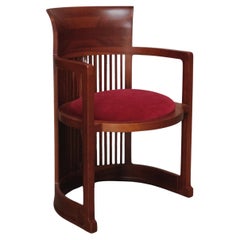
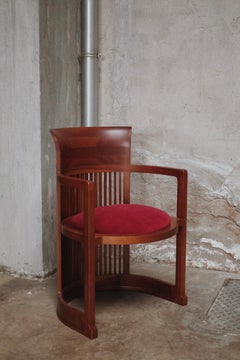
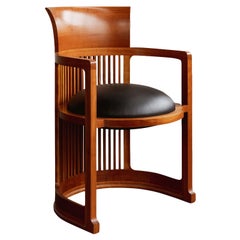
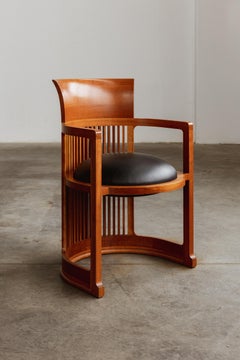
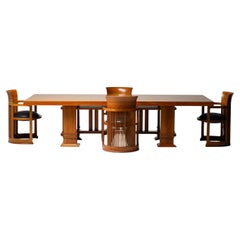
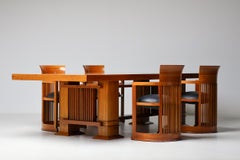
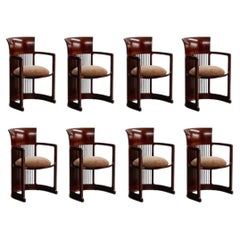
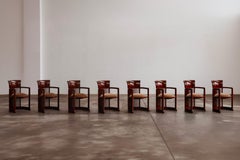
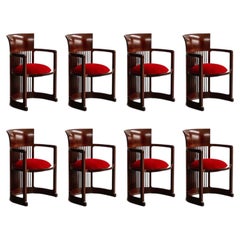
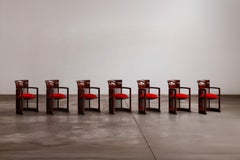
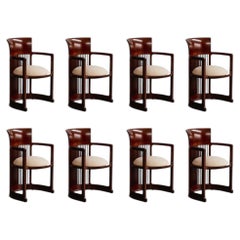
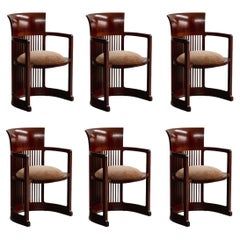
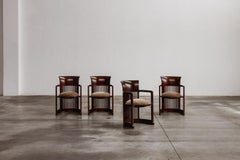
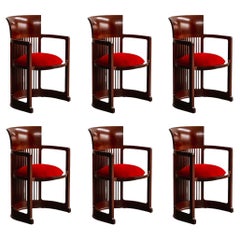
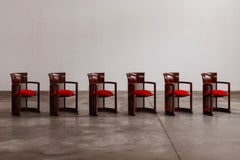
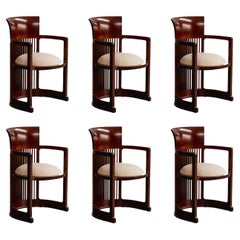
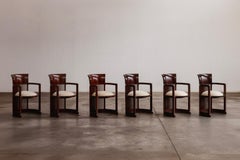
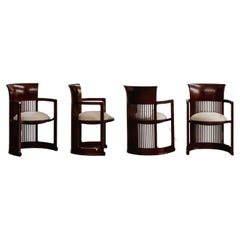
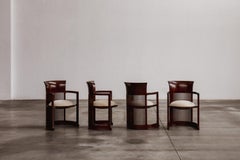
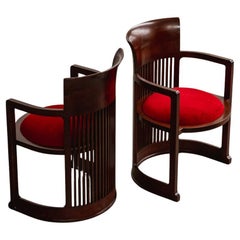
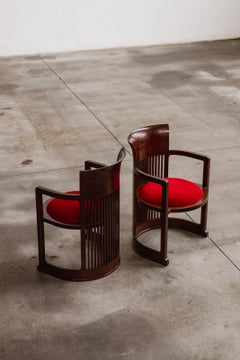
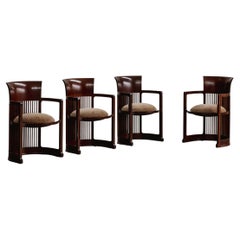
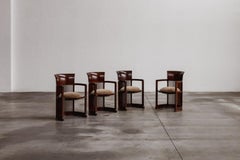
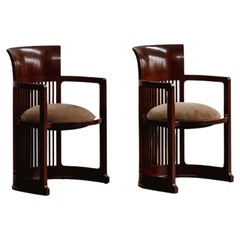
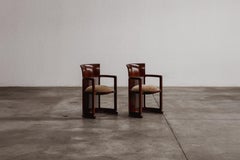
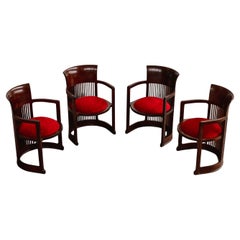
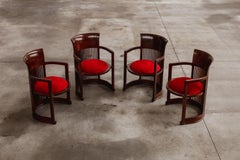
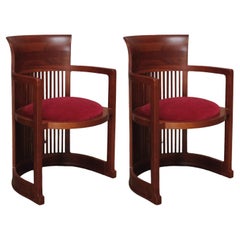
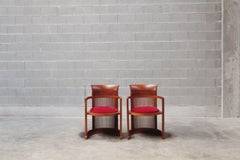
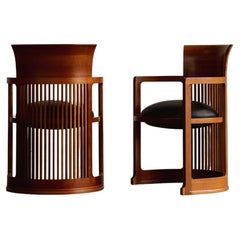
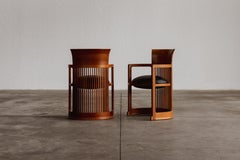
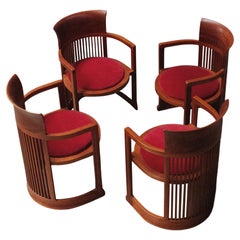
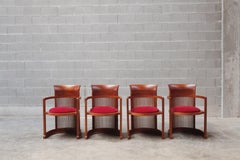
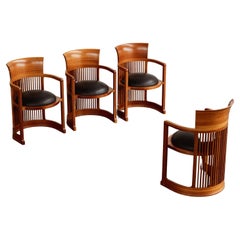
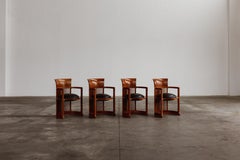
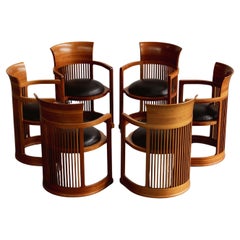
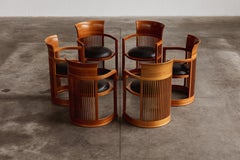
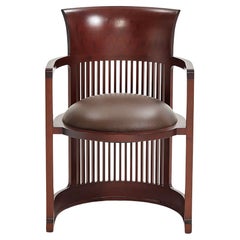
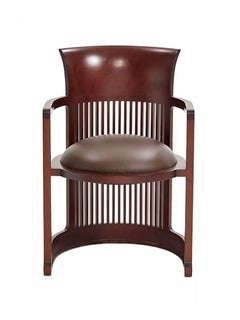
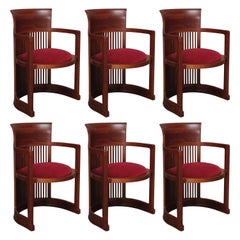
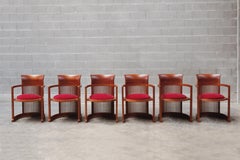
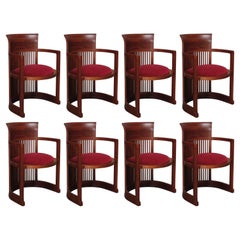
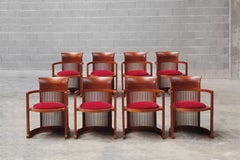
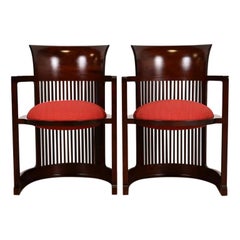
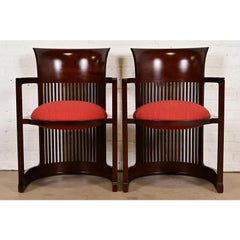
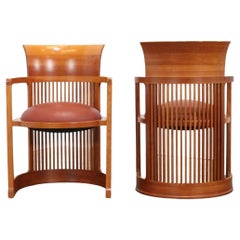
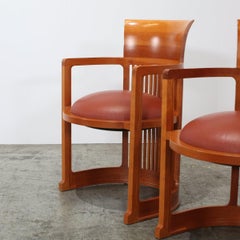
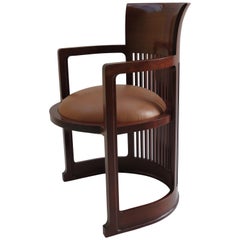
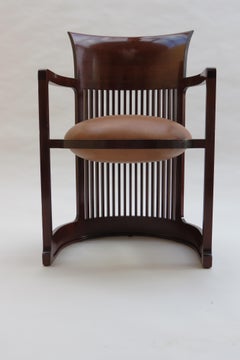
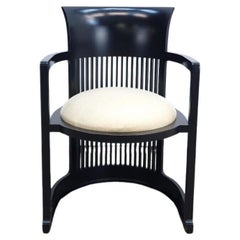
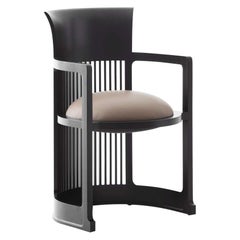
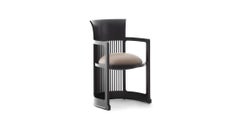
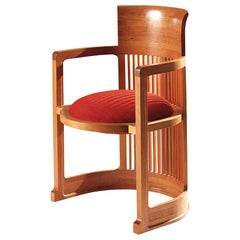
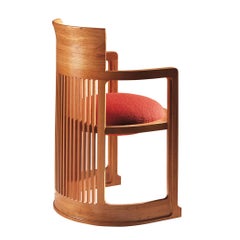
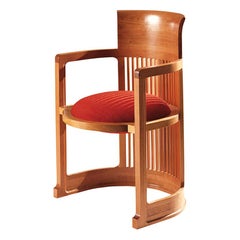
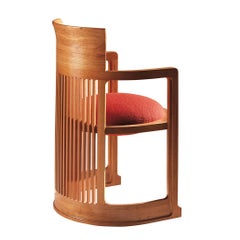
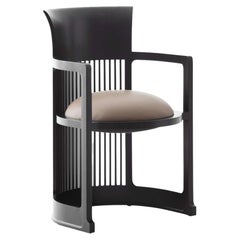
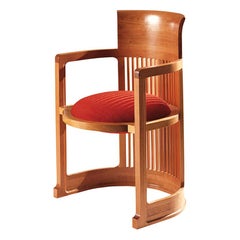
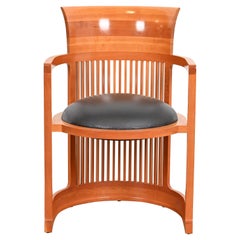
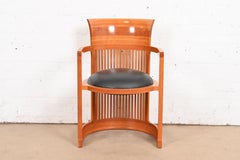
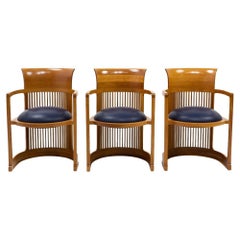
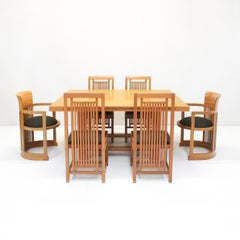
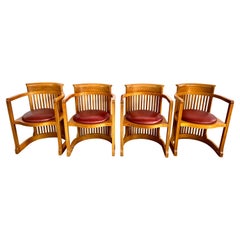
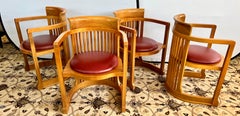
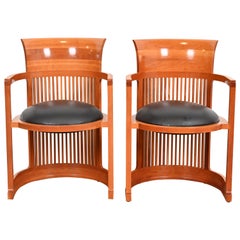
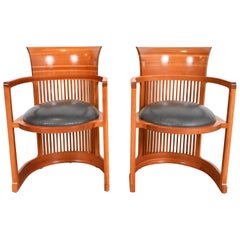
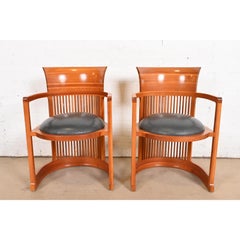
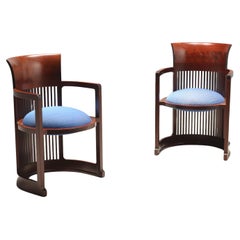
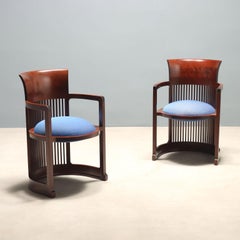
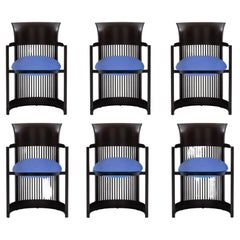
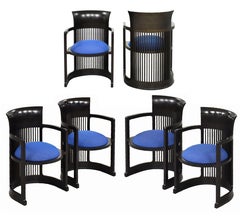
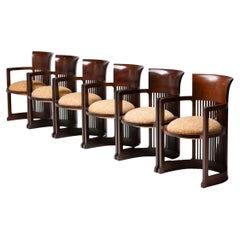
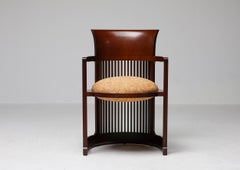
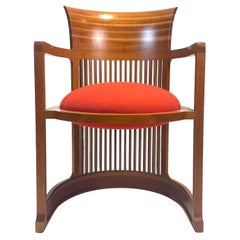
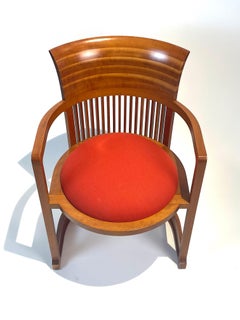
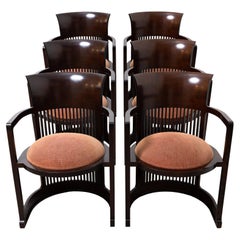
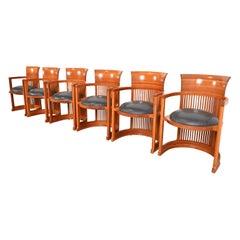
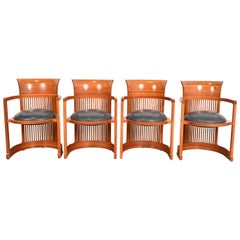
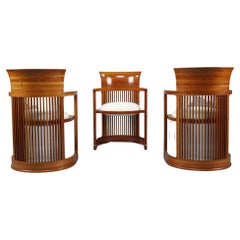
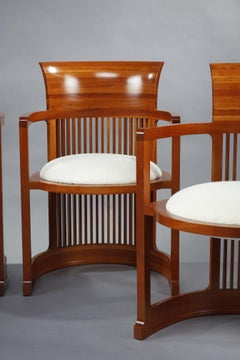
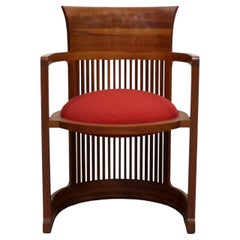
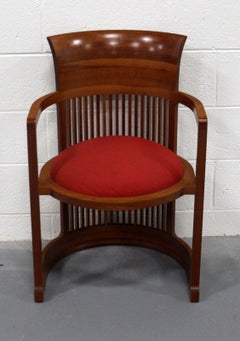
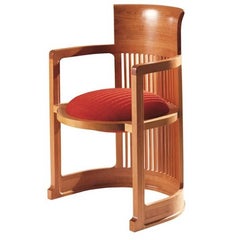
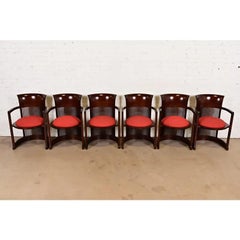
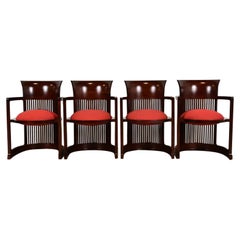
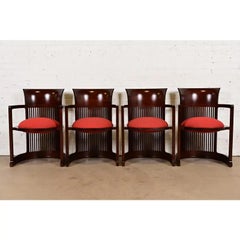
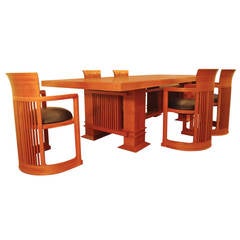
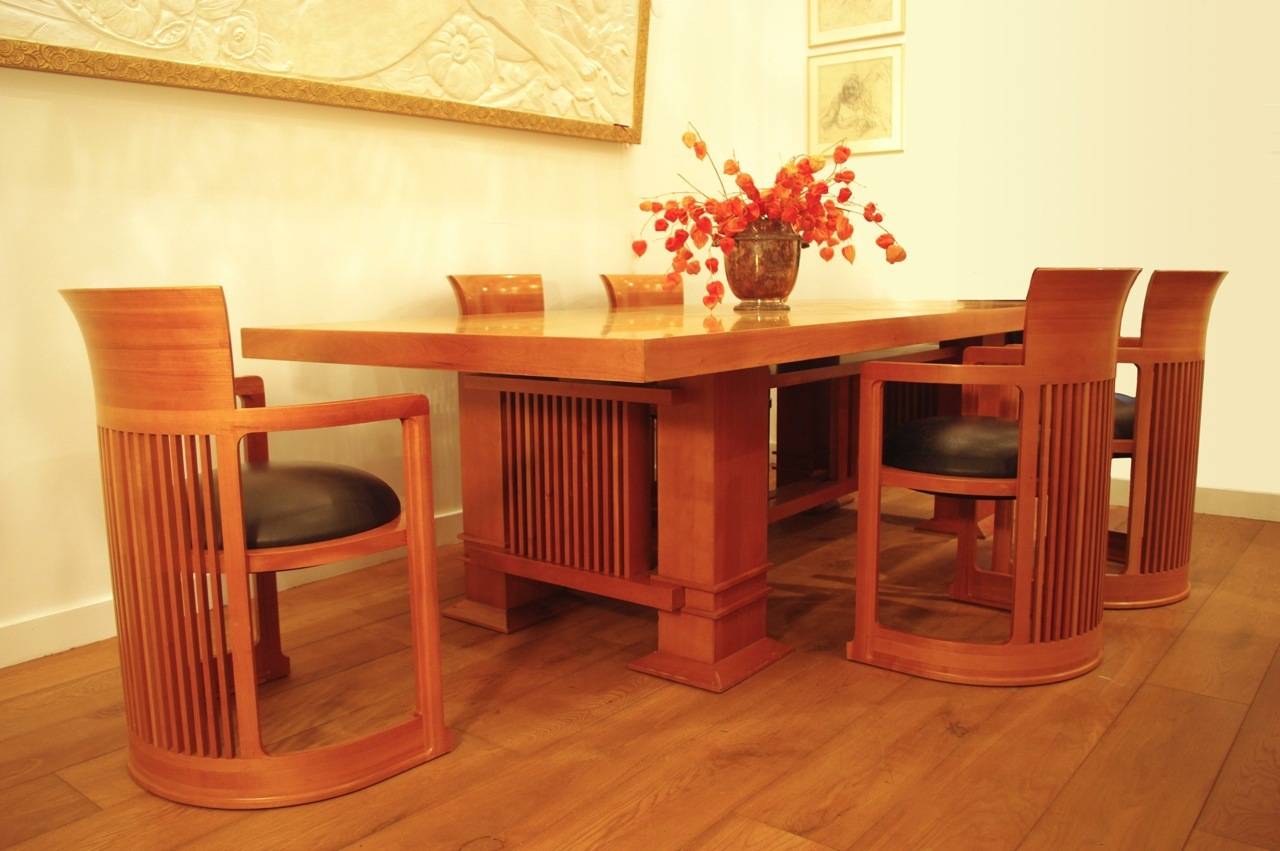
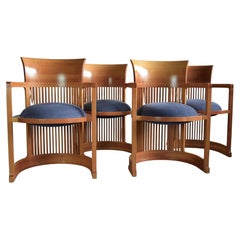
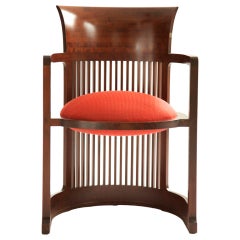
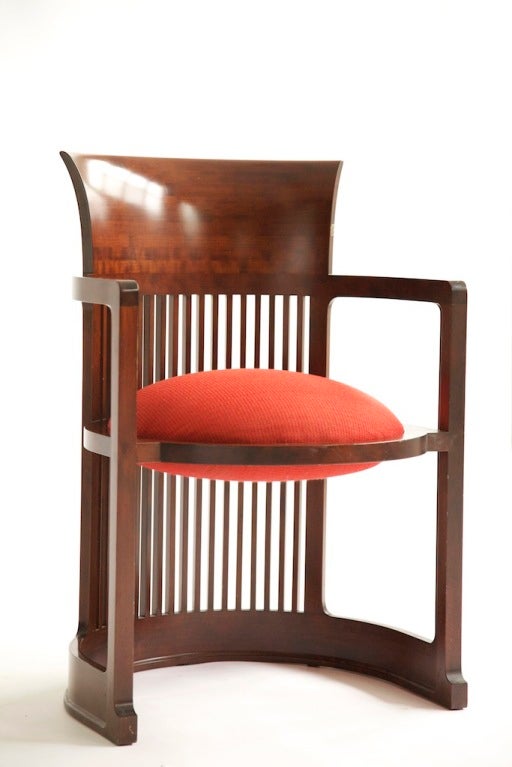
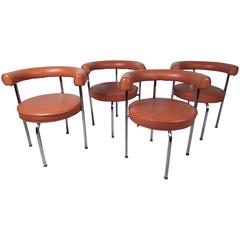
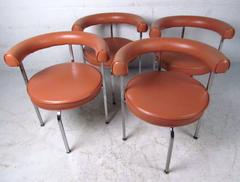
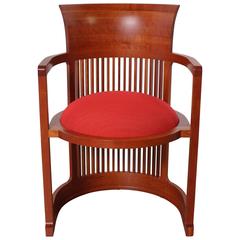
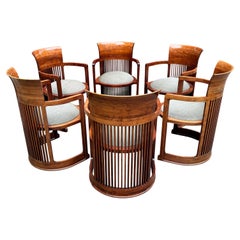
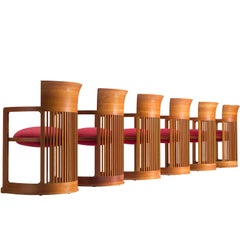
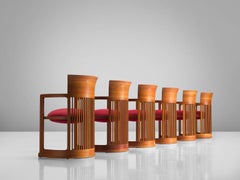
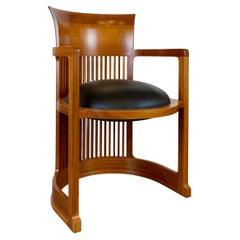
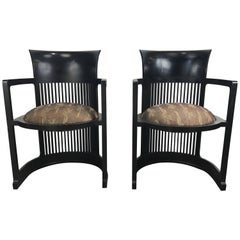
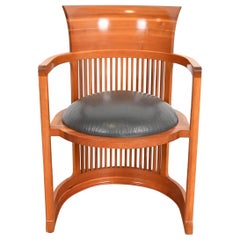
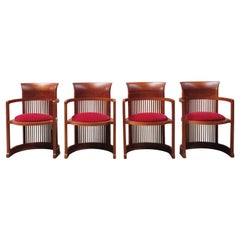
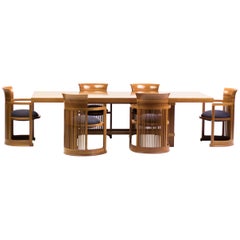
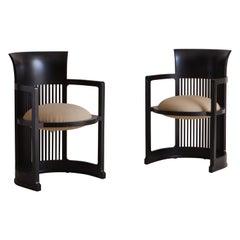
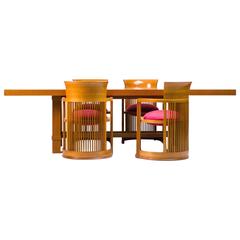
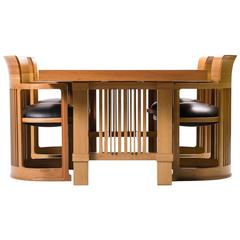
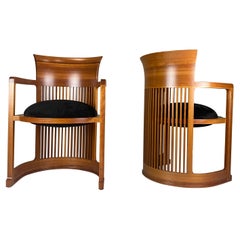
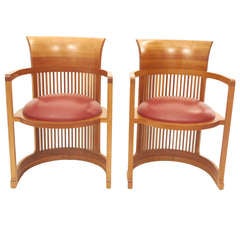
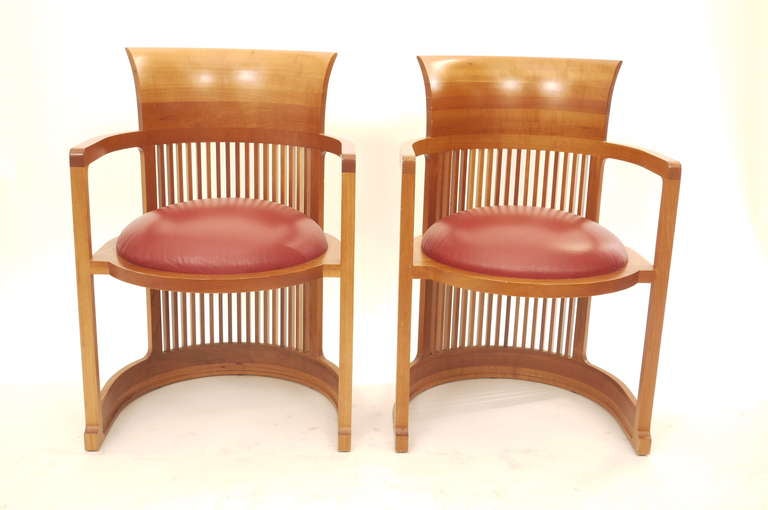
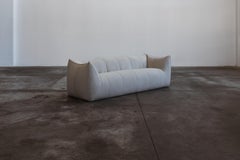
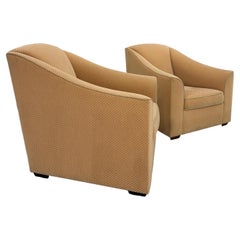
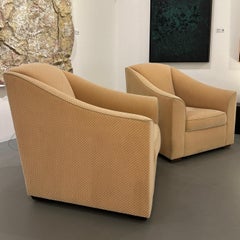
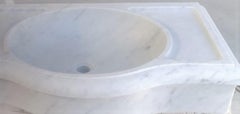
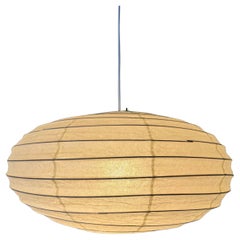
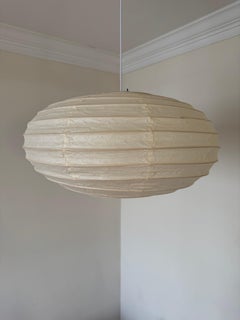
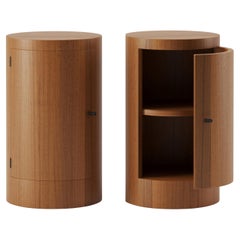
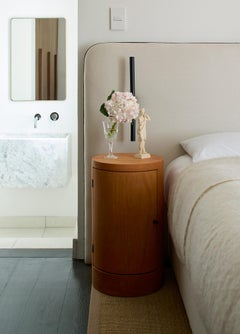
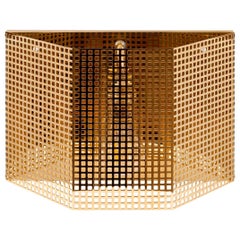
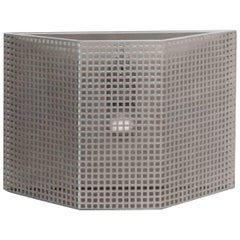
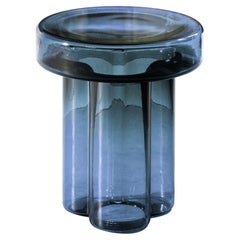
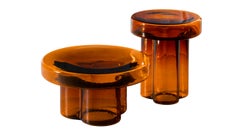
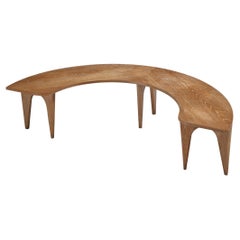
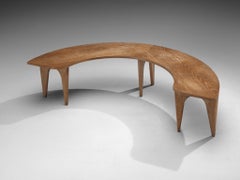
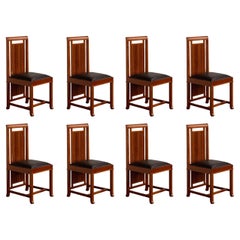
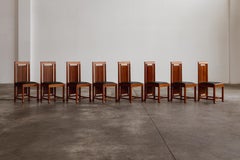
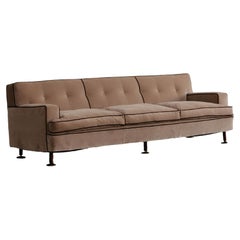
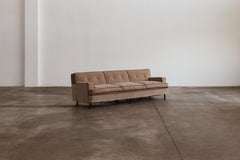
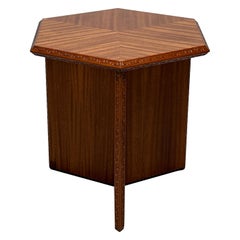
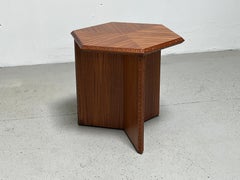
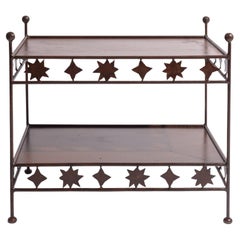
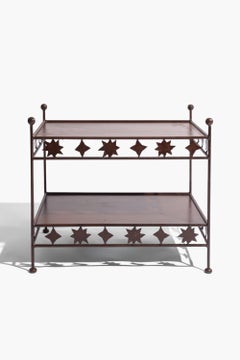
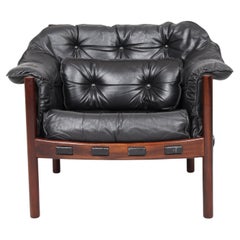
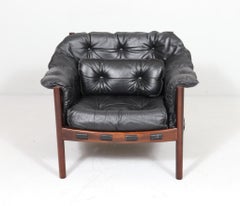
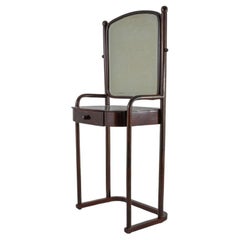
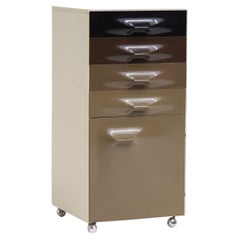
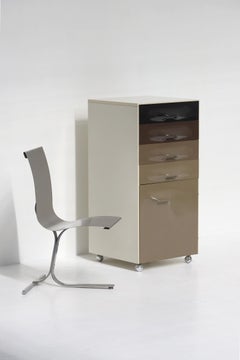
At 1stDibs, there are many versions of the ideal cassina barrel for your home. A cassina barrel — often made from
wood,
cherry and
hardwood — can elevate any home. There are 12 variations of the antique or vintage cassina barrel you’re looking for, while we also have 1 modern editions of this piece to choose from as well. Whether you’re looking for an older or newer cassina barrel, there are earlier versions available from the 20th Century and newer variations made as recently as the 21st Century. A cassina barrel made by
Mid-Century Modern designers — as well as those associated with
Art Deco — is very popular. You’ll likely find more than one cassina barrel that is appealing in its simplicity, but
Frank Lloyd Wright and
Cassina produced versions that are worth a look.
Without question the greatest architect the United States has ever produced, Frank Lloyd Wright and his philosophy of “organic architecture” — of buildings that exist in harmony with their natural surroundings — had a profound influence on the shape of modern life.
Wright gave us some of the most elegant and iconic buildings in America: residences such as Fallingwater, in rural Pennsylvania, the Robie House in Chicago, and Taliesin, Wright’s own home; and masterful institutional structures that include the Unity Temple in Oak Park, Illinois, the Johnson Wax headquarters in Racine, Wisconsin, and the Guggenheim Museum in New York. Whenever possible, Wright designed the furniture for his projects, to ensure an affinity between a building’s exterior and interior.
Wright’s wooden chairs and tables for his “Prairie Houses” of the early 1900s have sleek, attenuated forms, influenced by both the simplicity of traditional Japanese design and the work of Gustav Stickley and other designers of the Arts and Crafts movement.
For Taliesin and several residential projects, Wright designed severely geometric chairs that are marvels of reductivist design. He revisited many of these forms in the 1950s in furniture licensed to the North Carolina firm Henredon, adding a decorative frieze-like element to the edges of tables and stools. Owing to a cross-licensing agreement between Henredon and Heritage at the time, Wright's lines of the era are usually labeled Heritage-Henredon.
The works on 1stDibs also show how happily Wright embraced new forms and materials. His desks and chairs for Johnson Wax have a streamlined look and use tubular steel to the same effect as designer Warren McArthur, who collaborated with Wright in the interiors of the Arizona Biltmore Hotel. For the Price Tower (1956) in Oklahoma, Wright designed angular wooden desks as well as upholstered pedestal chairs made of chromed steel — audacious furniture for his tallest completed building project.
The beauty of Frank Lloyd Wright’s furniture designs is that while many of us wish we could live in one of his houses, his vintage sofas, storage cabinets and armchairs connect us directly to his architecture, and to the history he made.
With entire areas of our homes reserved for “sitting rooms,” the value of quality antique and vintage seating cannot be overstated.
Fortunately, the design of side chairs, armchairs and other lounge furniture — since what were, quite literally, the early perches of our ancestors — has evolved considerably.
Among the earliest standard seating furniture were stools. Egyptian stools, for example, designed for one person with no seat back, were x-shaped and typically folded to be tucked away. These rudimentary chairs informed the design of Greek and Roman stools, all of which were a long way from Sori Yanagi's Butterfly stool or Alvar Aalto's Stool 60. In the 18th century and earlier, seats with backs and armrests were largely reserved for high nobility.
The seating of today is more inclusive but the style and placement of chairs can still make a statement. Antique desk chairs and armchairs designed in the style of Louis XV, which eventually included painted furniture and were often made of rare woods, feature prominently curved legs as well as Chinese themes and varied ornaments. Much like the thrones of fairy tales and the regency, elegant lounges crafted in the Louis XV style convey wealth and prestige. In the kitchen, the dining chair placed at the head of the table is typically reserved for the head of the household or a revered guest.
Of course, with luxurious vintage or antique furnishings, every chair can seem like the best seat in the house. Whether your preference is stretching out on a plush sofa, such as the Serpentine, designed by Vladimir Kagan, or cozying up in a vintage wingback chair, there is likely to be a comfy classic or contemporary gem for you on 1stDibs.
With respect to the latest obsessions in design, cane seating has been cropping up everywhere, from sleek armchairs to lounge chairs, while bouclé fabric, a staple of modern furniture design, can be seen in mid-century modern, Scandinavian modern and Hollywood Regency furniture styles.
Admirers of the sophisticated craftsmanship and dark woods frequently associated with mid-century modern seating can find timeless furnishings in our expansive collection of lounge chairs, dining chairs and other items — whether they’re vintage editions or alluring official reproductions of iconic designs from the likes of Hans Wegner or from Charles and Ray Eames. Shop our inventory of Egg chairs, designed in 1958 by Arne Jacobsen, the Florence Knoll lounge chair and more.
No matter your style, the collection of unique chairs, sofas and other seating on 1stDibs is surely worthy of a standing ovation.