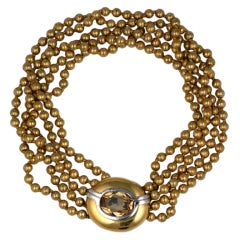
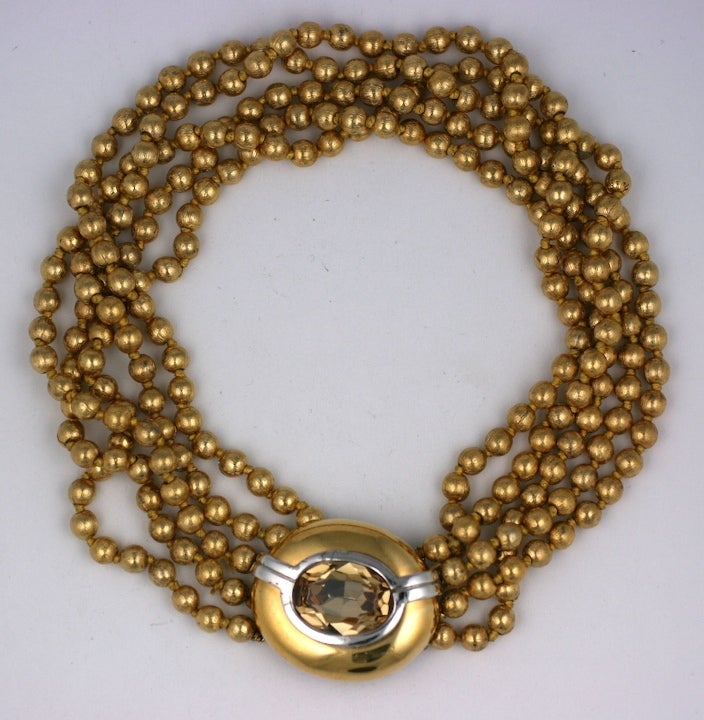
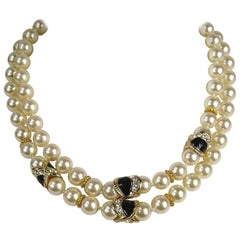
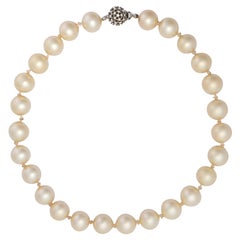
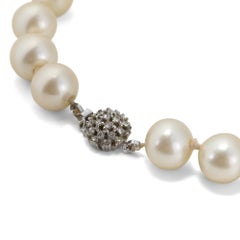
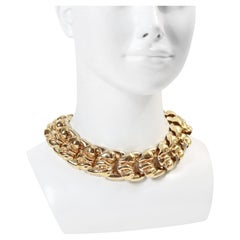
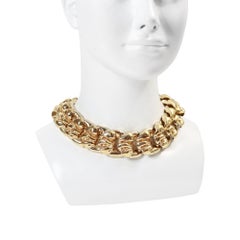
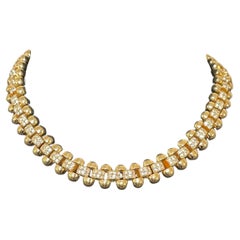
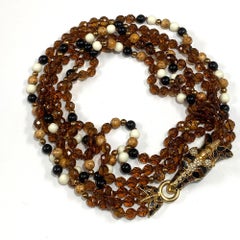
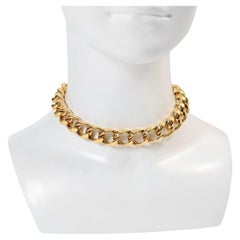
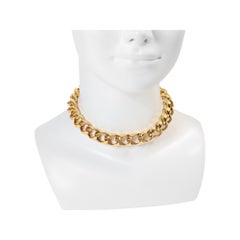
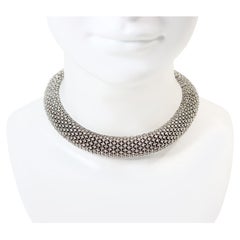
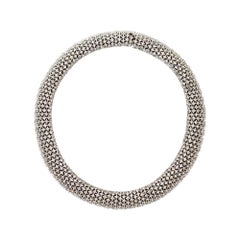
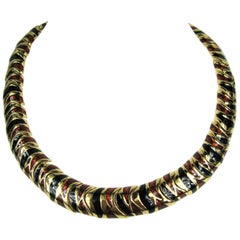
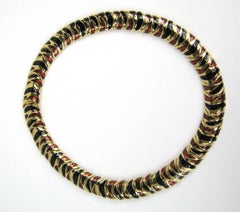
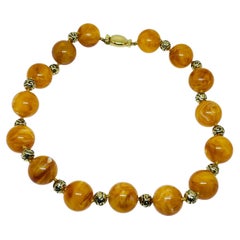
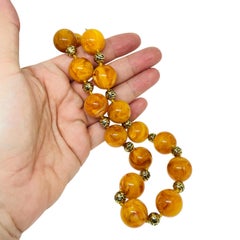
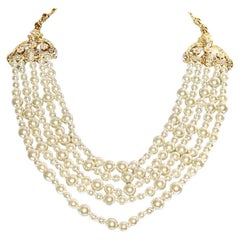
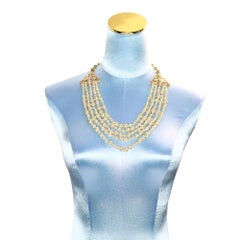
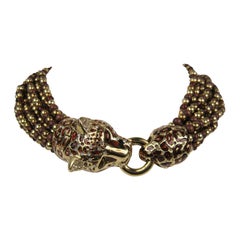
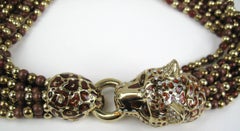
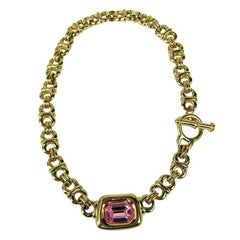
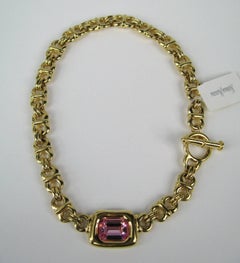
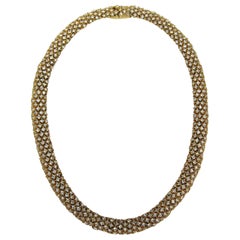
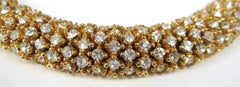
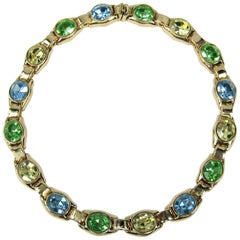
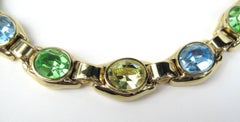
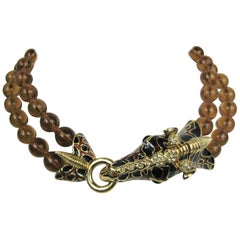
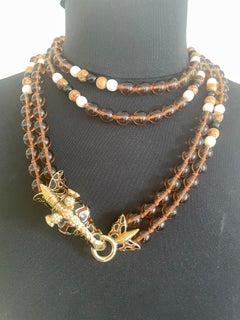
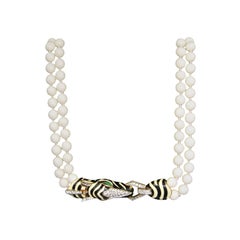
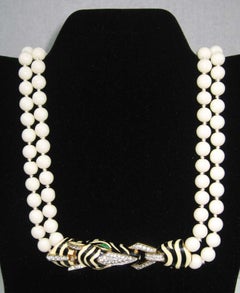
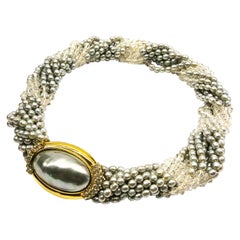
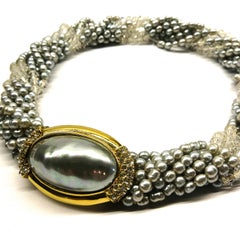
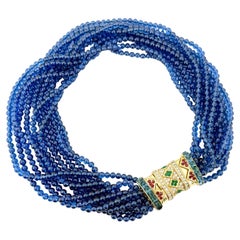
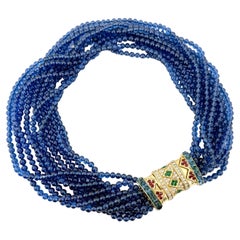
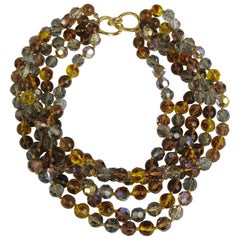
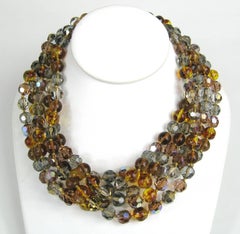
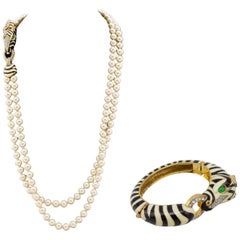
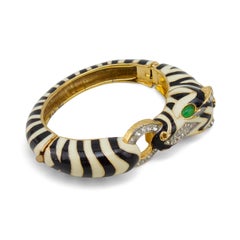
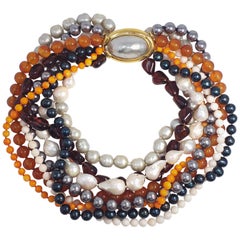
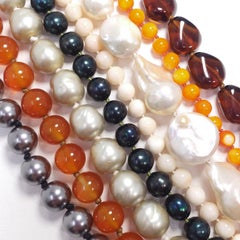
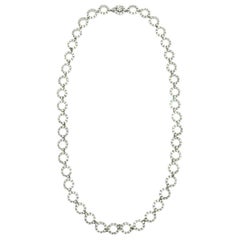
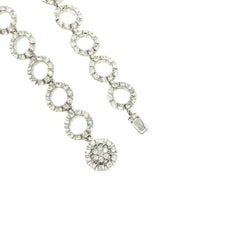
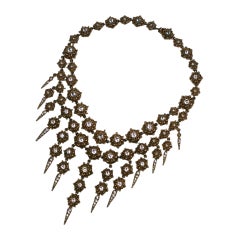
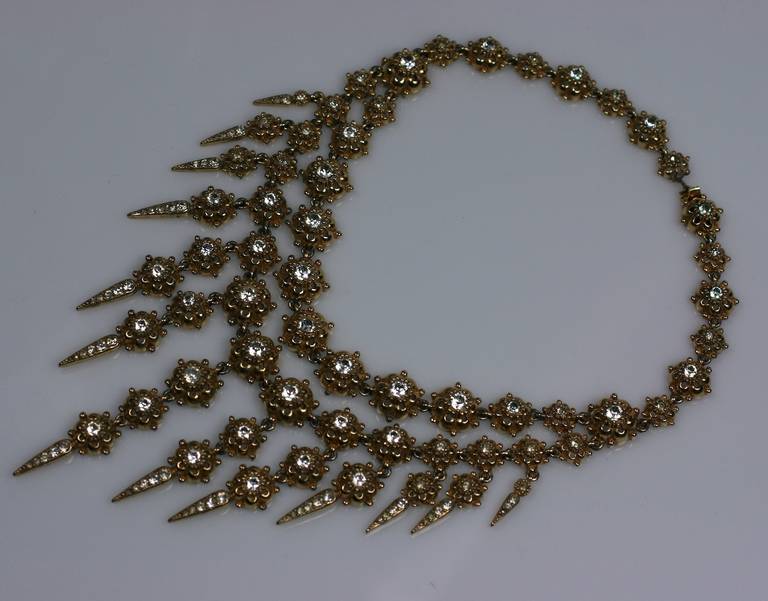
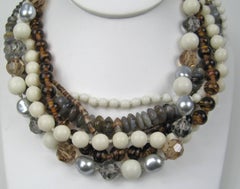
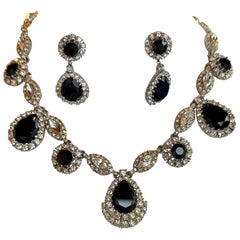
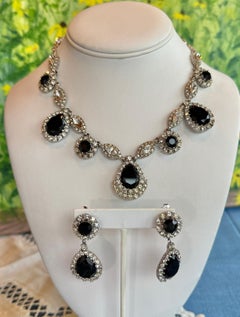
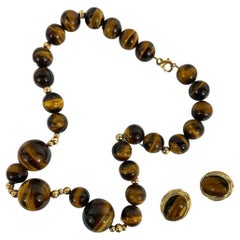
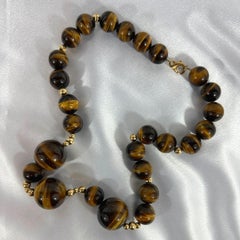
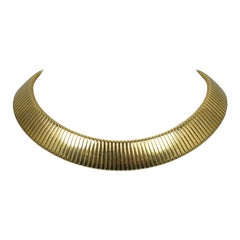
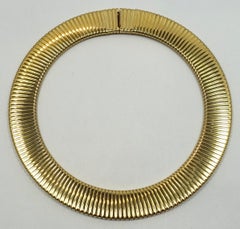
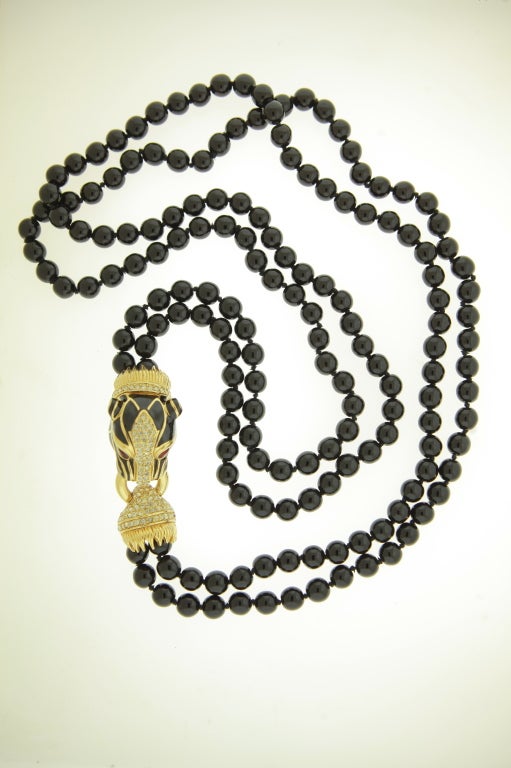
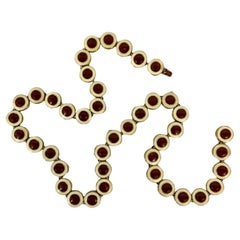
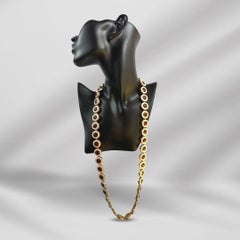
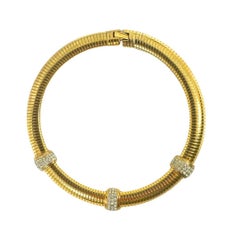
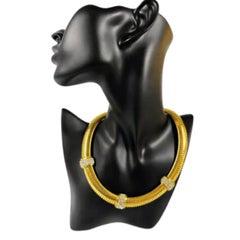
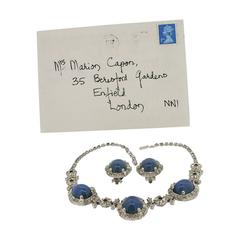
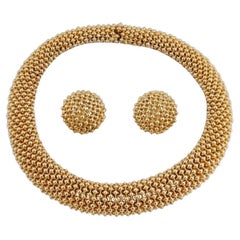
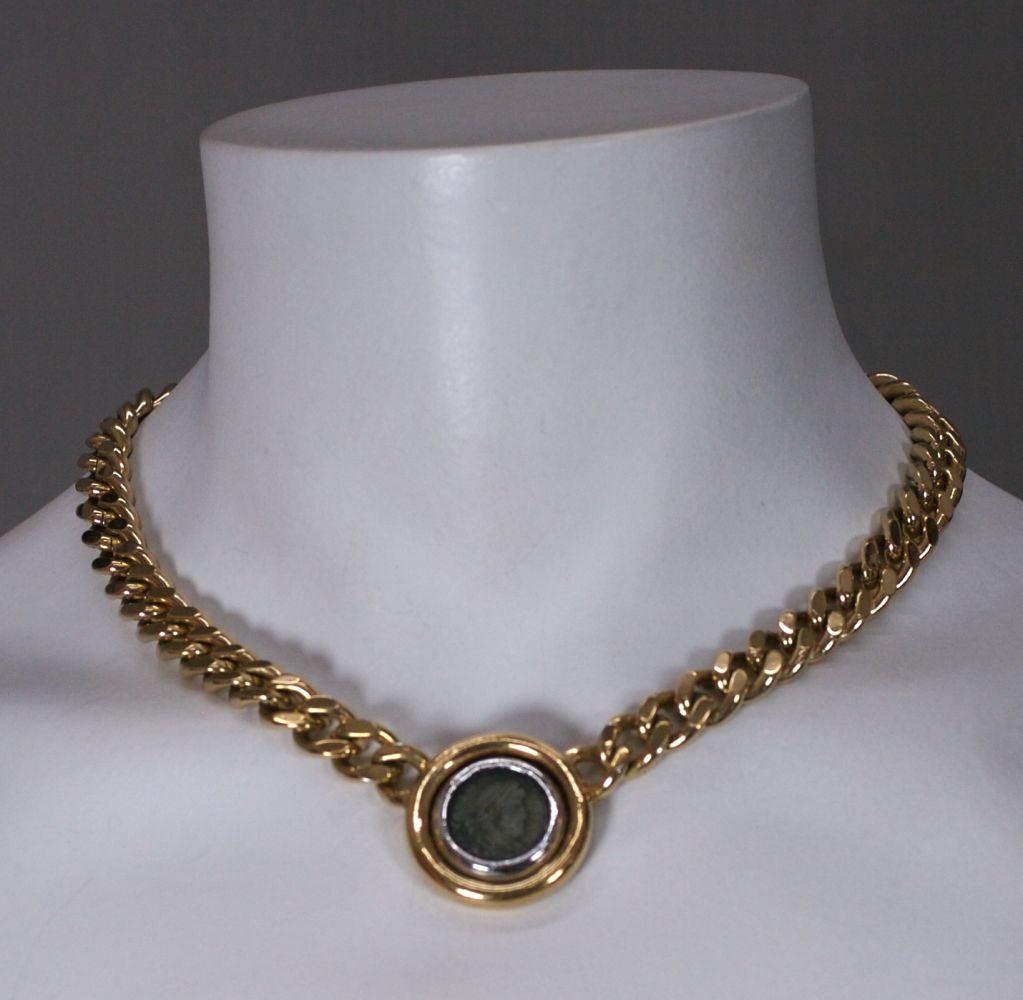
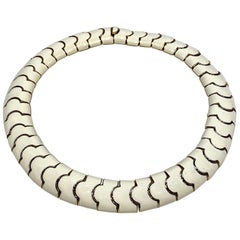
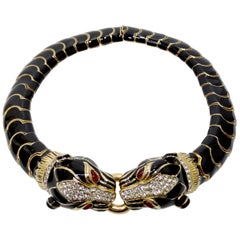
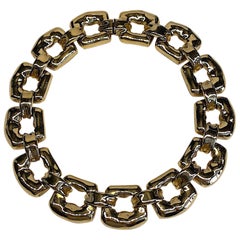
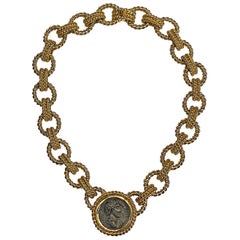
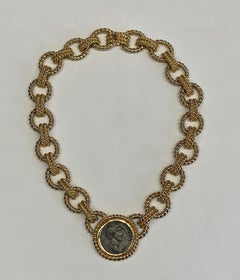
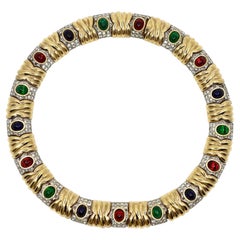
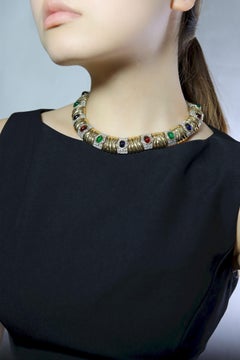
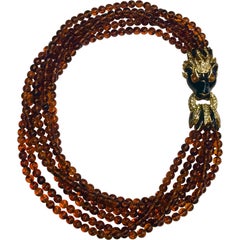
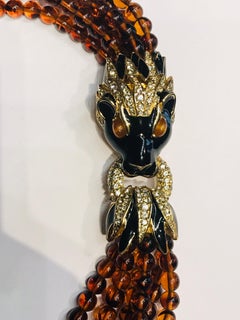
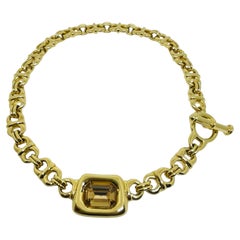
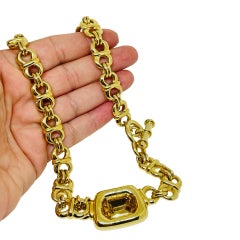
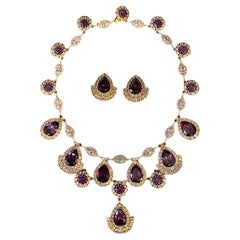
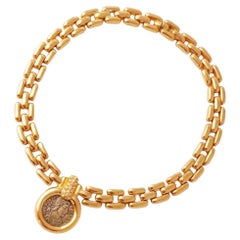
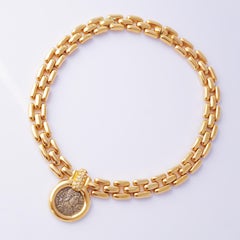
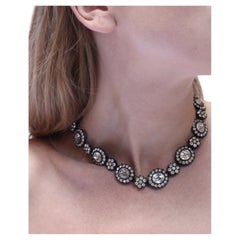
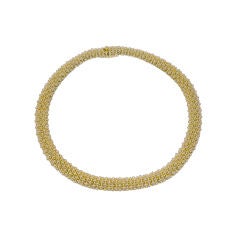
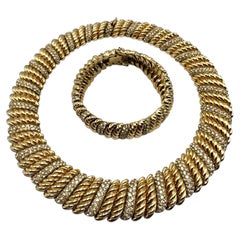
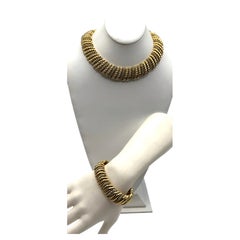
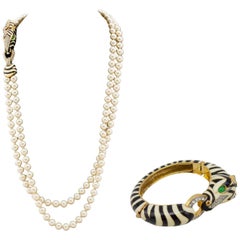
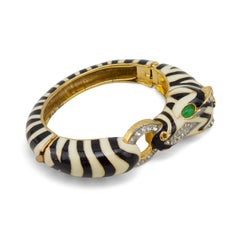
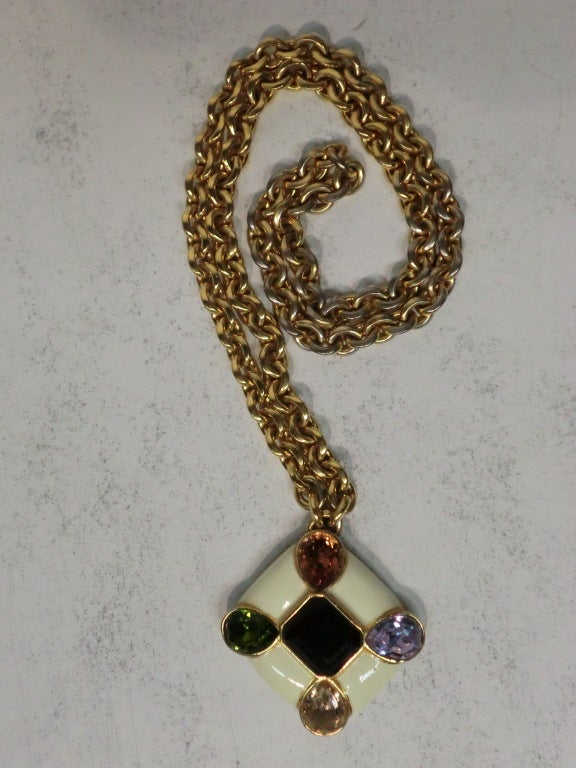
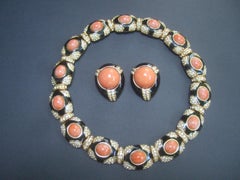
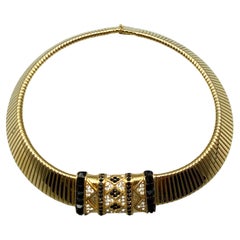
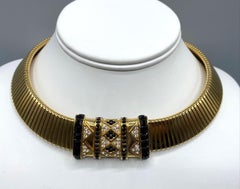
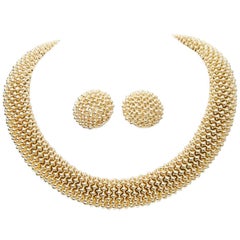
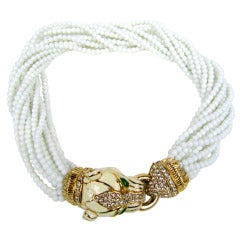
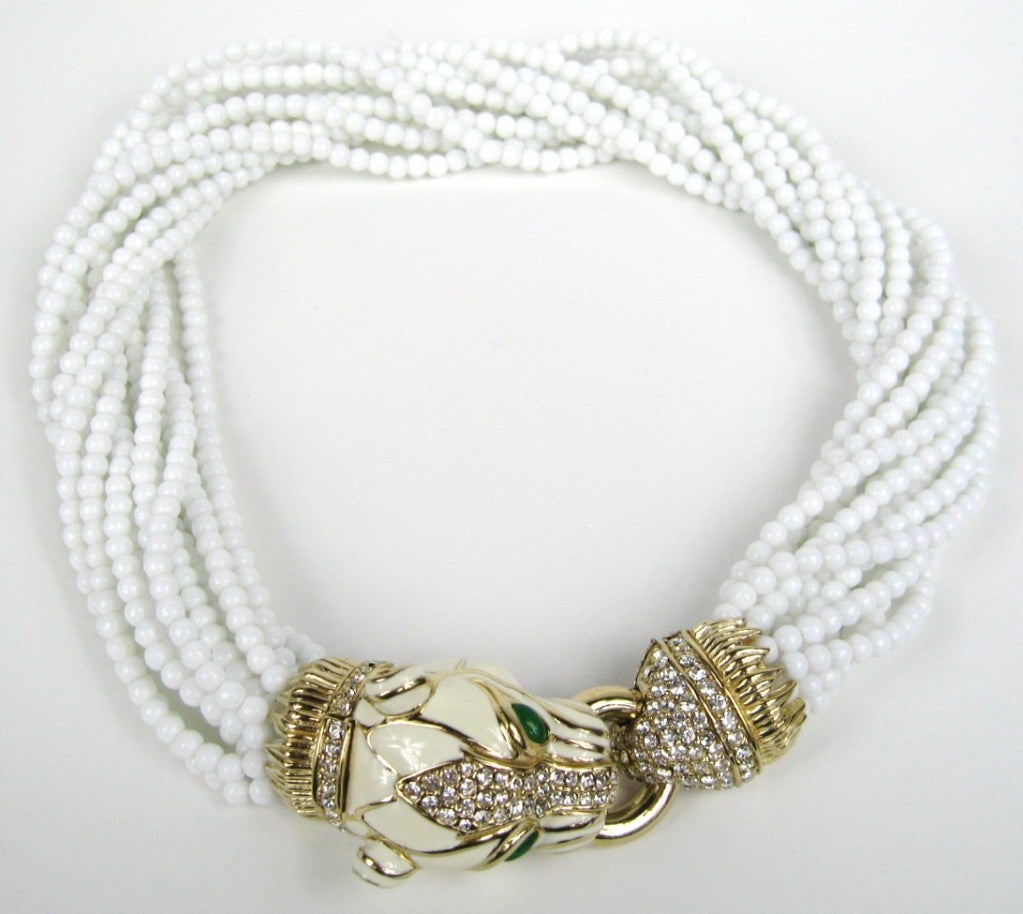
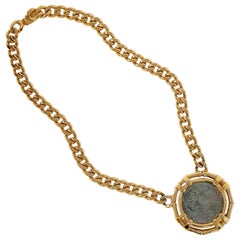
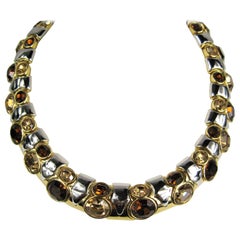
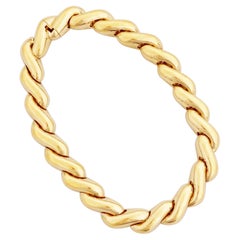
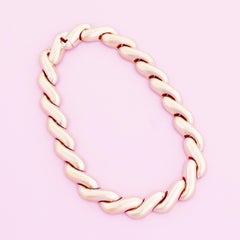
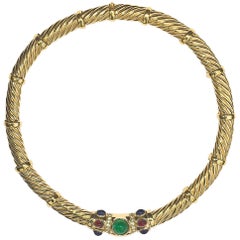
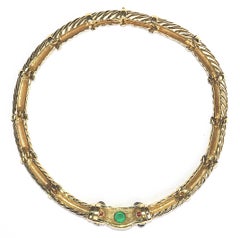
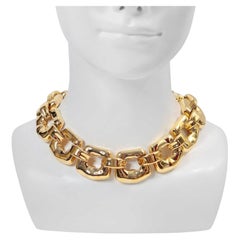
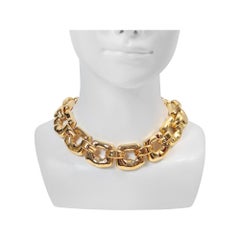
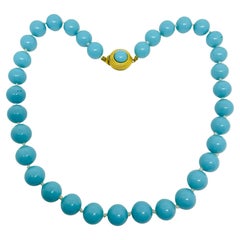
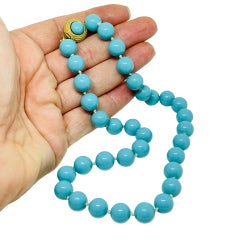
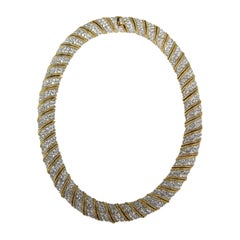
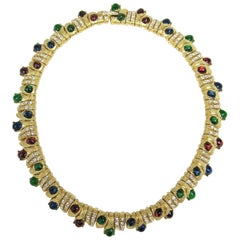
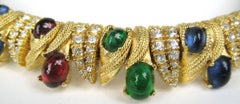
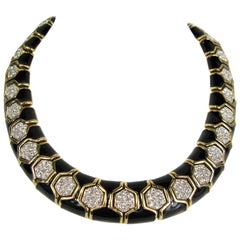
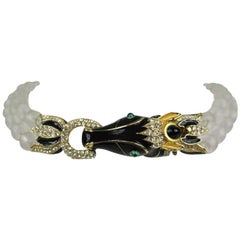
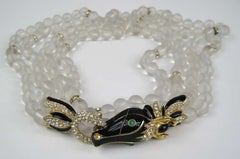
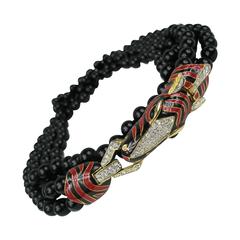
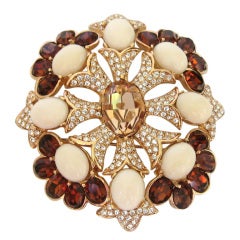
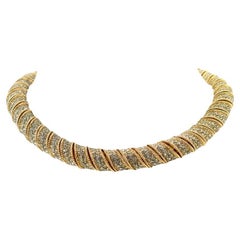
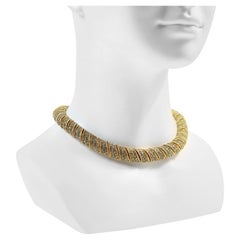
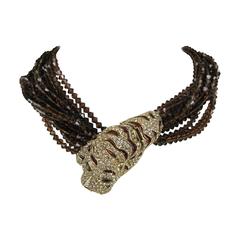
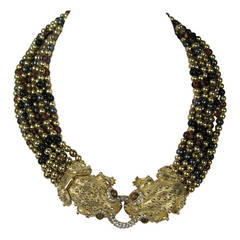
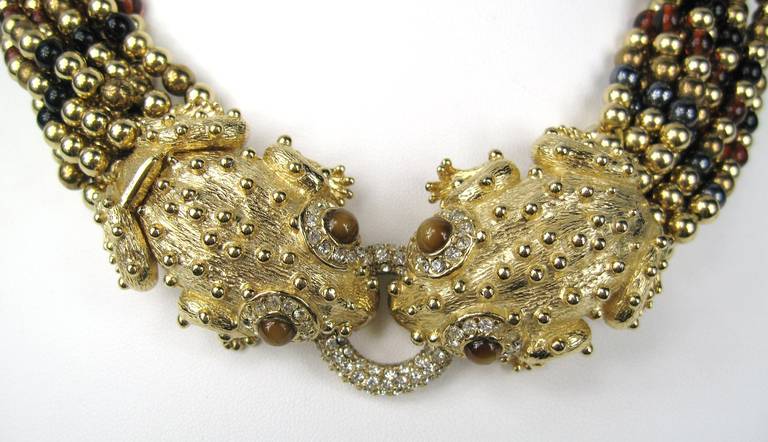
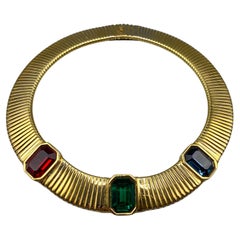
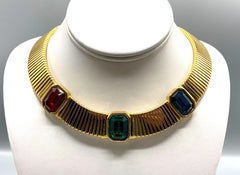
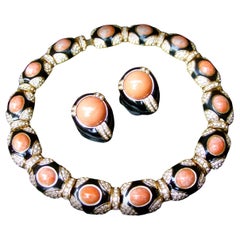
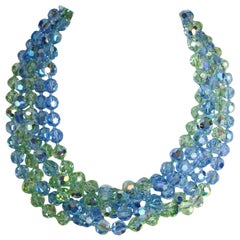
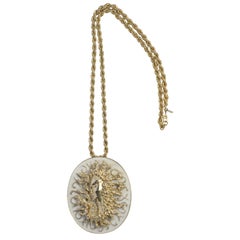
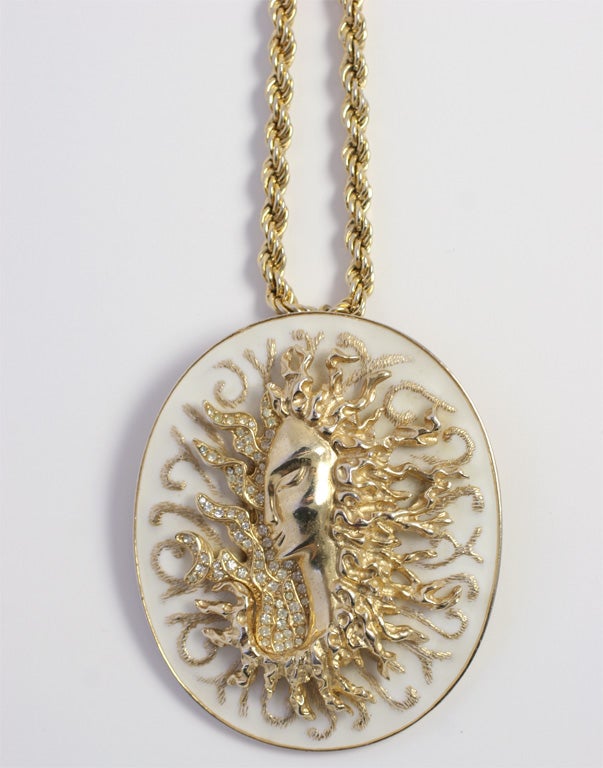
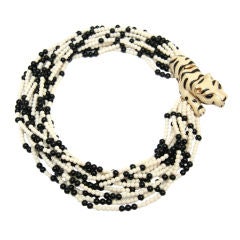
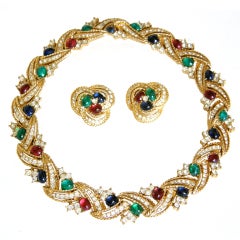
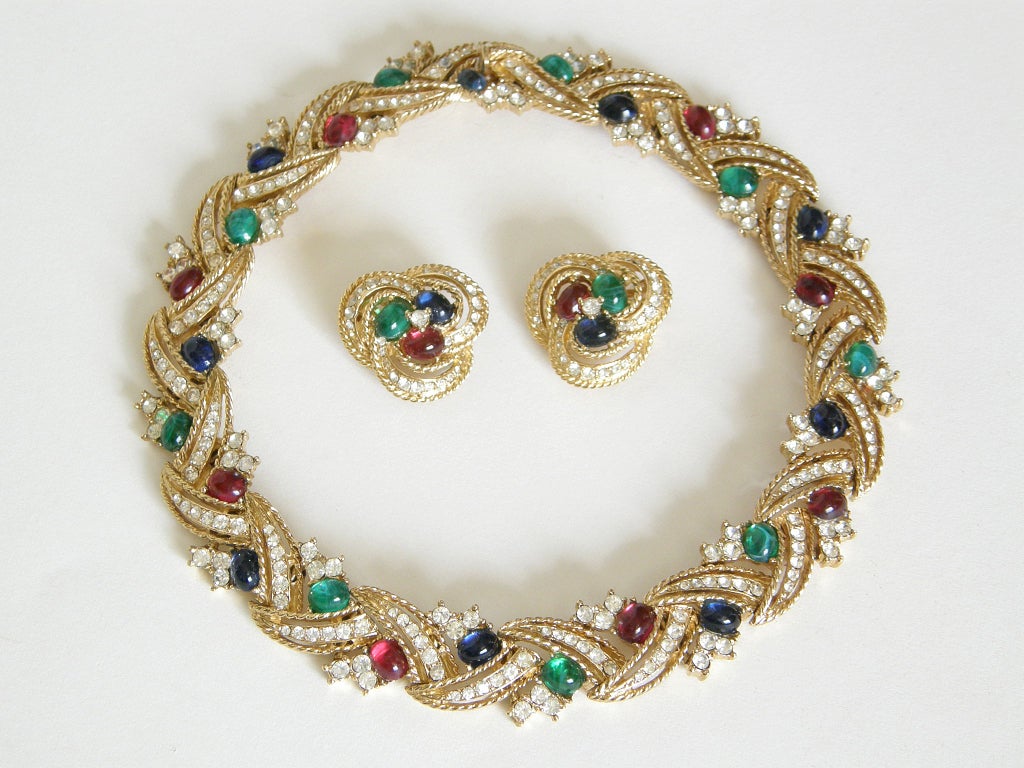
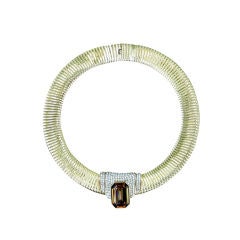
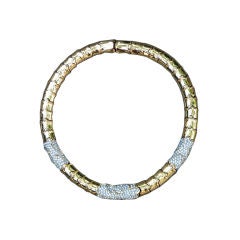
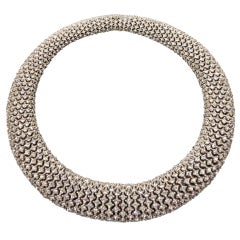
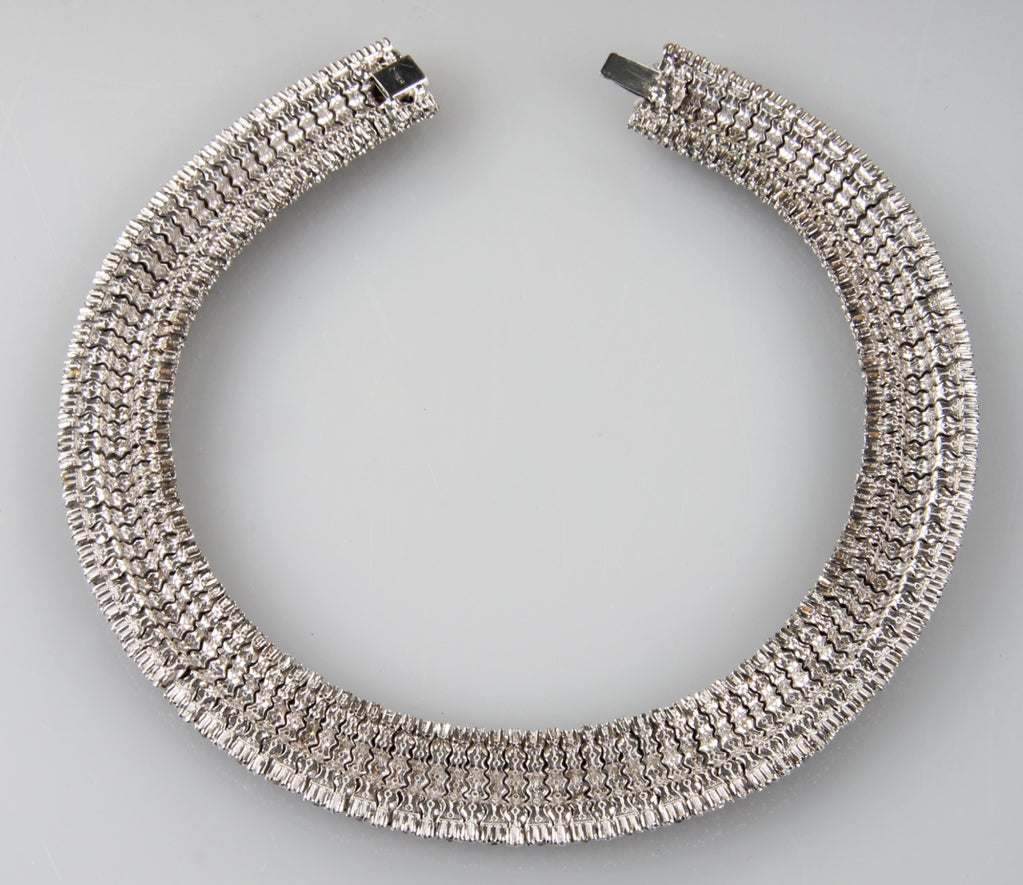
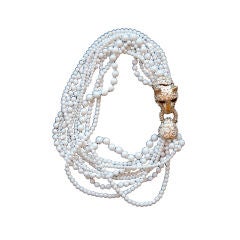
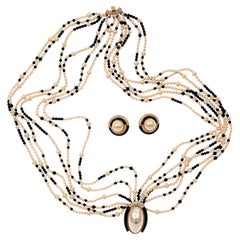
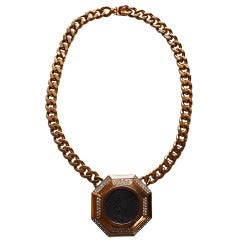
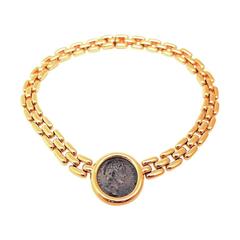
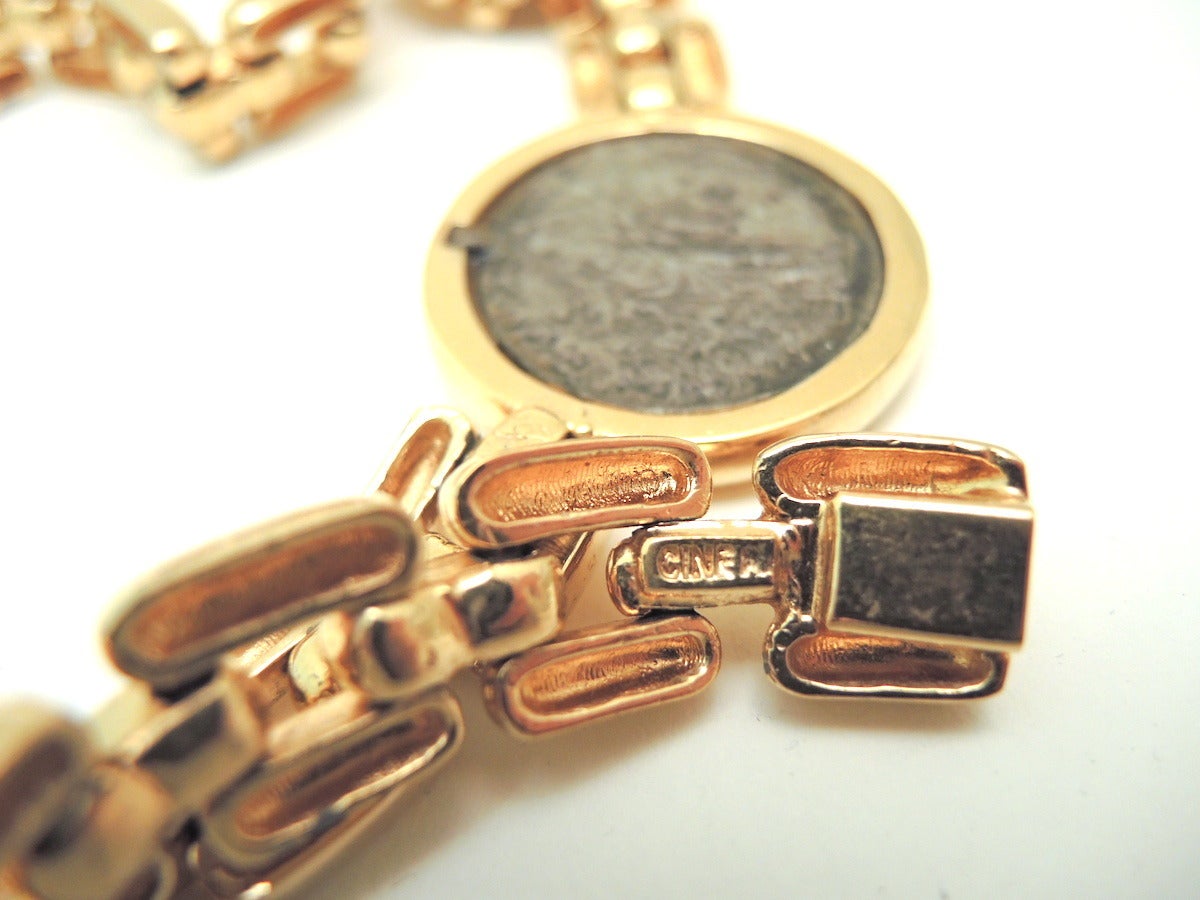
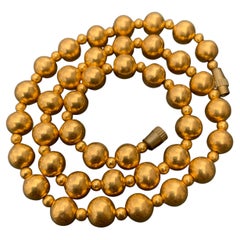
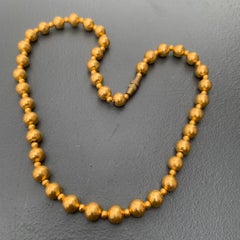
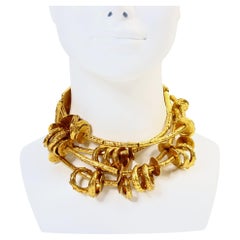
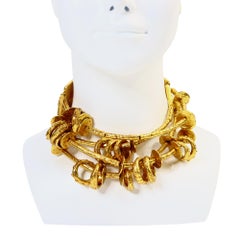
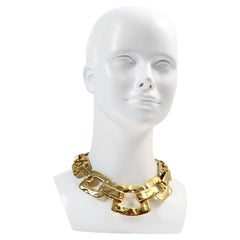
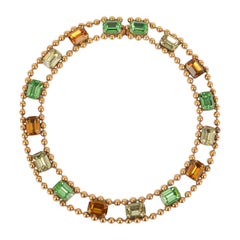
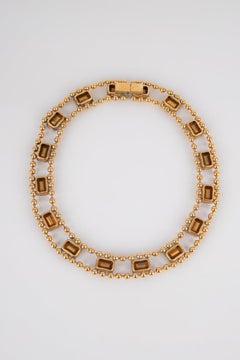
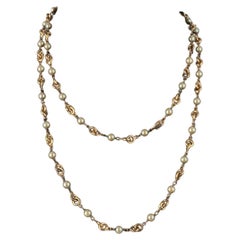
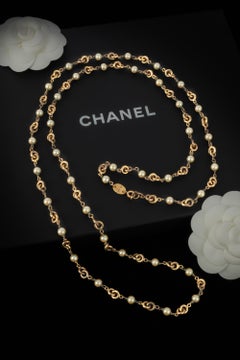
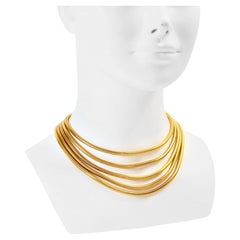
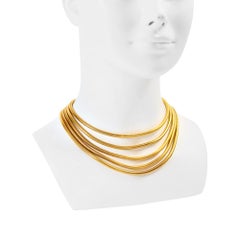
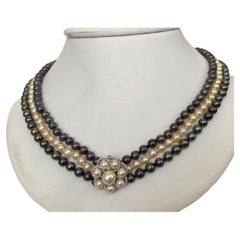
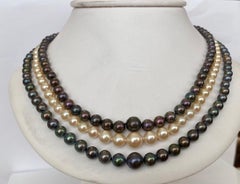
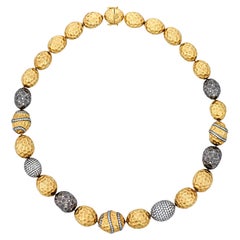
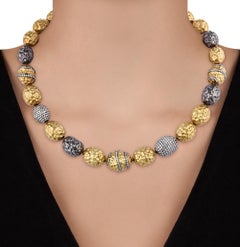
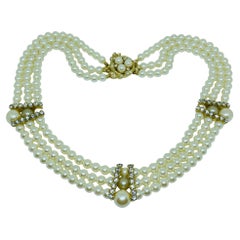
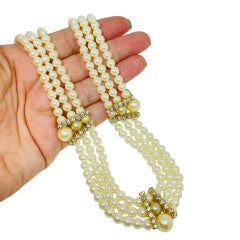
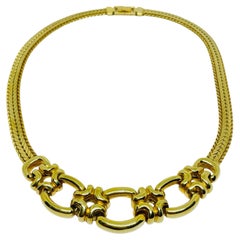
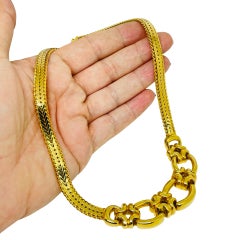
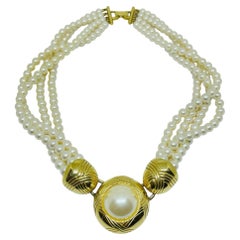
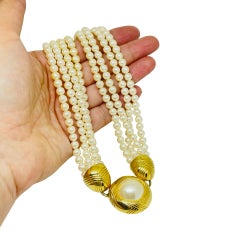
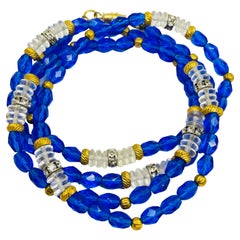
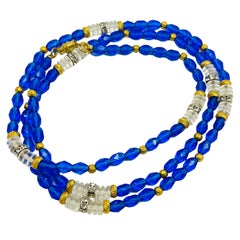
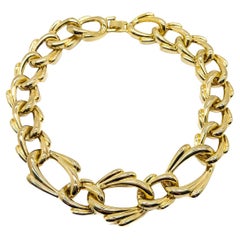
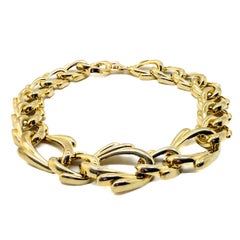
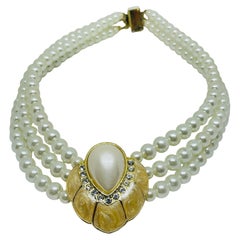
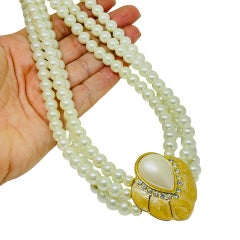
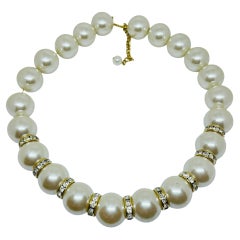
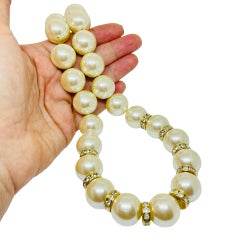
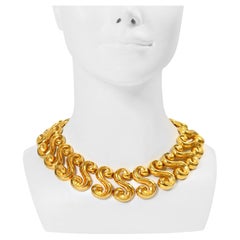
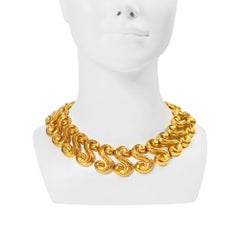
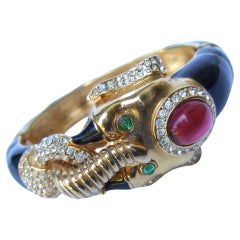
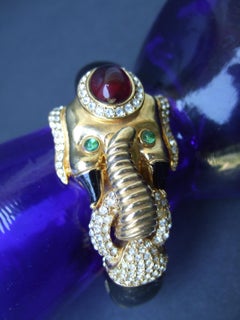
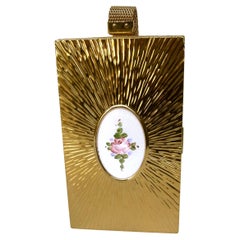
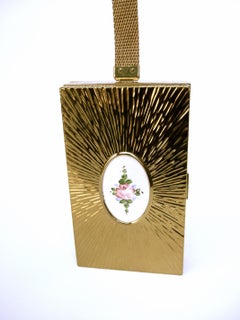
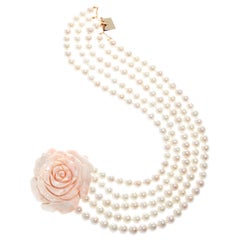
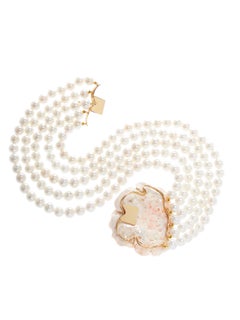
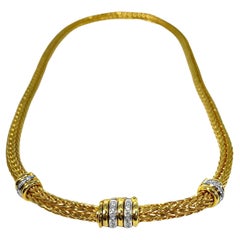
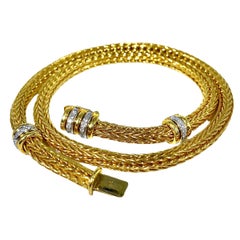
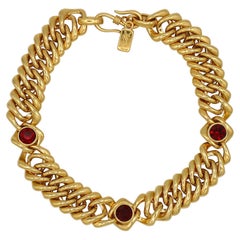
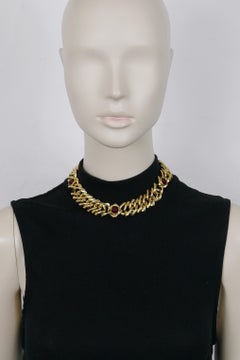
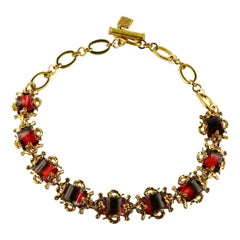
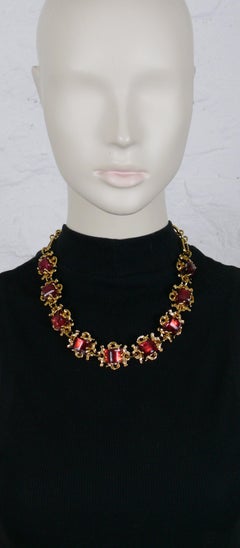
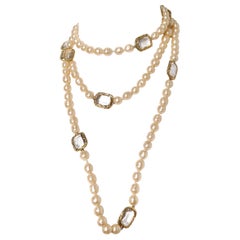
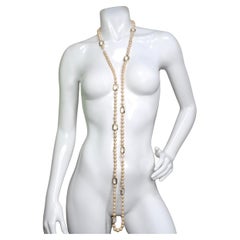
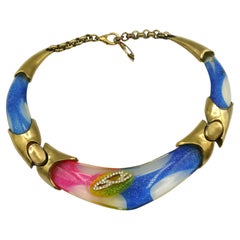
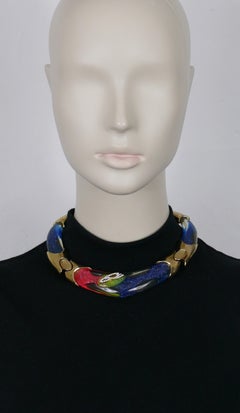
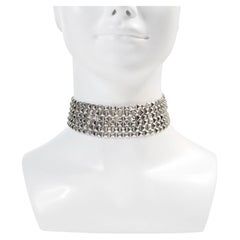
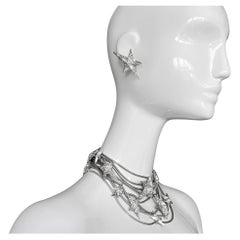
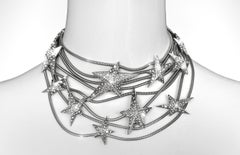
On 1stDibs, you can find the most appropriate ciner jewelry necklace vintage for your needs in our varied inventory. Every item for sale was constructed with extraordinary care, often using
Gilt Metal,
Gold and
Gold Plate. If you’re looking for a ciner jewelry necklace vintage from a specific time period, our collection is diverse and broad-ranging, and you’ll find at least one that dates back to the 20th Century while another version may have been produced as recently as the 20th Century. Creating a ciner jewelry necklace vintage has been a part of the legacy of many jewelers, but those produced by
Ciner and
Ciner NY are consistently popular. A ciner jewelry necklace vintage can make for a versatile accessory, but a selection from our variety of 4
Crystal versions can add an especially stylish touch. See these pages for a
asscher cut iteration of this accessory, while there are also
bead cut and
brilliant cut cut versions available here, too. There aren’t many items for
men if you’re seeking a ciner jewelry necklace vintage, as most of the options available are for
women and unisex.
What defines “fine” jewelry? For many aficionados, there’s a clear line separating the golden wheat from the gilded chaff. But the handcrafted pieces made by Ciner, a 128-year-old costume jewelry house with a glittering past to rival some of the hautest high jewelers, call into question our notions of what constitutes preciousness.
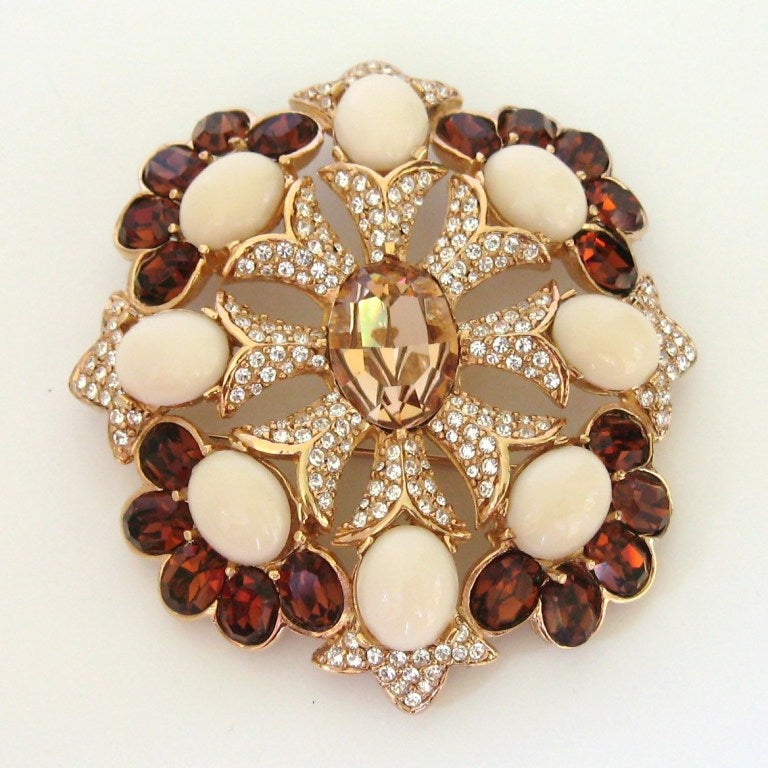
Quality? Craftsmanship? Painstaking detail? Vintage Ciner earrings, brooches, necklaces and other accessories have them all in spades.
Much of the Ciner’s allure can be traced to its origins in fine jewelry. Emanuel Ciner, an Austrian immigrant, founded the firm in Manhattan in 1892, crafting pieces from the traditional precious gems, gold and platinum. But World War I and the Great Depression caused purse strings to tighten and materials to become scarce. Rather than try to weather the economic downturn, which shuttered many other American jewelers, Ciner made the risky transition from fine jewelry to costume (or fashion) jewelry — virtually uncharted territory.
Emanuel Ciner’s sons, Irwin and Charles, introduced an array of innovations — rubber casting molds, which are especially durable and produce higher quality results, and white metal alloys, which affordably mimic the look of more precious materials — that would become the standard for costume jewelry. During World War II, Ciner’s advanced molding technology was utilized by the U.S. military to produce munitions and tools. This arrangement gave the firm access to the heavily rationed metals it needed for its jewels, enabling it again to endure conditions that drove others into bankruptcy.
The company hit its stride in the 1960s, when its jewelry was sold at some of the country’s toniest stores, even garnering an Andy Warhol–illustrated ad for Bonwit Teller. Its pieces were worn by the era’s brightest stars. In the famous 1957 Joe Shere photo of Sophia Loren sneering at Jayne Mansfield’s décolletage, Mansfield is resplendent in shoulder-grazing Ciner earrings.
Ciner is unique among costume jewelers in that its pieces aren’t imitations — they are coveted in their own right. Elizabeth Taylor, a voracious jewelry collector with a taste for the very finest, was a longtime client. Several suites of Ciner jewels were included in the 2011 Christie’s sale of Taylor’s collection, with one group of rhinestone-studded ear clips and a bracelet fetching $15,600 — more than 100 times the auction estimate. It’s a reminder of a time, not so long ago, when women of great style wore fine and costume jewelry with equal aplomb, often at the same time.
Today, Ciner — now run by Emanuel Ciner’s granddaughter Pat Ciner Hill and great-granddaughter Jean Hill — continues to adhere to the same exacting production specifications. It is the only jewelry house in New York, and likely the United States, that manufactures all its pieces entirely in-house. Each begins with dozens of elements that are cast in rubber molds and then individually filed and polished, plated in a particularly thick layer of 18-karat gold or rhodium, assembled on the bench and painted with enamel or set with stones. Every step is performed by hand by craftsmen, many of whom have been with the company for more than 30 years.
Find vintage Ciner clip-on earrings, choker necklaces, bracelets and other jewelry on 1stDibs.
We are fortunate to know much of the world’s long and dazzling history of necklaces, as this type of jewelry was so treasured that it was frequently buried with its owners. Today, Van Cleef necklaces, Tiffany necklaces and Cartier necklaces are some of the most popularly searched designer necklaces on 1stDibs.
Lapis lazuli beads adorned necklaces unearthed from the royal graves at the ancient Iraqi civilization of Sumer, while the excavation of King Tut’s burial chamber revealed a sense of style that led to a frenzy of Art Deco designs, with artisans of the 1920s seeking to emulate the elegant work crafted by Ancient Egypt’s goldsmiths and jewelry makers.
In ancient times, pendant necklaces worn by royalty and nobles conferred wealth and prestige. Today, wearing jewelry is about personal expression: Luxury diamond necklaces exude confidence and can symbolize the celebratory nature of a deep romantic relationship, while paper-clip chain-link necklaces designed by the likes of goldsmith Faye Kim are firmly planted in the past as well as the present. Kim works exclusively with eco-friendly gold, and these fashionable, fun accessories owe to the design of 19th-century watch fobs.
For some, necklaces are thought of as being a solely feminine piece, but this widely loved accessory has been gender-neutral for eons. In fact, just as women rarely took to wearing a single necklace during the Renaissance, men of the era layered chains and valuable pendants atop their bejeweled clothing. In modern times, the free-spirited hippie and counterculture movements of the 1960s saw costume-jewelry designers celebrating self-expression through colorful multistrand necklaces and no shortage of beads, which were worn by anyone and everyone.
Even after all of these years, the necklace remains an irrefutable staple of any complete outfit. Although new trends in jewelry are constantly emerging, the glamour and beauty of the past continue to inform modern styles and designs. In a way, the cyclical history of the necklace differs little from its familiar looped form: The celebrated French jewelry house Van Cleef & Arpels found much inspiration in King Tut, and, now, their Alhambra collection is a go-to for modern royals. Vintage David Webb necklaces — whose work landed him on the cover of Vogue in 1950, two years after opening his Manhattan shop — were likely inspired by the ornamental styles of ancient Greece, Mesopotamia and Egypt.
On 1stDibs, browse top designers like Dior, Chanel and Bulgari, or shop by your favorite style, from eye-catching choker necklaces to understated links to pearl necklaces and more.