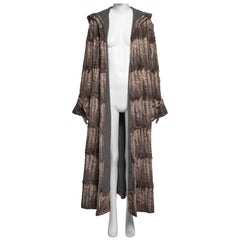
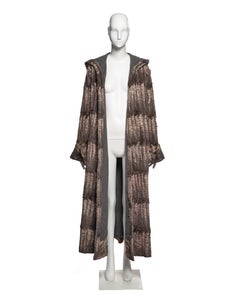
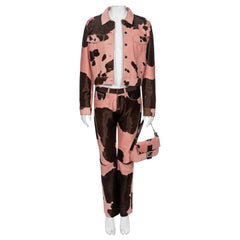
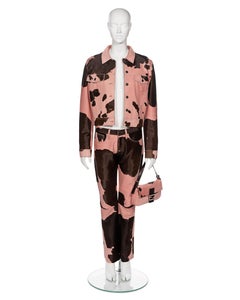
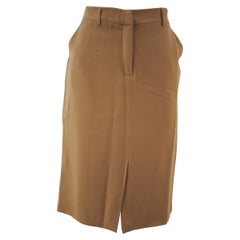
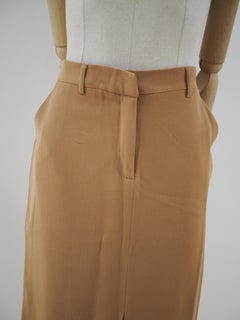
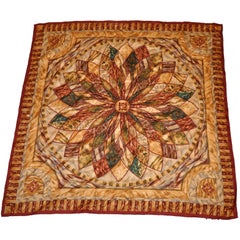
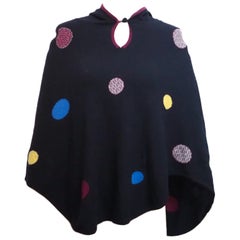
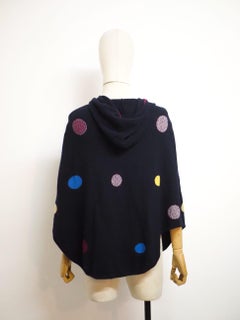
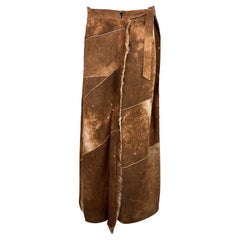
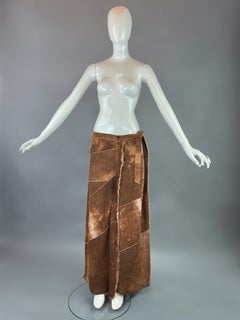
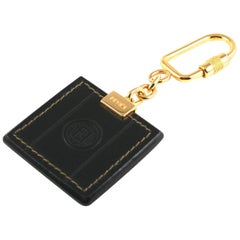
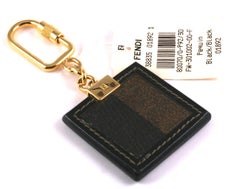
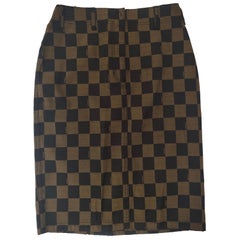
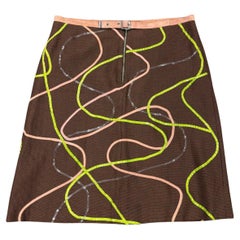
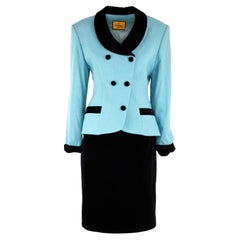
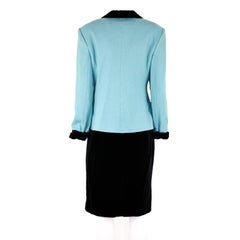
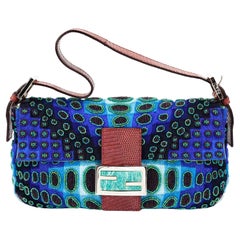
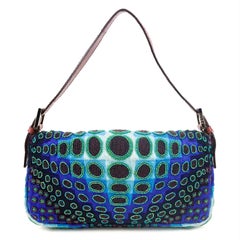
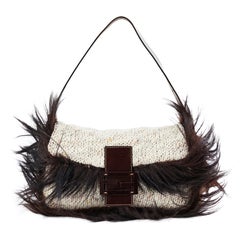
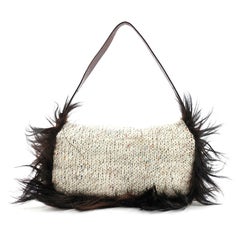
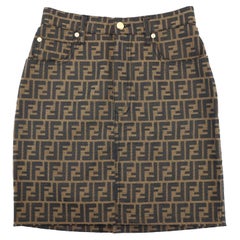
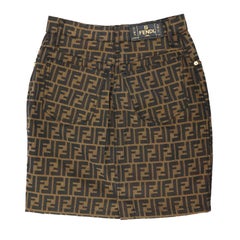
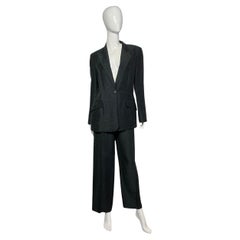
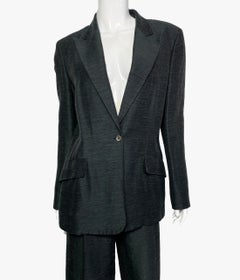
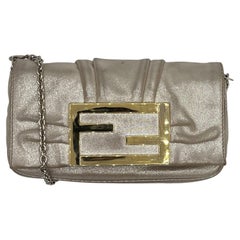
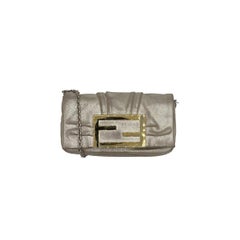
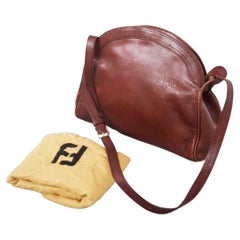
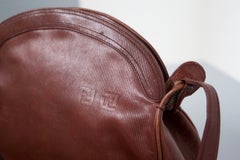
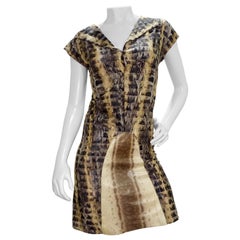
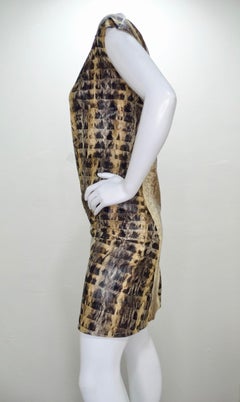
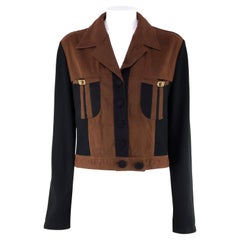
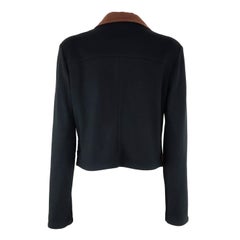
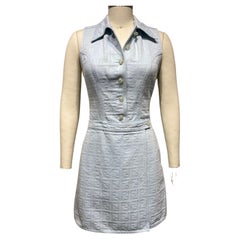
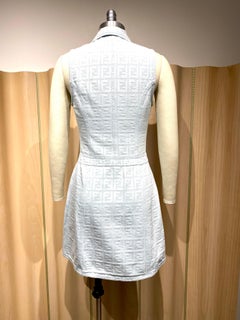
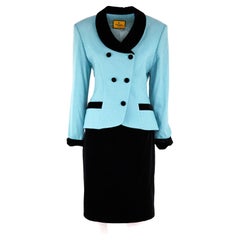
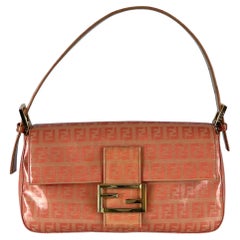
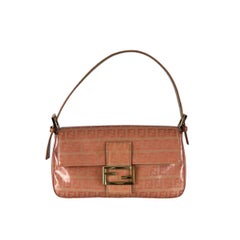
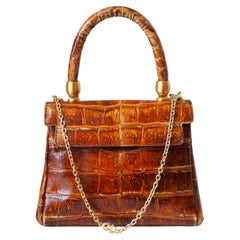
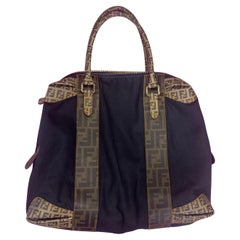
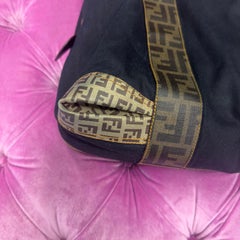
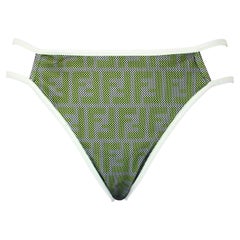
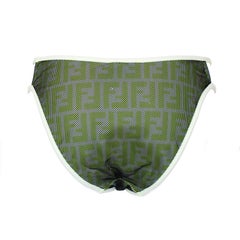
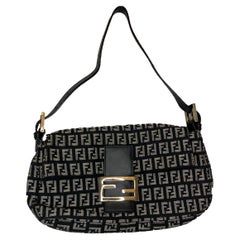
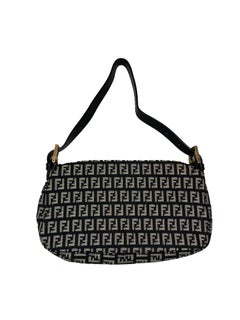
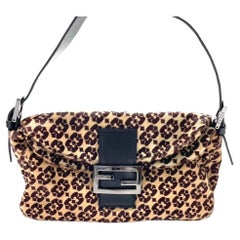
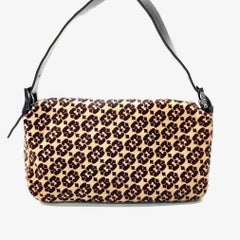
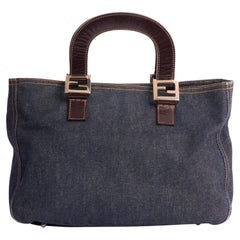
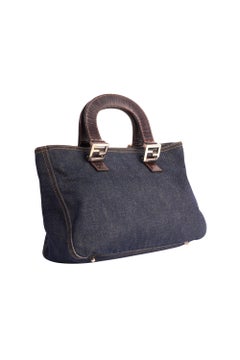
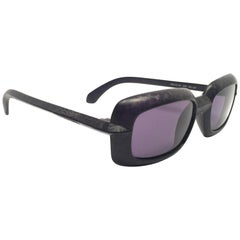
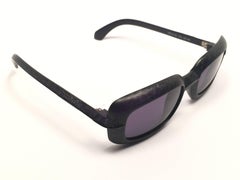
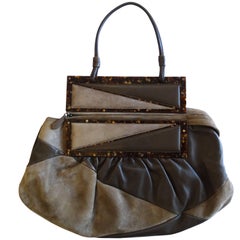
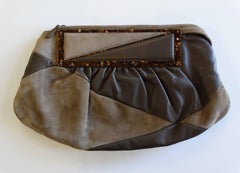
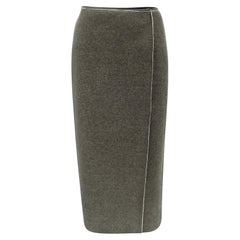
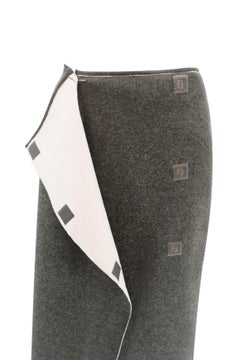
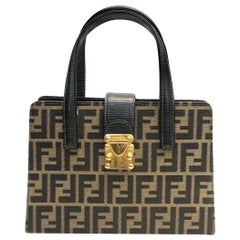
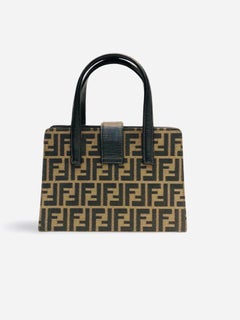
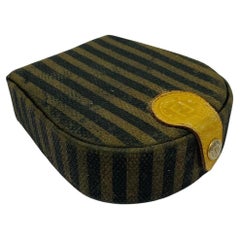
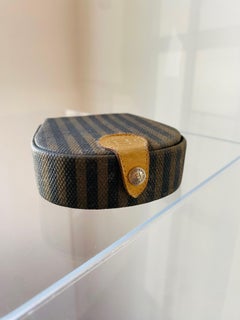
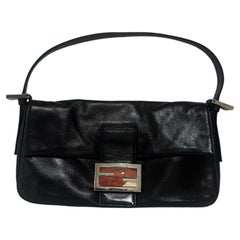
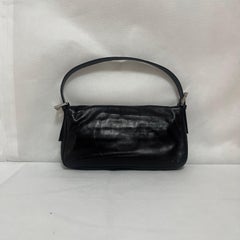
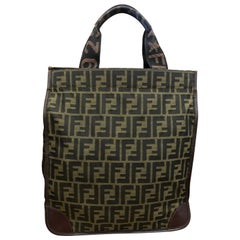
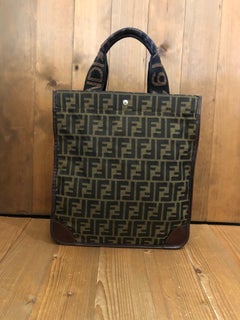
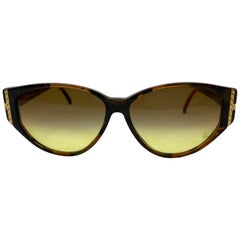
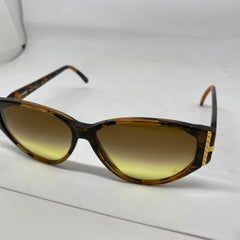
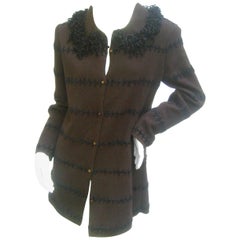
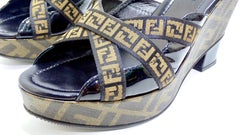
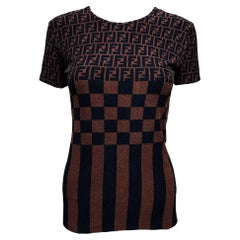
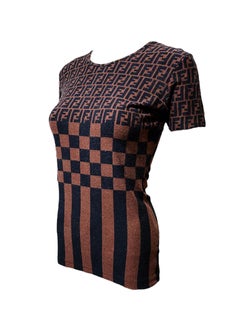
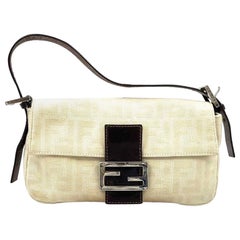
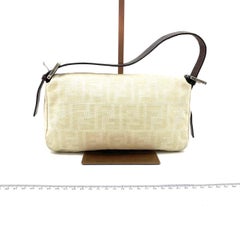
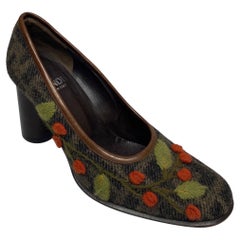
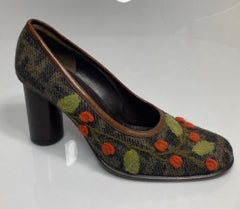
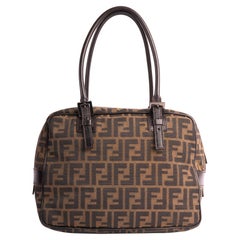
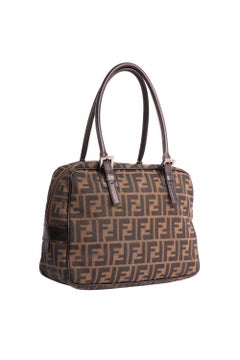
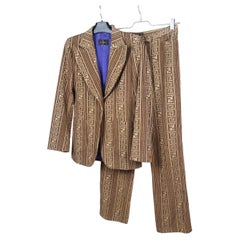
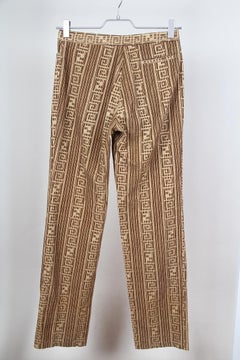
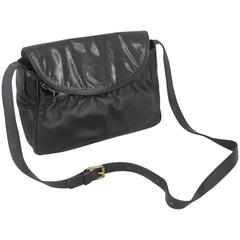
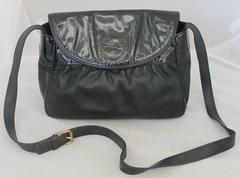
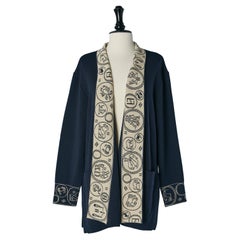
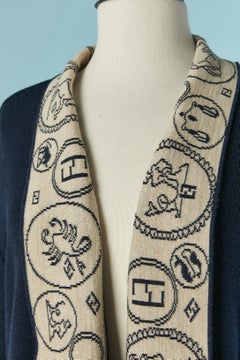
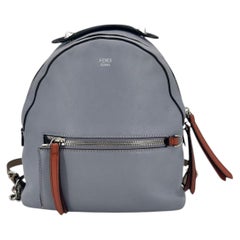
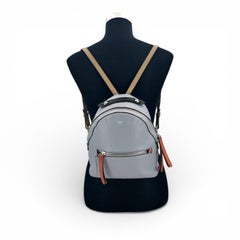
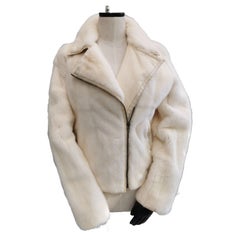
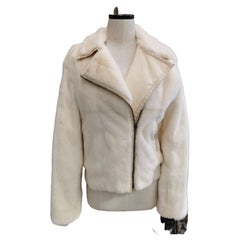
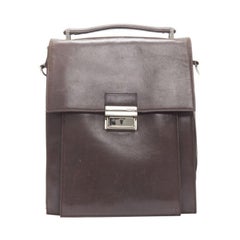
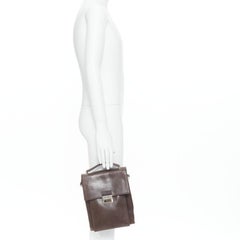
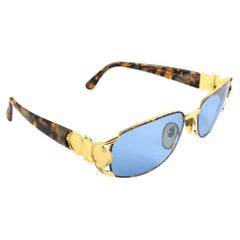
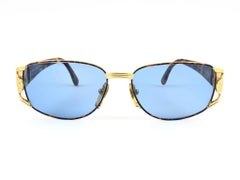
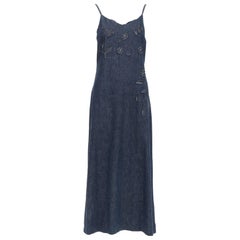
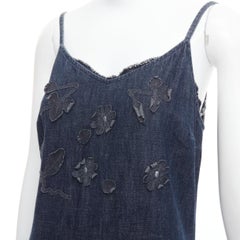
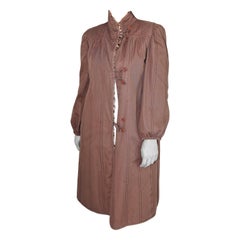
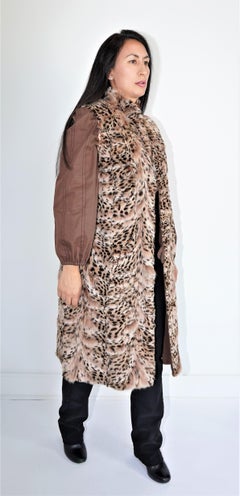
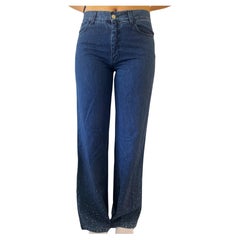
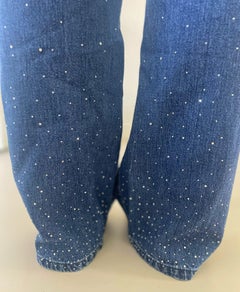
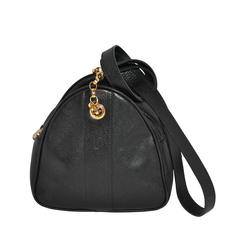
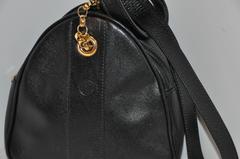
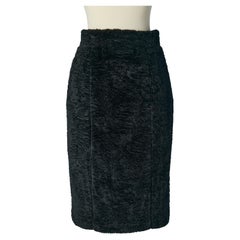
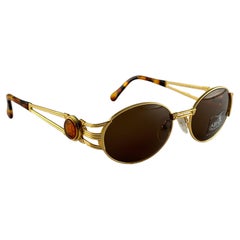
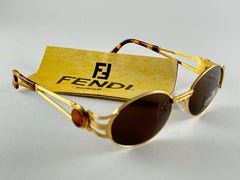
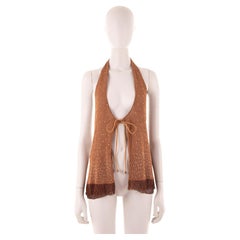
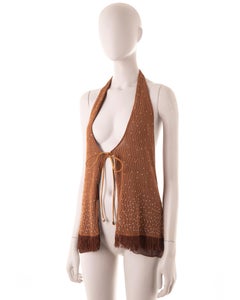
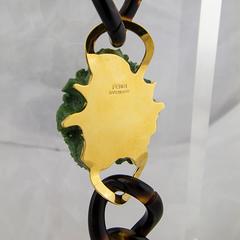
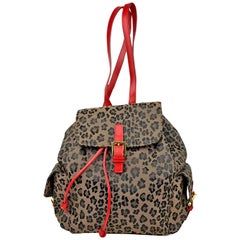
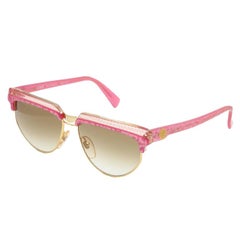
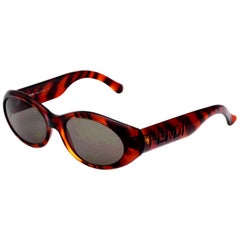
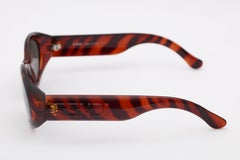
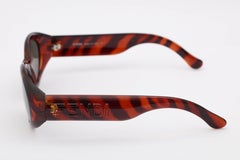
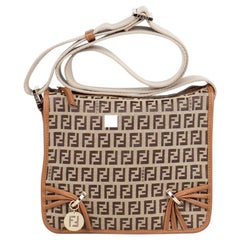
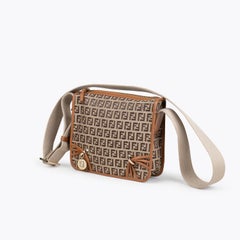
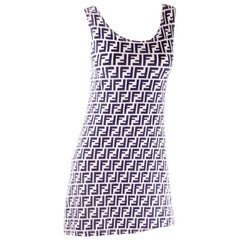
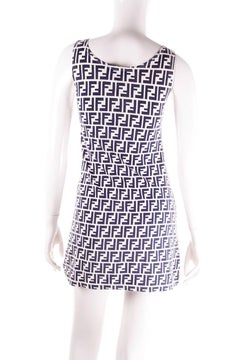
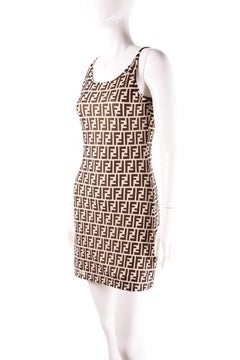
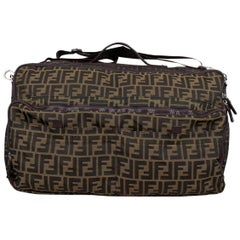
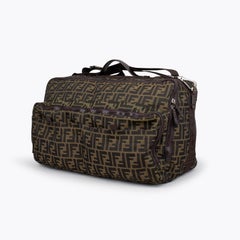
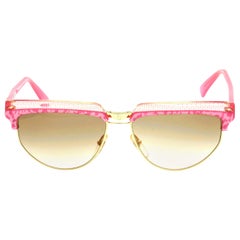
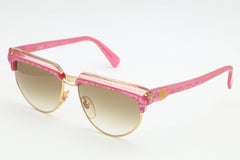
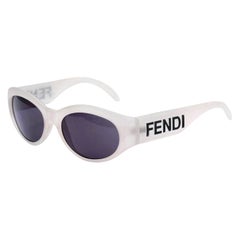
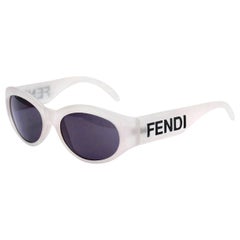
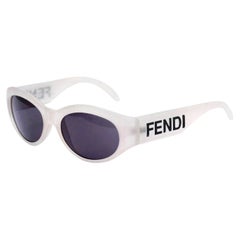
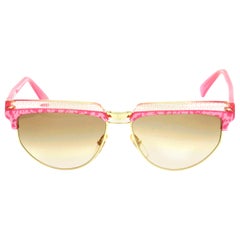
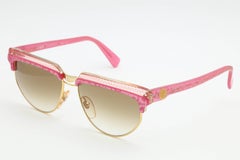
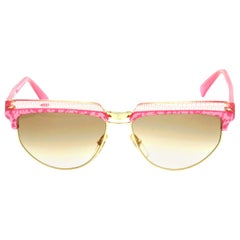
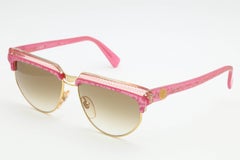
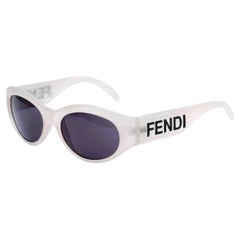
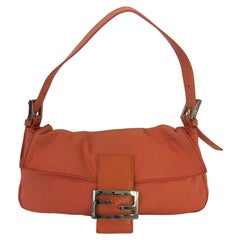
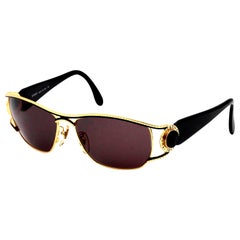
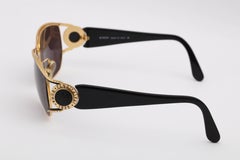
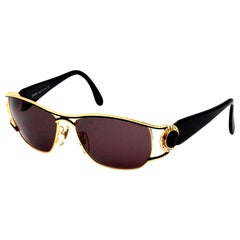
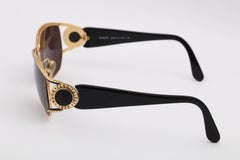
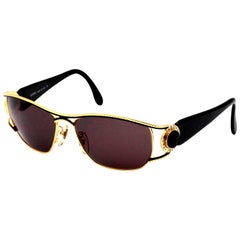
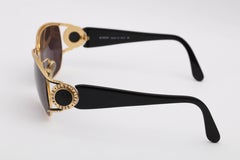
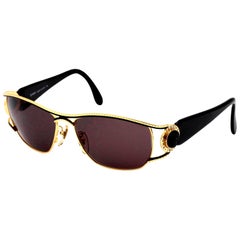
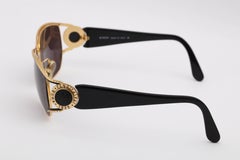
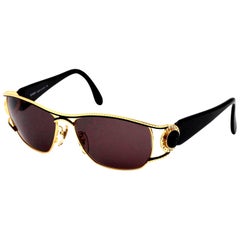
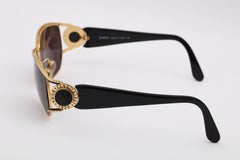
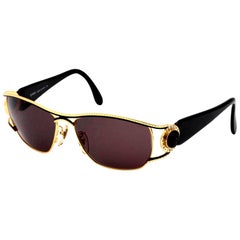
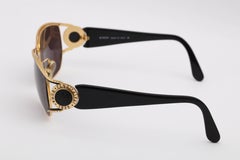
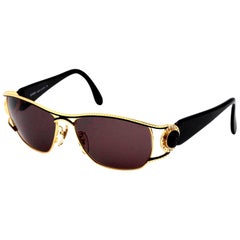
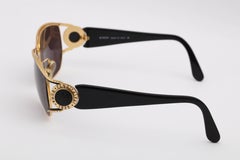
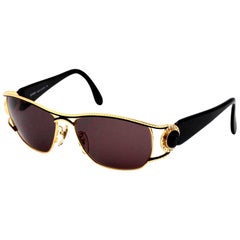
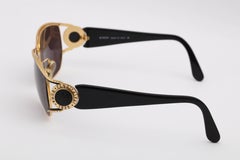
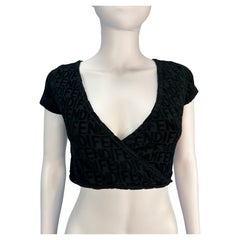
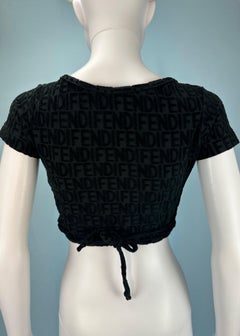
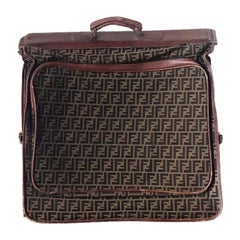
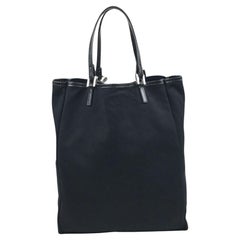
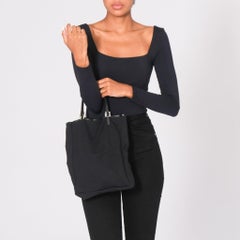
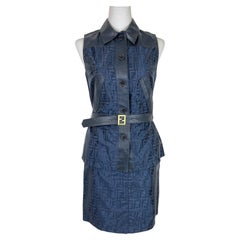
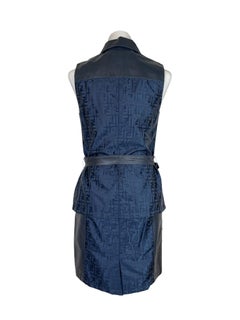
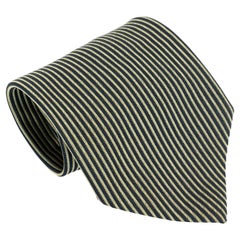
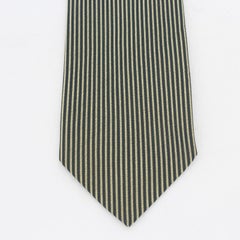
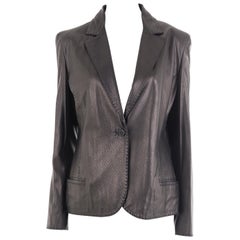
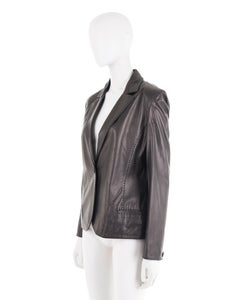
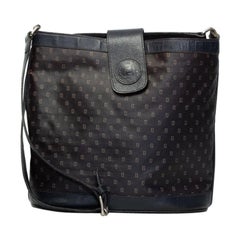
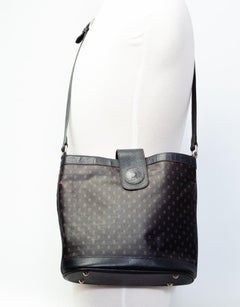
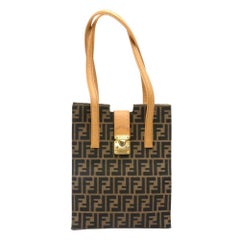
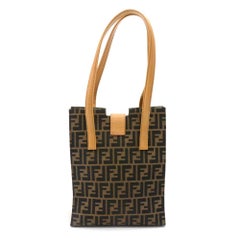
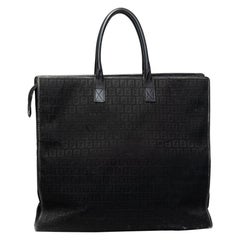
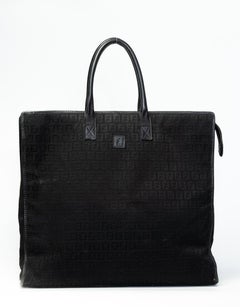
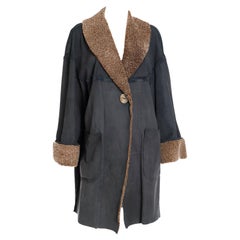
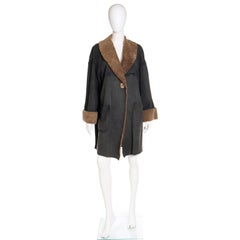
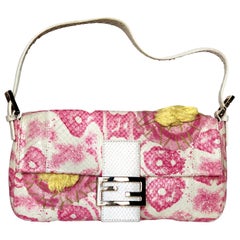
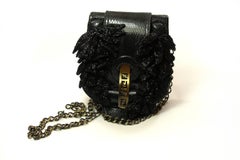
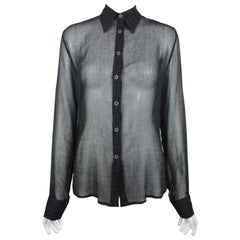
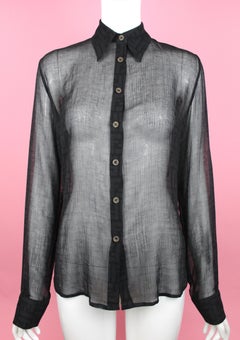
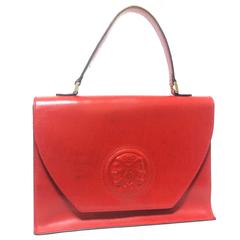
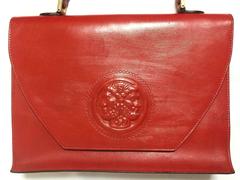
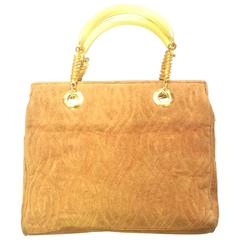
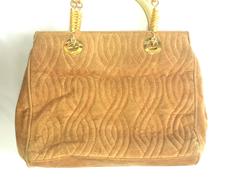
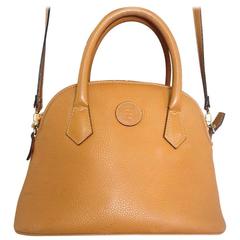
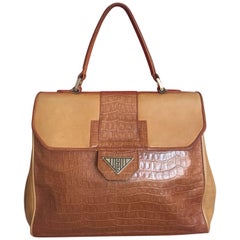
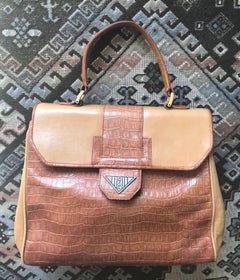
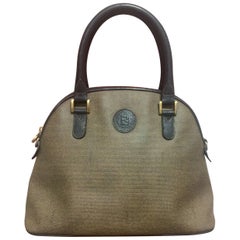
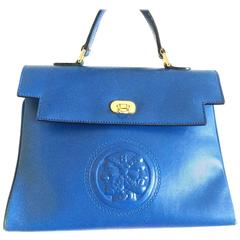
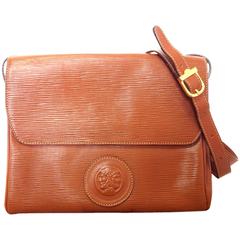
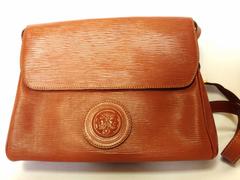
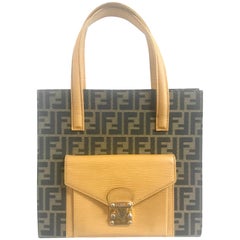
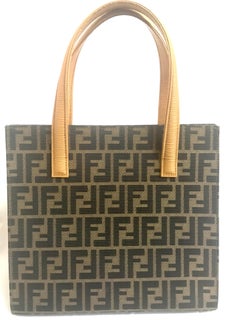
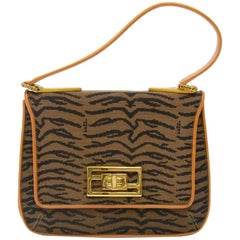
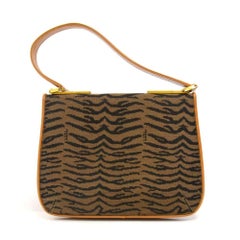
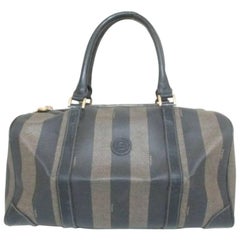
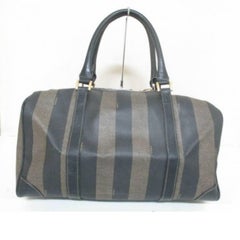
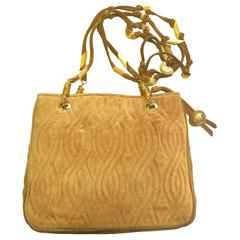
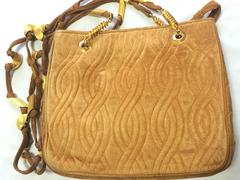
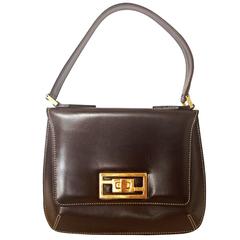
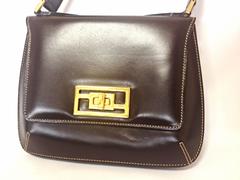
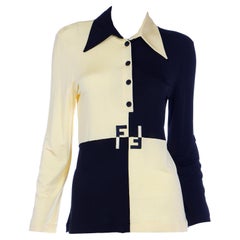
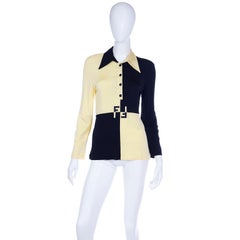
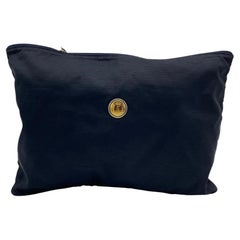
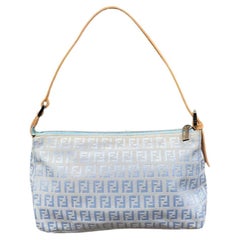
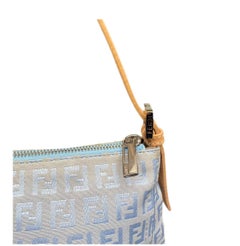
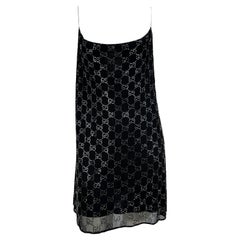
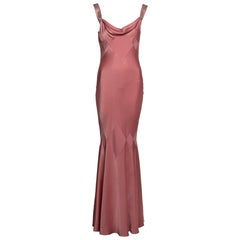
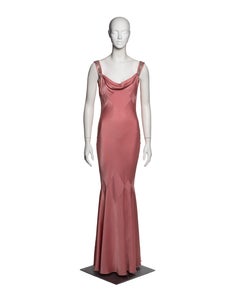
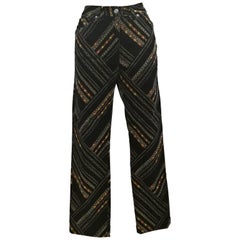
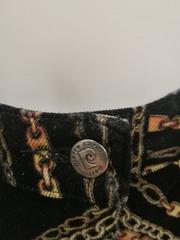
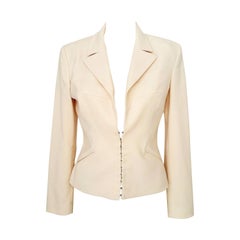
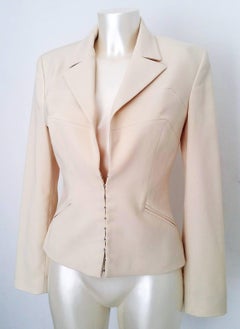
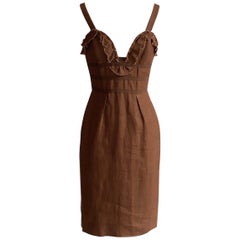
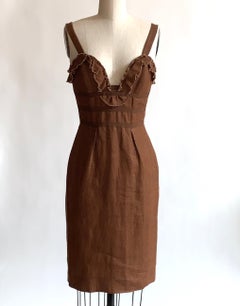
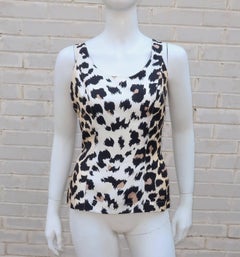
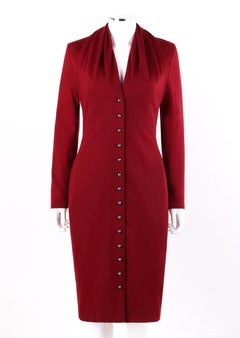
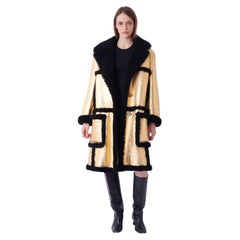
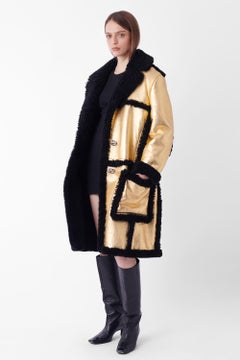
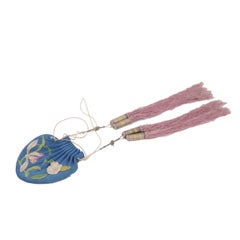
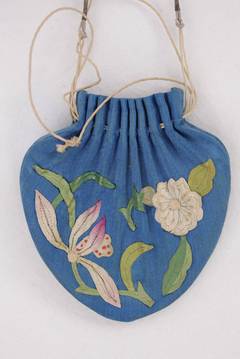
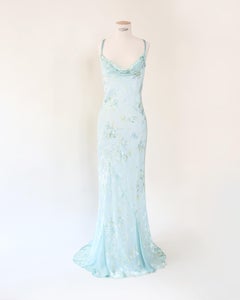
You are likely to find exactly the vintage or contemporary fendi 1999 you’re looking for on 1stDibs, as there is a broad range for sale. Many people prefer
Black, but fashion is all about individuality — you can find
Brown,
Beige and more options on these pages. Finding the perfect fendi 1999 may mean sifting through those that were made during different time periods — popular versions were made as early as the 20th Century and a newer one, made as recently as the 20th Century, can also be found on the site. Finding a fendi 1999 for sale for
women should be easy, but there are 98 pieces available to browse for
men as well.
Prices for a fendi 1999 can differ depending upon size, designer and other attributes — on 1stDibs, these accessories begin at $28 and can go as high as $13,610, while, on average they fetch $690.
Like other major European luxury fashion houses, Fendi started small. Adele Casagrande was an Italian creative who loved fashion and sold leather and fur accessories from a tiny workshop she opened in Rome in 1918. However, after marrying Edoardo Fendi in 1925, her business model was altered dramatically. Together, the couple changed the boutique’s name to Fendi and moved into a bigger storefront, which quickly became the favorite shop of women all over Italy’s capital city for furs and leathers, such as handbags, coats and accessories.
As time moved on for Adele and Edoardo, the couple began to distribute more responsibility to their five daughters, who assumed management of the company during the 1950s. Fendi’s audience broadened and its profitability has soared over the years, owing to the brand’s fresh perspective on fashion world happenings and innovative sensibility.
The maison also has a distinctive relationship with old-world Italian craftsmanship. The Selleria bags were the work of master saddlers in Rome, and Fendi partnered with lace artisans in southern Italy as well as craftsmen in the east trained in the intrecciato (intertwined) technique (an idea that Adele introduced during the 1940s), which, in Fendi’s case, sees an interwoven leather fabric integrated in the creation of its handbags, countering leather’s traditional rigidity with a bag that is soft, versatile and fitted with an alluring slouchy curve.
It wasn’t until 1965, however, when a young German designer named Karl Lagerfeld took the creative helm that Fendi became a world-renowned fashion house. In fact, Lagerfeld, who produced four to five collections yearly for the brand, is credited with creating Fendi’s instantly recognizable double-F logo (which stands for “Fun Furs”) in “less than five seconds.” Until Lagerfeld started designing for the brand, fur was a material mostly associated with heavy coats that few people actually wore. Lagerfeld reimagined fur in creative ways, using it as an accent on purses, cuffs on dress sleeves and collars on wool coats.
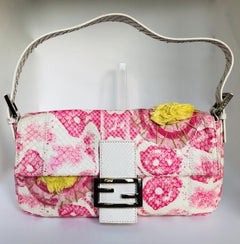
Over the ensuing years, Fendi has broken into the home-goods market with Fendi Casa and has become synonymous with luxury fashion, producing such pieces as the iconic Baguette, which was rendered ever popular on the television series Sex and the City. In fact, an entire episode during the third season was dedicated to the “original It bag,” a slim accessory tapered in a manner that recalls its namesake, designed in 1997 by Adele and Edoardo’s granddaughter Silvia Venturini Fendi, who was named creative director of accessories three years earlier.
Perhaps just as well known as its vintage Baguette handbags and creative use of fur is the brand’s devotion to its Italian roots. In 2013, Fendi donated more than 2 million euros to restore Rome’s Trevi Fountain, and when it was reopened to visitors, Fendi hosted its Autumn/Winter 2017 show on top of the landmark.
Fendi was a family-controlled brand until 1999 and is now owned by LVMH. In late 2020, British fashion designer Kim Jones was named the house’s artistic director for womens wear.
Find a wide variety of vintage Fendi handbags and purses, clothing and other accessories on 1stDibs.
For fashion lovers, the 1990s have become associated with styles adopted by today’s supermodels and influencers, who never wear the same thing twice. And because fast fashion didn’t yet exist, the design associated with 1990s fashion — vintage '90s handbags, clothing and accessories — has a quality appreciated by the millennial generation: authenticity.
If there was one concept unifying fashion in the 1990s, it was the lean silhouette. “Fashion is a game of proportion,” Alexander Fury wrote in the New York Times in 2016. “Narrow-shouldered and narrow-hipped, the ’90s were skinny.”
If it takes a practiced eye to identify that single concept, that’s because in truth, ’90s fashion was many things to many people. After the 1980s era of strong-shouldered working women, glossy aerobicized bodies and Madonna, fashion branched out.
The industry gained momentum from big-money relaunches of the great Paris houses Dior, Givenchy and Balenciaga, rescued at long last from the constraints of licensing. Japan and Belgium gave fashion new avant-garde ideas to play with. From America came denim, minimalism, '90s grunge fashion and hip-hop. From Italy came sex appeal. And Prada.
For the colorful corsets of her 1990 Portrait collection, audacious British designer Dame Vivienne Westwood drew on 18th-century oil paintings — her models donned the pearl choker necklaces that have become a social media star and a favorite of influencers and fashion lovers all over the world. For a jacket-and-shorts suit from her Fall/Winter 1996–97 Storm in a Teacup line, the designer used the extreme asymmetry of a tartan mash-up to confront, according to Westwood, “the horror of uniformity and minimalism.”
“The ethos of the time was, you could have style, you could be into all kinds of cool stuff. It wasn’t about money, it wasn’t about status,” says Katy Rodriguez, cofounder of Resurrection. In contrast, “our last 10 years have seen the domination of nonstop luxury, money and status.”
Vintage 1990s Chanel bags, for example, are among the most prized of the brand’s offerings — at Newfound Luxury, proprietor L. Kiyana Macon has "clients who only buy ’90s Chanel because they recognize that it is the best quality.”
Things were different in the ’90s, and the difference is reflected in the clothes. Pull up any recent “How to Do the 1990s” fashion article (or look at photos of current supermodels Gigi, Kendall and Bella), and you’ll see iconic '90s outfits — knee socks, cardigans, fanny packs, fishnet stockings, slip dresses, flannel shirts and combat boots.
Rodriguez has recently noticed something similar happening. Before COVID, customers searched 1990s stock “for very sexy Galliano, Dior, Cavalli — that kind of thing,” she explains, noting that just a few months ago, “people were posting [on social media] the poshest things they could.” Now, in the age of shutdown, “that would just look out of touch.”
Instead, people are looking for “things that are cool but also easy and comfortable, not necessarily super-luxe,” Rodriguez continues. They’re “heading back to the more avant-garde, anti-fashion designers, like Helmut Lang, [Martin] Margiela and [Ann] Demeulemeester.”
Late designer Franco Moschino shocked and titillated the ’80s fashion elite with his whimsical, irreverent parodies of bourgeois finery. Whether emblazoning a sober blazer with smiley faces or embellishing a skirt suit with cutlery, Moschino rendered high style with a hearty wink. He famously said, “If you can’t be elegant, at least be extravagant” — words that, with all due respect to Susan Sontag, epitomize the essence of camp.
Vintage Moschino pants, jackets and other '90s Moschino garments remain so bold and fresh today that even the house's former creative director, Jeremy Scott, drew on the brand's past and the pop culture of the decade for his debut collection in 2014.
Find vintage 90s dresses, skirts, sweaters and other clothing and accessories on 1stDibs — shop Thierry Mugler, Miuccia Prada, Jean Paul Gaultier and more today.