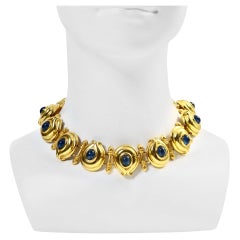
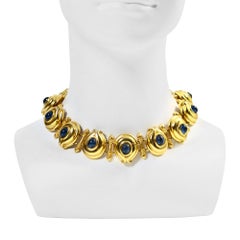
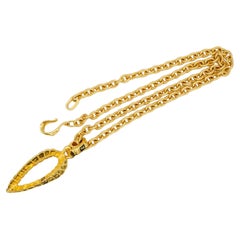
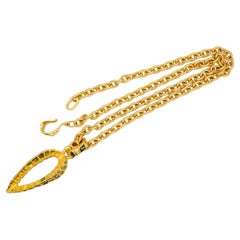
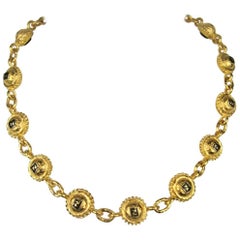
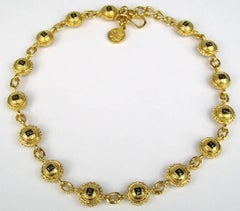
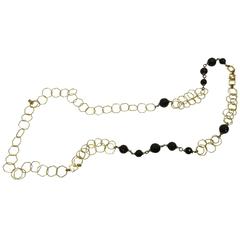
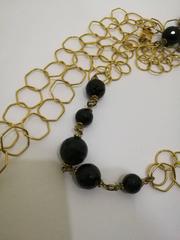
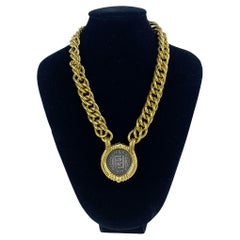
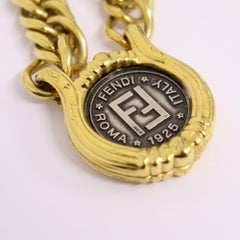
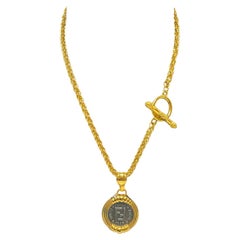
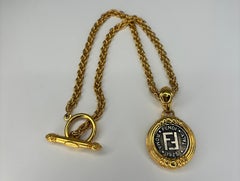
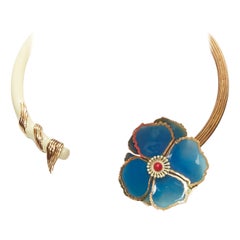
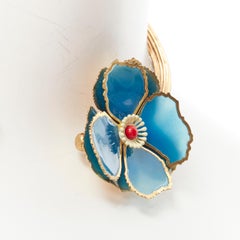
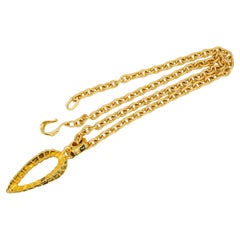
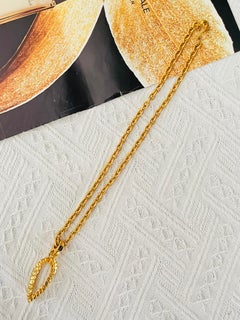
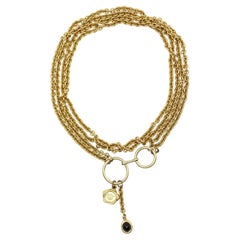
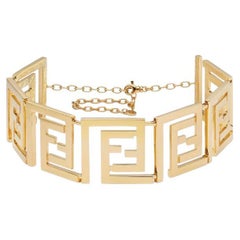
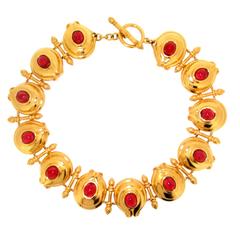
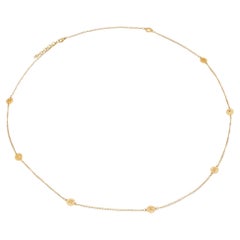
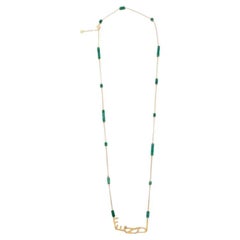
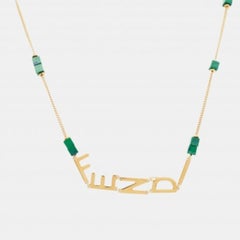
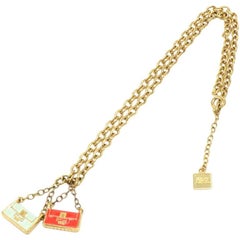
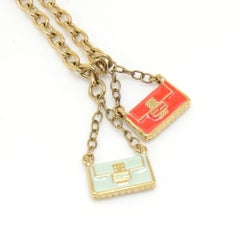
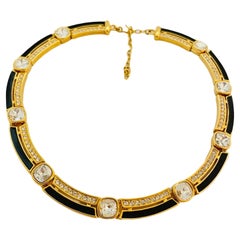
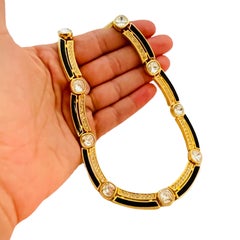
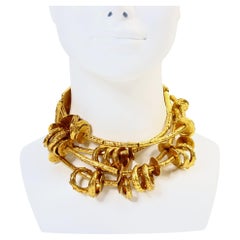
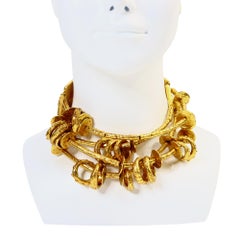
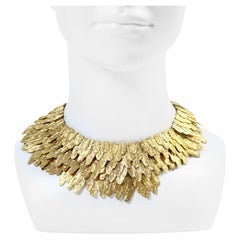
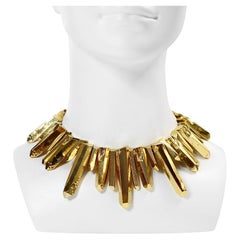
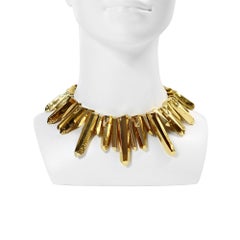
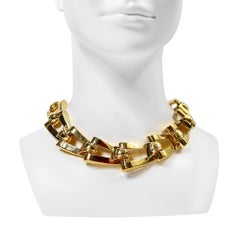
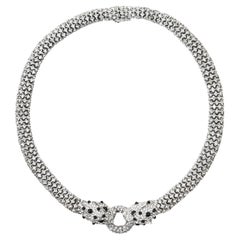
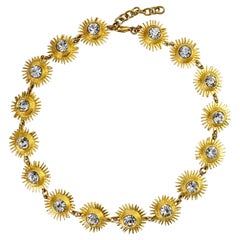
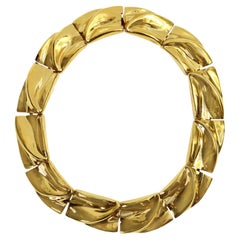
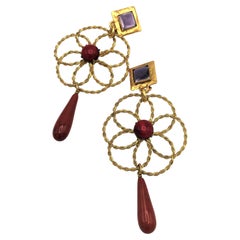
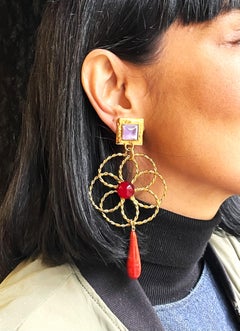
Surely you’ll find the exact fendi gold necklace you’re seeking on 1stDibs — we’ve got a vast assortment for sale. Frequently made of
gold,
gold-filled and
bronze, this item was constructed with great care. Our collection of these items for sale includes 25 vintage editions and 44 modern creations to choose from as well. If you’re looking for a fendi gold necklace from a specific time period, our collection is diverse and broad-ranging, and you’ll find at least one that dates back to the 18th Century while another version may have been produced as recently as the 21st Century. There have been many well-made iterations of the classic fendi gold necklace over the years, but those made by
J DAUPHIN,
Fendi and
Chanel are often thought to be among the most beautiful. Take a look at a fendi gold necklace featuring
opal from our inventory today to add the perfect touch to your look. See these pages for a
brilliant cut iteration of this accessory, while there are also
round cut cut and
heart cut cut versions available here, too. Finding a fendi gold necklace for sale for
women should be easy, but there are 7 pieces available to browse for unisex as well as
men, too.
Prices for a fendi gold necklace can differ depending upon size, time period and other attributes — at 1stDibs, these accessories begin at $90 and can go as high as $9,500, while this accessory, on average, fetches $750.
Like other major European luxury fashion houses, Fendi started small. Adele Casagrande was an Italian creative who loved fashion and sold leather and fur accessories from a tiny workshop she opened in Rome in 1918. However, after marrying Edoardo Fendi in 1925, her business model was altered dramatically. Together, the couple changed the boutique’s name to Fendi and moved into a bigger storefront, which quickly became the favorite shop of women all over Italy’s capital city for furs and leathers, such as handbags, coats and accessories.
As time moved on for Adele and Edoardo, the couple began to distribute more responsibility to their five daughters, who assumed management of the company during the 1950s. Fendi’s audience broadened and its profitability has soared over the years, owing to the brand’s fresh perspective on fashion world happenings and innovative sensibility.
The maison also has a distinctive relationship with old-world Italian craftsmanship. The Selleria bags were the work of master saddlers in Rome, and Fendi partnered with lace artisans in southern Italy as well as craftsmen in the east trained in the intrecciato (intertwined) technique (an idea that Adele introduced during the 1940s), which, in Fendi’s case, sees an interwoven leather fabric integrated in the creation of its handbags, countering leather’s traditional rigidity with a bag that is soft, versatile and fitted with an alluring slouchy curve.
It wasn’t until 1965, however, when a young German designer named Karl Lagerfeld took the creative helm that Fendi became a world-renowned fashion house. In fact, Lagerfeld, who produced four to five collections yearly for the brand, is credited with creating Fendi’s instantly recognizable double-F logo (which stands for “Fun Furs”) in “less than five seconds.” Until Lagerfeld started designing for the brand, fur was a material mostly associated with heavy coats that few people actually wore. Lagerfeld reimagined fur in creative ways, using it as an accent on purses, cuffs on dress sleeves and collars on wool coats.
Over the ensuing years, Fendi has broken into the home-goods market with Fendi Casa and has become synonymous with luxury fashion, producing such pieces as the iconic Baguette, which was rendered ever popular on the television series Sex and the City. In fact, an entire episode during the third season was dedicated to the “original It bag,” a slim accessory tapered in a manner that recalls its namesake, designed in 1997 by Adele and Edoardo’s granddaughter Silvia Venturini Fendi, who was named creative director of accessories three years earlier.
Perhaps just as well known as its vintage Baguette handbags and creative use of fur is the brand’s devotion to its Italian roots. In 2013, Fendi donated more than 2 million euros to restore Rome’s Trevi Fountain, and when it was reopened to visitors, Fendi hosted its Autumn/Winter 2017 show on top of the landmark.
Fendi was a family-controlled brand until 1999 and is now owned by LVMH. In late 2020, British fashion designer Kim Jones was named the house’s artistic director for womens wear.
Find a wide variety of vintage Fendi handbags and purses, clothing and other accessories on 1stDibs.
We are fortunate to know much of the world’s long and dazzling history of necklaces, as this type of jewelry was so treasured that it was frequently buried with its owners. Today, Van Cleef necklaces, Tiffany necklaces and Cartier necklaces are some of the most popularly searched designer necklaces on 1stDibs.
Lapis lazuli beads adorned necklaces unearthed from the royal graves at the ancient Iraqi civilization of Sumer, while the excavation of King Tut’s burial chamber revealed a sense of style that led to a frenzy of Art Deco designs, with artisans of the 1920s seeking to emulate the elegant work crafted by Ancient Egypt’s goldsmiths and jewelry makers.
In ancient times, pendant necklaces worn by royalty and nobles conferred wealth and prestige. Today, wearing jewelry is about personal expression: Luxury diamond necklaces exude confidence and can symbolize the celebratory nature of a deep romantic relationship, while paper-clip chain-link necklaces designed by the likes of goldsmith Faye Kim are firmly planted in the past as well as the present. Kim works exclusively with eco-friendly gold, and these fashionable, fun accessories owe to the design of 19th-century watch fobs.
For some, necklaces are thought of as being a solely feminine piece, but this widely loved accessory has been gender-neutral for eons. In fact, just as women rarely took to wearing a single necklace during the Renaissance, men of the era layered chains and valuable pendants atop their bejeweled clothing. In modern times, the free-spirited hippie and counterculture movements of the 1960s saw costume-jewelry designers celebrating self-expression through colorful multistrand necklaces and no shortage of beads, which were worn by anyone and everyone.
Even after all of these years, the necklace remains an irrefutable staple of any complete outfit. Although new trends in jewelry are constantly emerging, the glamour and beauty of the past continue to inform modern styles and designs. In a way, the cyclical history of the necklace differs little from its familiar looped form: The celebrated French jewelry house Van Cleef & Arpels found much inspiration in King Tut, and, now, their Alhambra collection is a go-to for modern royals. Vintage David Webb necklaces — whose work landed him on the cover of Vogue in 1950, two years after opening his Manhattan shop — were likely inspired by the ornamental styles of ancient Greece, Mesopotamia and Egypt.
On 1stDibs, browse top designers like Dior, Chanel and Bulgari, or shop by your favorite style, from eye-catching choker necklaces to understated links to pearl necklaces and more.