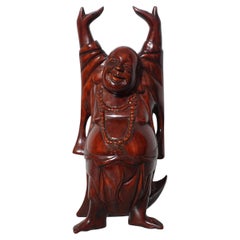
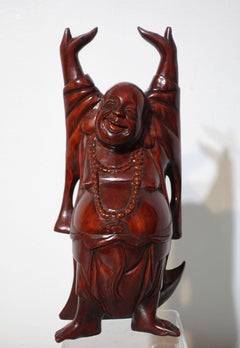
Hands Up Carved Wood Happy Buddha
Located in Norton, MA
A hands up carved wood Happy Buddha, very happy figure.
Category
20th Century Chinese Sculptures and Carvings
Materials
Wood
Hands Up Carved Wood Happy Buddha
Located in Norton, MA
A hands up carved wood Happy Buddha, very happy figure.
Wood
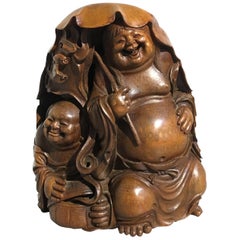
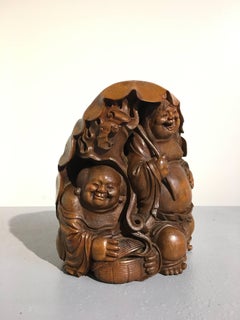
Chinese Qing Dynasty Carved Bamboo HeHe ErXian Group, 19th Century
Located in Austin, TX
A wonderful Chinese bamboo figural carving featuring the Taoist immortal twins of eternal youth, known as the HeHe ErXian, Qing dynasty, 19th century. Finely carved from a single ...
Bamboo
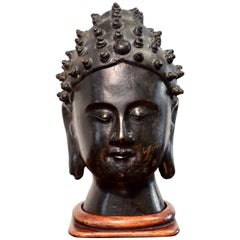
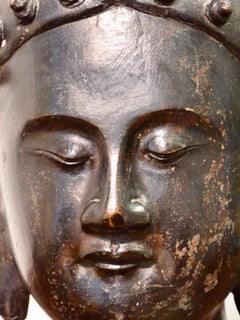
Southeast Asian Style Sculpture of a Buddha'
Located in CH
Southeast Asian Style Bronze Sculpture of a Buddha A finely cast bronze sculpture in the Southeast Asian style, depicting the Buddha in a serene meditative posture. The figure featu...
Bronze
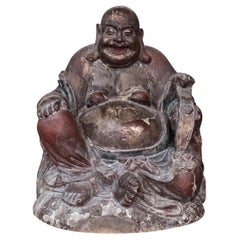
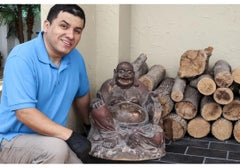
Large Antique Asian Wood Sculpture of the Laughing Buddha
Located in Bridgeport, CT
A very large antique Asian wood carving of the iconic Laughing Buddha. The sculpture has great form, the Buddha with his right hand resting on his knee, the left possibly holding a M...
Wood
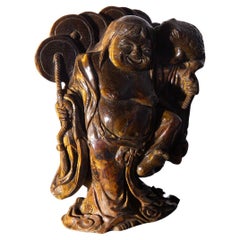
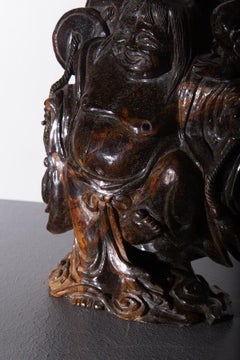
Budai Buddha fine wood carving
Located in Milano, IT
This fascinating Budai, finely carved from noble wood, represents one of the most beloved and symbolic figures in the Buddhist pantheon. The sculpture depicts Budai, often known as t...
Wood
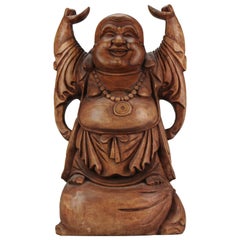
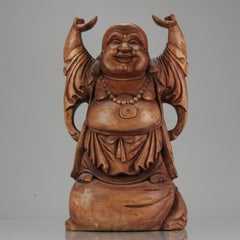
$1,589
H 19.69 in W 11.03 in D 5.91 in
Huge 20C Chinese Carved Wood Statue of a Laughing Buddha Great Carving
Located in Amsterdam, Noord Holland
Huge and beautifully carved statue of a Laughing Buddha. Nice artifact as home decoration. Condition Damage to 1 of the hands, part eye seems restuck (nicely done) and 1 frit/chi...
Wood
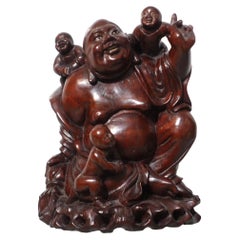
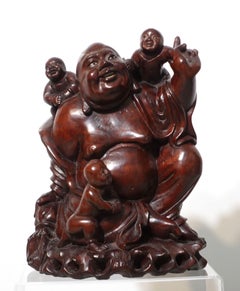
Large Carved Wood Happy Buddha with 3 Kids
Located in Norton, MA
A large carved wood happy Buddha with 3 Kids, Bone teeth, and Glass eyes inlay.
Wood
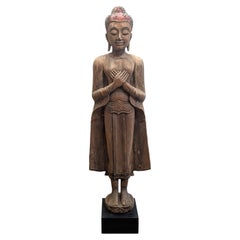
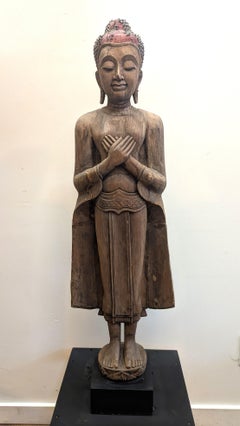
Buddha Statue
Located in New York, NY
Serene Buddha Statue carved from solid Teak wood. A Thai Buddha Statue intricately hand carved showing the "Contemplation Buddha" in Thailand known as the "Friday Buddha" (Pang Ra...
Teak, Lacquer
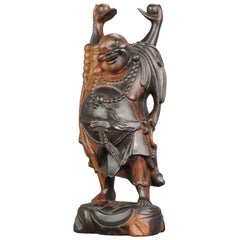
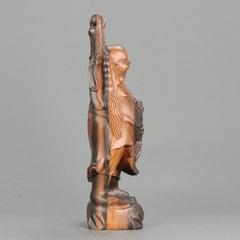
Chinese Wood Carved Statue Figures China Qing or Minguo, ca 1900
Located in Amsterdam, Noord Holland
Lovely Chinese Statue. Made out of light wood. Additional information: Material: Wood Type: Statues Region of Origin: China Period: 20th century Condition: Overall Condition A (Very...
Wood
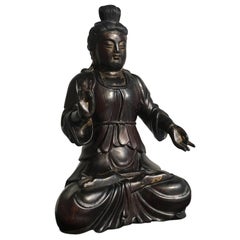
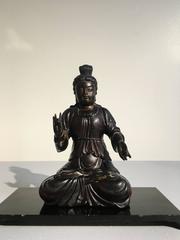
Chinese Carved Zitan Figure of a Bodhisattva, Qing Dynasty
Located in Austin, TX
A finely carved Chinese zitan wood figure of an unidentified bodhisattva, possibly Guanyin, late Qing Dynasty, circa 1900, China. The androgynous figure has a plump, almost matronly ...
Lapis Lazuli
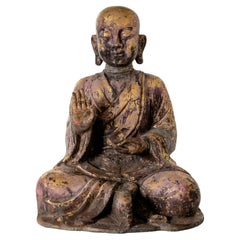
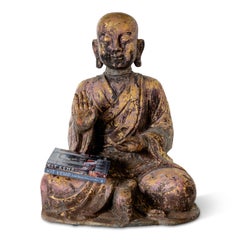
Monumental Chinese Buddha Statue
Located in Dallas, TX
Replica of a large stone Chinese Buddha from the 15th-16th century featuring weathered paint in various colors.
Stone
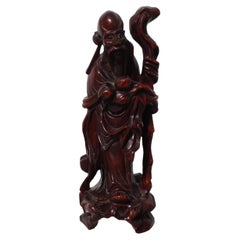

Long-Life Carved Wood Buddha
Located in Norton, MA
A Long-Life carved wood Buddha.
Wood
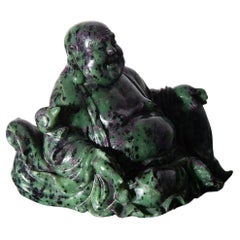
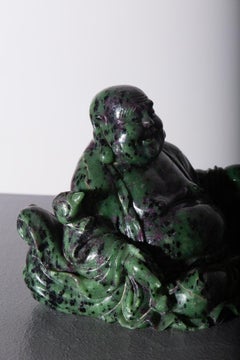
The Laughing Buddha Statue, Budai
Located in Milano, IT
Immerse yourself in the world of serenity and abundance with this exquisite Budai, the Laughing Buddha statue. Crafted from a uniquely patterned green material, this statue captures ...
Jade
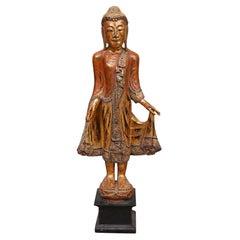
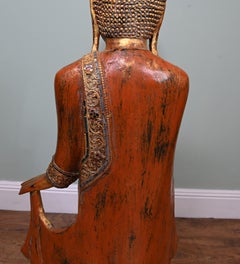
Carved Standing Thai Buddha Statue Buddhist Art
Located in Potters Bar, GB
Impressive sized standing carved wood standing Thai buddha Good size at four feet tall - 122 CM Will add calm and serenity to any interior The sash and hems of the buddhas tunic has ...
Wood
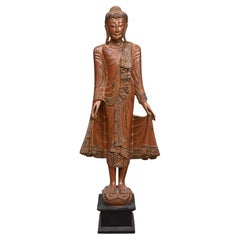
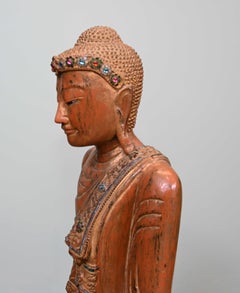
Carved Thai Buddha Statue Standing Carved Buddhist
Located in Potters Bar, GB
Charming carved standing wooden Thai buddha statue in fantastic condition This would add calm and serenity to any room or space Circa 1930s Lovely red finished with gold tints Featu...
Wood
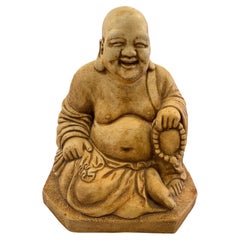
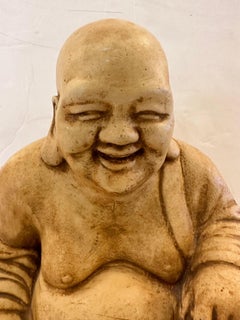
Happy Cast Stone Buddha Sculpture
Located in Hopewell, NJ
Irresistible cast stone seated Buddha sculpture having a jolly expression and meticulous detail.
Cast Stone
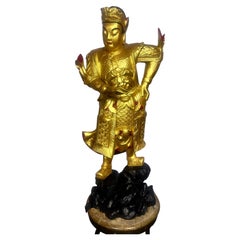
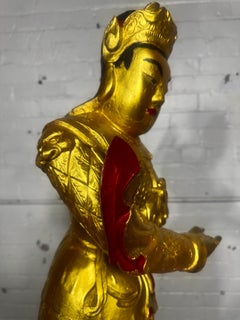
20th-Century Chinese Carved Wood Wei Tuo Bodhisattva Statue
Located in Buffalo, NY
The statue in the image is a depiction of Wei Tuo Bodhisattva (also known as Skanda), a major protective deity and dharma protector in Chinese Buddhism. Wei Tuo is considered a devot...
Wood
$4,946Sale Price|20% Off
H 7.68 in W 5.12 in D 1.97 in
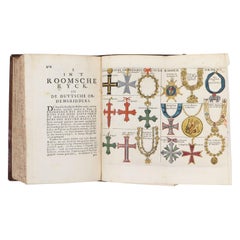
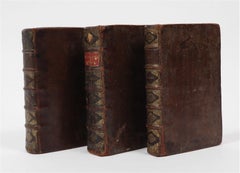
The Illustrious World – Rare Dutch Heraldic and Historical Masterwork, 1700
Located in Langweer, NL
De Doorluchtige Weereld – S. de Vries, François Halma, Amsterdam, 1700 Magnificent and complete three-volume set of De Doorluchtige Weereld (The Illustrious World), written by S. de...
Paper
$4,681Sale Price / item|20% Off
H 23.63 in Dm 27.56 in
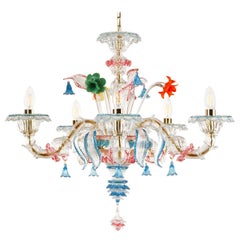
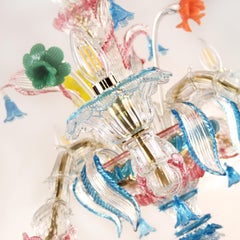
Rezzonico chandelier 5 arms clear Murano glass, multicolor details by Multiforme
By Multiforme
Located in Venezia, Veneto
Kia Ora chandelier 5 lights clear Murano glass with blue and ruby trims, multicolour vitreous paste details. Kia Ora is the combination of the traditional Venetian structure with g...
Blown Glass, Art Glass, Murano Glass
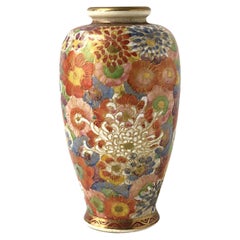
Japanese Satsuma Vase
By Satsuma
Located in New York, NY
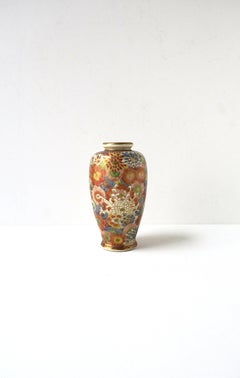
A gorgeous hand-painted Japanese Satsuma vase, Meigi, circa 20th century, Japan. Beautiful hand-painted detail of colorful flowers and spider mum flowers around finished with gold de...
Earthenware
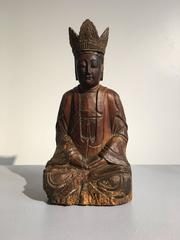
$4,200
H 14 in W 6.75 in D 5 in
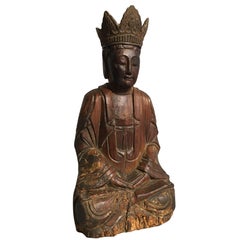
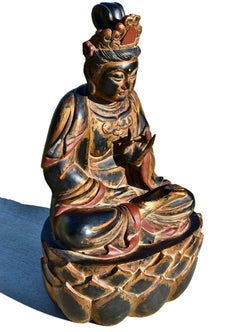
Chinese Carved Wood Bodhisattva Guanyin, Late Ming Dynasty, 17th Century
Located in Austin, TX
An attractive carved wood figure of the Bodhisattva Avalokiteshvara, known as Guanyin in China, late Ming Dynasty, early 17th century, China. Guanyin, the Bodhisattva of Compassion,...
Gesso, Wood
$1,550Sale Price|71% Off
H 37 in W 23 in D 18 in
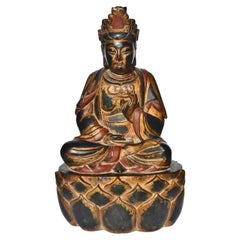
Gilded Amitabha Buddha Statue, Solid Wood, Tang Style, China, 37" Tall
Located in Somis, CA
A magnificent gilded giant statue of Amitabha Buddha, carved from a single block of solid wood. Seated dhyana asana on a high lotus throne, the Buddha's full and round face, hallmark...
Wood
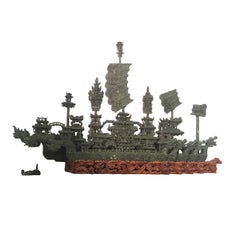
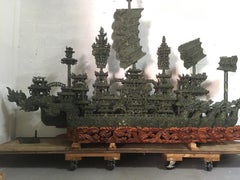
20th Jade Sculpture with Nine Dragon Boat **** 16 Foots Large***
Located in Miami, FL
Chinese Scrib, but handcrafted in Thailand. Sixteen feet long. Rosewood base. The sculptors of this enormous boat made of jade. You will admire the details of this vessel. The dragon...
Jade
$24,500
H 32 in W 22.25 in D 16 in
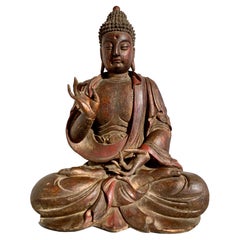
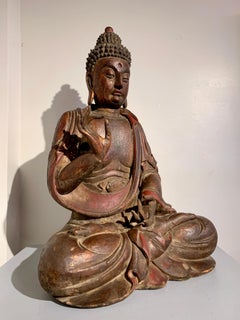
Large Chinese Carved and Lacquered Buddha, Qing Dynasty, 19th Century
Located in Austin, TX
A large and magnificent near life-sized Chinese carved and lacquered wood figure of a Buddha, Qing Dynasty, 19th century or earlier, southern China. The figure likely represents ...
Wood
Asian sculptors have worked in materials including wood, bronze and jade. Artists and artisans have used traditional techniques to depict deities, scenes from culture and more, and today, antique Asian sculptures and carvings are a popular choice for provocative and sophisticated home decor.
In China, the Qing dynasty, from the mid-17th century to the early 20th century, brought about significant changes in art while preserving traditional culture. Many emperors during this period were patrons of the arts, such as painting, calligraphy and decorative arts. This era saw the building of new Buddhist temples, which were decorated with statues. Some of these sculptures were adorned with colorful cloisonné decoration, in which tiny compartments, or cloisons, made by soldering copper filaments to a metal surface were filled with vibrantly hued enamel.
From the 17th to mid-19th century in Japan, kimonos were worn across classes and often fastened with a netsuke, a type of small carved toggle. Artists carved these from ivory, wood, shells and coral, creating animals, flowers and mythical creatures. During the Japanese Meiji period, spanning from 1868–1912, the country began trading internationally after centuries of isolation, allowing artists to sell their work overseas. Bronze sculpture flourished around this time for creating teapots, vases and incense burners.
Asian sculpture continued to evolve in the 20th century. During the Japanese Shōwa era, from 1926–89, art was influenced by international modernist movements like abstraction, Futurism and Surrealism. Contemporary Asian sculptures and carvings continue to combine global influences and a rich heritage of technique.
Decorating a space with Asian sculptures and carvings is a great way to add interest to any corner of your home. Explore by material, period or style on 1stDibs.

A Buddha statue is very personal. You should choose one that speaks to you. If you are a practitioner, you can ask your teacher for assistance as well.
The most commonly represented Buddha in Chinese Buddhist sculpture is Siddhartha Gautama, also known as Shakyamuni, the Enlightened One, or the Gautama Buddha. He is typically depicted seated upon a lotus throne with his hands in the Bhumisparsha mudra, the Gesture of Witness. This gesture symbolizes the moment that the Buddha claimed the earth as witness to his enlightenment and celebrates his unwavering meditative focus.
Buddha statues are not inherently lucky or unlucky, though images of the Fat Buddha (Budai or Hotei), have come to be associated with wealth, knowledge, and luck, with people often rubbing the belly or head.

Most ritual figures depict the Buddha in one of three postures: seated, standing, or reclining. Differences in expression, hand gesture (mudras), and accompanying objects can reveal the figure’s place of origin as well as the particular Buddhist teaching depicted. Such Buddha figures are rendered in a variety of media depending on regional art traditions and intended use, ranging from carved stone to cast bronze to lacquered bamboo.
Decorated with white cranes and the sought-after thousand-butterflies motif, the Meiji-period vessel offers both a celebration of traditional aesthetics and a clear reflection of the era’s appetite for exquisite export pieces.
For 25 years, gallerist Betsy Nathan has leveraged her keen eye and key connections to bring a unique selection of rare finds to the market.
Now working alongside his daughter Bianca, dealer Joel Chen has presented a most covetable array of antiques, art and contemporary creations for more than 40 years.
From cherry-blossom-adorned walls paired with glamorous lighting to wood-paneled ceilings above checkerboard-patterned chairs, these 12 spaces seamlessly blend Eastern and Western aesthetics.
The dealer and curator has spent the past 50 years amassing a collection of exceptional art, furniture and architectural elements that trace the cultural influence of the Spanish empire from Europe to the Americas and beyond.
These spaces exemplify how Eastern elements elevate a home's decor.