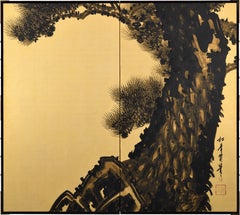

Japanese Screen. Two-panel. Aged Pines by Suzuki Shonen. Meiji period.
Located in Kyoto, JP
Suzuki Shonen (1848-1918) Aged Pine Meiji period (1868-1912).
Category
Early 20th Century Meiji Paintings and Screens
Materials
Gold Leaf
Japanese Screen. Two-panel. Aged Pines by Suzuki Shonen. Meiji period.
Located in Kyoto, JP
Suzuki Shonen (1848-1918) Aged Pine Meiji period (1868-1912).
Gold Leaf
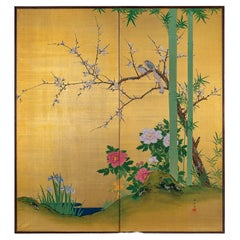

Japanese Two Panel Screen: Summer Flowers
Located in Hudson, NY
In 1902 he was sent to Kyoto to study painting under Suzuki Shonen, then one of the leading artists in the Kansai region, whereupon he received the name Fukunen (Lucky year).
Silk
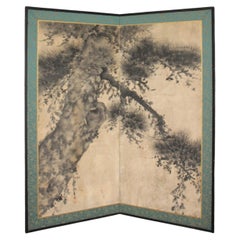
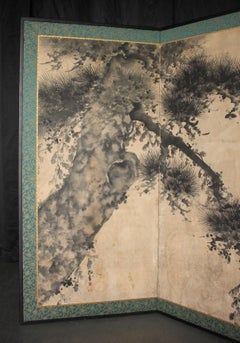
B111 Japanese Antiques 2panels, paper, folding Screen ink painting pine tree
Located in Niiza, JP
The dynamic depiction of the pine tree is reminiscent of the style of Suzuki Shōnen 鈴木松年. The artist's name appears to be "Shōdō,松堂" suggesting they may belong to the same school.
Fabric, Paper
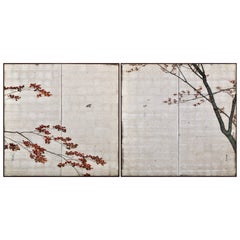
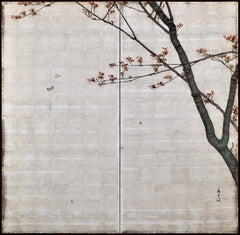
1895 Meiji Japanese Screen Pair. Cherry Blossoms & Autumn Maples on Silver Leaf
Located in Kyoto, JP
There, he refined the elegant style characteristic of the Maruyama–Shijō school and developed friendships with leading Kyoto artists such as Kubota Beisen, Imao Keinen, and Suzuki Sh...
Silver Leaf
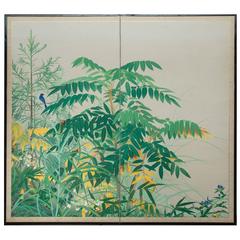
Japanese Two Panel Screen: Edge of the Forest
Located in Hudson, NY
Originally studied under Suzuki Shonen, later under Yamamoto Shunkyo. He also graduated the Kyoto City Specialist School of Painting.
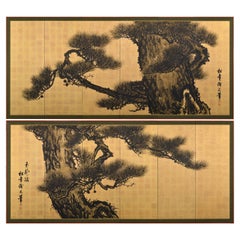
Circa 1900 Japanese Pine Screen Pair. Aged Dragons by Suzuki Shonen.
Located in Kyoto, JP
Suzuki Shonen (1848-1918) Aged Dragons A pair of six-panel Japanese screens.
Gold Leaf
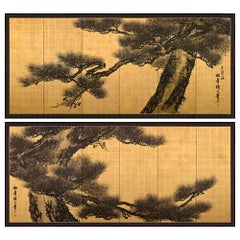
Circa 1900 Japanese Pine Screen Pair. Aged Dragons by Suzuki Shonen.
Located in Kyoto, JP
Suzuki Shonen (1848-1918) Aged Dragons Meiji period (1868-1912).
Gold Leaf
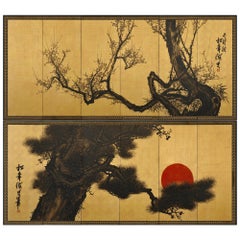
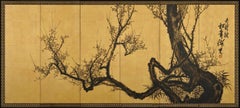
Sold
H 67 in W 146.5 in D 0.75 in
Meiji Period Japanese Pine and Plum Screens by Suzuki Shonen, Ink on Gold Leaf
Located in Kyoto, JP
Suzuki Shonen (1848-1918) Meiji period (1868-1912).
Gold Leaf
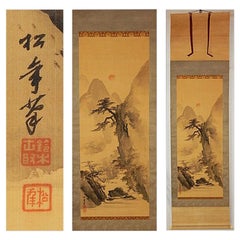
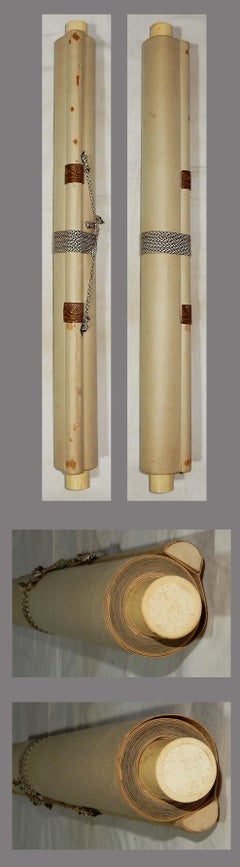
Sold
H 75.6 in W 20.6 in D 0.04 in
Farming Rice Fields Scene Meiji Period Scroll Japan 19c Artist Suzuki Shonen
Located in Amsterdam, Noord Holland
Suzuki Shonen (June 14 (1848 July 14) - Taisho 7 years (1918) January 29), the activity was Taisho from Meiji Japan painter.
Silk


Japanese Two Panel Screen, Autumn Maple and Quail
Located in Hudson, NY
In 1902 he was sent to Kyoto to study painting under Suzuki Shonen, then one of the leading artists in the Kansai region, whereupon he received the name Fukunen (Lucky year).
Gold
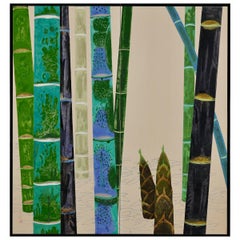
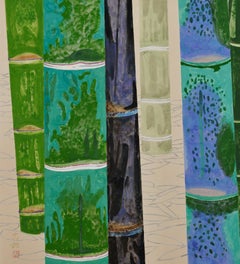
Japanese Folding Screen, circa 1960, Abstract Bamboo,
Located in Kyoto, JP
He is an ancestor of the artists Suzuki Shonen and Suzuki Hyakunen. He was a regular exhibitor with the national Nitten organization, exhibiting on 17 occasions.
Wood, Paper
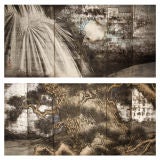

Pair of Japanese Painted Silver Screens by Suzuki Shonen
Located in Seattle, WA
Exceptionally rare pair of Japanese six-panel folding screens by Suzuki Shonen (1849-1918). Each boldly painted in ink on silver leaf and paper.
Ink
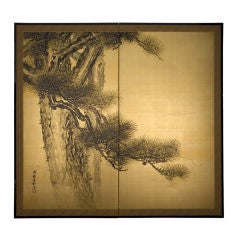
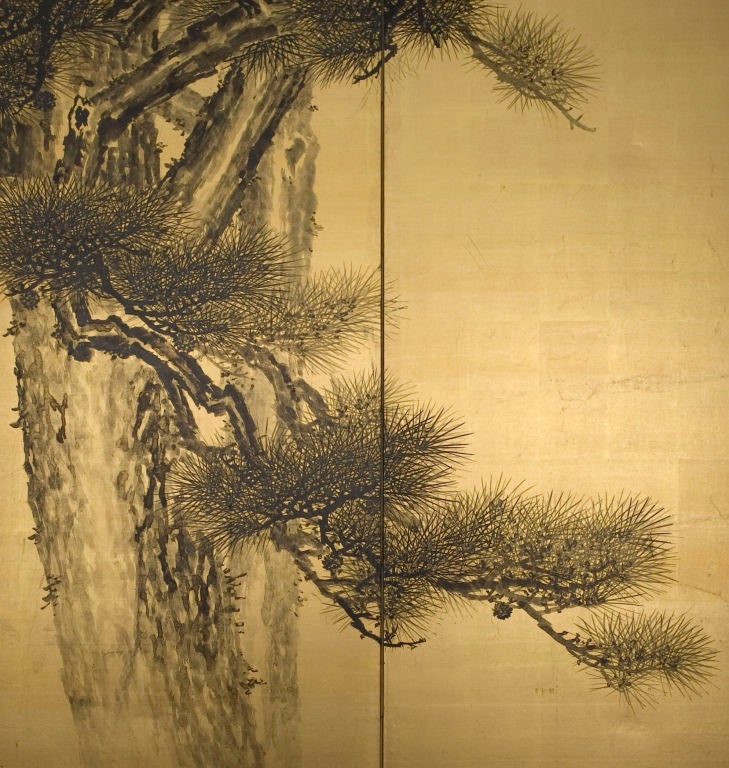
Pines
Located in New York, NY
Yukawa was born in Wakayama and studied under Suzuki Shonen, who was famous for his depictions of pines

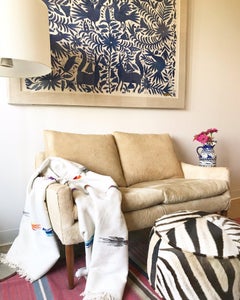
Forsyth Zebra Hide Pouf Ottoman, Made To Order
Located in SAINT LOUIS, MO
Our zebra pouf ottomans are handcrafted from our beautiful Forsyth zebra hides. The most beautiful zebra hides are selected, handcut, handstitched, and hand stuffed. Each step is met...
Zebra Hide
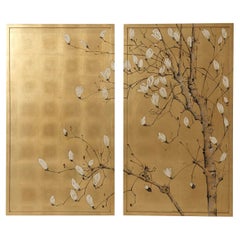
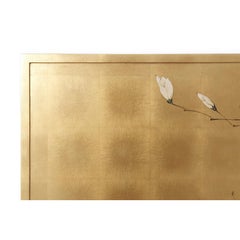
Set of Two Gilt Japanese Paintings
Located in Westwood, NJ
A set of two Japanese paintings, each with a hand gilt background depicting a Japanese Magnolia painted sans traverse across the two panels. The originals Japanese, circa 1900. Dime...
Wood, Giltwood
$800
H 1.07 in W 16.93 in D 9.85 in
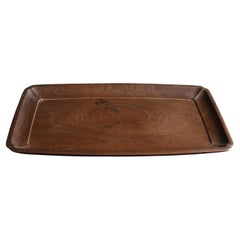
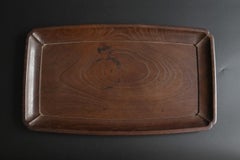
Old Japanese mulberry tray/Showa era/20th century/Beautiful wood grain
Located in Sammu-shi, Chiba
Introducing a rectangular tray made of mulberry wood from the Showa period in Japan. This gem was carefully carved from a single piece of solid wood using the mulberry tree, which h...
Wood
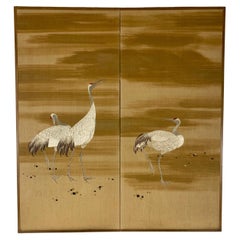
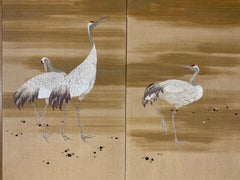
Asian Folding Hand Woven Screen of Cranes
Located in Denton, TX
Asian Folding Hand Woven 2 Panel Screen of Cranes.
Thread
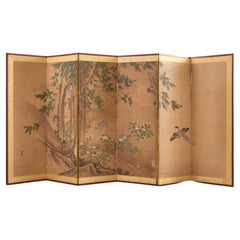
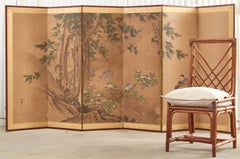
19th Century Japanese Edo Six Panel Kano School Landscape Screen
Located in Rio Vista, CA
Late Edo period 19th century Japanese six-panel landscape screen featuring a cypress tree over a flowering hibiscus with a pair of hototogisu birds. Kano school painted with ink and ...
Silk, Wood, Paper
$3,990 / item
H 15.75 in W 74.81 in D 29.14 in
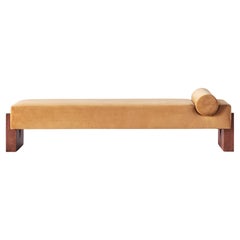
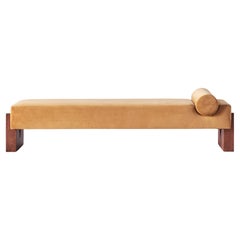
Mustard Velvet Daybed with V-Shaped Beechwood Base, Model V
By Dusty Deco
Located in Los Angeles, CA
DD V daybed is an exclusive daybed made by hand in Bosnia and Herzegovina by skilled craftsmen with long experience in wood and upholstery. Both frame and the characteristic V-shaped...
Fabric, Beech, Velvet
$680Sale Price / set|20% Off
H 48 in W 24 in D 0.1 in
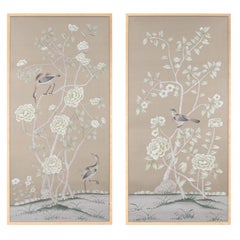
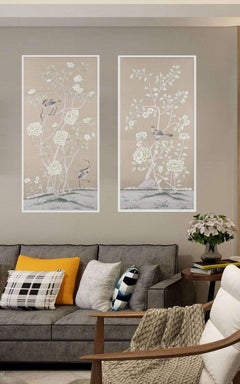
Pair of Chinoiserie Panel Hand Painted Wallpaper on Silk, Accept Custom Size
Located in Wuxi, 32
If you love the look of De Gournay wallpaper but not the price, this is for you. Measures: 24" W x 48" H. The colorways in this sections present our latest colorways, which can be...
Silk

$649 / set
H 2.37 in Dm 1.97 in
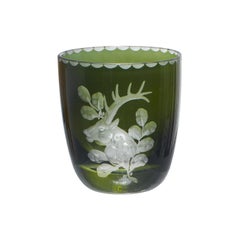
Black Forest Set of Six Schnapps Glasses Green Sofina Boutique Kitzbuehel
By Sofina Boutique Kitzbühel
Located in Kitzbühel, Tirol
Set of six hand blown schnapps glasses in green crystal with a hand-edged hunting decor. The decor is an antique Black Forest style scene, showing a deer with leaves. Not recommended...
Crystal
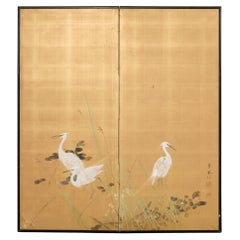
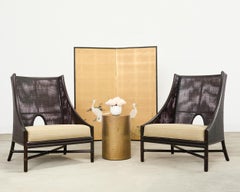
Japanese Showa Two Panel Screen Egrets in Grass
Located in Rio Vista, CA
Stunning Japanese Showa period two-panel folding byobu screen depicting three egrets in the grass at a pond. The large screen features a dramatic gold leaf square background with nat...
Wood, Paper

$2,904
H 66.93 in W 74.02 in D 1.19 in
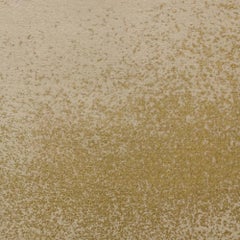
Antique Two-Panel Screen with Gold and Grass Design, Good Condition
Located in Fukuoka, JP
This graceful two-panel screen captures the essence of summer with its subtle depiction of slender grasses and fine lines, artfully arranged against a golden background. The screen e...
Gold Leaf
$1,100
H 67.72 in W 66.93 in D 0.79 in
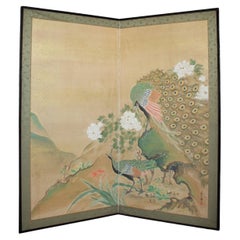
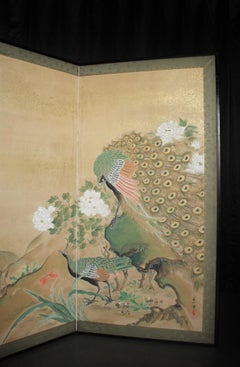
B50 Old Japanese Antiques a folding screen, Byobu 2panel, Peacock
Located in Niiza, JP
Unfolded size: 1700 x 1720 x 18 mm Foldable: 855 x 1720 x 36 mm, 6kg Estimated size after packaging (sandwiched between 9 mm plywood): 8 cm x 92 cm x 180 cm Weight 25KG This paint...
Wood, Paper
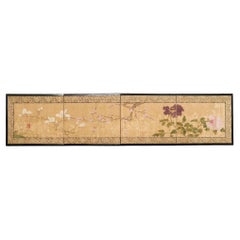
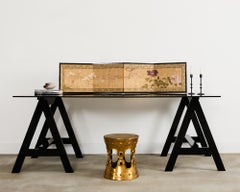
Japanese Edo Four Panel Screen Flowering Peony Prunus Magnolia
Located in Rio Vista, CA
Early 19th century Japanese Edo/Tokugawa period four panel folding byobu table screen featuring peony, prunus, and magnolia. Painted with ink and natural color pigments on silk with ...
Brass
$6,060
H 37.01 in W 107.88 in D 0.99 in
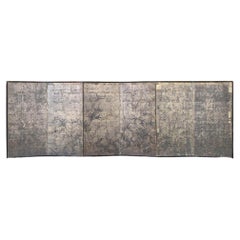
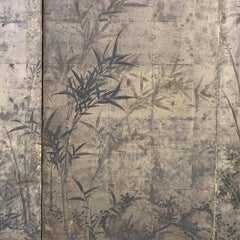
Evolving Elegance: An Oxidized Silver Screen from the Meiji Period
Located in Fukuoka, JP
This anodized 6-panel screen captures the serene and minimalistic beauty of a bamboo grove, embodying the aesthetic principles of the Edo period. The screen features subtle and delic...
Silver Leaf
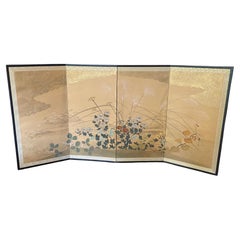
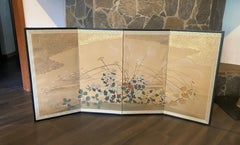
$1,000Sale Price|20% Off
H 36 in W 72.5 in D 0.75 in
Japanese Asian Four-Panel Folding Byobu Showa Floral Flower Landscape Screen
Located in Studio City, CA
A gorgeous four-panel Japanese Byobu folding screen depicting a nature scene/ floral landscape. The rich colors, use of gold dust, and beautiful hand-painted detail (on Japanese pape...
Wood, Paint, Paper
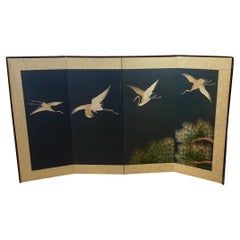
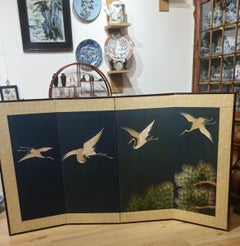
$5,516
H 67.72 in Dm 38.19 in
Antique Japanese Folding Chamber Screen / Paravent 20th century Japan Cranes
Located in Amsterdam, Noord Holland
A super nice Meiji period 19th c Japanese Chamber Screen. Also usuable as wall mounted screen. Stunning piece!
Bronze
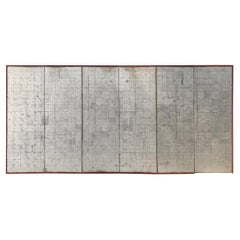
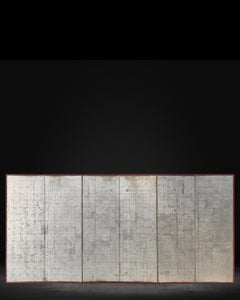
Meiji Period Silver Oxidized Screen
Located in Fukuoka, JP
Meiji Period Silver Oxidized Screen Period: Meiji Size: 352 x 174 cm SKU: 2423 Step back in time with this Meiji period screen, where the allure of silver oxidation artfully c...
Silver Leaf
Traditional Asian paintings were often created on scrolls and folding screens. Artisans made screens that could be folded up or spread out by connecting several panels using hinges. Today, antique Asian folding screens and paintings are sophisticated decorative accents that can serve as makeshift partitions to ensure privacy.
The original folding screens were created by Chinese artists. The earliest record of screens comes from the 2nd century B.C., and surviving examples date back to the Ming dynasty. Chinese painting utilizes many of the same tools as calligraphy — these screens were crafted from wood with painted panels featuring striking art or calligraphy that told cultural stories or represented nature and life in the area.
The practice was introduced to Japan, where paintings for screens were made on paper and silk, in the 8th century. These paintings frequently feature subjects such as landscapes, animals, flowers and Buddhist religious themes. Along with screens for tea ceremonies and dance backgrounds, there were screens for use in Shinto and Buddhist temples.
In the 17th century, screens began to be imported to Europe where their popularity grew. Coco Chanel famously collected Coromandel folding screens.
Traditional Asian paintings can make a tasteful addition to any wall, and screens can be used as decoration or, in the case of larger iterations, as an aesthetic way to divide a large room. Browse the selection of antique Asian paintings and screens from a variety of styles and eras on 1stDibs.
Decorated with white cranes and the sought-after thousand-butterflies motif, the Meiji-period vessel offers both a celebration of traditional aesthetics and a clear reflection of the era’s appetite for exquisite export pieces.
For 25 years, gallerist Betsy Nathan has leveraged her keen eye and key connections to bring a unique selection of rare finds to the market.
Now working alongside his daughter Bianca, dealer Joel Chen has presented a most covetable array of antiques, art and contemporary creations for more than 40 years.
From cherry-blossom-adorned walls paired with glamorous lighting to wood-paneled ceilings above checkerboard-patterned chairs, these 12 spaces seamlessly blend Eastern and Western aesthetics.
The dealer and curator has spent the past 50 years amassing a collection of exceptional art, furniture and architectural elements that trace the cultural influence of the Spanish empire from Europe to the Americas and beyond.
These spaces exemplify how Eastern elements elevate a home's decor.