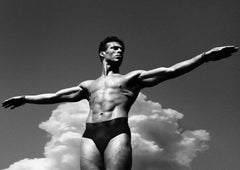
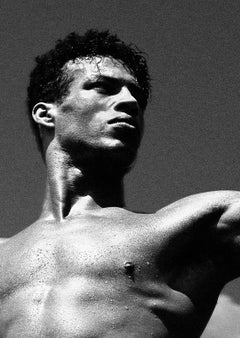
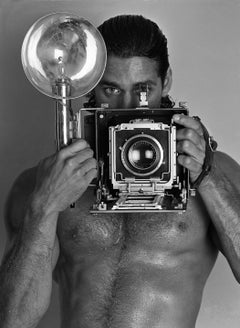
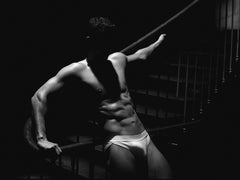
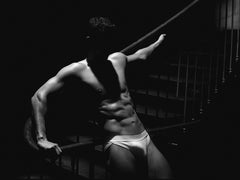
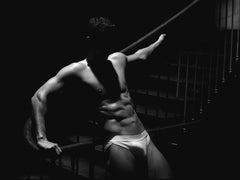
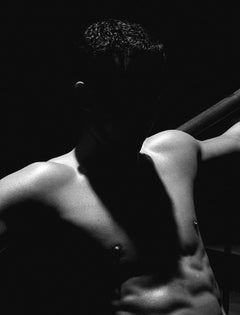
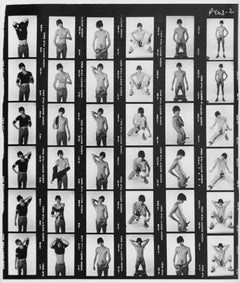
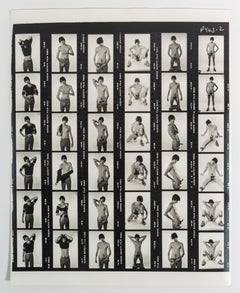
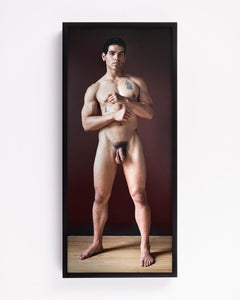
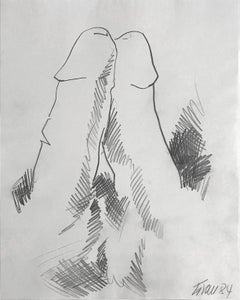
Homoerotic Prints For Sale on 1stDibs
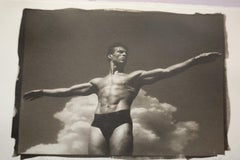
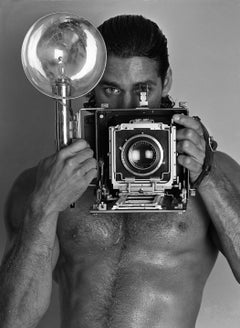
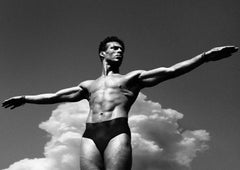
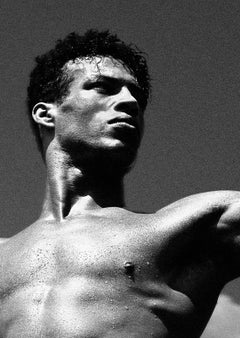
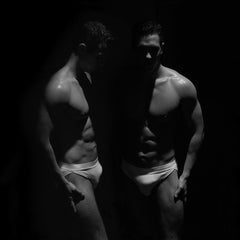
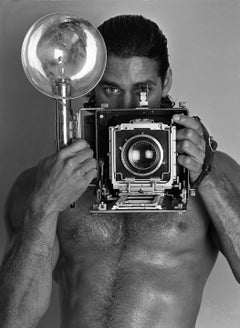
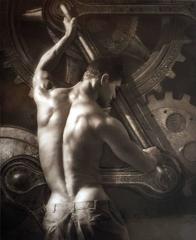
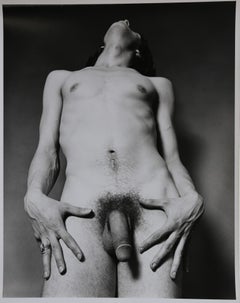
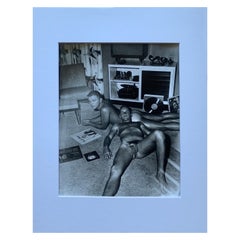
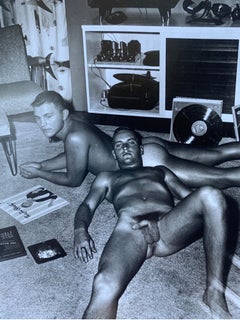
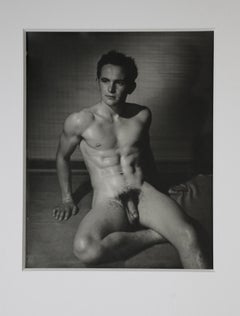
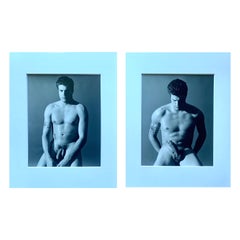
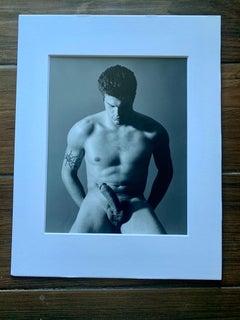
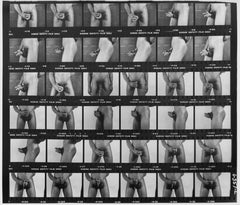
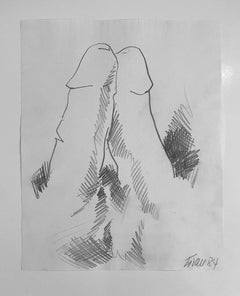
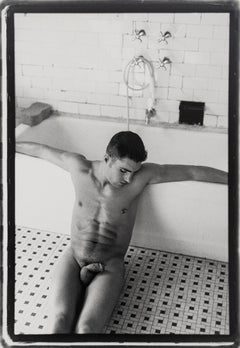
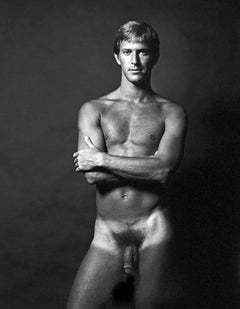
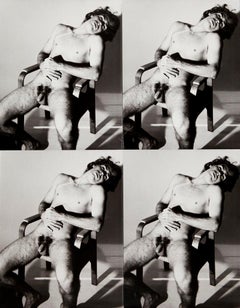
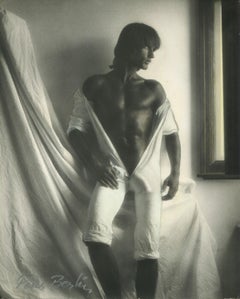
On 1stDibs, there are several options of homoerotic prints available for sale. Finding the ideal
Contemporary examples of these works for your living room, whether you’re looking for small- or large-size pieces, is no easy task — start by shopping our selection today. You can search the homoerotic prints that we have for sale on 1stDibs by color — popular works were created in bold and neutral palettes with elements of
black and
gray. Frequently made by artists working in
archival paper,
archival pigment print and
film, all of these available pieces are unique and have attracted attention over the years. Large homoerotic prints can be an attractive addition to some spaces, while the smaller iterations available — each spanning 14.18 inches in width — may make for a better choice for a more modest living area.
How Much are Homoerotic Prints?
Prices for art of this kind can differ depending upon size, time period and other attributes — homoerotic prints in our inventory begin at $2,965 and can go as high as $4,157, while the average can fetch as much as $3,563.
Ian Sanderson for sale on 1stDibs
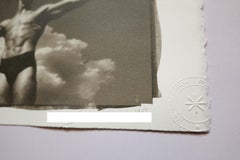
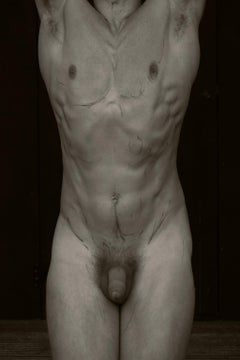
Two 19th-century printing techniques, platinum palladium and gum bichromate, which are best known for their integration of precious materials, complex processes and durability, were nearly lost over time — until recently. In his final years, Scottish photographer Ian Sanderson breathed life back into these forgotten techniques with his black and white photography, nude photography and other works, and he was one of only a handful of artists worldwide to have done so at the time.
Sanderson studied Fine Art at Sunderland University in England but could not afford to pursue postgraduate studies back then. Instead, Sanderson explored photography on his own while working a host of jobs including factory work, a silkscreen printer, and a photographer for the conservation department for the Newcastle Upon Tyne museums. He was able to move to Brighton to complete one year of postgraduate studies in Art Education and become both a lecturer at Northbrook College and a teacher in a closed unit for young criminals.
Seemingly on his way to a stable career, the 1990s had other plans for Sanderson. The UK financial crisis saw Sanderson lose his job and apartment, sending him back to square one. By 1993, he was able to buy a computer and teach himself how to become proficient at a relatively new, revolutionary application — Photoshop. From there, Sanderson secured freelance work with commercial clients including General Motors, Subaru, Alfa Romeo and Coca-Cola.
In 2009, Sanderson made an important connection when he photographed legendary Tiffany & Co. jewelry designer and philanthropist Elsa Peretti for the Financial Times in London. The pair worked closely together on and off for years. Peretti and her foundation sponsored a large retrospective exhibition in Barcelona focusing on Sanderson’s photography. It was at this show that Sanderson had the opportunity to produce prints by way of the archival techniques he’d revived.
On 1stDibs, find a collection of authentic Ian Sanderson photography.
A Close Look at Contemporary Art
Used to refer to a time rather than an aesthetic, Contemporary art generally describes pieces created after 1970 or being made by living artists anywhere in the world. This immediacy means it encompasses art responding to the present moment through diverse subjects, media and themes. Contemporary painting, sculpture, photography, performance, digital art, video and more frequently includes work that is attempting to reshape current ideas about what art can be, from Felix Gonzalez-Torres’s use of candy to memorialize a lover he lost to AIDS-related complications to Jenny Holzer’s ongoing “Truisms,” a Conceptual series that sees provocative messages printed on billboards, T-shirts, benches and other public places that exist outside of formal exhibitions and the conventional “white cube” of galleries.
Contemporary art has been pushing the boundaries of creative expression for years. Its disruption of the traditional concepts of art are often aiming to engage viewers in complex questions about identity, society and culture. In the latter part of the 20th century, contemporary movements included Land art, in which artists like Robert Smithson and Michael Heizer create large-scale, site-specific sculptures, installations and other works in soil and bodies of water; Sound art, with artists such as Christian Marclay and Susan Philipsz centering art on sonic experiences; and New Media art, in which mass media and digital culture inform the work of artists such as Nam June Paik and Rafaël Rozendaal.
The first decades of the 21st century have seen the growth of Contemporary African art, the revival of figurative painting, the emergence of street art and the rise of NFTs, unique digital artworks that are powered by blockchain technology.
Major Contemporary artists practicing now include Ai Weiwei, Cecily Brown, David Hockney, Yayoi Kusama, Jeff Koons, Takashi Murakami and Kara Walker.
Find a collection of Contemporary prints, photography, paintings, sculptures and other art on 1stDibs.
Finding the Right Figurative-photography for You
Life becomes art in figurative photography. Shared moments are captured and history is recorded in images of people and their lives.
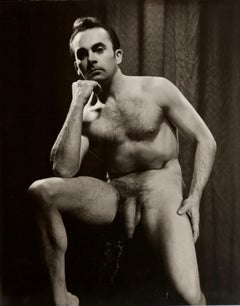
Figurative photography is often used to describe a kind of photography in which people are the subject. Early black and white photography of people can be a glimpse into a past century — witness the celebrated work of photographers such as Ansel Adams or lesser-known artists like Berenice Abbott, for example. The cultural and social standards of the time are captured in these figurative photographs.
Mid-century photos might show the life and fashions of the day, sometimes with the shared thread of humanity, joy and love. Indeed, figurative photographs can be a source of inspiration and wonder, speaking of common life experiences and beauty. Vintage photos of celebrities and iconic actors can be valuable keepsakes as snapshots of a bygone era.
Just as if you were bringing paintings, prints or drawings into your space as part of the decor, there are many ways to arrange your figurative photography. Large photos can be statement pieces in a room. Smaller photographs can be placed on bookcases or on compact wall spaces to add an artistic element to a living room or a bedroom.
Find a collection of figurative photography on 1stDibs today.