Iran Circa 1970s

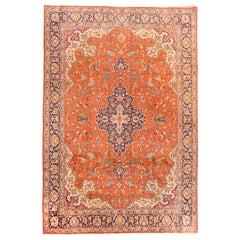
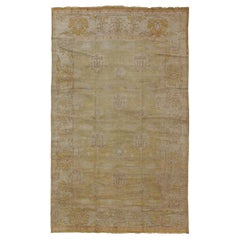
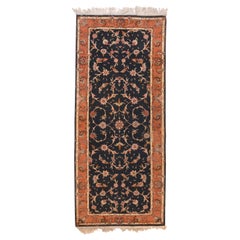
Extremly Fine Persian Tabriz Benam Rug, Hand Knotted, circa 1970s 3'4" x 5'2"

Extremly Fine Persian Tabriz Benam Rug, Hand Knotted, circa 1970s 3'4" x 5'2"

Located in New York, NY

Extremly fine Persian Tabriz Benam rug, hand knotted, circa 1970s Design: Benam A Tabriz rug

Category

Vintage 1970s Persian Tabriz Persian Rugs

Materials

Wool, Silk

Recent Sales

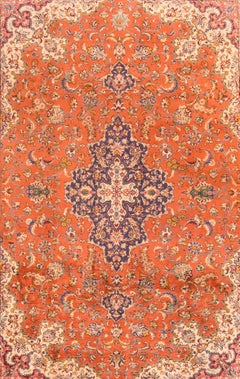
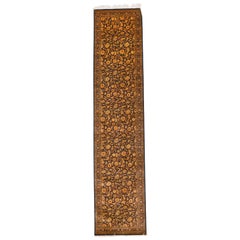
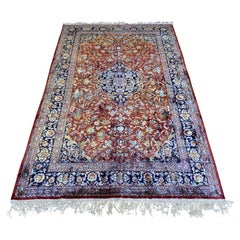
Authentic Persian Silk Kashan Rug, circa 1970s

Authentic Persian Silk Kashan Rug, circa 1970s

Located in San Mateo, CA

This is an authentic, hand-knotted Kashan rug, woven in Kashan, Iran circa 1970s. It is silk knots

Category

Vintage 1970s Persian Kashan Persian Rugs

Materials

Cotton, Silk

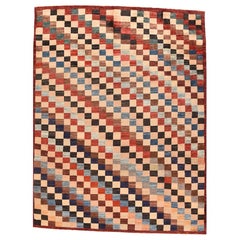
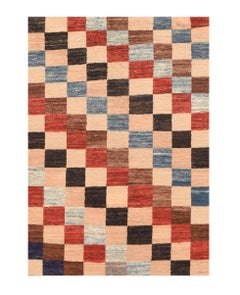
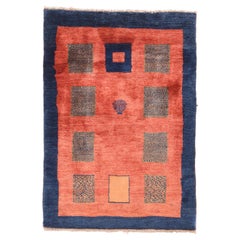
Vintage Persian Gabbeh, Hand Knotted, circa 1970s

Vintage Persian Gabbeh, Hand Knotted, circa 1970s

Located in New York, NY

Vintage Persian Gabbeh, hand knotted, circa 1970s Design: Modern Gabbeh or gabba (Persian

Category

Vintage 1970s Persian Other Persian Rugs

Materials

Wool

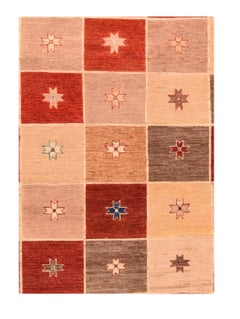
Vintage Persian Gabbeh, Hand Knotted, circa 1970s

Vintage Persian Gabbeh, Hand Knotted, circa 1970s

Located in New York, NY

Vintage Persian Gabbeh, hand knotted, circa 1970s Design: Floral Gabbeh or gabba (Persian

Category

Vintage 1970s Persian Other Persian Rugs

Materials

Wool

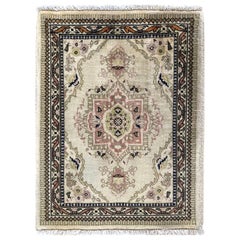
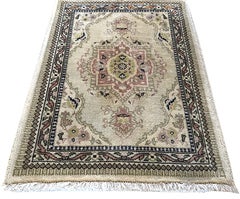
Vintage Persian Hand Knotted Cream Tabatabai Rug, circa 1970s

Vintage Persian Hand Knotted Cream Tabatabai Rug, circa 1970s

Located in San Diego, CA

This little rug is knotted in Iran. The design is open field medallion floral. The pile is wool

Category

Vintage 1970s Persian Persian Rugs

Materials

Wool, Cotton

Vintage Persian Qum Area Rug, Silk on Silk, Hand Knotted, circa 1970s

Vintage Persian Qum Area Rug, Silk on Silk, Hand Knotted, circa 1970s

Located in New York, NY

Vintage Persian Qum Area rug, silk on silk, hand knotted, Circa 1970's Design : Center Medallion

Category

Vintage 1970s Persian Other Persian Rugs

Materials

Silk

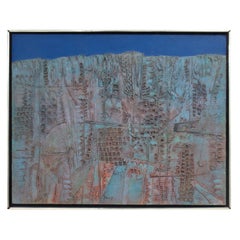
Mixed-Media Abstract Painting by Iranian Artist Terri, circa 1970s

Mixed-Media Abstract Painting by Iranian Artist Terri, circa 1970s

Located in San Francisco, CA

Iran and at one time resided in New York City. Measuring 30"x 24", this abstract features bold

Category

Mid-20th Century American Paintings

Materials

Masonite

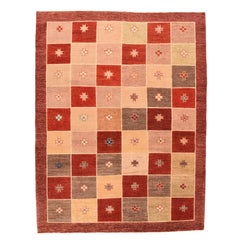
Fine Vintage Gabbeh Shiraz Persian Rug, Hand Knotted, circa 1970s

Fine Vintage Gabbeh Shiraz Persian Rug, Hand Knotted, circa 1970s

Located in New York, NY

Fine vintage Gabbeh Shiraz Persian rug, hand knotted, circa 1970s Design: Tribal Gabbeh or

Category

Vintage 1970s Persian Tribal Persian Rugs

Materials

Wool

Extremely Fine Vintage Persian Qum Runner Rug, Hand Knotted, circa 1970s

Extremely Fine Vintage Persian Qum Runner Rug, Hand Knotted, circa 1970s

Located in New York, NY

Extremely fine vintage Persian Qum runner rug, hand knotted, circa 1970s Design: Versace design

Category

Vintage 1970s Persian Other Persian Rugs

Materials

Silk

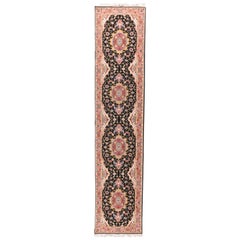
Extremely Fine Black Tabriz Persian Wool and Silk Runner Rug, circa 1970s

Extremely Fine Black Tabriz Persian Wool and Silk Runner Rug, circa 1970s

Located in New York, NY

Extremely fine Tabriz Persian wool and silk runner rug, black, salmon rose, hand knotted, circa

Category

Vintage 1970s Persian Tabriz Persian Rugs

Materials

Wool, Silk

Get Updated with New Arrivals
Save "Iran Circa 1970s", and we’ll notify you when there are new listings in this category.

Iran Circa 1970s For Sale on 1stDibs

At 1stDibs, there are several options of Iran circa 1970s available for sale. The range of distinct Iran circa 1970s — often made from fabric, wool and silk — can elevate any home. Iran circa 1970s have been produced for many years, with earlier versions available from the 20th Century and newer variations made as recently as the 20th Century.

How Much are Iran Circa 1970s?

Prices for Iran circa 1970s start at $280 and top out at $19,800 with the average selling for $4,950.

Finding the Right Persian-rugs for You

Make a bold statement in a living room or bedroom by incorporating vintage Persian rugs in your home decor.

A Persian carpet lends an aura of prestige to any room, even today. The fascination with Persian rugs dates at least as far back as the 4th century B.C., when historian Xenophon referred to the “soft rugs on which the Persians sit.” For centuries, Iran (modern-day Persia) has been known for the craftsmanship, intricate patterns and artistry of its carpets, which have found their way into households and museums around the world.

Although they have many imitators, real Persian rugs are made only in Iran and are easily recognized by their vibrant colors and elegant patterns.

Traditional, or antique, Persian rugs are what most people identify as “authentic.” Hand-made, they are very durable and, if properly cared for, can be passed down from generation to generation. Modern Persians, on the other hand, are often machine-made. Today’s carpets, Iranian or otherwise, can’t possibly match the level of craftsmanship that prevailed centuries ago, so historical Persian carpets will always be admired and highly valued.

Although the machine-aided production process is much faster and cheaper, the resulting rugs typically do not have the same quality or lifespan as handwoven ones, so traditional options are considered better investments.

To distinguish between the two, look for imperfections. Because traditional Persian rugs are handwoven, you will likely see small flaws on the front and back. With a machine-made imitation, on the other hand, you will probably not find stitching glitches, and the back will have a mesh or plastic covering.

Antique rugs are handmade from the finest materials, including wool, silk or cotton — never synthetic fibers. The fibers used in antique rugs are colored using natural dyes derived from insects and plants and woven into bold designs that reflect Iran’s culture and history. Since Persian tribes traditionally raised and herded sheep, wool was the most common material. The fiber has many advantages: It is fire-resistant and dries much more quickly than cotton. Also, because of its natural elasticity, it is more durable than cotton or silk. Regarded as works of art, Persian rugs can take months or years to complete.

The different types of Persian rugs are named for the cities, villages and regions where they’re made. Kashan rugs, for example, woven in the north-central Iranian city of Kashan, are considered among the finest city rugs, distinguished by curvilinear motifs like palmettos, leaves and arabesques. Nains have high knot counts, an indication of high quality, and generally employ pink, blue and ivory hues, while Tabriz rugs — created by weavers in the northwestern Iranian city of Tabrīz (or Tabriz) — mostly have floral and garden patterns. 

When shopping for vintage Persian rugs, you'll want to consider color, size and more — for a history of these rugs and tips on how to style yours, visit our guide to these woven creations today.

Find Tabriz rugs, handmade silk Persian rugs, Persian tribal rugs and other antique and vintage rugs from the world's best furniture dealers on 1stDibs.
Questions About Iran Circa 1970s
  • 1stDibs ExpertFebruary 22, 2021
    Fashion during the 1970s included lots of T-shirts, cardigans, kimonos, graphic tees, jeans, khakis, and vintage clothes. In the mid-1970s, other fashion highlights included puffy skirts and shirts with flowy sleeves.
  • 1stDibs ExpertApril 5, 2022
    Yes, sequins were indeed popular in the 1970s and could be seen on the dancefloors and discos of the time, along with other popular fabrics like velvet and satin. Sequins and hot pants were the go-to outfit of the disco-glam decade. Shop iconic vintage and contemporary sequin clothing from some of the world’s top boutiques on 1stDibs.
  • 1stDibs ExpertJune 15, 2023
    Yes, velvet was used in the 1970s. Fashion designers used the fabric to produce dresses, bell bottoms, flowy kimonos and other pieces. Furniture makers often used it as the upholstery on sofas and armchairs. On 1stDibs, shop a variety of pieces from the 1970s.
  • 1stDibs ExpertMarch 15, 2024
    What 1970s furniture is called varies. Generally, you may see pieces produced during the decade classified as "vintage" or "retro" furniture. During the 1970s, some makers continued to produce furniture that boasted the characteristics of mid-century modern works. The disco era yielded furnishings with organic, often rounded shapes, unadorned silhouettes, clean lines and a mix of materials. The showy leather furniture of the 1970s, which was both sexy and comfortable, is seeing a resurgence in today’s homes. Shop a wide variety of vintage 1970s furniture on 1stDibs.
  • 1stDibs ExpertFebruary 17, 2023
    No, the 1970s are generally not considered to fall within the era identified as mid-century. With respect to mid-century modern design, while there is some debate between collectors and design experts about the specific time period that saw the emergence of the style, most furniture enthusiasts agree that by the late 1960s, interest in MCM had largely declined. Writer Cara Greenberg, who coined the term “mid-century modernism,” suggests that “the period from the end of World War II to 1960 – from V-J Day to JFK – was the heyday of innovative furniture design in America.” Mid-century modern furniture is characterized by clean lines and inviting, organic shapes. Furniture makers of the era believed that good design was an essential part of good living. Find a variety of vintage mid-century modern furniture and decorative objects on 1stDibs.
  • 1stDibs ExpertApril 5, 2022
    To tell if a dress is from the 1960s or 1970s, first look for a label. You may be able to determine the approximate date of the dress simply by researching the designer using reputable online sources. Also, check the zippers. Dresses from the 1960s will usually have metal or nylon zippers. Ones from the 1970s are more likely to be plastic. You'll find a large selection of vintage dresses on 1stDibs.
  • 1stDibs ExpertApril 5, 2022
    Go-go boots were fashionable in the late 1960s through the 1970s. A calf-length to knee-length boot became synonymous with 1960s and 1970s fashion and is still highly coveted today by fashion enthusiasts. Shop a wide range of vintage go-go boots on 1stDibs.
  • 1stDibs ExpertMay 5, 2023
    Which clothing style was most popular in the discos in the 1970s is open to debate. Some of the trends of the discotheque scene included sleeveless, sequined tops paired with bell bottoms and knee-length halter dresses topped off with tall go-go boots. For men, jumpsuits and leisure suits were the favorite looks. Both men and women often wore shoes with chunky heels and thick platforms. On 1stDibs, find an assortment of 1970s vintage clothing and accessories.
  • 1stDibs ExpertJanuary 27, 2025
    The designer who became famous with her wrap dresses in the 1970s is Diane von Furstenberg. She debuted her first example in 1974. When creating the Wrap dress, von Furstenberg drew inspiration from the skirts worn by ballerinas. In celebration of the 40th anniversary of the now-iconic dress, an exhibit called Diane von Furstenberg: Journey of a Dress was held at museums in the United States and abroad. On 1stDibs, explore a range of Diane von Furstenberg apparel and accessories.
  • 1stDibs ExpertApril 5, 2022
    After the success of his “Sol” series in the 1960s, Richard Anuszkiewicz began to focus on his “Centered Square” designs in the mid-1970s. He used interacting colors to change the perception of the art in the eye of the viewer. You can shop a selection of Richard Anuszkiewicz pieces from some of the world’s top art dealers on 1stDibs.