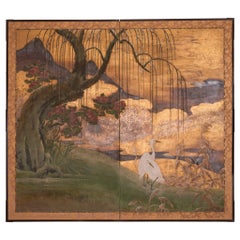
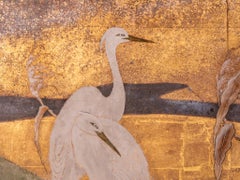
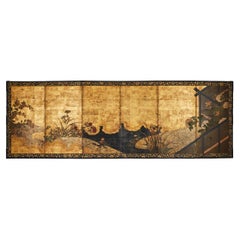
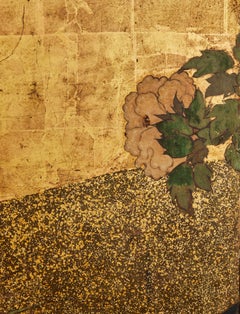
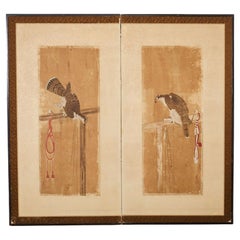
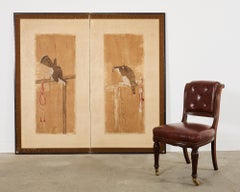
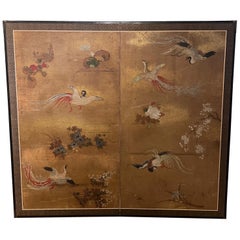
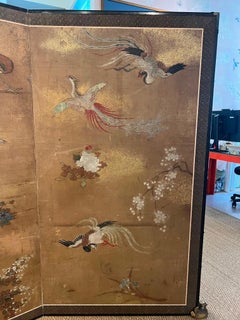
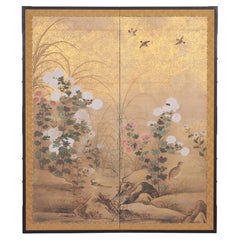
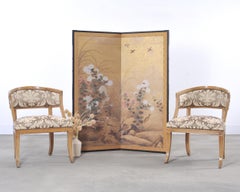
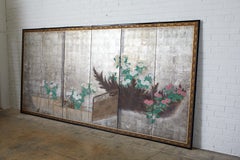
Japanese Meiji Two Panel Screen Geese and Reeds
Located in Rio Vista, CA
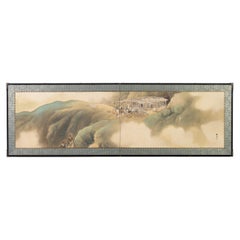
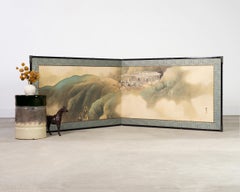
Fantastic Japanese late Meiji period two-panel byobu screen by Hashimoto Koshu. The large screen
20th Century Japanese Meiji Paintings and Screens
Silk, Wood, Paper
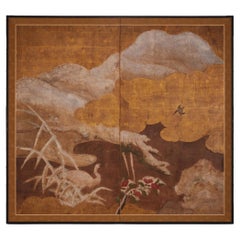
Japanese Meiji Two Panel Screen Geese and Reeds
Located in Rio Vista, CA
Fantastic Japanese late Meiji period two-panel byobu screen by Hashimoto Koshu. The large screen
Silk, Wood, Paper
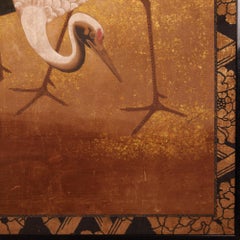
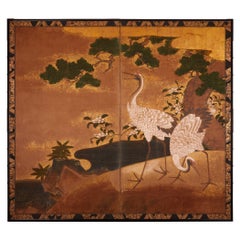
Japanese Two-Panel Screen: Cranes on Gold
Located in Hudson, NY
. With a gold embroidered 17th century silk brocade border and black lacquer trim. Wonderfully preserved.
Gold, Gold Leaf
Japanese Two Panel Screen: Magnolia Tree in Bloom
Located in Hudson, NY
lacquer trim and period bronze mounts. Signature and sela read: Ichijo saku.
Bronze
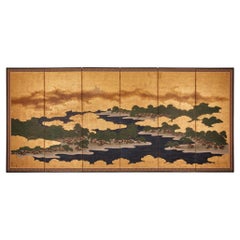
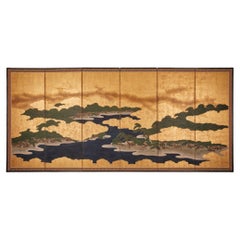
Japanese Six Panel Screen: Matsushima (Pine Tree Island)
Located in Hudson, NY
gold dust on mulberry paper. Silk brocade border and black lacquer trim with gilded bronze hardware.
Bronze, Gold Leaf
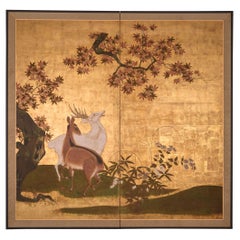
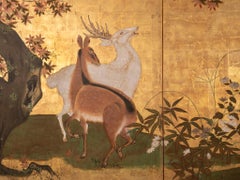
Japanese Two Panel Screen: Deer in Autumn Landscape
Located in Hudson, NY
brocade border and black lacquer trim. White deer are considered a symbol of longevity and good fortune in
Gold Leaf
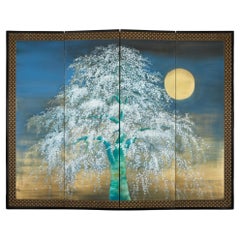
Japanese Four Panel Screen: Cherry Viewing Under Moonlight
Located in Hudson, NY
Mineral pigments on fabric with silk brocade border and black lacquer trim. Signature reads
Fabric, Brocade, Silk, Lacquer
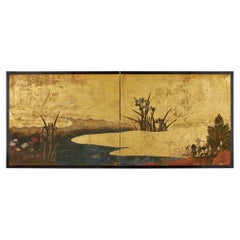
Japanese Two Panel Screen: Iris By Rivers Edge
Located in Hudson, NY
Mineral pigments and gold leaf on mulberry paper with black lacquer trim.
Gold Leaf
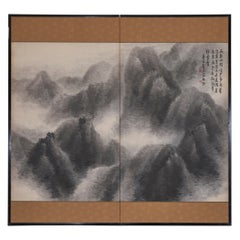
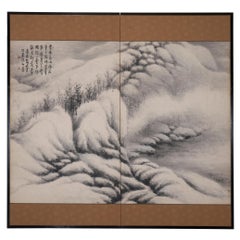
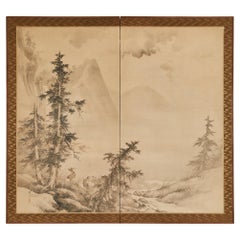
Japanese Two Panel Screen: Sumi-e Mountain Landscape
Located in Hudson, NY
Ink on mulberry paper with silk brocade border and black lacquer trim. Signature and seal read
Brocade, Silk, Lacquer, Paper
Japanese Two Panel Screen: Sumi-e Snow Scene
Located in Hudson, NY
Ink on mulberry paper with silk brocade border and black lacquer trim. Signature and seal read
Brocade, Silk, Lacquer, Paper
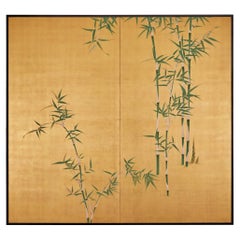
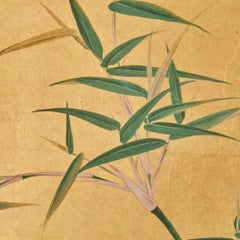
Japanese Two Panel Screen: Young Bamboo on Gold
Located in Hudson, NY
Symbolizing the Sun, gold is often used in shrines and temples in Japan. Gold has been extensively
Gold
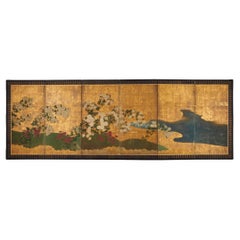
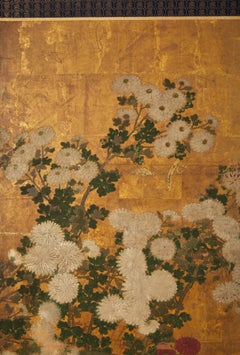
Japanese Six Panel Screen: Chrysanthemums by Rivers Edge
Located in Hudson, NY
lacquered wooden trim.
Gold Leaf
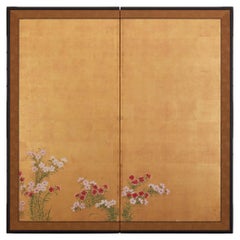
Japanese Two Panel Screen: Nadeshiko on Gold Leaf
Located in Hudson, NY
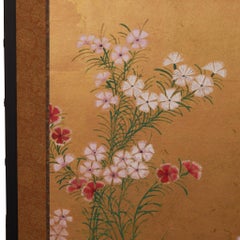
Nadeshiko, also known as fringed pinks is a flowering plant native to Japan. Ink, mineral pigments
Bronze, Gold Leaf
Japanese Six Panel Screen: Matsushima (Pine Tree Island)
Located in Hudson, NY
gold dust on mulberry paper. Silk brocade border and black lacquer trim with gilded bronze hardware.
Bronze, Gold Leaf
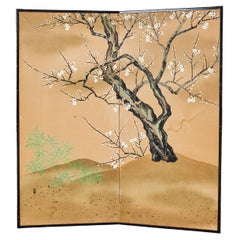
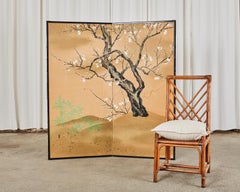
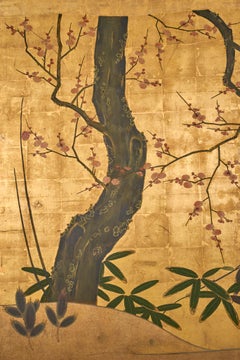
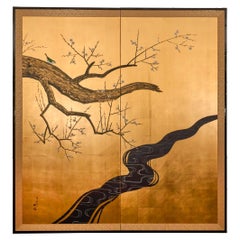
Japanese Showa Two Panel Screen Blossoming Prunus Tree
Located in Rio Vista, CA
Serene Japanese Showa period two-panel folding byobu screen depicting a large spring blossoming
Brass
Japanese Two Panel Screen: Egrets on Rivers Edge
Located in Hudson, NY
gold dust. Silk brocade border and black lacquer trim. Kano School Panting.
Gold Leaf
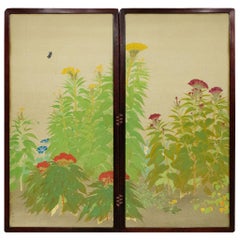
Japanese Two-Panel Screen, Cockscomb and Morning Glories
Located in Hudson, NY
Gakkou. Exhibited at Teiten 7, 8, 9, 11, 14, 15; Shin-bunten 2, 3, 6; Nitten 4, 13. Lacquer framed
Cotton, Silk, Lacquer
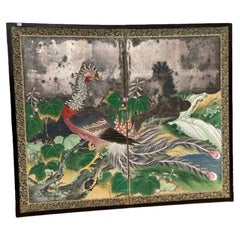
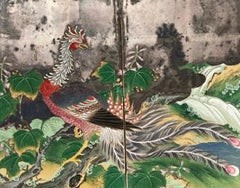
Japanese Two-Panel Phoenix Screen, Edo Period, Ca. 1850
Located in New York, NY
Japanese Two-Panel Phoenix Screen, Edo Period, Ca. 1850 Japanese Edo Period (1603-1868
Wood
Japanese Two Panel Screen, Lotus Leaves and Blossoms
Located in Hudson, NY
mulberry paper with black lacquer wooden trim.
Wood, Lacquer, Paper
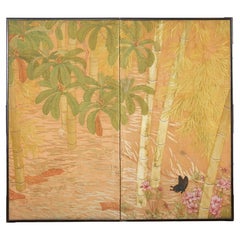
Japanese Taisho Two Panel Screen Bamboo Butterfly Landscape
Located in Rio Vista, CA
Serene Japanese late Taisho period early Showa period two-panel byobu screen featuring a colorful
Brass
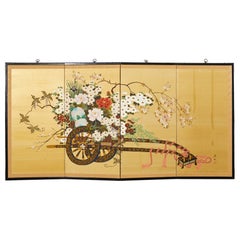
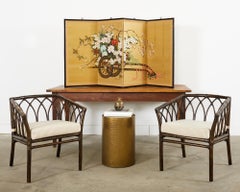
Japanese Showa Four Panel Screen Hanaguruma Flower Cart
Located in Rio Vista, CA
Beautiful Japanese Showa period four panel silk screen depicting a colorful Hanaguruma or flower
Brass
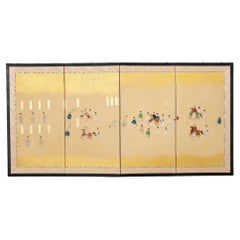
Japanese Showa Four Panel Table Screen Noble Procession
Located in Rio Vista, CA
Fascinating Japanese Showa period for panel table screen depicting a procession of guards, nobles
Brass
Japanese Two Panel Screen: Chrysanthemums Over Twig Fence
Located in Hudson, NY
Mineral pigment and gold dust on mulberry paper. Silk brocade border and black lacquer trim. From
Gold
Japanese Six Panel Screen: Flower Garden in the Mist
Located in Hudson, NY
. Mineral pigments on gold with a silk brocade border and black lacquer trim. Back of screen reads: Kano
Gold
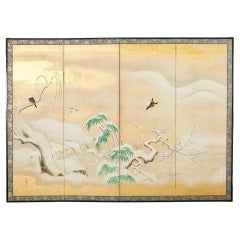
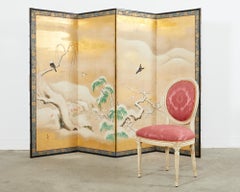
Japanese Showa Four Panel Screen Snowy Winter Landscape
Located in Rio Vista, CA
Impressive large scale Japanese Showa period four panel byobu screen depicting a serene snowy
Brass, Gold Leaf
Pair of Japanese Two Panel Screens: Misty Cedar Forest
Located in Hudson, NY
on paper. Silk brocade border and black lacquer trim. Originally fusuma (sliding doors). Signature
Gold
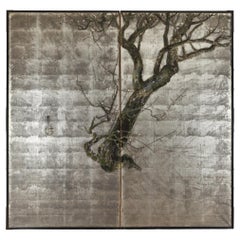
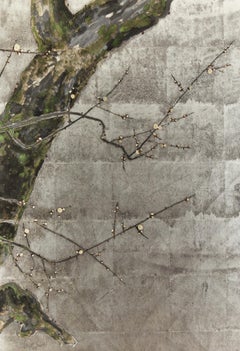
Japanese Two Panel Screen: Venerable Plum Tree in Winter
Located in Hudson, NY
Ink and mineral pigments on silver leaf with black lacquer trim. Signature reads: Kotan hitsu. Seal
Silver Leaf
Japanese Edo Two Panel Screen Birds of Prey Hawks
Located in Rio Vista, CA
Fascinating Japanese 19th century Edo period two-panel screen depicting two perched birds of prey
Silk, Wood, Paper
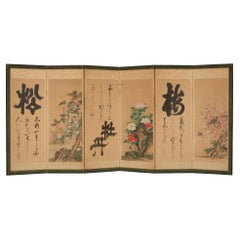
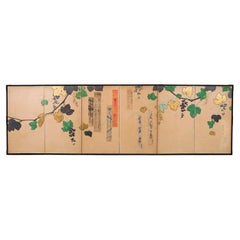
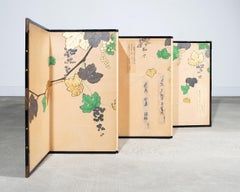
Japanese Harimaze Six Panel Screen Applied Edo Tanzaku Poems
Located in Rio Vista, CA
Fascinating Japanese six-panel folding Harimaze Byobu screen featuring Edo period antique
Brass, Gold Leaf
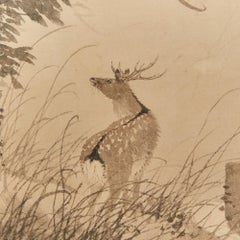
Japanese Two Panel Screen: Moonlit Forest Landscape with Deer
Located in Hudson, NY
Sumi Ink on Mulberry paper with silk brocade border and lacquer trim. Signature reads: Sobun. Seal
Brocade, Silk, Lacquer, Paper
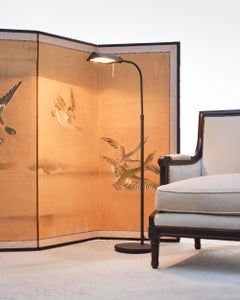
Japanese Kano School Four Panel Screen Birds and Owl
Located in Rio Vista, CA
Amazing 19th century Japanese Meiji period four-panel byobu screen featuring painted panels
Gold Leaf
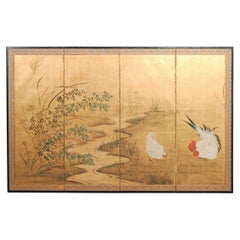
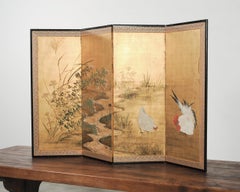
Japanese Showa Four-Panel Screen Autumn Landscape Rooster & Hen
Located in Rio Vista, CA
A beautifully rendered Japanese Showa period four-panel folding byōbu screen in the Nihonga school
Gold Leaf
$35,000
H 67.38 in W 75 in D 0.75 in
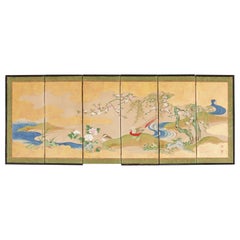
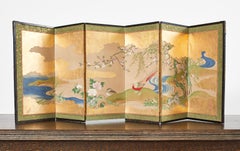
Pair of Japanese Two Panel Screens: Seasonal Landscape – Summer/ Autumn
Located in Hudson, NY
lacquer trim. Signature and seal read: Keika. Screen B: Chinese pheasant in a summer landscape with peony
Gold
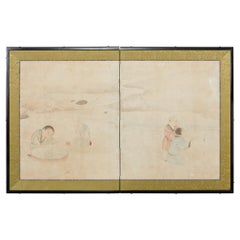
Japanese Edo Two Panel Screen Children Playing Catching Fish
Located in Rio Vista, CA
Delightful late 18th century/early 19th century Japanese Edo period two panel byobu screen
Silk, Wood, Paper
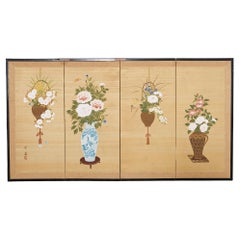
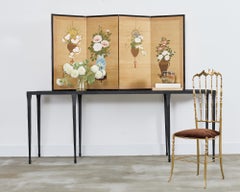
Japanese Showa Four Panel Screen Flower Vases on Silk
Located in Rio Vista, CA
Charming Japanese four-panel Showa period byobu screen depicting colorful floral arrangements in
Brass
Japanese Two Panel Screen: Plum Blossom in the Mist
Located in Hudson, NY
brocade border with black lacquer trim and bronze hardware.
Bronze, Gold Leaf
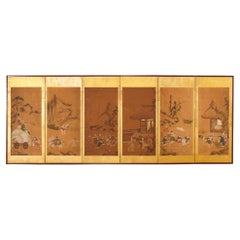
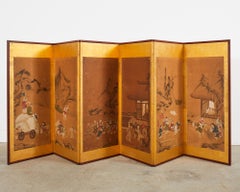
Japanese Edo Six Panel Screen Chinese Children at Play
Located in Rio Vista, CA
Amazing 19th century Japanese Edo period six panel folding byobu screen depicting Chinese children
Gold Leaf
$21,275
H 68.25 in W 92.5 in D 0.75 in
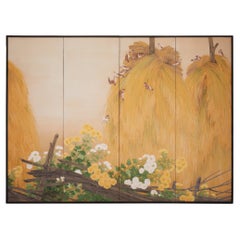
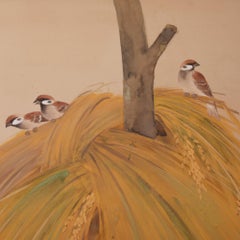
Japanese Four Panel Screen: Japanese Tree Sparrows on Stacks of Bailed Rice
Located in Hudson, NY
pigments on silk. Signed in the lower left corner, signature reads: Soetsu. With a simple black lacquered
Silk, Wood, Lacquer
Japanese Edo Four Panel Screen Flowering Peony Prunus Magnolia
Located in Rio Vista, CA
Early 19th century Japanese Edo/Tokugawa period four panel folding byobu table screen featuring
Brass
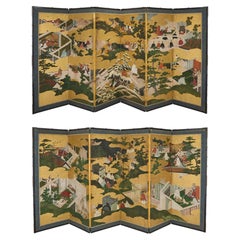
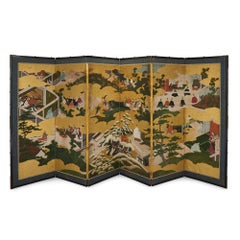
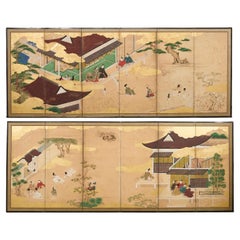
Pair Japanese Edo Six Panel Screens Legend of Minamoto
Located in Rio Vista, CA
Fascinating pair of large Japanese 19th century Edo period six-panel folding byobu screens
Brass, Gold Leaf
Japanese Showa Four Panel Screen Spring Flowers on Gilt
Located in Rio Vista, CA
Charming mid-20th century Japanese Showa period four-panel folding byobu screen featuring
Brass
$4,790
H 0.79 in W 55.12 in D 55.12 in
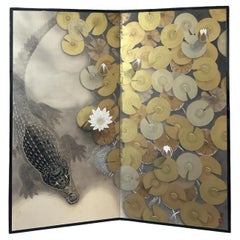
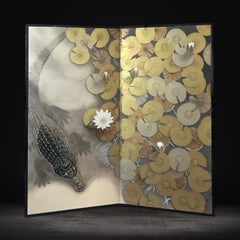
Contemporary Japanese Two-Panel Screen with Crocodile and Water Lilies
Located in Fukuoka, JP
A striking contemporary Japanese two-panel folding screen depicting a crocodile gliding through a
Wood, Lacquer, Paper
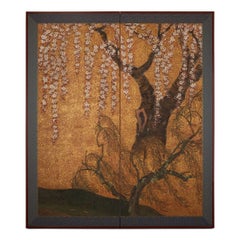
Japanese Two Panel Screen, Cherry Blossoms in Willow Landscape
Located in Hudson, NY
Dramatic and beautifully executed cherry blossoms trickle down the two panels with natural willows
Gold
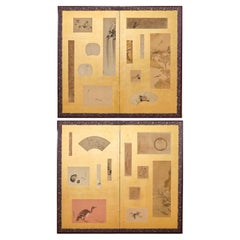
Pair of Japanese Two Panel Screens Edo Period Vignettes
Located in Rio Vista, CA
Impressive pair of Japanese two-panel byobu screens featuring late 18th-century edo period applied
Gold Leaf
Japanese Edo Six Panel Table Screen After Maruyama Okyo
Located in Rio Vista, CA
Fantastic diminutive Japanese Edo period table top screen depicting a lively water landscape with
Brass, Gold Leaf
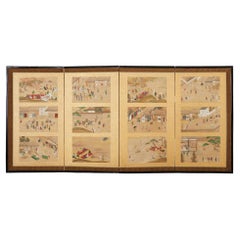
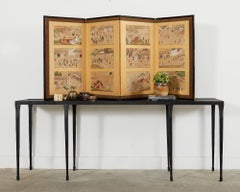
19th Century Japanese Meiji Four Panel Screen Festival Scenes
Located in Rio Vista, CA
Colorful late 19th century late Meiji period four-panel byobu screen featuring 12 scenes of a
Brass
Japanese Two Panel Screen: Irises Along a Raised Garden Walkway
Located in Hudson, NY
Furosaki (tea ceremony screen) Mineral pigments on mulberry paper with oxblood lacquer trim
Lacquer, Paper
19th Century Japanese Edo Six Panel Kano School Landscape Screen
Located in Rio Vista, CA
Late Edo period 19th century Japanese six-panel landscape screen featuring a cypress tree over a
Silk, Wood, Paper
$40,000
H 0.75 in W 68.5 in D 68.5 in
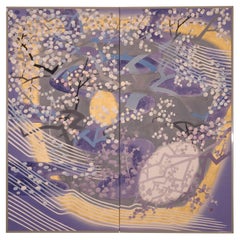
Japanese Two Panel Screen: Yozakura (Cherry Blossom Viewing at Night)
Located in Hudson, NY
. Back Label Reads: The 2nd Japan crafts fair, dyed screen, titled Saku (Bloom) by Adachi Masakazu.
Gold
$25,000
H 59.06 in W 145.67 in D 1.58 in
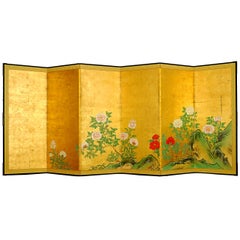
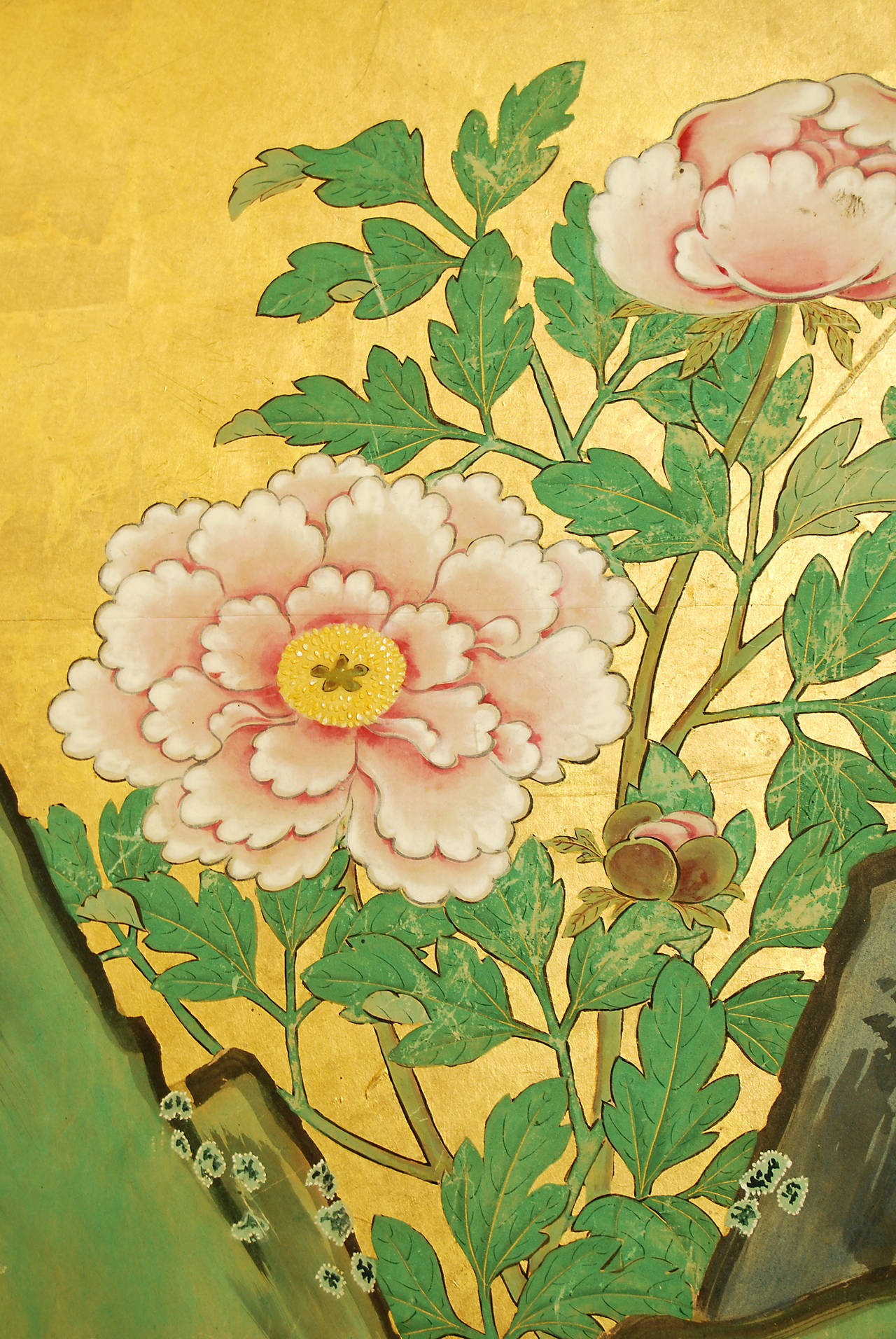
Antique Japanese Six-Panel Screen by Kano Chikanobu "Shushin"
Located in Prahran, Victoria
Late 17th century Kano school peony landscape screens. Both screens signed: Hogan Josen Fujiwara
Gold Leaf
$14,500
H 69.5 in W 65.5 in D 0.75 in
Japanese Two Panel Screen: "Autumn Day in the year 1931 (Xinwei)"
Located in Hudson, NY
Titled by the artist. This screen depicts a plum tree on rivers edge with a solitary nightingale
Brocade, Lacquer
$3,900
H 75 in W 79 in D 2 in
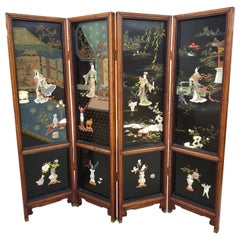
Japanese Polychrome Oak Lacquer Painted & Carved Stone Figures Four-Panel Screen
Located in Germantown, MD
A stunning Japanese Polychrome Solid Oak Lacquered, Painted and Carved Stone figures Four-Panel
Stone
Japanese Meiji Two Panel Screen Birds Flowers in Autumn Landscape
Located in Rio Vista, CA
Exceptional 19th century Japanese two-panel late Edo Tokugawa\early Meiji period screen. The
Wood, Paper, Silk
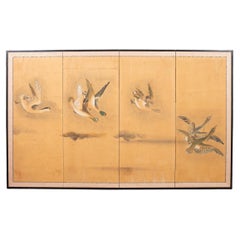
Japanese Meiji Four Panel Screen Ducks and Geese in Flight
Located in Rio Vista, CA
Serene late 19th century Japanese Meiji Period four-panel screen capturing ducks and geese mid
Brass
$1,718 / set
H 36 in W 12 in D 1 in
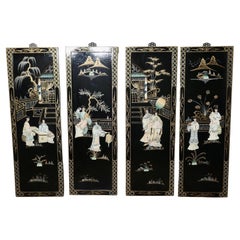
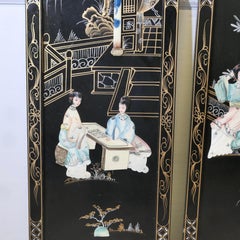
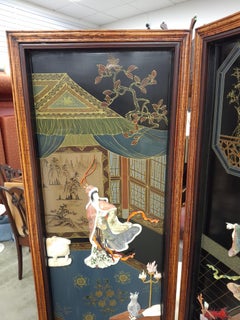
Japanese Lacquered Decorated Wall Panels These 4 very attractive screens
Located in Godshill, Isle of Wight
Japanese Lacquered Decorated Wall Panels, Screens These 4 very attractive decorated panels in the
Lacquer
$4,800
H 68.25 in W 150 in D 0.75 in
Japanese Edo Six Panel Screen Merrymaking in the Chinese Countryside
Located in Rio Vista, CA
Large 19th century Japanese Edo period six panel folding byobu screen made in the Kano school style
Gold Leaf
$26,000 / set
H 68.5 in W 138 in D 0.75 in
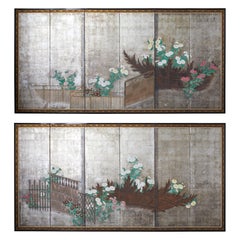
Pair of Six Panel Japanese Edo Screens Chrysanthemums Along Fence
Located in Rio Vista, CA
Remarkable pair of early 19th century Japanese late Edo period screens depicting summer
Silver Leaf
$35,650
H 41 in W 73 in D 0.75 in
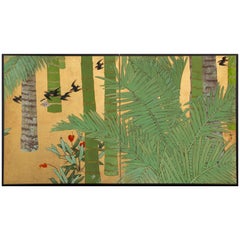
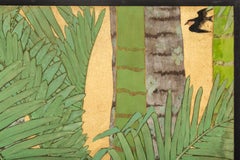
Japanese Two-Panel Screen, Swallows in Tropical Landscape ‘Southern Islands’
Located in Hudson, NY
Okinawa painting with palm trees, flying swallows, and antheriums. Graphic and dynamic splashes of color and design gives this painting an air of modernism. This is a traditional sub...
Silk, Wood, Lacquer
Traditional Asian paintings were often created on scrolls and folding screens. Artisans made screens that could be folded up or spread out by connecting several panels using hinges. Today, antique Asian folding screens and paintings are sophisticated decorative accents that can serve as makeshift partitions to ensure privacy.
The original folding screens were created by Chinese artists. The earliest record of screens comes from the 2nd century B.C., and surviving examples date back to the Ming dynasty. Chinese painting utilizes many of the same tools as calligraphy — these screens were crafted from wood with painted panels featuring striking art or calligraphy that told cultural stories or represented nature and life in the area.
The practice was introduced to Japan, where paintings for screens were made on paper and silk, in the 8th century. These paintings frequently feature subjects such as landscapes, animals, flowers and Buddhist religious themes. Along with screens for tea ceremonies and dance backgrounds, there were screens for use in Shinto and Buddhist temples.
In the 17th century, screens began to be imported to Europe where their popularity grew. Coco Chanel famously collected Coromandel folding screens.
Traditional Asian paintings can make a tasteful addition to any wall, and screens can be used as decoration or, in the case of larger iterations, as an aesthetic way to divide a large room. Browse the selection of antique Asian paintings and screens from a variety of styles and eras on 1stDibs.
Decorated with white cranes and the sought-after thousand-butterflies motif, the Meiji-period vessel offers both a celebration of traditional aesthetics and a clear reflection of the era’s appetite for exquisite export pieces.
For 25 years, gallerist Betsy Nathan has leveraged her keen eye and key connections to bring a unique selection of rare finds to the market.
Now working alongside his daughter Bianca, dealer Joel Chen has presented a most covetable array of antiques, art and contemporary creations for more than 40 years.
From cherry-blossom-adorned walls paired with glamorous lighting to wood-paneled ceilings above checkerboard-patterned chairs, these 12 spaces seamlessly blend Eastern and Western aesthetics.
The dealer and curator has spent the past 50 years amassing a collection of exceptional art, furniture and architectural elements that trace the cultural influence of the Spanish empire from Europe to the Americas and beyond.
These spaces exemplify how Eastern elements elevate a home's decor.