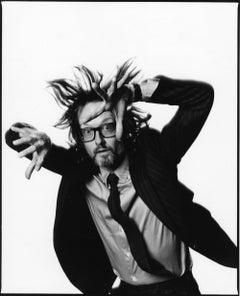
Jarvis Cocker
By David Bailey
Located in London, GB
David Bailey Jarvis Cocker, 2010 Silver Gelatin print on paper Signed by the artist, on verso Image
Category
2010s Contemporary Black and White Photography
Materials
Silver Gelatin
Jarvis Cocker
By David Bailey
Located in London, GB
David Bailey Jarvis Cocker, 2010 Silver Gelatin print on paper Signed by the artist, on verso Image
Silver Gelatin
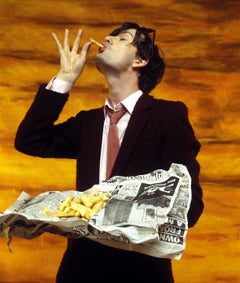
Jarvis Cocker of Pulp eating Fish and Chips
Located in Austin, TX
Signed limited edition print of Jarvis Cocker from Pulp by photographer Pat Pope. The image of
Archival Pigment
$2,160
H 20 in W 16 in
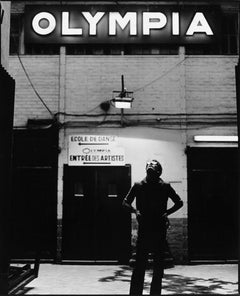
Jarvis Cocker by Kevin Westenberg Signed Limited Edition
By Kevin Westenberg
Located in London, GB
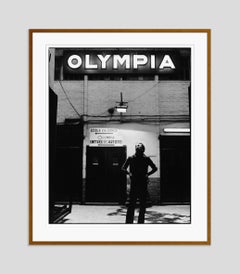
Jarvis Cocker Jarvis Cocker, Olympia, Paris. by Kevin Westenberg- Signed Limited Edition Kevin
Archival Pigment
$2,000
H 20 in W 16 in
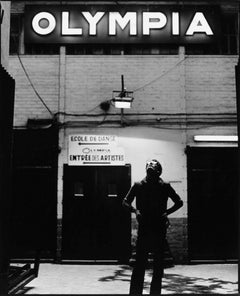
Jarvis Cocker by Kevin Westenberg Signed Limited Edition
By Kevin Westenberg
Located in London, GB
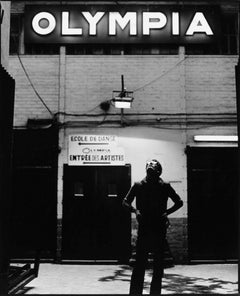
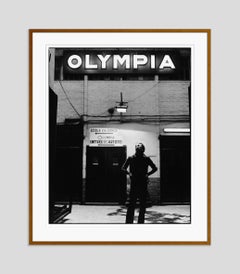
Jarvis Cocker 1996 Jarvis Cocker, Pulp photographed by Kevin Westenberg for NME Magazine in
Archival Pigment
$14,500
H 40 in W 30 in
Jarvis Cocker by Kevin Westenberg Signed Limited Edition
By Kevin Westenberg
Located in London, GB
Jarvis Cocker 1996 Jarvis Cocker, Pulp photographed by Kevin Westenberg for NME Magazine in
Archival Pigment
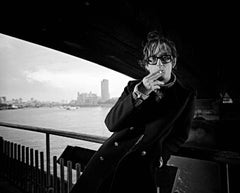
'Jarvis Cocker Of Pulp In London' (Oversize Limited Edition)
By Jamie Beeden
Located in London, GB
'Jarvis Cocker Of Pulp In London' (silver gelatin print Limited Edition) Originally shot for Mojo
Silver Gelatin
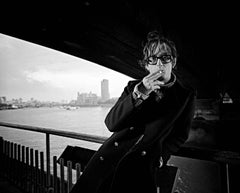
'Jarvis Cocker Of Pulp In London' (Oversize Limited Edition)
By Jamie Beeden
Located in London, GB
'Jarvis Cocker Of Pulp In London' (silver gelatin print Limited Edition) Originally shot for Mojo
Archival Pigment
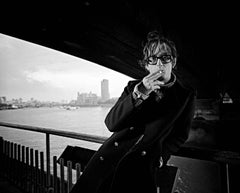
'Jarvis Cocker Of Pulp In London' (Oversize Limited Edition)
By Jamie Beeden
Located in London, GB
'Jarvis Cocker Of Pulp In London' (silver gelatin print Limited Edition) Originally shot for Mojo
Silver Gelatin
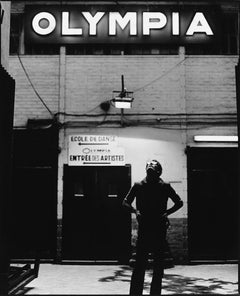
Jarvis Cocker Paris 1996 - Signed Limited Edition Print
By Kevin Westenberg
Located in London, GB
Jarvis Cocker Paris Olympia NME Cover Shoot (photo Kevin Westenberg) NB All prints are signed
Black and White, Archival Pigment
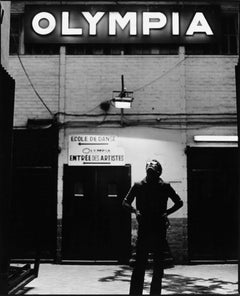
$2,500
H 20 in W 16 in
Jarvis Cocker In Paris 1996 - signed Limited Edition print
By Kevin Westenberg
Located in London, GB
JARVIS COCKER PARIS OLYMPIA (photo Kevin Westenberg) NB All prints are signed and numbered by
Black and White, Archival Pigment
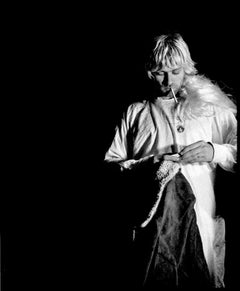
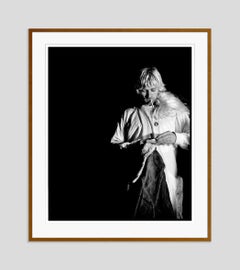
$2,000
H 20 in W 16 in
Kurt Cobain by Kevin Westenberg Signed Limited Edition
By Kevin Westenberg
Located in London, GB
Kurt Cobain 1996 Jarvis Cocker, Pulp photographed by Kevin Westenberg for NME Magazine in Paris
Archival Pigment
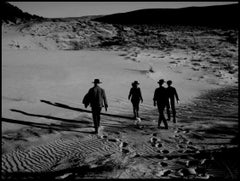
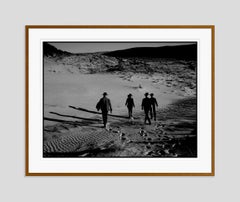
$2,000
H 16 in W 20 in
Luna Moss by Kevin Westenberg Signed Limited Edition
By Kevin Westenberg
Located in London, GB
Luna Moss Jarvis Cocker, Pulp photographed by Kevin Westenberg for NME Magazine in Paris in July
Archival Pigment
$14,500
H 40 in W 30 in
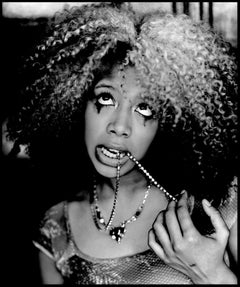
Kelis by Kevin Westenberg Signed Limited Edition
By Kevin Westenberg
Located in London, GB
Kelis 2022 Jarvis Cocker, Pulp photographed by Kevin Westenberg for NME Magazine in Paris in July
Archival Pigment

$14,500
H 30 in W 40 in
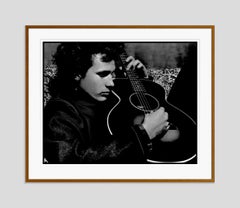
Jeff Buckley by Kevin Westenberg Signed Limited Edition
By Kevin Westenberg
Located in London, GB
Jeff Buckley 1994 Jarvis Cocker, Pulp photographed by Kevin Westenberg for NME Magazine in Paris
Archival Pigment
$14,500
H 40 in W 30 in
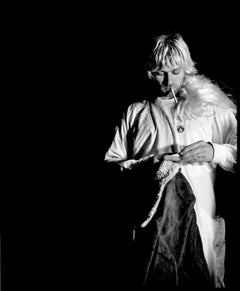
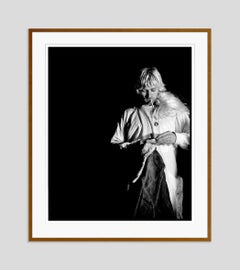
Kurt Cobain by Kevin Westenberg Signed Limited Edition
By Kevin Westenberg
Located in London, GB
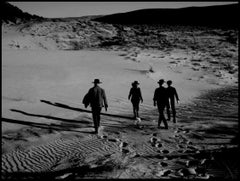
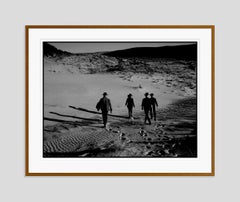
Kurt Cobain 2010 Jarvis Cocker, Pulp photographed by Kevin Westenberg for NME Magazine in Paris
Archival Pigment
$14,500
H 30 in W 40 in
Luna Moss by Kevin Westenberg Signed Limited Edition
By Kevin Westenberg
Located in London, GB
Luna Moss 2022 Jarvis Cocker, Pulp photographed by Kevin Westenberg for NME Magazine in Paris in
Archival Pigment
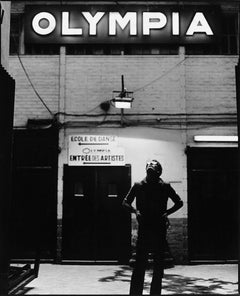
Jarvis Cocker In Paris 1996 - signed Limited Edition print
By Kevin Westenberg
Located in London, GB
JARVIS COCKER PARIS OLYMPIA JULY 8 1996 PARIS NME COVER SHOOT (photo Kevin Westenberg) NB
Black and White, Archival Pigment
$5,400
H 40 in W 60 in
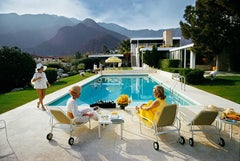
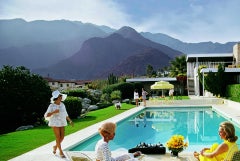
Catch Up By the Pool Estate Edition, Modernist Architecture, Palm Springs
By Slim Aarons
Located in Los Angeles, CA
Palm Springs, 1970: This coveted photograph, captured by society photographer Slim Aarons, features midcentury socialites in front of the turquoise swimming pool of the iconic Kaufma...
Lambda
The first decades of the 20th century were a period of artistic upheaval, with modern art movements including Cubism, Surrealism, Futurism and Dadaism questioning centuries of traditional views of what art should be. Using abstraction, experimental forms and interdisciplinary techniques, painters, sculptors, photographers, printmakers and performance artists all pushed the boundaries of creative expression.
Major exhibitions, like the 1913 Armory Show in New York City — also known as the “International Exhibition of Modern Art,” in which works like the radically angular Nude Descending a Staircase by Marcel Duchamp caused a sensation — challenged the perspective of viewers and critics and heralded the arrival of modern art in the United States. But the movement’s revolutionary spirit took shape in the 19th century.
The Industrial Revolution, which ushered in new technology and cultural conditions across the world, transformed art from something mostly commissioned by the wealthy or the church to work that responded to personal experiences. The Impressionist style emerged in 1860s France with artists like Claude Monet, Paul Cézanne and Edgar Degas quickly painting works that captured moments of light and urban life. Around the same time in England, the Pre-Raphaelites, like Edward Burne-Jones and Dante Gabriel Rossetti, borrowed from late medieval and early Renaissance art to imbue their art with symbolism and modern ideas of beauty.
Emerging from this disruption of the artistic status quo, modern art went further in rejecting conventions and embracing innovation. The bold legacy of leading modern artists Georges Braque, Pablo Picasso, Frida Kahlo, Salvador Dalí, Henri Matisse, Joan Miró, Marc Chagall, Piet Mondrian and many others continues to inform visual culture today.
Find a collection of modern paintings, sculptures, prints and other fine art on 1stDibs.
There’s a lot to love about black and white photography.
The unique and timeless quality of a black and white photograph accentuates any room. Some might argue that we’re naturally drawn to color photography because it’s the world we know best. This is a shared belief, particularly in the era of camera-phone photography, editing apps and the frenetic immediacy of sharing photos on social media. But when we look at black and white photography, we experience deep, rich shadows and tonal properties in a way that transfixes us. Composition and textures are crisp and engaging. We’re immediately drawn to the subjects of vintage street photography and continue to feel the emotional impact of decades-old photojournalism. The silhouettes of mountains in black and white landscape photography are particularly pronounced, while portrait photography and the skylines of urban cityscapes come to life in monochrome prints.
When decorating with fine photography, keep in mind that some color photographs may not be suitable for every space. However, you can be more daring with black and white photos. The gray tones are classic, sophisticated and generally introduce elegance to any corner of your home, which renders black and white prints amazingly versatile.
Black and white photography adapts to its surroundings like a chameleon might. A single large-scale black and white photograph above the sofa in your living room is going to work with any furniture style, and as some homeowners and designers today are working to introduce more muted tones and neutral palettes to dining rooms and bedrooms, the integration of black and white photography — a hallmark of minimalist decor — is a particularly natural choice for such a setting.
Another advantage to bringing black and white photography into your home is that you can style walls and add depth and character without worrying about disrupting an existing color scheme. Black and white photographs actually harmonize well with accent colors such as yellow, red and green. Your provocative Memphis Group lighting and bold Pierre Paulin seating will pair nicely with the black and white fine nude photography you’ve curated over the years.
Black and white photography also complements a variety of other art. Black and white photos pair well with drawings and etchings in monochromatic hues. They can also form part of specific color schemes. For example, you can place black and white prints in colored picture frames for a pop of color. And while there are no hard and fast rules, it’s best to keep black and white prints separate from color photographs. Color prints stand out in a room more than black and white prints do. Pairing them may detract attention from your black and white photography. Instead, dedicate separate walls or spaces to each.
Once you’ve selected the photography that best fits your space, you’ll need to decide how to hang the images. If you want to hang multiple photos, it’s essential to know how to arrange wall art. A proper arrangement can significantly enhance a living space.
On 1stDibs, explore a vast collection of compelling black and white photography by artists such as Mark Shaw, Jack Mitchell (a photographer you should know), Berenice Abbott and David Yarrow.