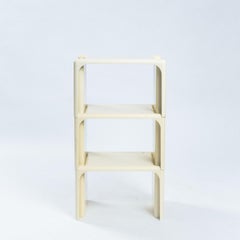
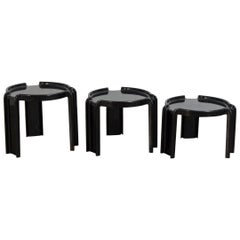
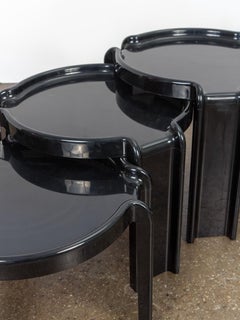
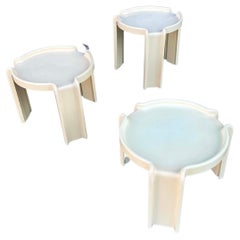
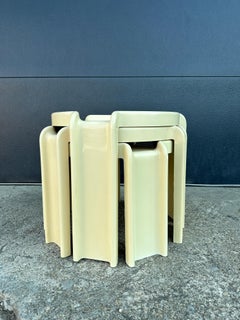
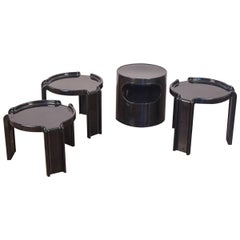
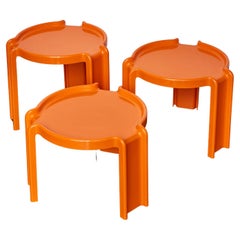
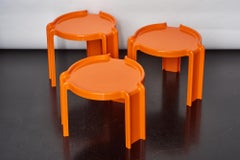
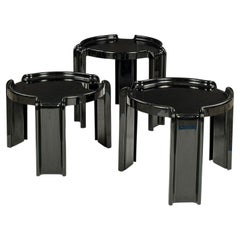
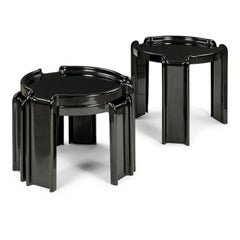
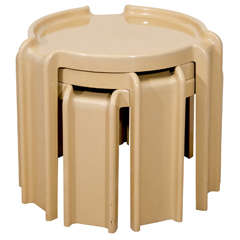
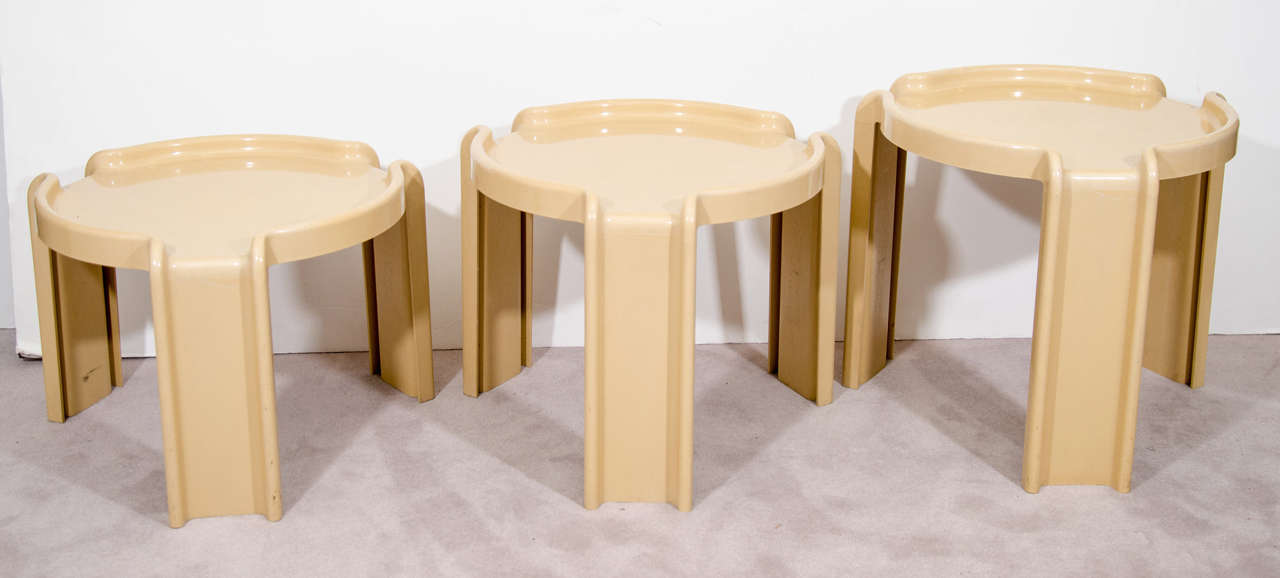
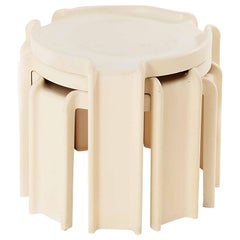
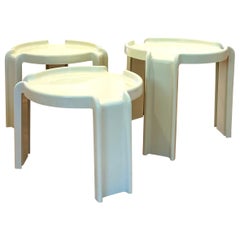
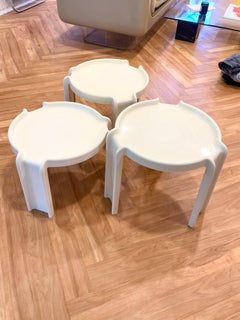
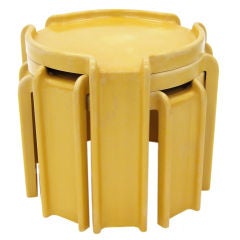
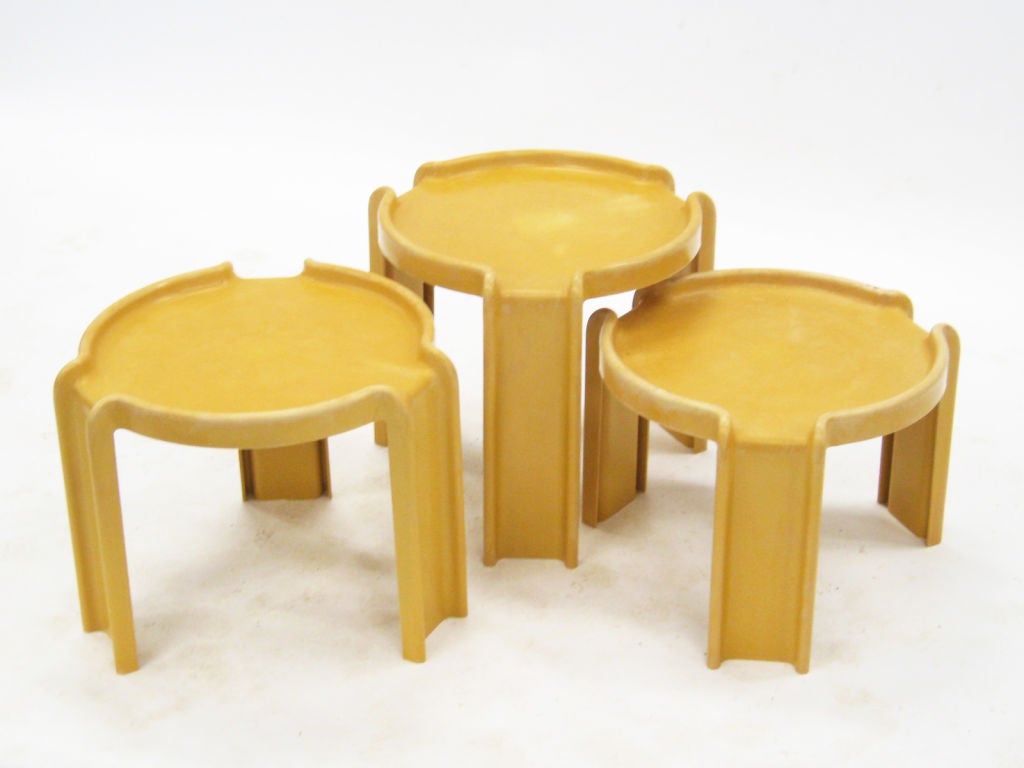
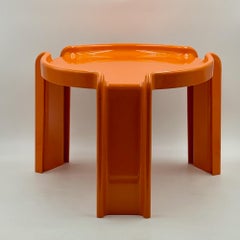
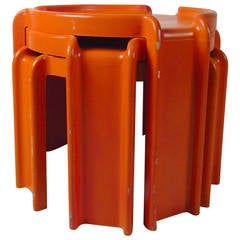
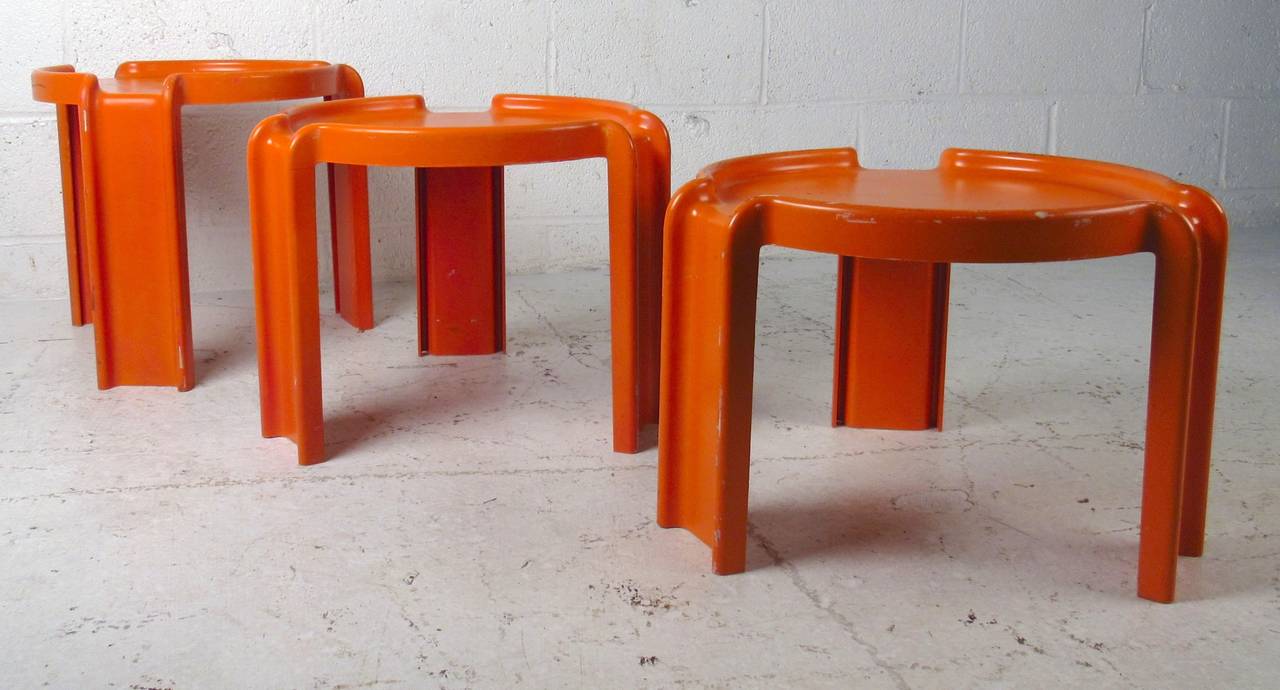
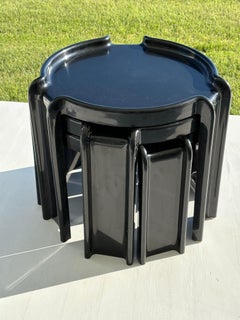
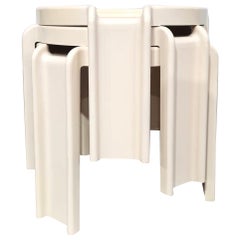
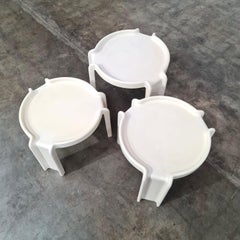
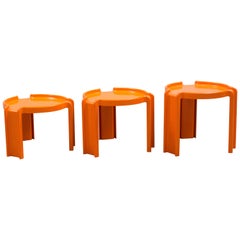
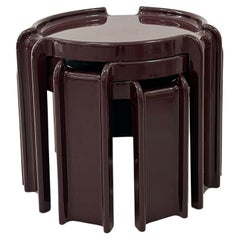
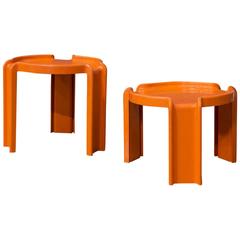
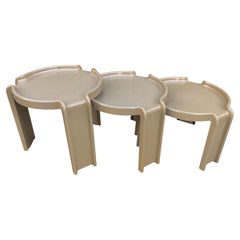
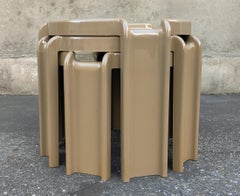
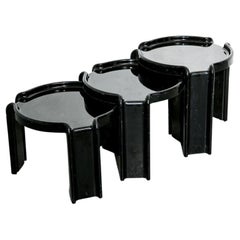
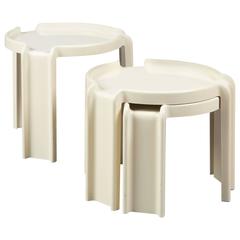
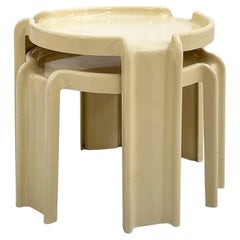
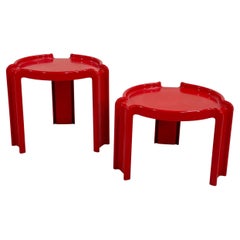
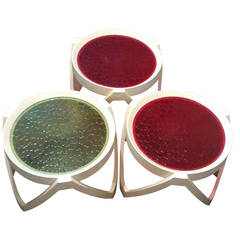
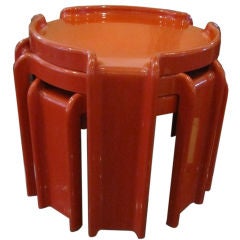
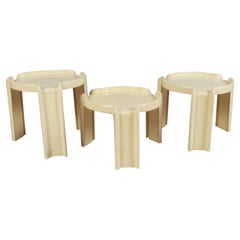
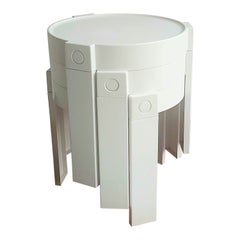
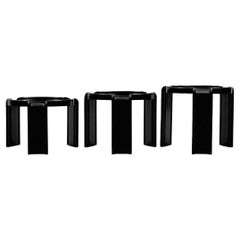
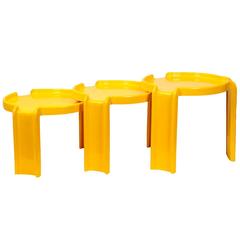
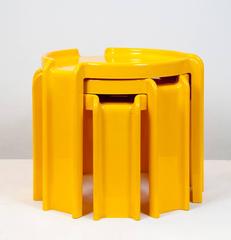
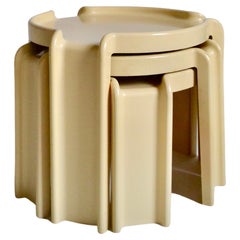
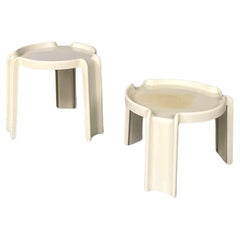
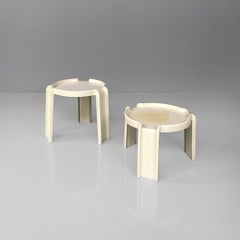
An assortment of kartell nesting tables is available at 1stDibs. Frequently made of
plastic, all kartell nesting tables available were constructed with great care. Kartell nesting tables have been made for many years, and versions that date back to the 20th Century alongside those produced as recently as the 20th Century. Kartell nesting tables made by
Mid-Century Modern designers — are very popular at 1stDibs. Kartell nesting tables have been a part of the life’s work for many furniture makers, but those produced by
Giotto Stoppino,
Kartell and
Sterilite are consistently popular.
Arguably the world’s most ubiquitous man-made material, plastic has impacted nearly every industry. In contemporary spaces, new and vintage plastic furniture is quite popular and its use pairs well with a range of design styles.
From the Italian lighting artisans at Fontana Arte to venturesome Scandinavian modernists such as Verner Panton, who created groundbreaking interiors as much as he did seating — see his revolutionary Panton chair — to contemporary multidisciplinary artists like Faye Toogood, furniture designers have been pushing the boundaries of plastic forever.
When The Graduate's Mr. McGuire proclaimed, “There’s a great future in plastics,” it was more than a laugh line. The iconic quote is an allusion both to society’s reliance on and its love affair with plastic. Before the material became an integral part of our lives — used in everything from clothing to storage to beauty and beyond — people relied on earthly elements for manufacturing, a process as time-consuming as it was costly.
Soon after American inventor John Wesley Hyatt created celluloid, which could mimic luxury products like tortoiseshell and ivory, production hit fever pitch, and the floodgates opened for others to explore plastic’s full potential. The material altered the history of design — mid-century modern legends Charles and Ray Eames, Joe Colombo and Eero Saarinen regularly experimented with plastics in the development of tables and chairs, and today plastic furnishings and decorative objects are seen as often indoors as they are outside.
Find vintage plastic lounge chairs, outdoor furniture, lighting and more on 1stDibs.
Antique and vintage nesting tables and stacking tables first became popular in the early 1800s. With individual tables being used for afternoon tea, needlework and other activities, nesting tables were a perfect solution to clear up clutter at the end of the day.
These tables remained a staple of interiors over the decades for their versatility. In the 1920s, German-born American artist Josef Albers designed a modern version with each table a different color. At the Bauhaus, the German art and design school and chief crucible of modernism founded by architect Walter Gropius, Albers wasn’t the only designer to reinterpret the nesting table. Hungarian-born architect Marcel Breuer also introduced a model with chrome-plated tubular steel legs and lacquered plywood surfaces.
One can now find a range of gorgeous, carefully crafted designs, such as a three-level set of solid oak nesting tables, naturally oiled and finished with Calacatta marble. A game-themed set of nesting tables is a must-have for a living room or lounge, while a small office can be accented with vintage Scandinavian nesting tables made of teakwood, a sought-after material among mid-century modern designers.
Browse the unique collection of antique and vintage stacking tables and nesting tables on 1stDibs to find hundreds of options to match your office or living space.