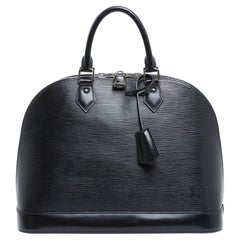
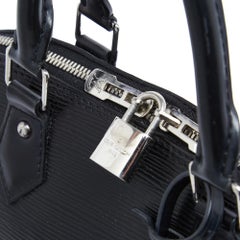
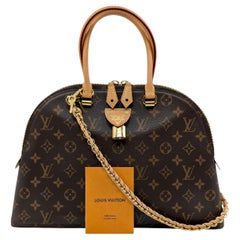
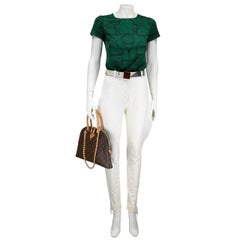
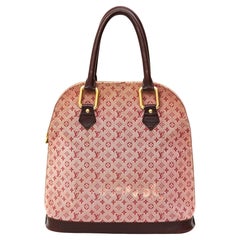
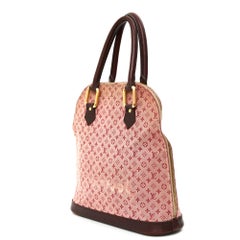
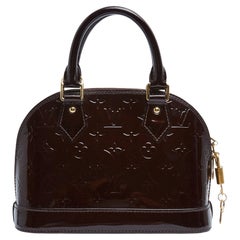
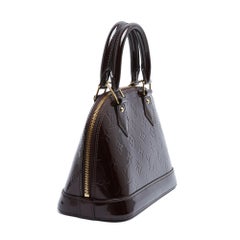
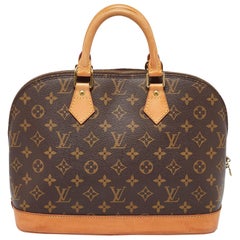
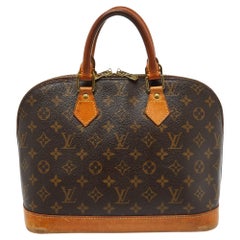
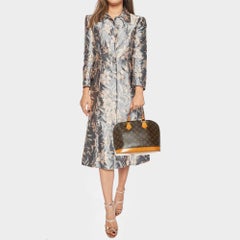
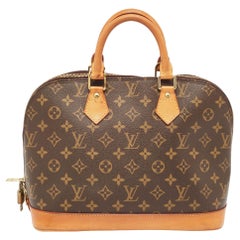
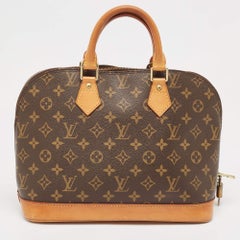
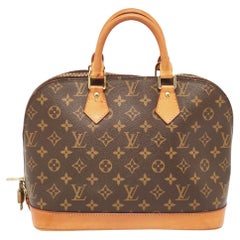
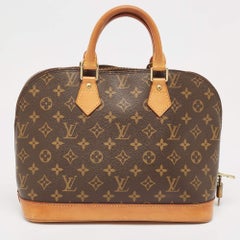
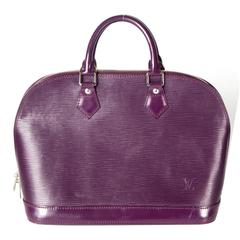
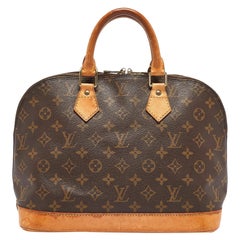
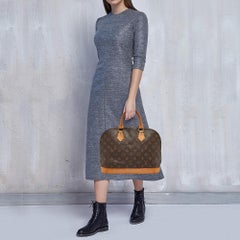
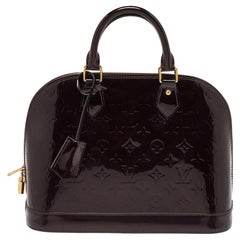
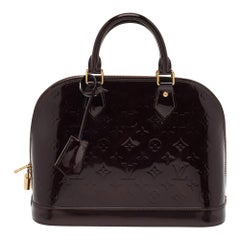
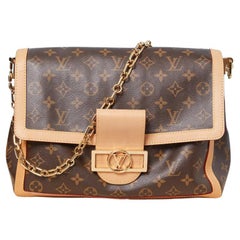
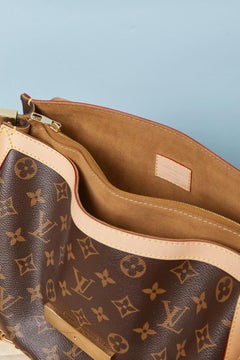
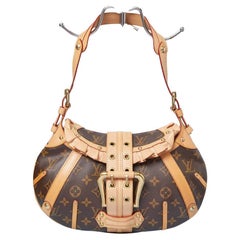
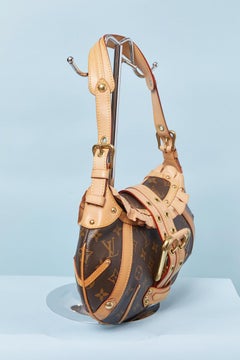
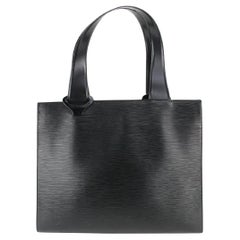
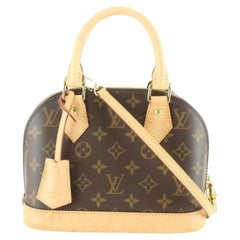
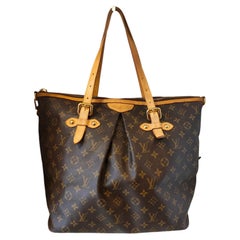
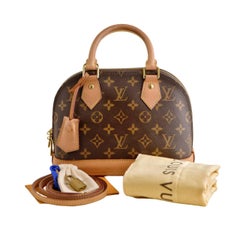
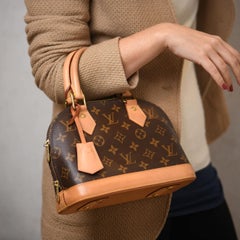
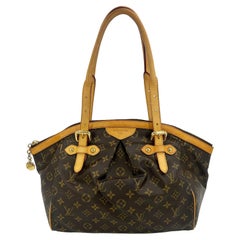
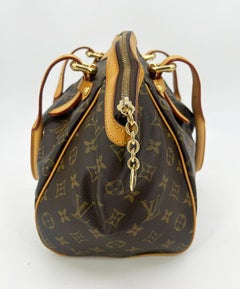
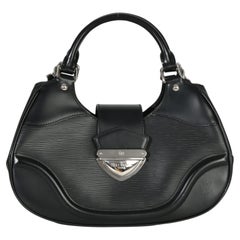
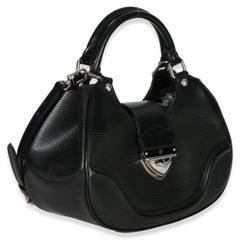
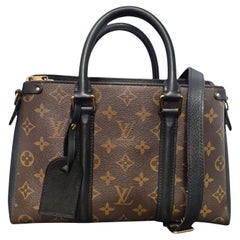
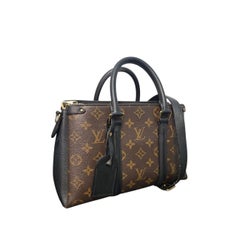
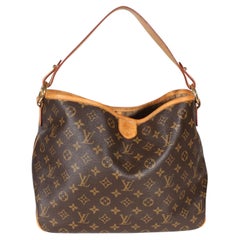
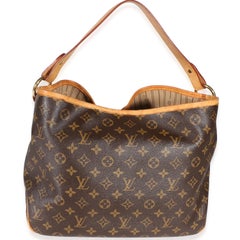
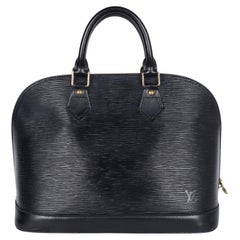
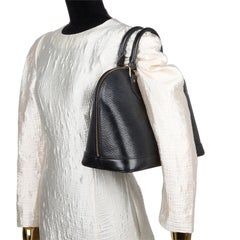
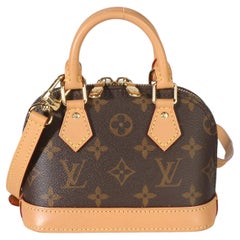
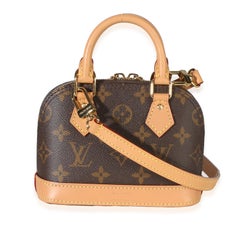
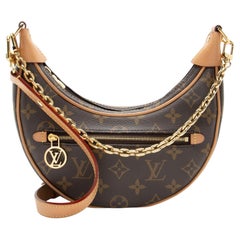
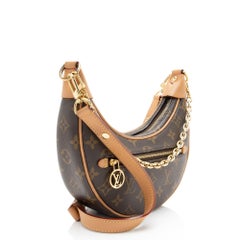
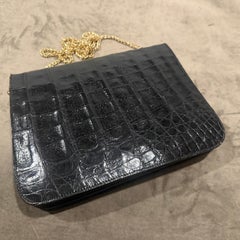
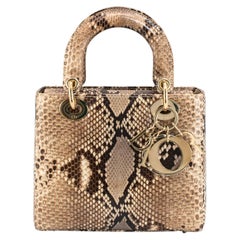
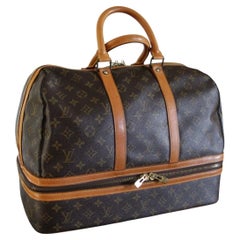
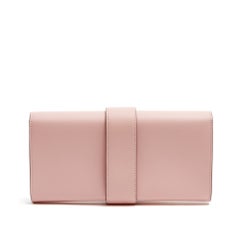
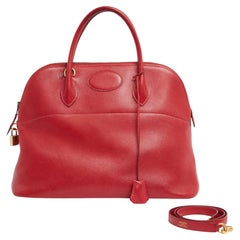
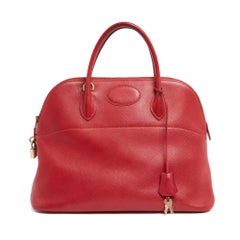
Authentic Louis Vuitton bags — including the brand’s new and vintage handbags and purses, crossbody bags, shoulder bags and tote bags — are distinctive and sumptuous, made of top-notch leathers and materials. The legendary house is a world leader in luxury fashion heralded for creative exploration, ingenuity and bold designs such as its widely beloved Louis Vuitton Alma.
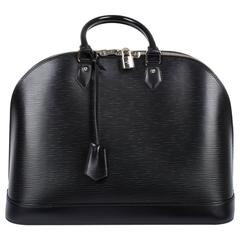
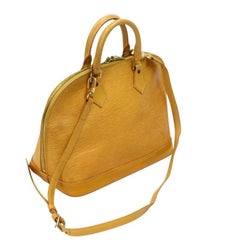
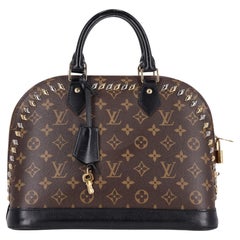
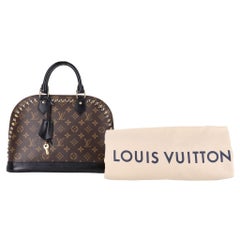
The Louis Vuitton Alma is a go-anywhere satchel that has a practical flat bottom and roomy interior that makes it ideal for travel. Introduced in 1992, it traces its origins to the Squire bag, designed by Gaston-Louis Vuitton in 1934 — the era is evident in its bold Art Deco lines. Gabrielle “Coco” Chanel is rumored to have commissioned Vuitton to create the bag that became the Squire.
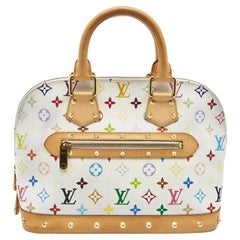
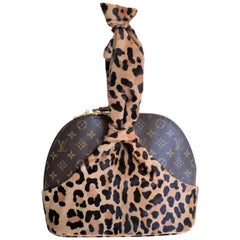
In blue denim and monogram leather, the Louis Vuitton Alma is a modern way to wear luxury. Other interpretations of the Louis Vuitton Alma, including collaborations with Stephen Sprouse and Takashi Murakami, are also highly sought after.
Over the years, Louis Vuitton has earned accolades (and gained new fans) for partnerships that meld fashion with art. In his early days as creative director of Louis Vuitton, American fashion designer Marc Jacobs sent an email to the Japanese Pop artist Murakami, and soon, the two were brainstorming ideas for combining “the spirit of Takashi and the history of Vuitton.” The Monogram Multicolor they came up with was dubbed by Vogue the “defining collaboration of the noughties,” and the playful and provocative Louis Vuitton x Murakami Neverfull and Louis Vuitton x Murakami Alma bags were the fruit of that partnership.
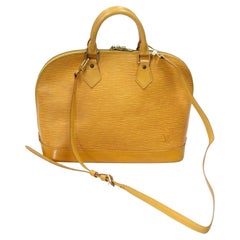
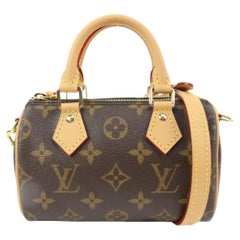
There's an Alma for everyone — at 9.8 inches high and 6.3 inches wide, the Alma PM is the medium version of the Alma. The PM isn't as big as the Alma GM and there's a smaller one in the Alma BB; the Nano Alma is a rare miniature replica of this coveted crossbody bag.
Find a collection of vintage Louis Vuitton Alma bags on 1stDibs.
The story behind iconic luxury brand Louis Vuitton — best known for its esteemed handbags, crossbody bags, leather goods, ready-to-wear clothing and more — is one of craft and innovation in the worlds of fashion, jewelry and furniture.
The company’s modest origins can be traced back to when its founder, Louis Vuitton (1821–92), wishing to free himself from the conventional lifestyle in his provincial French city of Anchay as well as a difficult stepmother, left in the early 1830s to make a new life in Paris. The young Vuitton was 13 at the time and would need to travel on foot to get to the capital, which was hundreds of miles away. With stops along the way to make money so that he could forge ahead, the journey took a couple of years, but reward was close at hand.
When he arrived in Paris, Vuitton made a living with his hands. He toiled as a box maker and packer for more than a decade and built relationships with royals and members of the upper class while working for the empress of France, Eugenie de Montijo. In 1854, Vuitton launched his namesake company. The craftsman opened a humble workshop on rue Neuve des Capucines and advertised his services with a small poster that read: “Securely packs the most fragile objects. Specializing in packing fashions.”
Long before his brand would become known globally for its exemplary top-handle bags and stylish totes, Vuitton produced stackable and rectangular trunks. The most common trunks of the era were round, which weren’t ideal for toting and storing. In 1858, Vuitton debuted his lightweight, handcrafted canvas trunks, which were sturdy, rugged and equipped with convenient compartments. Travel’s popularity broadened in the late 19th century, and Vuitton’s trunks could easily be packed into train cars and ships — upright trunks meant hanging wardrobe storage that would allow his clients to transport their sophisticated garments without worry. Demand increased and the company grew. When Louis Vuitton died in 1892, control of the luxury house was passed onto his only son, Georges Vuitton.
In 1914, a Louis Vuitton store opened at 70 Champs-Élysées. The largest travel-goods store in the world at the time, it became the company’s flagship.
The Louis Vuitton brand embodies all the attributes of luxury, from the craftsmanship, exclusivity and relevance to heritage. It’s only appropriate that it boasts one of the most recognizable insignias — the imaginative interlocking of letters and fleurettes — in the fashion world. The famous LV monogram was first used in 1896 as part of an initiative by Georges to prevent counterfeiting of his coveted new line of travel trunks. It’s one of the earliest examples of fashion branding.
The LV monogram would soon appear on everything from bags and various fashion accessories to alligator-skin champagne cases, from stylish apparel and earrings to teddy bears and airplane models.
On 1stDibs, the unmistakable insignia can be found on both modern and vintage Louis Vuitton shoulder bags, suitcases, original 19th-century trunks, jackets and more.
An integral part of fashion, handbags and purses have been indispensable accessories ever since we began to carry around personal items. Level of craftsmanship, style and shape matters — from coin purses in ancient Greece to early 20th-century opera bags and onward, handbags have evolved considerably over the years to meet our needs and desires, whether or not you happen to be prioritizing functionality over a flashy exterior.
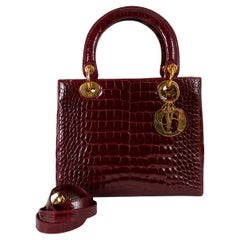
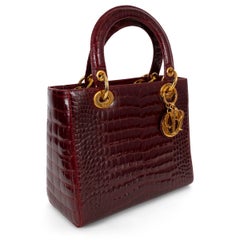
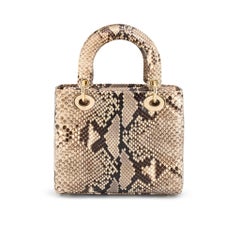
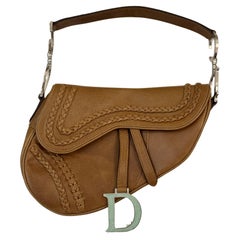
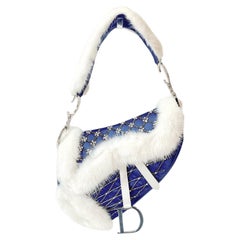
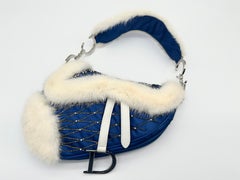
Once, a single “It” handbag ruled each fashion season. No more. Today, lovers of vintage handbags are savvier and have a wider range of shopping options. Nevertheless, classics created by the likes of Louis Vuitton, Dior and Balenciaga still rule.
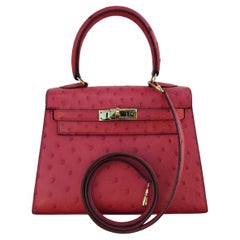
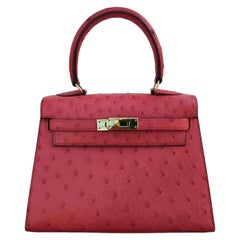
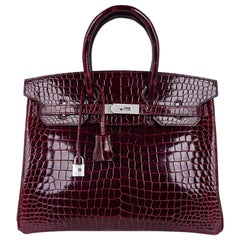
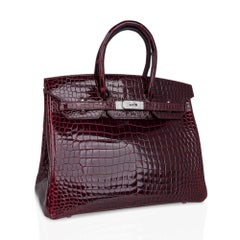
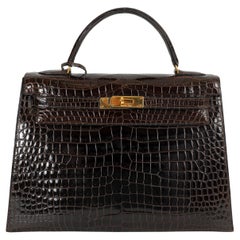
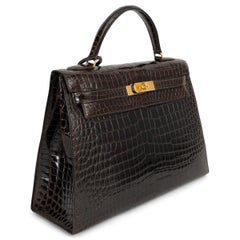
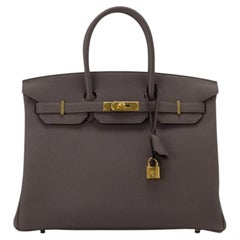
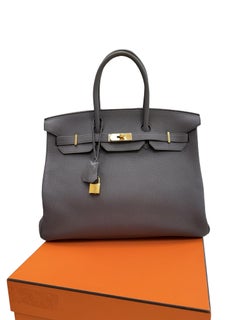
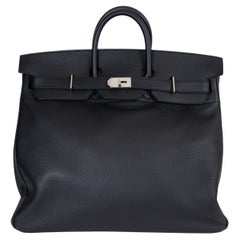
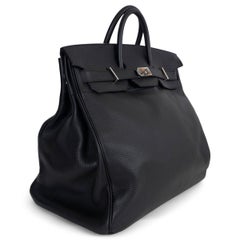
“It is not a fashion bag — it is a statement bag,” says Mightychic's Debra Kent of Hermès's widely beloved accessories. “When you carry an iconic Hermès bag — Birkin, Kelly, Constance — no one knows how long you have been into this culture or if you are a newbie. Your status is validated immediately.”
First released in 1997, Fendi's Baguette rose to fame along with Carrie Bradshaw, the Sex and the City character portrayed by Sarah Jessica Parker. Recently, the design has seen such a resurgence in popularity that Fendi has reissued it.
They are part of design history, so owning a handbag has meaning. As New York–based fashion historian Sarah C. Byrd says, “You have made the choice to invest in this piece because you understand the value of it in the past and in the future to come.”
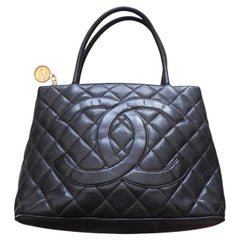
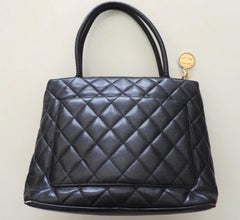
From a 1980s Chanel black leather quilted mini buckle bag to the rare Hermès Birkin 30cm Himalayan with diamond hardware to a range of 19th-century bags, find a rich variety of vintage and designer handbags and purses spanning numerous brands on 1stDibs — seasonal “It” designation no longer needed.