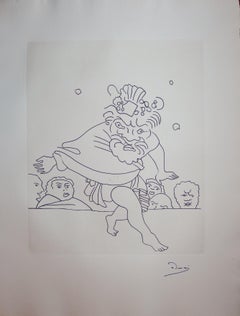
Mad Man on Stage - Original etching - 1951
By André Derain
Located in Paris, IDF
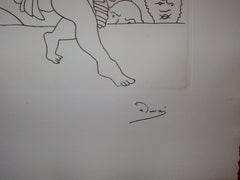
Andre DERAIN Mad Man on Stage Original drypoint etching Stamp signature of the artist On vellum
Category
1950s Modern Figurative Prints
Materials
Drypoint, Etching
Mad Man on Stage - Original etching - 1951
By André Derain
Located in Paris, IDF
Andre DERAIN Mad Man on Stage Original drypoint etching Stamp signature of the artist On vellum
Drypoint, Etching
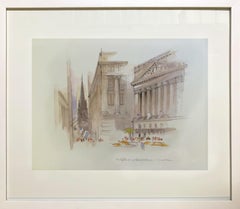
Trinity Church and Stock Exchange
Located in New York, NY
Mads Stage (6 July 1922 – 28 May 2004), born in Copenhagen, was a Danish artist. Stage was a
Watercolor
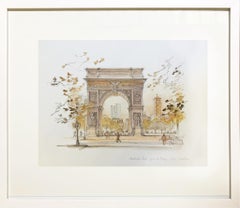
Washington Park
Located in New York, NY
Mads Stage (6 July 1922 – 28 May 2004), born in Copenhagen, was a Danish artist. Stage was a
Watercolor
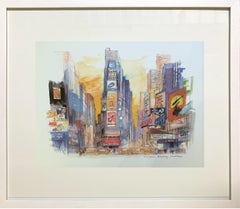
NYC- Times Square
Located in New York, NY
Mads Stage (6 July 1922 – 28 May 2004), born in Copenhagen, was a Danish artist. Stage was a
Watercolor
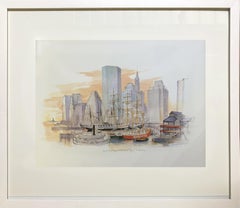
Seaport
Located in New York, NY
Mads Stage (6 July 1922 – 28 May 2004), born in Copenhagen, was a Danish artist. Stage was a
Watercolor
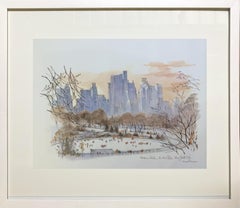
Ice Skating Rink
Located in New York, NY
Mads Stage (6 July 1922 – 28 May 2004), born in Copenhagen, was a Danish artist. Stage was a
Watercolor
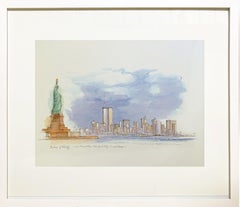
Statue of Liberty
Located in New York, NY
Mads Stage (6 July 1922 – 28 May 2004), born in Copenhagen, was a Danish artist. Stage was a
Watercolor
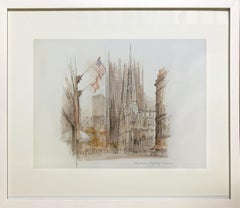
Saint Patrick Cathedral
Located in New York, NY
Mads Stage (6 July 1922 – 28 May 2004), born in Copenhagen, was a Danish artist. Stage was a
Watercolor
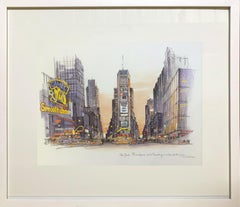
Times Square
Located in New York, NY
Mads Stage (6 July 1922 – 28 May 2004), born in Copenhagen, was a Danish artist. Stage was a
Watercolor
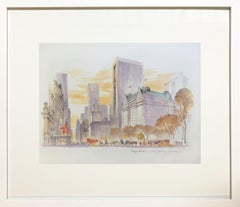
Plaza Hotel
Located in New York, NY
Mads Stage (6 July 1922 – 28 May 2004), born in Copenhagen, was a Danish artist. Stage was a
Watercolor
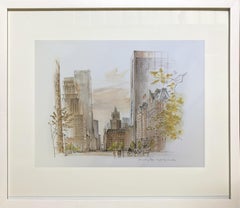
Plaza
Located in New York, NY
Mads Stage (6 July 1922 – 28 May 2004), born in Copenhagen, was a Danish artist. Stage was a
Watercolor
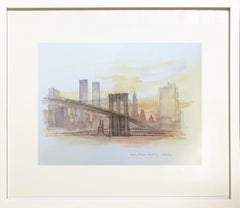
Brooklyn Bridge, New York
Located in New York, NY
Mads Stage (6 July 1922 – 28 May 2004), born in Copenhagen, was a Danish artist. Stage was a
Watercolor
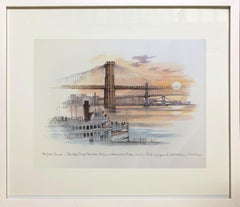
NYC- Brooklyn Bridge
Located in New York, NY
Mads Stage (6 July 1922 – 28 May 2004), born in Copenhagen, was a Danish artist. Stage was a
Watercolor
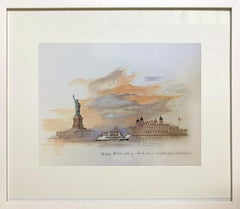
NY- Statue of Liberty
Located in New York, NY
Mads Stage (6 July 1922 – 28 May 2004), born in Copenhagen, was a Danish artist. Stage was a
Watercolor
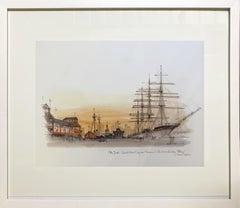
NYC Seaport
Located in New York, NY
Mads Stage (6 July 1922 – 28 May 2004), born in Copenhagen, was a Danish artist. Stage was a
Watercolor
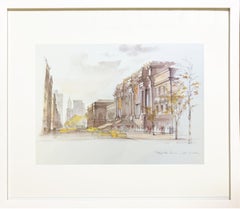
Metropolitan Museum of Art
Located in New York, NY
Mads Stage (6 July 1922 – 28 May 2004), born in Copenhagen, was a Danish artist. Stage was a
Watercolor
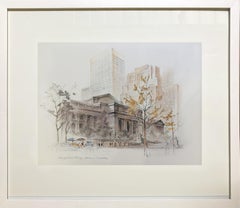
Fifth Avenue
Located in New York, NY
Mads Stage (6 July 1922 – 28 May 2004), born in Copenhagen, was a Danish artist. Stage was a
Watercolor
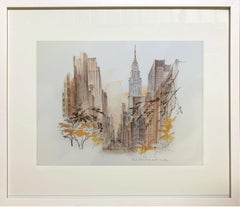
Central Park
Located in New York, NY
Mads Stage (6 July 1922 – 28 May 2004), born in Copenhagen, was a Danish artist. Stage was a
Watercolor
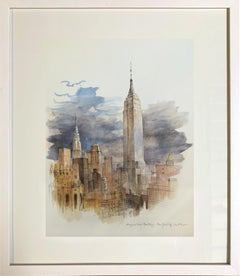
NYC- Empire State Building
Located in New York, NY
Mads Stage (6 July 1922 – 28 May 2004), born in Copenhagen, was a Danish artist. Stage was a
Watercolor
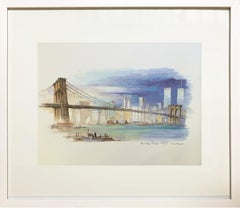
Brooklyn Bridge
Located in New York, NY
Mads Stage (6 July 1922 – 28 May 2004), born in Copenhagen, was a Danish artist. Stage was a
Watercolor
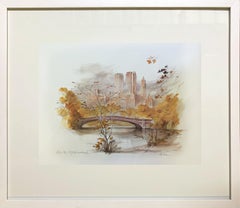
Central Park
Located in New York, NY
Mads Stage (6 July 1922 – 28 May 2004), born in Copenhagen, was a Danish artist. Stage was a
Watercolor
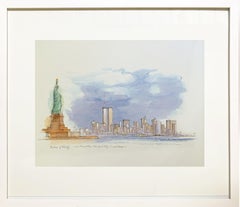
Statue of Liberty
Located in New York, NY
Mads Stage (6 July 1922 – 28 May 2004), born in Copenhagen, was a Danish artist. Stage was a
Watercolor
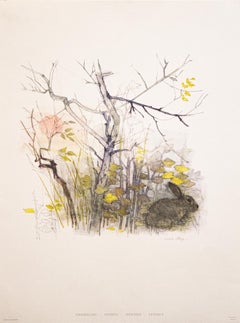
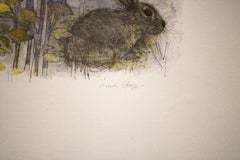
"Mad Stage" Bunny Lithograph
Located in Chesterfield, MI
Lithograph Of Hare Titled "Mad Stage" Measures 14.5 x 10.75 Printed In Denmark In Good Condition
Lithograph
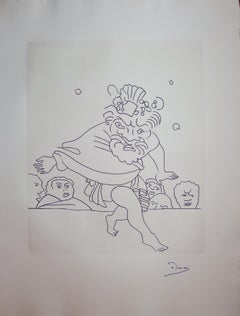

Mad Man on Stage - Original etching - 1951
By André Derain
Located in Paris, IDF
Andre DERAIN Mad Man on Stage Original drypoint etching Stamp signature of the artist On vellum
Drypoint, Etching
The first decades of the 20th century were a period of artistic upheaval, with modern art movements including Cubism, Surrealism, Futurism and Dadaism questioning centuries of traditional views of what art should be. Using abstraction, experimental forms and interdisciplinary techniques, painters, sculptors, photographers, printmakers and performance artists all pushed the boundaries of creative expression.
Major exhibitions, like the 1913 Armory Show in New York City — also known as the “International Exhibition of Modern Art,” in which works like the radically angular Nude Descending a Staircase by Marcel Duchamp caused a sensation — challenged the perspective of viewers and critics and heralded the arrival of modern art in the United States. But the movement’s revolutionary spirit took shape in the 19th century.
The Industrial Revolution, which ushered in new technology and cultural conditions across the world, transformed art from something mostly commissioned by the wealthy or the church to work that responded to personal experiences. The Impressionist style emerged in 1860s France with artists like Claude Monet, Paul Cézanne and Edgar Degas quickly painting works that captured moments of light and urban life. Around the same time in England, the Pre-Raphaelites, like Edward Burne-Jones and Dante Gabriel Rossetti, borrowed from late medieval and early Renaissance art to imbue their art with symbolism and modern ideas of beauty.
Emerging from this disruption of the artistic status quo, modern art went further in rejecting conventions and embracing innovation. The bold legacy of leading modern artists Georges Braque, Pablo Picasso, Frida Kahlo, Salvador Dalí, Henri Matisse, Joan Miró, Marc Chagall, Piet Mondrian and many others continues to inform visual culture today.
Find a collection of modern paintings, sculptures, prints and other fine art on 1stDibs.
Landscape drawings and watercolors show the world through the lenses of different cultures and perspectives. They were also incredibly important for displaying natural scenes before the invention of photography.
There are many ways to effectively arrange art on your walls so that you’re maximizing your wall space. You can introduce peace and serenity within the confines of a living room or bedroom if landscape drawings and watercolors are part of the art that you choose to bring into a space.
Watercolor landscapes have a rich history dating back to ancient China, where they dominated painting genres by the late Tang dynasty. Ink-on-silk paintings in China featured mountains and large bodies of water as far back as the third century. The Netherlands was home to landscapes as a major theme in painting as early as the 1500s, and by the Renaissance, watercolors had made their way to the West and into European culture, becoming a staple of decorative art.
It wasn’t until the Industrial Revolution that watercolor paints became more widely available and embedded in fine arts. Despite their broad distribution today, some artists have chosen to revive the old craft of preparing their own watercolor pigments, paying homage to the medium’s roots.
The variety of brush combinations and painting methods makes watercolor landscapes some of the most stunning pieces in any collection. Find landscape drawings and watercolors on 1stDibs.