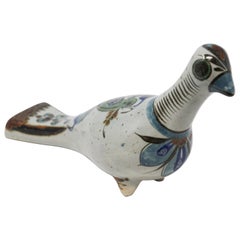
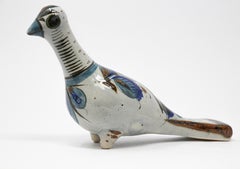
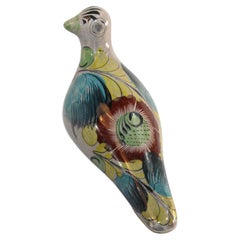
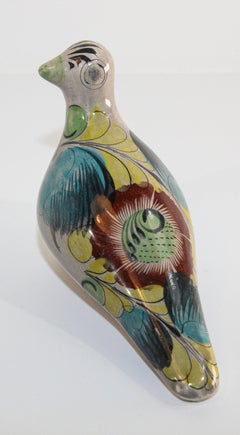
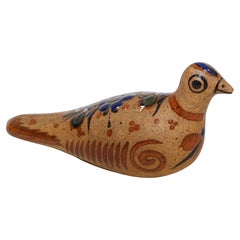
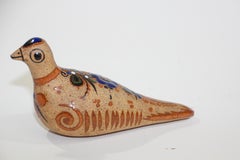
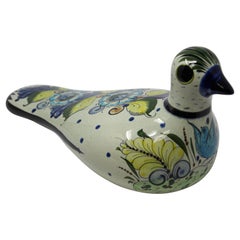
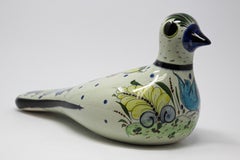
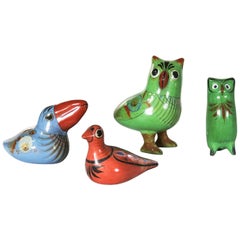
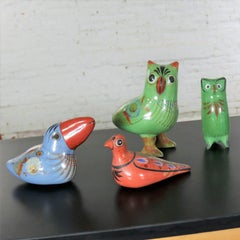
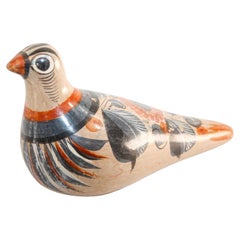
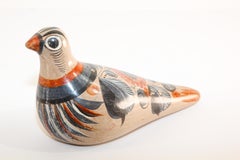
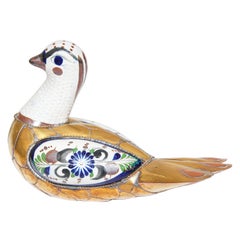
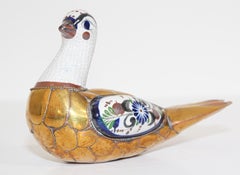
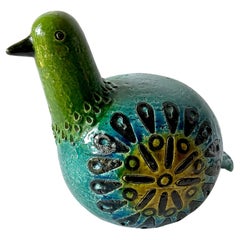
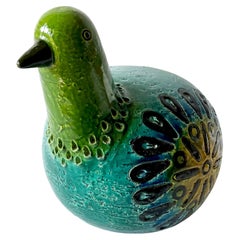
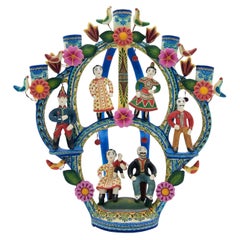
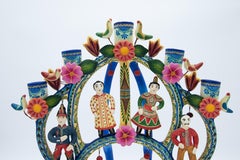
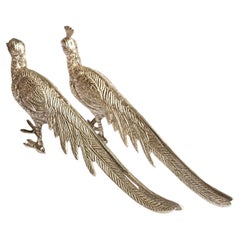
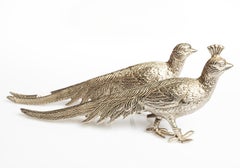
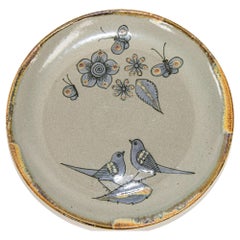
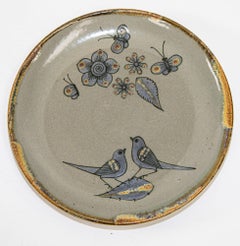
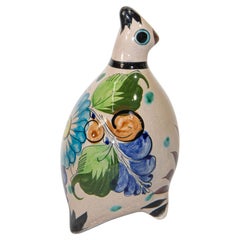
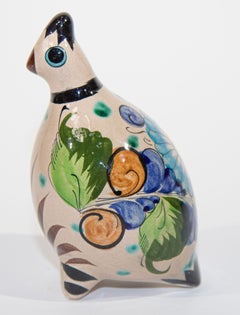
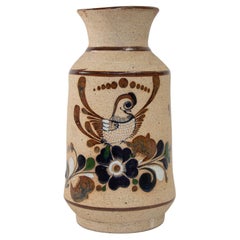
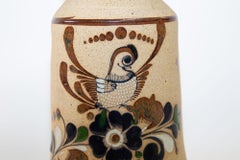
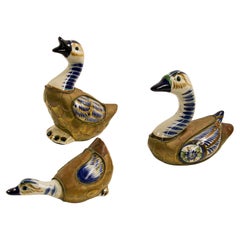
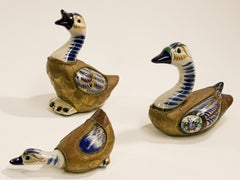
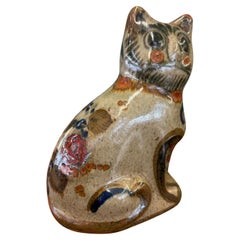
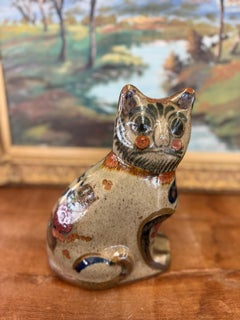
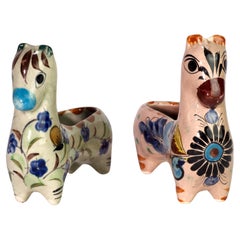
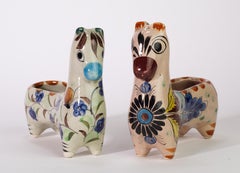
At 1stDibs, there are many versions of the ideal Mexican ceramic dove for your home. Each Mexican ceramic dove for sale was constructed with extraordinary care, often using
ceramic,
pottery and
stoneware. Your living room may not be complete without a Mexican ceramic dove — find older editions for sale from the 20th Century and newer versions made as recently as the 20th Century. A Mexican ceramic dove is a generally popular piece of furniture, but those created in
folk art,
Scandinavian Modern and
mid-century modern styles are sought with frequency.
Tonala Pottery,
Tyra Carolina Lundgren and
Lance Wyman each produced at least one beautiful Mexican ceramic dove that is worth considering.
A Mexican ceramic dove can differ in price owing to various characteristics — the average selling price 1stDibs is $800, while the lowest priced sells for $250 and the highest can go for as much as $9,724.
Folk art is a genre of art that shares the creator’s traditions, offering not just an artistic display but an opportunity to learn about a culture. Antique, new and vintage folk art typically reflects a heritage or location. It can include utilitarian objects and handmade art as diverse as weather vanes, duck decoys, portraiture and paintings, carnival art and quilts.
Quilts are a quintessential part of American folk art but their roots are international, with quilting dating back to Ancient Egypt. The practice spread to Europe and was especially prominent in the Middle Ages, with one of the oldest surviving examples being the Tristan quilt made in Sicily in the 14th century. They were made as bedcovers and clothing, including as a layer for knights to wear beneath their armor. Native American folk art includes functional objects reflecting their heritage, such as baskets, textiles and wooden pieces.
Elsewhere, the vast range of work associated with Mexican folk art includes masks made by Mexican craftspeople for traditional celebrations and ceremonial dances. Mexican masks are part of the country’s folk-art traditions that go back thousands of years and play a role in festivals and theater.
Works in the folk art tradition are valuable because of the skills involved, like weaving, hand-carving wood and even stonework. Many folk artists are self-taught, while some train as apprentices within their community. By using available materials and taking a personal approach to their creations, artists ensure each piece is unique and conveys a story.
During the Great Depression, artistic materials in America were hard to come by, so artisans used discarded wood from cigar boxes and shipping crates to make highly stylized, notched pieces — most often picture frames and boxes — that are today sought after by collectors. This folk art style is called tramp art and was popular from roughly 1870 until the 1940s.
Folk art brings vibrant culture and traditions into your home. Browse an extensive collection of antique, new and vintage folk art on 1stDibs.
Invite the untamed wonders of the animal kingdom into your home — and do so safely — with the antique, new and vintage animal sculptures available on 1stDibs.
Artists working in every medium from furniture design to jewelry to painting have found inspiration in wild animals over the years. For sculptors, three-dimensional animal renderings — both realistic and symbolic — crisscross history and continents. In as early as 210 B.C., intricately detailed terracotta horses guarded early Chinese tombs, while North America’s native Inuit tribes living in the ice-covered Arctic during the 1800’s wore small animal figurines carved from walrus ivory. Indeed, animal sculpture has a long history, and beginning in the 19th century, the art form started becoming not only fashionable but artistically validated — a trend that continues today. At home, animal sculptures — polished bronze rhinos crafted in the Art Deco style or ceramic dogs of the mid-century modern era — can introduce both playfulness and drama to your decor.
In the case of the frosted glass sculptures crafted by artisans at legendary French glassmaker Lalique, founded by jeweler and glass artist René Lalique, some animal sculptures are purely decorative. With their meticulously groomed horse manes and detailed contours of their parakeet feathers, these creatures want to be proudly displayed. Adding animal sculptures to your bookcases can draw attention to your covetable collection of vintage monographs, while side tables and wall shelving also make great habitats for these ornamental animal figurines.
Some sculptures, however, can find suitable nests in just about any corner of your space. Whimsical brass flamingos or the violent, realist bronze lions created by Parisian sculptor Antoine-Louis Barye are provocative and versatile pieces that can rest on windowsills or your desk. Otherwise, the brass cat shoehorns and bronze porcupine ashtrays designed by Viennese artist Walter Bosse are no longer roaming aimlessly throughout your living room, as they’ve found a purpose to serve.
Embark on your safari today and find a fascinating collection of vintage, modern and antique animal sculptures on 1stDibs.