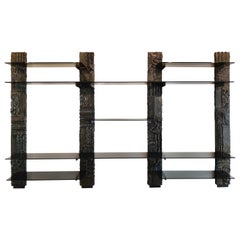
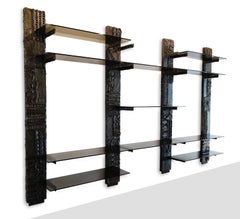
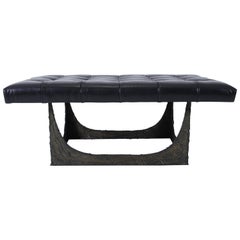
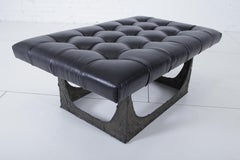
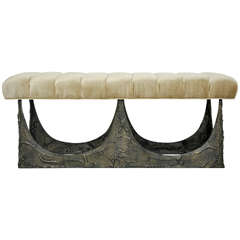
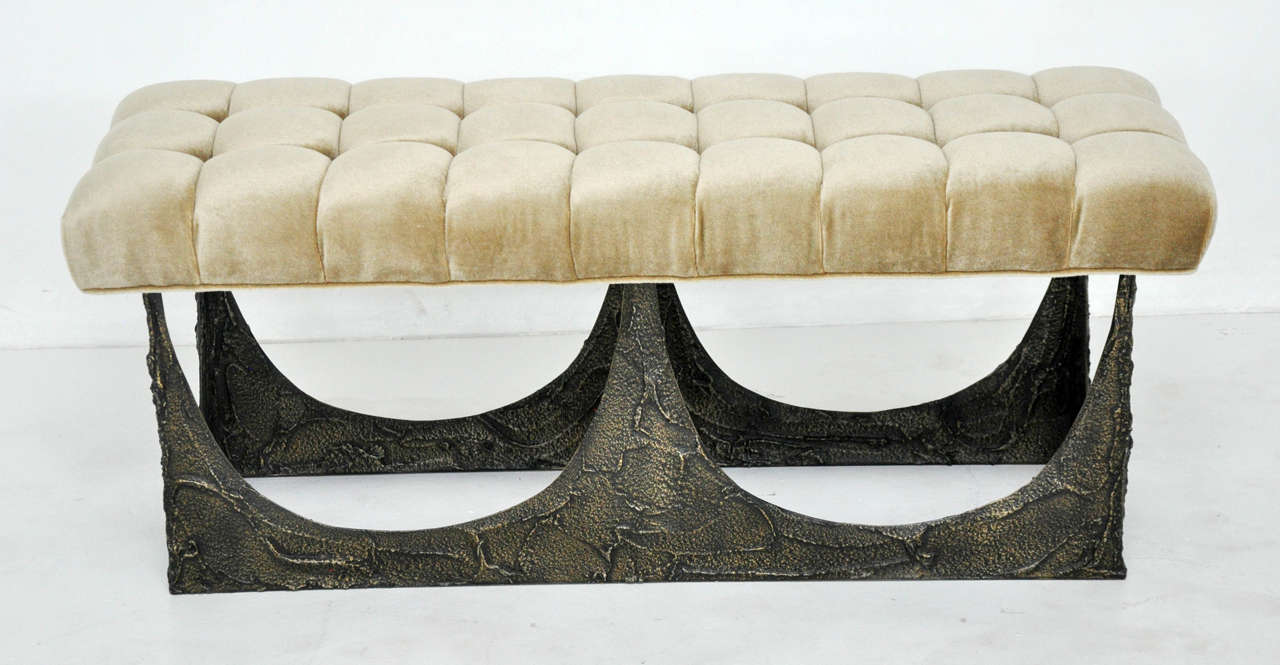
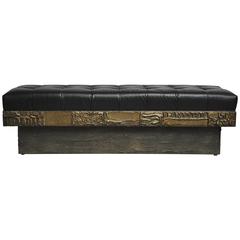
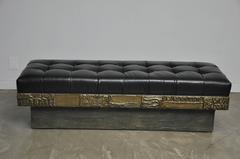
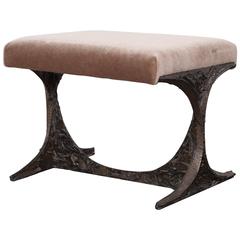
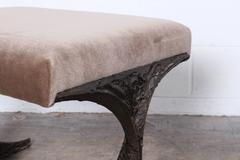
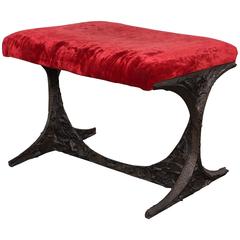
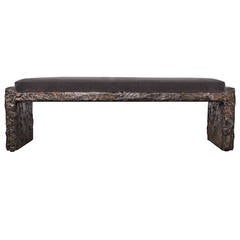
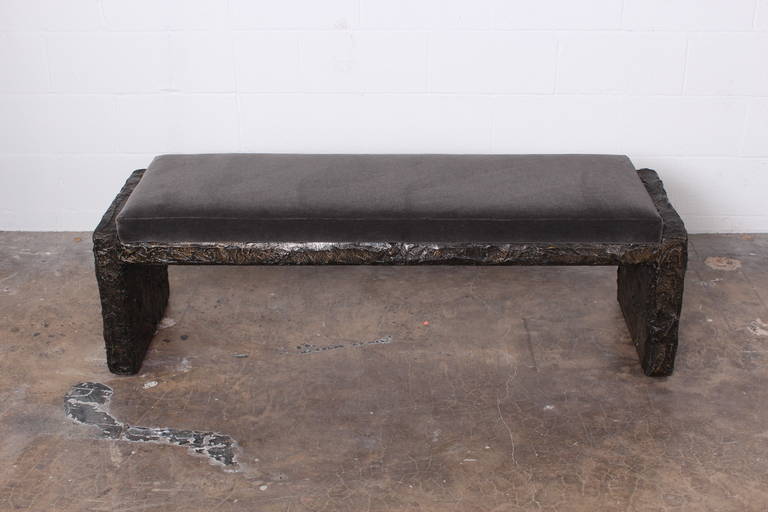
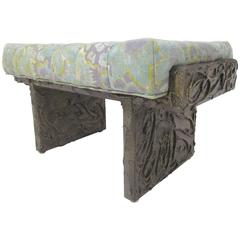
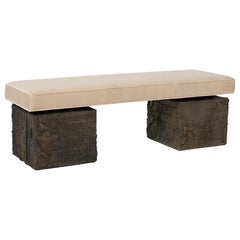
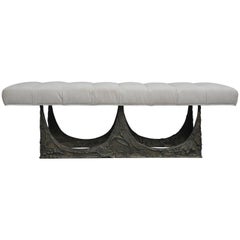
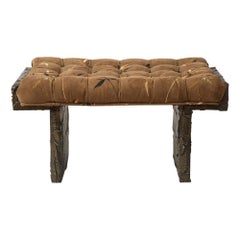
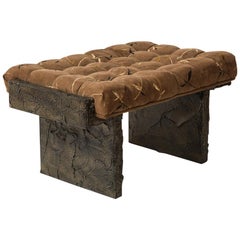
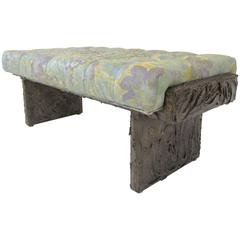
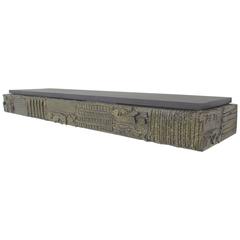
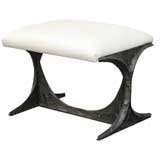
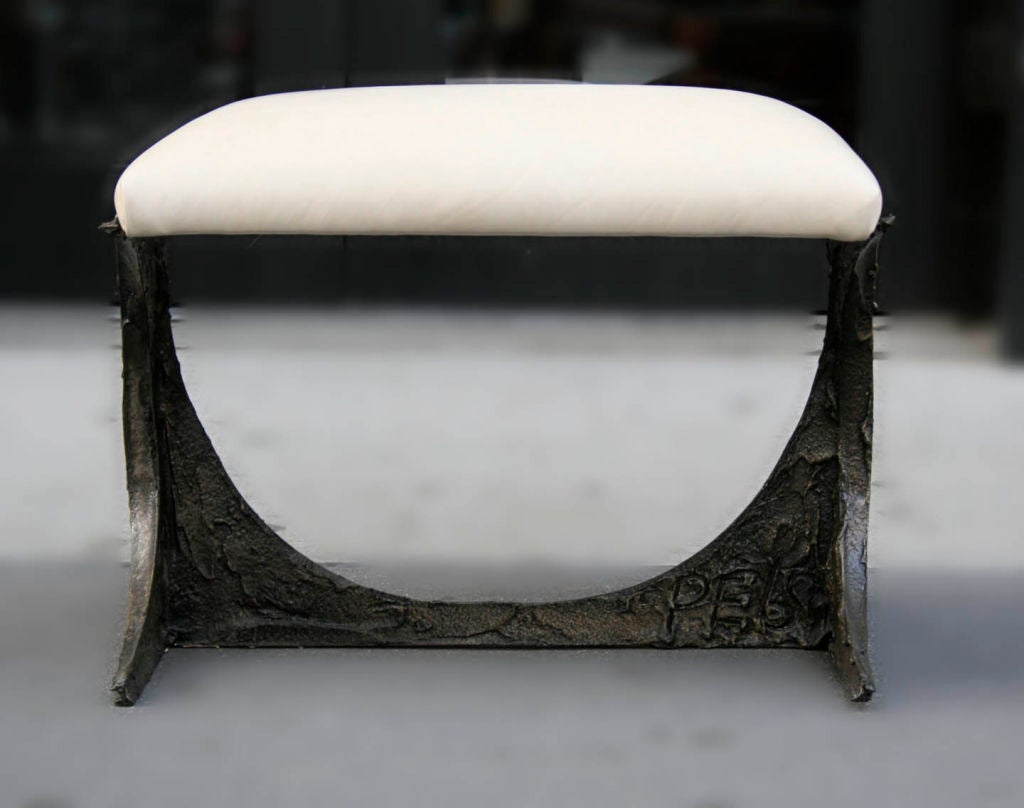
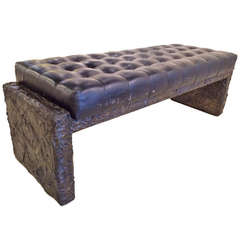
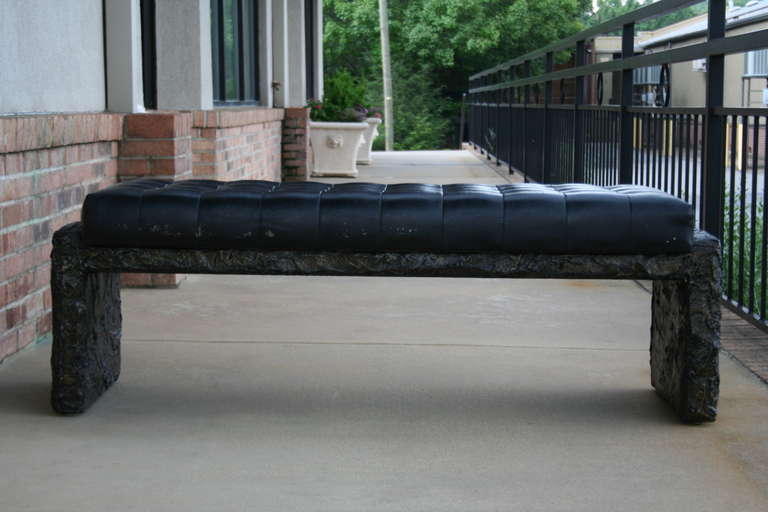
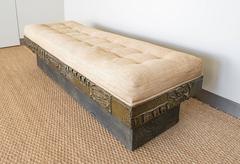
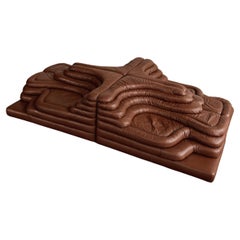
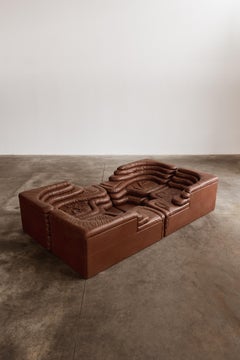
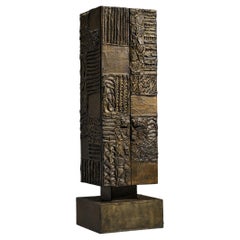
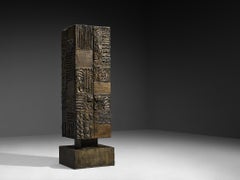
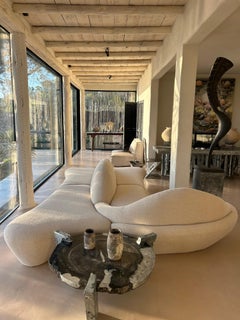
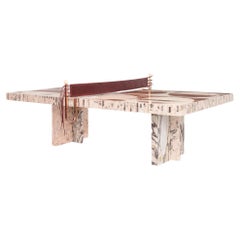
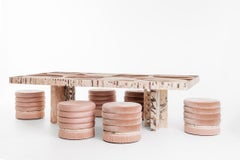
Choose from an assortment of styles, material and more with respect to the paul evans sculpted bronze bench you’re looking for at 1stDibs. Frequently made of
metal,
bronze and
fabric, every paul evans sculpted bronze bench was constructed with great care. Your living room may not be complete without a paul evans sculpted bronze bench — find older editions for sale from the 20th Century and newer versions made as recently as the 20th Century. When you’re browsing for the right paul evans sculpted bronze bench, those designed in
Mid-Century Modern styles are of considerable interest. A well-made paul evans sculpted bronze bench has long been a part of the offerings for many furniture designers and manufacturers, but those produced by
Paul Evans and
Directional are consistently popular.
A paul evans sculpted bronze bench can differ in price owing to various characteristics — the average selling price 1stDibs is $14,500, while the lowest priced sells for $5,950 and the highest can go for as much as $22,500.
A designer and sculptor, Paul Evans was a wild card of late 20th century modernism. A leading light of the American Studio Furniture movement, Evans’s sideboards, credenzas, coffee tables and other work manifests a singular aesthetic sense, as well as a seemingly contradictory appreciation for both folk art forms and for new materials and technologies.
Evans’s primary material was metal, not wood, which was favored by his fellow studio designers, and Bucks County, Pennsylvania, neighbors George Nakashima and Phillip Lloyd Powell. He trained in metallurgy and studied at the Cranbrook Academy of Art, the famed crucible of modern design and art in suburban Detroit. For a time early in his career, Evans also worked at Sturbridge Village, a historical “living museum” in Massachusetts, where he gave demonstrations as a costumed silversmith.
Evans’s earliest work unites these influences. The pieces that made his reputation are known as “sculpted-front” cabinets: wood cases faced with box-like high-relief patinated steel mounts laid out in a grid pattern. Each mount contains a metal emblem, or glyph, and the effect is that of a brawny quilt.
Evans’s later work falls into three distinct style groups. His sculpted-bronze pieces, begun in the mid-1960s, show Evans at his most expressive. He employed a technique in which resin is hand-shaped, and later sprayed with a metal coating, allowing for artistic nuance in the making of chairs, tables and case pieces. Later in the decade and into the 1970s, Evans produced his Argente series for celebrated manufacturer Directional (a brand known to vintage mid-century modern furniture collectors everywhere): consoles and other furniture forms that feature aluminum and pigment-infused metal surfaces welded into abstract organic forms and patterns.
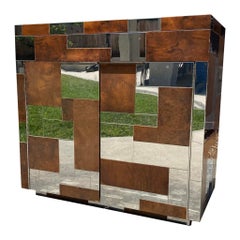
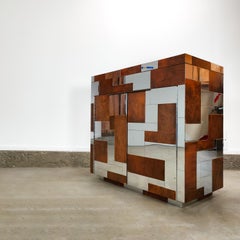
Last, Evans's Cityscape design series — a milestone in the history of brutalist design — meshed perfectly with the sleek, “high tech” sensibility of the later ’70s. Evans constructed boxy forms and faced them with irregular mosaic patterns that mixed rectangular plaques of chromed steel, bronze or burlwood veneer. These, like all of Paul Evans’s designs, are both useful and eye-catching. But their appeal has another, more visceral quality: these pieces have clearly been touched by an artist’s hand.
Find a collection of authentic Paul Evans furniture today on 1stDibs.
With entire areas of our homes reserved for “sitting rooms,” the value of quality antique and vintage seating cannot be overstated.
Fortunately, the design of side chairs, armchairs and other lounge furniture — since what were, quite literally, the early perches of our ancestors — has evolved considerably.
Among the earliest standard seating furniture were stools. Egyptian stools, for example, designed for one person with no seat back, were x-shaped and typically folded to be tucked away. These rudimentary chairs informed the design of Greek and Roman stools, all of which were a long way from Sori Yanagi's Butterfly stool or Alvar Aalto's Stool 60. In the 18th century and earlier, seats with backs and armrests were largely reserved for high nobility.
The seating of today is more inclusive but the style and placement of chairs can still make a statement. Antique desk chairs and armchairs designed in the style of Louis XV, which eventually included painted furniture and were often made of rare woods, feature prominently curved legs as well as Chinese themes and varied ornaments. Much like the thrones of fairy tales and the regency, elegant lounges crafted in the Louis XV style convey wealth and prestige. In the kitchen, the dining chair placed at the head of the table is typically reserved for the head of the household or a revered guest.
Of course, with luxurious vintage or antique furnishings, every chair can seem like the best seat in the house. Whether your preference is stretching out on a plush sofa, such as the Serpentine, designed by Vladimir Kagan, or cozying up in a vintage wingback chair, there is likely to be a comfy classic or contemporary gem for you on 1stDibs.
With respect to the latest obsessions in design, cane seating has been cropping up everywhere, from sleek armchairs to lounge chairs, while bouclé fabric, a staple of modern furniture design, can be seen in mid-century modern, Scandinavian modern and Hollywood Regency furniture styles.
Admirers of the sophisticated craftsmanship and dark woods frequently associated with mid-century modern seating can find timeless furnishings in our expansive collection of lounge chairs, dining chairs and other items — whether they’re vintage editions or alluring official reproductions of iconic designs from the likes of Hans Wegner or from Charles and Ray Eames. Shop our inventory of Egg chairs, designed in 1958 by Arne Jacobsen, the Florence Knoll lounge chair and more.
No matter your style, the collection of unique chairs, sofas and other seating on 1stDibs is surely worthy of a standing ovation.