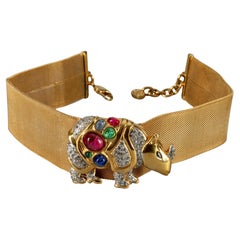
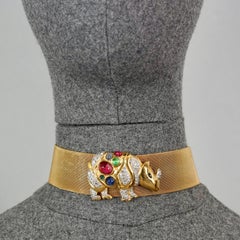
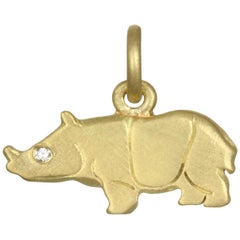
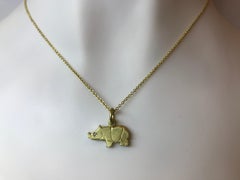
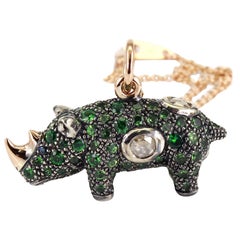
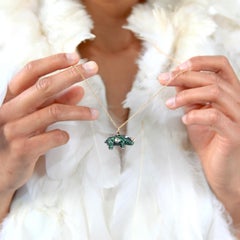
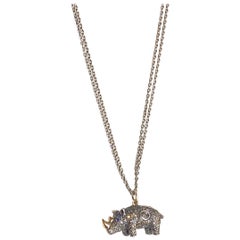
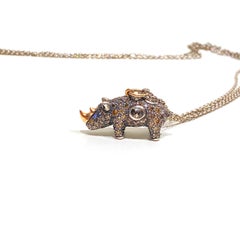
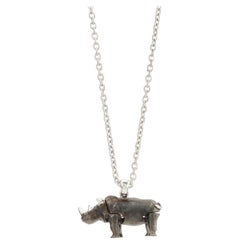
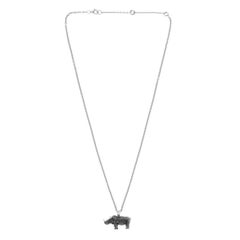
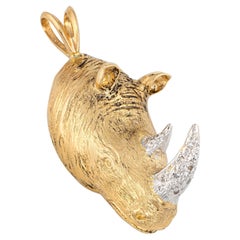
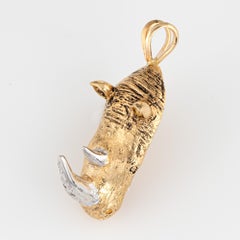
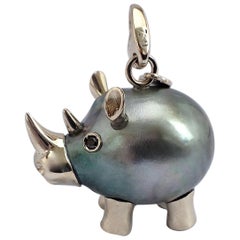
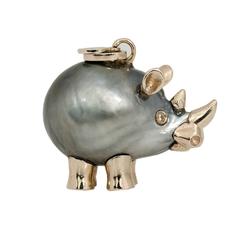
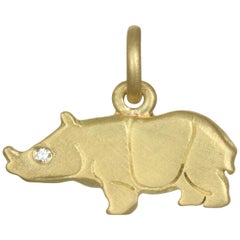
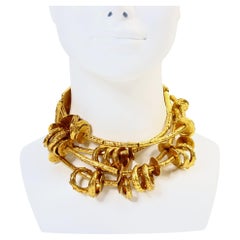
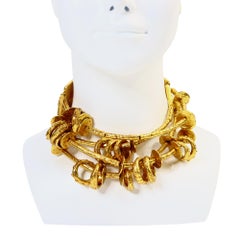
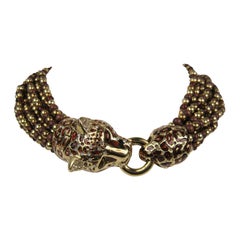
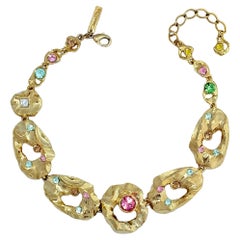
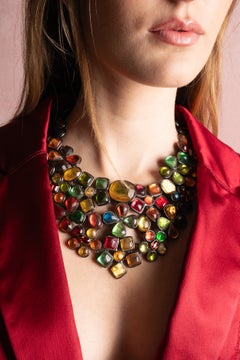
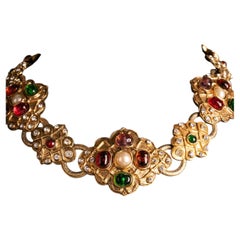
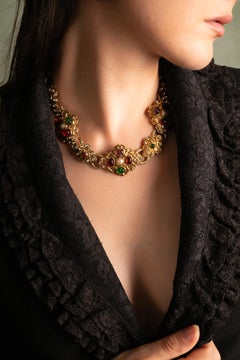
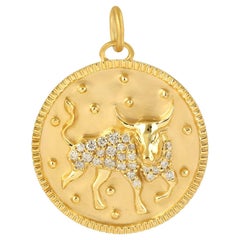
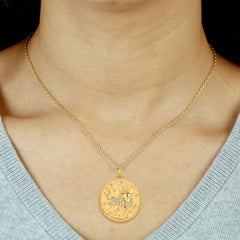
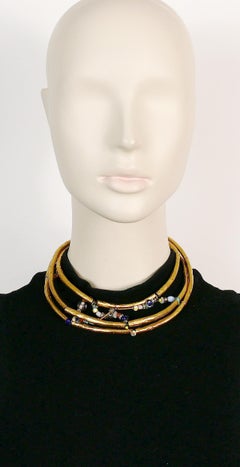
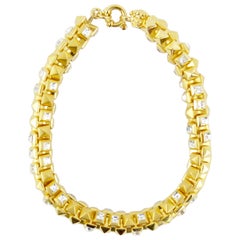
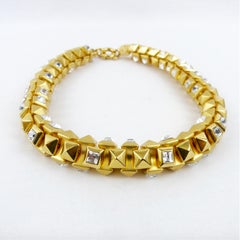
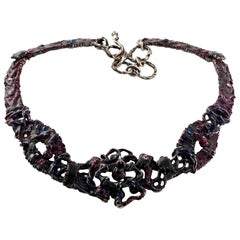
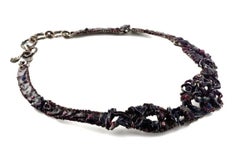
You are likely to find exactly the rhino necklace you’re looking for on 1stDibs, as there is a broad range for sale. Frequently made of
gold,
18k gold and
silver, this item was constructed with great care. Our collection of these items for sale includes 15 vintage editions and 3 modern creations to choose from as well. Making the right choice when shopping for a rhino necklace may mean carefully reviewing examples of this item dating from different eras — you can find an early iteration of this piece from the 19th Century and a newer version made as recently as the 21st Century, both of which have proven very popular over the years. Finding an appealing rhino necklace — no matter the origin — is easy, but
Bibi van der Velden,
Deakin & Francis and
Faye Kim each produced a popular version that is worth a look. A rhino necklace of any era or style can lend versatility to your look, but a version featuring
diamond, from our inventory of 6, is particularly popular. A
round cut version of this piece has appeal, but there are also
cabochon and
pear cut versions for sale. When shopping for a rhino necklace, you’ll find that there are less available pieces for unisex or
men today than there are for
women.
Prices for a rhino necklace can differ depending upon size, time period and other attributes — at 1stDibs, these accessories begin at $430 and can go as high as $20,555, while this accessory, on average, fetches $9,503.
Whether you’re layering multiple jewelry pieces or opting for a single strand, vintage pendant necklaces are versatile accessories that can elevate your casual wear as easily as they can add a creative flourish to your formal attire.
The earliest jewelry was less about accessorizing than it was about wearers arming themselves with amulets. In Ancient Egypt, some amulets featured a loop so that they could be strung around one’s neck. While rubies have long been one of the few gemstones that can give diamonds a run for their money, members of some ancient civilizations valued the stones from the get-go, donning ruby pendants as well as other stones with the belief that these adornments would bring protection, healing powers or strength. Today, we still wear our charm bracelets and charm pendants around our necks for good luck.
Later, pendant necklaces, like most fine jewelry, were worn strictly by royalty or the upper class and conferred wealth and prestige. This changed over time, thankfully, as wearing jewelry became more widespread, a democratized means of personal expression.
During the 18th and 19th centuries, pendant necklaces evolved from their status as spiritual amulets, but the jewels still carried deep personal significance. Victorian pendants, in particular, were part of the “mourning jewelry” tradition. Wearers would embed their pendants with locks of hair from a deceased loved one as a way of grieving in the wake of a loss. In the case of cameo jewelry, some pendants were even decorated with miniature hand-carved portraits in a detailed raised relief. Today, portraiture is still a characteristic of many of the hand-carved pendant necklaces offered by Italian jewelry house Scala Gioielli.
Luxury fine jewelry brands such as Cartier, BVLGARI and David Yurman offer their own unique interpretations of the cherished accessory, embellishing platinum or gold pendant necklaces with diamonds, sapphires and other stones.
On 1stDibs, find an extraordinary range of vintage pendant necklaces and other necklaces today.