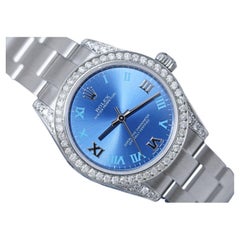
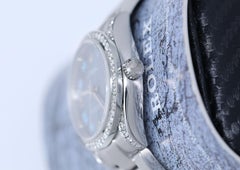
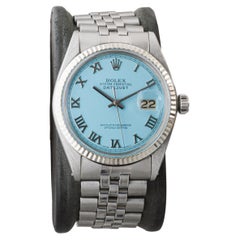
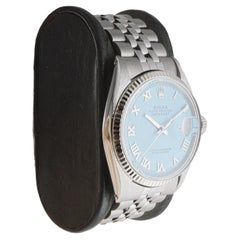
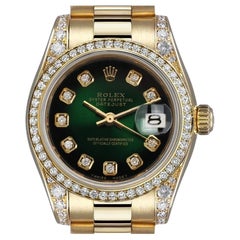
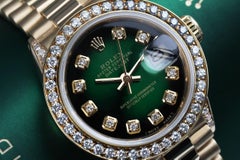
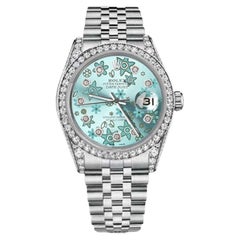
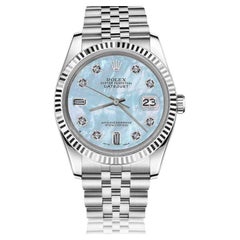
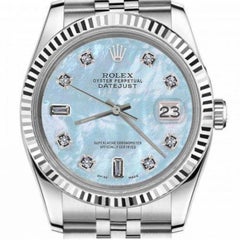
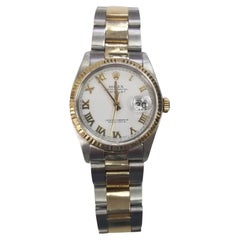
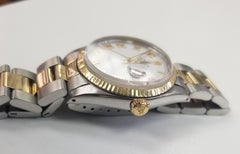
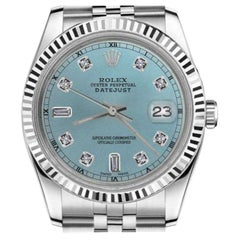
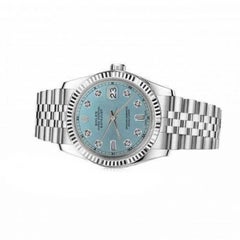
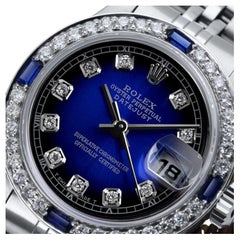
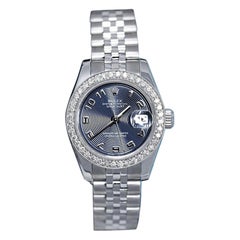
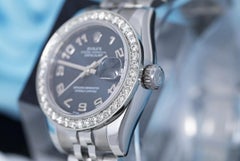
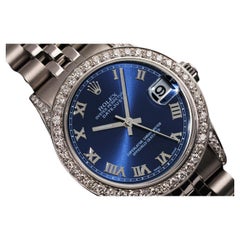
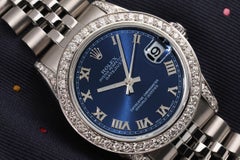
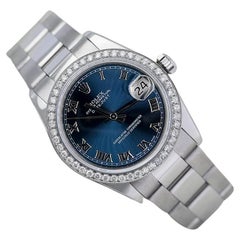
While the rise in popularity of vintage Rolex watches is of no surprise to aficionados, collectors and industry experts, when it comes to contemporary luxury wristwatches, Rolex is also often the first brand that springs to mind. Not only is the company revered for its precision timekeeping and impeccable craftsmanship, but its name was designed to be memorable.
Rolex's enviable worldwide recognition can be credited in part to the genius of company founder Hans Wilsdorf. When the German-born watch dealer and his brother-in-law, Alfred Davis, set up their London enterprise, in 1905, they called it Wilsdorf & Davis, according to the traditional formula.
But Wilsdorf was determined to come up with another name that was short, would look good on a watch dial and was easy to say and remember in several languages. In 1908, he trademarked the name Rolex, and by 1920, he had moved the company to Geneva and redubbed it as Montres Rolex S.A.
But the main reasons for the brand’s success are its aforementioned commitment to precision and unflagging pursuit of innovation. In 1926, the company introduced the aptly named Oyster model. With a screw-down crown and case back, both fitted with rubber gaskets, this was the first truly waterproof watch.
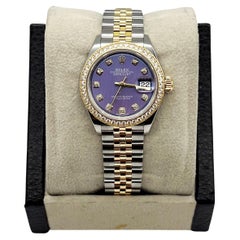
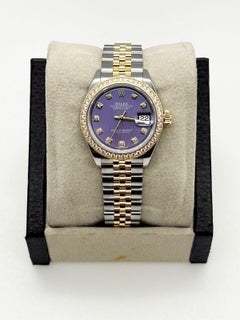
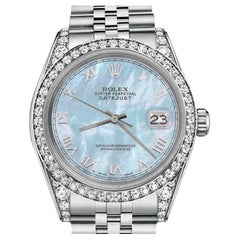
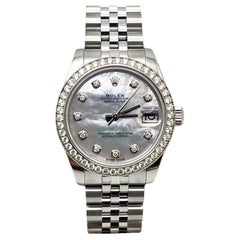
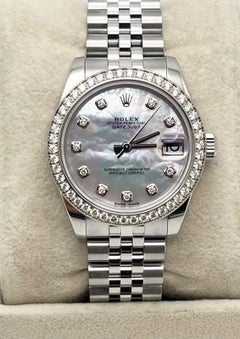
Five years later, Rolex upped the ante with the Oyster Perpetual. That model’s patented Perpetual movement contained a rotor mechanism enabling it to self-wind. In another trendsetting move, in 1945, the brand debuted the Datejust, with a date window prominently displayed on the dial.
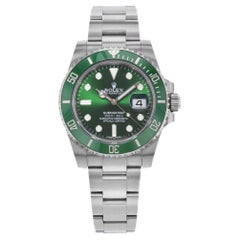
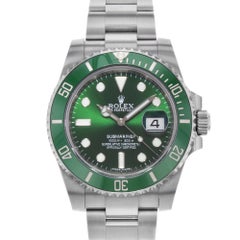
The company’s two most iconic models are sports watches. Although the Submariner, which debuted in 1953, was developed as a dive watch, its waterproof case, solid construction and good looks made it a favorite of adventurers and urbanites alike, including James Bond, who wore it in classics like Dr. No and Goldfinger. The Daytona, the racing chronograph made famous by Paul Newman, is especially sought after by collectors. Newman’s personal Daytona, which hit the auction block in 2017, sold for $17.8 million.
Find vintage Rolex watches, bracelets and more on 1stDibs.
Antique diamond rings, diamond tiaras and dazzling vintage diamond earrings are on the wish lists of every lover of fine jewelry. And diamonds and diamond jewelry are primarily associated with storybook engagements and red-carpet grand entrances — indeed, this ultra-cherished gemstone has a dramatic history on its hands.
From “A Diamond Is Forever” to “Diamonds Are a Girl’s Best Friend,” pop culture has ingrained in our minds that diamonds are the most desired, the most lasting and the most valuable gemstone. But what makes the diamond so special? Each stone — whether it’s rubies, sapphires or another stone — is unique and important in its own right. April babies might claim diamonds for themselves, but just about everyone wants this kind of sparkle in their lives!
There are several factors that set diamonds apart from other stones, and these points are important to our gem education.
Diamonds are minerals. They are made up of almost entirely of carbon (carbon comprises 99.95 percent; the remainder consists of various trace elements). Diamonds are the hardest gemstones, ranking number 10 on the Mohs Hardness Scale. Even its name, diamond, is rooted in the Greek adamas, or unconquerable. The only object that can scratch a diamond is another diamond. Diamonds are formed deep within the earth at very high temperatures (1,652–2,372 degrees Fahrenheit at depths between 90 and 120 miles beneath the earth’s surface) and are carried up by volcanic activity. Diamonds are quite rare, according to the Gemological Institute of America, and only 30 percent of all the diamonds mined in the world are gem quality.
In the 1950s, the Gemological Institute of America developed the 4Cs grading system to classify diamonds: clarity, color, cut and carat weight. Not all diamonds are created equal (there are diamonds, and then there are diamonds). The value of the diamond depends on the clarity (flawless diamonds are very rare but a diamond's value decreases if there are many blemishes or inclusions), color (the less color the higher the grade), cut (how the diamond’s facets catch the light, certain cuts of diamonds show off the stone better than others) and carat weight (the bigger, the better).
When you start shopping for a diamond engagement ring, always prioritize the cut, which plays the largest role in the diamond's beauty (taking the time to clean your diamond ring at least every six months or so plays a role in maintaining said beauty). And on 1stDibs, a range of buying guides can be found for those in the market for antique engagement rings, vintage engagement rings or Art Deco engagement rings.
Shop antique and vintage diamond rings, diamond necklaces and other extraordinary diamond jewelry on 1stDibs.