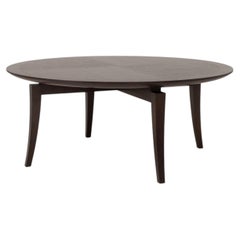
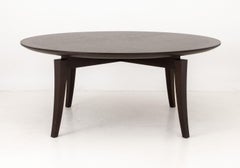
Romeo Sozzi Attributed Modern Dining Table
Located in Astoria, NY
Romeo Sozzi Attributed Ebonized Wood Modern Circular Dining Table, the circular top above four
Category
21st Century and Contemporary Italian Modern Dining Room Tables
Materials
Wood
Romeo Sozzi Attributed Modern Dining Table
Located in Astoria, NY
Romeo Sozzi Attributed Ebonized Wood Modern Circular Dining Table, the circular top above four
Wood
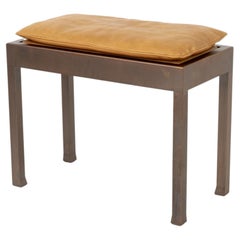
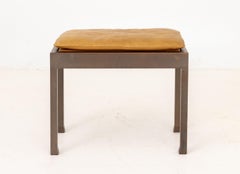
Romeo Sozzi for Promemoria "Gong" Bronze Stool
By Promemoria
Located in Astoria, NY
Romeo Sozzi for Promemoria "Gong" Stool, with leather seat above a bronze base and label to
Bronze
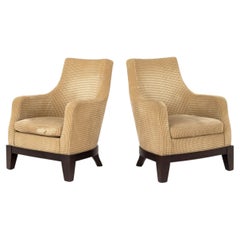
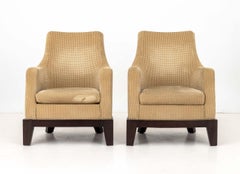
$2,350Sale Price / set|27% Off
H 36.5 in W 29 in D 25 in
Romeo Sozzi x Promemoria "Aziza Alta" Armchairs, 2
By Promemoria
Located in Astoria, NY
Pair of Romeo Sozzi for Promemoria "Aziza Alta" Arm Chairs, each upholstered in beige on circular
Upholstery, Wood
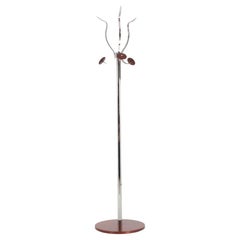
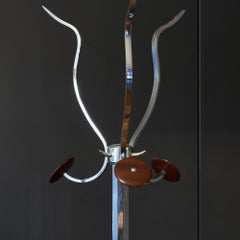
$3,634
H 74.41 in Dm 15.75 in
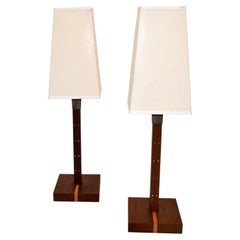
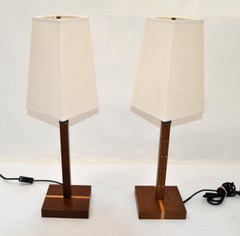
Funiculì Funiculà coat stand by Romeo Sozzi produced by Promemoria, c. 1990.
By Promemoria
Located in Ravenna, IT
Appendiabiti Funiculì Funiculà disegnato da Romeo Sozzi e prodotto da Promemoria alla fine degli
Silver
$2,450 / set
H 29 in W 7.5 in D 7.5 in
Pair, Ida Table Lamp Wenge Wood & Bronze Signed Romeo Sozzi for Promemoria Italy
By Promemoria
Located in Miami, FL
Pair, Ida lamps designed by Romeo Sozzi circa 1990 for Promemoria made in Italy. Mid-Century Modern
Bronze
$2,430
H 36.23 in W 16.15 in D 18.12 in
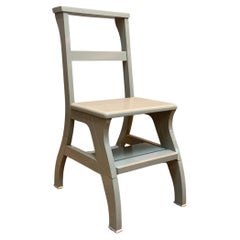
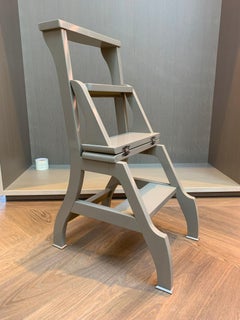
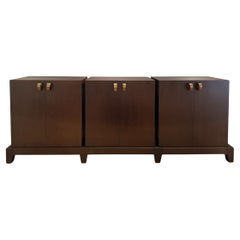
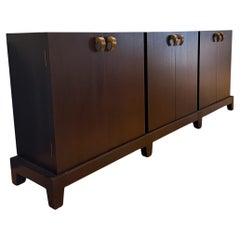
Ladder Chair in Greige Lacquer, “Rebecca” by Promemoria, Italy, 2018
By Promemoria
Located in Glasgow, GB
The “Rebecca” chair, designed by Romeo Sozzi for Promemoria, Italy, in 2018, is a refined
Nickel
$12,000
H 38.5 in W 102 in D 19 in
Amarcord Credenza by Promemoria, Wooden Modular Cabinet with Bronze handles
By Promemoria
Located in Chicago, IL
film of the same name. Designer Romeo Sozzi drafted and created the modular cabinet in 1998 and has
Bronze
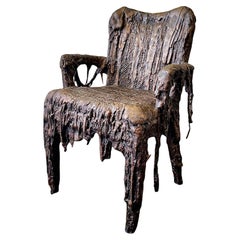
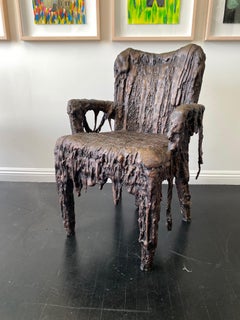
Bronze Sculptural Panama Chair, 21st Century by Mattia Biagi
By Mattia Biagi
Located in Culver City, CA
has helped Mattia to refine his work of art, transforming the iconic Panama chair, designed by Romeo
Bronze
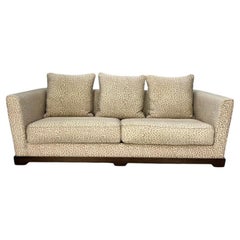
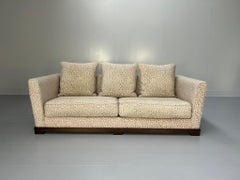
Promemoria “Wanda” 2.5-Seat Sofa – In Leopard-Print Fabric
Located in Barrowford, GB
Romeo Sozzi masterpiece, Promemoria pieces are at the pinnacle of contemporary European furniture design
Fabric
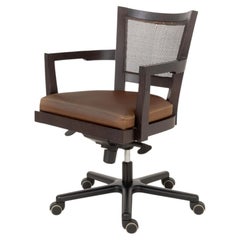
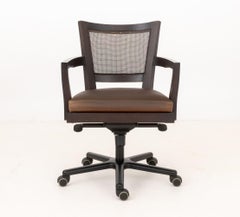
Promemoria Caffe Ufficio Executive Chair
By Promemoria
Located in Astoria, NY
Promemoria Caffe Ufficio Executive Chair, leather upholstered seat, caned back. 35" H x 25" W x 25" D; seat: 21" H. Provenance: From a 480 Park Avenue Collection.
Leather, Cane, Oak
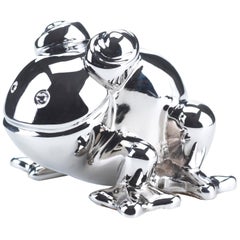
Promemoria Metal Frog in Glossy Chrome by Romeo Sozzi
By Promemoria
Located in Valmadrera (LC), IT
A legend from the beginning of time for Romeo Sozzi, founder of Promemoria, the frog is a metaphor
Chrome
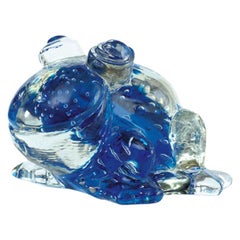
Promemoria Frog in Ballotton Murano Glass by Romeo Sozzi
By Promemoria
Located in Valmadrera (LC), IT
A legend from the beginning of time For Romeo Sozzi, founder of Promemoria, the frog is a metaphor
Glass
Unavailable


 + 16 more
H 36.82 in W 17.72 in D 21.46 in
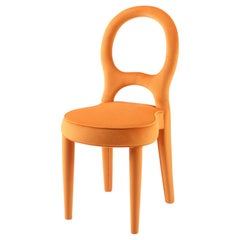
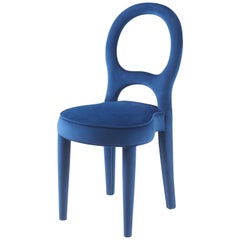
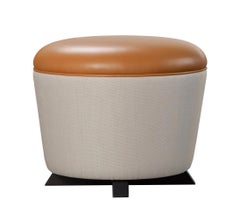
Promemoria Bilou Bilou Chair Covered in Fabric by Romeo Sozzi
By Promemoria
Located in Valmadrera (LC), IT
Romeo Sozzi does not hide it, the dining chair Bilou Bilou is just his personal interpretation of
Fabric, Wood

Unavailable


 + 18 more
H 16.93 in Dm 19.69 in
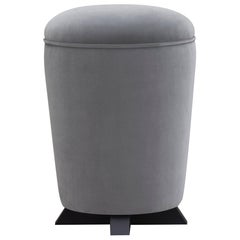
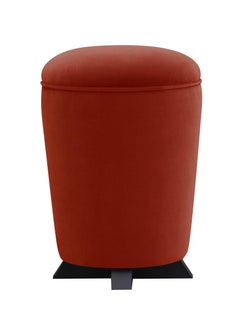
Promemoria Coccolone Pouf in Wood and Fabric by Romeo Sozzi
By Promemoria
Located in Valmadrera (LC), IT
Romeo Sozzi being a color specialist: He loves colors, studies them and notes them down while traveling
Fabric, Wood
Unavailable


 + 18 more
H 20.08 in Dm 14.18 in
Promemoria Coccolino Pouf in Fabric and Wood Base by Romeo Sozzi
By Promemoria
Located in Valmadrera (LC), IT
Romeo Sozzi being a color specialist: He loves colors, studies them and notes them down while traveling
Fabric, Wood
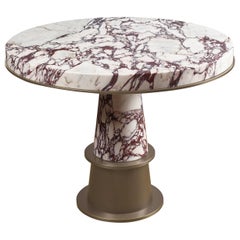
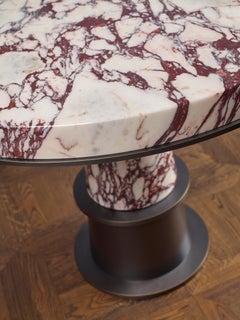
Promemoria Tornasole Table in Marble by Romeo Sozzi
By Promemoria
Located in Valmadrera (LC), IT
Tornasole is a dining table available in three sizes. The smaller version is available in white Carrara marble, breccia Medicea or white or gold onyx with a bronze base and profile. ...
Marble
Unavailable


 + 17 more
H 38.19 in W 18.51 in D 23.23 in
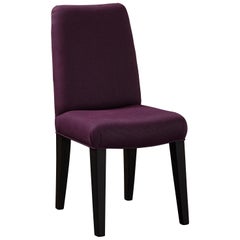
Promemoria Isotta Chair in Fabric by Romeo Sozzi
By Promemoria
Located in Valmadrera (LC), IT
Isotta is a padded dining chair, characterized by a linear style, which enhances the softness of the shapes. The legs are in brown beech, with a padded back and fabric or leather uph...
Fabric, Beech
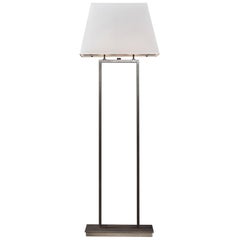

Promemoria Agatha Floor Lamp in Bronze by Romeo Sozzi
By Promemoria
Located in Valmadrera (LC), IT
Agatha floor lamp has an essential line with fine finishes, perfect for any environment. The structure is in hammered bronze; the rectangular lampshade is in silk bordered by hand. T...
Bronze

Unavailable
H 27.17 in W 37.6 in D 32.29 in
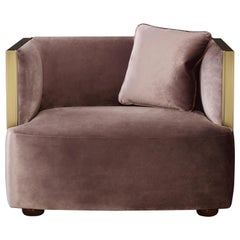
Promemoria Boccaccio Armchair in Bronze and Fabric by Romeo Sozzi
By Promemoria
Located in Valmadrera (LC), IT
Bronze meets fabric. The Boccaccio armchair, so attractive with its geometric volumes, has a bronze structure with covering in pink velvet fabric.
Bronze
Unavailable
H 0.4 in W 15.75 in D 20.87 in
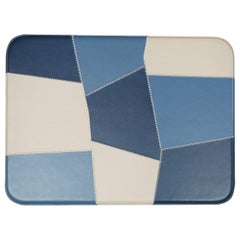
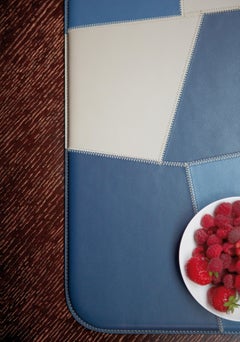
Promemoria Tovaglietta Americana Patchwork Placemat in Leather by Romeo Sozzi
By Promemoria
Located in Valmadrera (LC), IT
Tovaglietta Americana patchwork ("American patchwork placemat") is created by combining different colors of leather, just as in the palette of a painter the nuances are combined and ...
Leather
Unavailable
H 20.08 in W 23.63 in D 11.82 in
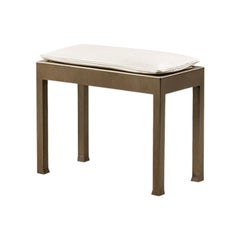
Promemoria Gong Stool in Bronze and Leather by Romeo Sozzi
By Promemoria
Located in Valmadrera (LC), IT
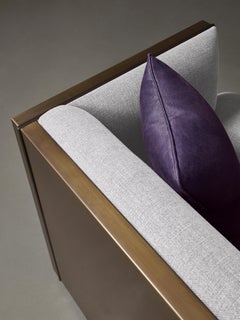
Gong is a stool with fine finishes, which comes from the processing of an extremely ductile material: Bronze. The Gong stool has a smooth medium bronze structure and a leather seat c...
Bronze
Unavailable
H 27.17 in W 75.01 in D 32.29 in
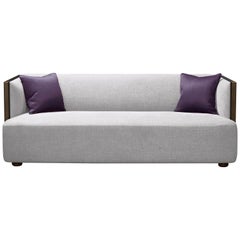
Promemoria Boccaccio Sofa in Bronze and Fabric by Romeo Sozzi
By Promemoria
Located in Valmadrera (LC), IT
Boccaccio is a sofa with bronze structure and non-removable fabric covering.
Bronze

Promemoria Karina Table Lamp in Gold Onyx by Romeo Sozzi
By Promemoria
Located in Valmadrera (LC), IT
Karina is a table LED lamp in white onyx and smooth light bronze, available in gold onyx. Available in dimension 20 x 20 x H 29.5.
Onyx, Bronze
Promemoria Karina Wall Lamp in Gold Onyx by Romeo Sozzi
By Promemoria
Located in Valmadrera (LC), IT
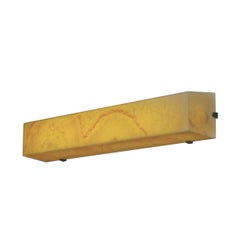
Karina is a wall LED lamp in gold onyx and smooth light bronze. Also available in white onyx.
Onyx, Bronze
Unavailable


H 29.14 in W 70.87 in D 11.82 in
Promemoria Gong Console Table in Hammered Bronze by Romeo Sozzi
By Promemoria
Located in Valmadrera (LC), IT
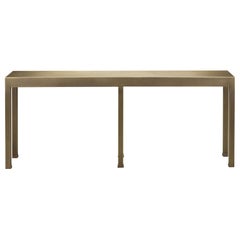
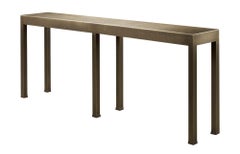
Gong console has a modern line, obtained thanks to the ductility of bronze. The structure is in smooth medium bronze or available in hammered bronze and in dimension: 90 x 30 x H 74 ...
Bronze
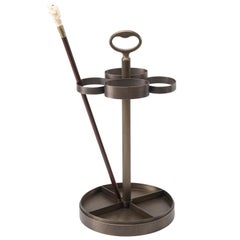
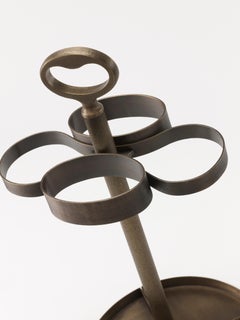
Promemoria Fred Umbrella Stand in Hammered Bronze by Romeo Sozzi
By Promemoria
Located in Valmadrera (LC), IT
Fred is a hammered bronze umbrella stand with soft shapes and Classic flavour, inspired by the shapes of nature.
Bronze
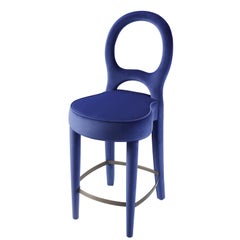
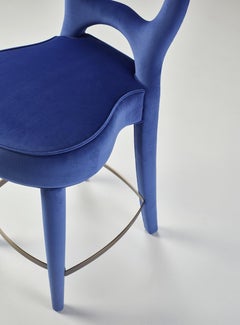
Unavailable
+ 16 moreH 43.12 in W 17.72 in D 21.46 in
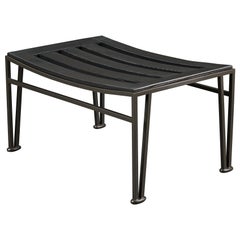
Promemoria Bilou Bilou Stool Covered in Fabric by Romeo Sozzi
By Promemoria
Located in Valmadrera (LC), IT
Bilou Bilou is a stool that takes its aesthetic from one of Promemoria's most beloved chairs. Its iconic and unique shape, combined with unusual finishes, make this object a proper m...
Bronze
Unavailable
H 14.97 in W 19.69 in D 29.14 in
Promemoria Cernobbio Pouf in Bronze and Ashwood by Romeo Sozzi
By Promemoria
Located in Valmadrera (LC), IT
Cernobbio is an outdoor pouf. Its structure is in smooth dark bronze and black stained ash. Available with removable cushion in fabric or leather for outdoor use.
Bronze
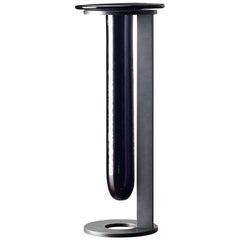

Promemoria Canaletto Vase in Bronze and Murano Glass by Romeo Sozzi
By Promemoria
Located in Valmadrera (LC), IT
Vaso Canaletto is a Murano glass vase with a bronze and Murano glass structure. It is available in fumè.
Bronze
Unavailable
H 29.14 in W 89.38 in D 35.44 in
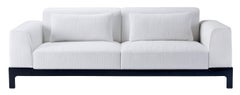
Promemoria Pullman Sofa in Fabric and Beech Base by Romeo Sozzi
By Promemoria
Located in Valmadrera (LC), IT
Pullman is a Classic-shaped sofa with a beech base and a non-removable fabric lining. The cushions are in fabric. The sofa is available also angular. The pouf and the small table com...
Fabric, Beech

Unavailable
H 26.19 in W 34.65 in D 32.68 in
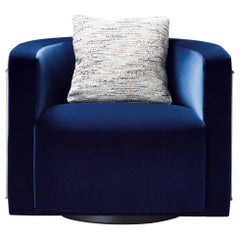
Promemoria Pervinca Armchair in Bronze and Fabric Cushion by Romeo Sozzi
By Promemoria
Located in Valmadrera (LC), IT
Pervinca is a swivel armchair that belongs to the "Amaranthine Tales" collection, a tribute that Promemoria has paid to time and its indefinable and unstoppable flow. Pervinca comes ...
Bronze
Unavailable

 + 17 more
H 72.84 in W 33.08 in D 9.85 in
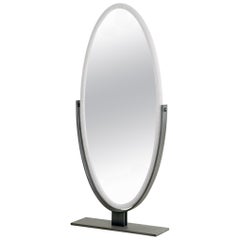
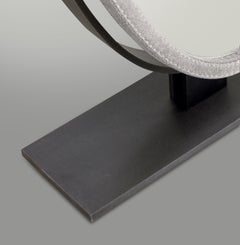
Promemoria Ingrid Mirror in Bronze and Fabric Covering by Romeo Sozzi
By Promemoria
Located in Valmadrera (LC), IT
Ingrid is a revolving mirror with an elliptical shape, with a base in dark bronze metal, customizable with a fabric covering and saddle stitch. Its oval shape and high quality finish...
Bronze
Unavailable
H 22.64 in W 19.69 in D 26.38 in
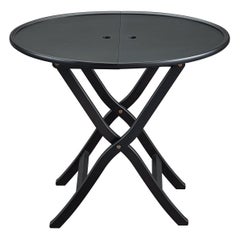
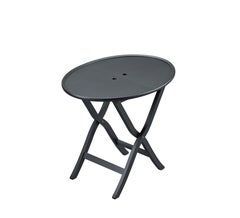
Promemoria Battista Dandy Small Table in Black Beech by Romeo Sozzi
By Promemoria
Located in Valmadrera (LC), IT
Battista is a folding service table in glossy black wood or covered in leather with a two-piece top and a special mechanism that makes it particularly practical. Battista is small, i...
Beech
Unavailable
H 23.63 in W 64.18 in D 36.62 in
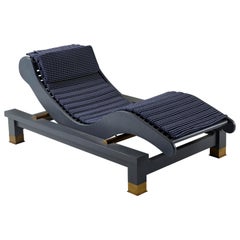
Promemoria Belvedere Chaise Longue in Black Stained Ashwood by Romeo Sozzi
By Promemoria
Located in Valmadrera (LC), IT
Belvedere is a chaise longue-dormeuse with structure in black stained ashwood, details in okumé, feet and smooth light bronze details. The structure is completed by a fabric or leath...
Bronze
Unavailable
H 34.26 in W 22.84 in D 22.84 in
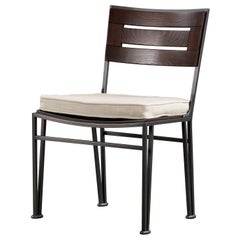
Promemoria Cernobbio Chair in Bronze and Stained Ashwood by Romeo Sozzi
By Promemoria
Located in Valmadrera (LC), IT
Cernobbio is a chair with structure in smooth dark bronze and black stained ashwood. Available with removable cushion in fabric or leather for outdoor use and with armrests. ...
Bronze
Unavailable


 + 17 more
H 29.53 in W 24.41 in D 63 in
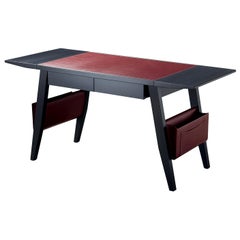
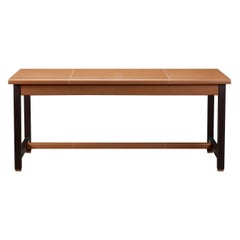
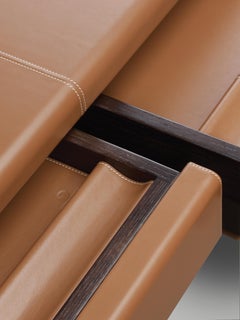
Promemoria Isaac Writing Desk in Leather and Wood by Romeo Sozzi
By Promemoria
Located in Valmadrera (LC), IT
Isaac is a writing desk that belongs to the "Amaranthine Tales" collection, a tribute that Promemoria has paid to time and its indefinable and unstoppable flow. Isaac is a compact an...
Leather, Wood
Unavailable
 + 17 more
H 30.32 in W 31.5 in D 70.87 in
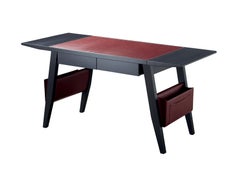
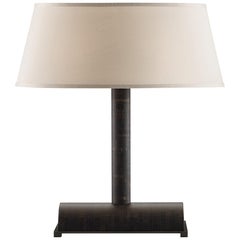
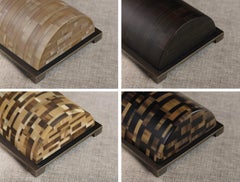
Promemoria Ernest Writing Desk in Leather and Wood by Romeo Sozzi
By Promemoria
Located in Valmadrera (LC), IT
A diligent secretary, Ernest, refined for materials and details, is a simple and linear writing desk. Ernest is a writing desk in wood, with structure in oak or beech. The upholstery...
Leather, Wood
Unavailable
H 22.84 in W 21.46 in D 8.86 in
Promemoria Zebù Table Lamp in Dark Brown Horn by Romeo Sozzi
By Promemoria
Located in Valmadrera (LC), IT
Zebù is a table lamp with inlaid stem on the shades of the horn. Touch ignition, dark horn structure, base and smooth dark bronze details. Lampshade in white silk, methacrylate diffu...
Silk, Horn
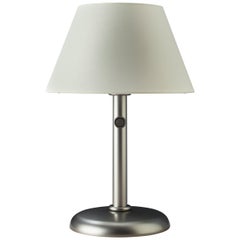
Promemoria Zip.Ico Table Lamp in Silver Aluminium by Romeo Sozzi
By Promemoria
Located in Valmadrera (LC), IT
Zip.Ico is a table lamp, with an essential design, compact dimensions and technological soul. The lamp has an aluminum shell, available in silver. A lampshade in cotton and methacryl...
Aluminum
Unavailable
H 4.34 in W 18.12 in D 28.35 in
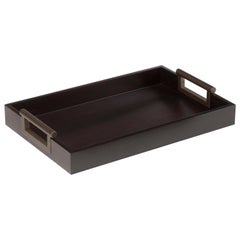
Promemoria Large Alfred Tray in Ebony and Hammered Bronze Romeo Sozzi
By Promemoria
Located in Valmadrera (LC), IT
Alfred is a wooden tray with hammered bronze handles with an essential but elegant style.
Bronze
Unavailable
H 1.97 in W 16.54 in D 11.03 in
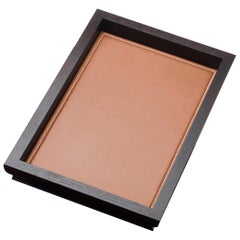
Promemoria Small Ambrogio Tray in Oak and Leather by Romeo Sozzi
By Promemoria
Located in Valmadrera (LC), IT
Ambrogio is an oak tray with leather placemat. Available in two sizes, square or rectangular. This tray manages to combine the elegance of oak with the modernity of colored leather, ...
Oak, Leather
Unavailable

 + 17 more
H 26.78 in W 35.44 in D 22.84 in
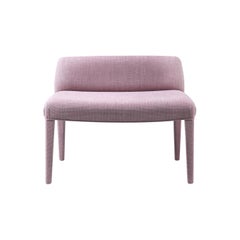
Promemoria Isotta Bench in Beechwood and Fabric Covering by Romeo Sozzi
By Promemoria
Located in Valmadrera (LC), IT
Isotta is a bench with a linear style, which enhances the softness of the forms. The piece we are showing is the Isotta covered in all fabric. The Isottas' legs are also available in...
Fabric, Beech
Unavailable


 + 16 more
H 26.78 in W 18.12 in D 18.12 in
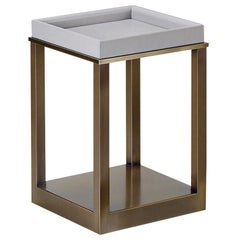
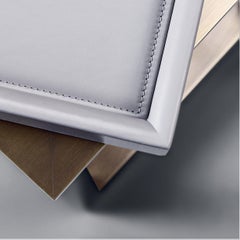
Promemoria Scarlett Small Table in Bronze and Leather by Romeo Sozzi
By Promemoria
Located in Valmadrera (LC), IT
Scarlett is a small table with wheels that takes inspiration from the square shape. Authentic square geometry, Scarlett has a smooth medium bronze frame and a removable leather tray.
Bronze
Unavailable
H 3.15 in Dm 4.73 in
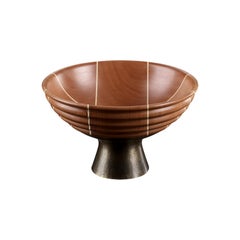
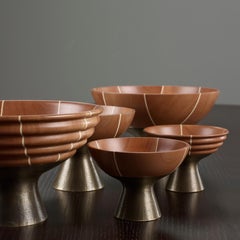
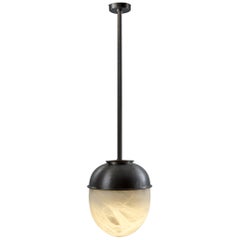
Promemoria Small Coppetta Vase in Bronze, Pearwood and Maplewood by Romeo Sozzi
By Promemoria
Located in Valmadrera (LC), IT
A cup containing two of the most loved materials for Promemoria: bronze and wood. Between simplicity and elegance, between East and West, Coppetta is a vase available in pearwood and...
Bronze
Unavailable
H 47.25 in Dm 13.39 in
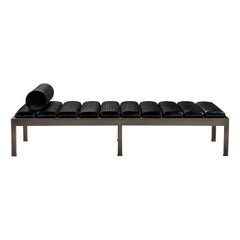
Promemoria Jorinda Hanging Lamp in Hammered Bronze with Lampshade by Romeo Sozzi
By Promemoria
Located in Valmadrera (LC), IT
Jorinda hanging lamp has a hammered bronze structure, with alabaster lampshade, LED lighting with ICOSAEDRO technology.
Alabaster, Bronze
Unavailable
H 15.75 in W 77.17 in D 30.32 in
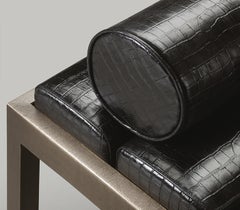
Promemoria Gong Daybed in Hammered Bronze and Black Leather by Romeo Sozzi
By Promemoria
Located in Valmadrera (LC), IT
Gong is a family of furniture with fine finishes, which come from the processing of an extremely ductile material: Bronze. The gong daybed has a hammered bronze structure and a leath...
Bronze

Unavailable
H 47.25 in Dm 16.54 in
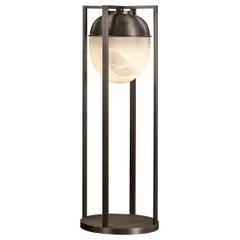
Promemoria Jorinda Floor Lamp in Hammered Bronze with Lampshade by Romeo Sozzi
By Promemoria
Located in Valmadrera (LC), IT
Jorinda floor lamp has a hammered bronze structure, with alabaster lampshade, LED lighting with ICOSAEDRO technology. Also available in dimensions: 42 × H 66 or 42 × H 160.
Alabaster, Bronze
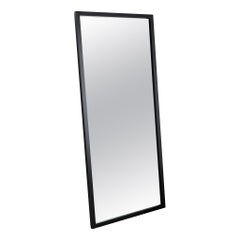

Unavailable
H 78.75 in W 35.44 in D 2.17 in
Promemoria Orfeo Small Wall Mirror in Smooth Dark Bronze by Romeo Sozzi
By Promemoria
Located in Valmadrera (LC), IT
In front of the mirror reality is a game of reflections. Orfeo, a wall mirror with a smooth dark bronze structure, has a clean and essential line; a Classic that goes with everything...
Bronze
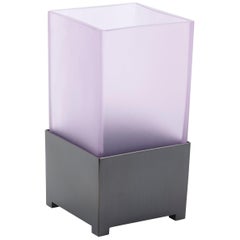
Unavailable
H 9.85 in W 4.73 in D 4.73 in
Promemoria Vase in Smooth Dark bronze and Murano Glass by Romeo Sozzi
By Promemoria
Located in Valmadrera (LC), IT
Vaso in bronze e vetro di Murano ("vase in bronze and Murano glass") is made of Murano glass with a bronze base, image displays the Vaso in lilac. The vase is also available in other...
Bronze
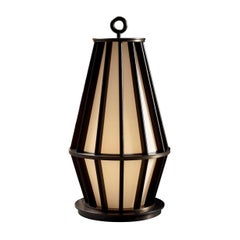
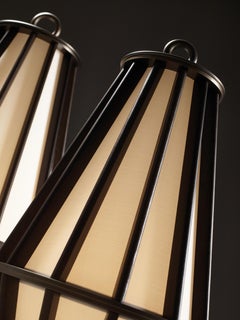
Unavailable
H 25.6 in Dm 13.39 in
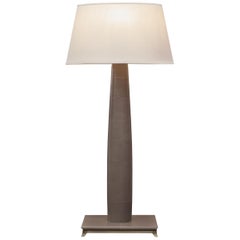
Promemoria Small Mirtilla Floor Lamp in Bronze and Mahogany by Romeo Sozzi
By Promemoria
Located in Valmadrera (LC), IT
Mirtilla is a floor lamp with structure in smooth medium bronze and brown mahogany, the lampshade is in ecru silk. Dimmable touch switch. LED lighting with ICOSAEDRO technology. ...
Bronze
Unavailable
H 67.72 in W 32.29 in D 24.81 in
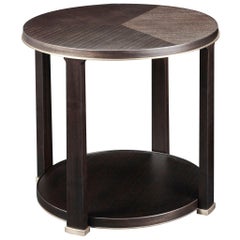
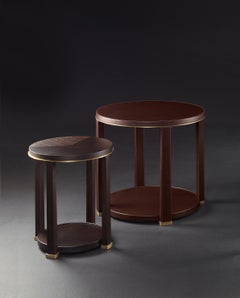
Promemoria Pia Floor Lamp in Leather and Bronze Base by Romeo Sozzi
By Promemoria
Located in Valmadrera (LC), IT
The floor lamp Pia has a leather structure with a hammered bronze base and leather, a sculpture on which the hand-embroidered lampshade rests gently. Available with structure in ebon...
Bronze
Unavailable
 + 18 more
H 27.17 in Dm 29.93 in
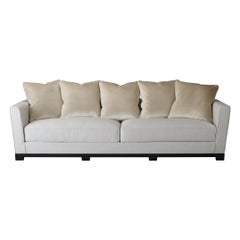
Promemoria Momus Small Table in Brown Mahagony and Bronze by Romeo Sozzi
By Promemoria
Located in Valmadrera (LC), IT
Momus small table belongs to the "Night Tales" collection, launched by Promemoria in 2016 to celebrate the moment of maximum intimacy of a home: the night. Momus is small table and g...
Bronze
Unavailable
H 27.56 in W 110.24 in D 39.38 in
Promemoria Wanda Sofa in White Fabric and Ancient Beech by Romeo Sozzi
By Promemoria
Located in Valmadrera (LC), IT
The Wanda sofa has a base made of dark brown beech and a non-removable fabric covering. Available with base completely covered in fabric.
Fabric, Beech
Unavailable
H 25.6 in W 12.01 in D 12.01 in
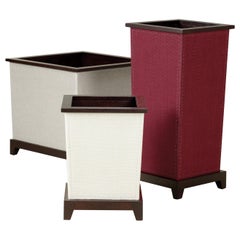
Promemoria Santos Wastepaper Bin, Flower Box and Umbrella Stand by Romeo Sozzi
By Promemoria
Located in Valmadrera (LC), IT
An umbrella stand in oak with fabric or leather upholstery, available with a bronze base and profile; an oak flowerpot with fabric or leather covering, available with base and bronze...
Bronze

Unavailable
H 13.78 in W 11.23 in D 13.98 in
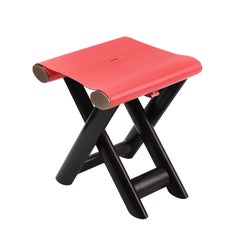
Promemoria Petit Nyx Stool in Black Maple and Leather by Romeo Sozzi
By Promemoria
Located in Valmadrera (LC), IT
The structure of the stool is in satin-finished black maple, the details are in bronze and the seat is in leather. Available with its handy fabric bag with details in smooth moro lea...
Bronze

Unavailable
H 4.34 in W 18.12 in D 20.48 in
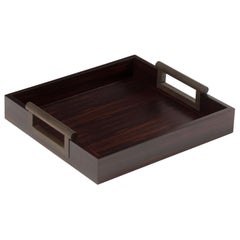
Promemoria Small Alfred Tray in Ebony and Hammered Bronze by Romeo Sozzi
By Promemoria
Located in Valmadrera (LC), IT
Alfred is a wooden tray with hammered bronze handles, with an essential but elegant style. .
Bronze
Unavailable
+ 17 moreH 34.26 in W 21.66 in D 49.22 in
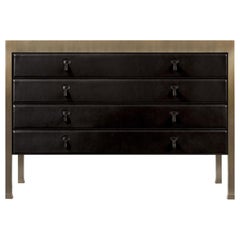
Promemoria Gong Chest of Drawers in Leather and Bronze by Romeo Sozzi
By Promemoria
Located in Valmadrera (LC), IT
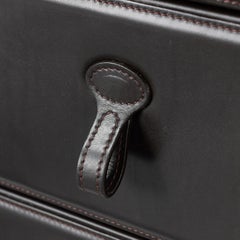
The chest of drawers Gong has a modern line, obtained thanks to the ductility of bronze. Like all Promemoria creations, Gong is characterized by soft finishes and extreme attention t...
Bronze
Unavailable
H 29.14 in W 150.4 in D 79.53 in
Promemoria Pullman Angular Sofa in Fabric and Beech Base by Romeo Sozzi
By Promemoria
Located in Valmadrera (LC), IT
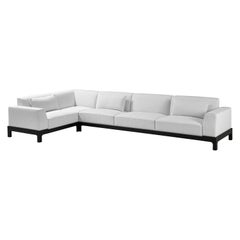
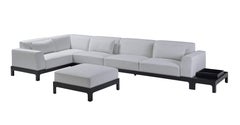
Pullman is a Classic-shaped sofa with a stained blue beech base and a non-removable fabric lining. The cushions are in fabric. The sofa is available also linear. The pouf and the sma...
Fabric, Beech
Unavailable
H 18.51 in W 23.63 in D 23.63 in
Promemoria Cernobbio Small Table in Bronze and Serena Stone by Romeo Sozzi
By Promemoria
Located in Valmadrera (LC), IT
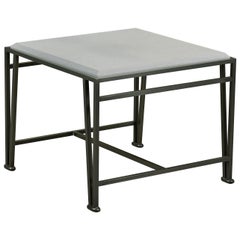
Cernobbio is a small table for outdoor with base in smooth dark bronze structure and top in serena stone marble. Also available with top in Bianco di Carrara marble and in dimension ...
Marble, Bronze
Unavailable

 + 17 more
H 38.59 in W 26.38 in D 25.99 in
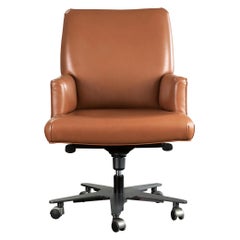
Promemoria Isotta Office Armchair in Leather and Dark Bronze by Romeo Sozzi
By Promemoria
Located in Valmadrera (LC), IT
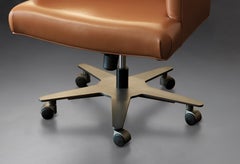
Isotta is an office chair characterized by a linear style, which enhances the softness of the forms. Isotta is completely covered in leather, with a base in painted metal with wheels...
Bronze
Unavailable
H 27.56 in W 63 in D 38.19 in
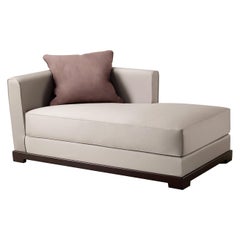
Promemoria Wanda Chaise Longue in Fabric and Beech Base by Romeo Sozzi
By Promemoria
Located in Valmadrera (LC), IT
The Wanda chaise longue-dormeuse is the perfect cuddle: soft and wide, to enjoy relaxation in all its forms. The Wanda chaise lounge has a base made of dark brown beech and a non-rem...
Fabric, Beech
Unavailable
H 26.78 in Dm 14.97 in
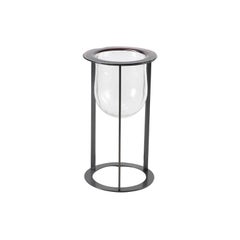
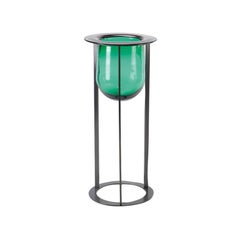
Promemoria Small Canaletto Vase in Dark Bronze and Murano Glass By Romeo Sozzi
By Promemoria
Located in Valmadrera (LC), IT
Vaso Canaletto is a Murano glass vase with a bronze and Murano glass structure. It is available in fumè, amethyst and silver, gold and green.
Bronze
Unavailable
H 24.81 in W 32.29 in D 32.29 in
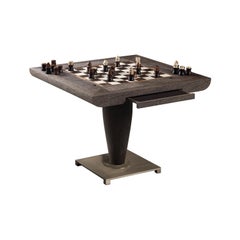
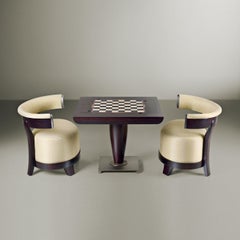
Promemoria Bassano Da Gioco Game Table in Sucupira Wood & Bronze by Romeo Sozzi
By Promemoria
Located in Valmadrera (LC), IT
Bassano da Gioco game table is part of a large family of tables, Promemoria's bestsellers, which is characterized by a shaped and curved column which supports the table top as a work...
Bronze

Unavailable
H 61.82 in W 31.5 in D 23.63 in
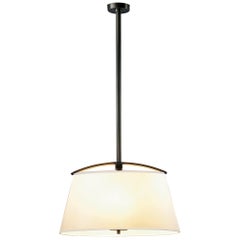
Promemoria Pia Hanging Lamp in Bronze and Ercu Silk Lampshade by Romeo Sozzi
By Promemoria
Located in Valmadrera (LC), IT
Pia hanging lamp has a structure in hammered bronze: a sculpture on which the hand-embroidered lampshade in linen, ecru silk rests gently. Available with cotton or linen lampshade; L...
Bronze

Unavailable
H 35.83 in Dm 14.97 in
Promemoria Large Canaletto Vase in Dark Bronze and Murano Glass by Romeo Sozzi
By Promemoria
Located in Valmadrera (LC), IT
Vaso Canaletto is a Murano glass vase with a bronze and Murano glass structure. It is available in fumè, amethyst and silver, gold and green.
Bronze

Unavailable
H 19.3 in W 20.87 in D 9.65 in
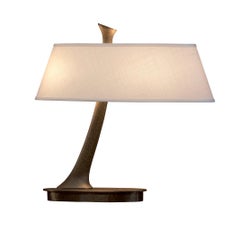
Promemoria Lilì Oval Table Lamp in Bronze, Rosè Linen Lampshade by Romeo Sozzi
By Promemoria
Located in Valmadrera (LC), IT
Lilì is a table lamp whose strong point is asymmetry and irregularity. The lamp has a hammered bronze structure, with lampshade in rosè linen, touch switch. Available with lining, ov...
Bronze
Unavailable
H 17.72 in W 18.51 in D 24.61 in
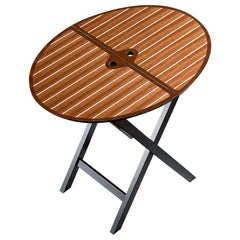
Promemoria Battista Lotus Folding Table in Matte Black and Maple by Romeo Sozzi
By Promemoria
Located in Valmadrera (LC), IT
Battista is a folding service table in glossy black wood, maple and mahogany top with a two-piece top and a special mechanism that makes it particularly practical. Battista is small,...
Mahogany, Maple
The late 19th and early 20th centuries saw sweeping social change and major scientific advances — both of which contributed to a new aesthetic: modernism. Rejecting the rigidity of Victorian artistic conventions, modernists sought a new means of expression. References to the natural world and ornate classical embellishments gave way to the sleek simplicity of the Machine Age. Architect Philip Johnson characterized the hallmarks of modernism as “machine-like simplicity, smoothness or surface [and] avoidance of ornament.”
Early practitioners of modernist design include the De Stijl (“The Style”) group, founded in the Netherlands in 1917, and the Bauhaus School, founded two years later in Germany.
Followers of both groups produced sleek, spare designs — many of which became icons of daily life in the 20th century. The modernists rejected both natural and historical references and relied primarily on industrial materials such as metal, glass, plywood, and, later, plastics. While Bauhaus principals Marcel Breuer and Ludwig Mies van der Rohe created furniture from mass-produced, chrome-plated steel, American visionaries like Charles and Ray Eames worked in materials as novel as molded plywood and fiberglass. Today, Breuer’s Wassily chair, Mies van der Rohe’s Barcelona chair — crafted with his romantic partner, designer Lilly Reich — and the Eames lounge chair are emblems of progressive design and vintage originals are prized cornerstones of collections.
It’s difficult to overstate the influence that modernism continues to wield over designers and architects — and equally difficult to overstate how revolutionary it was when it first appeared a century ago. But because modernist furniture designs are so simple, they can blend in seamlessly with just about any type of décor. Don’t overlook them.


