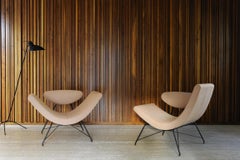
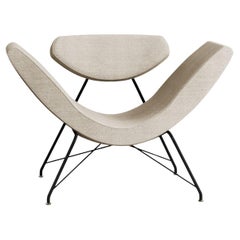
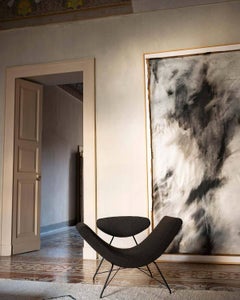
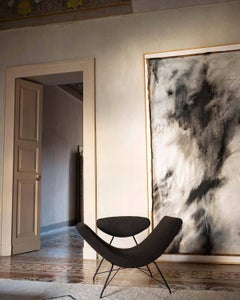
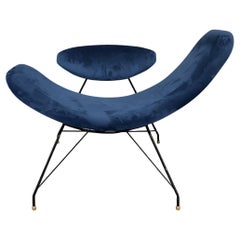
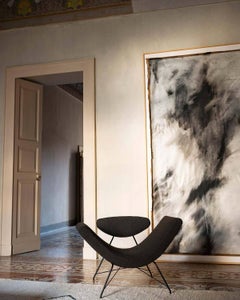
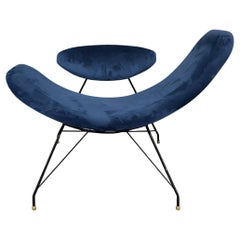
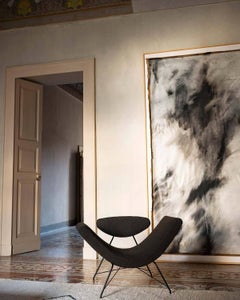
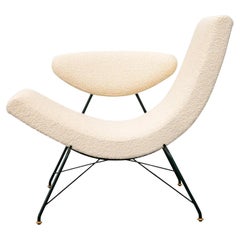
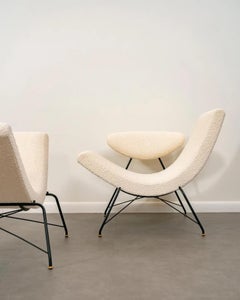
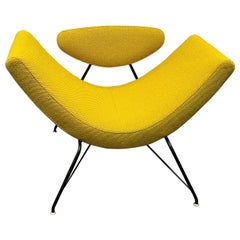
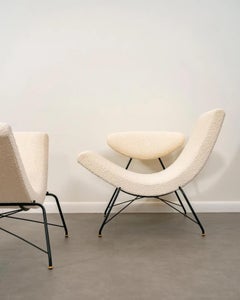
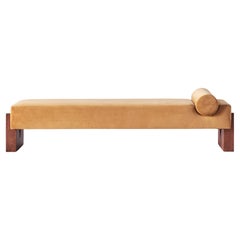
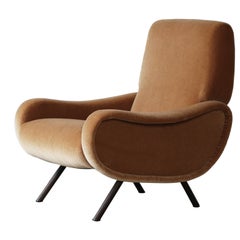
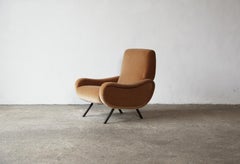
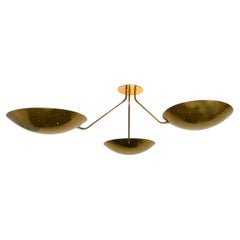
Martin Eisler was an influential figure in mid-century modern furniture design, particularly within the Brazilian design movement. Born in Vienna, Austria, in 1913, Eisler was part of a generation of European architects and designers whose work and lives were profoundly affected by the upheaval of the Second World War. His father was the art historian Max Eisler, a founding member of the Austrian Werkbund, which likely influenced Eisler's early exposure to design and architecture.
It was in Brazil that Eisler's design sensibilities fully blossomed. He met Carlo Hauner, with whom he would form a formidable partnership, founding the iconic Brazilian furniture company Forma. Their designs are celebrated for integrating Brazilian materials and craftsmanship with modernist design principles, creating furniture that was both accessible and aesthetically sophisticated.
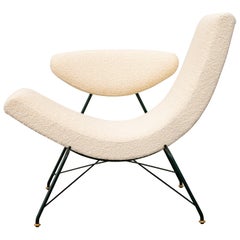
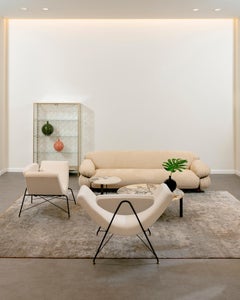
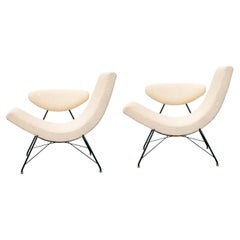
Eisler's furniture designs, such as the Reversível and Costela chairs, are lauded for their innovative use of materials and form. His work often featured Brazilian woods and thin tubular frames, showcasing a finesse in blending structure with visual lightness. The collaboration between Eisler and Hauner was marked by a shared vision that helped define Brazilian mid-century modern design, making it distinctive and sought after globally.
Find vintage Martin Eisler furniture on 1stDibs.
(Biography provided by Herança Cultural)
With entire areas of our homes reserved for “sitting rooms,” the value of quality antique and vintage seating cannot be overstated.
Fortunately, the design of side chairs, armchairs and other lounge furniture — since what were, quite literally, the early perches of our ancestors — has evolved considerably.
Among the earliest standard seating furniture were stools. Egyptian stools, for example, designed for one person with no seat back, were x-shaped and typically folded to be tucked away. These rudimentary chairs informed the design of Greek and Roman stools, all of which were a long way from Sori Yanagi's Butterfly stool or Alvar Aalto's Stool 60. In the 18th century and earlier, seats with backs and armrests were largely reserved for high nobility.
The seating of today is more inclusive but the style and placement of chairs can still make a statement. Antique desk chairs and armchairs designed in the style of Louis XV, which eventually included painted furniture and were often made of rare woods, feature prominently curved legs as well as Chinese themes and varied ornaments. Much like the thrones of fairy tales and the regency, elegant lounges crafted in the Louis XV style convey wealth and prestige. In the kitchen, the dining chair placed at the head of the table is typically reserved for the head of the household or a revered guest.
Of course, with luxurious vintage or antique furnishings, every chair can seem like the best seat in the house. Whether your preference is stretching out on a plush sofa, such as the Serpentine, designed by Vladimir Kagan, or cozying up in a vintage wingback chair, there is likely to be a comfy classic or contemporary gem for you on 1stDibs.
With respect to the latest obsessions in design, cane seating has been cropping up everywhere, from sleek armchairs to lounge chairs, while bouclé fabric, a staple of modern furniture design, can be seen in mid-century modern, Scandinavian modern and Hollywood Regency furniture styles.
Admirers of the sophisticated craftsmanship and dark woods frequently associated with mid-century modern seating can find timeless furnishings in our expansive collection of lounge chairs, dining chairs and other items — whether they’re vintage editions or alluring official reproductions of iconic designs from the likes of Hans Wegner or from Charles and Ray Eames. Shop our inventory of Egg chairs, designed in 1958 by Arne Jacobsen, the Florence Knoll lounge chair and more.
No matter your style, the collection of unique chairs, sofas and other seating on 1stDibs is surely worthy of a standing ovation.