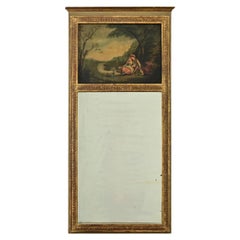
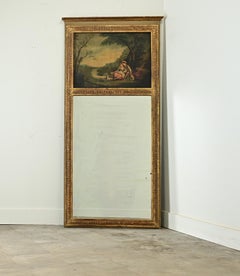
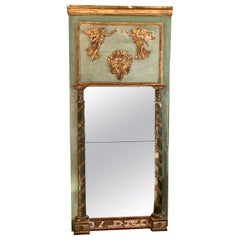
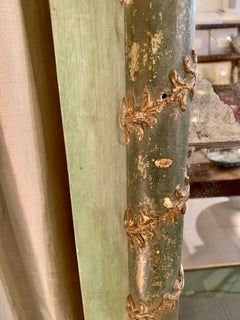
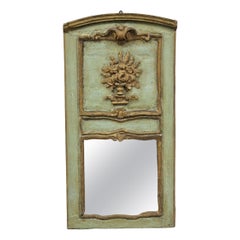
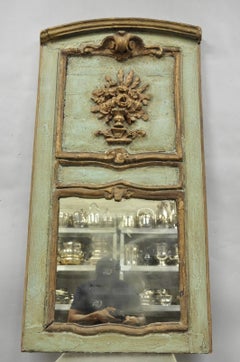
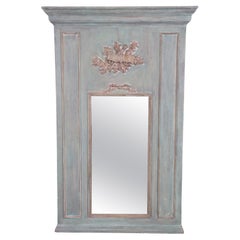
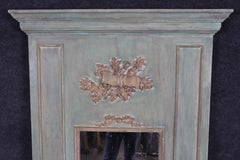
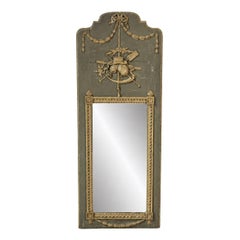
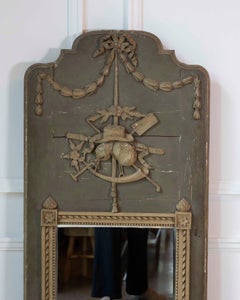
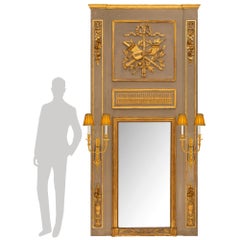
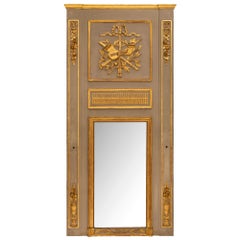
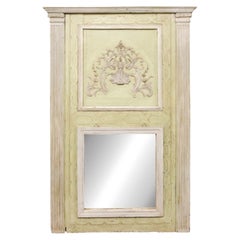
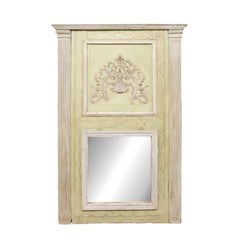
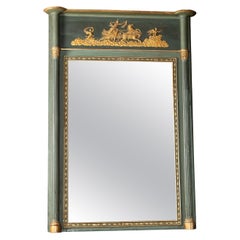
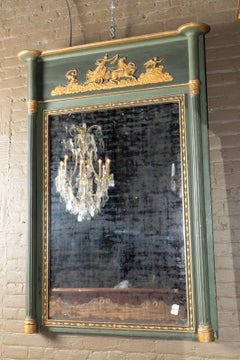
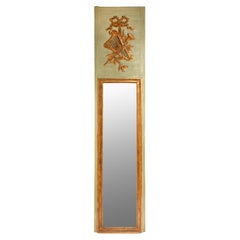
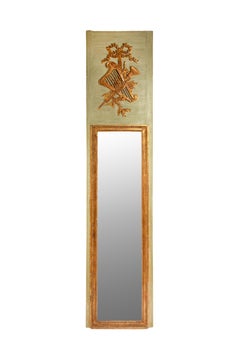
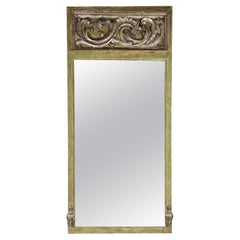
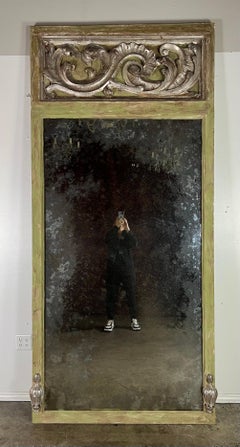
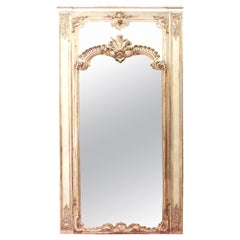
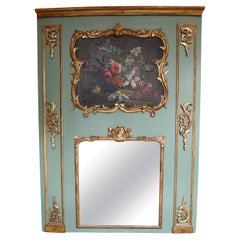
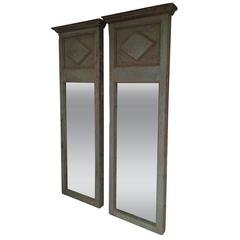
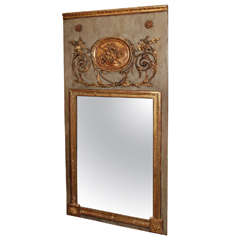
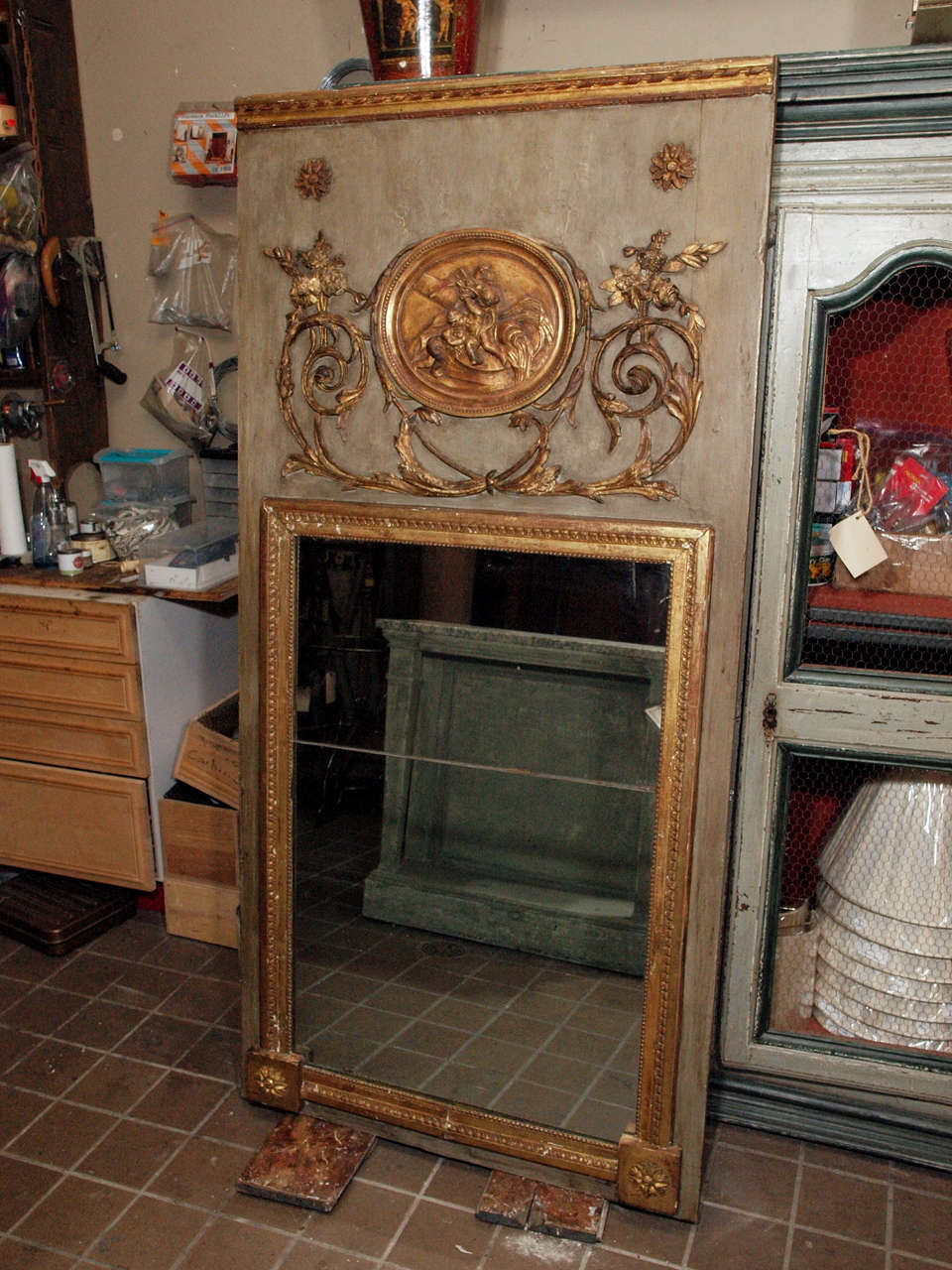
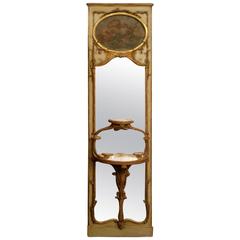
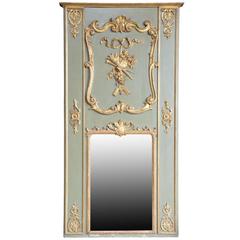
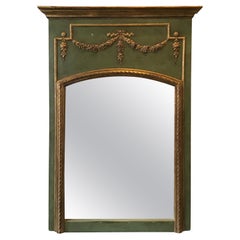
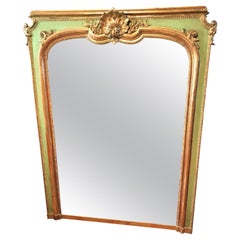
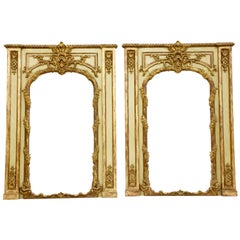
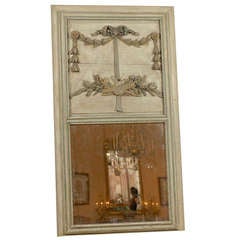
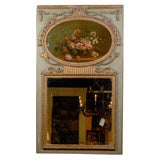
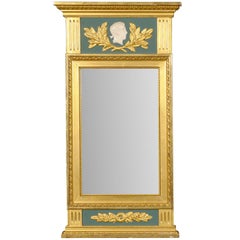
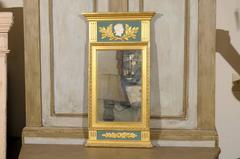
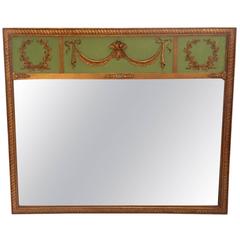
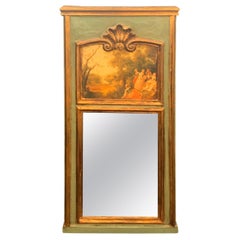
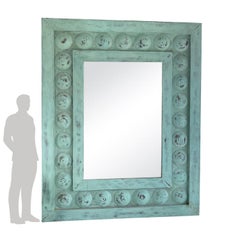
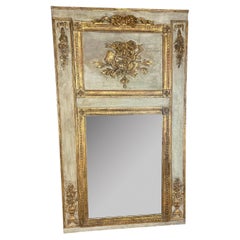
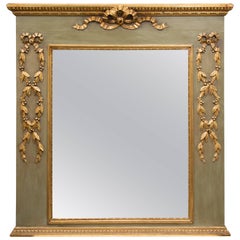
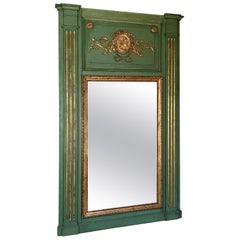
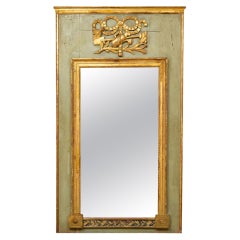
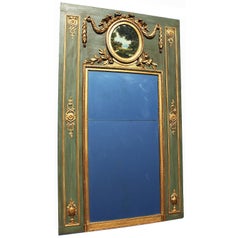
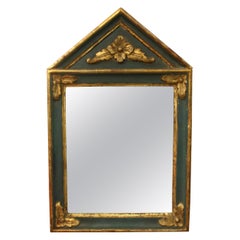
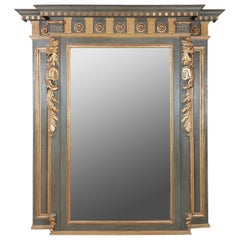
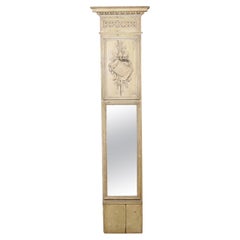
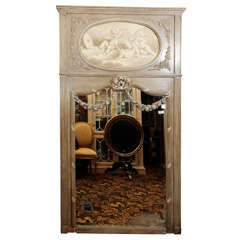
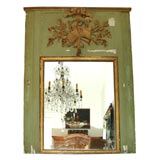
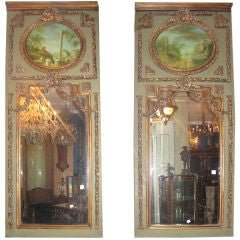
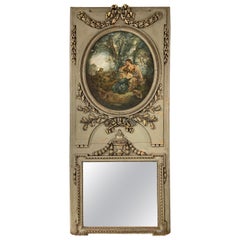
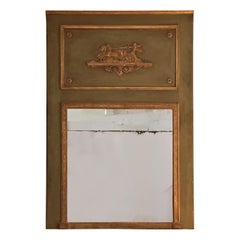
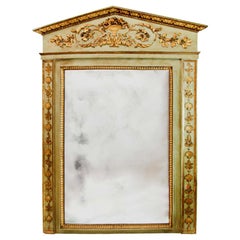
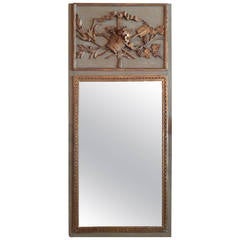
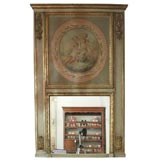
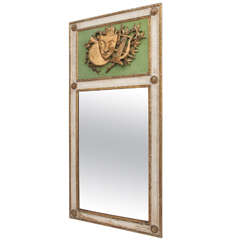
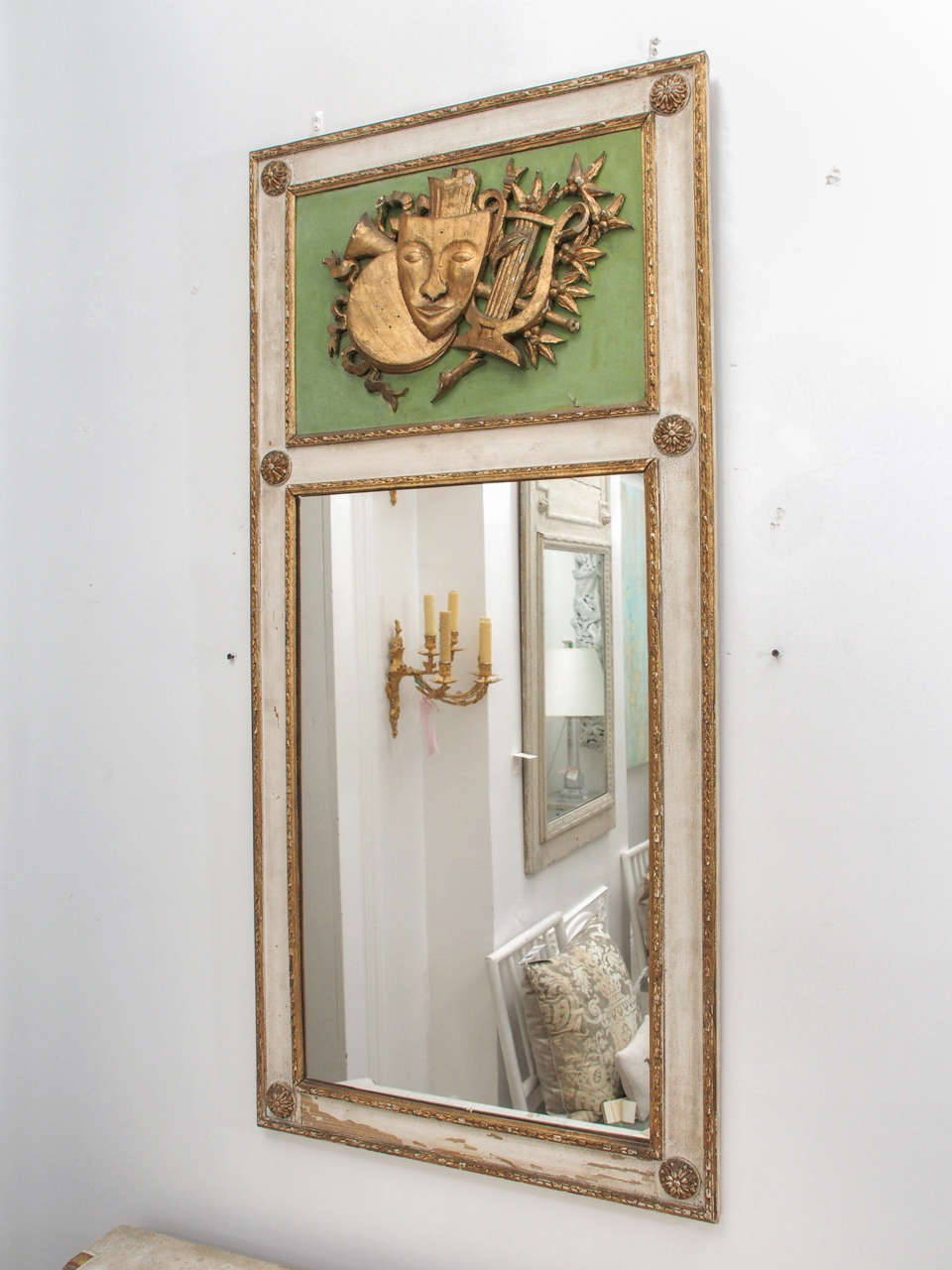
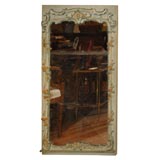
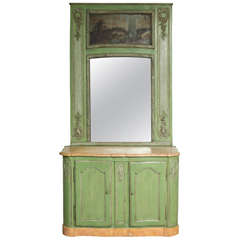
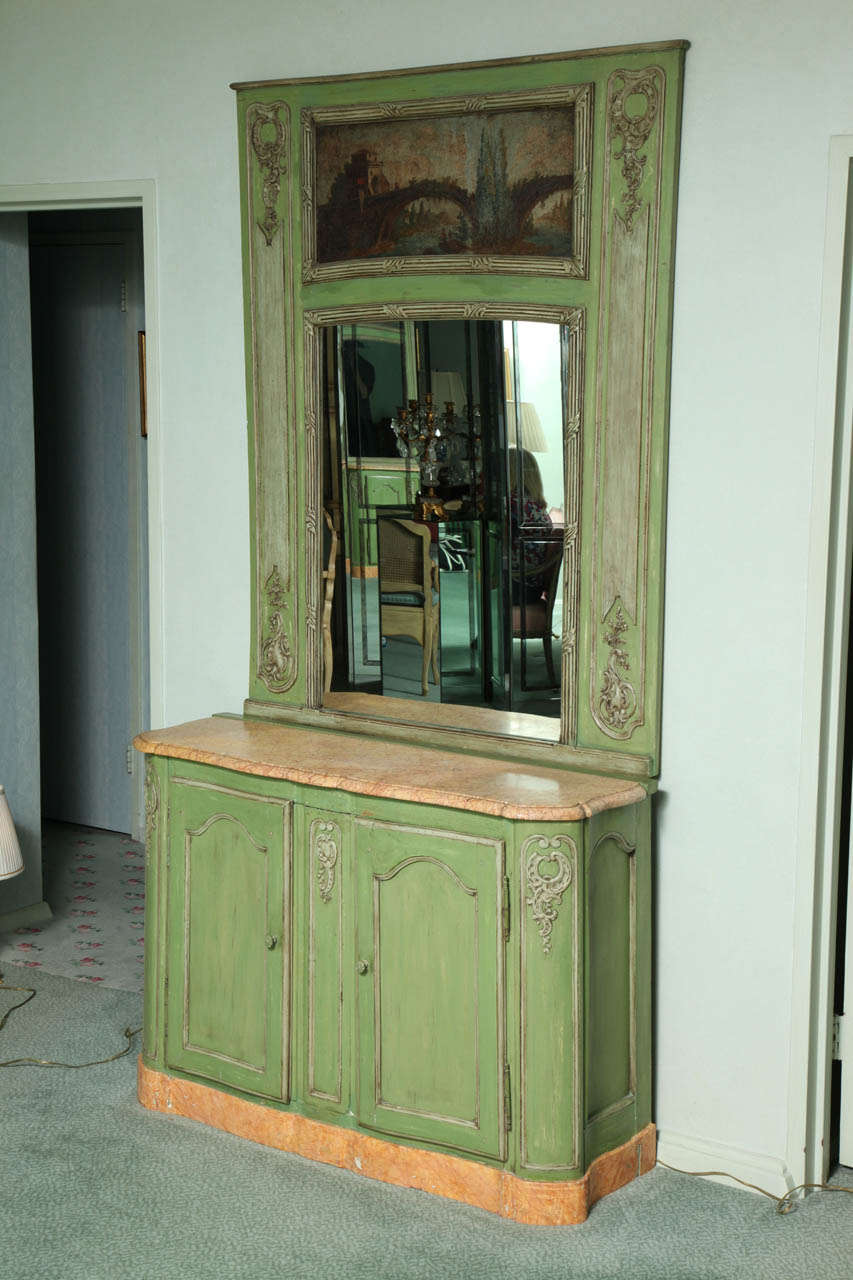
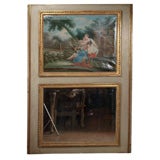
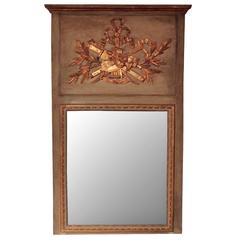
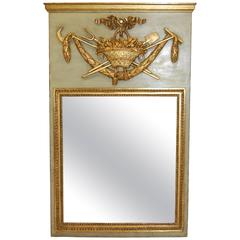
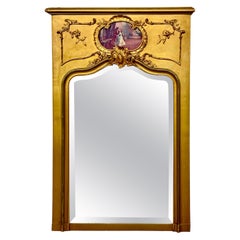
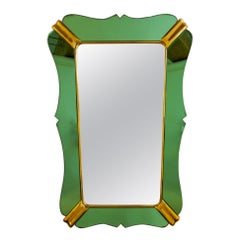
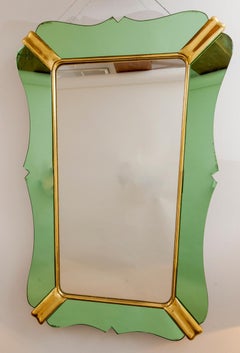
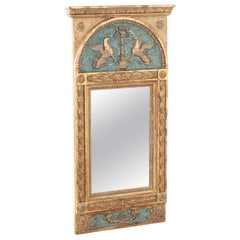
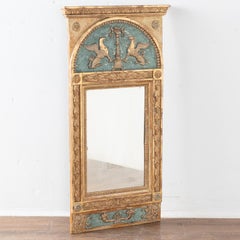
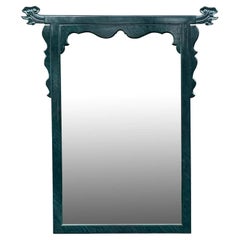
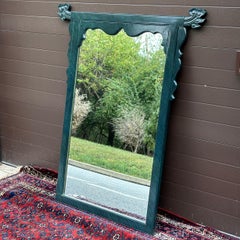
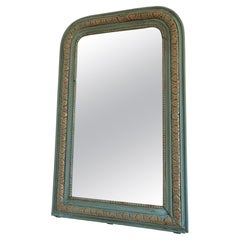
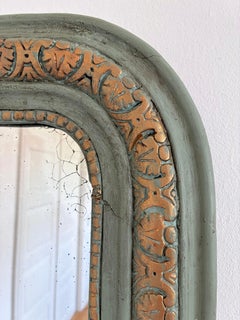
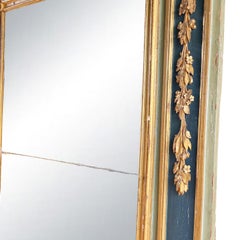
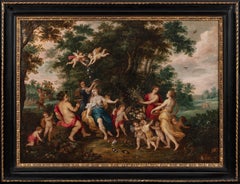
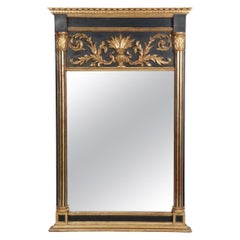
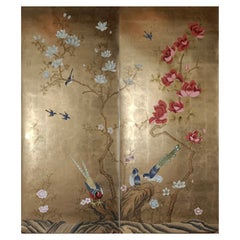
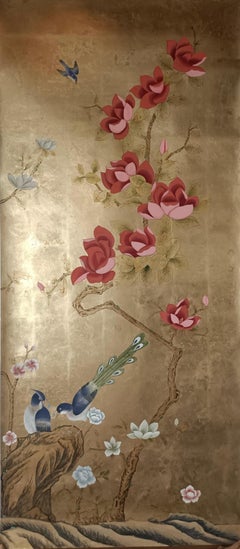
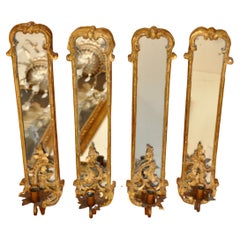
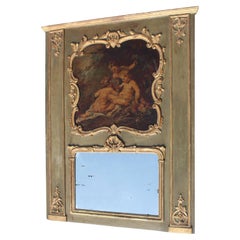
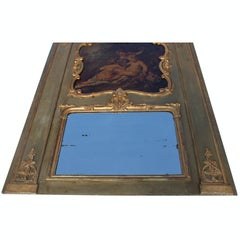
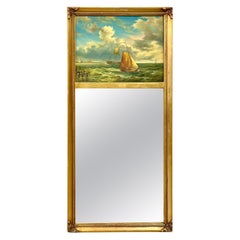
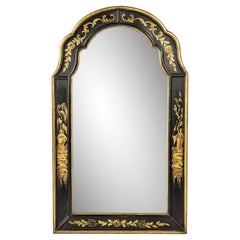
Find many varieties of an authentic green trumeau mirror available at 1stDibs. Each green trumeau mirror for sale was constructed with extraordinary care, often using
wood,
glass and
mirror. Find 35 options for an antique or vintage green trumeau mirror now, or shop our selection of 1 modern versions for a more contemporary example of this long-cherished piece. Whether you’re looking for an older or newer green trumeau mirror, there are earlier versions available from the 18th Century and newer variations made as recently as the 21st Century. A green trumeau mirror, designed in the
Louis XVI,
Louis XV or
Neoclassical style, is generally a popular piece of furniture. A well-made green trumeau mirror has long been a part of the offerings for many furniture designers and manufacturers, but those produced by
La Maison London are consistently popular.
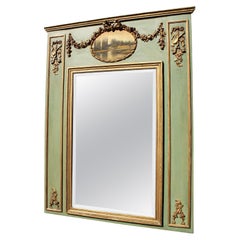
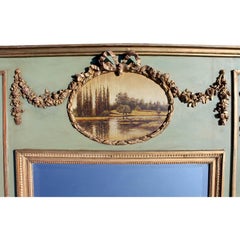
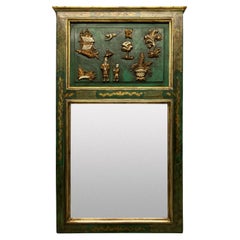
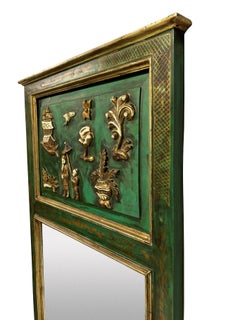
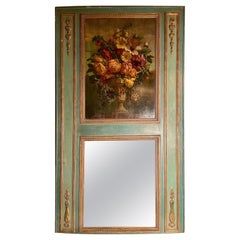
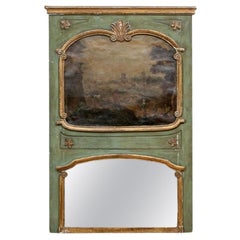
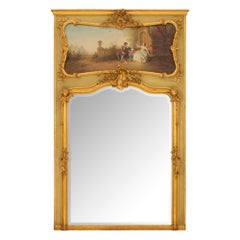
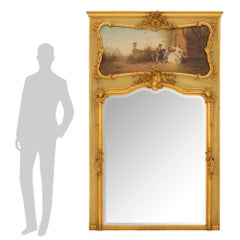
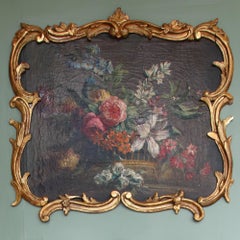
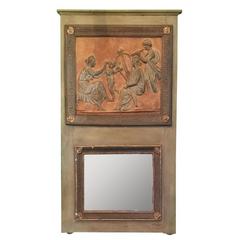
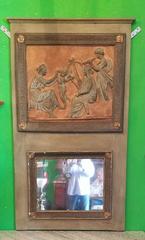
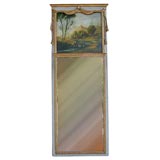
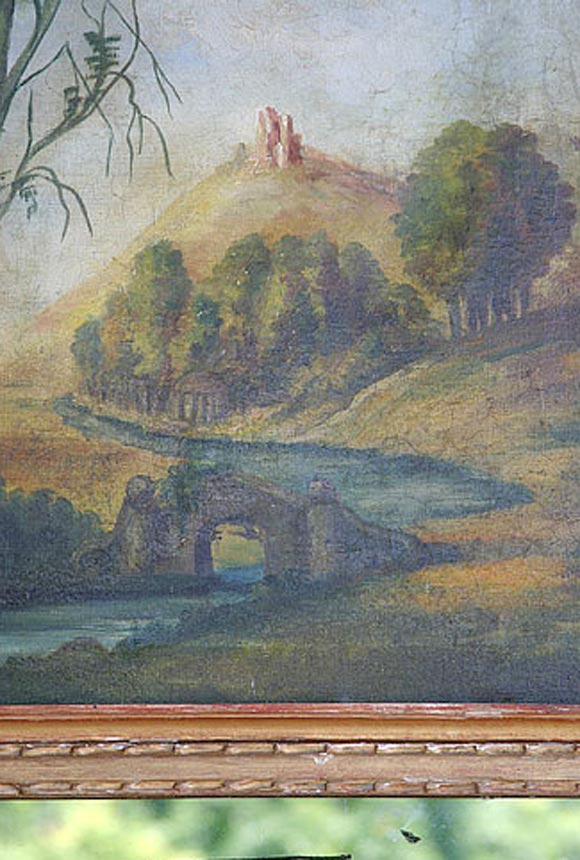
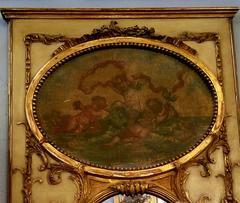
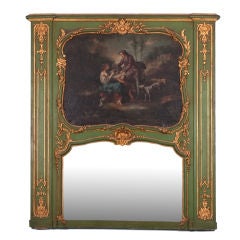
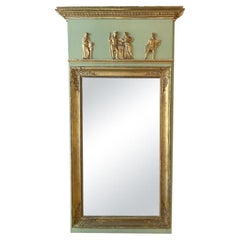
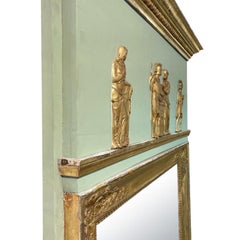
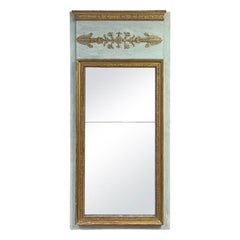
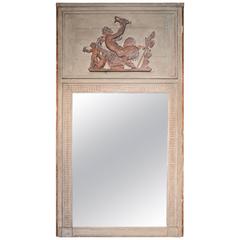
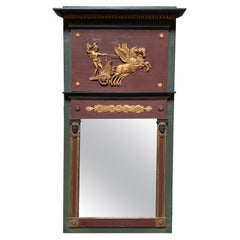
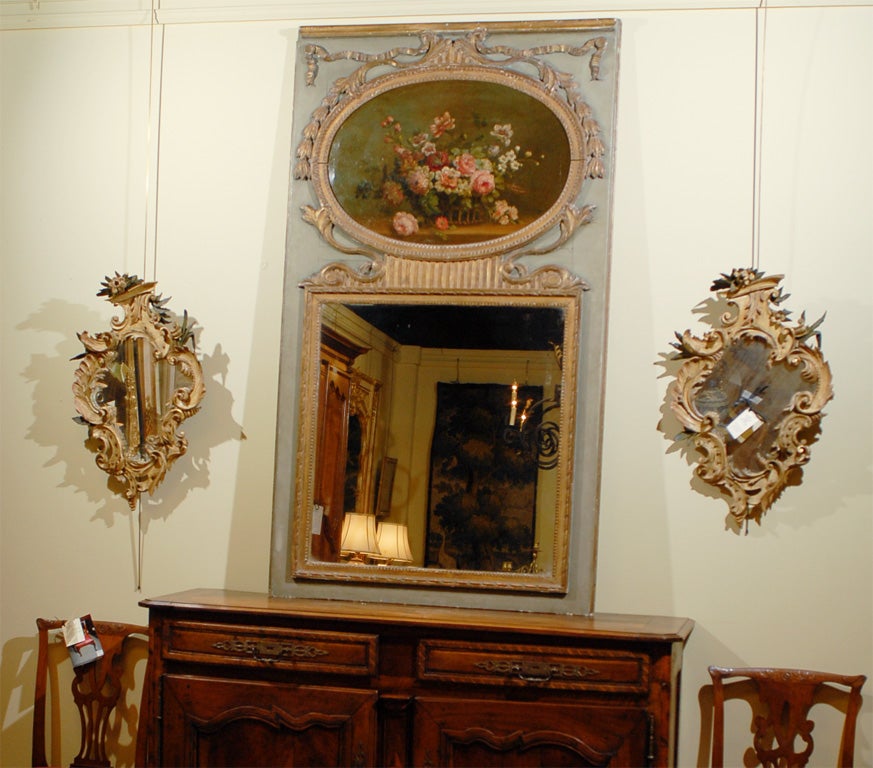
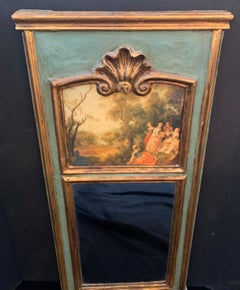
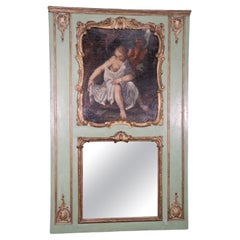
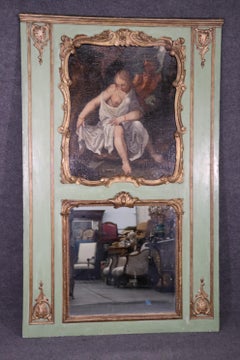
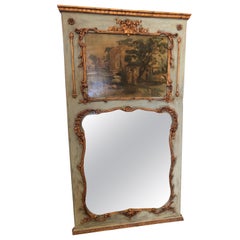
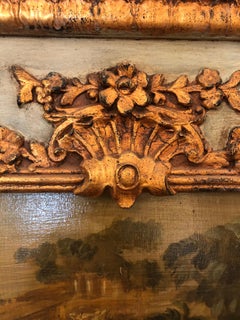
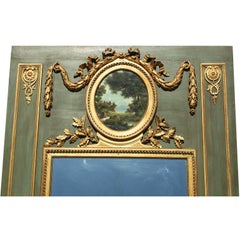
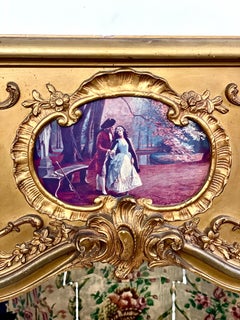
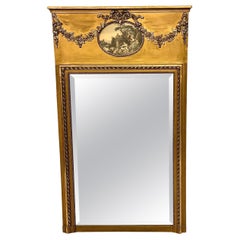
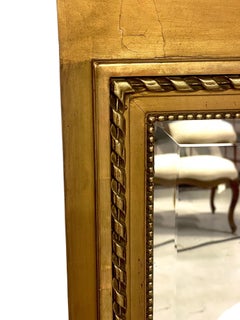
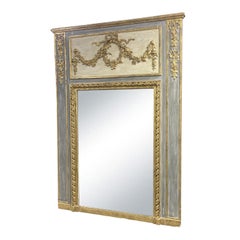
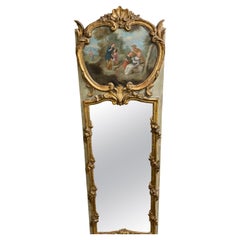
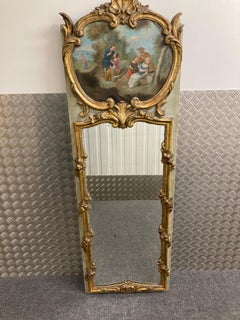
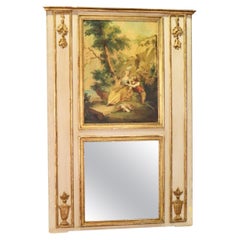
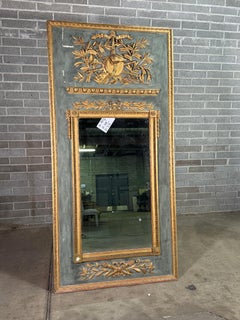
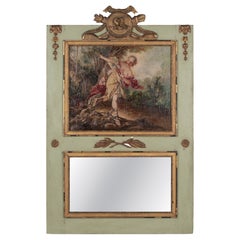
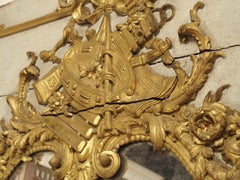
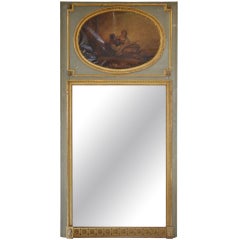
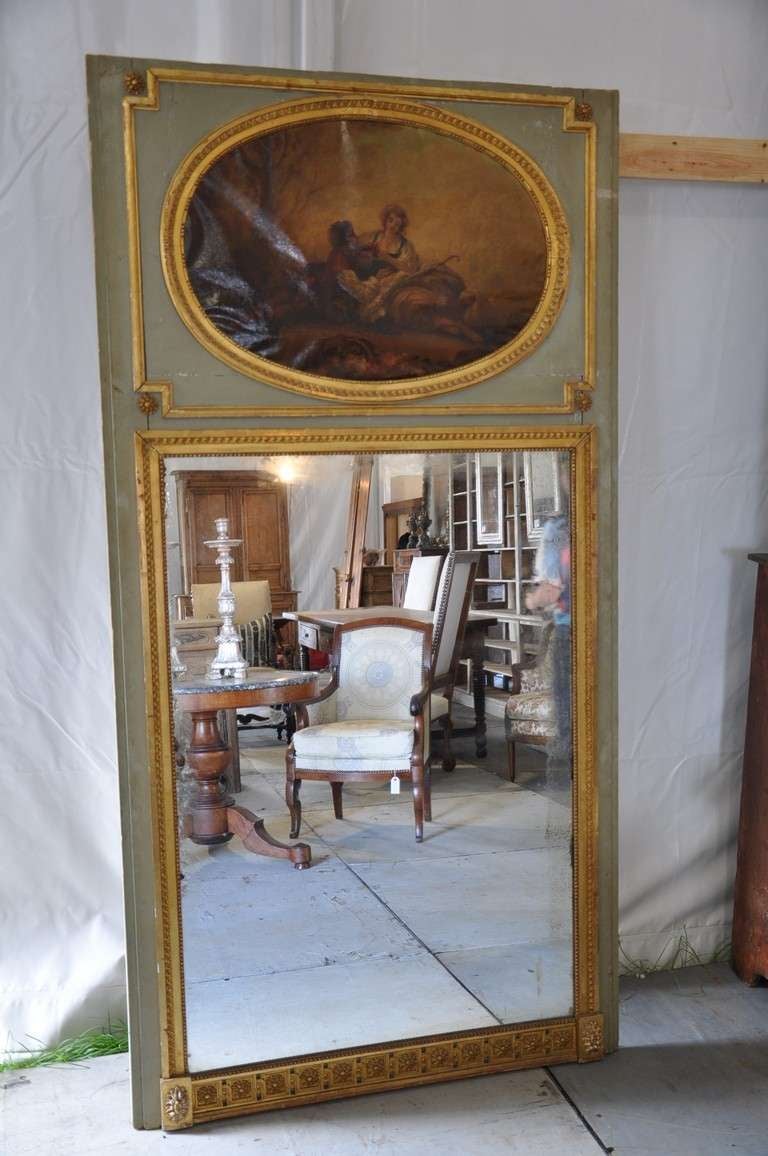
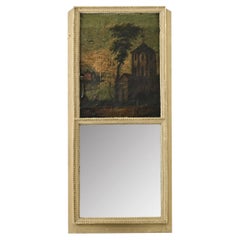
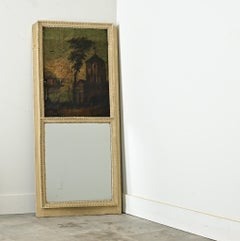
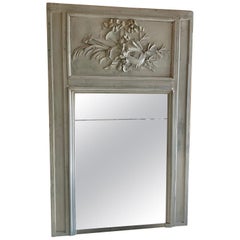
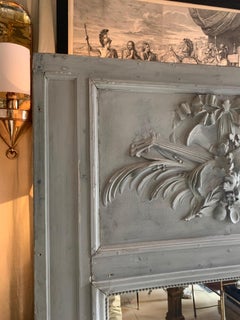
Whether complemented by a lovely painting or detailed carved patterns, antique and vintage trumeau mirrors are instant attention-grabbers that add depth and character to a room.
Trumeau mirrors, also known as pier glass, emerged in 18th-century France. The original trumeau mirrors were set in large, rectangular wood paneling, or boiserie, that frequently incorporated carvings or paintings. The trumeau mirror was especially popular with the upper middle class in the 1700s who had disposable income to decorate their homes like the wood-paneled estates of the elite.
As mirrors became more widely available to the general public, the trumeau gained prominence in fashionable home decor. While trumeau initially referred to a mirror set in a wall lodged between two doors or windows, it gradually shifted to describing a mirror positioned above a mantel.
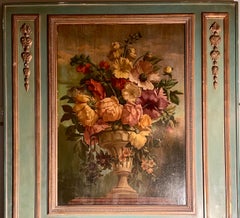
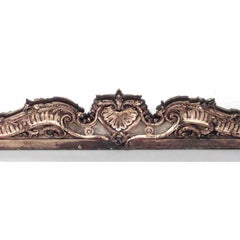
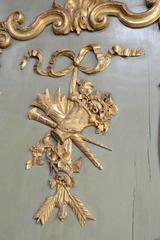
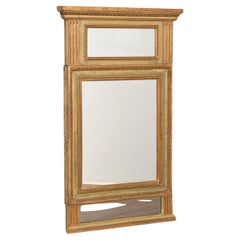
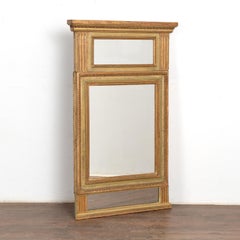
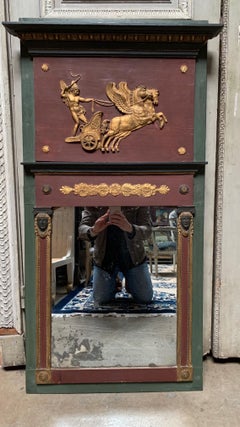
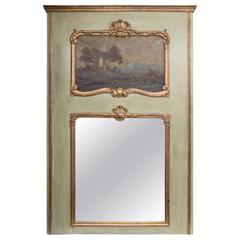
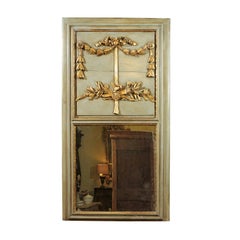
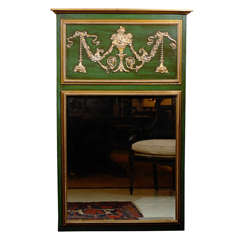
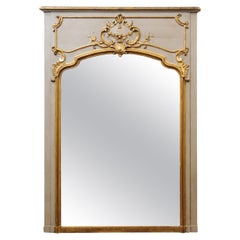
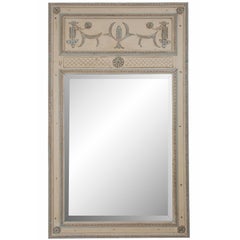
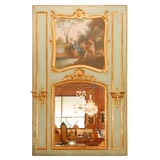
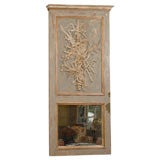
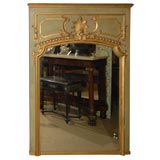
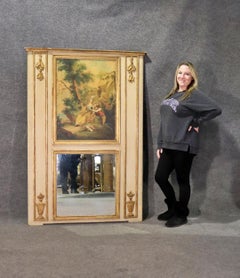
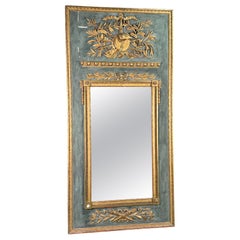
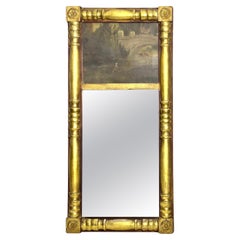
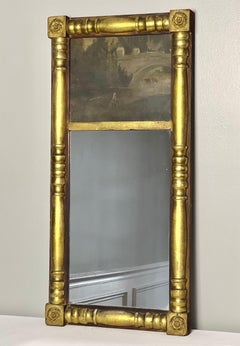
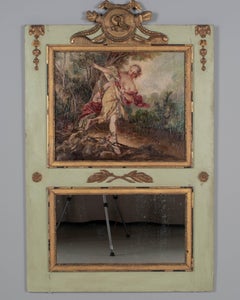
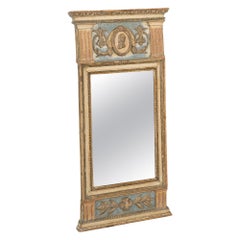
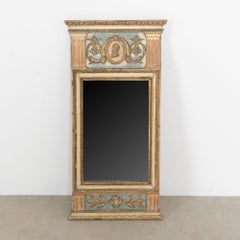
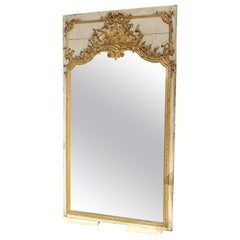
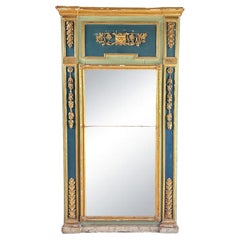
Though trumeau mirrors come in a variety of styles, they generally fall into one of two categories: those that incorporate painted art and those that feature carved motifs. The decorative elements are typically above the mirror on the top half of the wooden panel.
Browse 1stDibs for trumeau mirrors that epitomize elegance and bring a classic 18th-century element into modern times.