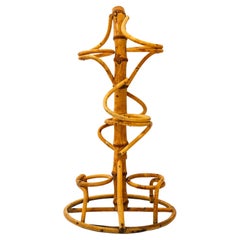
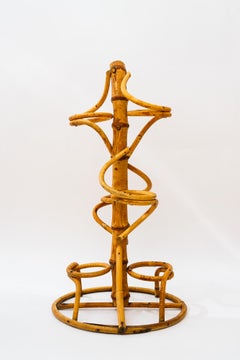
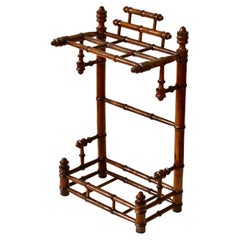
Walking stick stand bamboo vienna around 1950
Located in Wien, AT
Walking stick stand bamboo vienna around 1950 Vienna around 1950s Original condition
Category
Vintage 1950s Austrian Mid-Century Modern Umbrella Stands
Materials
Bamboo
Walking stick stand bamboo vienna around 1950
Located in Wien, AT
Walking stick stand bamboo vienna around 1950 Vienna around 1950s Original condition
Bamboo
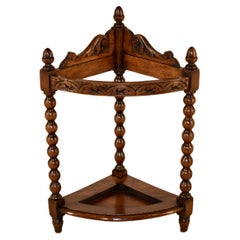
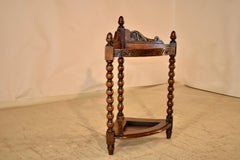
19th Century Corner Walking Stick Stand
Located in High Point, NC
19th century oak corner walking stick stand from England. The top has a scalloped and hand carved
Oak
$1,694
H 20.08 in Dm 10.24 in
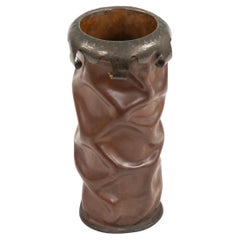
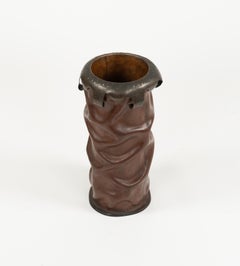
Midcentury Leather & Copper Umbrella Stand or Walking Stick Stand, Italy 1960s
Located in Rome, IT
Midcentury amazing umbrella stand or walking stick stand in brown leather and copper. Made in
Metal, Copper
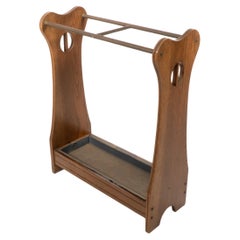
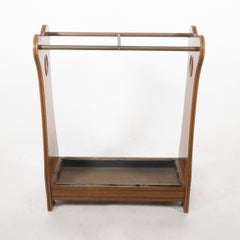
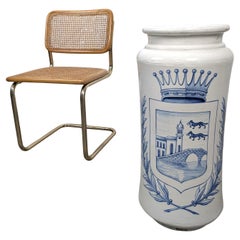
An Arts and Crafts oak umbrella and walking stick stand
Located in London, GB
An Arts and Crafts oak umbrella and walking stick stand with brass division rails to the top and
Oak
$968
H 27.17 in Dm 11.82 in
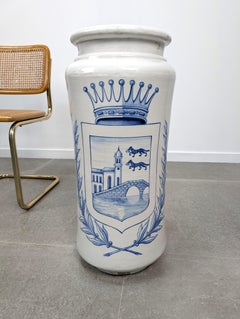
Antique Talavera Ceramic Umbrella and Walking Stick Stand with Bilbao Coat
By Talavera de la Reyna
Located in Benalmadena, ES
Large white Talavera ceramic umbrella and walking stick stand, featuring a hand-painted Bilbao coat
Ceramic
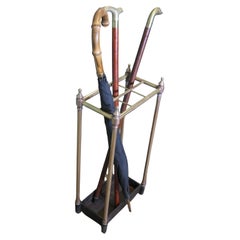
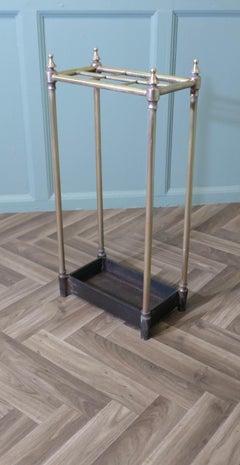
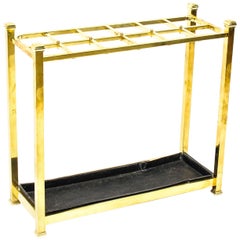
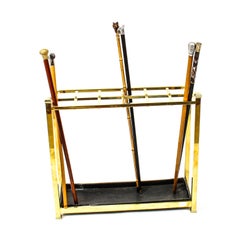
Brass and Cast Iron Walking Stick Stand or Umbrella Stand
Located in Godshill, Isle of Wight
Brass and Cast Iron Walking Stick Stand or Umbrella Stand A charming piece, the stand has a brass
Brass
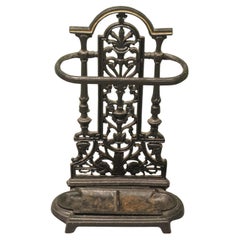
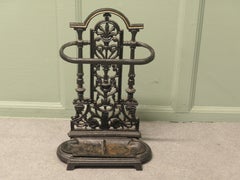
Cast Iron Walking Stick Stand or Umbrella Stand A charming piece
Located in Godshill, Isle of Wight
Cast Iron Walking Stick Stand or Umbrella Stand A charming piece, the stand has an elaborate back
Iron
$1,740
H 25.99 in W 29.14 in D 10.83 in
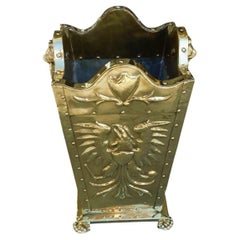
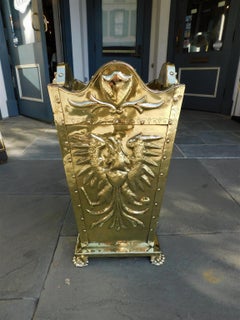
Antique Brass Umbrella Walking Stick Stand with Twelve Divisions
Located in London, GB
This is a very elegant brass umbrella and walking stick stand, dating from the late 19th century
Brass
$9,500
H 26.25 in W 16 in D 12 in
Russian Embossed Brass and Lead Lined Umbrella / Walking Stick Stand, C. 1850
Located in Charleston, SC
Russian embossed brass umbrella / walking stick stand with four serpentine studded panels decorated
Brass, Lead

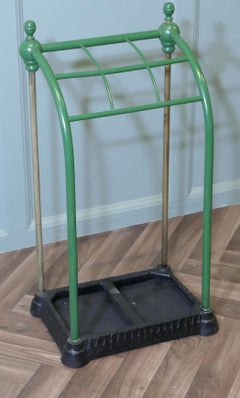
A Victorian Brass and Cast Iron Walking Stick Stand or Umbrella Stand
Located in Godshill, Isle of Wight
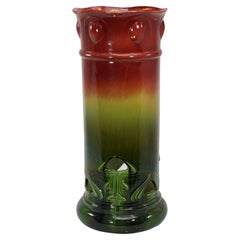
A Victorian Brass and Cast Iron Walking Stick Stand or Umbrella Stand A charming piece it has an
Brass
$807
H 24.41 in W 10.63 in D 10.63 in
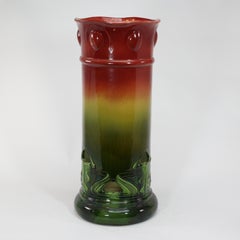
Bretby. An Arts and Crafts red and green umbrella and walking stick stand
By Bretby Ceramics
Located in London, GB
Bretby Art pottery. An Arts and Crafts red and green umbrella and walking stick stand with floral
Ceramic
$1,319
H 26 in W 16 in D 9 in
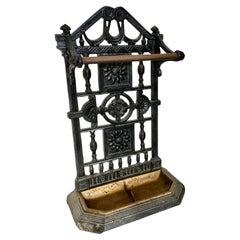
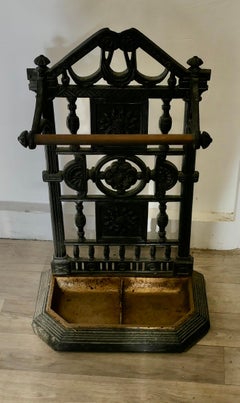
19th century Cast Iron Walking Stick Stand or Umbrella Stand A charming piece
Located in Godshill, Isle of Wight
19th century Cast Iron Walking Stick Stand or Umbrella Stand A charming piece, the wall standing
Iron
$487Sale Price|61% Off
H 27.56 in W 6.3 in D 6.7 in
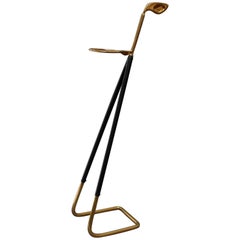
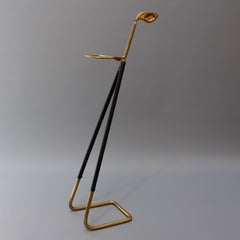
Mid-century Brass Golf Club-Shaped Walking Stick Stand, circa 1950s
Located in London, GB
Italian midcentury golf club-shaped walking stick or umbrella stand (circa 1950s). The stylish
Metal, Brass
$708
H 22 in W 12 in D 7 in
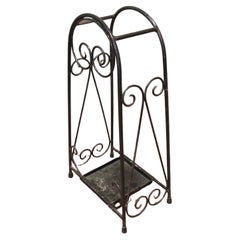
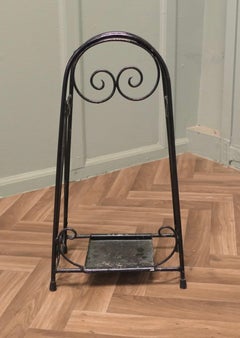
Retro Chic Wrought Iron Umbrella and Walking Stick Stand This delightful 60s s
Located in Godshill, Isle of Wight
Retro Chic Wrought Iron Umbrella and Walking Stick Stand This delightful 60s stick stand has an
Iron
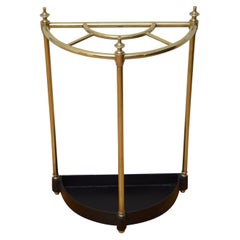
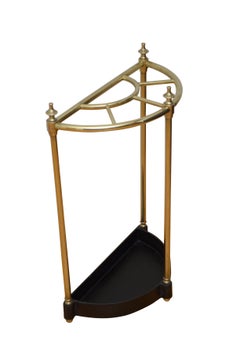
English Brass Demi Lune Stick Stand Umbrella Stand Walking Stick Stand
Located in High Peak, GB
P0238 English half moon umbrella stand in brass, having five divisions with decorative finials and
Brass, Iron
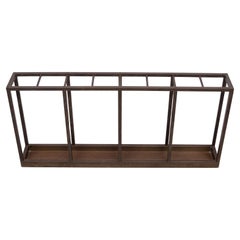
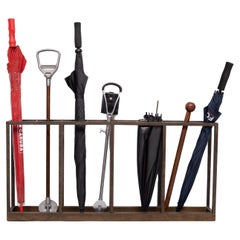
Art deco Brass Umbrella and walking stick stand 1930s Holland
By Gispen Culemborg
Located in Den Haag, NL
Very nice large handmade Brass umbrella stand . Can be hang on the wall . Beautiful crafted Copper
Brass
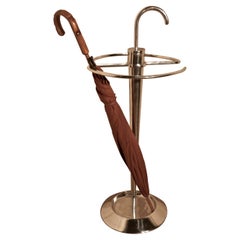
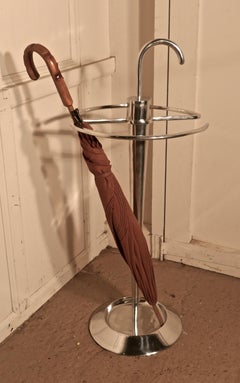
Quirky and Stylish Art Deco Chrome Umbrella or Stick Stand
Located in Godshill, Isle of Wight
well as a walking stick stand There is not much more to say except that the stand is good quality and
Chrome
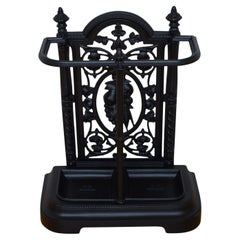
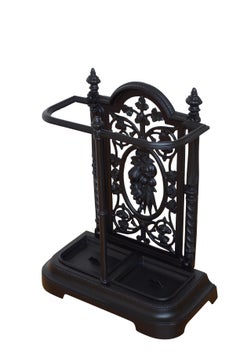
English Victorian Cast Iron Umbrella Stand
Located in High Peak, GB
K0386 Attractive Victorian umbrella stand / walking stick stand in cast iron with intricate pierced
Brass
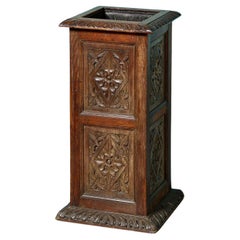
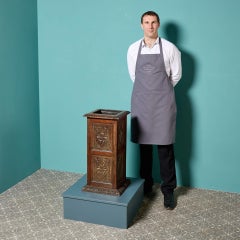
Antique Victorian Oak Stick or Umbrella Stand
Located in Wormelow, Herefordshire
. Style as a traditional walking stick stand, umbrella holder or even a unique planter. ADDITIONAL
Wood, Oak
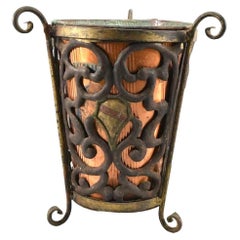
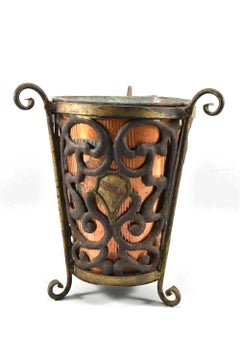
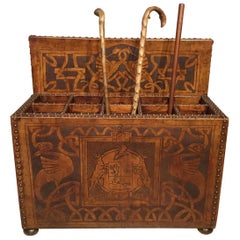
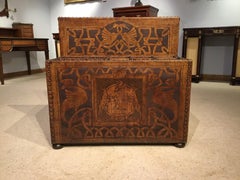
Antique Umbrella Stand, Paper Basket with Coat of Arms, Copper & Iron
Located in Nuernberg, DE
umbrella or walking stick stand. The piece is in good used antique condition with patina. The patina only
Copper, Wrought Iron
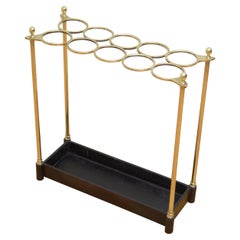
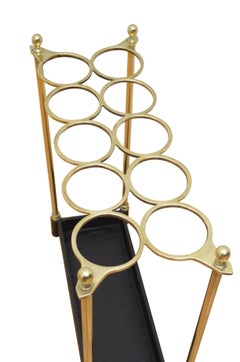
Rare and Stylish 19th Century Brass Umbrella Stand
Located in High Peak, GB
P0247 Exceptional 19th century brass umbrella stand / walking stick stand of large form, having
Brass, Iron
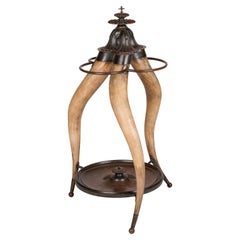
Unusual 19th Century Patinated Bronze-Mounted Longhorn Stick Stand
Located in London, GB
A Striking 19th Century Longhorn Stick Stand A unique umbrella and walking stick stand, the tripod
Bronze
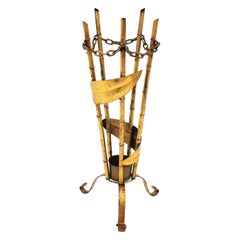
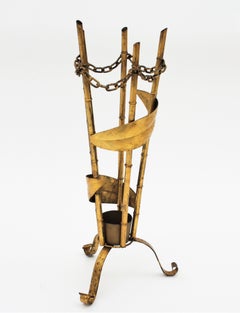
Spanish Gilt Iron Umbrella Stand, Faux Bamboo Design
Located in Barcelona, ES
iron container at the bottom part. Use it as umbrella stand or walking stick stand. Measures: 75 cm H
Wrought Iron, Gold Leaf, Iron
$905
H 24.41 in W 13.78 in D 10.63 in
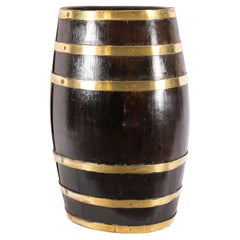
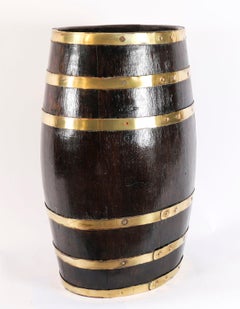
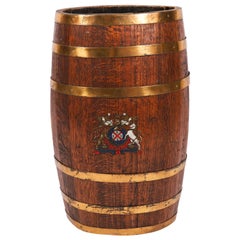
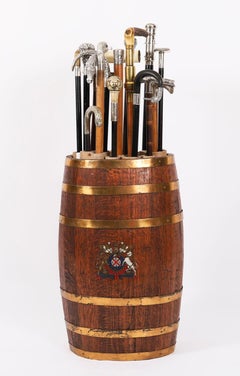
Antique Oval Brass Bound Barrel Umbrella Stick Stand 19th Century
Located in London, GB
This is an elegant George III antique solid oak brass bound walking stick stand, circa 1810 in date
Brass
$726
H 19.69 in W 10.04 in D 9.45 in
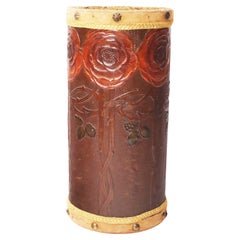
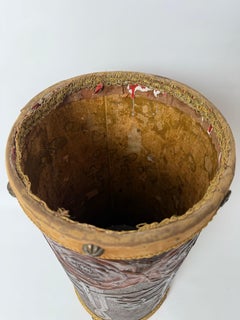
Art Nouveau Umbrella Stand Basket Embossed Leather Decorated Red Roses
Located in Hannover, DE
This unique umbrella stand, walking stick stand, or wastepaper basket is sure to be a real eye
Leather, Pine
$1,009
H 24.41 in W 13.39 in D 10.63 in
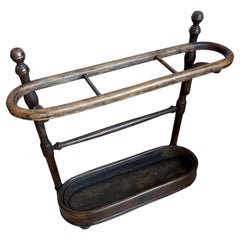
Antique Oval Brass Bound Barrel Umbrella Stick Stand C1810 19th Century
Located in London, GB
This is an elegant George III antique solid oak brass bound walking stick stand, circa 1810 in date
Brass
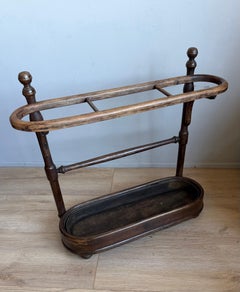
$1,452
H 26.5 in W 28.3 in D 8.8 in
Antique Fischel Bentwood Umbrella and Stick Stand, Austria-Hungary, circa 1920
Located in Lisse, NL
and walking stick stand attributed to DG Fischel & Son, dating from the early decades of the 20th
Zinc
$1,178
H 21.66 in W 11.42 in D 9.85 in
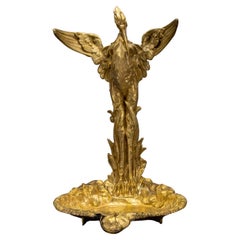
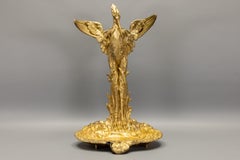
French Art Nouveau Style Umbrella or Cane Stand with Heron Motif, ca. 1950s
Located in Barntrup, DE
A sculptural French Art Nouveau–style umbrella and walking stick stand, combining elegant heron
Metal, Brass, Bronze, Iron
$944
H 30.32 in W 15.56 in D 7.09 in
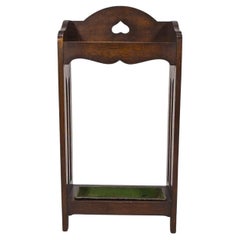
Liberty & Co., An Arts & Crafts Oak Walking Stick & Umbrella Stand
By Liberty & Co.
Located in London, GB
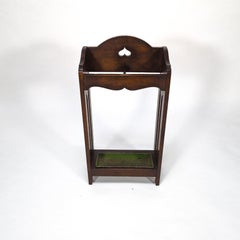
Liberty & Co. An Arts and Crafts oak walking stick and umbrella stand with a single pierced heart
Oak
$1,322
H 30.32 in Dm 12.21 in
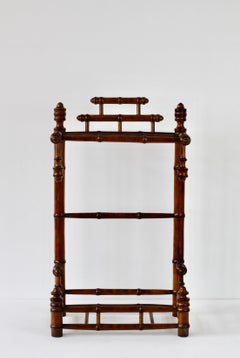
ANTIQUE EDWARDIAN HAND CARVED ENGLISH OAK WALKING STiCK OR UMBRELLA STAND
Located in West Sussex, Pulborough
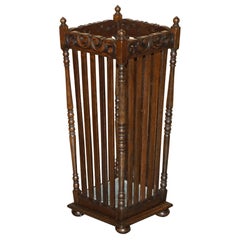
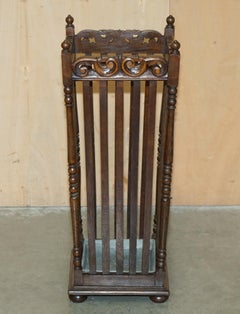
hand carved oak walking stick or umbrella stand Please note the delivery fee listed is just a guide
Oak
$1,816
H 26.97 in W 17.72 in D 9.85 in
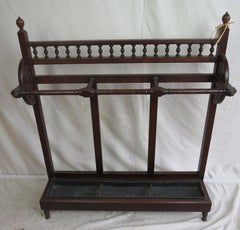
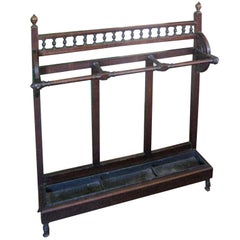
Early Turned Wooden Umbrella Stand / Walking Stick Rack Germany, circa 1900
Located in Landau an der Isar, Bayern
umbrella stand would also make a wonderful holder for a collection of antique walking sticks. Really
Wood, Beech
$3,000
H 36.5 in W 41.5 in D 8.5 in
Turn of the 20th Century Edwardian Mahogany Walking Stick and Umbrella Stand
Located in Nantucket, MA
bay stick stand with tray is crafted from Mahogany with turned and incised elements throughout. Tin
Tin
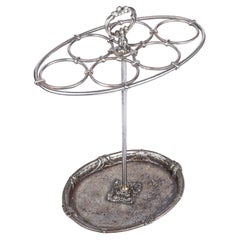
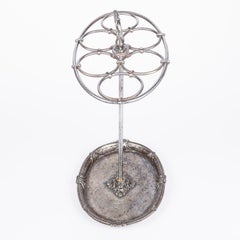
Cast iron oval stick & umbrella stand
Located in London, GB
A late 19th century cast iron oval hallway walking stick and umbrella stand. Six circular stick
Iron
$696
H 35.2 in W 5.4 in D 1 in
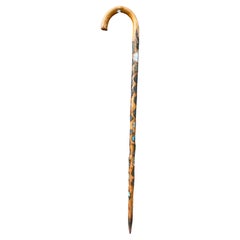
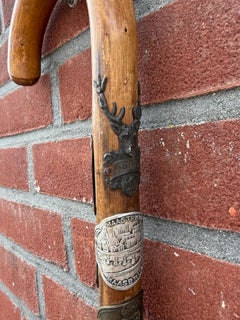
Vintage European Souvenir Walking Stick with Travel Badges, Mid-20th Century
Located in Lisse, NL
Historic Walking Stick Adorned with Mid-Century European Tourist Plaques. This charming hand
Brass
$1,246
H 8.67 in W 28.35 in D 5.32 in
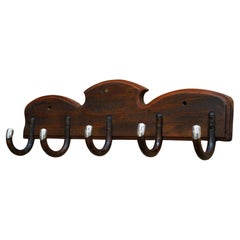
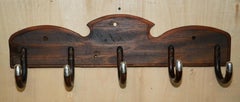
ANTIQUE ViCTORIAN STERLING SILVER MOUNTED LONDON MADE WALKING STICK COAT RACK
Located in West Sussex, Pulborough
Sterling Silver mounted Walking stick coat rack A very good looking well made and decorative coat wall
Sterling Silver
Victorian Brass Stick or Umbrella Stand, English circa 1880
Located in Lincoln, Lincolnshire
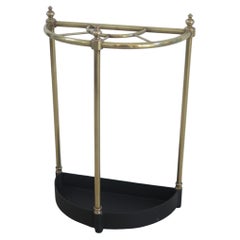
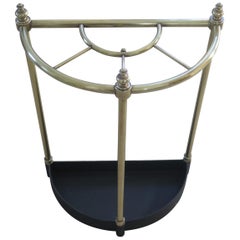
This is a good quality Victorian brass walking stick or umbrella stand, dating to the late 19th
Brass, Metal
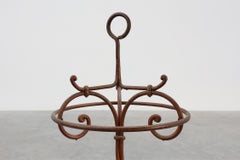
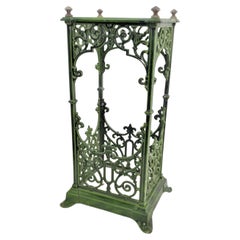
Antique cast iron umbrella stand, France ca. 1900
Located in Meulebeke, BE
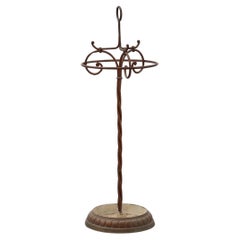
and walking stick holder. Crafted in France in the early 20th century. This elegant and practical
Iron
$1,795
H 25.25 in W 13.25 in D 11 in
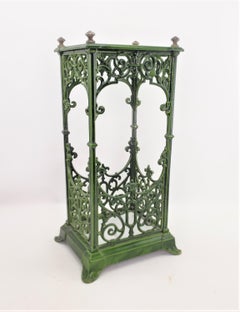
Antique Green Enameled Cast Iron Cane or Umbrella Stand with Brass Accents
Located in Hamilton, Ontario
This antique walking stick or umbrella stand is unsigned, but presumed to have originated from
Iron

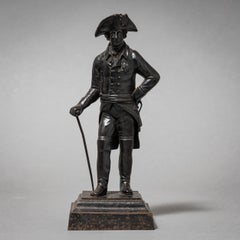
Berlin Iron Statuette, Frederick the Great, Early 19th Century
Located in Greding, DE
-1786) in uniform with tricorn hat, walking stick, and sword. The figure stands on a tiered base and
Berlin Iron
Unavailable
H 32 in W 32 in D 13 in
Lovely and Rare Country House Leather Umbrella/Walking Stick Stand
Located in Darwen, GB
A lovely & rare country house leather umbrella/walking stick Stand. Having a raised back with brass
Leather
Unavailable
H 24.5 in W 19.5 in D 9 in
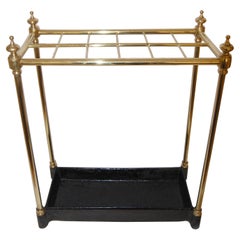
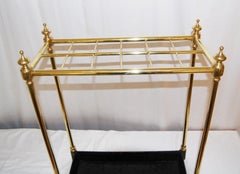
English Edwardian Brass and Iron Umbrella Stand or Walking Stick Stand
Located in Wells, ME
English Edwardian brass and cast iron umbrella or stick stand with removable drip pan. This large
Brass, Iron, Tin
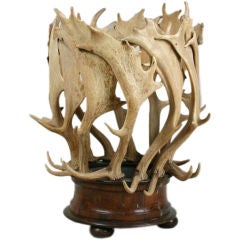
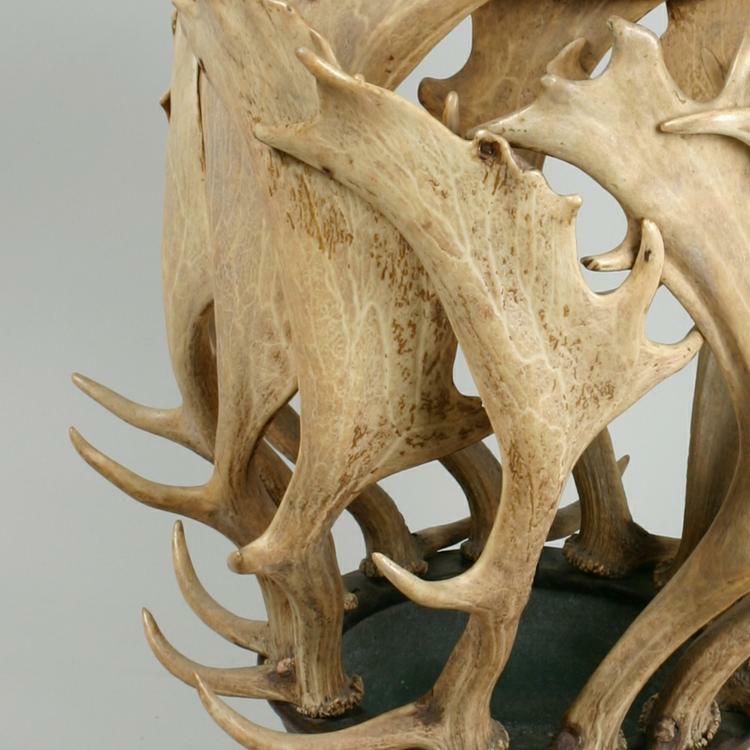
Antler and oak stick stand
Located in London, GB
An unusual 19th century stag antler country house walking stick stand, circular oak base and bun
Oak, Antler
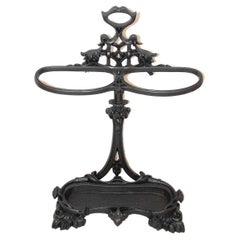
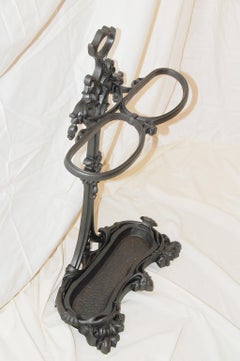
Unavailable
H 29 in W 20.5 in D 9 in
English Victorian Cast Iron Umbrella Stand, Walking Stick or Cane Stand
Located in Wells, ME
English cast iron victorian umbrella, cane or walking stick stand with separate cast iron drip pan
Iron
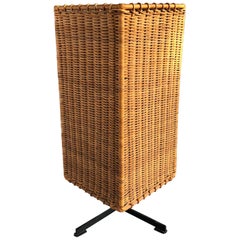

Wicker Umbrella Stand, Hungary, 1970s
Located in BUDAPEST, HU
Nice condition handmade wicker umbrella or walking stick stand. Hungary, 1970s.
Wicker
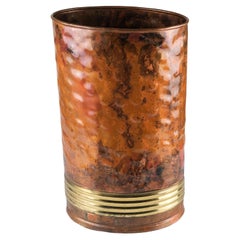
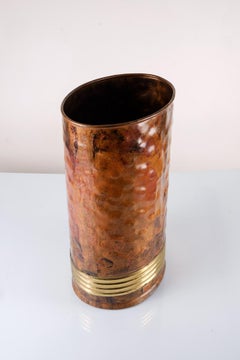
Hand Hammered Copper & Brass Umbrella Stand, Italy
Located in Lugano, TI
Hand hammered copper and brass umbrella/walking stick stand. Manufactured by Ar.Ven, Italy
Brass, Copper
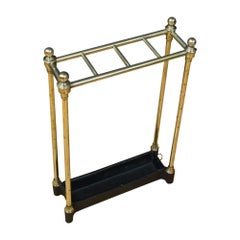
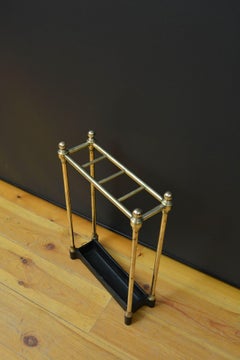
Victorian Brass Umbrella Stand
Located in Whaley Bridge, GB
J040 19th century brass umbrella stand / walking stick stand with four divisions, ball finials and
Brass
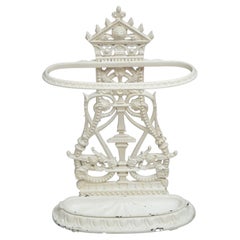
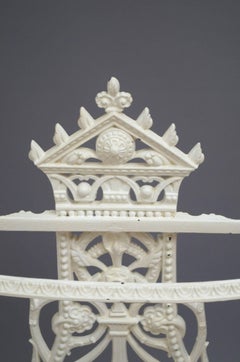
Victorian Cast Iron Umbrella Stand
Located in Whaley Bridge, GB
Sn5195 Aesthetic Movement cast iron umbrella stand / walking stick stand in the manner of
Iron
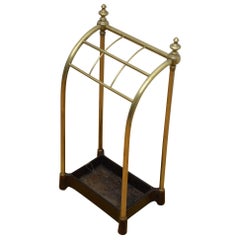
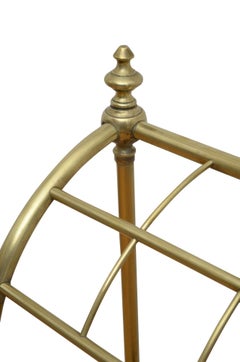
English Victorian Brass Umbrella Stand
Located in Whaley Bridge, GB
K0264 English brass umbrella stand / walking stick stand round form with six divisions, two
Brass
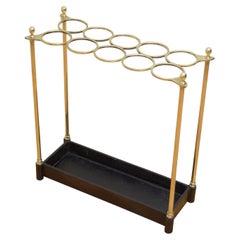

Rare English Victorian Brass Umbrella Stand
Located in Whaley Bridge, GB
K0247 Exceptional Victorian brass umbrella stand / walking stick stand of large form having ten
Brass
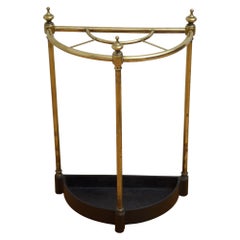
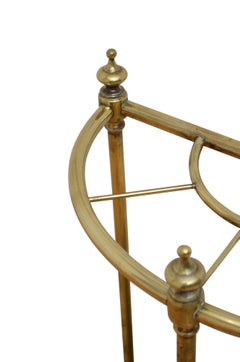
English Victorian Demi Lune Umbrella Stand
Located in Whaley Bridge, GB
K0266 English Victorian brass umbrella stand or walking stick stand with five divisions, three
Brass
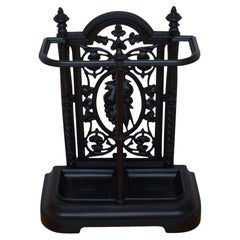
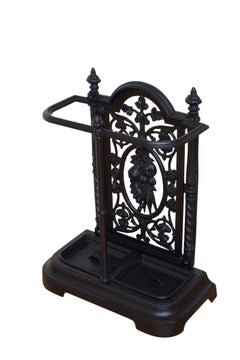
English Victorian Cast Iron Umbrella Stand
Located in Whaley Bridge, GB
K0386 Attractive Victorian umbrella stand / walking stick stand in cast iron with intricate pierced
Iron
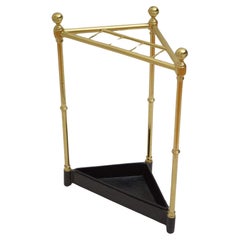
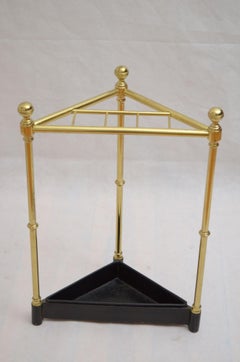
Rare Victorian Corner Umbrella Stand
Located in Whaley Bridge, GB
k0285 Rare Victorian corner umbrella stand or walking stick stand in brass, having six compartment
Brass
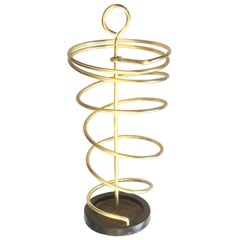
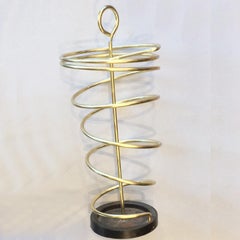
Midcentury German Hall Stand Walking Stick or Cane Stand
Located in Daylesford, Victoria
Midcentury umbrella stand 1960s German space race, spiral bronze rod tapering upward, with lower
Unavailable
H 38.19 in Dm 13 in
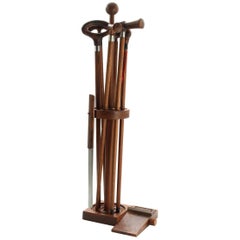
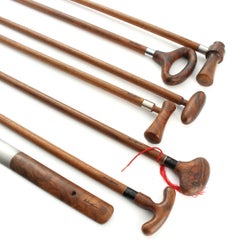
Richard Nissen Unique Set of Six Walking Sticks, Stand and Bootjack with Scraper
By Richard Nissen
Located in London, GB
Unique teak walking stick / cane stand with six walking canes with Caucasian walnut handles
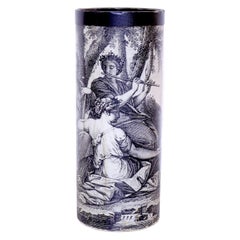

Vintage Umbrella / Walking Stick Stand
Located in London, GB
Vintage umbrella / walking stick stand depicting a Neo Classical black and white design topped
Plywood
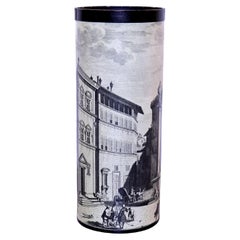

Vintage Umbrella / walking stick stand
Located in London, GB
Vintage umbrella / walking stick stand depicting a Neo Classical black and white design finished
Plywood, Leather
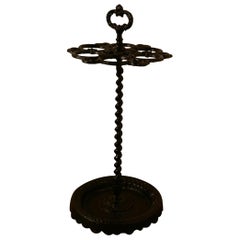
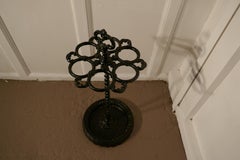
French Cast Iron Walking Stick Stand or Umbrella Stand
Located in Godshill, Isle of Wight
A French cast iron walking stick stand or umbrella stand A charming piece, the round stand is
Iron
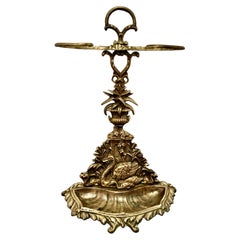

Art Nouveau Cast Iron Brass Walking Stick Stand, Swans
Located in Godshill, Isle of Wight
Art Nouveau cast iron brass walking stick stand, Swans. A charming piece with an unusual shape
Brass
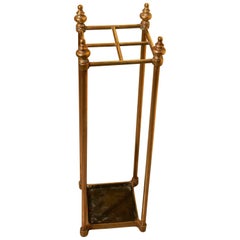

Victorian Brass and Cast Iron Walking Stick Stand or Umbrella Stand
Located in Godshill, Isle of Wight
A Victorian brass and cast iron walking stick stand or umbrella stand A charming piece, the
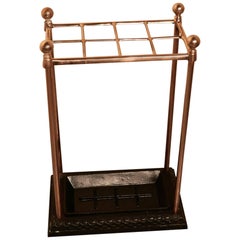
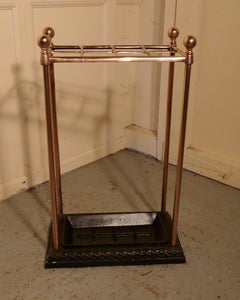
Victorian Copper and Cast Iron Walking Stick Stand or Umbrella Stand
Located in Godshill, Isle of Wight
A Victorian copper and cast Iron walking stick stand or umbrella stand A charming piece, the
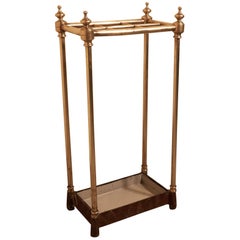

Victorian Brass and Cast Iron Walking Stick Stand or Umbrella Stand
Located in Godshill, Isle of Wight
Victorian brass and cast iron walking stick stand or umbrella stand A charming piece, the stand
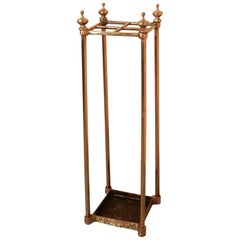

Victorian Brass and Cast Iron Walking Stick Stand or Umbrella Stand
Located in Godshill, Isle of Wight
A Victorian brass and cast iron walking stick stand or umbrella stand A charming piece, the
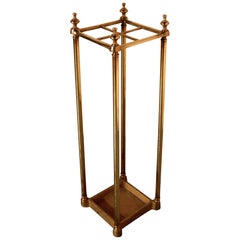

Victorian Brass and Cast Iron Walking Stick Stand or Umbrella Stand
Located in Godshill, Isle of Wight
A Victorian brass and cast iron walking stick stand or umbrella stand A charming piece, the
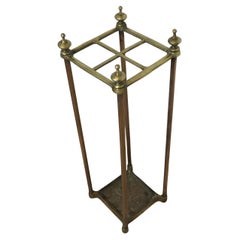

A Victorian Brass Walking Stick Stand or Umbrella Stand A charming piece
Located in Godshill, Isle of Wight
A Victorian Brass Walking Stick Stand or Umbrella Stand A charming piece, the stand is made all in
Brass
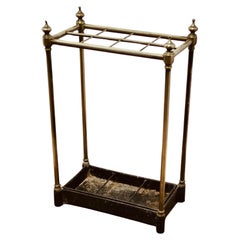
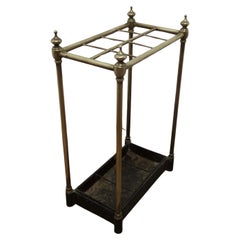
Victorian Brass and Cast Iron Walking Stick Stand or Umbrella Stand
Located in Godshill, Isle of Wight
Victorian Brass and Cast Iron Walking Stick Stand or Umbrella Stand A charming piece, the stand
Brass
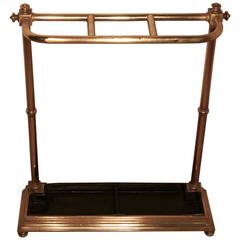
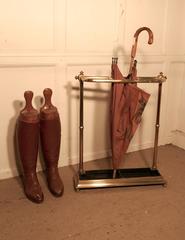
Victorian Brass and Cast Iron Walking Stick Stand or Umbrella Stand
Located in Godshill, Isle of Wight
A Victorian brass and cast iron walking stick stand or umbrella stand A charming piece it has
Brass
Sold
H 26 in W 11.5 in D 11.5 in
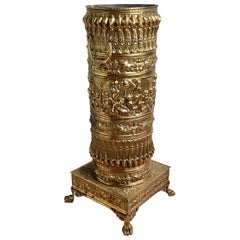
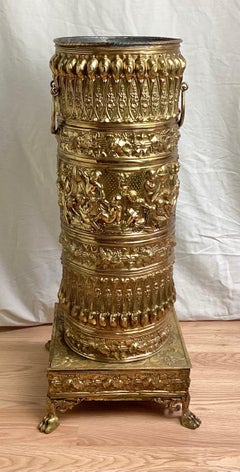
Mid-19th Century Victorian Brass Repoussé Umbrella or Walking Stick Stand
Located in Lambertville, NJ
Mid-19th Century Victorian Brass Repoussé Umbrella or Walking Stick Stand. The base is square with
Brass
A Victorian Brass and Cast Iron Walking Stick Stand or Umbrella Stand
Located in Godshill, Isle of Wight
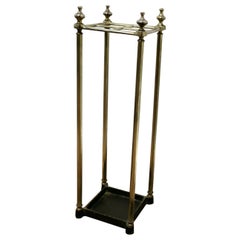
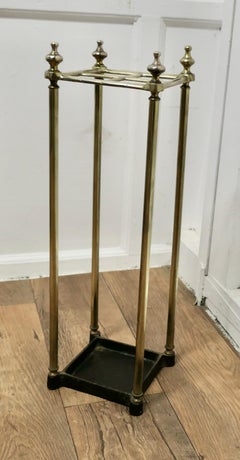
A Victorian Brass and Cast Iron Walking Stick Stand or Umbrella Stand A charming piece, the stand
Brass
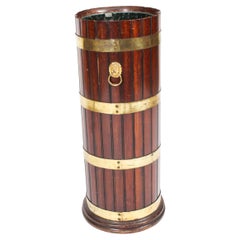
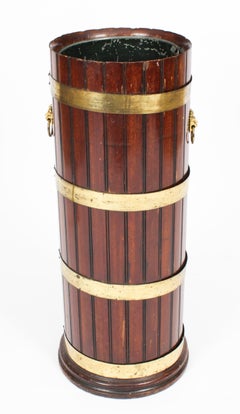
Antique Brass Bound Umbrella Walking Stick Stand, 19th Century
Located in London, GB
This is an elegant antique Victorian brass bound mahogany walking stick stand, circa 1870 in date
Brass, Ormolu
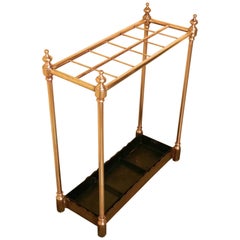
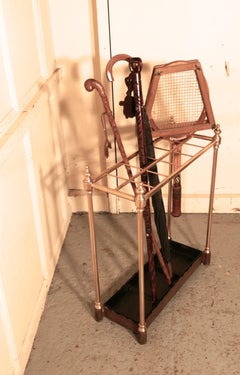
Large Victorian Brass and Cast Iron Walking Stick Stand or Umbrella Stand
Located in Godshill, Isle of Wight
Large Victorian brass and cast iron walking stick stand or umbrella stand. A charming piece and
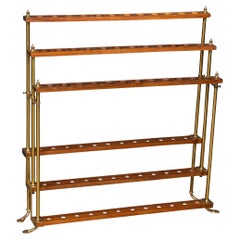

Sold
H 29.93 in W 24.02 in D 11.03 in
Antique 20th Century Edwardian English Oak & Brass Walking Stick Stand c.1910
Located in Royal Tunbridge Wells, Kent
Antique early 20th Century Edwardian walking stick stand. Made from solid oak, with brass feet and
Brass
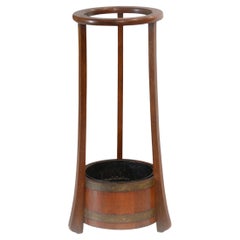

Teak Umbrella and Walking Stick Stand by R.A. Lister & Co, England
Located in Castle Douglas, GB
Teak Umbrella or Walking Stick Stand by R.A. Lister Brass bound barrel base with a trio of supports
Teak
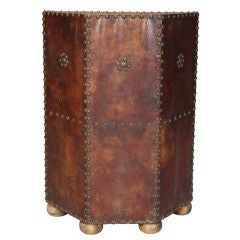

Leather and Brass Umbrella and Walking Stick Stand
Located in Troy, MI
Late 19th century / early 20th century English walking stick / umbrella stand. Base of wood
Brass
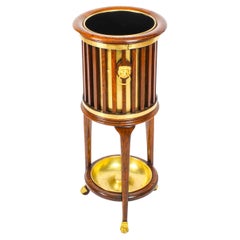

Antique Oak Brass Bound walking Stick Stand 19th Century
Located in London, GB
This is an elegant antique Victorian solid oak brass bound walking stick and umbrella stand, circa
Brass, Ormolu
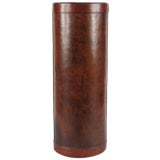
LEATHER UMBRELLA STAND.
Located in Buchanan, MI
Handsome English leather umbrella or walking stick stand.
Leather
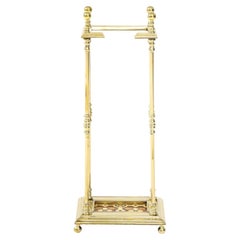

English Brass and Tile Umbrella Stand
Located in Greenwich, CT
Fine late 19th century Aesthetic Movement brass and tile umbrella or walking stick stand, having
Brass


English Brass Umbrella Stand
Located in High Peak, GB
0251 English vintage brass umbrella stand or walking stick stand, having five compartments, three
Brass
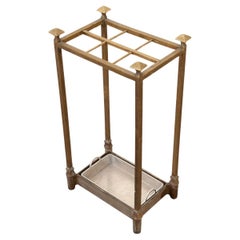

French Vintage Brass Umbrella Stand
Located in Baton Rouge, LA
A vintage, brass segmented umbrella or walking stick stand made in France. This stand consists of 6
Brass, Steel
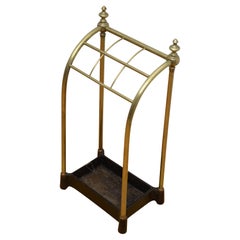

English Victorian Brass Umbrella Stand c1880
Located in High Peak, GB
P0264 English brass umbrella stand / walking stick stand round form with six divisions, two
Brass, Iron
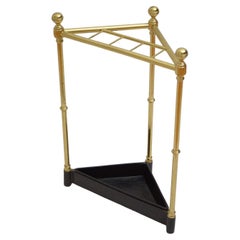
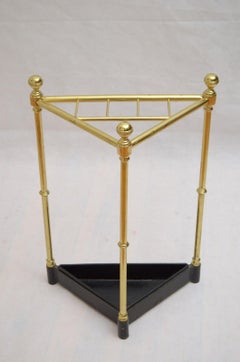
Rare Victorian Corner Umbrella Stand with Serial Number Stamp
Located in High Peak, GB
P0285 Rare Victorian corner umbrella stand or walking stick stand in brass, having six compartment
Brass, Iron
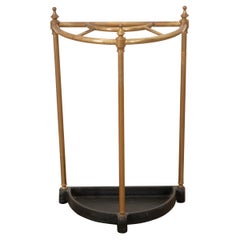

French Vintage Demilune Umbrella Stand
Located in Baton Rouge, LA
A classic vintage French demi lune brass umbrella or walking stick stand. Elegant and well made
Brass, Iron
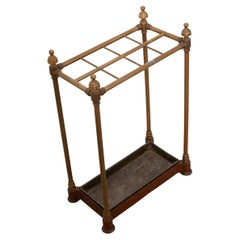

French Vintage Brass Umbrella Stand
Located in Baton Rouge, LA
A classic vintage French segmented brass umbrella or walking stick stand. Elegant and well made
Brass, Iron
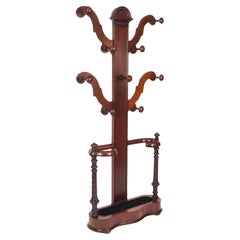
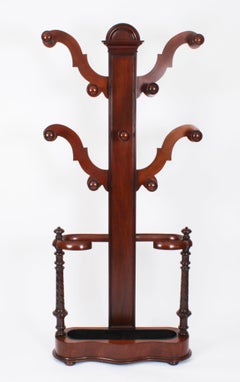
Sold
H 79.53 in W 33.08 in D 10.24 in
Antique Victorian Mahogany Hall Tree Umbrella Hat Coat Stand 19th Century
Located in London, GB
features four branches and nine turned coat hooks, above a serpentine umbrella /walking stick stand with an
Mahogany
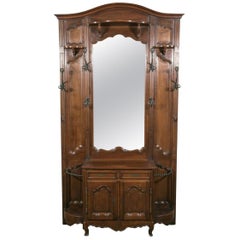

Sold
H 103 in W 57 in D 14 in
Grand 19th Century French Louis XV Style Walnut Hall Tree with Storage Cabinet
Located in Birmingham, AL
Grand 19th century French Louis XV style carved hall tree with umbrella or walking stick stands
Walnut
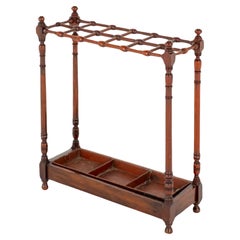
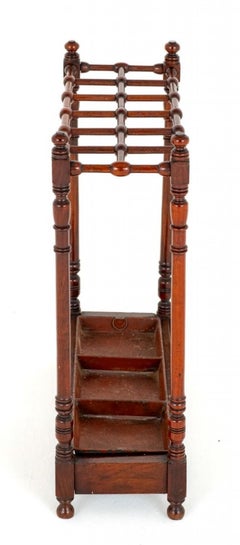
Victorian Stand Walking Stick Umbrella Hallway 1860
Located in Potters Bar, GB
Unusual Victorian mahogany Stick Stand. Circa 1860 This Stick Stand Features Turned Supports and an
Mahogany
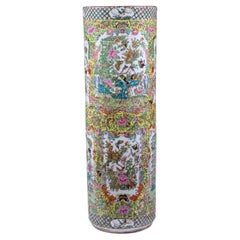
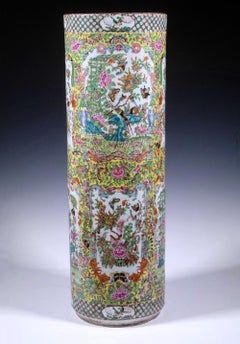
Chinese Export Porcelain Rose Medallion Umbrella or Cane Holder Stand
Located in Downingtown, PA
Walking Stick Stand is of a tall cylindrical form with cartouches containing floral and figurative
Porcelain

Sold
H 31.5 in W 17.72 in D 17.72 in
Walking Stick or Umbrella Stand, Mahogany Wood, Metal, 20th Century
Located in Madrid, ES
Walking stick or umbrella stand. Mahogany wood, metal. 20th century. Furniture to hold canes and
Metal

Sold
H 33.47 in W 35.24 in D 11.23 in
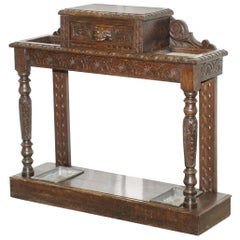
Stunning Original Greenman Carved Solid English Oak Walking Stick Umbrella Stand
Located in West Sussex, Pulborough
We are delighted to offer for sale this lovely handmade in England Greenman carved walking stick
Oak

Sold
H 21.26 in W 13 in D 7.49 in
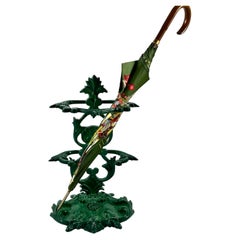
Vintage Umbrella Stand Victorian Cast Iron Hat Rack Walking Stick Storage France
Located in Bastogne, BE
Umbrella Stand Enamelled Cast Iron Ornate Home Storage Walking Stick. Manufactured in France
Enamel, Steel
Sold
H 38.59 in W 1.19 in D 5.71 in
Antique Gentleman's Walking Stick, English, Coromandel, Silver, Cane, Edwardian
Located in Hele, Devon, GB
This is an antique gentleman's walking stick. An English, coromandel and silver cane with hallmarks
Silver
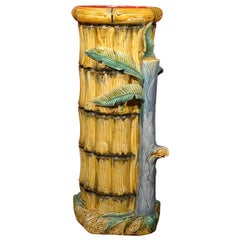
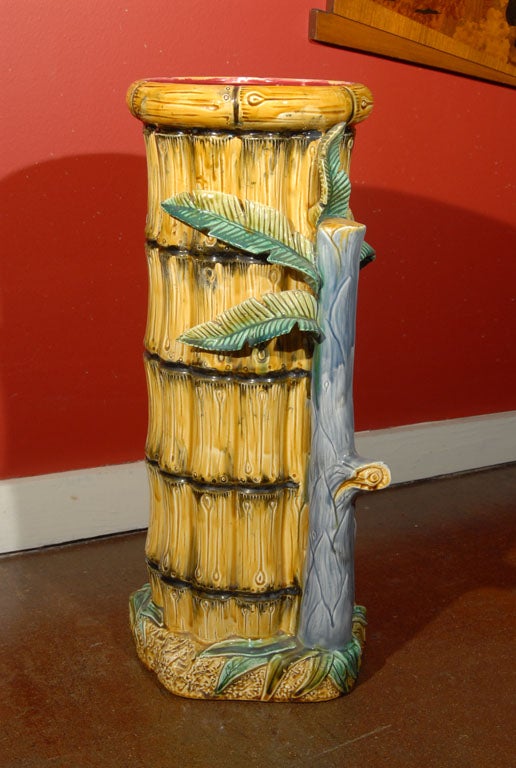
Majolica or Bamboo Umbrella or Stick Stand from France by Onnaing
By Onnaing
Located in Austin, TX
A Majolica or Barbotine umbrella or stick (walking cane) stand with a bamboo design by the
Ceramic, Majolica, Earthenware
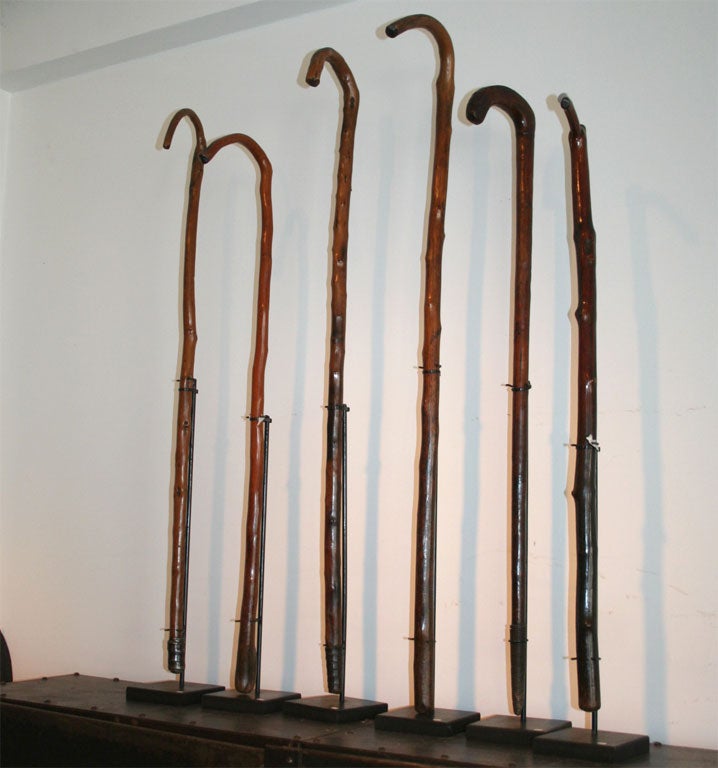
A Ethiopian Geriba walking stick on stand.
Located in New York, NY
A collection of Ethiopian walking sticks. Sizes vary. - priced indiv.-
Wood
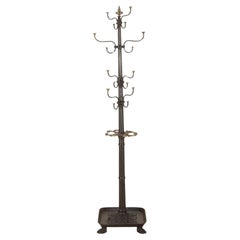
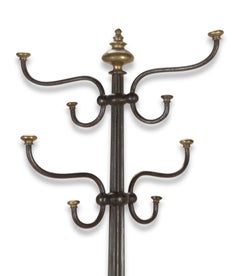
19th Century English Cast Iron Coat and Hat Stand
Located in Tetbury, Gloucestershire
top and a turned brass finial. Also incorporating a walking stick/umbrella stand and storage section
Brass, Iron
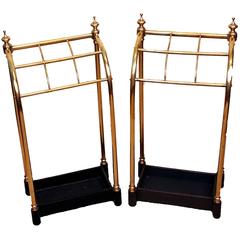

Antique Victorian Pair Brass Stick Stands
Located in Bedfordshire, GB
A Rare Pair Of Late 19th Century Brass Walking Stick, Or Umbrella, Stands Having Unusual Curved
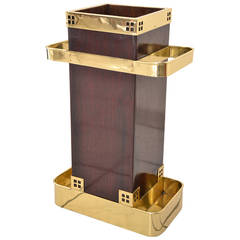

Umbrella and Walking Stick Stand
Located in Wien, AT
Rare oak and brass umbrella and walking stick stand. Brass, polished and stove enamelled.
Brass
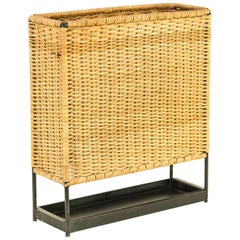

Auböck Umbrella and Walking Stick Stand
By Werkstätte Carl Auböck
Located in Wien, AT
Auböck umbrella and walking stick stand Original condition.
Metal
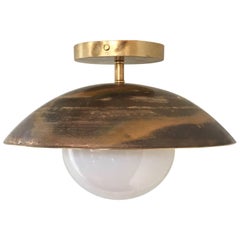
Sasco Semi-Flush Mount Brass Light Fixture, Custom Finishes
Located in Pound Ridge, NY
The Sasco is a versatile custom-made solid brass and glass globe light fixture, which can be mounted on the ceiling or wall. Shown here in our factory brass, an uneven unfinished br...
Brass
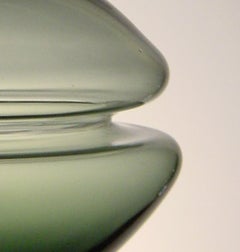
$1,100 / item
H 8 in Dm 10 in
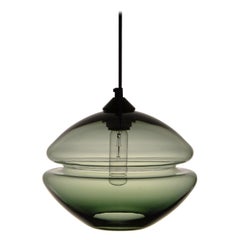
Groove Series Green Low Pod Pendant Customizable Modern Handmade Glass Lighting
By Furthur Design
Located in New York, NY
These hanging lights feature an embedded groove that offers a precise, machine-made quality to offset these otherwise wholly handmade creations. Whether showcased individually, as an...
Blown Glass
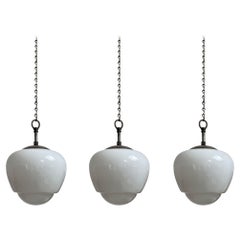
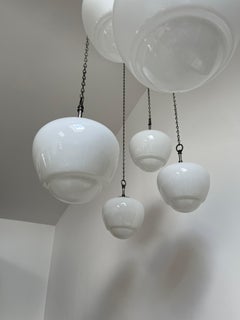
$1,246 / item
H 13.39 in W 10.63 in D 10.63 in
Set Antique Vintage Acorn Opaline White Milk Glass Ceiling Pendant Light Lamp
Located in Sale, GB
- A fabulous run of church opaline acorn pendant lights with steel galleries, circa 1950. - Wear commensurate with age, all in excellent condition, the steel galleries are aged worn...
Glass
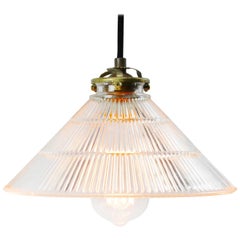
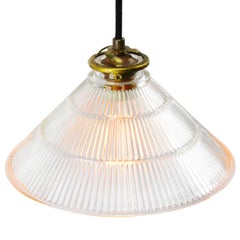
Holophane Glass Vintage Industrial Pendant Lights
Located in Amsterdam, NL
Vintage French Holophane glass lampshades. 2 meter / 80" black cotton wire. Weight: 1.20 kg / 2.6 lb Priced per individual item. All lamps have been made suitable by internati...
Metal
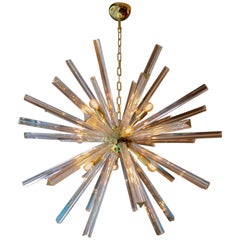
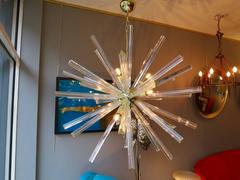
Large Murano Sputnik Chandelier
Located in London, GB
A large sputnik chandelier in brass and Murano glass, with 9 light fittings. A contemporary piece also available in chrome finish
Brass
$2,000 / item
H 8.5 in Dm 17.5 in
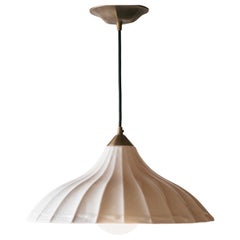
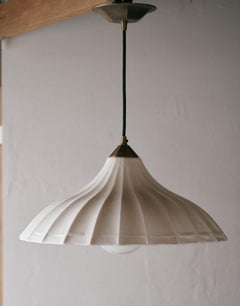
Vintage Inspired Handcrafted Fluted Farmhouse Porcelain Pendant Light
By DBO Home
Located in Sharon, CT
Classic, elegant, with a perfectly imperfect touch. We just love our new porcelain Parasol Fluted Pendants. Inspired by a vintage pie cover, we designed them to hang over our kitchen...
Brass
$3,864 / item
H 37.8 in Dm 25.2 in
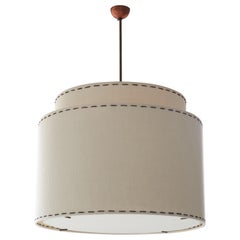
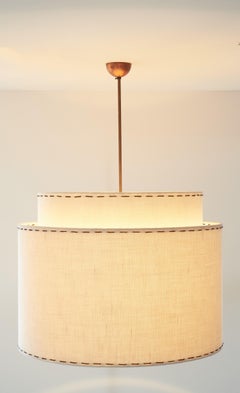
Joe 640 Tailored Minimal 20th Century Inspired Pendant Light by Wende Reid
By Wende Reid
Located in Chatswood, NSW
This Classic, tailored pendant light, inspired by menswear, is reminiscent of 1940s style and the early simplicity of Art Deco. Also available as a flush mount, its clean geometric s...
Brass
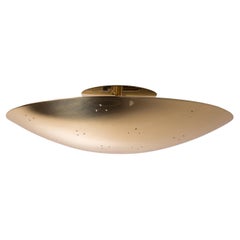

Raul Reyes 'Rey 14' Perforated Brass Dome Ceiling Lamp
By Paavo Tynell, Lisa Johansson-Pape
Located in Glendale, CA
Raul Reyes 'Rey 14' Perforated brass dome ceiling lamp. Hand-fabricated in Los Angeles, these highly refined ceiling lamps are reminiscent of the iconic mid-century Finnish designs...
Brass
$348
H 26.78 in W 3.55 in D 0.79 in
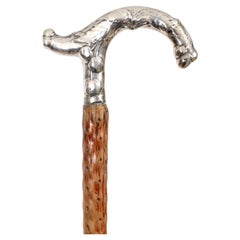
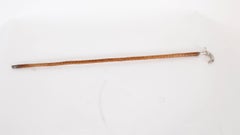
Antique Victorian Silver Plated Child's Walking Stick Cane 19th Century
Located in London, GB
This is a beautiful antique Victorian silver plated child's walking stick, circa 1890 in date The striking stick features an ornate silver crutch handle having a profusely embossed ...
Silver Plate
Pretty Vintage Aubusson Style Jacquard Tapestry
Located in Saint Ouen, FR
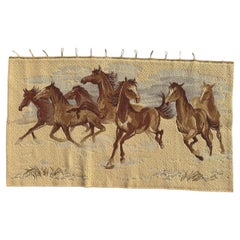
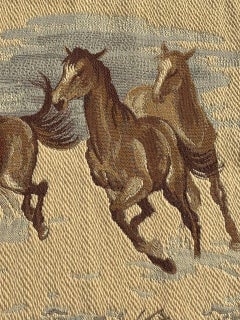
Beautiful vintage French Aubusson style tapestry with a nice design of the horses ,and with beautiful colours, entirely woven with wool And cotton on Jacquard looms ✨✨✨ "Experience ...
Wool, Cotton

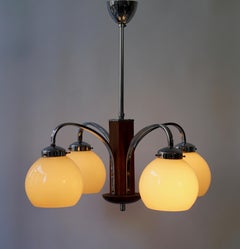
Art Deco Chandelier in Glass And Wood
Located in Antwerp, BE
Art Deco four-arms pendant light in glass and wood. It requires 4 x E27 screw base bulbs or LEDs. This fixture can be worked in any country of the world although it may be necessary ...
Metal, Chrome
$2,845
H 7.09 in Dm 5.12 in
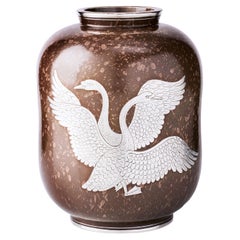
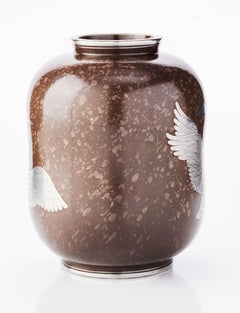
Brown and Silver "Argenta" Vase by Wilhelm Kåge made in 1938 from Gustavsberg
By Gustavsberg, Wilhelm Kage
Located in Stockholm, SE
A rare and early example from Wilhelm Kåge’s iconic Argenta series, produced at the Gustavsberg porcelain factory in 1938. Crafted in stoneware with an unusual mottled brown glaze — ...
Stoneware
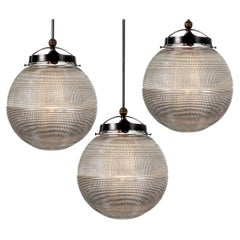
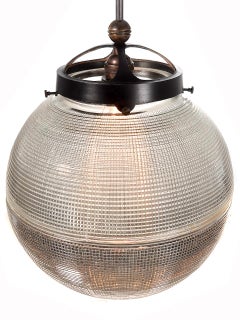
12 Inch Diameter Prismatic Globe Pendants
Located in Peekskill, NY
These prismatic globes have an impressive one foot diameter. Iney have the look and feel of an early French street light but in a more manageable size. We have a small collection of ...
Glass
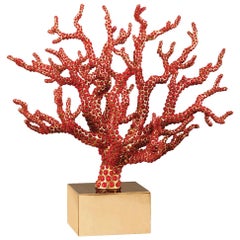
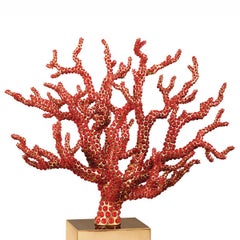
Red Coral Sculpture
Located in Paris, FR
Sculpture red coral handcrafted sculpture with more than 800 red cabochons hand-placed. With structure and base in solid brass gold-plated 24-karat. Exceptional piece in limited ed...
Coral, Gold Plate, Brass
$1,994
H 36.62 in W 18.51 in D 13 in
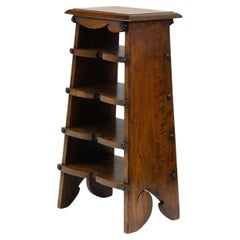
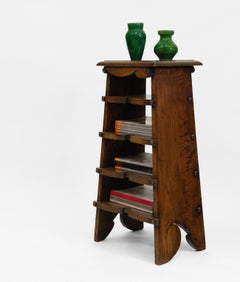
American Arts & Crafts Oak Paper Rack Shelves In The Charles Rohlfs Manner
By Charles Rohlfs
Located in Norwich, GB
Unusual American Arts & Crafts oak paper rack shelves in the Charles Rohlfs manner. Circa 1900. Made in solid oak, the shelves have a sinuous design frieze to each side. The she...
Oak
$1,800
H 30.71 in W 59.85 in D 26.78 in
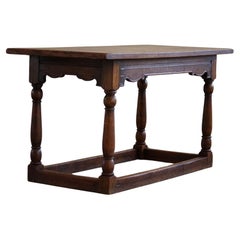
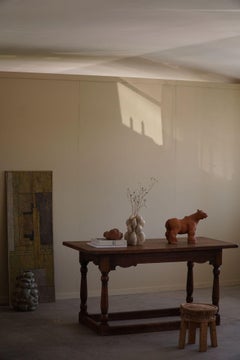
Danish Cabinetmaker, Desk / Dining Table in Oak, Baroque Style, 1970s
By Rud Rasmussen, Martin Nyrop
Located in Odense, DK
This piece is a versatile desk or small dining table crafted in oak, showcasing the elegance of Baroque style with a touch of mid-century modernity. Made in the 1970s by a Danish cab...
Oak
When it’s raining, you’re going to need an umbrella, and that wet umbrella is going to need a home. In the range of vintage, new and antique umbrella stands on 1stDibs, find patio umbrella stands made for the outdoors and luxury iterations intended to pair with your coat rack and add a dose of character to your entryway.
Modern umbrellas originated as parasols or sunshades for the upper classes in Ancient Egypt, Ancient India and elsewhere, with the accessory undergoing significant improvements, which included waterproofing, in China thereafter. The Chinese created collapsible accessories and applied wax and lacquer to paper parasols, which repelled rain during thunderstorms. As umbrellas saw widespread adoption over the years, we suddenly needed a place to put them.
African-American inventor William C. Carter of Cincinnati, Ohio, patented the first umbrella stand in 1885. His receptacle featured horizontal crossbars with hinged ends that allowed for umbrellas to be spring-locked into place. Carter hoped his idea would prevent theft of umbrellas and canes as well as present an orderly solution for storing them. It could hold more than one umbrella and contained a drip pan to catch rainwater. Today, antique umbrella stands are rich components of home decor — they’re among the first furnishings you see when you enter someone’s house or apartment — and those stemming from Carter’s day are precious collector’s items.
While preliminary umbrella stands were simple (no more than two posts and a rack to hold several umbrellas), furniture makers embellished their interpretations, adding decorative flourishes and improving upon its features over time.
On 1stDibs, a collection of antique 19th-century umbrella stands includes structures made of oak, walnut and more. There are understated Victorian-era umbrella stands made of brass that comprise little more than four tubular metal supports and cast-iron drip pans, while iterations dating from the same era made from mahogany feature distinctive hand-carvings on their side panels or ornate finials. If they’re not cast-iron umbrella stands, a (sometimes removable) cast-iron drip pan at the very least is a fairly consistent characteristic of the stands of the era.
Mid-century modern furniture designers explored venturesome forms and worked with a variety of materials to craft their umbrella stands, integrating metals such as aluminum and introducing glass and even marble to these pieces. Umbrella stands crafted by contemporary furniture makers often depart from their historical counterparts. While a sampling of today’s iterations demonstrate that creators are making umbrella stands in a variety of shapes and sizes, they’re frequently embodying clean lines and minimalist flourishes, which are perhaps a good fit if you don’t intend for your rack to stand out in your foyer or entryway.
If you’re looking to make a statement with your patio umbrella stand or the piece you’re intending to keep indoors, a vintage ceramic umbrella stand will introduce a pop of color or a dazzling texture to your doorstep or to the neutral color palette that characterizes your entryway.
While umbrella stands have seen an evolution of design over the years, their usefulness hasn’t changed a bit. Browse a collection of antique, new and vintage umbrella stands today on 1stDibs.
Produced in 1843, the well-preserved volume is evidence of the author's exacting specifications.
New or old, the coverlets add old-time charm to any space.
Get into the games! These items celebrate the events, athletes, host countries and sporting spirit.
French trendsetter and serial collector Daniel Rozensztroch tells us about his obsession with objects related to seafaring men.
It's hard to resist the allure of a beautiful pool. So, go ahead and daydream about whiling away your summer in paradise.
The sought-after designer worked with the team at Hoffman Creative to produce a monograph that beautifully showcases some of Studio Shamshiri's most inspiring projects.
Italian writer and collector Umberto Pasti opens the doors to his remarkable cave of wonders in North Africa.
Hollywood A-listers, ex-pat aristocrats and art collectors and style setters of all stripes appreciate the allure of the coastal California hamlet — much on our minds after recent winter floods.