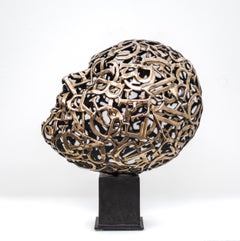
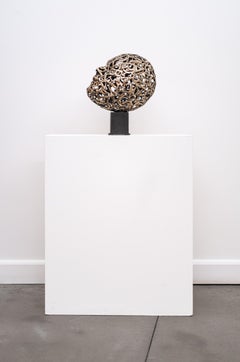
Sophist Tabletop Sculpture, Polished Bronze, 1/7 Edition, Contemporary
By Dale Dunning
Located in Bloomfield, ON
This contemporary tabletop sculpture is a mask forged from metal.
Category
2010s Contemporary Figurative Sculptures
Materials
Bronze
Sophist Tabletop Sculpture, Polished Bronze, 1/7 Edition, Contemporary
By Dale Dunning
Located in Bloomfield, ON
This contemporary tabletop sculpture is a mask forged from metal.
Bronze
$4,400
Noce - figurative, flora, hand-carved, Sienna Travertine stone sculpture
By Douglas Robinson
Located in Bloomfield, ON
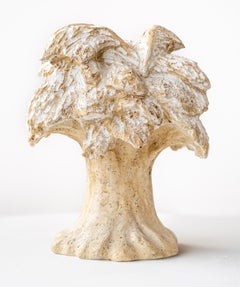
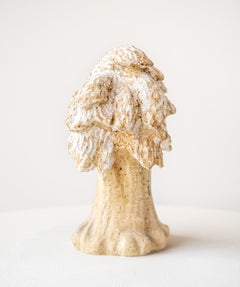
Hand carved from the richly marked cream-coloured Sienna Travertine marble, this contemporary tabletop sculpture of a walnut tree is by Doug Robinson.
Limestone
$2,500
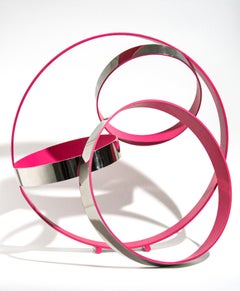
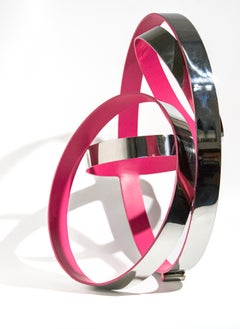
Four Ring Temps Zero Pink - geometric abstract, stainless steel sculpture
By Philippe Pallafray
Located in Bloomfield, ON
Hot pink pops from the interior of four intersecting polished stainless-steel rings in this contemporary tabletop sculpture by Quebec artist Philippe Pallafray.
Stainless Steel
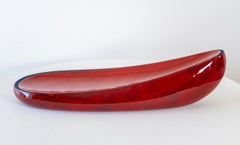
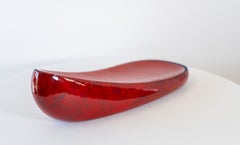
Slider - contemporary, handmade, abstract, ceramic tabletop sculpture
By Steven Heinemann
Located in Bloomfield, ON
This contemporary tabletop vessel is by Steven Heinemann.
Ceramic
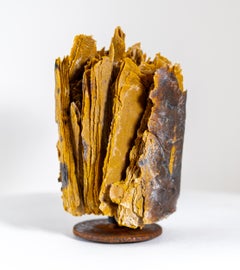
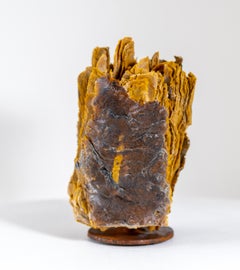
$3,800
Transition - contemporary, textured, layered glass, tabletop sculpture
By Cheryl Wilson Smith
Located in Bloomfield, ON
This contemporary glass sculpture inspired by nature is designed as a tabletop piece.
Glass
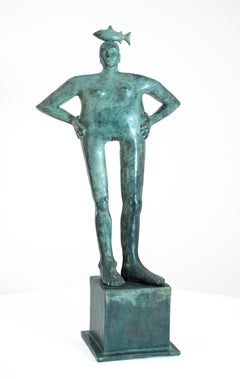
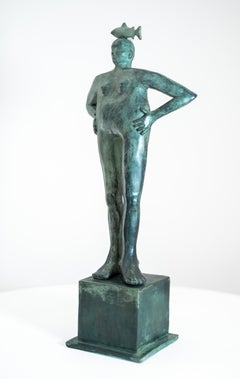
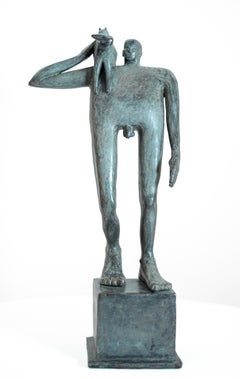
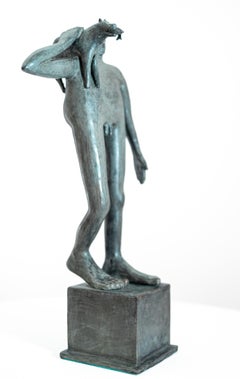
Perch - contemporary, figurative, bronze, indoor tabletop sculpture
By Susan Valyi
Located in Bloomfield, ON
This indoor tabletop figurative sculpture, which includes a fish, is forged from bronze and is patinated. The award-winning sculptures of Susan Valyi were often created from an imag...
Bronze
Fetch - contemporary, figurative, bronze, indoor tabletop sculpture
By Susan Valyi
Located in Bloomfield, ON
This indoor tabletop figurative sculpture includes a dog and is forged from bronze that is patinated. The award-winning sculptures of Susan Valyi were often created from an imaginat...
Bronze
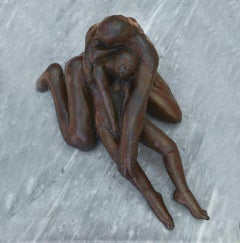
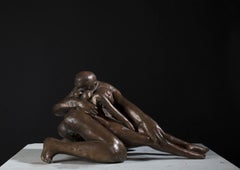
Pieta III - contemporary tabletop figurative bronze sculpture
By Lorenzo Vignoli
Located in San Francisco, CA
PIETA III by Lorenzo Vignoli contemporary bronze sculpture by Italian sculptor Lorenzo Vignoli based in Carrara, Italy Sculpture dimensions: 20in W x 14inch H x 9inch D 52cm W x 3...
Bronze, Metal
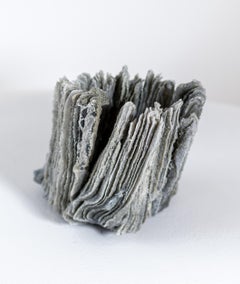
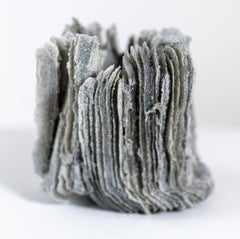
Growing Gracefully - contemporary, textured, layered glass, tabletop sculpture
By Cheryl Wilson Smith
Located in Bloomfield, ON
This contemporary glass sculpture inspired by nature is designed as a tabletop piece.
Glass
$8,000
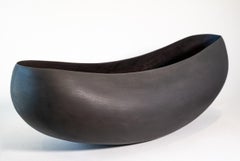
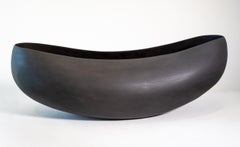
Terra Negra - contemporary, handmade, abstract, ceramic tabletop sculpture
By Steven Heinemann
Located in Bloomfield, ON
This contemporary ceramic black bowl is by Steven Heinemann. For the celebrated Canadian ceramicist Steven Heinemann, the humble shape of a bowl has always been an endless source of...
Ceramic
$7,000
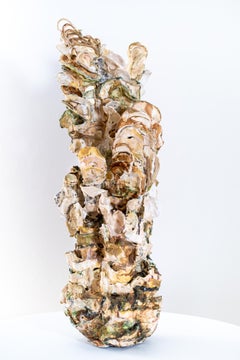
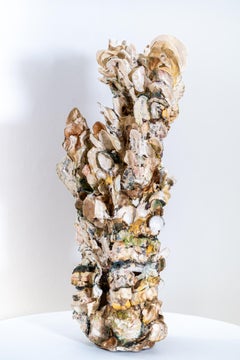
Traverse - contemporary, abstract, hand-sculpted, ceramic tabletop sculpture
By Susan Collett
Located in Bloomfield, ON
This stunning contemporary vessel was hand-built from clay by Susan Collett. Her intricately detailed vessels are sculptural and created by twisting, squeezing and shaping paper cla...
Ceramic
$3,200
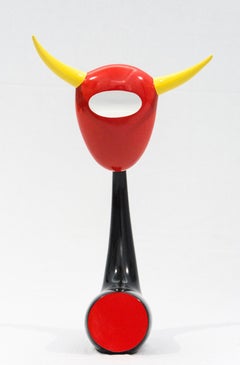
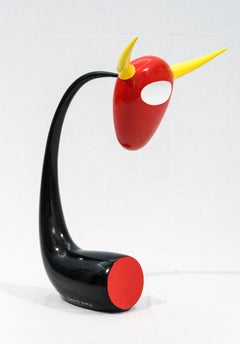
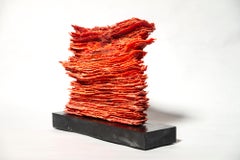
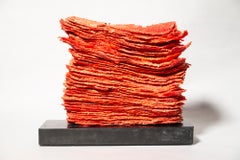
Bull - playful, modern, abstract, contemporary, tabletop, fibreglass sculpture
By Benny Katz
Located in Bloomfield, ON
The distinctive shape of a bull’s head attached to a horn-like stand pops in glossy bright colours of red, yellow and black in this whimsical sculpture by Benny Katz. As a former gra...
Metal
$2,800
Dearg Mur 3 - contemporary, textured, layered glass, tabletop sculpture
By Cheryl Wilson Smith
Located in Bloomfield, ON
This contemporary glass sculpture inspired by nature is designed as a tabletop piece.
Glass
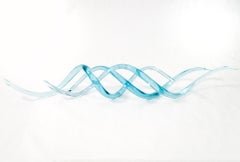
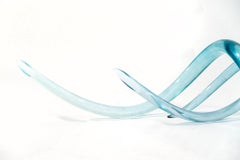
Blue Wave - translucent, blue, contemporary, abstract, glass tabletop sculpture
By John Paul Robinson
Located in Bloomfield, ON
This hand-blown glass, modern, indoor sculpture was created by artist John Paul Robinson. The light shines through and reflects off the surface of the graceful wave-like form of this...
Blown Glass
$2,500
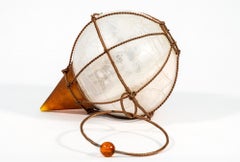
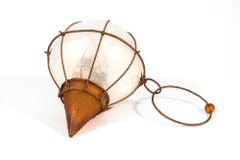
Amber Clock - contemporary, abstract, glass and metal tabletop sculpture
By John Paul Robinson
Located in Bloomfield, ON
This glass indoor sculpture is designed to represent the concept of time. John Paul Robinson’s sculptural glasswork is highly regarded for its masterful execution. The Canadian arti...
Metal
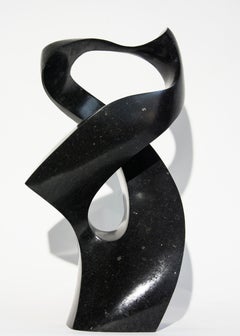
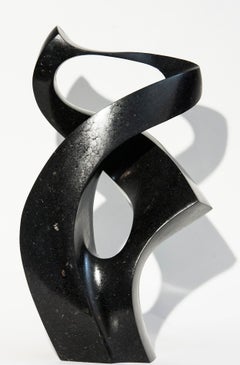
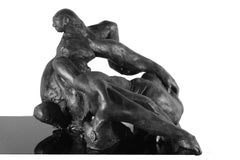
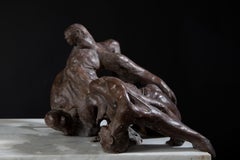
Embrace 4/50 - dark, smooth, polished, abstract, black granite sculpture
By Jeremy Guy
Located in Bloomfield, ON
Two gently curved forms are intertwined in this contemporary tabletop sculpture that is limited to an edition of 50.
Granite
$12,400
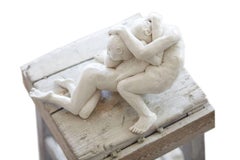
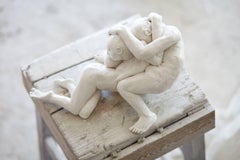
Relazioni Amore II - contemporary Italian figurative tabletop bronze sculpture
By Lorenzo Vignoli
Located in San Francisco, CA
a strikingly expressive bronze sculpture by contemporary Italian marble and bronze sculptor Lorenzo Vignoli RELAZIONI ( AMORE II ) by Lorenzo Vignoli (2010) 17inch W x 14inch H x...
Bronze, Metal
$4,800
Pieta II - contemporary interpretation of iconic embrace tabletop sculpture
By Lorenzo Vignoli
Located in San Francisco, CA
PIETA II by Lorenzo Vignoli hand formed glazed ceramic sculpture by contemporary Italian sculptor Lorenzo Vignoli Sculpture dimensions: 14inch W x 8inch H x 11inch D 36cm W x 24...
Ceramic, Glaze, Clay, Porcelain
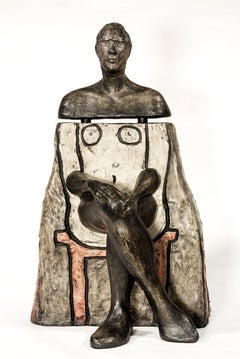

Cwén- figurative, female, polymer, gypsum, tabletop sculpture
By Frances Semple 1
Located in Bloomfield, ON
In a new series of abstracted figurative sculptures, Frances Semple is having fun with form. With this piece created from a polymer/gypsum material, a female figure's upper body is s...
Resin, Polymer
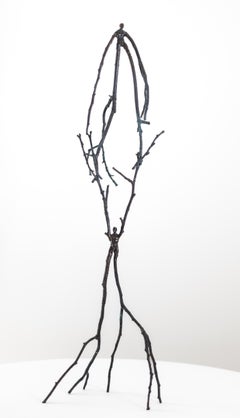
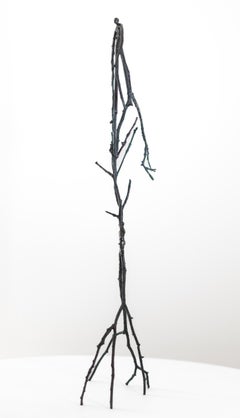
Assist - surrealist, abstract, male, figurative, bronze tabletop sculpture
By P. Roch Smith
Located in Bloomfield, ON
This indoor figurative bronze sculpture comes from the imagination of Canadian artist Roch Smith. The clever sculptures of Roch Smith are often inspired by images, forms and texture...
Bronze
$12,000
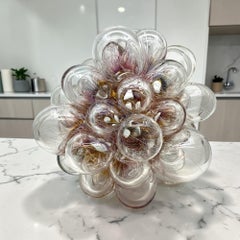
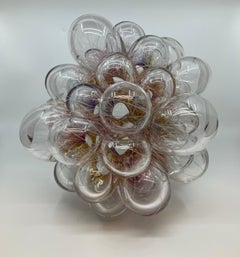
Blown Glass Tabletop Sculpture, Polychromatic Canework, 12 × 12 × 12 in, Aya Oki
By Aya Oki
Located in St. Louis, MO
Blown Glass Tabletop Sculpture, Polychromatic Canework, 12 × 12 × 12 in, Aya Oki Born in Osaka, Japan, Aya Oki is a glass art artist now working in San Bernardino, California. The a...
Glass, Blown Glass
$1,200
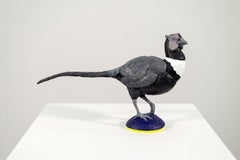
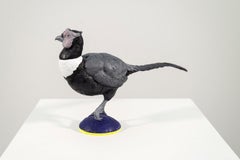
Pheasant - grey, blue, figurative, bird, cast resin, tabletop sculpture
Located in Bloomfield, ON
This tabletop indoor figurative sculpture of a bird is made of resin. The provocative award-winning sculptures of Nicholas Crombach explore a narrative that challenges the complex ...
Resin, Paint
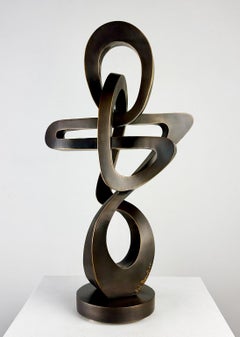
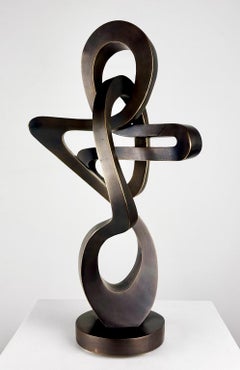
"Slinky" (maquette), Abstract, Bronze Metal Sculpture, Tabletop Size
By Kevin Barrett
Located in New York, NY
Abstract Expressionism, Figurative Expressionism, Expressionist, Bronze Metal Sculpture, Contemporary, Modern, Tabletop, Table-Top, Small-scale, Small Size, Indoor, Outdoor, Curvy
Metal, Bronze
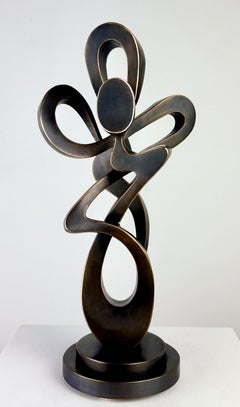
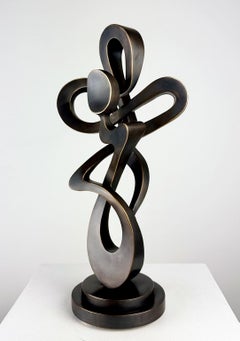
"Rhapsody" (maquette), Abstract, Bronze Metal Sculpture, Tabletop Size
By Kevin Barrett
Located in New York, NY
Abstract Expressionism, Figurative Expressionism, Expressionist, Bronze Metal Sculpture, Contemporary, Modern, Tabletop, Table-Top, Small-scale, Small Size, Indoor, Outdoor, Curvy
Metal, Bronze
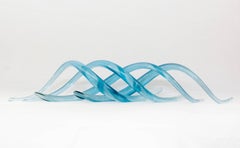
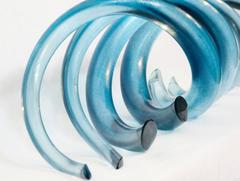
East Wind - blue, translucent, flowing, glass, intersecting tabletop sculpture
By John Paul Robinson
Located in Bloomfield, ON
Metaphors of time, space, earth and its elements are reflected in the elegant and glowing glass sculptures by Canadian artist John Paul Robinson. In this table-top piece, gently curv...
Glass
$1,800
Earthshine (Maquette) - small, polished brass and soapstone tabletop sculpture
By Tonya Hart
Located in Bloomfield, ON
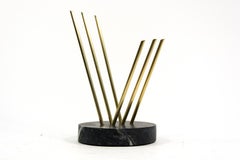
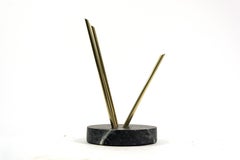
Solid steel rods coated in brilliant brass rise out of a soapstone base and reach upward in this stunning table-top sculpture by Canadian artist, Tonya Hart. Hart creates work that...
Stone, Brass
Price Upon Request
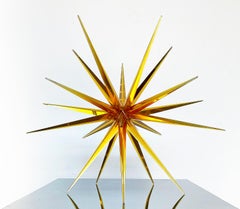
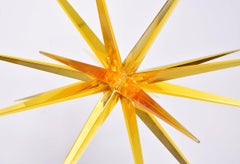
"Glass Windseed" Cast Glass Tabletop Sculpture, Orange, Abstract
By Norman Mooney
Located in New York, NY
Tabletop Sculpture, Indoor, Contemporary, Abstract, Orange, Glass, Shiny, Round, Pointy, Modern
Aluminum
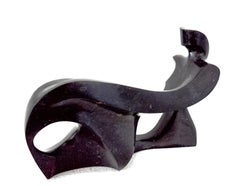
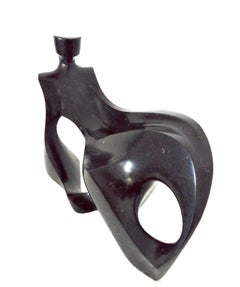
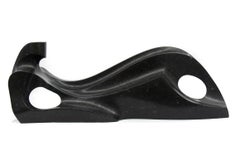
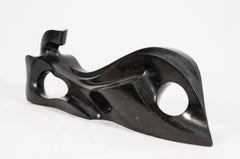
Repose 6/50 - smooth, black granite, figurative, tabletop sculpture
By Jeremy Guy
Located in Bloomfield, ON
This work is numbered in a series of 50, available on a commission basis. Please allow 6-8 weeks for completion upon delivery. Smooth surfaced, black granite has been engineered int...
Granite
$4,500
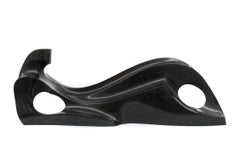
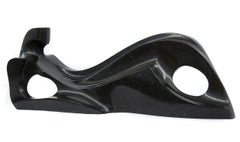
Celeste 2/50 - smooth, figurative, engineered black granite, tabletop sculpture
By Jeremy Guy
Located in Bloomfield, ON
At once elegant and contemporary—this sublime sculpture of a reclining figure is by Jeremy Guy. Chiselled from black granite and honed to a smooth, velvet-like finish, the subject ma...
Granite
$6,000
Celeste, Reclining Figure 5/50 - smooth, granite, figurative, tabletop sculpture
By Jeremy Guy
Located in Bloomfield, ON
Smooth surfaced, black granite has been engineered into an elegant, modern depiction of a reclining figure in this sculpture by Jeremy Guy. The play of space and shape changes as the...
Granite
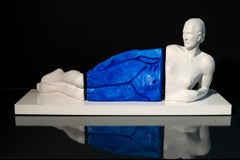
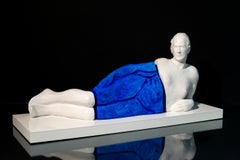
An Impression in Blue - figurative, female, polymer, gypsum, tabletop sculpture
By Frances Semple 1
Located in Bloomfield, ON
Sculptor Frances Semple has reimagined classic figurative sculpture by playing with form and separating the body into distinct sections. With this tabletop piece, a figure is lying o...
Resin, Polymer
$16,000
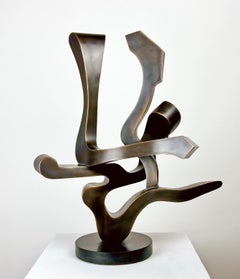
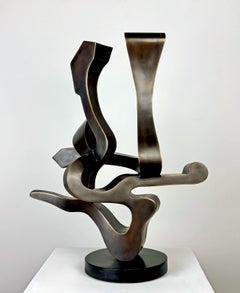
"Guided Spirit" (maquette), Abstract, Bronze Metal Sculpture, Tabletop Size
By Kevin Barrett
Located in New York, NY
Abstract Expressionism, Figurative Expressionism, Expressionist, Bronze Metal Sculpture, Contemporary, Modern, Tabletop, Table-Top, Small-scale, Small Size, Indoor, Outdoor, Curvy
Metal, Bronze
$4,500
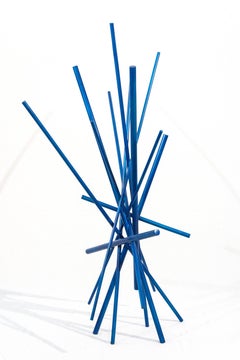
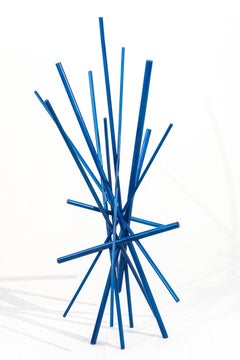
Full Tilt Blue Maquette - geometric abstract, painted wood tabletop sculpture
By Shayne Dark
Located in Bloomfield, ON
This abstract tabletop sculpture is by Canadian artist Shayne Dark. Saturated in cerulean—like the colour of a deep blue sky, intersecting lengths of wood form a dramatic sculpture ...
Wood, Acrylic
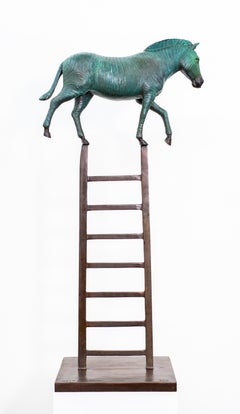
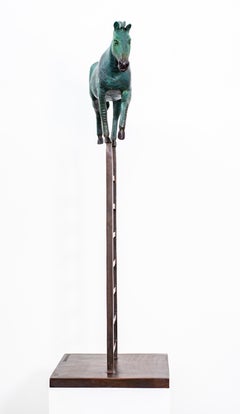
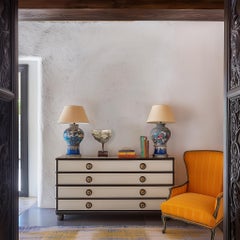
Zebra Reaches New Heights 1/15 - figurative, playful, bronze, tabletop sculpture
By Gillie and Marc Schattner
Located in Bloomfield, ON
The contemporary artistic duo of Gillie and Marc are passionate environmental activists who have used their sculptures, paintings and photographs to celebrate and save endangered ani...
Bronze
$2,200
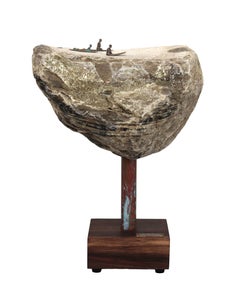
Surf 014 - Original Stone Sculpture Figurative Surfer Beach Rock Tabletop Art
By Kevin Perrault
Located in Los Angeles, CA
Kevin Perrault’s sculptural work exists at the intersection of permanence and play, blending monumentality with quiet intimacy. Working primarily in copper and stone, his figurative ...
Stone, Copper
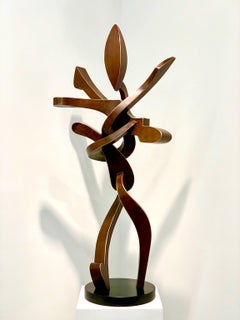
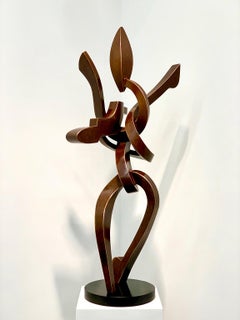
"Flare" by Kevin Barrett, Abstract Bronze Metal Sculpture, Tabletop Size
By Kevin Barrett
Located in New York, NY
Bronze Metal Sculpture, Abstract Expressionism, Figurative Expressionism, Expressionist, Organic, Modern, Contemporary, Outdoor, Indoor, Tabletop Sculpture, Curvy, Small Size, Small-...
Metal, Bronze
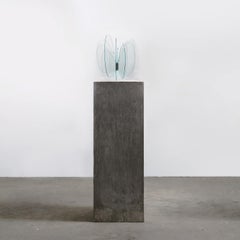
$18,500
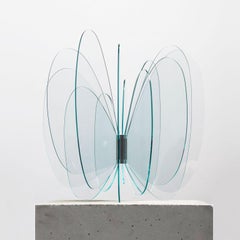
"Butterfly Effect No. 3", Organic, Abstract Glass Sculpture, Tabletop Size
By Norman Mooney
Located in New York, NY
Glass Sculpture, Butterfly, Organic, Nature, Apple Slices, Tabletop Sculpture, Modern, Contemporary, Abstract, Reflective, Transparent
Glass
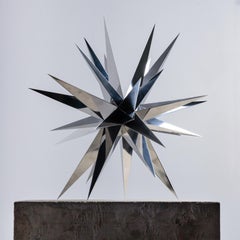
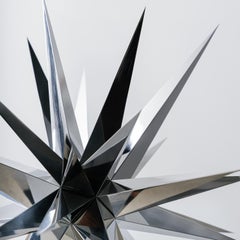
$20,000
"Dark Star #2", Organic, Abstract, Aluminum Metal Sculpture, Tabletop Size
By Norman Mooney
Located in New York, NY
Mirror-Polished Aluminum Metal Sculpture, Silver, Star, Organic, Nature, Pointy, Sharp, Tabletop Sculpture, Modern, Contemporary, Abstract, Reflective
Metal
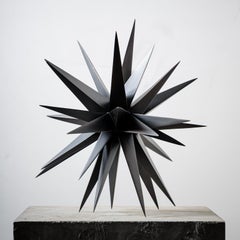
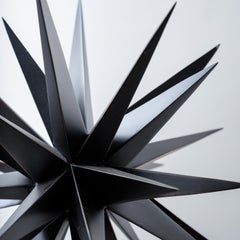
$20,000
"Dark Star No. 1", Organic, Abstract Bronze Metal Sculpture, Tabletop Size
By Norman Mooney
Located in New York, NY
Blackened Bronze Metal Sculpture, Patina, Patinated, Star, Organic, Nature, Pointy, Sharp, Tabletop Sculpture, Modern, Contemporary, Abstract, Reflective
Metal, Bronze
$3,000
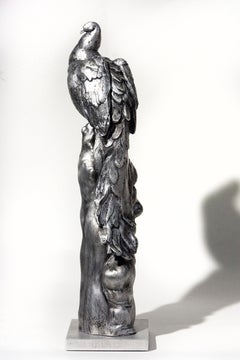
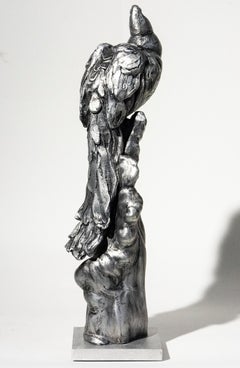
Peacock No 1 - small, cast aluminum, male, bird, interior tabletop sculpture
Located in Bloomfield, ON
Cast in aluminum, this sculpture of a poised male peacock reflects the artist Nicholas Crombach's primary theme of human and animal interaction. This sculpture is number 1 from an ed...
Metal
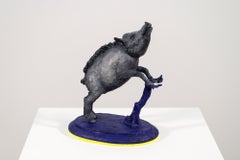
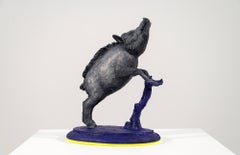
Boar 2/8 - small, grey, blue, figurative, animal, cast resin, tabletop sculpture
Located in Bloomfield, ON
This tabletop indoor figurative sculpture of an animal is made of resin. Captured in a classic pose used in taxidermy, this sculpture is by the award-winning artist Nicholas Cromba...
Resin, Paint
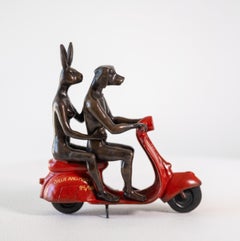
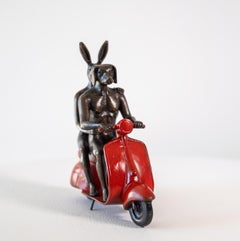
They Rode to Save Wildlife (Red) 95/100 - Bronze Sculpture, Contemporary, 2010
By Gillie and Marc Schattner
Located in Bloomfield, ON
This contemporary bronze figurative tabletop sculpture featuring animals is by Gillie and Marc.
Bronze
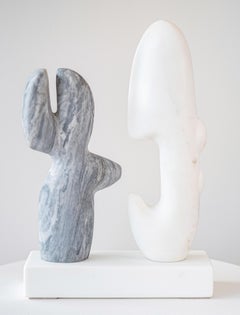
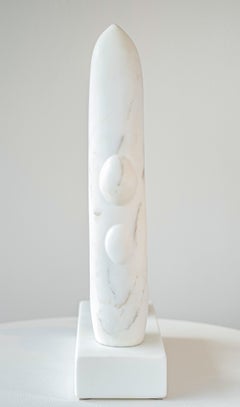
A Conversation - white, grey, abstract, contemporary, marble sculpture
Located in Bloomfield, ON
This contemporary, tabletop, white, grey, abstract, marble sculpture is by Canadian artist Doug Robinson.
Marble
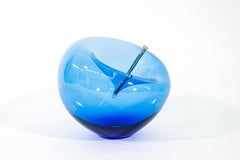
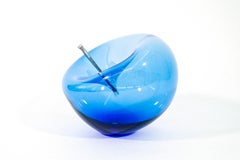
Don't Let Them Burst Your Bubble: Cerulean 1 XL - contemporary glass sculpture
By Cheryl Wilson Smith
Located in Bloomfield, ON
The contemporary cerulean-blue glass tabletop sculpture is by Cheryl Wilson Smith.
Metal
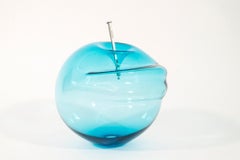

$1,350
Don't Let Them Burst Your Bubble: Blue 3 XL - contemporary glass sculpture
By Cheryl Wilson Smith
Located in Bloomfield, ON
This contemporary blue glass tabletop sculpture is by Cheryl Wilson Smith.
Metal
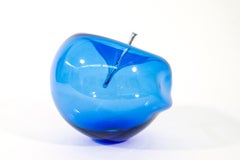
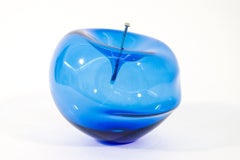
Don't Let Them Burst Your Bubble: Cerulean 2 XL - contemporary glass sculpture
By Cheryl Wilson Smith
Located in Bloomfield, ON
The contemporary blue glass tabletop sculpture is by Cheryl Wilson Smith.
Metal
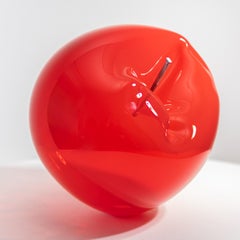
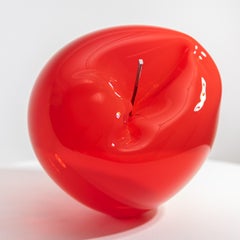
Don't Let Them Burst Your Bubble: Red 1 XL - Blown-glass Sculpture
By Cheryl Wilson Smith
Located in Bloomfield, ON
This contemporary red glass bubble tabletop sculpture is by Cheryl Wilson Smith.
Glass, Blown Glass
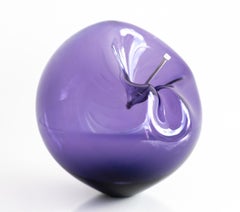
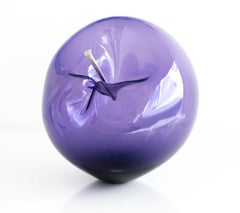
Don't Let Them Burst Your Bubble: Purple 1 XL - sculpture, blown glass and metal
By Cheryl Wilson Smith
Located in Bloomfield, ON
This contemporary purple glass tabletop sculpture is by Cheryl Wilson Smith.
Glass, Mixed Media
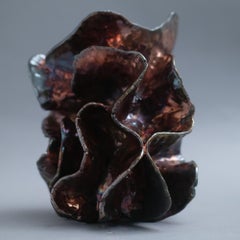
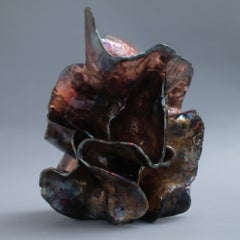
"Resonance" Metallic Raku glazed ceramic abstract stoneware sculpture
By Jessamyn Go
Located in East Quogue, NY
Ultimately, her art fosters a tangible connection—one that speaks directly to the senses and the soul. ceramic, ceramic sculpture, contemporary ceramic, sculptural ceramic, glaze, h...
Ceramic, Stoneware, Glaze
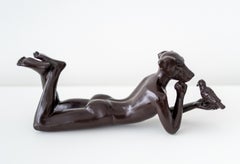
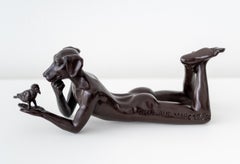
Dogman thought a bird in the hand is always better 22/50 - bronze sculpture
By Gillie and Marc Schattner
Located in Bloomfield, ON
This contemporary figurative bronze tabletop sculpture featuring a dogman is by Gillie and Marc.
Bronze
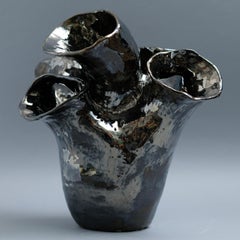
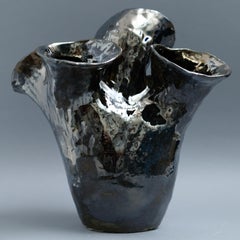
"Ambient Chrome" Chrome metallic heart shaped glazed ceramic sculpture
By Jessamyn Go
Located in East Quogue, NY
Ultimately, her art fosters a tangible connection—one that speaks directly to the senses and the soul. ceramic, ceramic sculpture, contemporary ceramic, sculptural ceramic, glaze, h...
Ceramic, Stoneware, Glaze
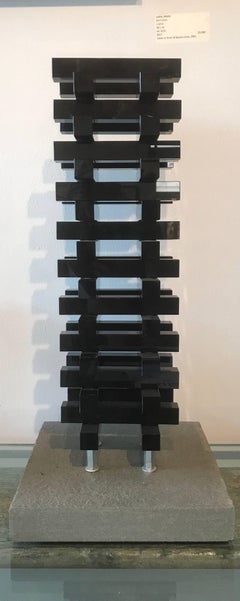
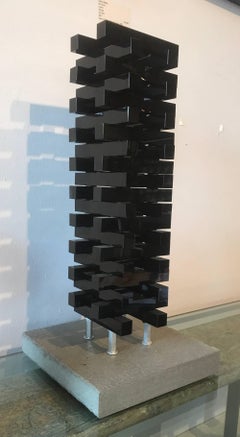
Unavailable
H 26 in W 12 in D 12 in
'Urban Glass Series' Glass standing tabletop black sculpture
By Nathan Slate Joseph
Located in Sag Harbor, NY
Black glass stacked sculpture mounted on slate. tabletop abstract modern
Slate
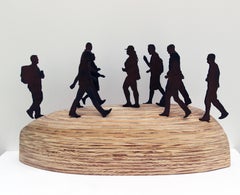
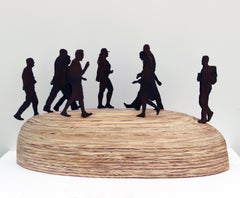
Unavailable
H 11 in W 21 in D 9 in
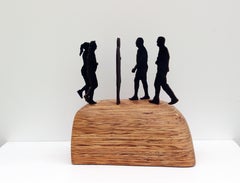
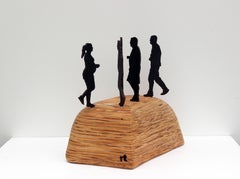
standing sculpture, tabletop, rusted steel, figurative, wood, "Gathering 9"
By Richard Taylor
Located in Milwaukee, WI
tabletop sculpture, indoor sculpture, metal sculpture, wood sculpture, rusted steel; My series of "Gathering" sculptures are table-top pieces made from laminated plywood and rusted s...
Wood
Unavailable
H 11 in W 11 in D 8 in
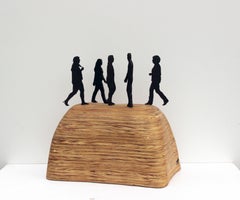
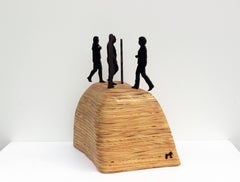
standing sculpture, tabletop, rusted steel, figurative, wood, "Gathering 8"
By Richard Taylor
Located in Milwaukee, WI
tabletop sculpture, indoor sculpture, metal sculpture, wood sculpture, rusted steel; My series of "Gathering" sculptures are table-top pieces made from laminated plywood and rusted s...
Wood
Unavailable
H 12 in W 12 in D 8 in
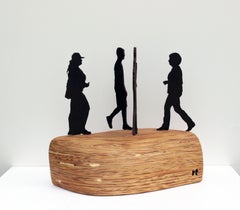
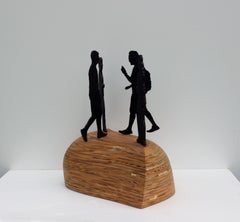
standing sculpture, tabletop, rusted steel, figurative, wood, "Gathering 5"
By Richard Taylor
Located in Milwaukee, WI
tabletop sculpture, indoor sculpture, metal sculpture, wood sculpture, rusted steel; My series of "Gathering" sculptures are table-top pieces made from laminated plywood and rusted s...
Wood
Unavailable
H 13 in W 15 in D 10 in
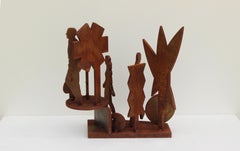
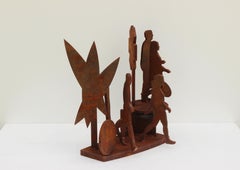
standing sculpture, tabletop, rusted steel, figurative, wood, "Gathering 3"
By Richard Taylor
Located in Milwaukee, WI
tabletop sculpture, indoor sculpture, metal sculpture, wood sculpture, rusted steel; My series of "Gathering" sculptures are table-top pieces made from laminated plywood and rusted s...
Wood
Unavailable
H 11 in W 11 in D 7 in
standing sculpture, tabletop, rusted steel, figurative, brown, "Small Town 5"
By Richard Taylor
Located in Milwaukee, WI
tabletop sculpture, indoor sculpture, metal sculpture, rusted; My series of "Small Town" sculptures are table-top pieces made from rusted steel. They are durable pieces, inviting vie...
Metal
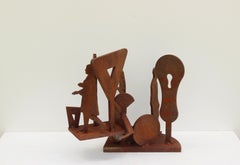
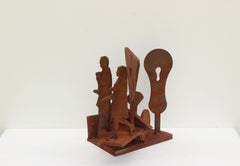
Unavailable
H 10 in W 11 in D 8 in
standing sculpture, tabletop, rusted steel, figurative, brown, "Small Town 4"
By Richard Taylor
Located in Milwaukee, WI
tabletop sculpture, indoor sculpture, metal sculpture, rusted; My series of "Small Town" sculptures are table-top pieces made from rusted steel. They are durable pieces, inviting vie...
Metal
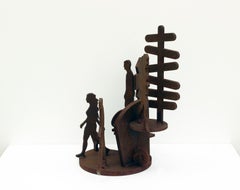
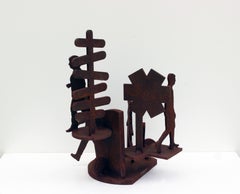
Unavailable
H 14 in W 11 in D 9 in
standing sculpture, tabletop, rusted steel, figurative, brown, "Small Town 2"
By Richard Taylor
Located in Milwaukee, WI
tabletop sculpture, indoor sculpture, metal sculpture, rusted; My series of "Small Town" sculptures are table-top pieces made from rusted steel. They are durable pieces, inviting vie...
Metal
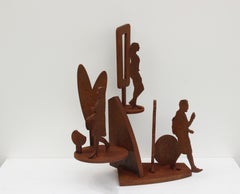
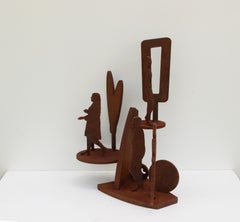
Unavailable
H 15 in W 12 in D 7 in
standing sculpture, tabletop, rusted steel, figurative, brown, "Small Town 3"
By Richard Taylor
Located in Milwaukee, WI
tabletop sculpture, indoor sculpture, metal sculpture, rusted; My series of "Small Town" sculptures are table-top pieces made from rusted steel. They are durable pieces, inviting vie...
Metal
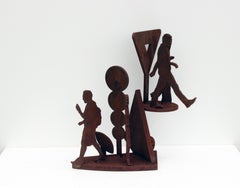
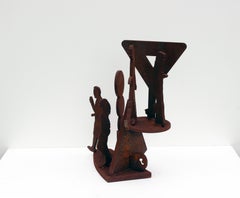
Unavailable
H 13 in W 12 in D 6 in
standing sculpture, tabletop, rusted steel, figurative, brown, "Small Town 1"
By Richard Taylor
Located in Milwaukee, WI
tabletop sculpture, indoor sculpture, metal sculpture, rusted; My series of "Small Town" sculptures are table-top pieces made from rusted steel. They are durable pieces, inviting vie...
Metal
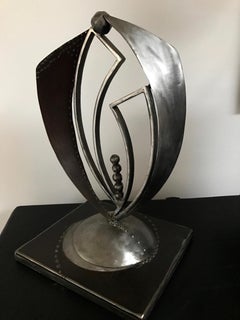
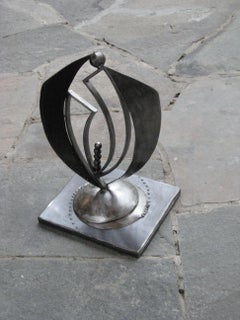
Unavailable
H 16.5 in W 10 in D 9 in
“The Enfolding”, sweeping wings in welded steel tabletop form
Located in New York, NY
The Enfolding, sweeping wings in welded steel, conveys a monumental concept on tabletop scale. In Rutkowski’s words, “The power if art is within each of us. It is the power of trans...
Steel
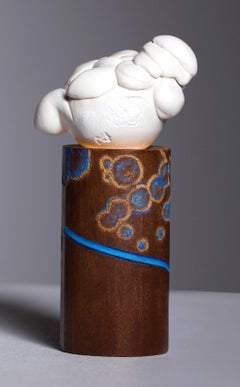
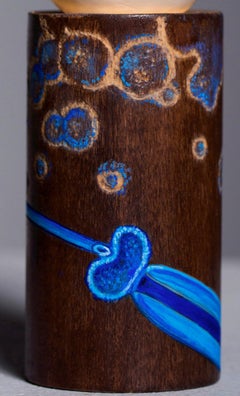
Unavailable
H 7.5 in W 3.5 in D 3.5 in
"Venus" tabletop monument, a modern in vitro fertility fertility goddess
By Marilyn Davidson
Located in New York, NY
“Venus” was inspired by miraculous scientific achievements of fertility in the modern era. This “home goddess” is unique to the modern era, where deepest primal yearnings are brought...
Steel, Gold Leaf
Unavailable
H 9.5 in W 9 in D 3 in
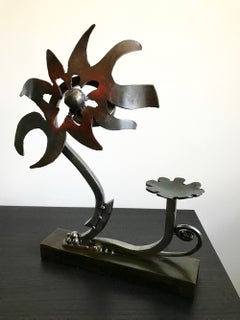
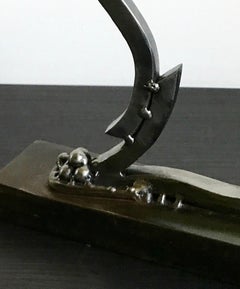
“Return of the Galactic Flower”, welded steel tabletop form in browns and black
Located in New York, NY
*Note - Currently on exhibition at the Plaxall Gallery until January 2020 Return of the Galactic Flower, welded steel abstraction, conveys a monumental concept on tabletop scale. ...
Steel
Sold
H 6.75 in W 14 in D 14 in
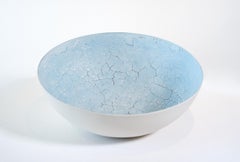
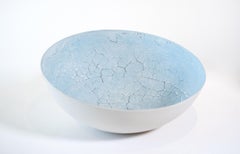
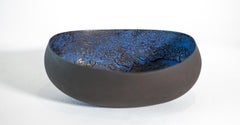
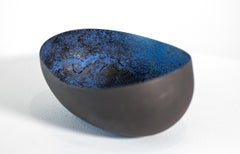
Untitled Aqua Tilted Bowl - contemporary, handmade, ceramic tabletop sculpture
By Steven Heinemann
Located in Bloomfield, ON
This contemporary ceramic aqua coloured bowl is by Steven Heinemann. Celebrated internationally for his technical wizardry with clay and his visionary aesthetic, Steven Heinemann ha...
Ceramic
Sold
H 4.5 in W 10 in D 7.5 in
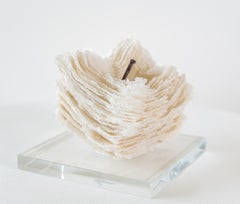
Untitled Bowl with Circles - contemporary, ceramic, tabletop, vessel, sculpture
By Steven Heinemann
Located in Bloomfield, ON
This contemporary sculptural vessel was handmade by Steven Heinemann. Critics and collectors alike laud this Canadian artist’s distinctive aesthetic that has redefined the limits of...
Ceramic

Sold
H 7 in W 7 in D 7 in
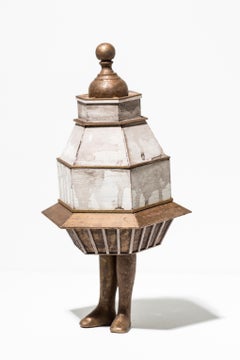
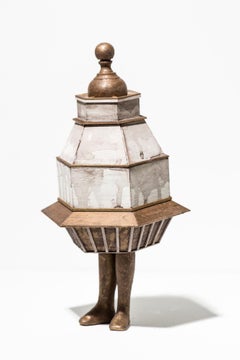
Promises and Lies 8 - contemporary, textured, layered glass, tabletop sculpture
By Cheryl Wilson Smith
Located in Bloomfield, ON
This contemporary tabletop glass sculpture was created by Canadian artist Cheryl Wilson Smith.
Glass
Sold
H 13.5 in W 7 in D 7 in
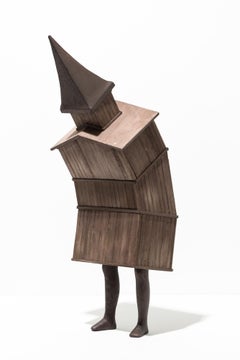
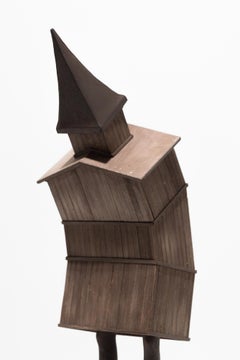
"Neighborling Maquette 22" Personified House Turret Tabletop Sculpture
By Seth Clark
Located in Philadelphia, PA
This piece, titled "Neighborling Maquette 23" is an original free-standing sculpture by Seth Clark as part of his newest solo exhibition, "Passing Through". Clark's deteriorating st...
Wood, Paper, Charcoal, Pastel, Acrylic, Graphite
Sold
H 21 in W 11 in D 6.5 in
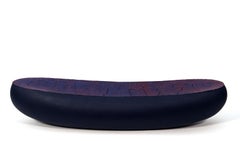
"Neighborling Maquette 30" Personified House Structure as Tabletop Sculpture
By Seth Clark
Located in Philadelphia, PA
This piece, titled "Neighborling Maquette 30" is an original free-standing sculpture by Seth Clark as part of his newest solo exhibition, "Passing Through". Clark's deteriorating st...
Wood, Paper, Acrylic, Resin

Sold
H 5.5 in W 27.5 in D 10 in
Ellesmere - black, purple, orange, textured, ceramic tabletop vessel
By Steven Heinemann
Located in Bloomfield, ON
Steve Heineman is considered one of Canada’s premier ceramic artists. He threw his first clay in high school and has been exploring the art form for almost forty years. Heineman find...
Ceramic
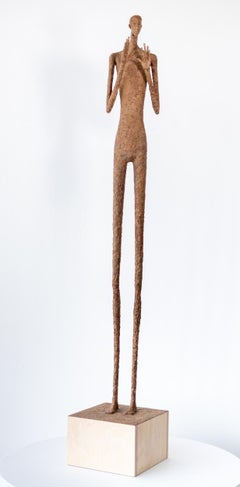
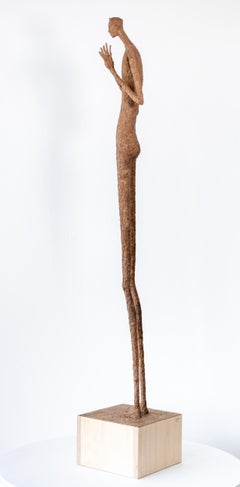
Sold
H 56 in W 9.5 in D 9.5 in
Georges - contemporary, textured, male, figurative, paper Mache sculpture
By Paul Duval
Located in Bloomfield, ON
This contemporary figurative tabletop sculpture is by Paul Duval.
Wire

Sold
H 7.9 in W 13.75 in D 6.75 in
Borealis - black and white, nature inspired, elongated, ceramic, tabletop vessel
By Steven Heinemann
Located in Bloomfield, ON
For almost forty years, the near peerless Canadian ceramicist Steve Heineman has created uniquely beautiful work. With this piece, Heineman is once again inspired by nature to mold a...
Ceramic
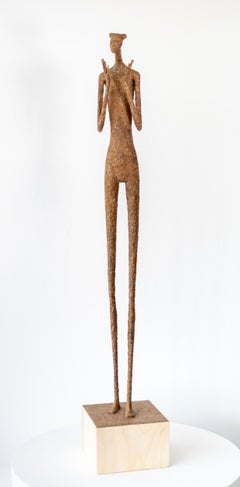

Sold
H 55 in W 9.5 in D 9.5 in
Marie-Louise - contemporary, textured, female, figurative, paper Mache sculpture
By Paul Duval
Located in Bloomfield, ON
This contemporary figurative tabletop sculpture is by Paul Duval.
Wire
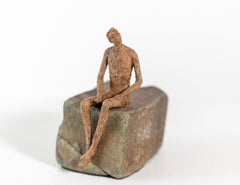
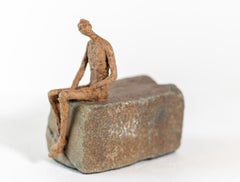
Sold
H 6 in W 3.75 in D 6.5 in
Charlie - contemporary, male, figurative, paper Mache and stone sculpture
By Paul Duval
Located in Bloomfield, ON
This contemporary figurative tabletop sculpture is by Paul Duval.
Stone, Wire
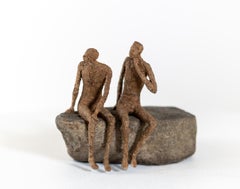

Sold
H 6.25 in W 8 in D 7.25 in
Les Curieux (The Curious) - contemporary, figurative, paper Mache sculpture
By Paul Duval
Located in Bloomfield, ON
This contemporary figurative tabletop sculpture is by Paul Duval.
Stone, Wire
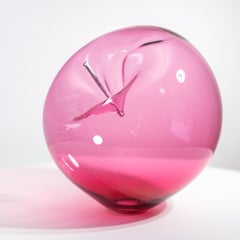
Sold
H 12 in W 12 in D 12 in
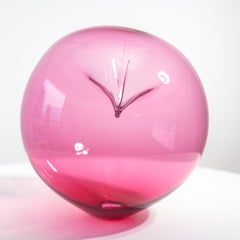
Don't Let Them Burst Your Bubble: Pink 2 XL - Blown-glass Sculpture
By Cheryl Wilson Smith
Located in Bloomfield, ON
This contemporary pink glass bubble tabletop sculpture is by Cheryl Wilson Smith.
Glass, Blown Glass
Sold
H 12 in W 12 in D 12 in
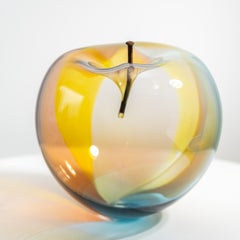
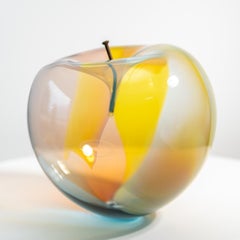
Don't Let Them Burst Your Bubble: Rainbow 1 XL - Blown-glass Sculpture
By Cheryl Wilson Smith
Located in Bloomfield, ON
This contemporary rainbow-coloured glass bubble tabletop sculpture is by Cheryl Wilson Smith.
Glass, Blown Glass

Sold
H 9.5 in W 7.5 in D 6.75 in
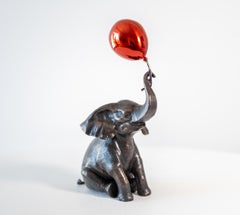
Elephant Makes a Wish with Red Balloon - sculpture, figurative, bronze
By Gillie and Marc Schattner
Located in Bloomfield, ON
This contemporary bronze figurative tabletop sculpture of an elephant is by Gillie and Marc.
Bronze


Sold
H 6.25 in W 11.25 in D 4.25 in
They Only Read Love Letters 26/50 - figurative, bronze sculpture
By Gillie and Marc Schattner
Located in Bloomfield, ON
This contemporary bronze figurative tabletop sculpture featuring animals is by Gillie and Marc.
Bronze
Used to refer to a time rather than an aesthetic, Contemporary art generally describes pieces created after 1970 or being made by living artists anywhere in the world. This immediacy means it encompasses art responding to the present moment through diverse subjects, media and themes. Contemporary painting, sculpture, photography, performance, digital art, video and more frequently includes work that is attempting to reshape current ideas about what art can be, from Felix Gonzalez-Torres’s use of candy to memorialize a lover he lost to AIDS-related complications to Jenny Holzer’s ongoing “Truisms,” a Conceptual series that sees provocative messages printed on billboards, T-shirts, benches and other public places that exist outside of formal exhibitions and the conventional “white cube” of galleries.
Contemporary art has been pushing the boundaries of creative expression for years. Its disruption of the traditional concepts of art are often aiming to engage viewers in complex questions about identity, society and culture. In the latter part of the 20th century, contemporary movements included Land art, in which artists like Robert Smithson and Michael Heizer create large-scale, site-specific sculptures, installations and other works in soil and bodies of water; Sound art, with artists such as Christian Marclay and Susan Philipsz centering art on sonic experiences; and New Media art, in which mass media and digital culture inform the work of artists such as Nam June Paik and Rafaël Rozendaal.
The first decades of the 21st century have seen the growth of Contemporary African art, the revival of figurative painting, the emergence of street art and the rise of NFTs, unique digital artworks that are powered by blockchain technology.
Major Contemporary artists practicing now include Ai Weiwei, Cecily Brown, David Hockney, Yayoi Kusama, Jeff Koons, Takashi Murakami and Kara Walker.
Find a collection of Contemporary prints, photography, paintings, sculptures and other art on 1stDibs.
The history of sculpture as we know it is believed to have origins in Ancient Greece, while small sculptural carvings are among the most common examples of prehistoric art. In short, sculpture as a fine art has been with us forever. A powerful three-dimensional means of creative expression, sculpture has long been most frequently associated with religion — consider the limestone Great Sphinx in Giza, Egypt — while the tradition of collecting sculpture, which has also been traced back to Greece as well as to China, far precedes the emergence of museums.
Technique and materials in sculpture have changed over time. Stone sculpture, which essentially began as images carved into cave walls, is as old as human civilization itself. The majority of surviving sculpted works from ancient cultures are stone. Traditionally, this material and pottery as well as metal — bronze in particular — were among the most common materials associated with this field of visual art. Artists have long sought new ways and materials in order to make sculptures and express their ideas. Material, after all, is the vehicle through which artists express themselves, or at least work out the problems knocking around in their heads. It also allows them to push the boundaries of form, subverting our expectations and upending convention. As an influential sculptor as much as he was a revolutionary painter and printmaker, Pablo Picasso worked with everything from wire to wood to bicycle seats.
If you are a lover of art and antiques or are thinking of bringing a work of sculpture into your home for the first time, there are several details to keep in mind. As with all other works of art, think about what you like. What speaks to you? Visit local galleries and museums. Take in works of public art and art fairs when you can and find out what kind of sculpture you like. When you’ve come to a decision about a specific work, try to find out all you can about the piece, and if you’re not buying from a sculptor directly, work with an art expert to confirm the work’s authenticity.
And when you bring your sculpture home, remember: No matter how big or small your new addition is, it will make a statement in your space. Large- and even medium-sized sculptures can be heavy, so hire some professional art handlers as necessary and find a good place in your home for your piece. Whether you’re installing a towering new figurative sculpture — a colorful character by KAWS or hyperreal work by Carole A. Feuerman, perhaps — or an abstract work by Won Lee, you’ll want the sculpture to be safe from being knocked over. (You’ll find that most sculptures should be displayed at eye level, while some large busts look best from below.)
On 1stDibs, find a broad range of exceptional sculptures for sale. Browse works by your favorite creator, style, period or other attribute.
A new show at Upstate New York’s Corning Museum of Glass shows off the best and brightest contemporary works of the last few years.
The newly redesigned Norton Museum and other impressive exhibition spaces around Palm Beach are drawing art aficionados to the tony enclave year-round.