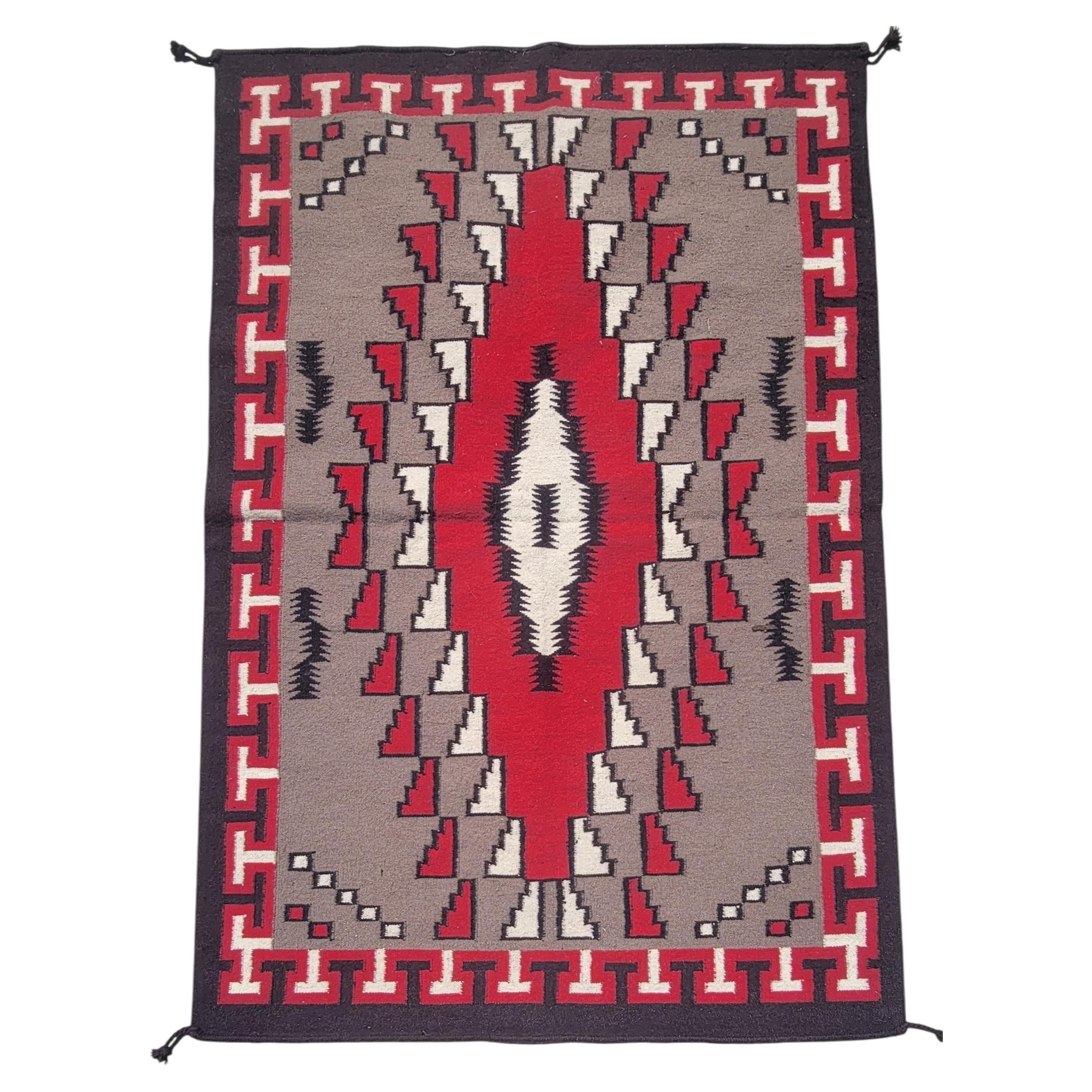
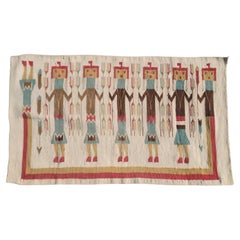
1940s Navajo Yei Weaving in Unusual Colors
Located in Los Angeles, CA
20Thc Navajo Yei Indian weaving in colorful pictorial.The condition is very good.
Category
1940s American Folk Art Vintage Hand-Woven Folk Art
Materials
Wool
1940s Navajo Yei Weaving in Unusual Colors
Located in Los Angeles, CA
20Thc Navajo Yei Indian weaving in colorful pictorial.The condition is very good.
Wool
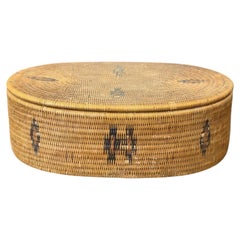
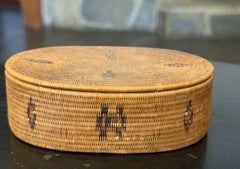
Native American California or Pacific Northwest Coast Tight Weave Woven Basket
Located in Studio City, CA
A wonderful, beautifully designed/decorated and executed Native North American Indian hand woven tight weave oval shaped lidded basket made of natural organic materials/fibers. The ...
Natural Fiber, Organic Material

$690 / set
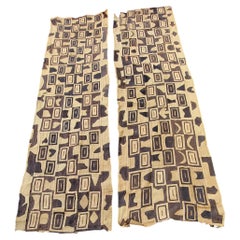
Antique Africa Congo Long Kuba Cloths
Located in Rochester, NY
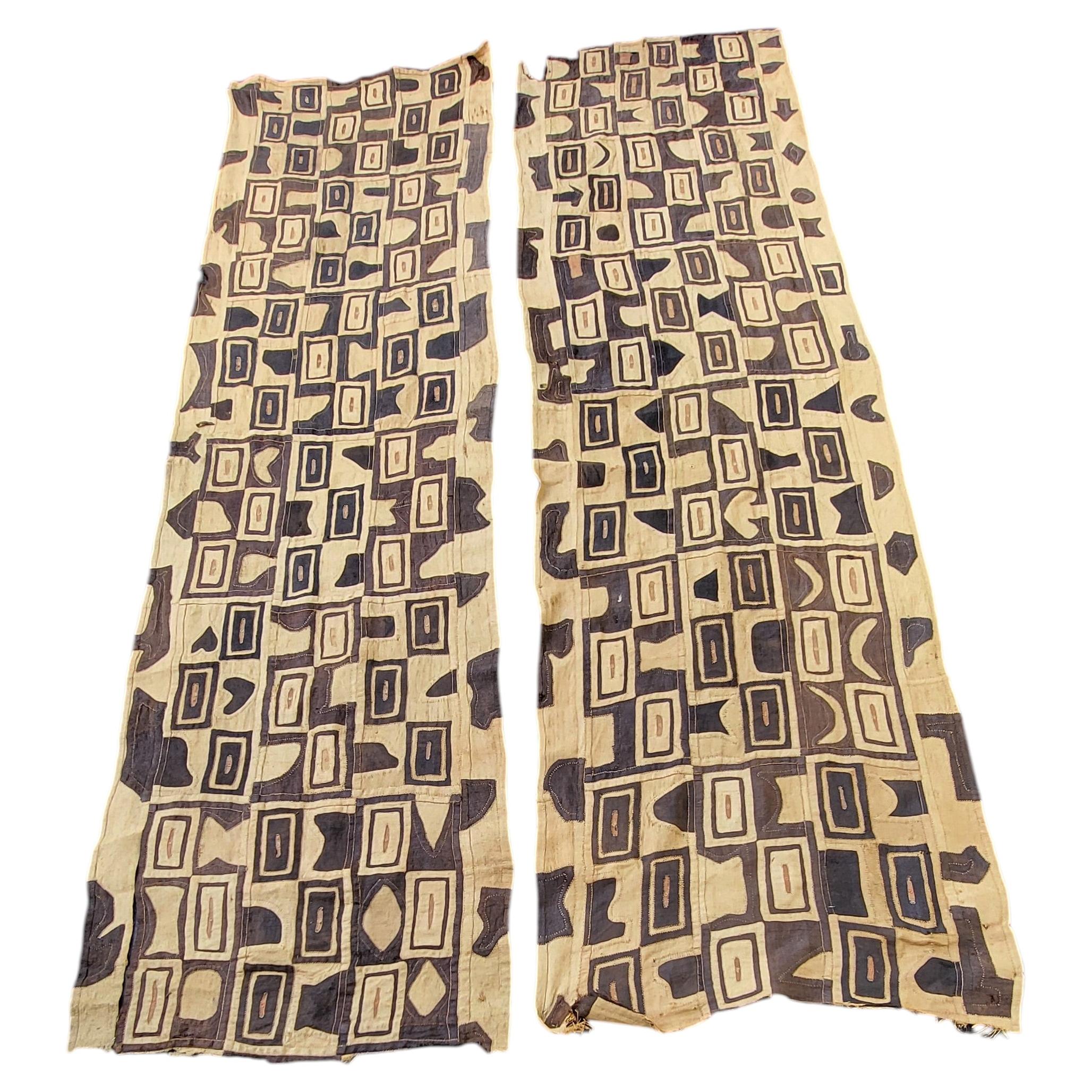
Two old Kuba cloths - a type of raffia cloth made from woven natural palm leaf fibers unique to the Democratic Republic of the Congo, Africa. Previously one long cloth measuring 206...
Textile, Natural Fiber, Raffia


Large Antique Victorian Ship Diorama, Cased Maritime Folk Art Model, 19th C.
Located in Bristol, GB
ANTIQUE SHIP DIORAMA A scratch built folk art model of a three masted British ship, possibly a barque rigged clipper hybrid. Fully rigged with ...
Brass
$5,840Sale Price|20% Off
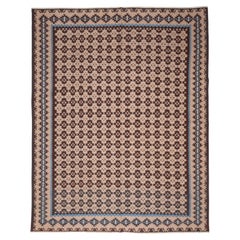
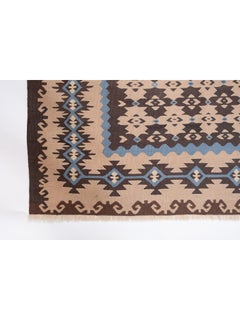
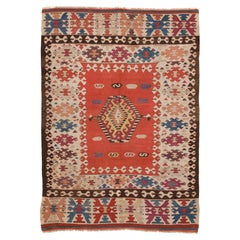
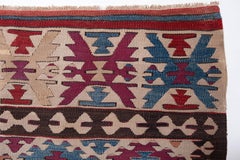
Antique Sarkoy Kilim Rug, Western Anatolian Turkish Carpet, Balkan Style Unique
Located in Tokyo, JP
This is an Antique & Unique Sarkoy (Sharkoy or Şarköy) Kilim rug from Western Turkey with a rare and beautiful color composition. Sarkoy kilims are very finely woven in slitweave in...
Wool, Natural Fiber, Organic Material
$5,000Sale Price|20% Off
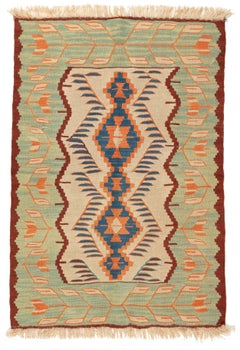
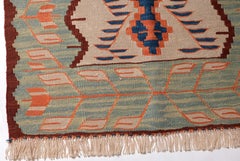
Antique Isparta Kilim Rug Wool Old Vintage Central Anatolian Turkish Carpet
Located in Tokyo, JP
This is Central Anatolian Antique Kilim, from the Isparta region with a rare and beautiful color composition. This highly collectible antique kilim has wonderful special colors and ...
Wool, Natural Fiber
$608Sale Price|20% Off
New Manisa Fine Handwoven Modern Kilim West Anatolian Rug Turkish Wool Carpet
Located in Tokyo, JP
This is a Western Anatolian Modern 'New' Fine Kilim from the Manisa region with a rare and beautiful color composition. This kilim is woven according to traditional kilim technique...
Wool, Natural Fiber
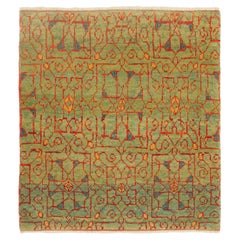
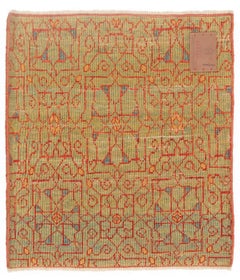
Ararat Rugs Mamluk Wagireh Rug with Jerrehian Border Design Egypt Revival Carpet
By Ararat Rugs
Located in Tokyo, JP
The design source of the rug comes from the possession of Endre Unger, which was sold at Sotheby’s in 1992. That rug with the central star was designed in the early 16th-century rug ...
Wool, Natural Fiber, Organic Material
$10,000Sale Price|20% Off
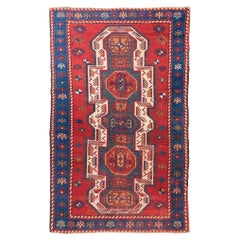
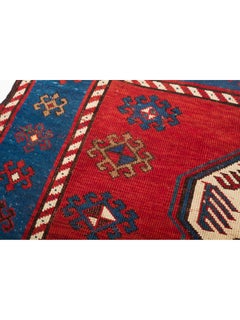
Antique Sewan Kazak Rug Sevan Caucasian Carpet Late-19th Century Caucasus
Located in Tokyo, JP
This is a rare antique Sewan Kazak Rug from the Sewan / Sevan region in the southwest Caucasia. This is another handsome example of the “Sewan” Ka...
Wool, Natural Fiber, Organic Material
$2,400Sale Price|25% Off
Vintage Yahyali Kayseri Runner Rug Central Anatolia Old Turkish Wool Carpet
Located in Tokyo, JP
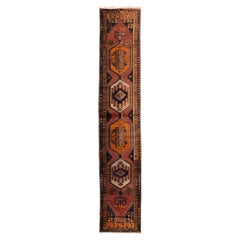
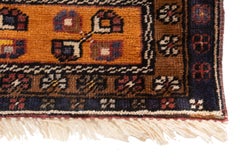
This vintage Yahyali runner from the Kayseri region of Central Anatolia presents a bold and expressive example of Anatolian village weaving. The composition is defined by a vertical ...
Wool, Natural Fiber
Antique South American Native Hand Woven Geometric Design Sling Bag
Located in New York, NY
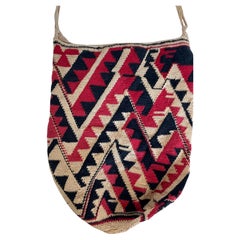
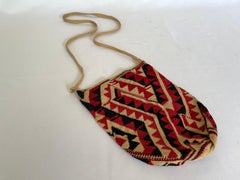
South American native geometric design sling bag with shoulder strap. Finely woven with natural pigment dyed and undyed natural cactus fiber. It has been stored impeccably over the ...
Natural Fiber
$1,295 / set
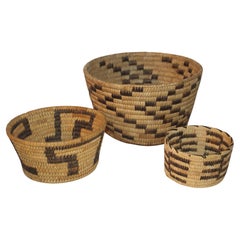
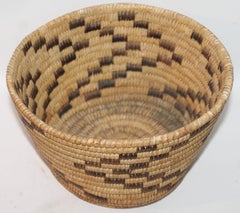
20th C Papago Indian Baskets Set of 3
Located in Los Angeles, CA
Measurements are as follows - Measures: Large basket - 9.25 x 5.5 Medium Basket - 6.5x3.5 Small basket - 2.5x4.5.
Hemp, Natural Fiber
$7,680Sale Price|20% Off
Antique Caucasus Soumak Kilim Sumac Rug, Caucasian Sumak Natural Carpet
Located in Tokyo, JP
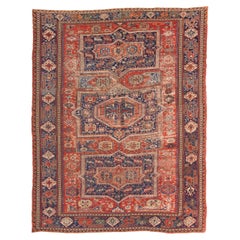
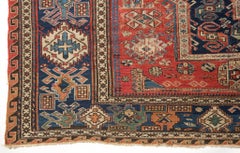
This is an Antique Soumak ( Sumak, Sumac ) Kilim from the Caucasus region with a rare and beautiful color composition. Of the four countries that make up the Caucasus, Azerbaijan produces the most kilims, and the land has a long history of weaving. The nomadic tribes wove kilims and carpets as well as a wide range of storage bags and sacks, such as saffrash, khurgin and chula, and donkey and horse trappings. Smaller bags for salt, utensils, and other items are also common. Not only are the Azerbaijani weavers prolific, but they also employ many techniques at the loom. These include slitweave- known locally by the word Kilim, warp-faced patterning (jajim), supplementary weft (zili), weft wrapping (popularly known as soumak), and extra weft wrapping (verneh). Furthermore, flatweaves are defined by regional names such as palas and shadda, so it is possible to ascribe a variety of weaving names to particular provenances as follows: soumaks are made in Kuba, palas, and kilims in Hajikabul, zili in Khizy, verneh and zili in Kazakh, shadda, verneh and zili in Barda, jajim in Agjabedi, and palas and kilims in Jabrail. Soumak weave is a technique in which weft threads are added to a plain weave fabric, and one or two warp threads are wound from the front to the back. The resulting Kilim is denser and firmer, giving it a unique feel and look. This technique is commonly used in the Caucasus region. Soumak kilims have a very beautiful contrast between orange that shines like the sun, deep purple-tinged indigo, and astringent dark red. You can also see the unevenly dyed abrage in this Soumak, which is like a magic carpet with an oriental atmosphere. Features of the Caucasian Kilim, such as the unique cosmic geometric floral pattern, are also found in this Soumak which has a bright look, but it also has a faded and textured feel, so it can be used in a good old atmosphere. The woven fabric is particularly solid, so it is recommended for use in a solid living room or under a dining table without moving or twisting. A nice Kilim under a long wooden dining table.
Wool, Natural Fiber
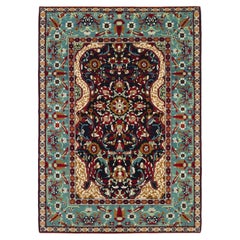
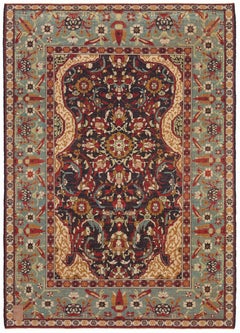
Ararat Rugs Cairene Ottoman Carpet, Turkish Court Manufactury Rug, Natural Dyed
By Ararat Rugs
Located in Tokyo, JP
Turkish Court Manufactury Rugs were woven in the Egyptian workshops founded by Ottoman Empire in the 16th century. Those carpets were woven in Egypt, following the paper cartoons pro...
Natural Fiber, Organic Material, Wool
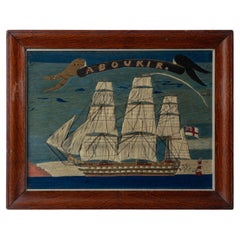
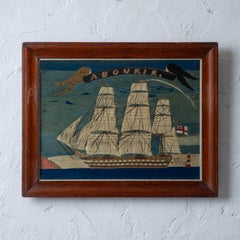
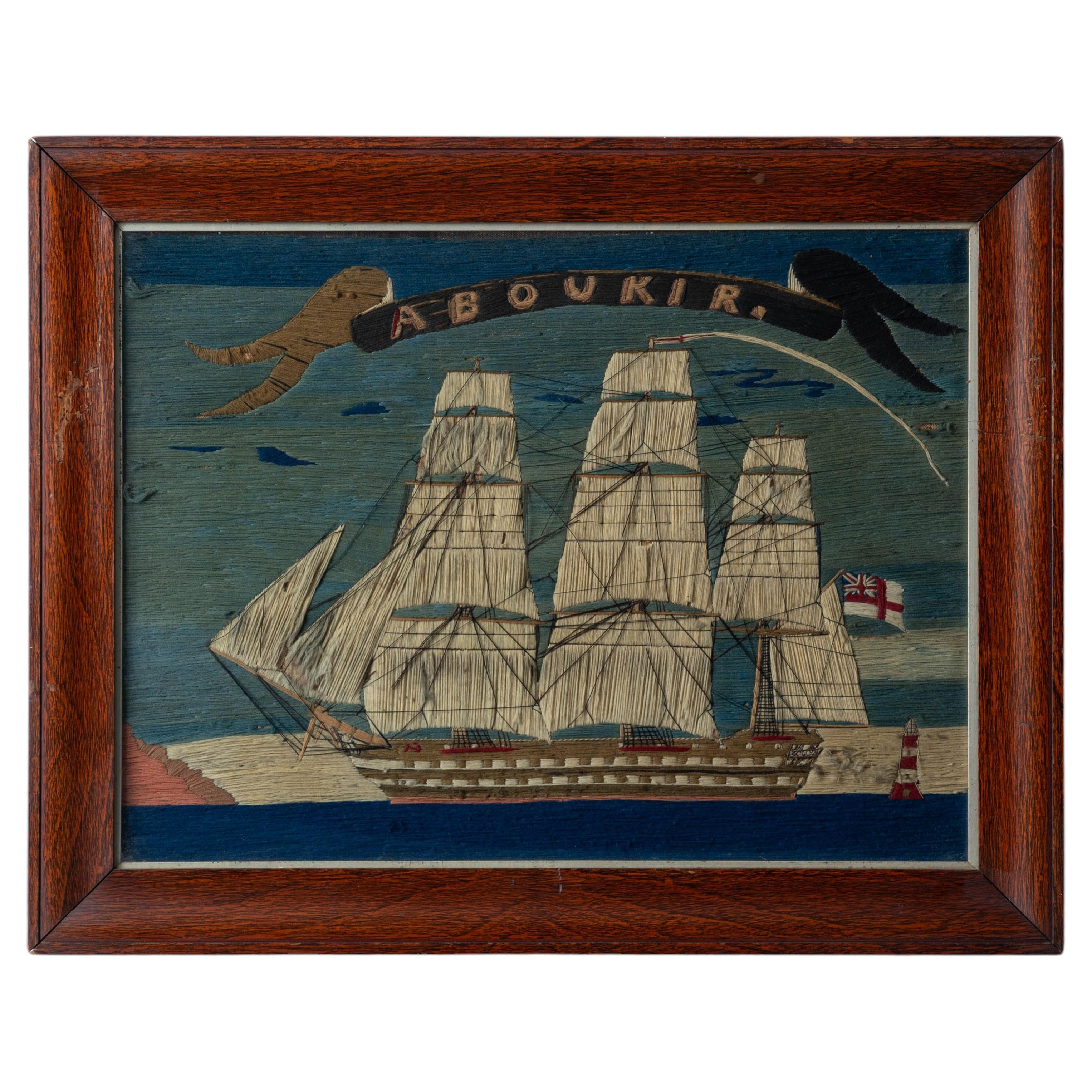
English Sailor's Woolwork of H.M.S. Aboukir, circa 1860
Located in Savannah, GA
A finely worked sailor's woolwork picture depicting the Royal Navy ship of the line H.M.S. Aboukir under full sail, flying the White Ensign at her stern. The vessel is shown broadsid...
Wool
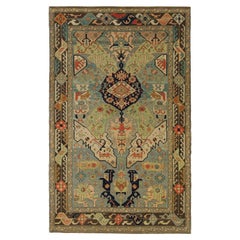
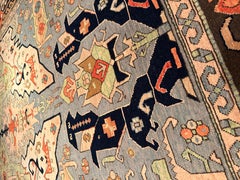
Ararat Rugs Dragon Rug, Antique Caucasus Museum Revival Carpet, Natural Dyed
By Ararat Rugs
Located in Tokyo, JP
There has long been a fascination with the symbolism of the dragon and its depiction in carpet weavings. The design of ‘Dragon’ carpets consists of a field pattern composed of different colored overlaid lattices formed of pointed, serrated leaves creating intersecting lozenges, which alternately contain palmettes and are flanked by confronting stylized dragons, birds, or animal figures. The most archaic of the ‘Dragon’ carpets include dragon motifs with birds and running animals relatively naturalistically drawn, which stand either alone or in confronting pairs facing a tree. The Graf carpet, originally found in a Damascene mosque, now in the Islamiches Museum, Berlin, is considered to be the oldest example of this type, see Serare Yetkin, Early Caucasian Carpets in Turkey, Vol. II, London, 1978, p.8, fig.118. Yetkin defines four types of ‘Dragon’ carpet: ‘Archaic’, ‘Four-Dragon’, ‘Dragon-and-Phoenix’ and as a further combined development of the latter, the ‘Two-Dragon’ style, of which the present carpet falls into the ‘Dragon-and-Phoenix group along with other examples, some of which include two fragments, one in the Museum fur Kunst und Gerwerbe, Hamburg; another in the Christian Museum, Esztergom, Hungary, a complete carpet in the Kier collection; an incomplete example in the Textile Museum, Washington, D.C; the ‘Cassirer’ Dragon carpet in the Thyssen-Bornemisza collection, Lugano; the Ali Pasa Mosque carpet in Tokat, and a further example in the Vakiflar Hali Museum, Istanbul (S. Yetkin, op. cit. pp.16-20). It has been suggested that the earliest examples of the Caucasian ‘Dragon’ carpets...
Wool, Natural Fiber, Organic Material
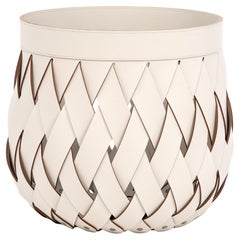
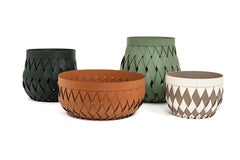
21st Century Canaria Medium Basket Handwoven in Italy
By Pinetti
Located in Bagnatica, Lombardia
Another style, another iconic weave. Canaria is our brand new family of baskets available in different sizes able to meet several uses. A magazine holder, a blanket or shoes holde...
Leather
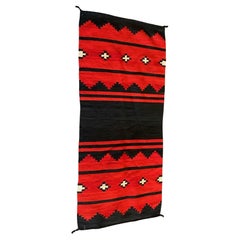
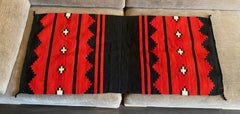
Indigenous Native American Indian Navajo Handwoven Biil Two Panel Rug Blanket
Located in Studio City, CA
A wonderful, highly engaging, intricately hand woven antique Native North American Indian Navajo tribe wool rug/dress/blanket featuring a Diné. Bill two panel geometric design with a...
Wool
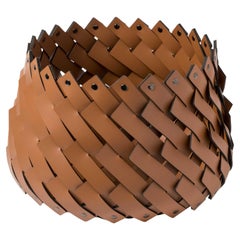
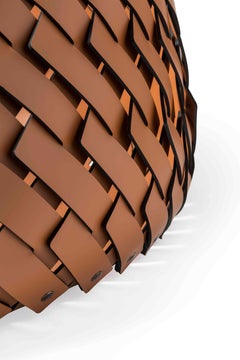
21st Century Almeria Magazine or Shoes Leather Basket Handwoven in Italy
By Pinetti
Located in Bagnatica, Lombardia
This masterfully hand-woven basket belongs to our iconic Almeria collection. Made of eco-friendly leather, that is washable, resistant to light and water, it's suitable for indoor and outdoor use as well. This small size perfectly works as a magazine holder. Perfect also as a blanket, shoes holder...
Leather
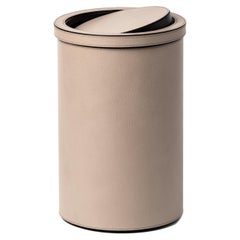
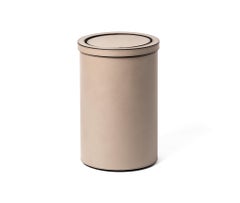
21st Century Leather Tilting Lid Waste Bin Handmade in Italy
By Pinetti
Located in Bagnatica, Lombardia
A cylindrical and contemporary silhouette with subtle detail. Our round metal bin with tilting lid is perfectly sized for use in the bathroom. More than 30 harmonious shades can be paired with our modern bathroom...
Leather
$2,437Sale Price|25% Off
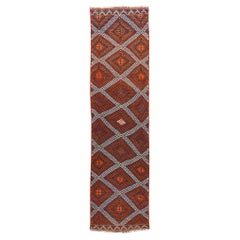
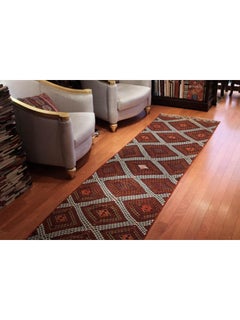
Vintage Central Anatolian Old Runner Kilim, Geometric Wool Rug Turkish Carpet
Located in Tokyo, JP
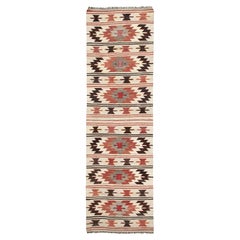
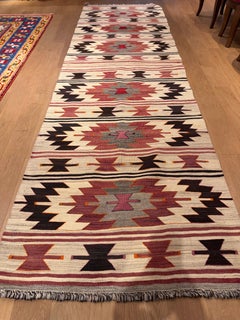
This is Central Anatolian Vintage with a rare and beautiful color composition. It is a long and thin runner that reaches up to three meters. What is amaz...
Wool, Natural Fiber
$984Sale Price|20% Off
Vintage Handwoven Wool Mut Kilim Southern Anatolian Rug Turkish Runner Carpet
Located in Tokyo, JP
This is a South Anatolian Vintage / Semi-old Handwoven Runner Kilim from the town of Mut in Mersin Province, located in the Mediterranean region of Anatolia, Turkey. These kilims are...
Wool, Cotton, Natural Fiber
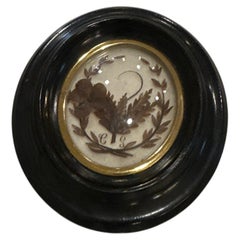
19th Century French Mourning Hair Art Framed circa 1800's Floral Oval
Located in Atlanta, GA
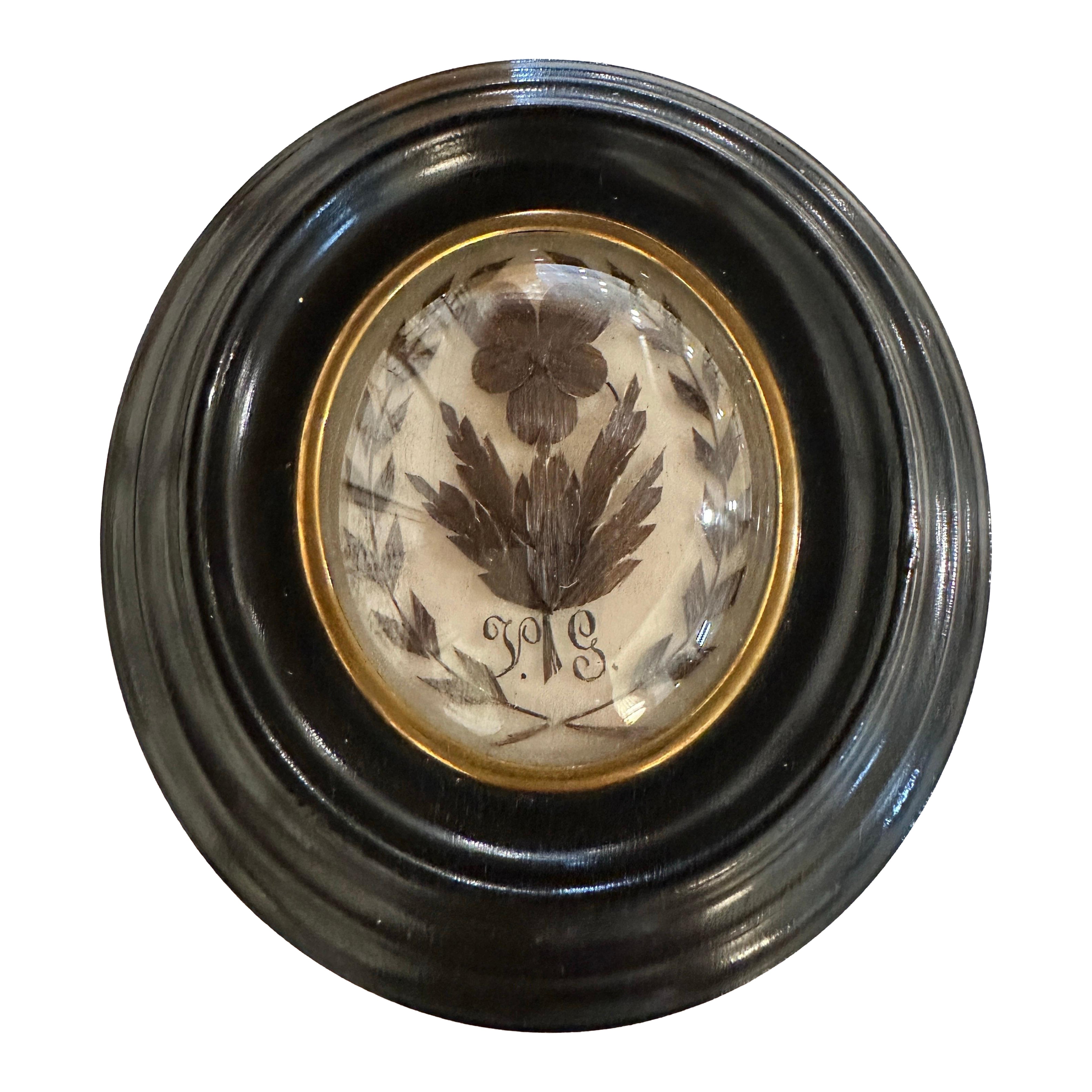
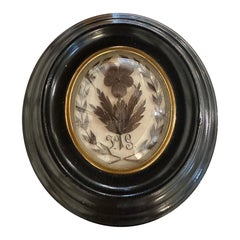
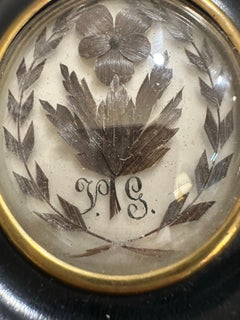
In the 19th century, remembrance often took the form of hair, carefully arranged and preserved beneath glass. This relic transforms a simple lock into a quiet archive of love and los...
Other
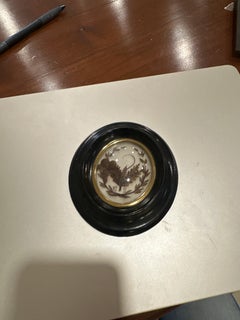
19th Century French Mourning Hair Art Framed circa 1800's monogram Oval Floral 2
Located in Atlanta, GA
In the 19th century, remembrance often took the form of hair, carefully arranged and preserved beneath glass. This relic transforms a simple lock into a quiet archive of love and los...
Other
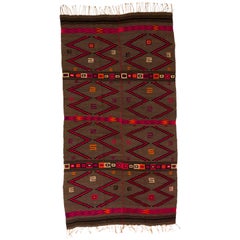
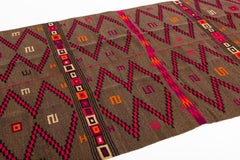
Hand Woven Mixtec Mexican Colourful Wool Serape Blanket
Located in New York, NY
Handwoven wool serape blanket from the highlands of Oaxaca, Mexico with traditional Mixtec symbols, circa 1950s.
Wool
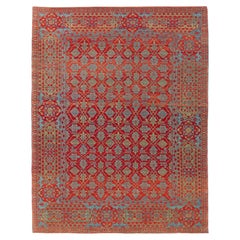
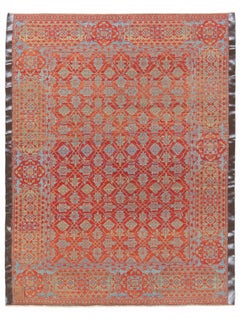
Ararat Rugs Mamluk Carpet with Lattice Design, Antique Revival Rug Natural Dyed
By Ararat Rugs
Located in Tokyo, JP
The source of carpet comes from the Mercer Collection Sotheby's 2000 (catalog cover). This Mamluk-Cairene carpet is known, curiously featuring some type of lattice was designed in th...
Wool, Natural Fiber, Organic Material
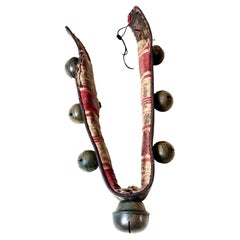

Antique Horse Sleigh Bells on Original Leather Collar, c. 1880–1900
Located in Hannover, DE
An exceptionally rare and highly decorative antique horse bell collar dating to approximately 1880–1900. This authentic harness ornament features seven hand-crafted bells mounted on its original padded leather collar, retaining a remarkable level of originality and historic character. Unlike the utilitarian bell collars commonly found on working horses, the refined construction, carefully proportioned bells, and superior materials strongly suggest that this example was created for ceremonial use, festive processions, winter sleigh rides, or special occasions. The overall quality is notably above that of standard agricultural equipment from the period. The collar is fitted with six smaller side bells and one substantially larger central bell, creating a visually balanced and acoustically impressive arrangement. The bells display a beautiful aged surface with an untouched patina developed over more than a century. The original red and cream padded lining remains present, adding further authenticity and visual appeal. Particularly noteworthy is the outstanding craftsmanship throughout. The leather construction, bell mounting, proportions, and finishing details reflect the work of a skilled maker and demonstrate a level of quality rarely encountered today. Complete original examples of this caliber have become increasingly difficult to find. The collar remains in original condition and exhibits age-appropriate wear consistent with over a century of use and storage. Two bells show damage resulting from age and historical use. One of these bells has been professionally stabilized using an industrial-grade adhesive suitable for metal restoration, preserving the visual integrity of the piece while respecting its historic character. The repairs and condition details are clearly shown in the accompanying photographs. Today, this piece represents not only an important example of equestrian history but also a striking decorative object ideal for collectors of antique horse tack...
Brass, Bronze
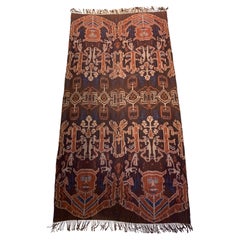
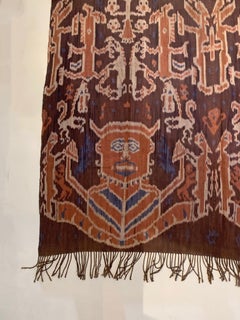
Ikat Textile from Sumba Island Stunning Tribal Motifs, Indonesia
Located in Jimbaran, Bali
This Ikat textile originates from the Island of Sumba, Indonesia. It is hand-woven using naturally dyed yarns via a method passed on through generations. It features a stunning array...
Yarn
$456Sale Price|20% Off
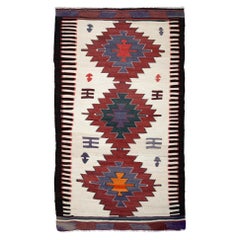
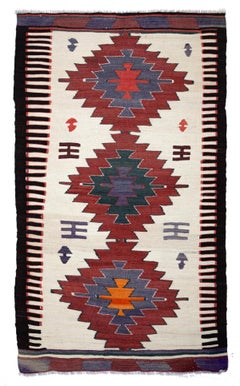
Semi Old Vintage Handwoven Wool Mut Kilim Central Anatolian Rug Turkish Carpet
Located in Tokyo, JP
This is a South Anatolian Vintage / Semi-old Handwoven Kilim from the town of Mut in Mersin Province, located in the Mediterranean region of Anatolia, Turkey. These kilims are renown...
Wool, Cotton, Natural Fiber
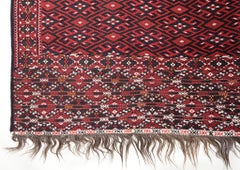
$2,240Sale Price|20% Off
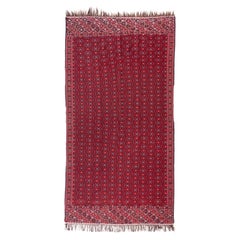
Turkestan Old Yomut Kilim Turkoman Central Asian Yomud Rug Turkomen Carpet
Located in Tokyo, JP
This is a Central Asian Old Yomut (Yomud) Kilim from the West Turkestan and Iran region with a rare and beautiful color composition. The Yomut are to be found in north-east Iran, an...
Wool, Natural Fiber
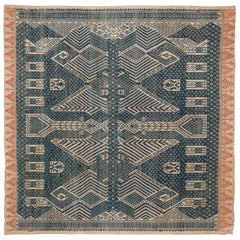
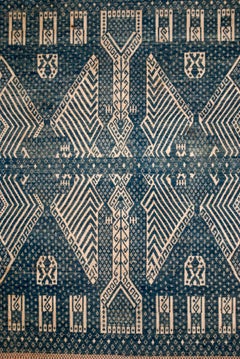
Early 20th Century Ceremonial Cloth / Tampan, South Sumatra, Indonesia
Located in Point Richmond, CA
Early 20th century Ceremonial Cloth / Tampan, Paminggir, Lampung region, South Sumatra, Indonesia Commonly referred to as ship cloths, these ceremonial tampan would have been used as gifts, wrappers, cushions or pillows in any number of life-transition ceremonies, including children’s first hair cutting...
Cotton
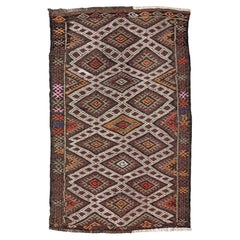
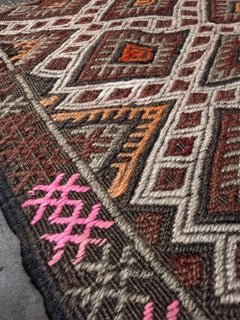
Brown Turkish Cicim Vintage Mini Kilim • Handmade Embroidered Flatweave Rug
Located in Burlingame, CA
A vintage Turkish cicim mini kilim featuring an earth brown field with crisp geometric lattice motifs and richly textured raised embroidery. The composition is grounded and architect...
Wool, Natural Fiber, Cotton
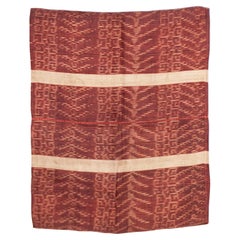
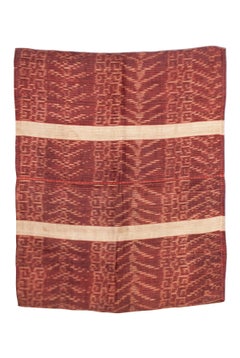
Rare Antique Woman’s Abaca Fiber Tube-Skirt, Philippines
Located in Point Richmond, CA
Rare Antique Woman’s Abaca Fiber Tube-Skirt, Philippines The Subanen are an indigenous people living in the mountainous interior of Zamboanga del Sur on the Zamboanga Peninsula in w...
Natural Fiber
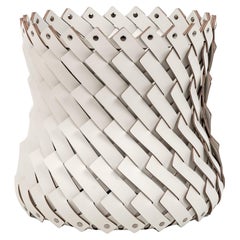

21st Century Almeria Medium Decorative Basket Handwoven in Italy
By Pinetti
Located in Bagnatica, Lombardia
The Almeria medium basket, a Pinetti timeless icon. A basket that becomes a magazine, blanket, shoes holder or a simple piece of décor, if necessary. P...
Leather
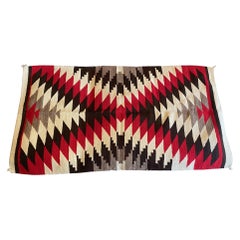
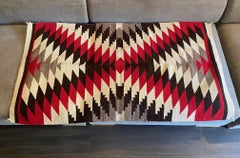
Indigenous Native American Indian Navajo Handwoven X-Pattern Rug Blanket
Located in Studio City, CA
A wonderful, highly engaging, intricately hand woven antique Native North American Indian Navajo tribe wool rug/blanket featuring a geometric X-pattern (the Navajo tribe is famed for...
Wool
$3,360Sale Price|20% Off
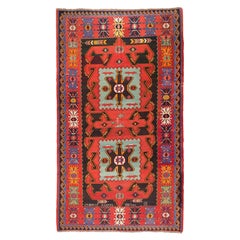
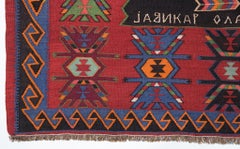
Vintage Caucasian Kuba Super Fine Kilim Caucasus Old Rug Quba Traditional Carpet
Located in Tokyo, JP
This is a large, Caucasian Old Kilim from the Kuba region with a red background and beautiful color composition. This Kilim is from Kuba, a city in Azerbaijan in the Caucasus regi...
Wool, Natural Fiber
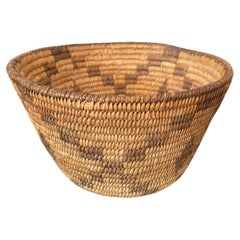
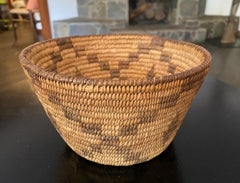
Native North American Indian Indigenous Southwest Pima Geometric Woven Basket
Located in Studio City, CA
A wonderful, beautifully designed/decorated and executed Native North American Indian Pima tribe hand woven oval shaped basket made of natural organic materials/fibers. The piece is...
Natural Fiber, Organic Material
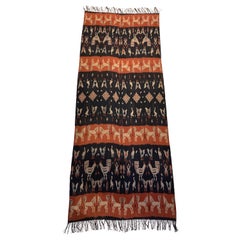
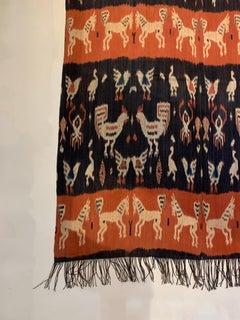
Ikat Textile from Sumba Island Stunning Tribal Motifs, Indonesia
Located in Jimbaran, Bali
This Ikat textile originates from the Island of Sumba, Indonesia. It is hand-woven using naturally dyed yarns via a method passed on through generations. It features a stunning array...
Yarn
$12,800Sale Price|20% Off
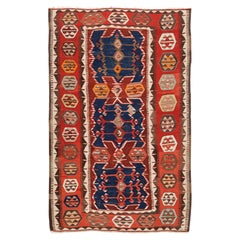
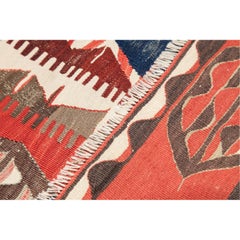
Antique Konya Obruk Kilim Central Anatolian Rug Vintage Wool Turkish Carpet
Located in Tokyo, JP
This is Central Anatolian Antique Kilim from the Konya - Obruk region with a rare and beautiful color composition. This highly collectible antique kilim has a wonderful special col...
Wool, Natural Fiber
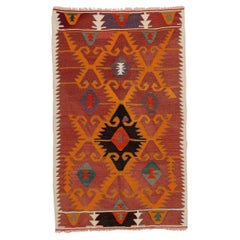
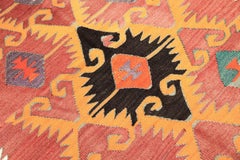
Semi Old Vintage Handwoven Wool Mut Kilim Central Anatolian Rug Turkish Carpet
Located in Tokyo, JP
This is a South Anatolian Vintage / Semi-old Handwoven Kilim from the town of Mut in Mersin Province, located in the Mediterranean region of Anatolia, Turkey. These kilims are renown...
Wool, Cotton, Natural Fiber
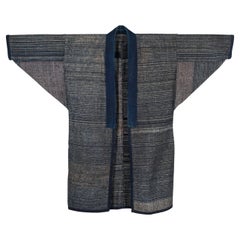
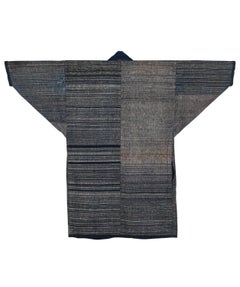
Antique Japanese Recycled Zanshiori Jacket
Located in Point Richmond, CA
Antique Japanese Recycled Zanshiori Jacket Zanshi-ori cloth is woven from leftover cotton and silk threads, either from commercial kimono production or from home-produced recycled y...
Cotton, Silk
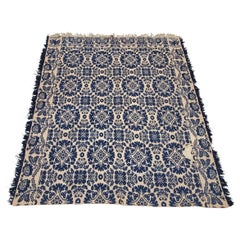
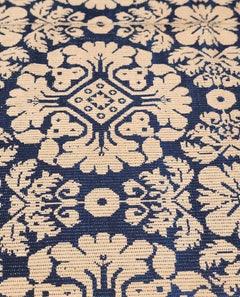
19thc Blue and White Wool Coverlet - Circa 1850
Located in Los Angeles, CA
Mid 19thc Blue and white coverlet. The condition is very good and the fringe is in perfect condition. Signed liberty with an eagle above and two of the corners. Image of coverlet i...
Wool
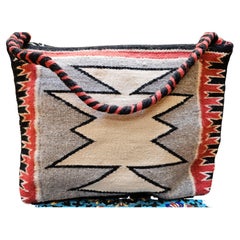
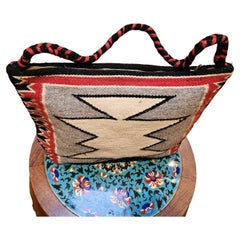
Vintage Navajo Rug Bag, Wool & Cotton, Diamond Pattern
Located in Barrington, IL
This unique vintage Navajo rug bag, crafted circa the mid-1900s, is a beautifully repurposed piece made from an original Native American Navajo area rug. Featuring a classic diamond ...
Wool, Cotton
$552Sale Price|20% Off
Vintage Handwoven Wool Mut Kilim Central Anatolian Rug Semi Old Turkish Carpet
Located in Tokyo, JP
This is a South Anatolian Vintage / Semi-old Handwoven Kilim from the town of Mut in Mersin Province, located in the Mediterranean region of Anatolia, Turkey. These kilims are renown...
Wool, Cotton, Natural Fiber
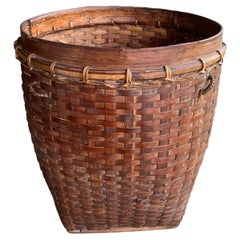
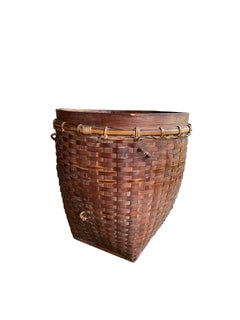
Rattan Basket Dayak Tribe Hand-Woven from Kalimantan, Borneo, Mid-20th Century
Located in Jimbaran, Bali
This mid-20th century hand-woven basket originates from the Dayak tribe of Borneo crafted with rattan fibres and an iron wood frame. These baskets were used to carry leaves, fruit, g...
Rattan, Wood
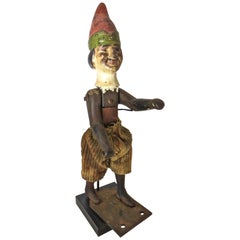
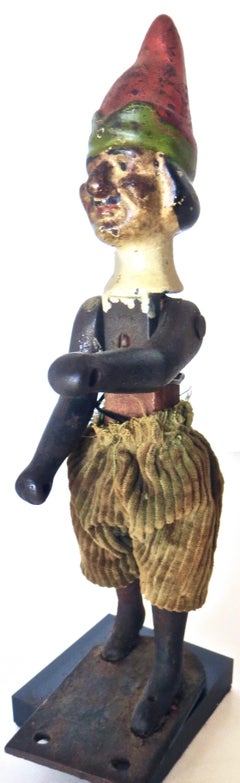
19th C. Popcorn Maker Figural "Toasty Roasty" American, Circa 1893, Rare
Located in Incline Village, NV
In all original clothing and condition, this very rare Authentic "Punch" looking figural, of American manufacture, would have been atop a popcorn maker o...
Iron

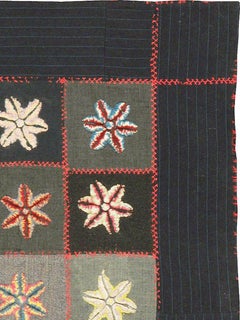
Antique American Quilt
Located in New York, NY
There is no overarching color composition to either the square sections nor to their associated six-point stars on this richly toned antique quilt. The stars are not perfectly orient...
Wool
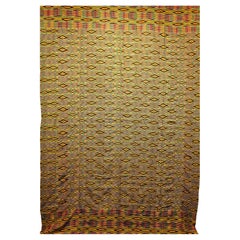
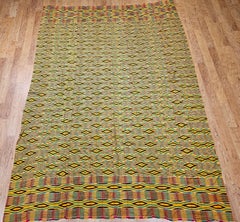
Hand-Woven Ewe Kente Cloth, Silk and Cotton, Ghana, Late 20th Century
Located in Barrington, IL
This striking hand-woven Kente cloth is an authentic West African textile created within the revered Ewe–Asante (Ashanti) weaving tradition of Ghana, celebrated for its vibrant color, symbolic geometry, and extraordinary craftsmanship. Woven from a luxurious blend of silk and cotton, this piece exemplifies the artistry and cultural depth that have made Kente one of the world’s most recognized and collected textiles. The design features a dynamic palette of turquoise green, golden yellow, warm brown, and glowing orange, arranged in rhythmic bands and geometric motifs. Each color carries traditional meaning—green for renewal and growth, yellow for wealth and vitality, and rich earth tones for grounding and stability—creating a composition that is both visually captivating and culturally resonant. Kente cloths were historically worn by royalty and used for important ceremonial occasions, making them powerful expressions of prestige, heritage, and identity. Today, they are prized by collectors and interior designers alike for their bold graphic presence and textural richness, whether displayed as wall art, draped over furniture, or incorporated into curated interiors. Dimensions: 83” x 118” Date of Manufacture: 3rd Quarter of the 1900s Place of Origin: Ghana, Africa Material: Silk, Cotton Condition: Good The Persian Knot Gallery, SKU: 2322 African Kente Cloth, Ewe Kente Textile, Ashanti Kente, Hand Woven African Textile, Ghanaian Kente Cloth, Silk And Cotton Kente, African Wall Hanging, Tribal Textile Art, Vintage African Fabric, Ghana Textile...
Cotton, Silk
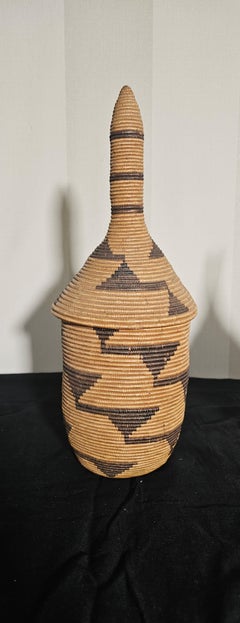
$851Sale Price|20% Off
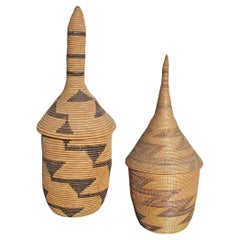
Tutsi Baskets
By Tutsi People
Located in Glasgow, GB
This is a beautiful pair of Ceremonial Baskets from the Tutsi people of Rwanda in East Africa. These baskets are handwoven and given as Wedding gifts with a trinket inside each bask...
Reed
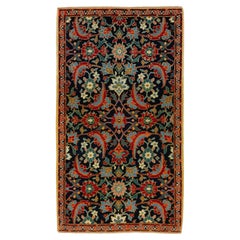
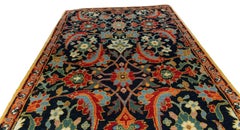
Ararat Rugs Fish Surrounding Lotuses Rug Masi Awita Revival Carpet, Natural Dyed
By Ararat Rugs
Located in Tokyo, JP
The source of the rug comes from the book Antique Rugs of Kurdistan A Historical Legacy of Woven Art, James D. Burns, 2002 nr.31. This blue background rug has a variation of masi awi...
Wool, Natural Fiber, Organic Material
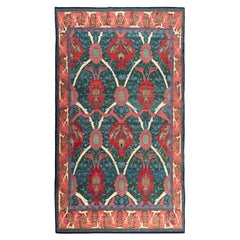
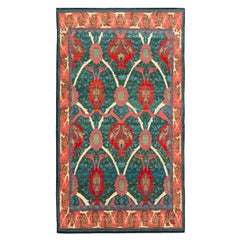
Ararat Rugs Holland Park William Morris Carpet, Arts and Crafts, Natural Dyed
By Ararat Rugs
Located in Tokyo, JP
The source of carpet comes from the book Arts & Crafts Carpets, by Malcolm Haslam, and David Black, 1991, fig.49. This Hammersmith carpet was designed by William Morris in 1882, in the United Kingdom. In 1887 English artist and bookbinder T.J. Cobden Sanderson, suggested that a new group be named the “Arts and Crafts Exhibition Society” As a result, he was the first to use the term “Art and Crafts” and also is credited with naming this new emerging movement. The Arts & Crafts movement was inspired by the degradation of product standards that resulted from the factory production age. The rise of machinery in manufacturing caused a noticeable decline in uniqueness and crafts. These anti-Industrial reformers promoted economic advancement and social change. They wanted to eliminate poor quality and “artificial” items from 19th century British society. They saw a plethora of uninteresting items on display at the Great Exhibition of 1851 and became inspired to launch a Campaign for originality and uniqueness. William Morris was an English designer, as well as an uplifting social activist and writer. Morris is credited with sparking the rebirth of textile arts and traditional means of production. In 1861, Morris and a small group of designers opened an incredibly fashionable design company that grew to be largely successful. Morris left behind works in many different mediums such as textiles, books, furniture, stained glass, and area rugs. But in the end, he is most remembered for the magnificent wallpapers that he designed. He got much of his inspiration from the natural world. Through his interior decor pieces, Morris set out to convert rooms or spaces into meadows with beautiful trees meandering, vines, and plants. This concept of taking something Industrial and man-made, and converting it into something natural is what William Morris meant when he once said: “-any decoration is futile… when it does not remind you of something beyond itself.” Morris was a huge commercial success and his works are some of the most sought-after pieces in the world of design and decor. He is also credited with almost single-handedly reviving the British textile arts as well as their methods of production. Morris was also severely critical of machine-made goods, exclaiming, “Today almost all wares that are made by civilized man are shabbily and pretentiously ugly.” Houses were filled “with tons and tons of unutterable rubbish,” which, he suggested, should be heaped onto a gigantic bonfire! “As a condition of life, production by machinery is altogether evil.” He masterminded one of the most well-known styles of Arts & Crafts, recognizable by its twisting and arching patterns and simple, elegant floral design prints. Although Morris believed that Persian carpets were the greatest ever made, he adopted the coarser Turkish (Ghiordes) knot for his hand knotted carpet manufacture. They were woven at a thickness of 25 knots to the square inch at that time. Morris & Co.’s rugs are reminiscent of Persian garden design carpets in that they are smartly styled depictions of English gardens. Donegal also started producing highly desirable Irish rugs in the late 19th century. The Donegal rugs were predominantly created by English architects C.F.A. Voysey and Gavin Morton. The handcrafted Voysey rugs are typically woven in England, Scotland, and Ireland. Voysey had a knack for using contrasting shapes to decorate flat monochromatic spaces. Dark outlines added a flair of drama to his signature pattern and Celtic rug...
Wool, Natural Fiber, Organic Material
$3,116Sale Price|20% Off
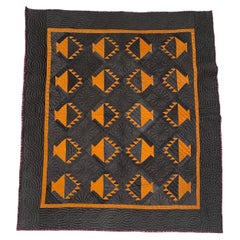
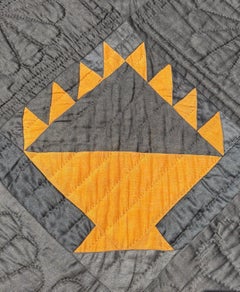
Early 20Thc Amish Black Cotton Sateen W/ Wool Pumpkin Baskets Quilt From Ohio
Located in Los Angeles, CA
20Thc Amish baskets quilt in a polished cotton back round with wool pumpkin colored baskets.This very rare & most unusual Amish color combo.This Amish quilt was found in Western ...
Wool, Cotton
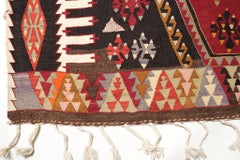
$4,640Sale Price|20% Off
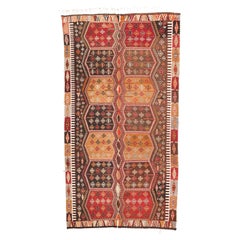
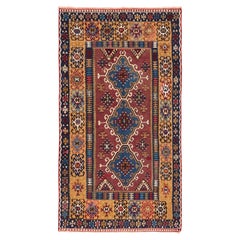
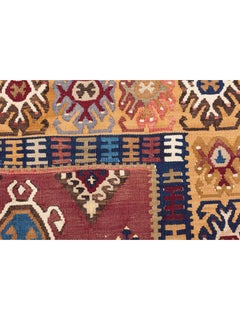
Vintage Old Sivas Kilim Central Anatolian Rug Turkish Natural Carpet
Located in Tokyo, JP
This is a Central Anatolian Old Kilim from the Sivas region with a rare and beautiful color composition. Sivas In the third century, Sivas was a Roman city known as Sebastea, the capital of Armenia Minor. Flourishing under Byzantine rule, Sivas reached a peak of prosperity under the Seljuks, only to be plundered in the fourteenth century by Tamerlane, as it was an important venue on the Persian and Iraqi trade routes. The Sivas region is inhabited by Turkish and Kurdish people, and until the genocide wrought by the Turks early this century, many Armenians dwelt there as well. Sivas gained certain fame as the site for the Sivas Congress of September 1919, convened by Mustafa Kemal...
Wool, Natural Fiber
$2,080Sale Price|20% Off
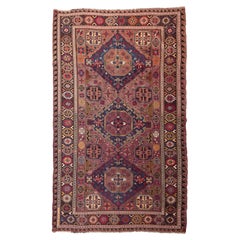
Antique Yahyali Kayseri Kilim Central Anatolia Old Rug Turkish Wool Carpet
Located in Tokyo, JP
This is an antique Central Anatolian Kilim from the Yahyali region in Kayseri with a rare and beautiful color composition. The earliest recorded occupation of Kayseri dates back to ...
Wool, Natural Fiber
$6,240Sale Price|20% Off
Antique Caucasus Soumak Kilim Sumac Rug, Caucasian Natural Carpet
Located in Tokyo, JP
This is a large Antique Soumak ( Sumak, Sumac ) Kilim from the Caucasus region with a rare and beautiful color composition. Of the four countries that make up the Caucasus, Azerbaijan produces the most kilims, and the land has a long history of weaving. The nomadic tribes wove kilims and carpets as well as a wide range of storage bags and sacks, such as saffrash, khurgin and chula, and donkey and horse trappings. Smaller bags for salt, utensils, and other items are also common. Not only are the Azerbaijani weavers prolific, but they also employ many techniques at the loom. These include slitweave- known locally by the word kilim, warp-faced patterning (jajim), supplementary weft (zili), weft wrapping (popularly known as soumak), and extra weft wrapping (verneh). Furthermore, flatweaves are defined by regional names such as palas and shadda, so it is possible to ascribe a variety of weaving names to particular provenances as follows: soumaks are made in Kuba, palas, and kilims in Hajikabul, zili in Khizy, verneh and zili in Kazakh, shadda, verneh and zili in Barda, jajim in Agjabedi, and palas and kilims in Jabrail. Soumak weave is a technique in which new weft threads are added to a plain weave fabric, and one or two warp threads are wound from the front to the back. The resulting kilim is denser and firmer, giving it a unique feel and look. This technique is commonly used in the Caucasus region. Soumak Kilims have a very beautiful contrast between orange that shines like the sun, deep purple-tinged indigo, and astringent dark red. You can also see the unevenly dyed abrage in this sumac, which is like a magic carpet with an oriental atmosphere. Features of the Caucasian kilim, such as the unique cosmic geometric floral pattern, are also found in this Soumak. It has a bright look, but it also has a faded and textured feel, so it can be used in a good old atmosphere. The woven fabric is particularly solid, so it is recommended for use in a solid living room or under a dining table without moving or twisting. A nice kilim under a long wooden dining table.
Wool, Natural Fiber
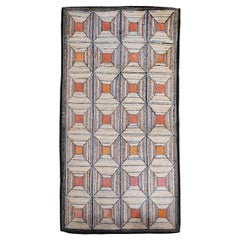
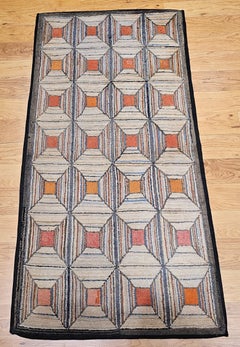
Vintage American Hand Hooked Rug, Wool on Cotton, Allover Geometric Pattern
Located in Barrington, IL
Celebrate the charm of American folk art with this exceptional vintage hand-hooked rug, crafted in the late 1800s in the historic New England region. Featuring a striking geometric p...
Cotton, Wool
$5,200Sale Price|20% Off
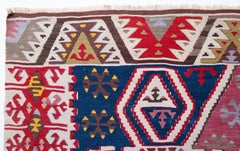
Antique Konya Kilim Rug Wool Old Central Anatolian Traditional Turkish Carpet
Located in Tokyo, JP
This is Central Anatolian Antique Kilim from the Konya region with a rare and beautiful color composition. This highly collectible antique kilim has wonderful special colors and tex...
Wool, Natural Fiber
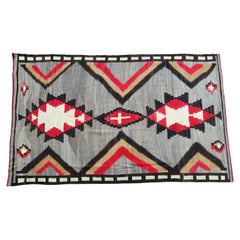
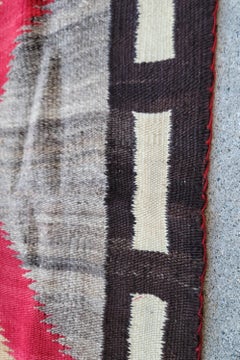
Large Navajo Weaving -Room Size Rug
Located in Los Angeles, CA
This fine large Navajo Indian weaving rug is in pristine condition and has been professionally cleaned.This geometric eye dazzler has great colors & most unusual pattern.
Wool
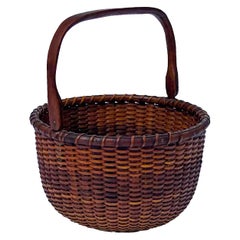
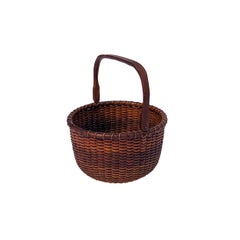
Open Round Nantucket Lightship Basket by Sherwin Boyer
By Sherwin P. Boyer 1
Located in Nantucket, MA
With a dark rich patina. Made with oak staves, handle and a mahogany base. In excellent condition. Attributed to Sherwin Porter Boyer (1907-1964). Measures: 6”.
Brass
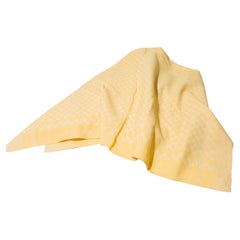
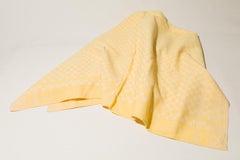
Vintage Textured Tablecloth from the Sárköz Region, Hungary, Mid-20th Century
Located in Alap, HU
Handwoven Sárköz Tablecloth, Hungarian Vernacular Textile Vintage Textured Tablecloth from the Sárköz Region, Hungary, Mid-20th Century A vintage handwoven tablecloth originating f...
Textile
At Waddesdon Manor, artist Joana Vasconcelos has installed a three-tiered patisserie inspired by the narrative tile work of her homeland. We take a look at the cake sculpture and how Portuguese tiles have been used in architecture from the 17th century to today.
The streets of fin-de-siècle Paris were set aglow with colorful poster ads, thanks to the printing techniques invented by Jules Chéret. Now, the Milwaukee Art Museum is celebrating this undersung talent in America's first solo show dedicated his exuberant works.
Expert Jeff Bridgman explains the history and meaning behind the twinkling constellations that have graced Old Glory.
The iconoclastic style setter displayed African and Oceanic art, as well as works by indigenous peoples of the Americas, alongside pieces by such major modernists as Pablo Picasso and Jackson Pollock.
Perfect for July 4th weekend, a new show at Philadelphia's Museum of the American Revolution displays an array of antique red, white and blue flags.
Designers are beginning to see this enigmatic form of folk art in a whole new light.