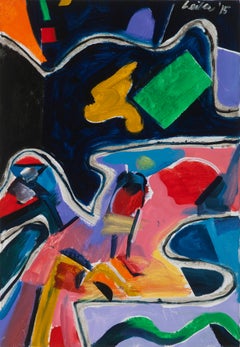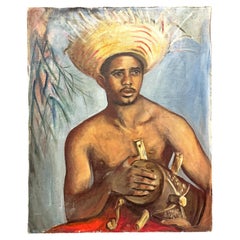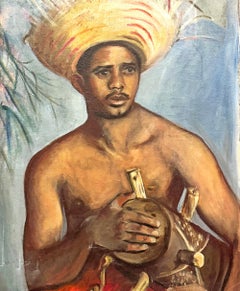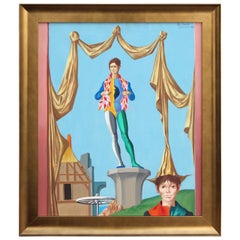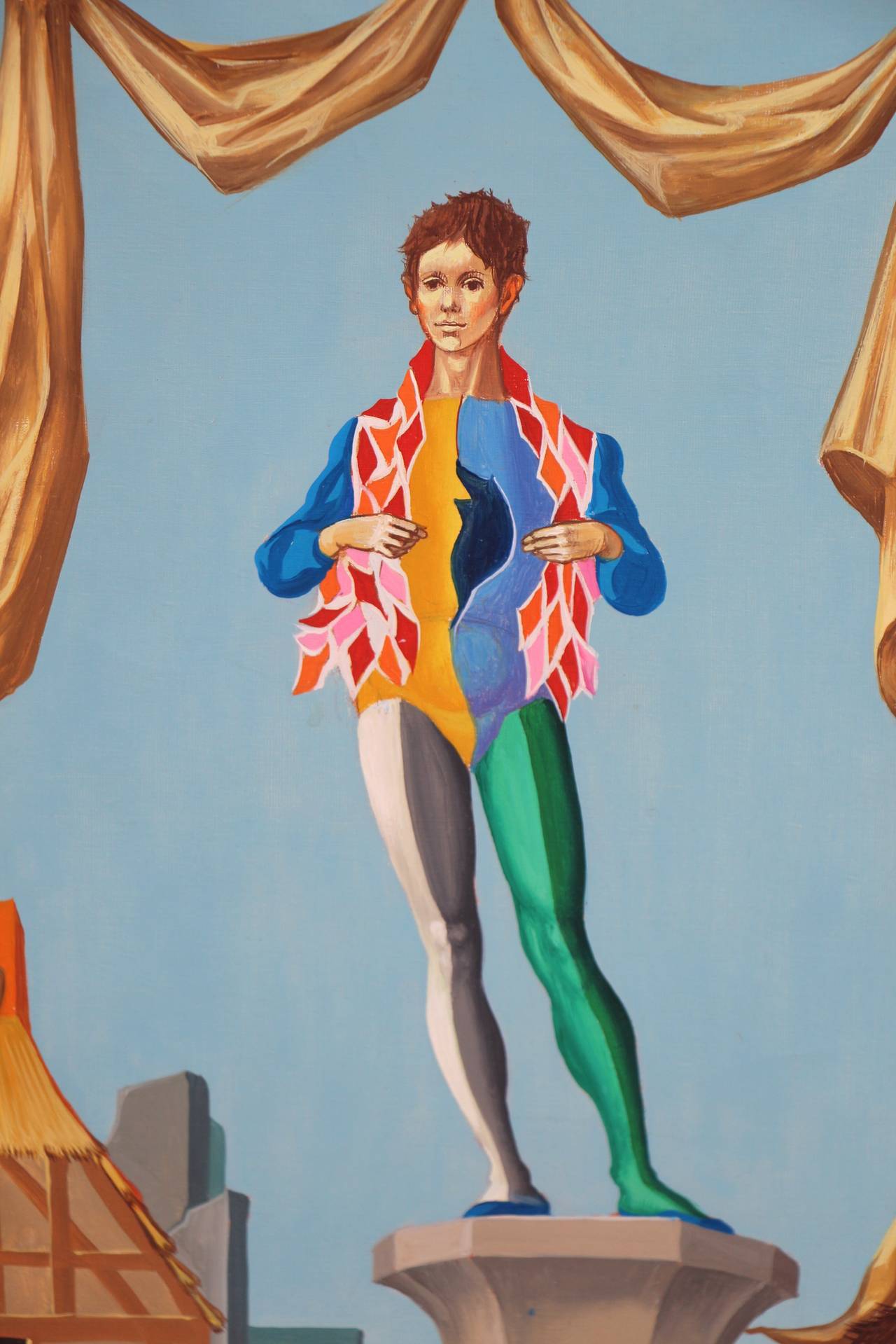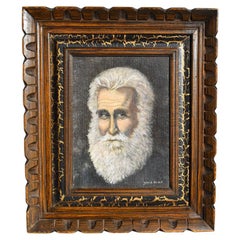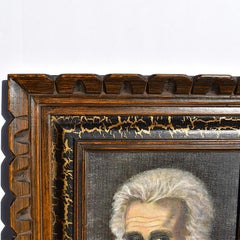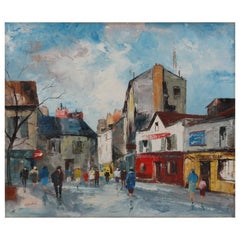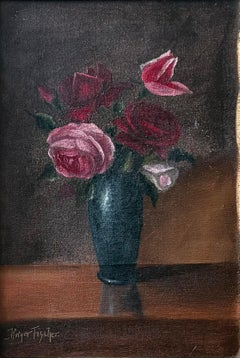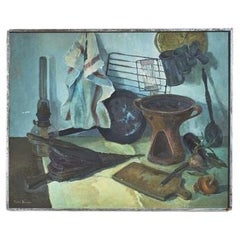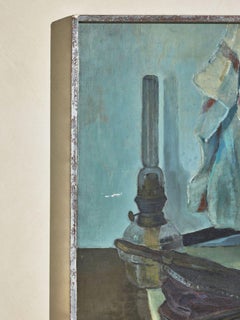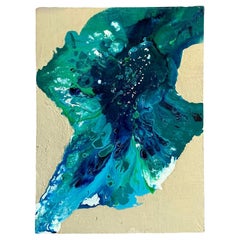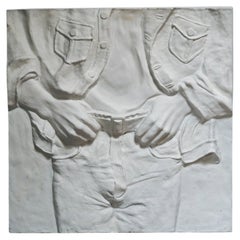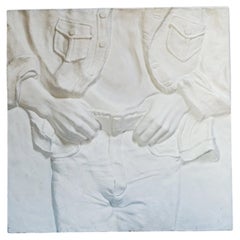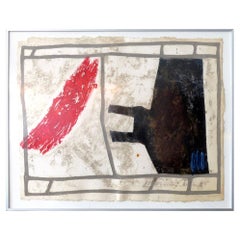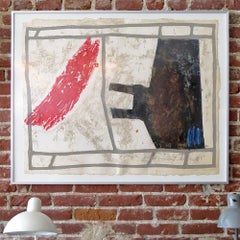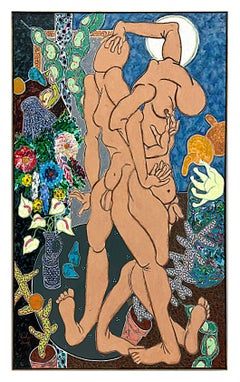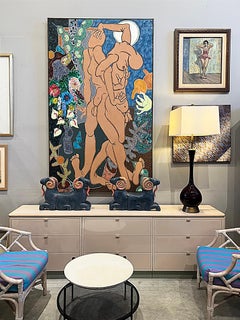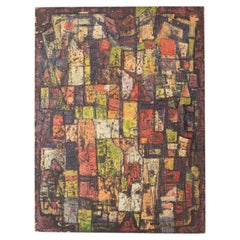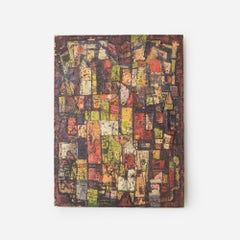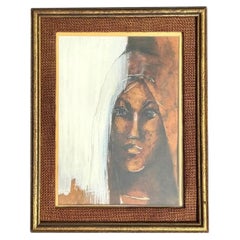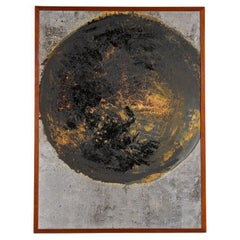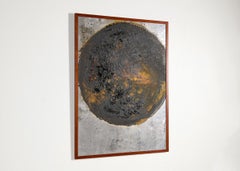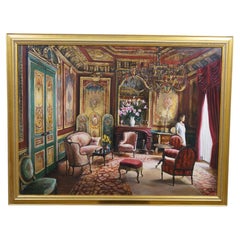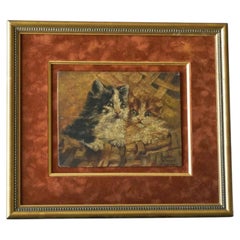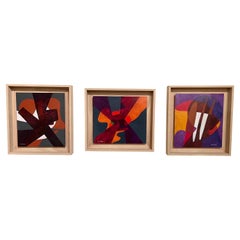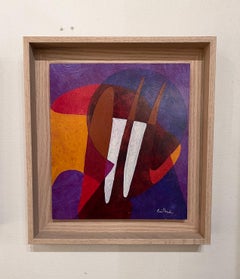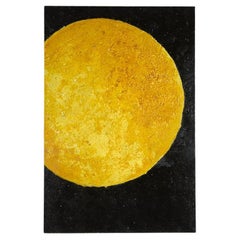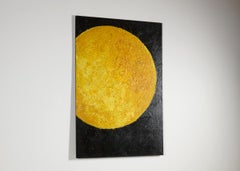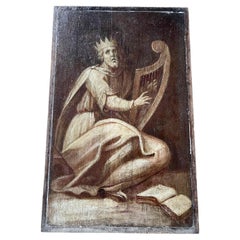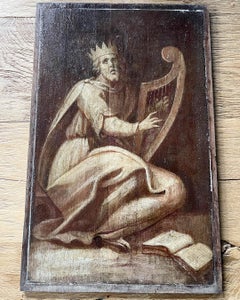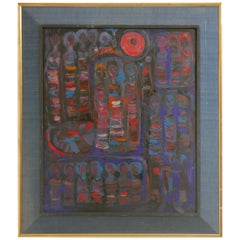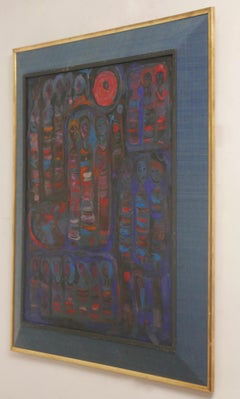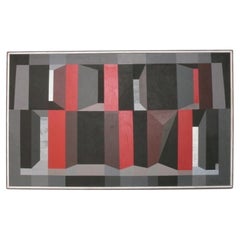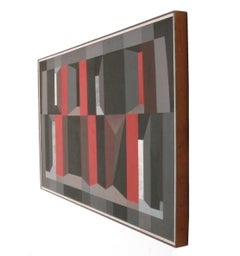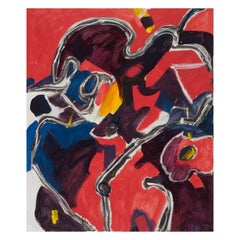
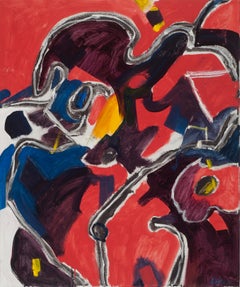
Alexander Cañedo, Dancing Man, Surrealistic O/C Painting, ca. 1950’s
Mid-Century Surrealism
Alexander Cañedo
Dancing Man
Oil on Canvas
ca. 1950’s
PAINTING DIMENSIONS:
Canvas: 44 x 44 cm (17-3/8 x 17-3/8 in.)
Framed: 68 x 68 cm (26-3/4 x 26-3/4 in.)
Alexander Cañedo (Mexican-American, 1902 – 1978) was born in Mexico City as Alejandro de Cañedo; his father was a Mexican government official and his mother was from the United States. In 1918, when Cañedo was 15, his parents sent him to École nationale supérieure des Beaux-Arts in Paris where he studied under the sculptor Jean Magrou. In 1923, Cañedo traveled to Rome where he continued his art studies. In 1927, Cañedo briefly returned to Mexico. During that trip, the Mexican Government appointed him attaché to the Mexican Embassy in Rome.
In 1928, Cañedo held his first art exhibition with the Circolo Artistico in Rome, a collection of pencil drawings. More exhibitions followed in other cities in Europe. That same year, he traveled to the New York City where he exhibited widely. At this point, he began signing his work with just his last name; eventually, he also Anglicized his first name as "Alexander" and dropped the "de".
Cañedo was commissioned in 1929 to illustrate the amatory novel Orientale: The Adventure of Therese Beauchamps by the French author Francis de Miomandre. The highly stylized Art Deco results were so successful that he retained Cañedo the following year to illustrate his next novel, The Love Life of Venus.
In 1932, Cañedo was invited to have a solo show of his pencil drawings at Walter P. Chrysler, Junior's newly opened Cheshire Gallery, located in the Chrysler Building. He also had a solo exhibition at the Argent Galleries, and participated in shows of the Art Students League of New York, of which he was an active member.
By the mid-1930s, Cañedo began exhibiting watercolors. These were shown at solo exhibitions at the Arthur U...
Category
1950s American Mid-Century Modern Vintage Paint Wall Decorations