By Sonal Varshneya Ojha
Located in Norfolk, GB
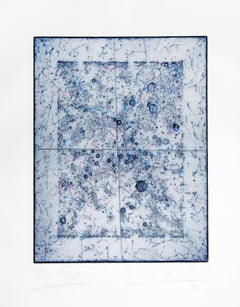
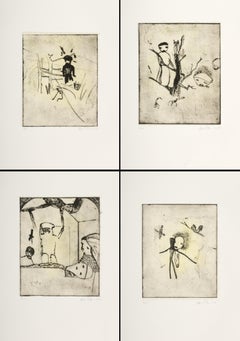
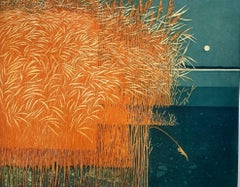
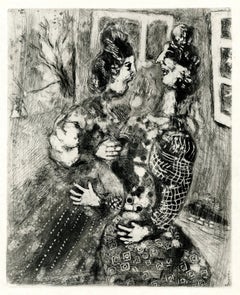
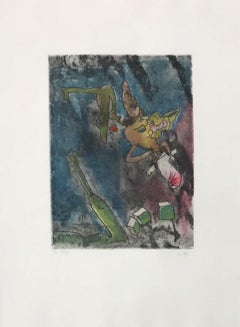
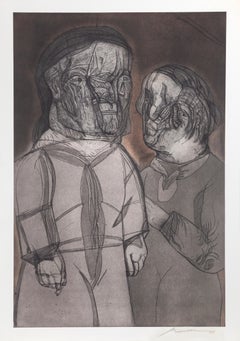
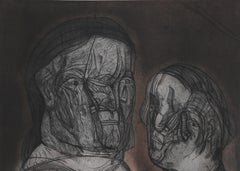
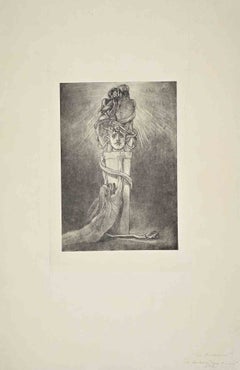
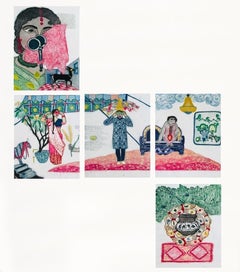
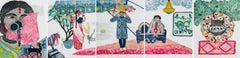
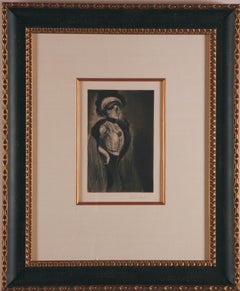
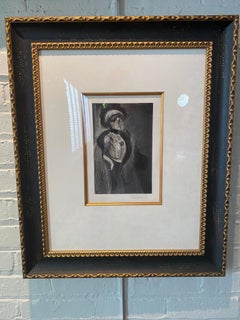
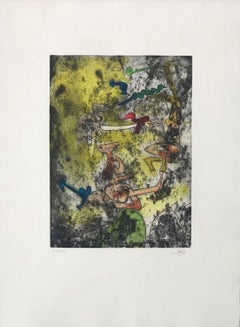
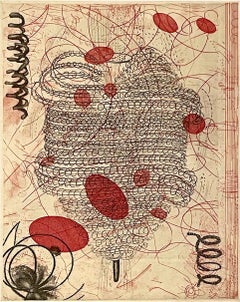
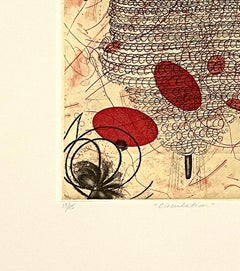
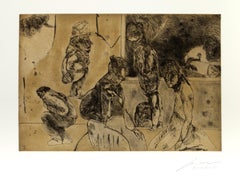
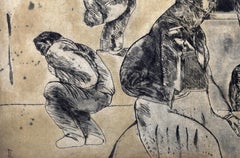
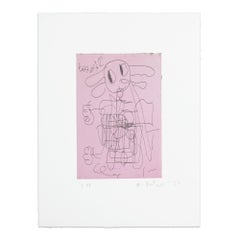
Compelling set of 5 etchings from an exciting new talent, Indian Artist Sonal Varshneya Ojha. The 5 works come from a series of 25 works, Edition 4/7. The full Edition is available on our 1stDibs store. Editions 1 and 2 have already sold, Edition 2 has been purchased by a Museum Collection in Belgium. Loved by private clients and Interior designers alike, Sonal has exhibited at International art fairs and exhibited with leading Galleries.
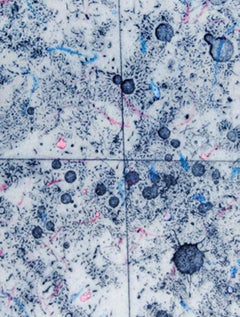
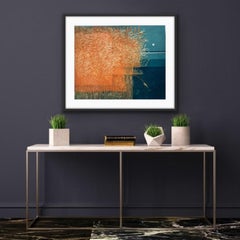
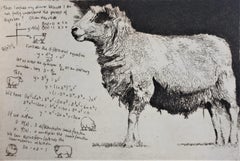
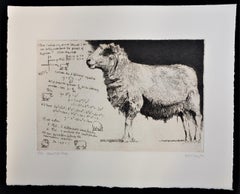
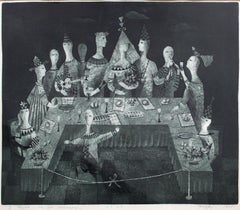
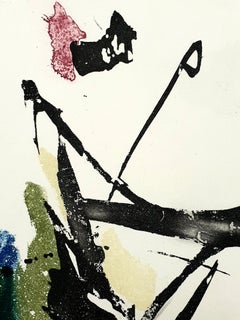
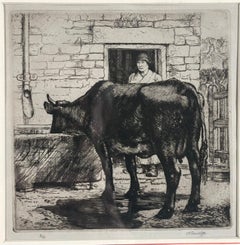
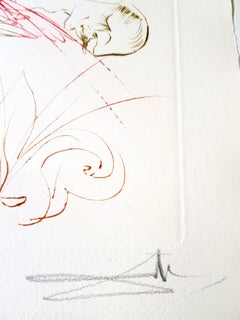
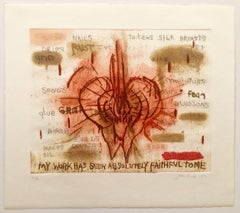
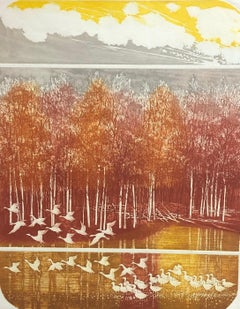
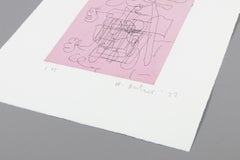
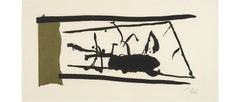
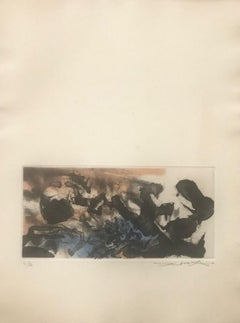
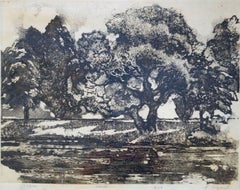
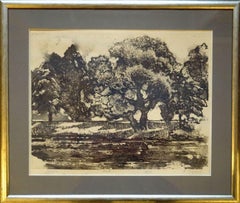
Vachik, Edition 4/7, Etching on Archival paper, dated 2022, signed and titled under each piece in pencil
17" x 70" (depending on hanging layout), without framing, comprising 5 etchings.
Sheet size 17" x 14", image size 13" x 10"
2022
Signed, Editioned, dated and titled in pencil
Provenance: From the artist's studio.
Sonal is a storyteller. Her primary medium of choice is printmaking, exquisite etchings whose protagonists jump off the page to tell their stories. Like all good narratives that lucidly roll from one tale to the other the artist works in series. Be it her Kissa Goi or her new Vachik stories, each work comprises of many parts, all fitting together as one large work, or, equally as pleasing, as individual works that may or may not speak to each other in any combination of pattern. Sonal lives and works in Lucknow, in India, the City famous for its tradition of Ghazal poetry. In past times the poems were displayed in Diwan's (illustrated books) a calligrapher and artist would be commissioned to illustrate the poems. Sonal references these traditions and we can see traces of this in her contemporary images. Ghazal's delight and employ elements of playfulness, anecdote and surprise. They take their audience on a bitter-sweet journey and Sonal invites us to do the same.
The artist explains that in the evenings the women gather on the roof terraces of her town to tell the tales that are passed down. These are stories that primarily revolve around the woman and their everyday role in a patriarchal society. These tales become mixed with the contemporary, both local and global events that effect the lives of the women. At first glance there is an anecdotal quality to the visual narratives but look a little longer and you will be rewarded by layer upon layer of meaning. Through the clever use of text and images of objects which may at first appear to be dislocated, each part of the image pulls together the narrative, expanding it into many different levels.
In Sonal's own words,
This work is very close to my heart, a lot of emotions are attached to this work. Some such
feelings that awakened for the first time and they were priceless. I have lived that time, felt
it very closely, whatever happened to me at that time, I have tried my best to make it work.
Kajal has a very important role, when there are children and grandmothers complete it, it is
said that by applying Kajal in the eyes of the children, the eyes become bigger. Which we
call Nazarota which is a small iron vessel.
Kashmiri shawls...
Category
2010s Contemporary Art by Medium: Etching
MaterialsArchival Paper, Etching