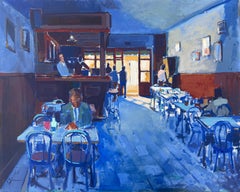
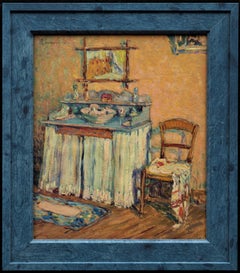
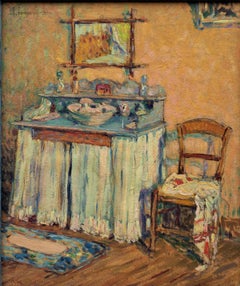
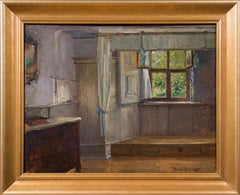
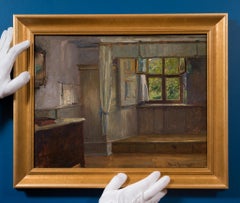
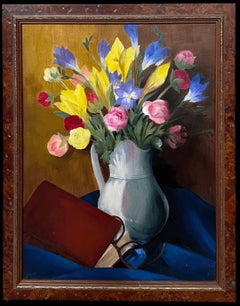
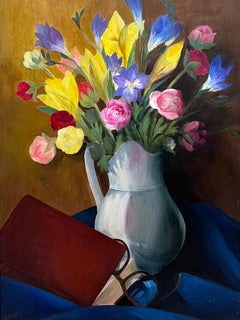
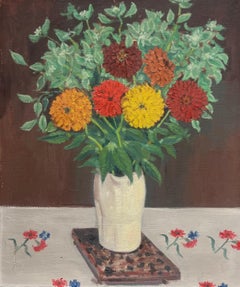
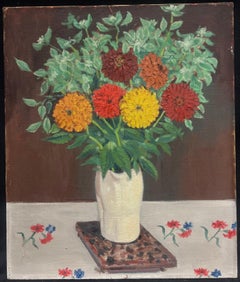
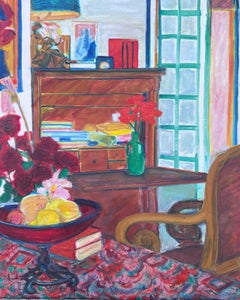
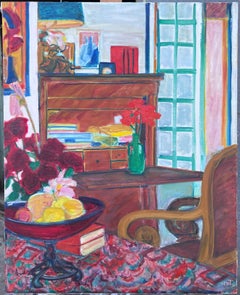
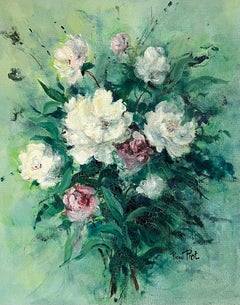
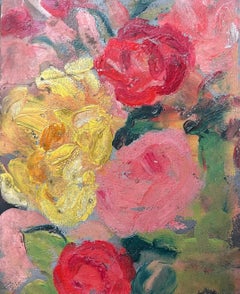
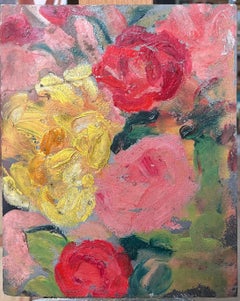
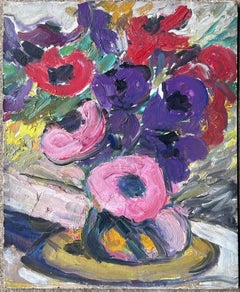
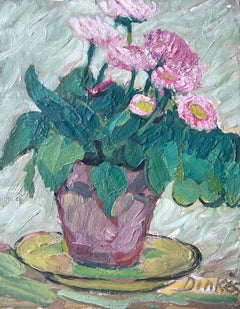
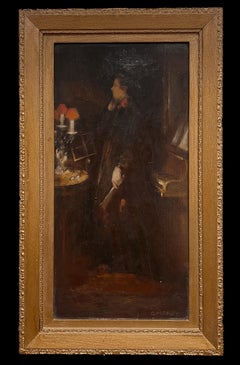
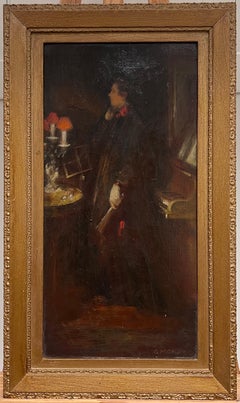
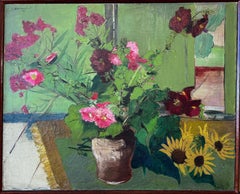
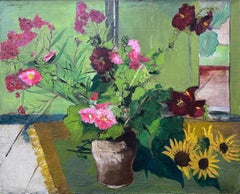
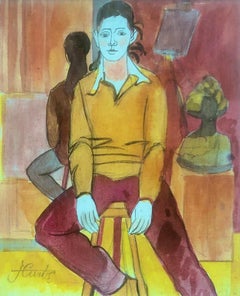
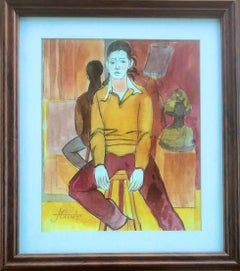
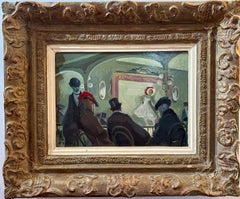
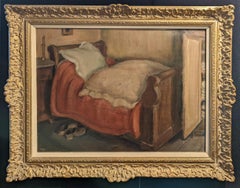
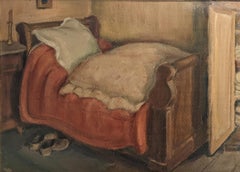
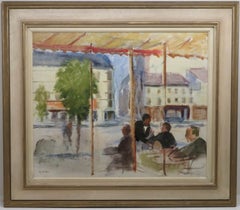
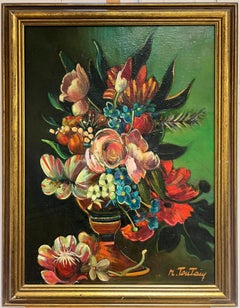
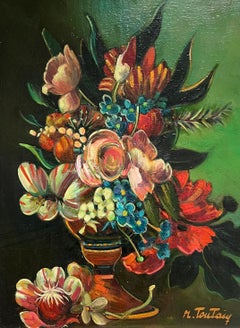
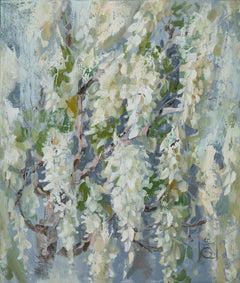
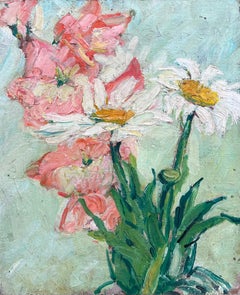
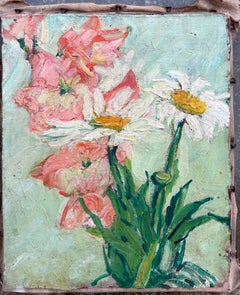
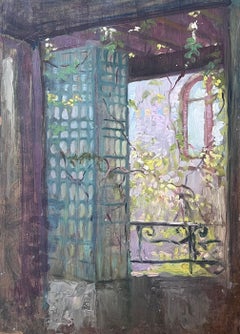
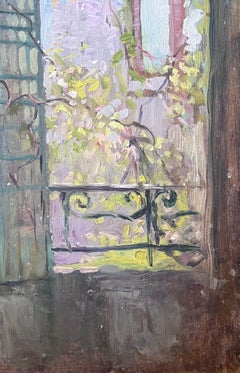
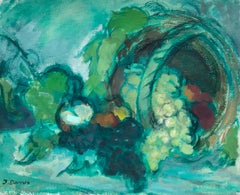
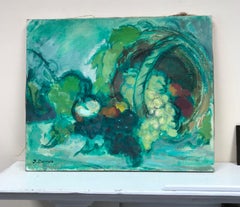
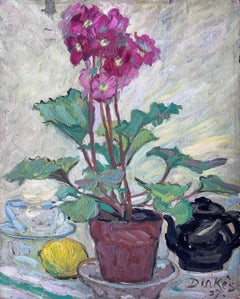
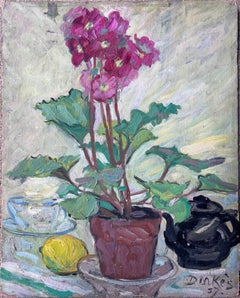
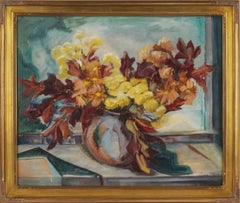
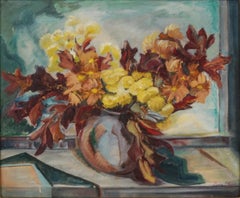
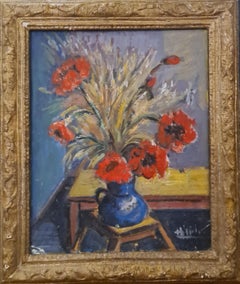
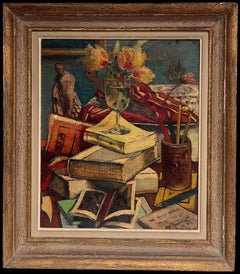
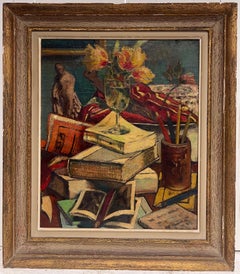
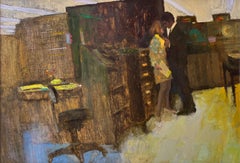
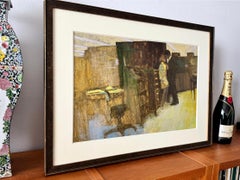
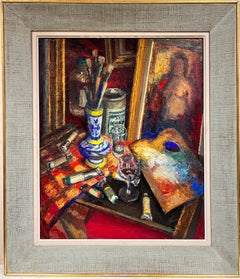
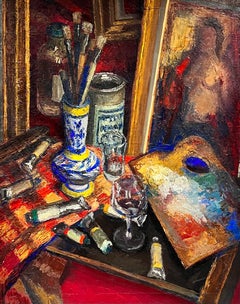
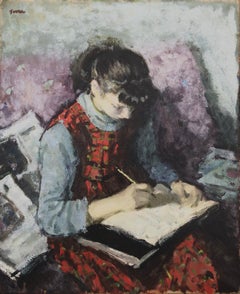
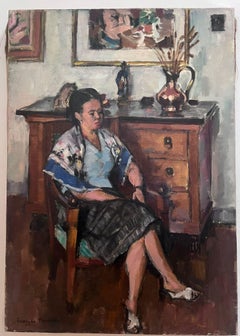
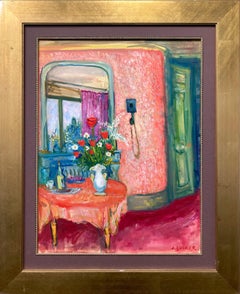
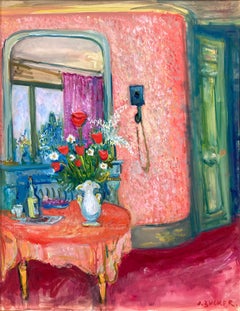
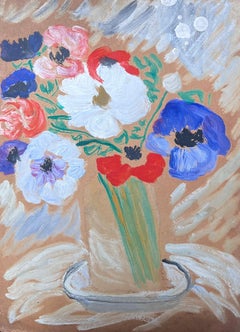
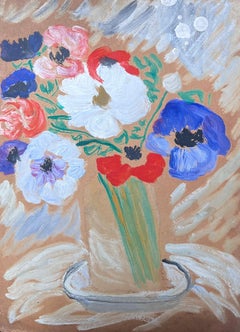
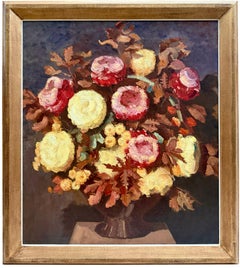
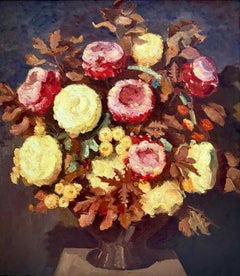
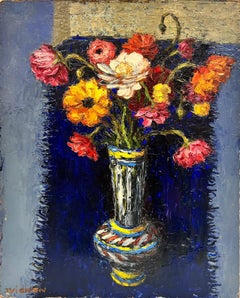
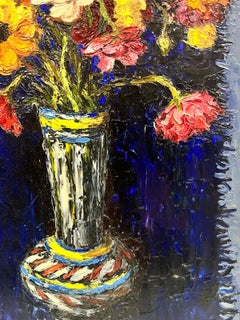
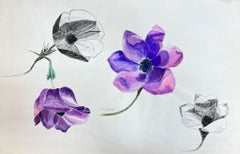
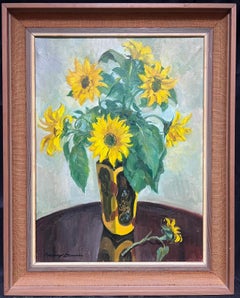
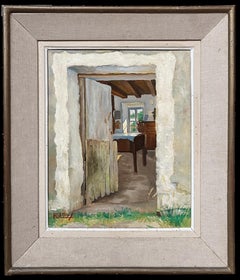
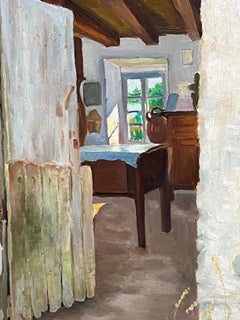
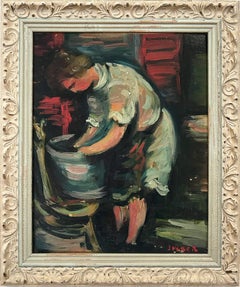
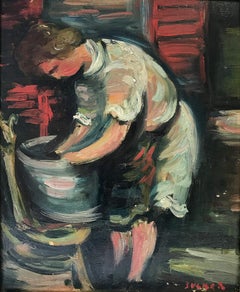
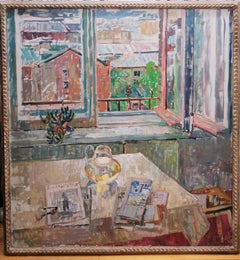
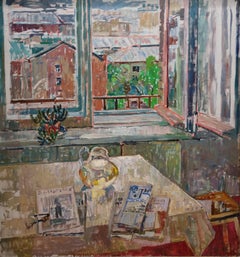
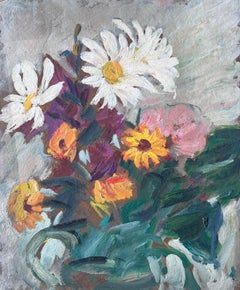
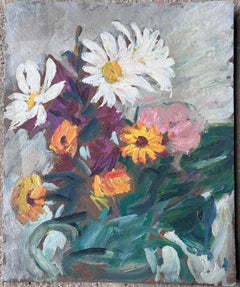
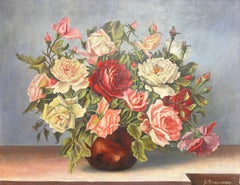
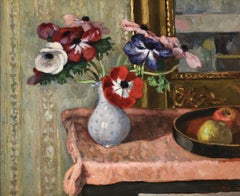
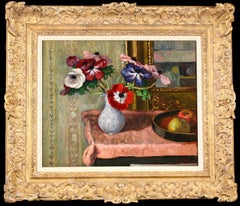
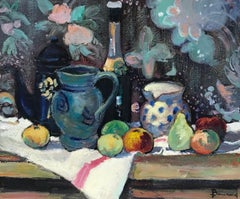
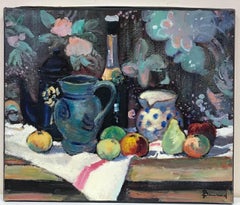
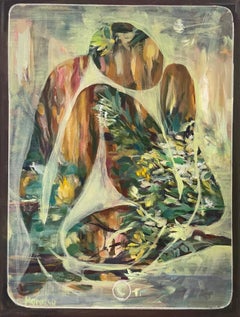
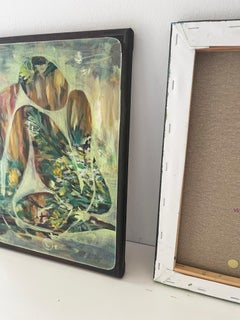
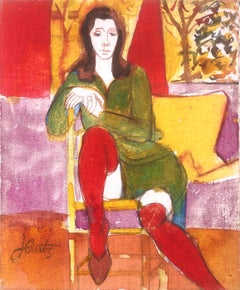
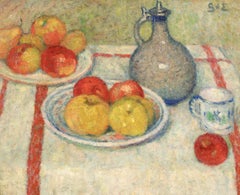
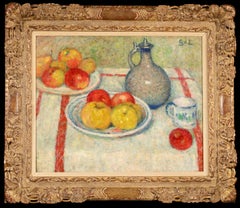
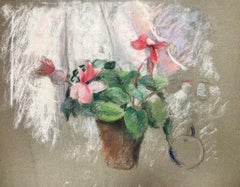
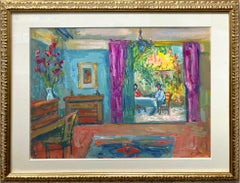
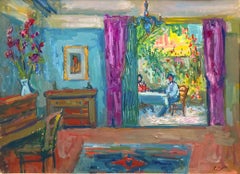
Beautiful 1940's French post impressionist oil on board by Simon Simon-Auguste.
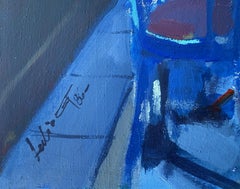
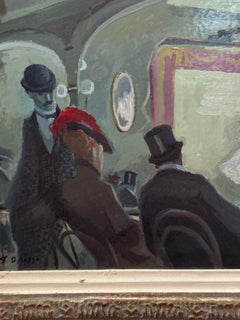
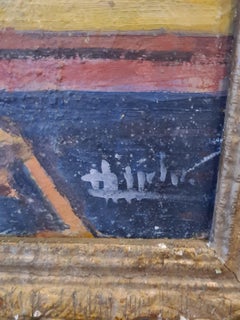
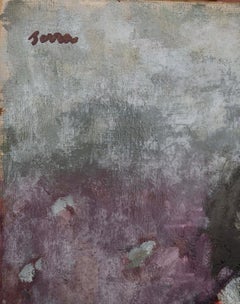
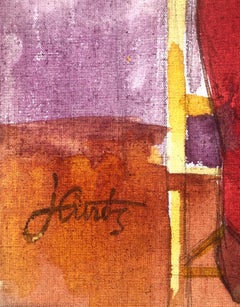
The work depicts a simple bedroom interior with shoes, candle and a single picture on the wall. Signed lower left and presented in a swept impressionist style frame.
Provenance: Chilham Castle, Kent
Artist: Simon Simon-Auguste (French, 1909-1987)
Title: Bedroom Interior
Medium: Oil on board
Size: 25.5 x 30.5 inches (65 x 77 cm) including frame
Simon Joseph Simon-Auguste (20 April 1909 – May 1987) was a French artist, known for his intimate paintings, mainly portraits, nudes and still lifes. His production is characterized by a calm, intimate feel, and the effective use of glaze.
Born in Marseille, Simon-Auguste was the son of Antonin Auguste, a cabinetmaker specialized in restoring furniture in the chateaux of the Provence.
Simon studied at the École communale of his neighborhood at rue Eydoux, in Marseille, where he excelled in design.
In 1931 Simon-Auguste finished his studies at the École des Beaux-Arts and won the Stanislas-Torrents award. He was commissioned to execute the mural decorations of the town hall in Allauch. He began exhibiting in Marseille where doctors and lawyers purchased his paintings.
In 1932 he invested into a 6-month stay in Paris where he frequented the Louvre Museum and became specially interested in the Camondo Collection. At the invitation of art dealer Adolphe Basler, he took part in the Moins de trente ans exhibition, at the Galerie de Sèvres, along with Jacques Despierre, André Hambourg, Louis Dideron, Léon Couturier, among others. He presented a nude, a still life, and a view of the Jardin du Luxembourg. He also started dealing with Georges Petit and the Galerie Vildrac.
In 1933 Simon-Auguste had his first solo exhibition at the Galerie Detailles, at the Canebière in Marseille which contributed to his success. He displayed 40 pieces (paintings, watercolours and sketches), mostly nudes and genre scenes.
In 1934 he married a philosophy student who would become a journalist under the pseudonym of Michele Seurière. For his second solo exhibition at the Galerie Detailles a few landscapes and marines were added to his portfolio.
During the 1930s Simon-Auguste explored subjects around nudes and landscapes. Later these evolved into children, still lifes and locals, full of intimacy and simplicity, which gained him a lot of recognition. Among these, we find La fillette au bol and Tête d'Enfant, which were purchased by the Musée Longchamp, Marseille.
It was 1939 when he could afford to move to Paris. The family settled at 38 rue de Malte and Simon-Auguste started submitting his work to the Salon d'Automne, Salon des Peintres Témoins de Leur Temps, and other major exhibitions.
At the outbreak of World War II, he was on holiday in Auvergne. In 1940, he was mobilized. Within two months he had to retreat to Ussel, forced by his ill health. In 1941 he reconverted a rented farm there into his atelier.
Simon-Auguste returned to Paris after the Liberation in 1944, to take part for the first time in the Nationale with La Fillette aux Pommes.
Up to 1947 Simon-Auguste signed his paintings with fountain pen ink. Afterwards, he used brush oil.
He spent some Summer holidays in Villiers-sur-Morin in the late 1940s. In 1949 he traveled around Italy: Rome, Florence, Siena, San-Giminiano, Venice, Milan.
In 1950 he was appointed member at the Salon d’Automne. This year he submitted Le Café du Commerce to the Grand Prix de la Peinture Contemporaine, at the Marsan Pavilion (Louvre Museum). He was amongst the 100 painters selected by the jury.
Also in 1950 the city of Paris acquired his Marine de La Rochelle. The Musée du Château de Sceaux acquired Paysage de l'Ille-de-France. The French state acquired La Fillette à la lampe in 1952, Nature morte aux Bleuets in 1953, and Comme un Poisson dans l’Eau in 1955.
In 1951 he contributed to an itinerant exhibition around Switzerland (Bern, Lausanne and Geneva) about Les fleurs et les fruits...
Category
1940s Post-Impressionist Interior Paintings