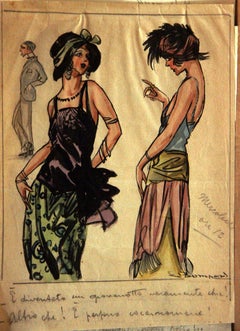
Cocainomane - Cocaine Addict - Drawing by Luigi Bompard - 1930s
Located in Roma, IT
Watercolor and china ink on paper. Signed by the artist. Good condition.
Category
Art Deco 1930s Art
Materials
Ink, Watercolor
Cocainomane - Cocaine Addict - Drawing by Luigi Bompard - 1930s
Located in Roma, IT
Watercolor and china ink on paper. Signed by the artist. Good condition.
Ink, Watercolor
$440Sale Price|20% Off
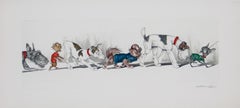
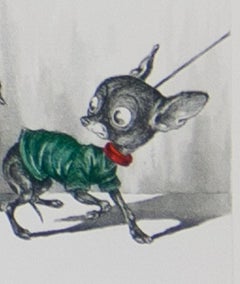
A La Queue (Join the Queue) Naughty Dogs of Paris by O'Klein
Located in Paonia, CO
A La Queue (Join the Queue) original etching from the series Naughty Dogs of Paris showing a line of five dogs of various breeds trailing a small Chihuahua on a leash who is t...
Etching
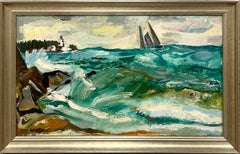
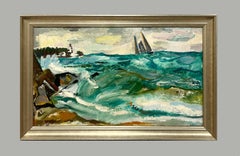
A Colorful, 1950s Modern Painting, Sailing Off the Coast of Martha's Vineyard
Located in Chicago, IL
A colorful, blustery painting of sailing off the coast of Martha's Vineyard by famed Chicago Modern artist, Francis Chapin. Painted in the early 1950s, the painting depicts a vibran...
Masonite, Oil
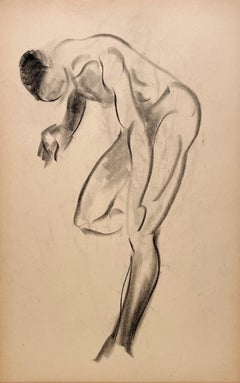
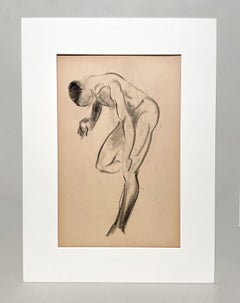
A Fine 1930s, Modern Academic Figure Study Drawing of a Standing Male Nude Model
Located in Chicago, IL
A Fine 1930s, Modern Academic Figure Study Drawing of a Standing Male Nude Model by Notable Chicago Artist, Harold Haydon (Am. 1909-1994). An exceptionally well executed, early 1930...
Paper, Charcoal
$7,800
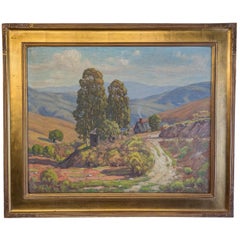
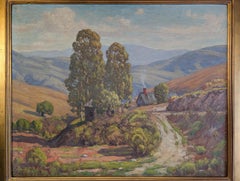
American Impressionist Oil on Canvas Painting "California Highlands" Los Angeles
Located in Portland, OR
A very attractive California Impressionist oil on canvas painting by Charles L. A. Smith, "California Highlands", dated 1930. This very attractive large painting by one of the foremo...
Canvas, Oil
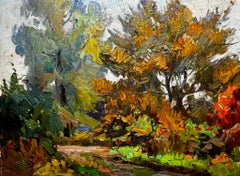
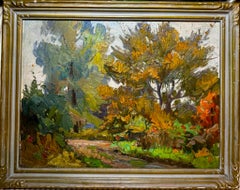
October Foliage
Located in North Clarendon, VT
Wonderful fall landscape by Canadian/American artist William Alexander Drake. Oil on board in a period frame. 12" x 16", 14.5" x 18.5" framed. William Alexander Drake (1891–1979) wa...
Oil
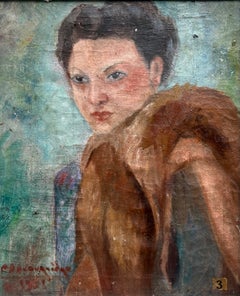

Portrait of a Woman in a Fur Coat, Signed and Dated, French Expressionist School
Located in Pistoia, IT
"Portrait of a Woman in a Fur Coat"—French Expressionism, signed and dated. The painting, an oil on canvas, depicts a portrait of a young woman in the figurative style of the early 2...
Canvas, Oil
$12,057
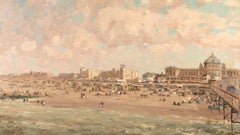
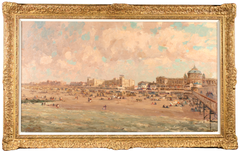
Jacques-Emile Blanche - Scheveningen Beach and the Kurhaus, Oil, 1930
Located in Marlow, Buckinghamshire
Jacques-Émile Blanche (French, 1861–1942), Scheveningen Beach and the Kurhaus, oil on canvas, signed and dated lower right, 1930 — a panoramic North Sea beach scene by one of the gre...
Oil
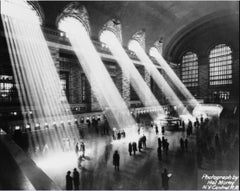
Sun Beams Into Grand Central Station (1930) - Silver Gelatin Fibre Print
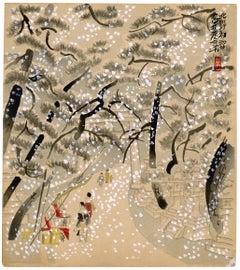
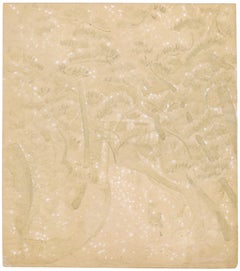
First Snow at Kitano Shrine — Sosaku Hanga Japanese Woodblock, Kyoto
Located in Myrtle Beach, SC
Kamei Tobei, 'First Snow of the Year at Kitano (Kitano Hatsu Yuki)', color woodblock print, c. 1930s. Signed Kamei Tobei in black ink, with the artist red seal Eiichi (the artist’s g...
Woodcut
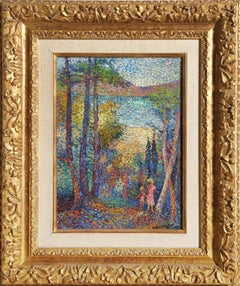
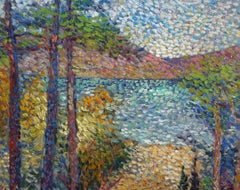
Spring Walk, Impressionist Oil Painting on Canvas by Lucien Neuquelman
Located in Long Island City, NY
Lucien Neuquelman, French (1909 - 1988) - Spring Walk, Year: 1938, Medium: Oil on Canvas, signed and dated lower right, Size: 13 x 9.5 in. (33.02 x 24.13 cm), Frame Size: 20.5 x ...
Oil
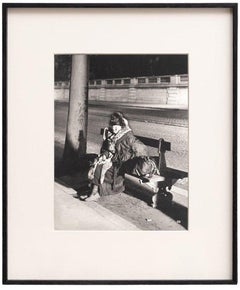
$1,434
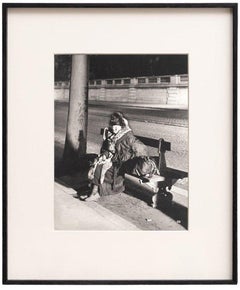
After Brassaï, Black and White, 1930s, Photographic Heliogravure Print, Framed
By Brassaï
Located in Barcelona, ES
Embark on a journey through the nocturnal streets of "Paris de Nuit" with this exclusive rare heliogravure test print by Brassai. Prior to the publication of his iconic book, this ...
Paper
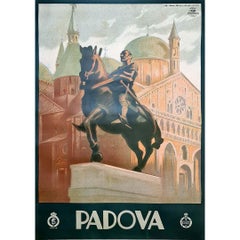
Circa 1930 Original Padova travel poster by Marcello Dudovich - Padova - ENIT
Located in PARIS, FR
This original Padova travel poster, created circa 1930 by renowned Italian illustrator Marcello Dudovich, showcases the grandeur and historical significance of the city of Padua. Com...
Paper, Lithograph
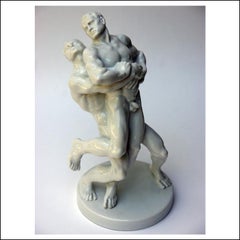
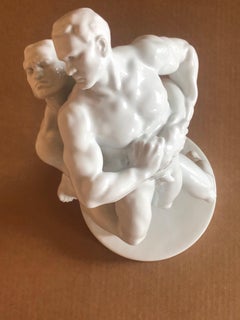
WRESTLERS 1936 Olympics Porcelain Gay Mid-Century Art Deco Modernist LGBT
By Herend
Located in New York, NY
WRESTLERS 1936 Olympics Porcelain Gay Mid-Century Art Deco Modernist LGBT Herend "Wrestlers" Porcelain, 1936 Stamped P. Farkus on top of base. Stamped Herend on bottom of base. 16...
Porcelain
$9,822
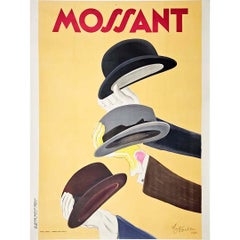
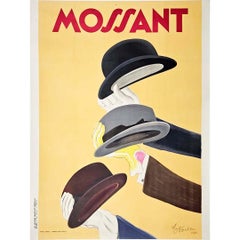
1938 original poster by Leonetto Cappiello - Mossant - Art deco Fashion
Located in PARIS, FR
This is an original poster printed in lithography by the famous poster artist Leonetto Cappiello. Leonetto Cappiello was an Italian and French poster ar...
Linen, Paper, Lithograph
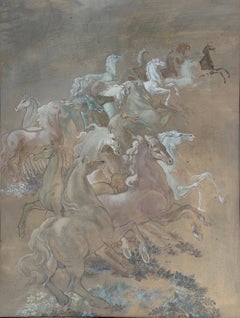
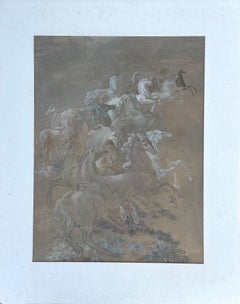
Unnamed Horses (Wild Horses)
Located in Wilton Manors, FL
Boleslaw Cybis (1895-1957). Unnamed Horses (Wild Horses), ca. 1930's. Conte on paper, sheet measures 20 x 23 inches. Signed by the artist some years after its creation in blue ink...
Paper, Gouache, Pencil
$1,947Sale Price|20% Off
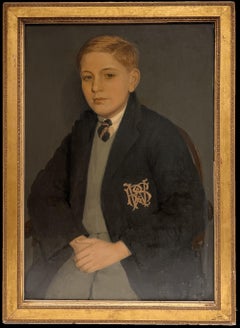
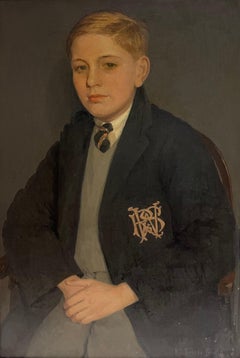
1930's British Oil Painting Portrait of Westminster School Boy in Uniform
Located in Cirencester, Gloucestershire
"Young Westminster" by Kathleen Emily Temple-Bird (British 1879 - 1962) signed and dated 1931 oil painting on canvas, framed framed: 33 x 24 canvas: 29 x 20 inches condition: very go...
Oil
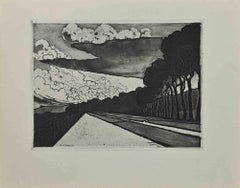
Landscape -Original Etching by George-Henri Tribout - Early 20th Century
Located in Roma, IT
Landscape is an original artwork realized by George Henri Tribout. Original etching on paper glued on cardboard. Signature on the lower left corner. George Henri Tribout (Paris, 1...
Etching
$1,750
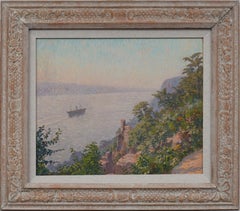
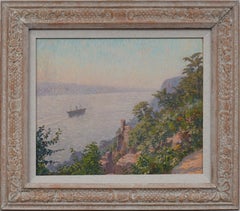
Antique American Framed Impressionist River Boat Landscape Sunset Oil Painting
Located in Buffalo, NY
Antique American impressionist sunset river landscape oil painting by Lucien Biva (1878 - 1965). Oil on canvas. Framed. Signed. Measuring: 27 by 30 inches overall, and 18 by 22 pai...
Canvas, Oil
$8,622Sale Price|20% Off
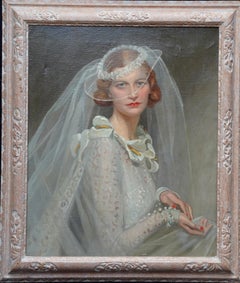
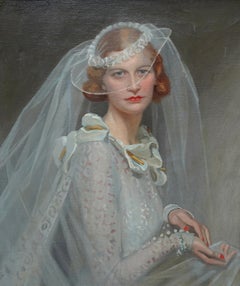
Portrait of a Bride - British 1934 Romantic art female portrait oil painting
Located in Hagley, England
This beautiful British 1930's portrait oil painting is by noted artist Frank Owen Salisbury or Frank O'Salisbury as he is also known. Painted in 1934, the composition is a half lengt...
Oil
$18,000
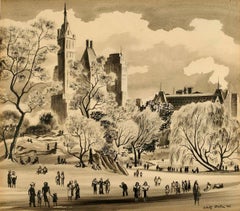
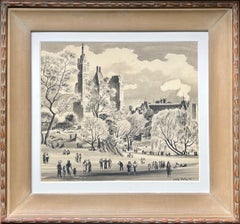
"Central Park" Mid-20th Century American Scene Drawing NYC Modernism WPA Realism
By Adolf Dehn
Located in New York, NY
"Central Park" Mid-20th Century American Scene Drawing NYC Modernism WPA Realism Adolf Dehn (1895-1968) "Central Park" 18 x 19 3/4 inches Watercolor on paper Signed and dated ’45 l...
Paper, Watercolor
$23,250
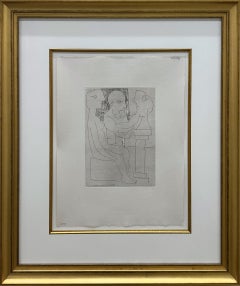
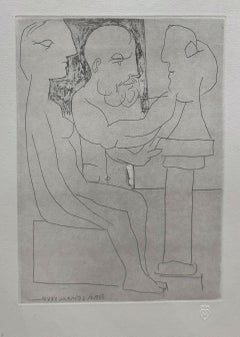
Au Vieux Sculpteur au Travail I (Old Sculptor at Work I) Bloch 157; Baer 224.B.b
Located in Santa Monica, CA
Pablo Picasso (1881 - 1973) Au Vieux Sculpteur au Travail I (Old Sculptor at Work I), c. 1933 Medium: Etching on Montval Laid Paper with Vollard Watermark Edition: Edition of 260 Artwork Size: 10.5 x 7.6 in Framed Size: 28.5 x 24.25 x 1.5 in This work is Framed Etching on Montval Paper, from the Vollard Suite, c. 1933 Image Size: 10.5 x 7.6 inches From the small margins edition at 260 proofs, unsigned Published by Vollard, Paris Printed by Lacourière, Paris Pablo Picasso’s Vollard Suite...
Etching
$9,500
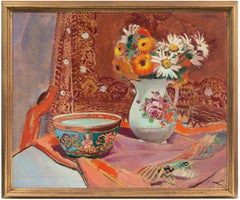
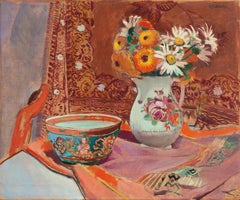
'Still Life with Imari Bowl', Paris, Post-Impressionist Oil, Royal Academy
Located in Santa Cruz, CA
'Still Life with Imari Bowl' by Victor Isbrand. Paris, Post-Impressionist Oil, Royal Academy ----- Signed upper right, 'V. Isbrand' for Victor Isbrand (Danish, 1897-1989) and painte...
Canvas, Oil
$380Sale Price|20% Off
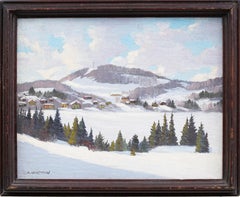
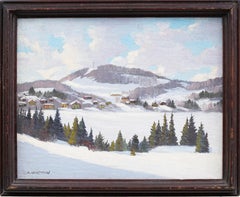
Antique American Impressionist Winter Landscape Signed Framed Oil Painting
Located in Buffalo, NY
Impressive American impressionist winter landscape oil painting. Framed. Oil on board. Signed. Image size, 9H by 11L.
Canvas, Oil
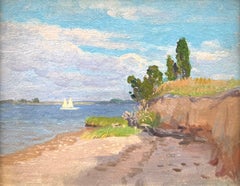
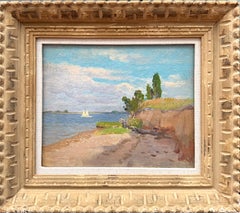
“Shoreline Landscape”
Located in Southampton, NY
Original oil on board little gem of a small painting attributed to the hand of Norwood Hodge MacGilvery. Unsigned. Attributed verso by The Gallery at Juniper Hill. Condition is exce...
Oil, Board
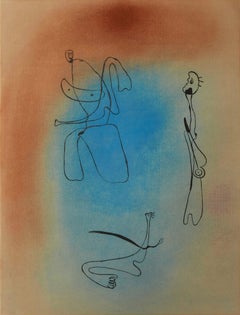
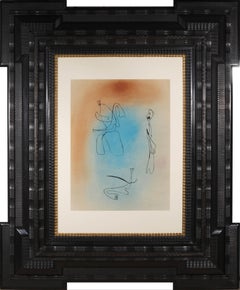
Joan Miró. Untitled. 1934. Pastel and ink on paper. 63.6 x 47.1 cm.
By Joan Miró
Located in Barcelona, CT
Joan Miró (Barcelona, 1893 – Palma, 1983) Untitled. 20/03/1934. Pastel and ink on paper. 63.6 x 47.1 cm. (134 x 110 cm). Signed on the reverse. Provenance: - Pierre Matisse...
Pastel, Ink
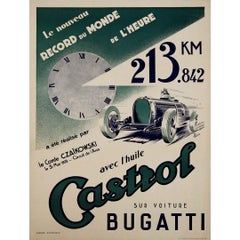
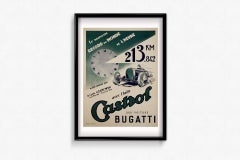
Original 1933 poster by the artist J. Pillod - Castrol-Bugatti
By Jean Pillod
Located in PARIS, FR
This original 1933 poster by the artist J. Pillod is a captivating piece of automotive history, advertising Castrol oil with the iconic Bugatti car as its centerpiece. The poster beautifully combines the elegance of the Bugatti with the reliability of Castrol, making it a standout example of early 20th-century automotive advertising. The composition features a streamlined Bugatti car, symbolizing speed and luxury, set against a dynamic backdrop that emphasizes movement and modernity. The use of bold colors and clean lines reflects the aesthetic of the time, with a focus on both functionality and style. The poster’s typography is striking yet balanced, ensuring that the message about Castrol oil's superior performance is clear and compelling. This poster is printed on high-quality paper, showcasing the artistic and technical prowess of J. Pillod. The poster remains a cherished piece for collectors of vintage automotive memorabilia and those interested in the golden age of motoring. This 1933 Castrol-Bugatti poster...
Linen, Paper, Lithograph
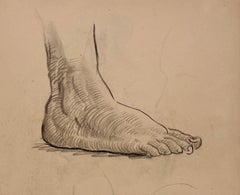
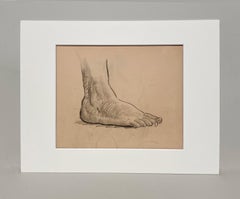
A Fine, Modern 1930s Academic Anatomical Figure Study Drawing (Male Model, Foot)
Located in Chicago, IL
A Fine, Modern 1930s Academic Anatomical Figure Study of a Male Foot by Notable Chicago Artist, Harold Haydon (Am. 1909-1994). A well executed, early 1930s charcoal study highlighti...
Paper, Charcoal
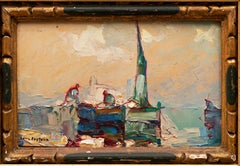
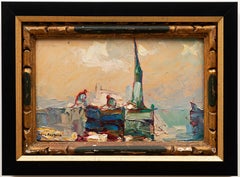
$1,120Sale Price|60% Off
Marine Painting "Trois Pêcheurs" Louis Pastour (France, 1876-1948)
Located in SANTA FE, NM
"Trois Pêcheurs" Louis Pastour (France, 1876-1948) Oil on board Signed l.l. 7 7/8 x 4 7/8 (8 1/8 x 11 1/8 frame) inches Louis Pastour was called the “The Painter of the Sun” (Le Pe...
Oil, Board
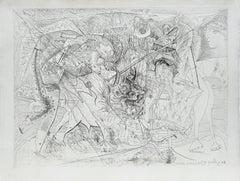
La Grande Corrida, Original Etching from 1934, Modern, Framed, Excellent
Located in OPOLE, PL
Pablo Picasso (1881-1973) - La Grande Corrida Etching conceived in 1934, printed in 1939. The edition of 50 on Montval paper. Unsigned and unnumbered, as issued. Dimensions of w...
Etching
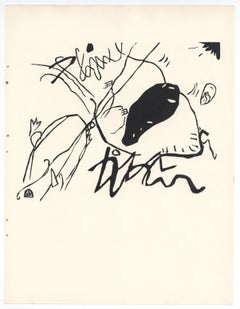
"Schwartzer Fleck" original woodcut
Located in Henderson, NV
Medium: original woodcut. Catalogue reference Roethel 145. Printed in Paris in 1938 for the art revue XXe Siecle (issue number 3). Image size: 7 x 8 1/2 inches (170 x 218 mm). Sheet ...
Woodcut
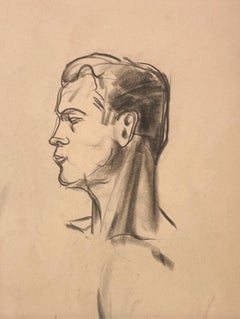
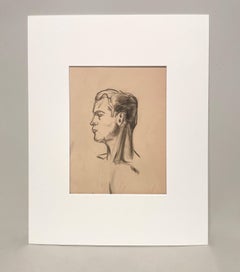
A Handsome 1930s Modern Portrait of a Young Male Model, Figure Study
Located in Chicago, IL
A Very Finely Drawn 1930s Modern Portrait Figure Study of a Handsome Young Male Model by Notable Chicago Modern Artist, Harold Haydon (Am. 1909-1994). An early charcoal drawing by ...
Paper, Charcoal
$2,000
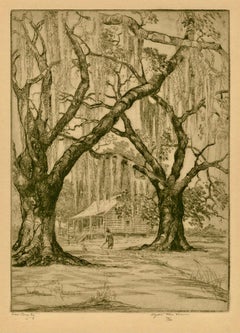
Low Country (South Carolina) Etching, American Modern, Signed, 72/100
Located in Middletown, NY
An enchanting Southern landscape by the mother of the Charleston Renaissance, Elizabeth O'Neill Verner(1883-1979) Etching and drypoint on cream wove paper, 6 15/16 x 5 1/16 inches (175 x 128 mm), full margins. Signed, titled and numbered 72/100 in pencil, lower margin. Uniform age tone, minor surface soiling. A rich and inky impression of a magical southern landscape with figure tilling soil under Spanish moss covered oaks. A native of Charleston, South Carolina...
Drypoint, Etching
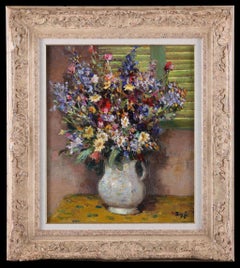
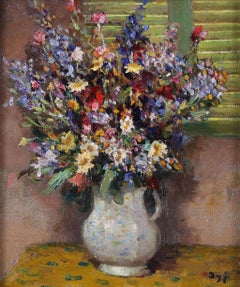
A Still Life of Flowers on a Table by Marcel Dyf. Oil on Canvas
By Marcel Dyf
Located in St. Albans, GB
Marcel DYF 1899 - 1985 Provenance: This piece has been confirmed by Claudine Dyf Signed Collection particulière, France Picture Size: 22 x 18" (56 x 46cm) Outside Frame Size: 28 x 2...
Oil
$1,444
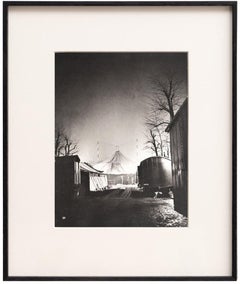
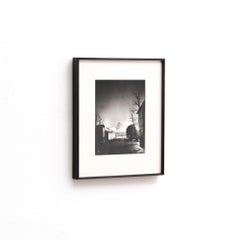
After Brassaï, Black and White, 1930s, Photographic Heliogravure Print, Framed
By Brassaï
Located in Barcelona, ES
Embark on a journey through the nocturnal streets of "Paris de Nuit" with this exclusive rare heliogravure test print by Brassai. Prior to the publication of his iconic book, this ...
Paper
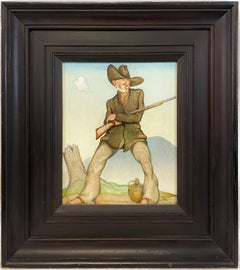
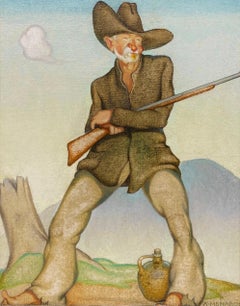
"Georgia Moonshiner, c. 1935" by Athos Menaboni (1895-1990) American WPA Era Oil
Located in Yardley, PA
A fantastic WPA-era painting of a Georgia moonshiner by famed Italian-American artist Athos Menaboni (1895-1990). This work depicts an older man sporting a brown hat, brown jacket, ...
Masonite, Oil
$3,000Sale Price|33% Off
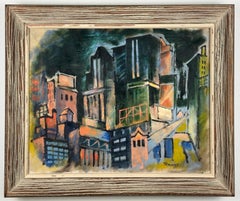
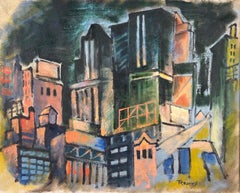
City at Night (Cityscape)
By Abram Tromka
Located in Wilton Manors, FL
Abram Tromka (1895-1964) City at Night, ca. 1940. Oil on canvas, 16 x 20 inches; 20 x 24 inches in antique oak frame. Signed lower right. Frame is of the period, but probably not ...
Canvas, Oil

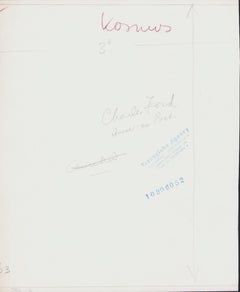
Portrait Charles Henri Ford by Cecil Beaton (circa 1937) - Original Vintage
By Cecil Beaton
Located in Cologne, DE
Portrait: Charles Henri Ford by Cecil Beaton (ca. 1937) - Vintage In this striking black-and-white portrait, Charles Henri Ford stands poised against a backdrop of blooming elderflow...
Silver Gelatin
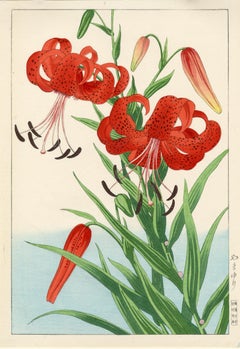
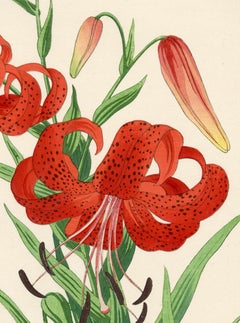
Tiger Lily
Located in Fairlawn, OH
Tiger Lily Color woodcut, 1939 Unsigned (as usual) Publisher: Takemura Hideo (active Yokohama 1926-1940) Condition: Excellent Image/sheet size: 15 3/8 x 10 7/8 inches Provenance: Robert O. Muller Estate Biography Hodo Nishimura...
Woodcut
$1,072Sale Price|20% Off
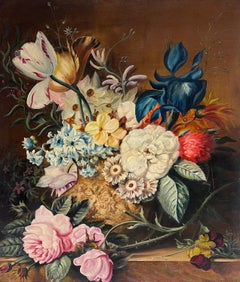
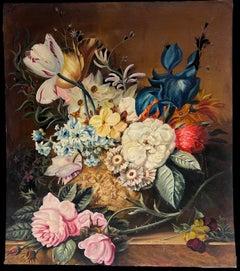
Fine Classical Still Life of Ornate Flowers on Marble Plinth Signed English Oil
Located in Cirencester, Gloucestershire
Ornate Still Life of Classical Flowers by Frank Lonsdale, British early 20th century signed oil on board, unframed dated 1936 or 8 board : 28 x 25 inches Provenance: private collecti...
Oil
$22,363
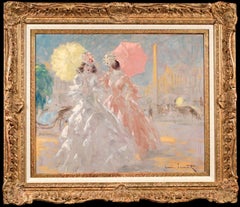
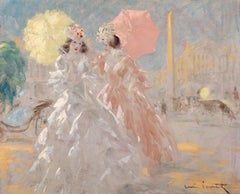
Elegantes - Place La Concorde - Art Deco Figurative Oil Painting by Louis Icart
By Louis Icart
Located in Marlow, Buckinghamshire
Signed art deco figurative oil on board circa 1930 by French painter Louis Icart. This beautiful work depicts a two elegant ladies in Place la ...
Oil, Board
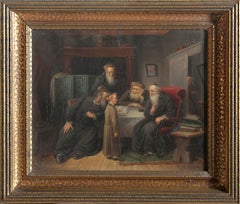
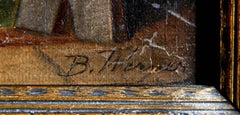
Hebrew School, Judaica Oil Painting by Bernd Werner
By Bernd Werner
Located in Long Island City, NY
Artist: Bernd Werner Title: Hebrew School Year: circa 1930 Medium: Oil on Canvas, signed Size: 10.5 x 12.5 in. (26.67 x 31.75 cm) Frame Size: 14 x 16 inches
Canvas, Oil
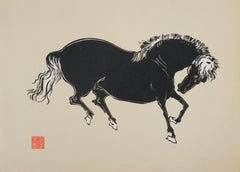
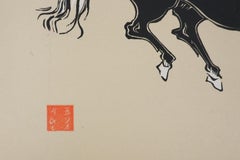
Japanese Print, Horse Bowing - Signed Woodcut
By Mokuchu URUSHIBARA
Located in Paris, IDF
Mokuchu URUSHIBARA Horse bowing, c. 1930 Woodcut after on an ink drawing Signed with the artist's stamp On paper 26 x 35 cm (c. 10.2 x 13.7 in) INFORMATION : Engraving published by...
Woodcut
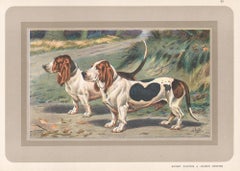
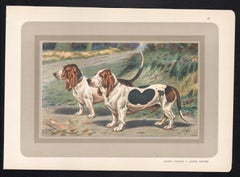
Bassets D'Artois a Jambes Droites, French hound dog chromolithograph print 1930s
By P. Mahler
Located in Melbourne, Victoria
'Bassets D'Artois a Jambes Droites'. French chromolithograph, published in 1931. Signed by artist in the plate. Printed title lower right of sheet. Plate number top right. From a Fr...
Lithograph
$450
A Striking 1930s Modern Watercolor Portrait of a Distinguished Black Male Model
By Eugene Dana
Located in Chicago, IL
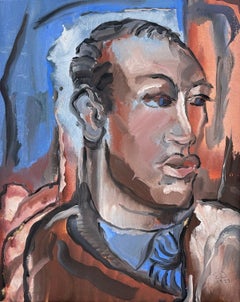
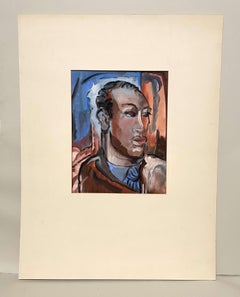
A striking 1930s American Modern portrait figure study watercolor of a distinguished, young African American male model by notable Chicago Institute of Design artist, Eugene Dana. W...
Paper, Watercolor
$2,088
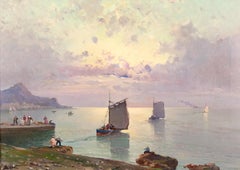
Sunset on the Coast - Early 20th Century Italian Seascape Oil on Canvas Painting
Located in Sevenoaks, GB
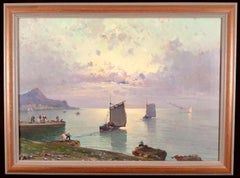
A beautiful 1930's Italian oil on canvas depicting sunset on the coast with sailing boats and figures on the shore, by Luigi Salvi. Excellent quality and condition work, signed lowe...
Canvas, Oil
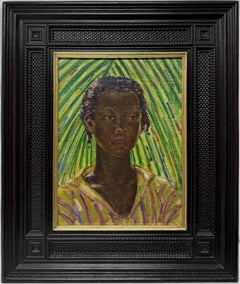
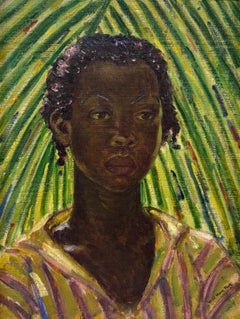
“Jamaican Girl by the Palm Tree, c. 1930” American Impressionist Portrait Lyme
By Will Howe Foote
Located in Yardley, PA
“Jamaican Girl by the Palm Tree, c. 1930” by Will Howe Foote (American, 1874-1965) A fantastic portrait of a young Jamaican woman set against a vibrant palm frond, painted by the re...
Oil, Board
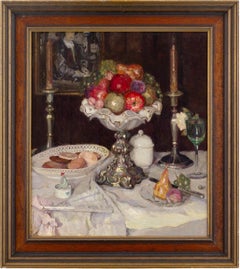
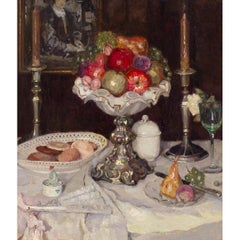
Still Life With Fruit, Candlesticks & Biscuits, Early 20th-Century Oil Painting
Located in Cheltenham, GB
This early 20th-century oil painting by German artist Else Preußner (1876-1954) depicts a richly coloured still life with fruit, candlesticks, and biscuits on a table. A silver fruit stand...
Canvas, Oil
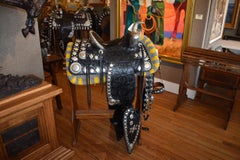
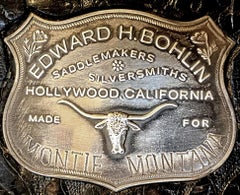
EDWARD BOHLIN 1930s 40s MONTIE MONTANA SILVER ART PARADE SADDLE HOLLYWOOD
By Edward H. Bohlin
Located in San Antonio, TX
Edward Bohlin Saddle (1895-1980) Hollywood, California Artist / Saddle Maker One of Montie Montana's personal Bohlin Saddles. Movie Star, Trick Rider, Trick Roper Signed. Leather & Sterling Silver #4 "Montie Montana's" Personal Bohlin Parade Saddle Circa Late 1930s - Early 1940s. It is all Bohlin made and marked to include the saddle, the headstall and the breast collar. All made in Hollywood California. Montie Montana (born Owen Harlen Mickel; June 21, 1910 – May 20, 1998) was a rodeo trick rider and trick roper, actor, stuntman and cowboy inducted into the Pro Rodeo Hall of fame in 1994 Biography Montana was born in Wolf Point, Montana, in 1910. He was a perennial participant in the Tournament of Roses Parade until his death in Los Angeles, California, in 1998. Television viewers know him from more than 60 appearances, waving to the crowd from his silver saddle. During the first inauguration of Dwight D. Eisenhower as the 34th President of the United States on January 20, 1953, Montana lassoed the president after his swearing-in. He can be seen as a contestant on the May 7, 1959 television broadcast of You Bet Your Life, along with his horse Rex.Montana would go to elementary schools and perform with Rex. He was at Camellia Avenue Elementary School in North Hollywood, California, in 1959, and he would talk about the rubber horseshoes Rex would be fitted with so Rex would not slip on the asphalt playground while Montie was riding Rex. He performed rope tricks on and off of Rex, and would pass out photos of him and Rex to the students at the end of his show. In 1996, a Golden Palm Star on the Palm Springs, California, Walk of Stars was dedicated to him. He was buried at the Oakwood Memorial Park in Chatsworth, California Filmography Year Title Role Notes 1932 The Saddle Buster Rodeo Performer Uncredited 1934 Stand Up And Cheer! Rope Spinner Uncredited 1935 The Circle of Death Little Buffalo, alias Jim Little 1935 Border Vengeance Montie Montana, Trick Rider Uncredited 1935 Melody Trail Rodeo Rider Uncredited 1936 Comin’ Round the Mountain Roper Uncredited 1936 Gun Smoke 1939 The Kid from Texas Trick Rider Uncredited 1943 Riders of the Deadline Ranger Kelton 1944 Take it Big Show Performer Uncredited 1944 Man from Frisco Montana Uncredited 1949 Down Dakota Way Sheriff Holbrook 1952 The Story of Will Rogers Trick Roping Double for Will Rogers Jr. Uncredited 1954 The Boy from Oklahoma Roper Uncredited 1960 The Rifleman Stage Driver 1962 The Man who shot Liberty Valence Cowboy on Pinto Pony Uncredited 1963 Hud Cowboy Uncredited 1964 Cheyene Autumn Trooper Uncredited 1968 Arizona Bushwackers Stage Driver 1972 The Young Rounders (final film role) Honors 1989 Rodeo Hall of Fame of the National Cowboy and Western Heritage Museum 1990 Pendleton Round-Up and Happy Canyon Hall of Fame 1994 Pro Rodeo Hall of Fame 1997 Ellensburg Rodeo Hall of Fame 2011 Cheyenne Frontier Days Hall of Fame 2015 Montana Cowboy Hall of Fame & Western Heritage THE BOHLIN BRAND IS AS ICONIC AS THE FAMED WESTERN STARS that wore it. The late actor Richard Farnsworth sported a recognizable gold steer-head Bohlin buckle...
Silver
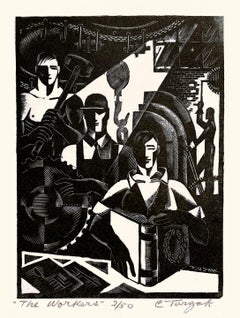
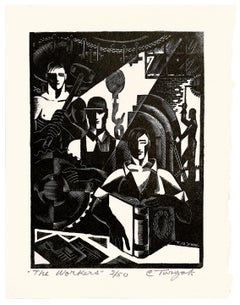
'The Workers (No. 2)' — 1930s WPA Signed Modernist Woodcut
Located in Myrtle Beach, SC
Charles Turzak, 'The Workers (No. 2)', woodcut, edition 50, c. 1935. Signed and numbered 2/50 in pencil. A fine, richly-inked impression, on cream wove Japan paper, with full margin...
Woodcut
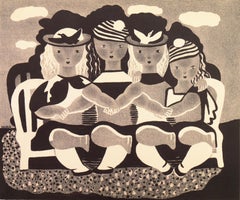
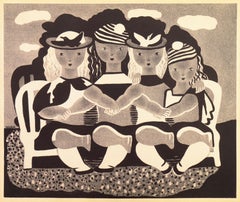
'Sisters', Paris, Salon d'Automne, New York, Art Deco, AIC, ASL, Woman Artist
By Nura Ulreich
Located in Santa Cruz, CA
Signed center left, 'Nura' for Nura Woodson Ulreich (American, 1899–1950) and created circa 1935; additionally stamped, verso, with certification of authenticity. An early twentieth...
Paper, Lithograph
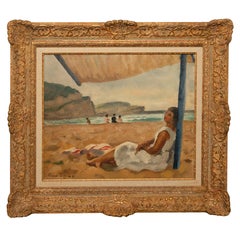
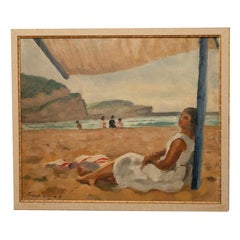
French Oil on Canvas Post Impressionist Portrait Painting Beach Sea Scene Spain
Located in Portland, OR
A very attractive oil on canvas painting by the French Post-Impressionist painter Charles Picart le Doux (1891-1959), a beach scene in Spain, signed and dated 1933. The painting depi...
Canvas, Oil
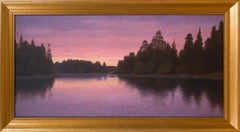

Large Swedish Lake Landscape at Sunset by Otto Lindberg
Located in Stockholm, SE
Otto Lindberg (1880–1955) Sweden Lake at Sunset, 1934 signed and dated lower right Otto Lindberg 1934 oil on canvas unframed 60 × 120 cm (23.6 × 47.2 in) framed 75 × 135 cm (29.5 ×...
Canvas, Oil
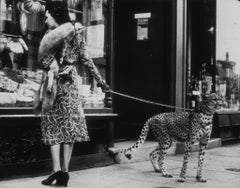
"Cheetah Who Shops" by B C Parade
Located in London, GB
"Cheetah Who Shops" by B C Parade American silent film actress Phyllis Gordon (1889 - 1964) window-shopping in Earls Court, London with her four-yea...
Black and White
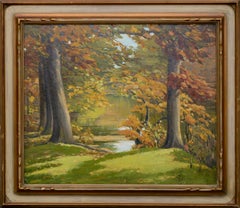
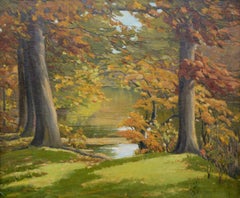
Elm Trees in Autumn Landscape in Antique Newcomb-Macklin Frame
By Mary H. Brubaker
Located in Soquel, CA
Elm trees in autumn at the edge of Salt Creek, Illinois, by Mary H. Brubaker (American, b. 1891). Signed and dated "Mary H. Brubaker 35" in the lower left corner. Presented in an ...
Canvas, Oil, Illustration Board
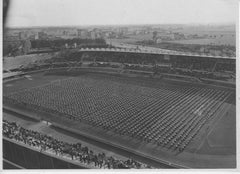
Sports During Fascist Period in Italy - Vintage b/w Photo - 1934 ca.
Located in Roma, IT
Vintage Photo from the Fascist period. Photo by Studio Gherlone, Torino. Photo dimensions 17 x 23 cm. Includes passepartout. Very good condition.
Photographic Paper
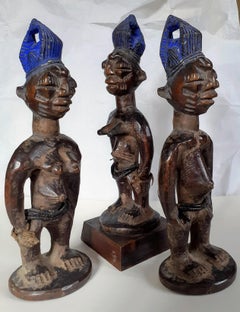
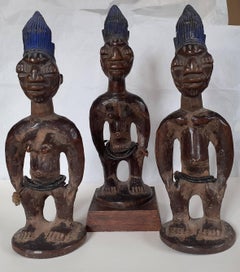
Yoruba Ibeji triplets master sculptor.Abegunde of Ede tribal African Art Nigeria
Located in Norwich, GB
An extraordinary group of Ibeji "triplets" sculpted by the same master sculptor. Ibeji is name of a very specific type of carved wooden figure from Yoruba in Nigeria. Ibejis repre...
Wood


Sunflowers - Antique English Impressionist Still Life Flowers Oil Painting
Located in Sevenoaks, GB
A beautiful early 20th century English impressionist oil on canvas still life depicting sunflowers in a cream jug, by John Sweet. This important work was exhibited at the Royal Acad...
Canvas, Oil
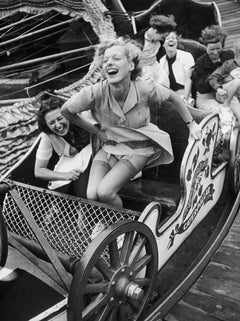
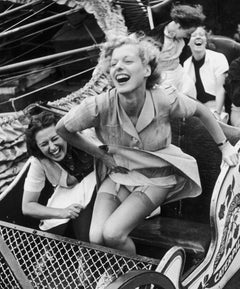
Kurt Hutton Fair Fun 1938 Limited Edition Silver Gelatin Fibre Print
By Kurt Hutton
Located in London, GB
Fair Fun (1938) - Silver Gelatin Fibre Print (Photo by Kurt Hutton/Getty Images) Two young women enjoying themselves on the 'Caterpillar' ride at Southend Fair, Essex, October 1938...
Black and White, Silver Gelatin
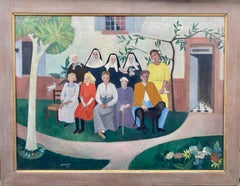
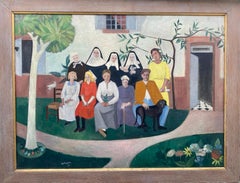
Nuns And Doves, The Family, Avant-garde Woman Artist Marcel Duchamp's daughter
Located in Norwich, GB
In 1910, having separated from her first husband, the artist model Jeanne Chastagnier Serré had a relationship with the surrealist Marcel Duchamp: you know, the one of the porcelain ...
Canvas, Oil, Fiberboard