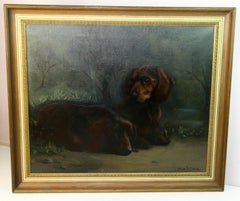
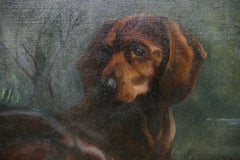
Pair of Dachshunds Dogs Oil Paintings set in a Wood Frame
Located in Douglas Manor, NY
6239 Pair of dachshund in a moody oil painting Set in a gilt frame signed Image size 19.5x23.5"
Category
1940s Art
Materials
Oil
Pair of Dachshunds Dogs Oil Paintings set in a Wood Frame
Located in Douglas Manor, NY
6239 Pair of dachshund in a moody oil painting Set in a gilt frame signed Image size 19.5x23.5"
Oil
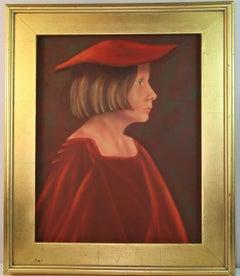
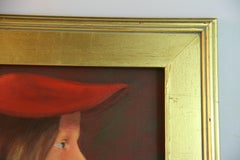
Antique Italian Young Noble Prince Portrait, Oil on Canvas, Framed
Located in Douglas Manor, NY
6054 Portrait of a young Noble Prince Set in gilt frame Image size 19.5x15.5"
Oil
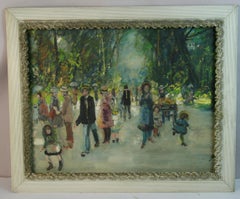
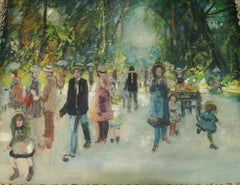
Parisians Strolling in The Park, Oil on Canvas, Framed, 1940s
Located in Douglas Manor, NY
6069 Oversized Oil on canvas of Parisians strolling in the park set in a period frame Image size 22.5x27.5"
Oil
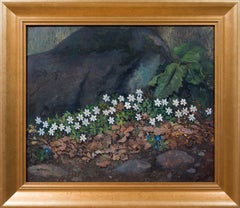
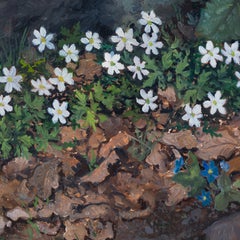
Blue and White Anemones, Swedish Woodland Oil Painting
Located in Stockholm, SE
Owe Zerge (1894–1983) Sweden Blåsippor och vitsippor (Blue and White Anemones) signed lower left Owe Zerge oil on panel unframed 54 × 64.5 cm (21.3 × 25.4 in) framed 70 × 80 cm (27...
Masonite, Oil
$1,000
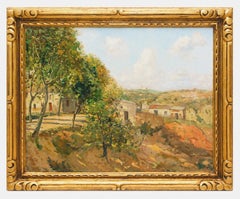
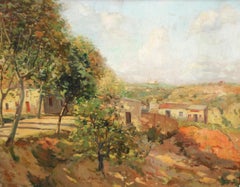
Verano en el pueblo - Óleo sobre tela - Firmado y enmarcado - Año 1946
Located in Sant Celoni, ES
La obra va firmada por el artista en la parte inferior y fechada del año 1946 El estado de la obra es bueno Se presenta enmarcada la obra (el marco presenta algunas pequeñas faltas...
Oil
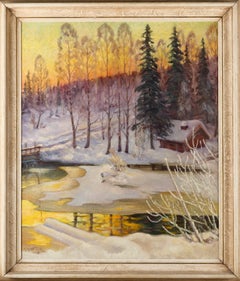
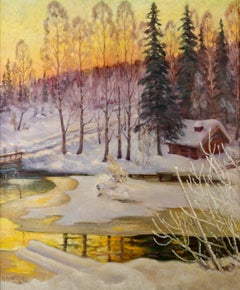
Swedish Golden Twilight Winter Landscape, Oil on Canvas, Signed 1945
Located in Stockholm, Stockholm
Swedish winter landscape at dusk. The painting depicts a quiet winter landscape in the late afternoon and the setting sun, rendered in warm, softly atmospheric colors. Snow-covered ...
Canvas, Oil
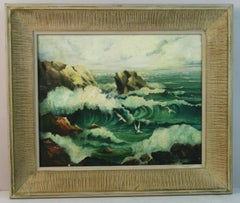
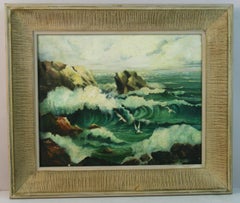
California Coastal Landscape Crashing Waves Oil Painting
Located in Douglas Manor, NY
6205 California seascape crashing waves Framed image size 12x15"
Oil
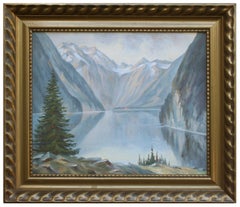
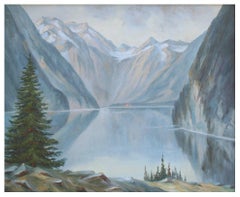
Mid Century Reflecting Mountains Norwegian Landscape
Located in Soquel, CA
Serene mid-century landscape of mountains reflecting over a fjord in Norway by an unknown artist, Circa 1940's. Unsigned. Displayed in a rustic giltwood frame. Image, 20"H x 24"W. Fr...
Canvas, Oil, Cardboard
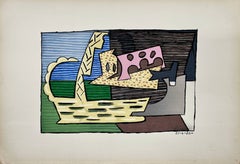
The Basket, Lithograph, Modern, 1946, Excellent
Located in OPOLE, PL
Pablo Picasso (1881-1973) - The Basket Lithograph from 1946. Dimensions of work: 32.8 x 48 cm Publisher: Pantheon. The work is in Excellent condition. Fast and secure shipment.
Lithograph
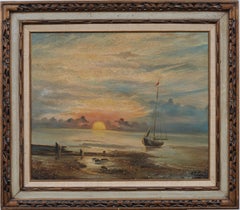
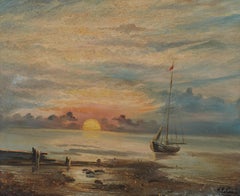
Vintage American School Signed Impressionist Seascape Framed Oil Painting
Located in Buffalo, NY
Vintage American sunset seascape oil painting. Measuring: 28 by 32 inches overall, and 20 by 24 painting alone. Signed. Framed.
Canvas, Oil
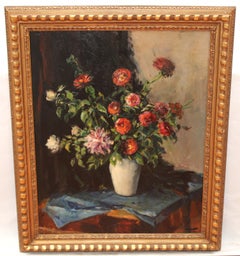
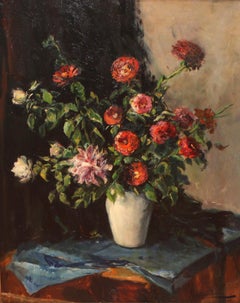
Floral Still Life Oil Painting on Canvas, Framed, Signed, 1944
Located in Sant Celoni, ES
La obra va firmada en la parte inferior "D. Carles" y fechada del año 1944 al igual que la parte trasera El estado de la obra es bueno (el marco presenta algunas leves faltas) La o...
Oil
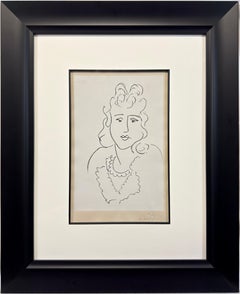
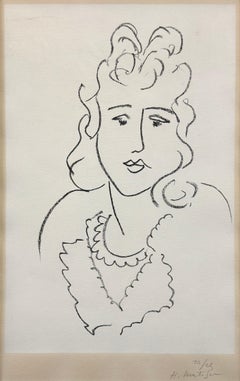
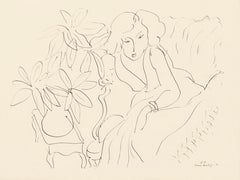
"Buste de Femme" 1942-43 by Henri Matisse Signed Lithograph /25 French Modernist
Located in Yardley, PA
About this work: Created in 1942-43, this work belongs to one of the most fertile periods of Matisse’s career as a printmaker and draftsman. By this time, Matisse had long since mast...
Lithograph, Chine Colle
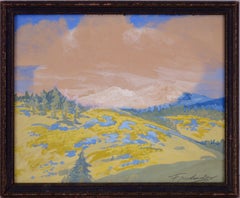
Post War Impressionist Landscape Spring in the Alps Gouache on Paper Signed
Located in Soquel, CA
Post Impressionist Landscape Spring in the Alps Gouache on Paper by Isac Friedlander Vibrant Alpine landscape by Latvian-American artist Isac Friedlander, known primarily for his et...
Paper, Watercolor, Gouache
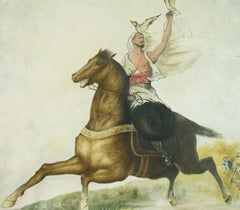
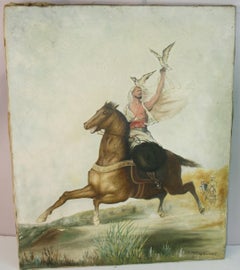
Equestrian Falconer Oversized Oil Painting, Italian, Circa 1940, Unframed
Located in Douglas Manor, NY
6082 Equestrian falconer by italian artist.
Oil
$1,295Sale Price|35% Off
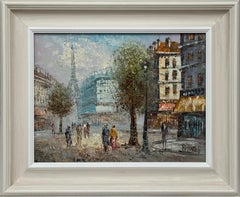
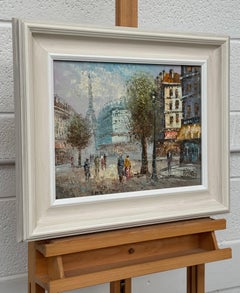
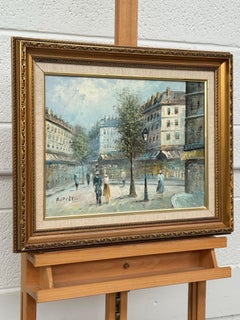
Impressionist Oil Painting of Eiffel Tower Paris with Figures by American Artist
Located in Preston, GB
Impressionist Oil Painting of Eiffel Tower Paris with Figures & Shops by American Artist, Caroline C Burnett (1877-1950) Art measures 16 x 12 i...
Canvas, Cotton Canvas, Oil
$1,116Sale Price|35% Off
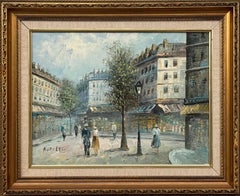
Impressionist Oil Painting of Paris with Figures & Shops by American Artist
Located in Preston, GB
Impressionist Oil Painting of Paris with Figures & Shops by American Artist, Caroline C Burnett (1877-1950) Art measures 16 x 12 inches Frame m...
Canvas, Cotton Canvas, Oil
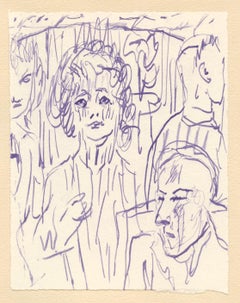
lithograph
Located in Henderson, NV
Medium: lithograph (after the drawing). This impression in violet ink was printed in France in 1944 for the rare "Correspondances" portfolio, published by Teriade in a limited editio...
Lithograph
$1,072Sale Price|35% Off
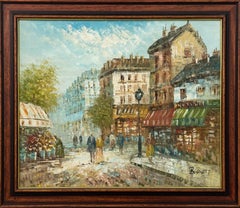
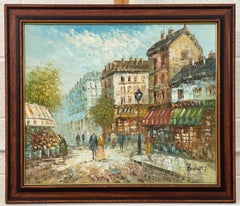
Impressionist Oil Painting of Paris with Figures & Shops by American Artist
Located in Preston, GB
Vintage Impressionist Oil Painting of Paris with Figures & Shops by American Artist, Caroline C Burnett (1877-1950) Art measures 24 x 20 in...
Canvas, Cotton Canvas, Oil
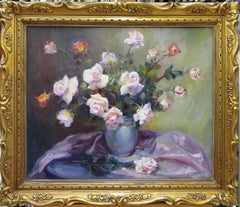
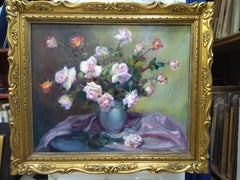
Roses Original Oil Painting, Realist Style, Framed, Circa 1940
Located in CORAL GABLES - MIAMI, FL
Antonio Vidal Rolland (Barcelona, 1889 - 1970. Artwork signed by the artist. acrylic on canvas Catalan painter. Disciple of José Ruiz Blasco father of Picasso a Lonja and Aleix Clapé...
Oil
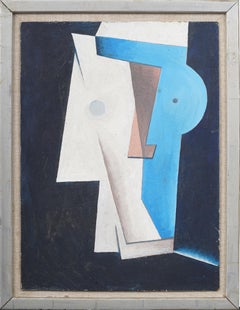
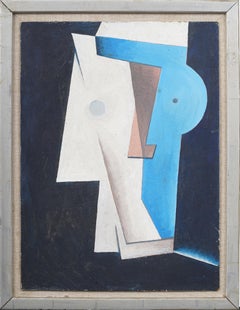
Vintage American Cubist Framed Modernist Abstract Portrait Rare Oil Painting
Located in Buffalo, NY
Vintage American cubist abstract still life oil painting from the collection of Henri Charles Veit. Oil on board. Framed. Measuring: 13 by 17 inches overall, and 10.5 by 14.25 painti...
Oil
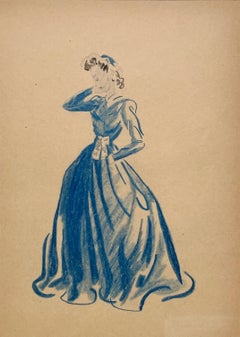
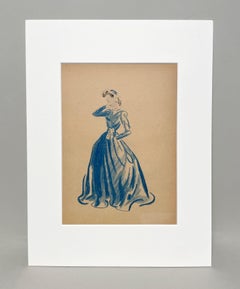
A Stylish, Vintage 1940s Woman's Fashion Study, Design for a Formal Evening Gown
Located in Chicago, IL
A stylish, vintage, 1940s fashion study featuring an elegant design for a woman's evening gown. Artwork size: 11 x 8 1/2 inches. Colored pencil and pencil on paper. Archivally ma...
Paper, Pencil, Color Pencil
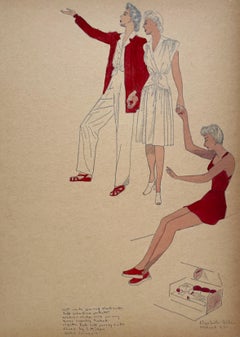
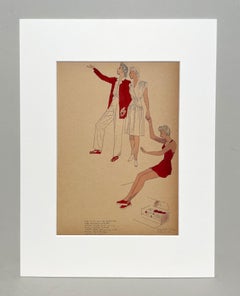
A Stylish Vintage 1940s Fashion Study, Designs for Women's Active Wear
Located in Chicago, IL
A stylish, vintage, 1940s fashion study featuring elegant designs for women's active wear by Hattie Carnegie. Inscription reads: Left - White jersey slack suit Red gaberdine jacke...
Paper, Watercolor, Pencil
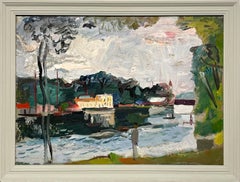
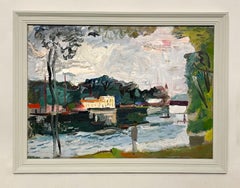
A Scenic 1940s Modern Summer Harbor Scene of Saugatuck, Michigan- Francis Chapin
Located in Chicago, IL
A scenic, colorful Modern 1930s summer harbor scene of Saugatuck, Michigan by notable Chicago Modern artist, Francis Chapin. Depicting a lively summer harbor view of the historic S...
Oil, Board
$2,236
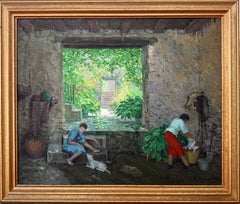
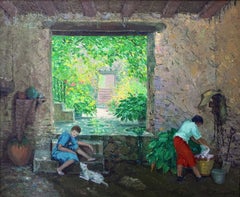
Mediterranean Catalan Interior Garden Post-Impressionist Oil Painting Spain
Located in Sitges, Barcelona
Mediterranean Catalan Interior Garden Post-Impressionist Oil Painting Technical details Artist: Ramon Gimbert Canals (1882–1969) Title: Interior with Figures and Garden Medium: Oil ...
Burlap, Oil
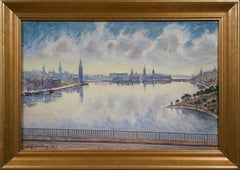

View of Stockholm from Västerbron, 1943
Located in Stockholm, SE
Gabriel Strandberg (1885–1966) Sweden View of Stockholm from Västerbron, 1943 signed and dated lower left oil on board unframed 36.5 × 55 cm (14.4 × 21.7 in) framed 46.5 × 65 cm (1...
Oil, Board
$1,500Sale Price|40% Off
Post War Bay Area Figurative - Original Watercolor Painting "Beach Day" Signed
Located in Soquel, CA
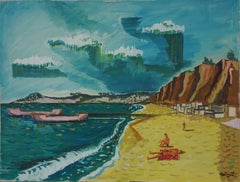
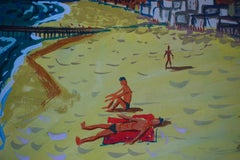
Post War Bay Area Figurative - Original Watercolor Painting "Beach Day" Vibrant watercolor of three figures on the beach by Turkish-American artist Ömer Şahingil (Turkish/American,...
Watercolor, Illustration Board
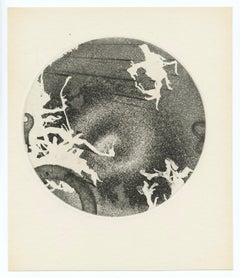
original etching
Located in Henderson, NV
Medium: original etching. Printed in Paris by Lacourière and published by Pierre à Feu and Maeght Editeur for the Marcel Duchamp / André Breton project Surréalisme en 1947. Issued in...
Etching
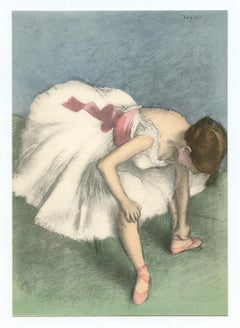
pochoir
Located in Henderson, NV
Medium: pochoir (after the pastel). A soft and delicate impression, printed in Paris in 1948 and published in an edition of 1200 by Braun et Cie. Size: 6 1/2 x 4 1/2 inches (164 x 11...
Lithograph, Stencil
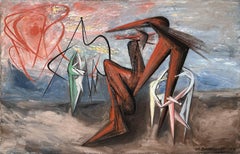
Dancing Figures (Untitled)
Located in Los Angeles, CA
Dancing Figures (Untitled), 1944, oil on canvas, signed and dated lower right, 22 x 34 1/4 inches, presented in its original strip wood frame, from the estate of the artist Ernest Ro...
Canvas, Oil
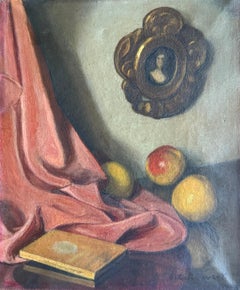
$647Sale Price|26% Off
"Interior with Fruits and Portrait Still Life, Oil on Canvas, 1940s"
Located in Sitges, Barcelona
Title: Interior with Fruits and Portrait Artist: Signed as J. Guinovart Attribution: Possibly a very early work by Josep Guinovart (1927–2007) Technique: Oil on canvas Dimensions: 46...
Canvas, Oil
$18,000Sale Price|25% Off
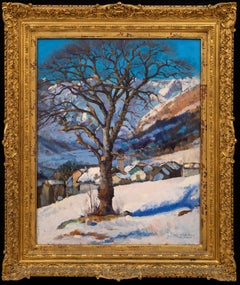
"Snowy Landscape, Italian Alps Village, 1944" Giuseppe Sobrile (1879-1956)
Located in SANTA FE, NM
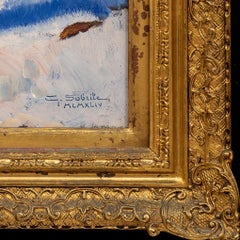
"Snowy Landscape, Italian Alps Village, 1944" Giuseppe Sobrile (Italy 1879-1956) Oil on board Signed lower right and dated "1944" in Roman numerals Dedication on back to Lina Sobrile...
Oil, Board
$15,000Sale Price|20% Off
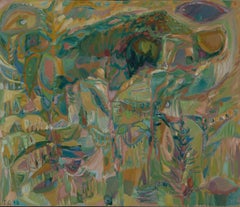
Abstract Landscape, large mid-century green painting, COBRA art movement
Located in Beachwood, OH
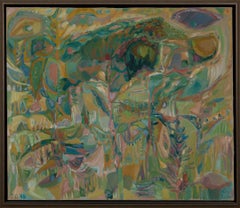
Erik Ortvad (Danish, 1917 - 2008) Abstract Landscape, 1946 Oil on canvas Signed and dated lower right 32 X 37.5 inches 35 x 40.5 inches, framed Born in 1917 in Copenhagen, Erik Ortvad was a surrealist painter and a founding member of the COBRA art...
Oil
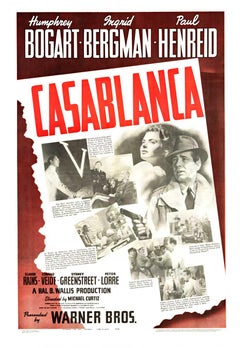
Original 1942 "CASABLANCA" vintage Academy Award winning movie poster
Located in Spokane, WA
Original 1942 CASABLANCA vintage movie poster. Archival linen backed in very good condition, ready to frame. The original production fold marks have been touched up and restored. This is an authentic vintage 1942 issue of Casablanca for sale. "Casablanca" is widely regarded as one of the greatest films in cinema history. It received critical acclaim upon its release and won three Academy Awards, including Best Picture, Best Director for Michael Curtiz, and Best Adapted Screenplay. The cast's performances, memorable dialogue, and timeless romance have contributed to the film's enduring popularity. "Casablanca" remains a cultural touchstone and is often referenced in popular media. • Rick Blaine (Humphrey Bogart): The owner of Rick's Café Américain, an establishment known for its lively atmosphere. Rick is initially portrayed as detached and cynical, but his past is revealed as the story progresses. • Ilsa Lund (Ingrid Bergman): A Norwegian woman with a complicated history with Rick. She is caught in a love triangle between Rick and her husband, Victor Laszlo. • Captain Louis Renault (Claude Rains): The corrupt and witty French police captain in Casablanca. He adds a layer of humor to the film and undergoes a moral transformation as the story unfolds. Over the years, the Casablanca poster...
Offset
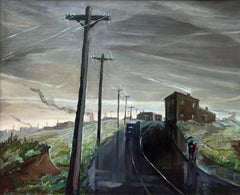
Untitled (Perhaps New Jersey Factories)
Located in Los Angeles, CA
Untitled (perhaps New Jersey Factories), c. 1940s, oil on board, signed lower left, 24 x 28 inches, perhaps exhibited Fifty-First Annual Exhibition, National Association of Women Art...
Oil, Board
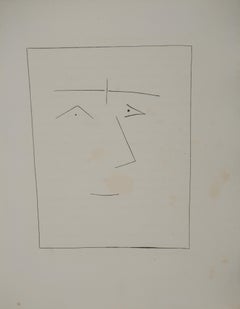

Carmen, The Man in the Square - Original Etching (Cramer #52)
Located in Paris, IDF
Pablo PICASSO Carmen, The Man in the Square, 1949 Original burin engraving (Atelier Lacourière, Paris) Unsigned On Montval wove paper 33 x 26 cm (12.9 x 10.2 in) REFERENCES : - Cat...
Etching
$2,120Sale Price|20% Off
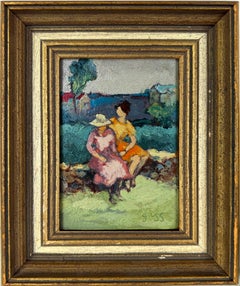
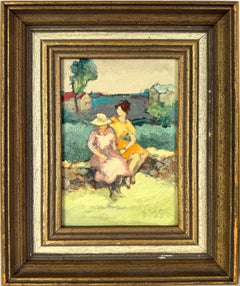
Women Seated in Garden "Femmos Restant" New Hope Pennsylvania Artist Edna Gass
By Edna Gass
Located in Soquel, CA
Women Seated in Garden "Femmos Restant" New Hope Pennsylvania Artist Edna Gass Women Seated in the Garden 'Femmos Restant" by New Hope Artist Edna Gass (American, 1904–1993). Image, ...
Canvas, Oil, Illustration Board
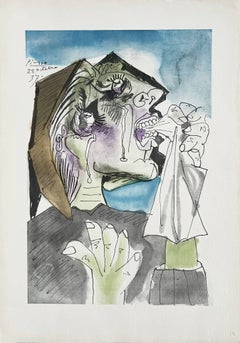
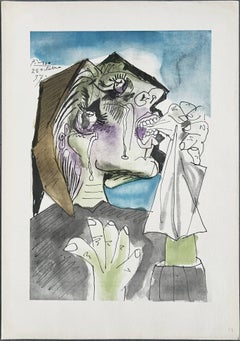
Weeping Woman, 15 Drawings, Lithograph, Modern, 1946
Located in OPOLE, PL
Pablo Picasso (1881-1973) - Weeping Woman Lithograph from 1946. Dimensions of work: 48 x 32.8 cm Publisher: Pantheon. The work is in Excellent condition. Fast and secure shipment.
Lithograph
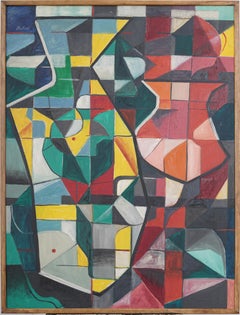
Vintage American Modernist Abstract Framed Signed Cubist Original Oil Painting
Located in Buffalo, NY
Vintage American modernist abstract oil painting. Oil on canvas. Signed. Framed. Provenance from a Sag Harbor, NY collection. Handsomely framed in thin modernist wood molding. Excel...
Oil, Canvas
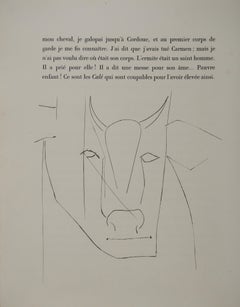
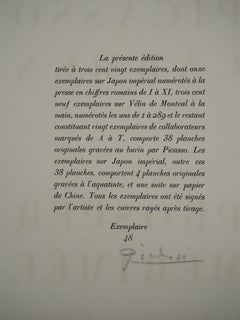
Carmen, The Bull's Horns - Original Etching (Cramer #52)
Located in Paris, IDF
Pablo PICASSO Carmen, The Bull's Horns, 1949 Original burin engraving (Atelier Lacourière, Paris) Unsigned On Montval wove paper 33 x 26 cm (12.9 x 10.2 in) REFERENCES : - Catalog...
Etching
$2,010Sale Price|40% Off
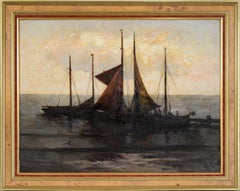
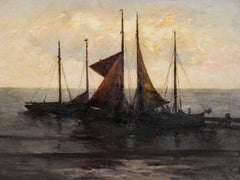
"Fishing Schooners and Sailboats at a dock" Original Oil on Canvas
Located in Soquel, CA
Fishing Schooners and Sailboats at a dock, "Fischerschoner und Segelboote an einem Dock" by Rudolph Guba (German/American, 1884-1950) Impasto work which depicts several sailing ves...
Canvas, Oil, Stretcher Bars
$1,330Sale Price|30% Off
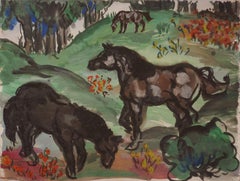
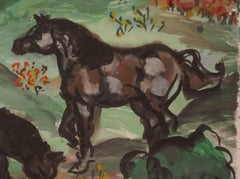
Post War Bay Area Figurative - Original Watercolor Painting Three Horses Signed
Located in Soquel, CA
Post War Bay Area Figurative - Original Watercolor Painting Three Horses on a Rolling Hill, Signed Vibrant watercolor of three horses in the Bay Area rolling hills with California P...
Paper, Watercolor
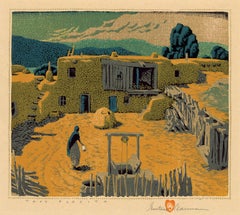
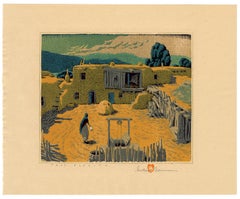
'Taos Placita' — American Southwest Masterwork, Signed Color Woodcut
Located in Myrtle Beach, SC
Gustave Baumann, 'Taos Placita', color woodcut, 1947, edition 125. Baumann 132. Signed, titled, and numbered '20-125' in pencil; with the artist’s Hand-in-Heart chop. A superb, richly-inked impression, with fresh colors, on fibrous oatmeal wove paper; the full sheet with margins (2 to 3 1/8 inches); slight rippling at the left sheet edge, in excellent condition. Matted to museum standards, unframed. Image size 9 5/8 x 11 1/4 inches (244 x 286 mm); sheet size 13 1/4 x 17 inches (337 x 432 mm). Collections: Harwood Museum of Art, New Mexico Museum of Art, Phoenix Art Museum, Scottsdale Art Museum, Wichita Art Museum. ABOUT THE ARTIST Gustave Baumann (1881-1971) was a renowned printmaker and a leading figure of the American color woodcut revival whose exquisite craftsmanship and vibrant imagery captured the essence of the Southwest. "A brilliant printmaker, Baumann brought to the medium a full mastery of the craft of woodworking that he acquired from his father, a German cabinetmaker. This craftsmanship was coupled with a strong artistic training that resulted in the handsome objects we see in the exhibition today. After discovering New Mexico in 1918, Baumann began to explore in his woodblock prints of this period the light. color, and architectural forms of that landscape. His prints of this period are among the most beautiful and poetic images of the American West." —Lewis I. Sharp, Director, Denver Art Museum Baumann, the son of a craftsman, immigrated to the United States from Germany with his family when he was ten, settling in Chicago. From 1897 to 1904, he studied in the evenings at the Art Institute of Chicago, working in a commercial printmaking shop during the day. In 1905, he returned to Germany to attend the Kunstwerbe Schule in Munich, where he decided on a career in printmaking. He returned to Chicago in 1906 and worked for a few years as a graphic designer of labels. Baumann made his first prints in 1909 and exhibited them at the Art Institute of Chicago the following year. In 1910, he moved to the artists’ colony in Nashville, Indiana, where he explored the creative and commercial possibilities of a career as a printmaker. In 1915, he exhibited his color woodcuts at the Panama-Pacific International Exposition in San Francisco, winning the gold medal. Among Baumann’s ongoing commercial activities was his work for the Packard Motor Car Company from 1914 to 1920 where he produced designs, illustrations, and color woodcuts until 1923. In 1919, Baumann’s printmaking work dominated the important exhibition of American color woodcuts at the Detroit Institute of Arts. Twenty-six of his prints were included, far more than the works of any other artist. A set of his blocks, a preparatory drawing, and seven progressive proofs complemented the exhibition. That same year, Baumann worked in New York and, over the summer, in Provincetown, Massachusetts. His airy images of Cape Cod employed soft, pastel colors and occasionally showed the influence of the white-line woodcut technique. Many of his Chicago artist friends had traveled to the southwest, and Baumann became intrigued by their paintings, souvenirs, and stories of an exotic place named Taos, New Mexico. In the summer of 1918, he spent the summer in Taos sketching and painting before visiting Santa Fe. Paul Walter, the director of the Museum of New Mexico, offered him a studio in the museum's basement. Inspired by the rugged beauty of the Southwest—the vibrant colors and dramatic landscapes of the region became a central theme in his work, influencing his artistic style and subject matter for the remainder of his career. Later in the decade, he traveled to the West Coast and made prints of California landscape. Baumann's prints became synonymous with the Southwest, capturing the spirit of its place in America's identity with a unique sense of authenticity and reverence. His iconic images of desert vistas, pueblo villages, and indigenous cultures served as visual tributes to the region's rich cultural heritage, earning him a dedicated following among collectors and curators alike. A true craftsman and artist, Baumann completed every step of the printmaking process himself, cutting each block, mixing the inks, and printing every impression on the handmade paper he selected. His dedication to true craftsmanship and his commitment to preserving the integrity of his artistic vision earned him widespread acclaim and recognition within the art world. About the vibrant colors he produced, Baumann stated, “A knowledge of color needs to be acquired since they don’t all behave the same way when ground or mixed...careful chemistry goes into the making of colors, with meticulous testing for permanence. While complicated formulae evolve new colors, those derived from Earth and metal bases are still the most reliable.” In the 1930s, Baumann became interested in puppet theater. He designed and carved his own marionettes and established a little traveling company. From 1943 to 1945, the artist carved an altarpiece for the Episcopal Church of the Holy Faith in Santa Fe. In 1952, a retrospective exhibition of his prints was mounted at the New Mexico Museum of Fine Arts. Throughout his prolific career, Baumann executed nearly four hundred color woodcuts. Baumann’s woodcuts...
Woodcut
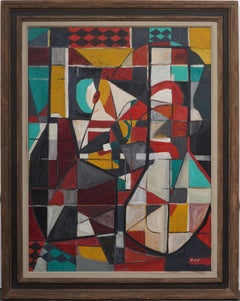
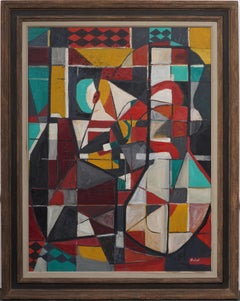
Vintage American Modernist Abstract Framed Signed Cubist Original Oil Painting
Located in Buffalo, NY
Vintage American modernist abstract oil painting. Oil on canvas. Signed. Framed. Provenance from a Sag Harbor, NY collection. Handsomely framed in thin modernist wood molding. Excel...
Canvas, Oil
$1,950
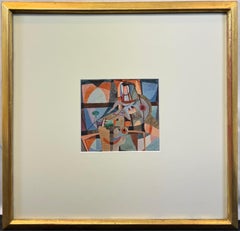
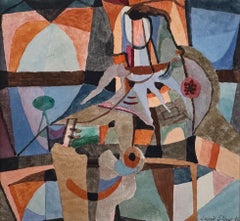
“Untitled, 1946” New Hope Modernist Small Abstract Bucks County Lambertville NJ
By Louis Stone
Located in Yardley, PA
“Untitled, 1946” by Louis K. Stone (1902-1984). A strong and charming example of mid-century American modernism by one of the most important artists working in New Hope, PA. This wa...
Paper, Watercolor
$540Sale Price|20% Off
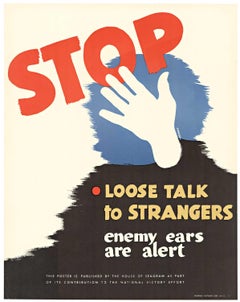
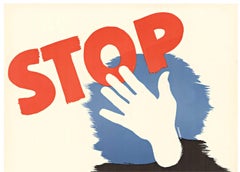
Original "Stop Loose Talk to Strangers. Enemy Ears are Alert" vintage poster
Located in Spokane, WA
Original, Stop, Loose Talk to Strangers. ‘Enemy ears are alert’ vintage poster. Excellent condition, linen-backed WWII vintage war poster: STOP LOOSE TALK TO STRANGERS ENEMY EAR...
Lithograph
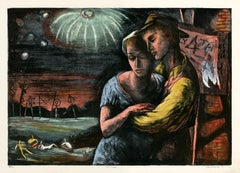
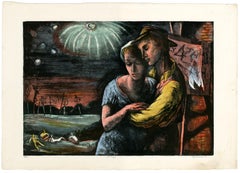
'Set Pieces: Vanity of Trust' — Mid-Century American Modernism
Located in Myrtle Beach, SC
'Set Pieces: Vanity of Trust', color lithograph, 1949, edition 40, Fine and Looney 279. Signed, titled, dated and numbered '23/40' in pencil. A fine, impression with fresh colors, on...
Lithograph
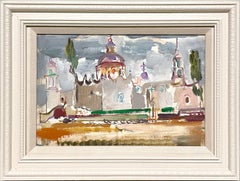
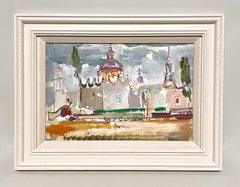
Early Mexican City Scene by Chicago Artist Francis Chapin, San Miguel de Allende
Located in Chicago, IL
A charming, vibrant, early Mexican city street scene by famed Chicago Modern artist Francis Chapin (Am. 1899-1965). Depicting a quiet, picturesque view of the rooftops and cathedral...
Oil, Masonite
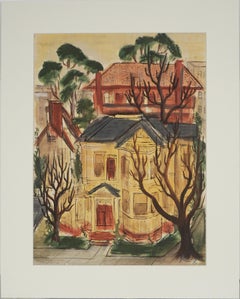
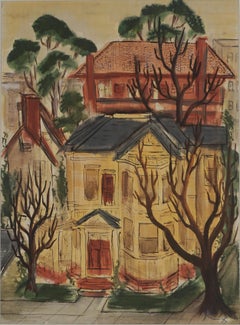
$1,260Sale Price|30% Off
Post War Berkeley Hills Original Watercolor Painting of Victorian House, Signed
Located in Soquel, CA
Post War Berkeley Hills Victorian House Original Watercolor Painting, Signed Original 1947 watercolor painting of Berkeley home in the featuring an iconic Queen Anne Victorian house...
Paper, Watercolor
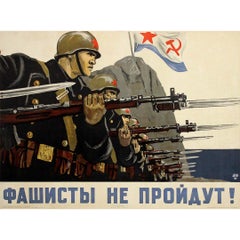
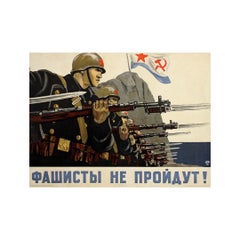
1941 original Soviet Poster – Shmarinov “The fascists shall not pass!”
Located in PARIS, FR
This powerful 1941 Soviet poster by Dmitri Shmarinov is a striking example of wartime propaganda produced during the early months of the German invasion of the Soviet Union, known as...
Linen, Paper, Lithograph
$17,069
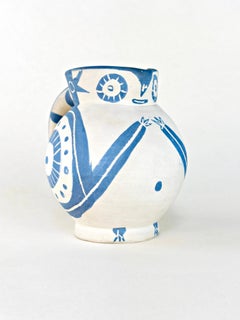
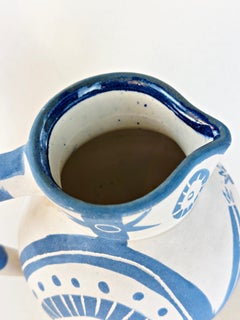
Petite Chouette 1949, Rare Picasso Ceramic Pitcher, Ramié Catalogue No. 82
Located in Eltville am Rhein, DE
Pablo Picasso Malaga 1881 - 1973 Mougins Petite Chouette, 1949 White earthware with engobe decoration, glazed interior 13 x 15 x 11 cm Impressed studio marke to undersite "EDITION P...
Ceramic
$612Sale Price|20% Off
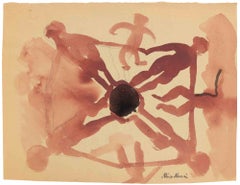
The Round Dance, Watercolor, Modern Style, Signed, 1940s, Unframed
By Mino Maccari
Located in Roma, IT
Watercolor on paper. Hand signed. Very good condition.
Watercolor
$1,506Sale Price|20% Off
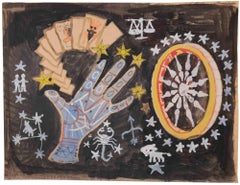
The Gipsy: Luck and Love - Drawing by Mino Maccari - 1940s
By Mino Maccari
Located in Roma, IT
Ink, tempera and watercolor on paper. Realized in 1940 ca. Hand signed in pen lower right. Very good condition
Paper, Ink
$476Sale Price|20% Off
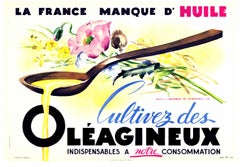
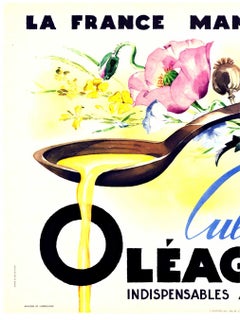
Original Cultivez des Oleagineux French mid-century vintage poster
Located in Spokane, WA
Original 'La France Manque d’Huile, cultivez des Oleagineux' vintage French poster. Linen backed in excellent condition, ready to frame. FREE Continential USA shipping. Transpor...
Lithograph
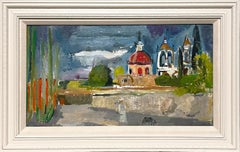
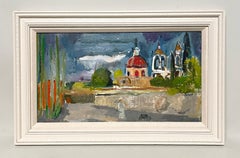
Early Mexican City Scene by Chicago Artist Francis Chapin, San Miguel de Allende
Located in Chicago, IL
A charming, vibrant, early Mexican city street scene by famed Chicago Modern artist Francis Chapin (Am. 1899-1965). Depicting a quiet, picturesque view of the rooftops and cathedral...
Masonite, Oil
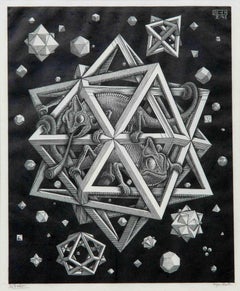
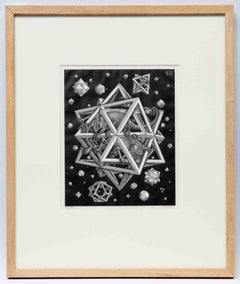
Stars/Sterren - Woodcut by Maurits Cornelis Escher - 1948
Located in Roma, IT
Woodcut print realized by Escher in 1948. Hand signed in pencil and annotated in pencil lower right "eigen druck". Monogrammed and dated in the plate "MCE/X-'48 upper right. One o...
Woodcut
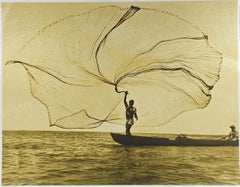
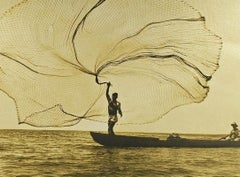
Pavo real del mar: La red en ORO, 1939, Cienaga Grande, Magdalena. Photograph
By Leo Matiz
Located in Miami Beach, FL
Leo Matiz is considered one of the tenth most influential photographers of the 20th century. His work as a photojournalist led him to travel extensively around the world, meeting and...
Color
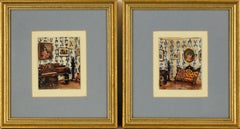
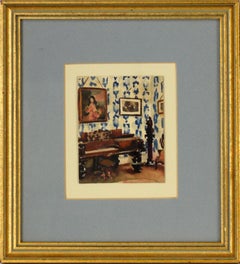
Interior Scenes of a Victorian Home - Watercolor by David Mode Payne
Located in Soquel, CA
Stately pair of watercolors by David Mode Payne (American, 1907-1985). The scene depicted is an interior of an opulent room, with finely crafted furniture and paintings hanging on a ...
Watercolor, Laid Paper
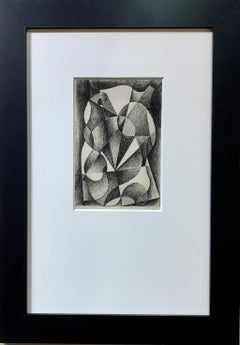
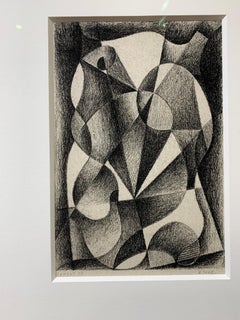
20th century Belgium, Black and White Abstract pencil drawing, Etude
Located in Woodbury, CT
Outstanding pencil on paper Abstract drawing. Marcel Dumont was a Liège artist who painted in oils and gouache, also produced collages and was an illustrator and engraver, doing so in a number of different styles. Early on in his career, he tended to produce paintings displaying a poetic realism but this changed over time until, in 1957, he was employing geometric abstraction and later still, the influence of pop art could be discerned. His geometric style has strong linear structure which occasionally veers to expressionism and the effect of this is an interesting sense of detachment that the viewer of the work can feel and one engages with the subject on a different level than one would normally expect. A critic wrote of him," Sometimes expressionist, sometimes linear, the abstraction forms itself willingly, in Marcel Dumont's world, to leave the rectangular structure to connect to carefully prepared tones. He retains also, in his abundant output, a few poetic pop-art collages together with a number of drawings and engravings illustrating Stefan Zweig...
Paper, Pencil
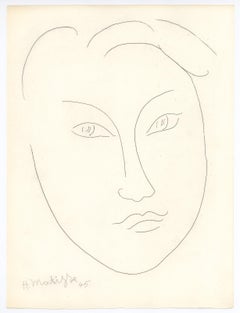
Original etching for Alternance
Located in Henderson, NV
Medium: original etching. Printed in 1946 at the atelier Lacouriere on BFK Rives paper and published in a limited edition of 300 for the "Alternance" portfolio (a collective art and ...
Etching
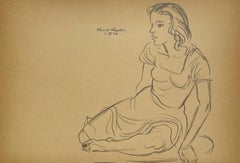
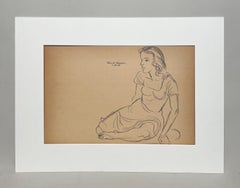
A Finely Drawn, Modern 1940s Figure Study (Seated Young Female Model)
Located in Chicago, IL
A Finely Drawn, Modern 1940s Figure Study Drawing (Seated Young Female Model) by Notable Chicago Artist, Harold Haydon (Am. 1909-1994). An exceptionally well executed, Mid-Century M...
Paper, Charcoal