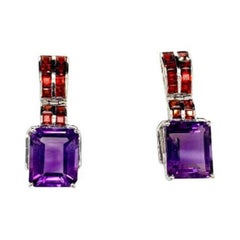
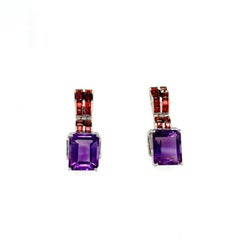
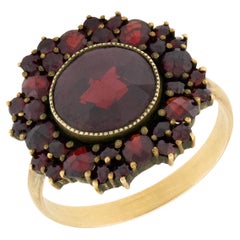
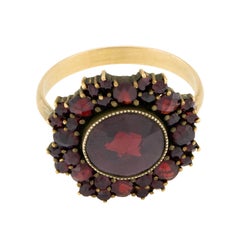
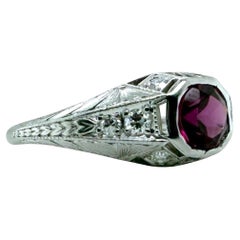
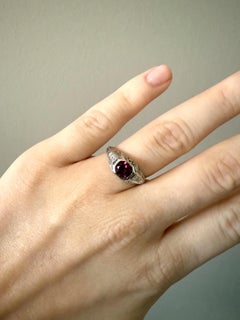
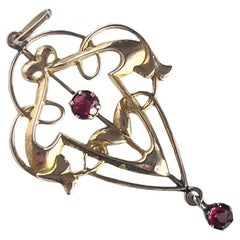
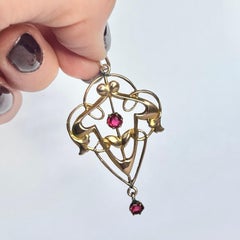
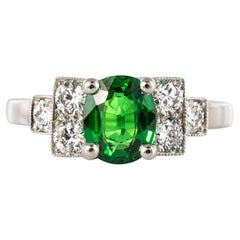
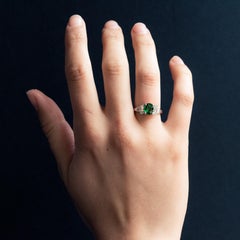
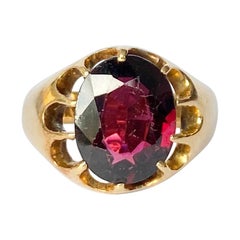
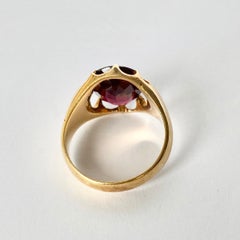
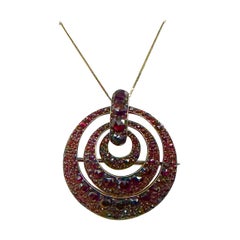
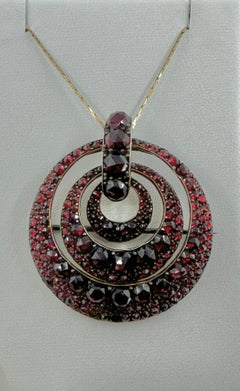
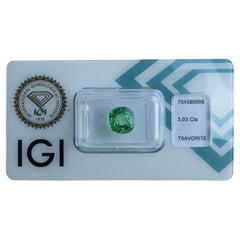
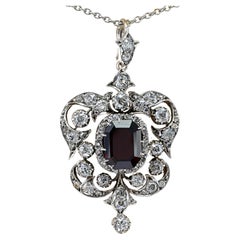
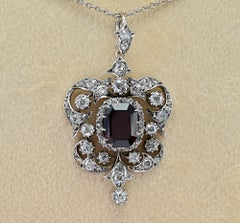
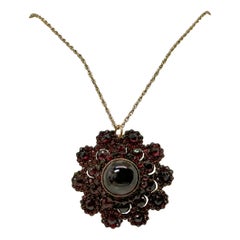
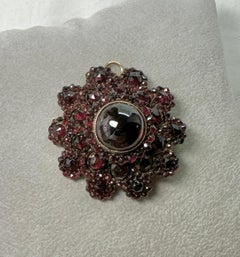
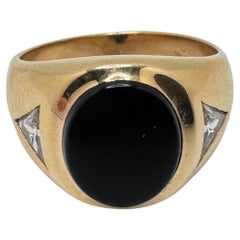
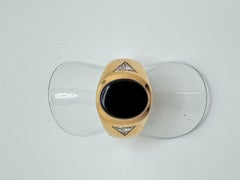
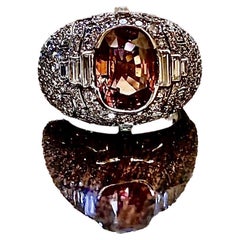
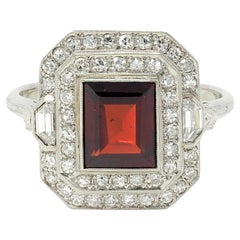
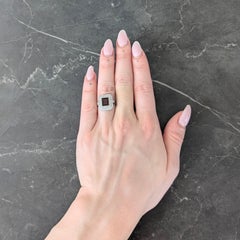
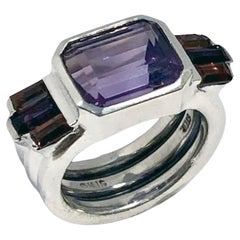
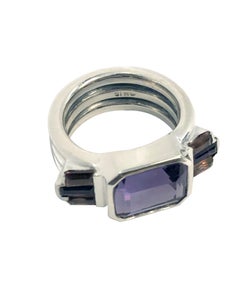
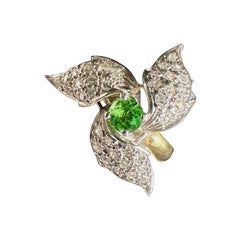
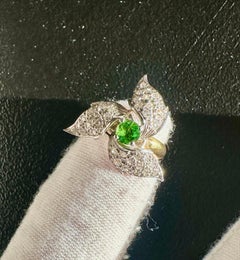
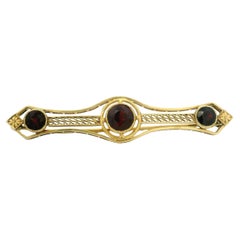
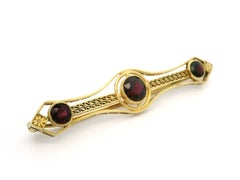
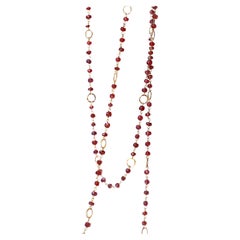
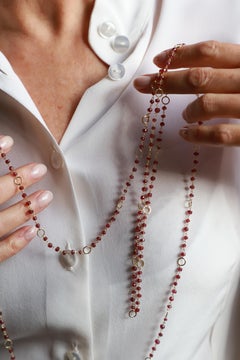
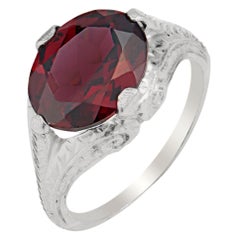
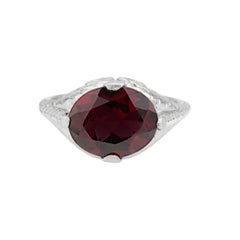
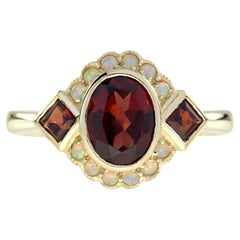
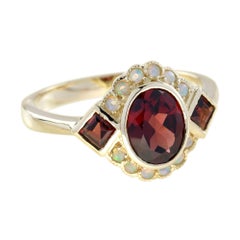
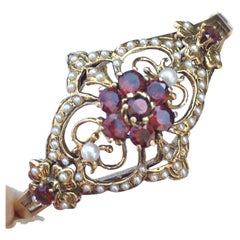
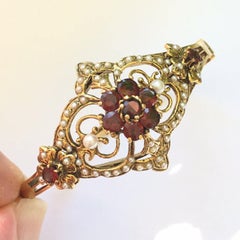
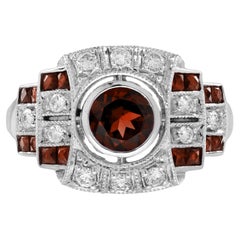
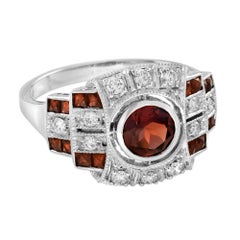
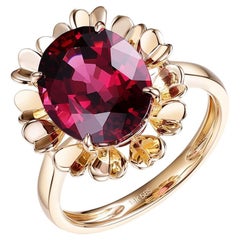
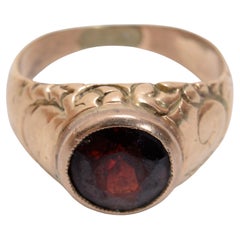
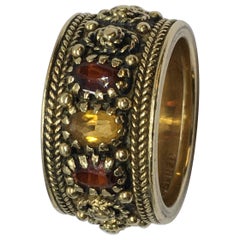
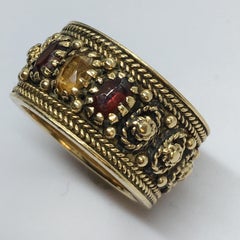
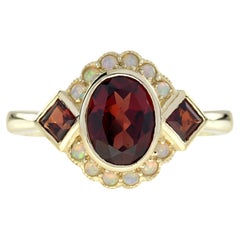
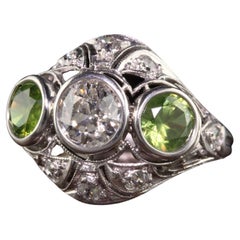
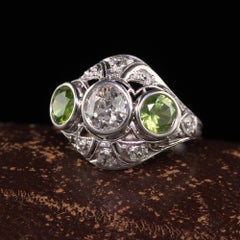
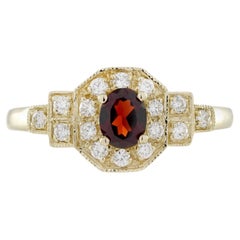
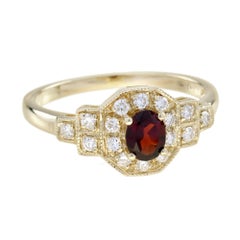
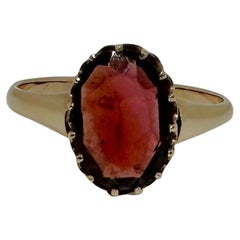
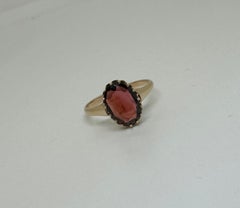
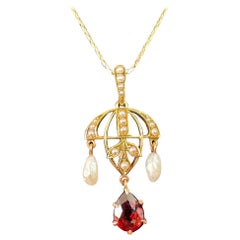
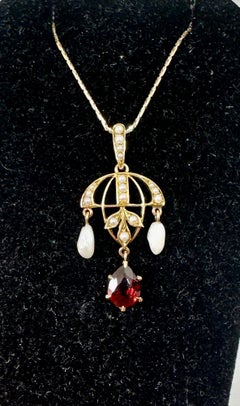
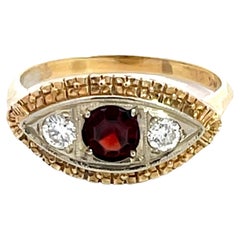
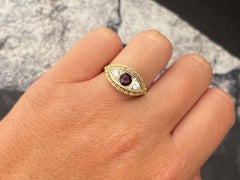
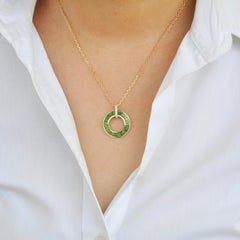
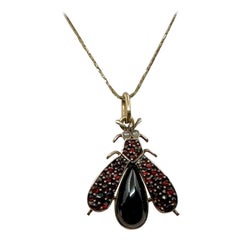
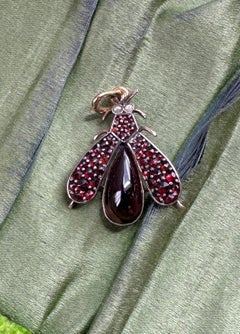
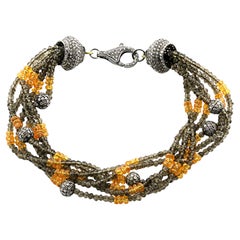
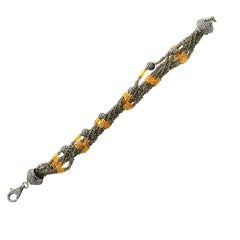
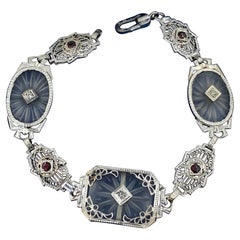
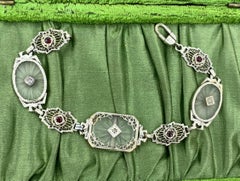
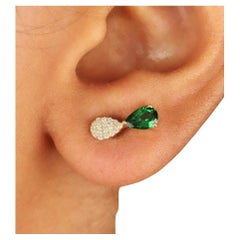
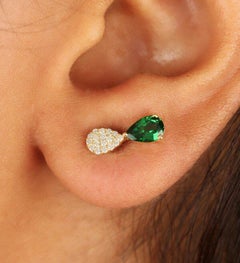
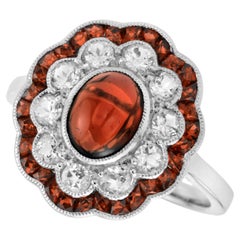
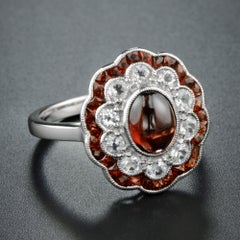
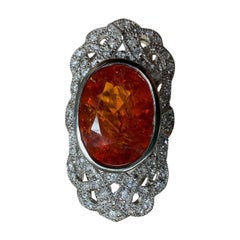
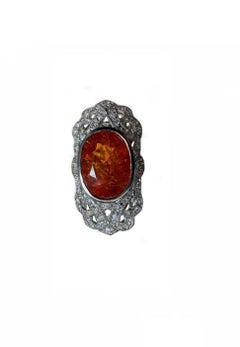
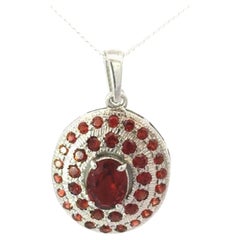
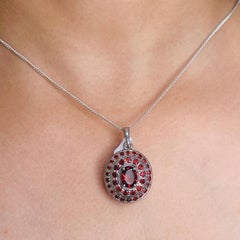
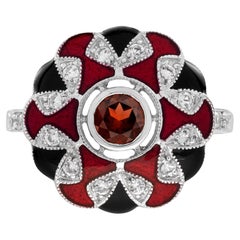
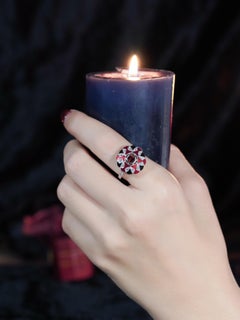
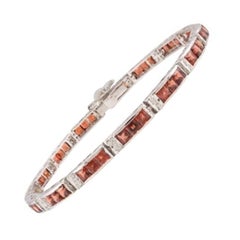
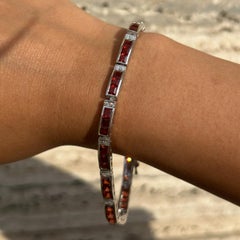
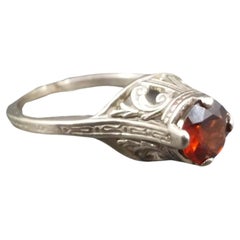
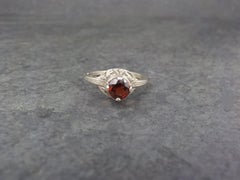
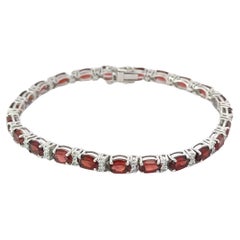
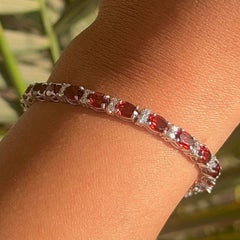
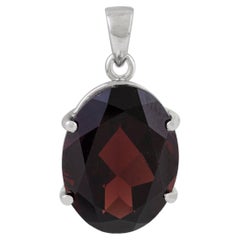
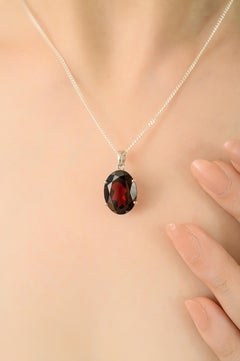
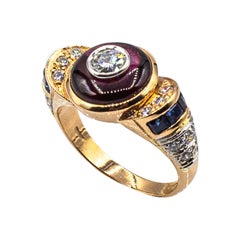
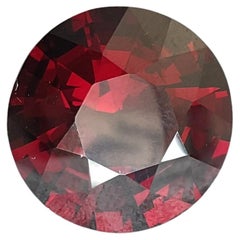
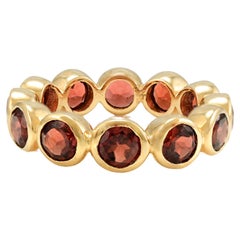
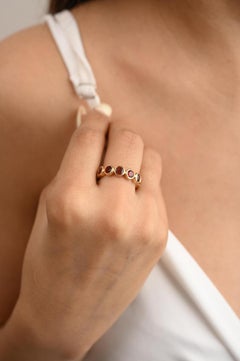
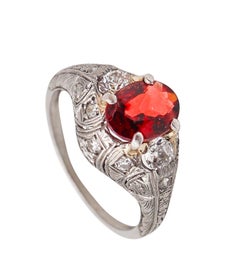
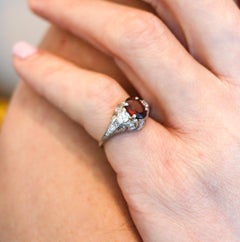
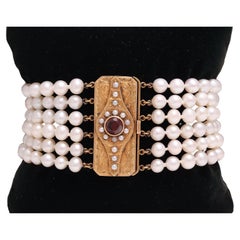
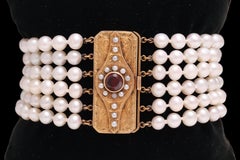
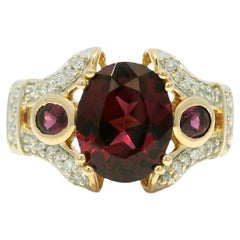
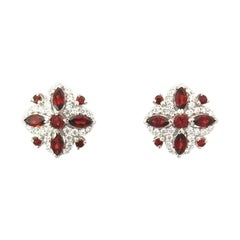
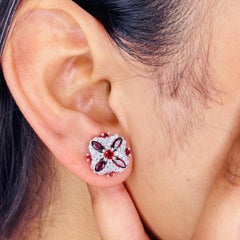
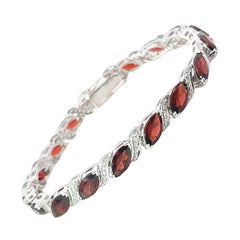
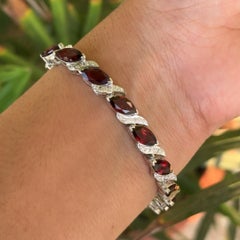
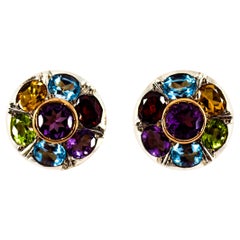
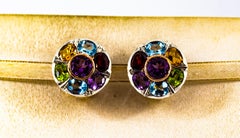
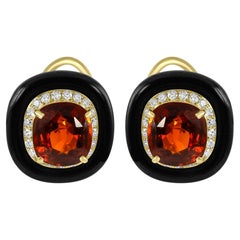
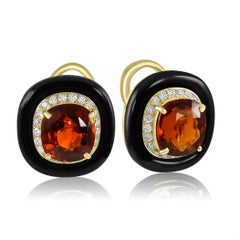
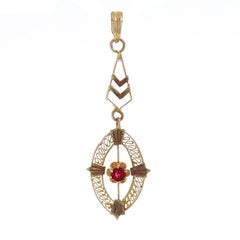
On 1stDibs, you can find the most appropriate piece of art deco garnet jewelry for your needs in our varied inventory. Each design created in this style — which was crafted with great care and often made from
Gold,
18k Gold and
Platinum — can elevate any look. In our selection of items, you can find a vintage example as well as a contemporary version. Making the right choice when shopping for an item from our selection of art deco garnet jewelry may mean carefully reviewing examples of this item dating from different eras — you can find an early iteration of this piece from the 19th Century and a newer version made as recently as the 21st Century, both of which have proven very popular over the years. Creating a choice in our collection of art deco garnet jewelry has been a part of the legacy of many jewelers, but those produced by
Kian Design,
Rossella Ugolini and
Baume are consistently popular. Today, if you’re looking for a
round cut version of this piece and are unable to find the perfect match, our selection also includes
oval cut and
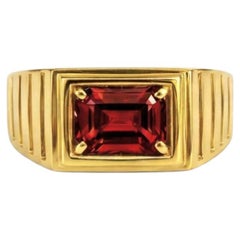
emerald cut alternatives. Most of our art deco garnet jewelry for sale are for
women, but there are 52 pieces available to browse for
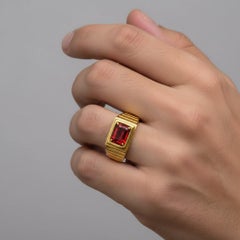
men.
Prices for a piece of art deco garnet jewelry can differ depending upon size, time period and other attributes — at 1stDibs, these accessories begin at $369 and can go as high as $98,500, while this accessory, on average, fetches $2,518.
Fascination with the Jazz Age is endless, and even today jewelry designers continue to be inspired by authentic Art Deco jewelry and watches.
The Art Deco period, encompassing the 1920s and ’30s, ushered in a very distinct look in the design of jewelry. There were many influences on the jewelry of the era that actually began to take shape prior to the 1920s. In 1909, Serge Diaghilev brought the Ballet Russes to Paris, and women went wild for the company’s exotic and vibrant costumes It’s no wonder, then, that jade, lapis lazuli, coral, turquoise and other bright gemstones became all the rage. There already existed a fascination with the East, particularly China and Japan, and motifs consisting of fans and masks started to show up in Art Deco jewelry.
However, the event that had the greatest influence on Deco was the excavation of the tomb of King Tut in 1922. When the world saw what was hidden in Tut’s burial chamber, it sent just about everyone into a frenzy. Pierre Cartier wrote in 1923 that “the discovery of the tomb will bring some sweeping changes in fashion jewelry.” And he couldn’t have been more right. “Egyptomania” left an indelible mark on all of the major jewelry houses, from Cartier to Van Cleef & Arpels, Boucheron and Georges Fouquet. (Cartier created some of the most iconic jewelry designs that defined this era.)
While a lot of Art Deco jewelry was black and white — the black coming from the use of onyx or black enamel and the white from rock crystal and diamonds — there is plenty of color in jewelry of the era. A perfect accent to diamonds in platinum settings were blue sapphires, emeralds and rubies, and these stones were also used in combination with each other.
Many designers employed coral, jade and lapis lazuli, too. In fact, some of the most important avant-garde jewelers of the period, like Jean Després and Jean Fouquet (son of Georges), would combine white gold with ebony and malachite for a jolt of color.
A lot of the jewelry produced during this time nodded to current fashion trends, and women often accessorized their accessories. The cloche hat was often accented with geometric diamond brooches or double-clip brooches. Backless evening dresses looked fabulous with sautoir necklaces, and long pearl necklaces that ended with tassels, popular during the Edwardian period, were favored by women everywhere, including Coco Chanel.
Find unique Art Deco necklaces, earrings, bracelets and other jewelry on 1stDibs.
Vintage and antique garnet jewelry has been around for a long time.
Garnets have been used for adornment going all the way back to the Bronze Age. While we will never know if garnets can be used to prevent plagues or heal warriors, as has been suggested, we do know that both the Egyptians and the Romans felt that it was a worthy stone to set in gold for their nobility. In more “recent” times, garnets were ubiquitous in Victorian jewelry. The “G” in REGARD rings, the equivalent of the modern-day engagement ring, implied garnet.
Garnets were also highly valued in the region of Bohemia. The Smithsonian Museum of Natural History has in its collection an antique hairpin with Bohemian pyrope garnets from the Czech Republic. Bohemian pyrope got its name from Bohuslav Balbín, sometimes referred to as the “Czech Pliny,” in 1679. Abundant in the region, it was used often in jewelry during this time. In fact, it became so popular that in 1762, Empress Marie Terezie forbade its export. Stonecutting workshops opened in several regions across Bohemia, and pyrope became the country’s mineralogical symbol. While there was never a decline in its popularity, it was only in the mid-20th century that garnets enjoyed a revival.
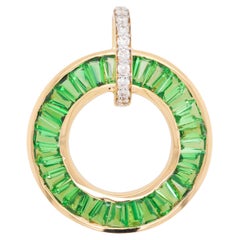
Garnets can come in many shapes and sizes — one of the largest ever discovered is a 68.82-carat Tsavorite garnet. This stone is also in the collection of the Smithsonian Museum of Natural History.
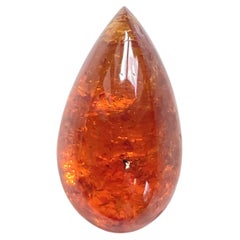
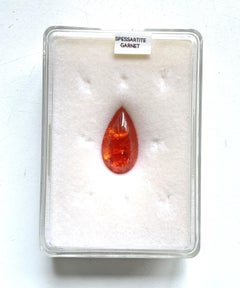
According to the Gemological Institute of America, Brazil’s mines are rich in garnets, including spessartine, which can also be found in the Myanmar area, recognized for a specific shade of reddish-orange. While red garnets are the most popular, garnets actually come in a medley of colors.
Find a collection of antique and vintage garnet rings, necklaces and other jewelry today on 1stDibs.