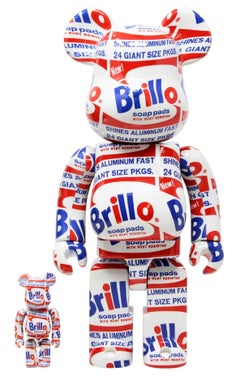
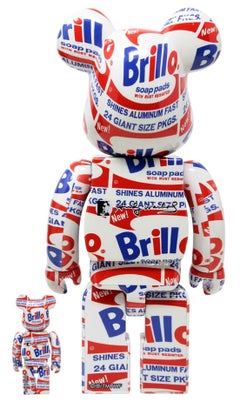
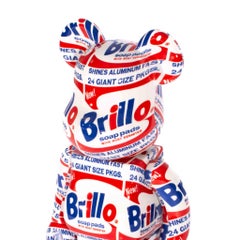
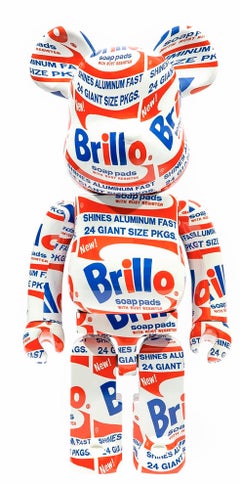
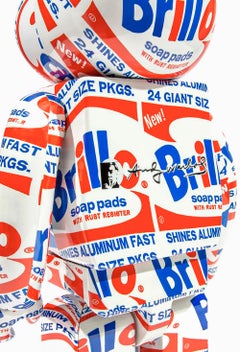
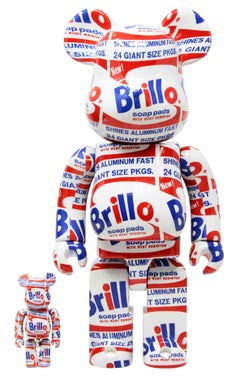
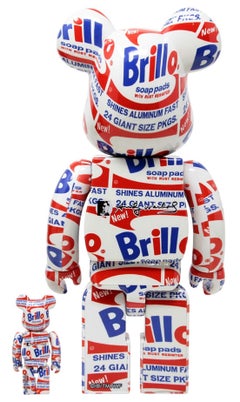
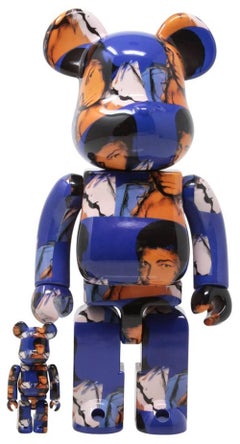
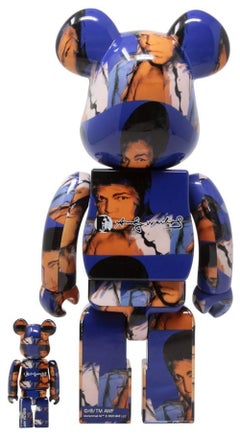
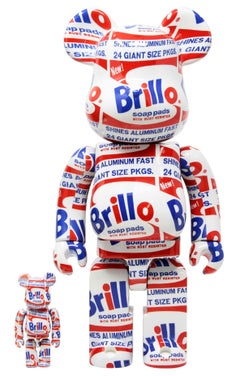
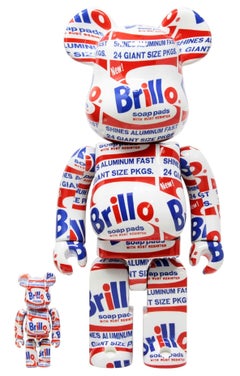
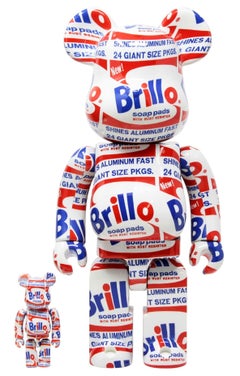
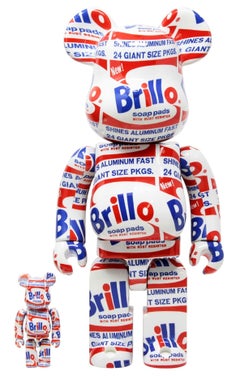
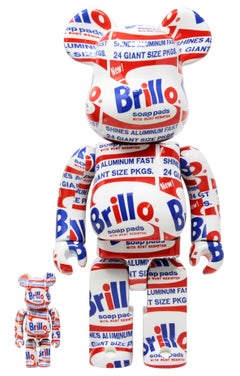
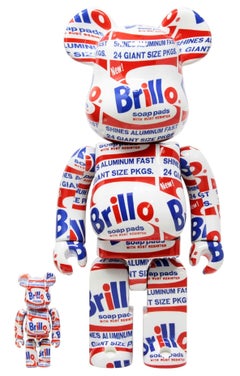
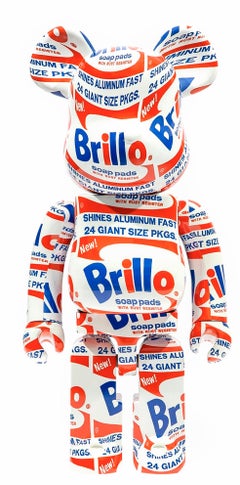
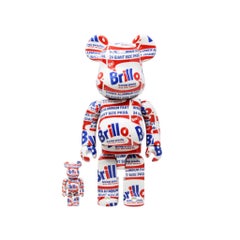
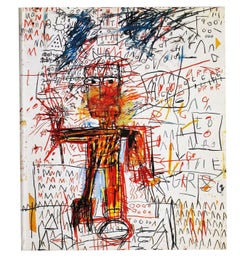
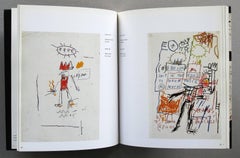
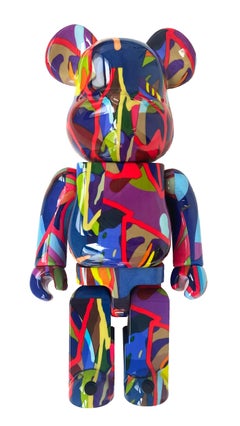
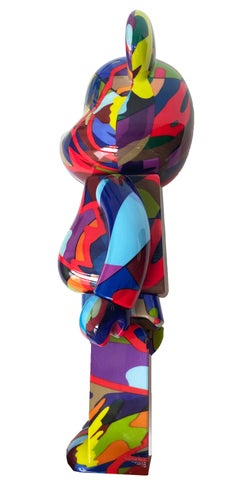
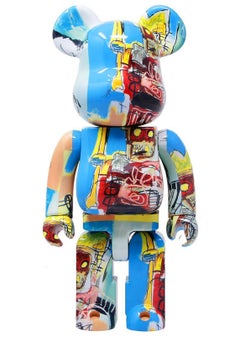
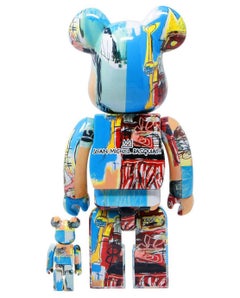
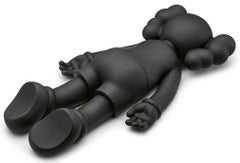
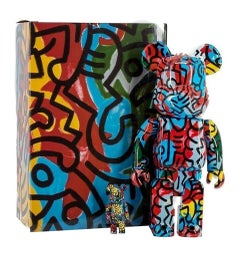
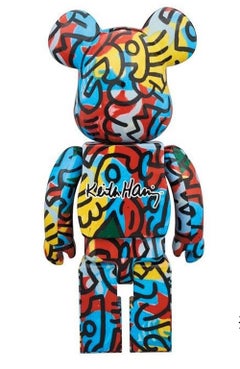
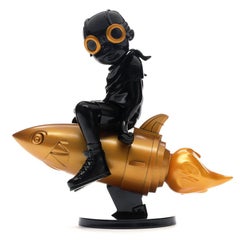
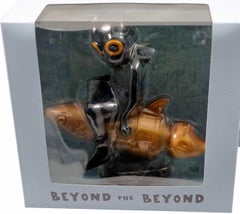
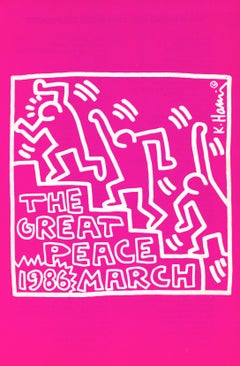
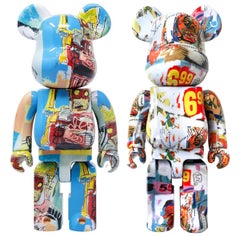
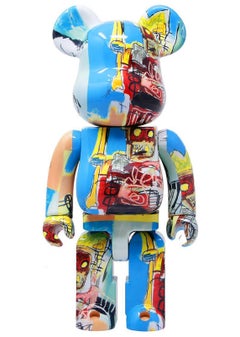
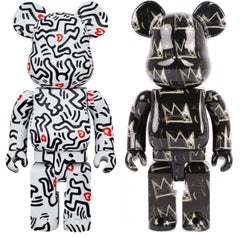
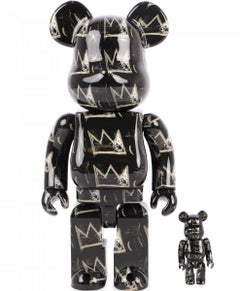
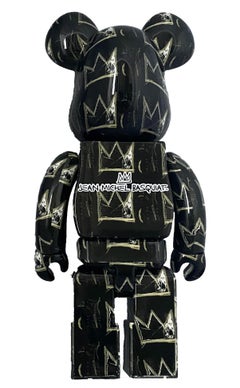
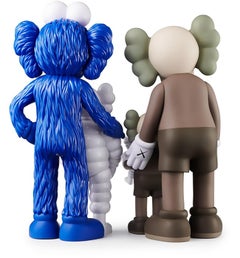
Bearbrick Brillo For Sale on 1stDibs
On 1stDibs, you can find the most appropriate bearbrick brillo for your needs in our varied inventory. In our selection of items, you can find
Pop Art examples as well as a
contemporary version. If you’re looking for a bearbrick brillo from a specific time period, our collection is diverse and broad-ranging, and you’ll find at least one that dates back to the 20th Century while another version may have been produced as recently as the 21st Century. If you’re looking to add a bearbrick brillo to create new energy in an otherwise neutral space in your home, you can find a work on 1stDibs that features elements of
gray,
beige,
black,
blue and more. Finding an appealing bearbrick brillo — no matter the origin — is easy, but
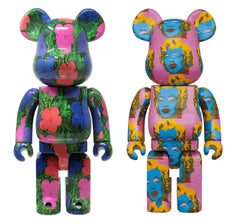
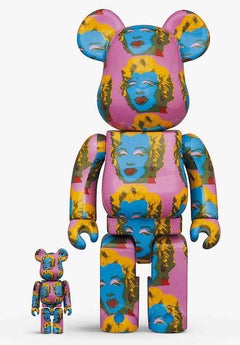
(after) Andy Warhol and
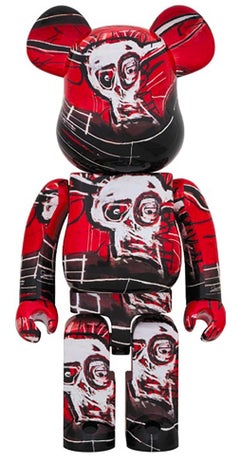
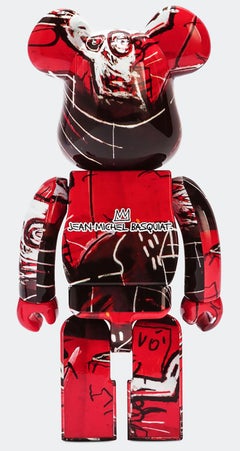
after Jean-Michel Basquiat each produced popular versions that are worth a look. These artworks were handmade with extraordinary care, with artists most often working in
organic material,
paint and
resin.
How Much is a Bearbrick Brillo?
A bearbrick brillo can differ in price owing to various characteristics — the average selling price for items in our inventory is $475, while the lowest priced sells for $240 and the highest can go for as much as $2,595.
(after) Andy Warhol for sale on 1stDibs
Since 1960 American artist Andy Warhol (1928-1987) has been considered one of the most well known and controversial artists in American Pop Art, having becoming synonymous with Pop Art itself. His works explore the relationship between artistic expression, celebrity culture, and advertising that flourished by the 1960s, and span a variety of media, including painting, silkscreening, photography, film and sculpture. Warhol used common images of popular media that were executed with hardline realism, and were considered new and outrageous. Andy Warhol is considered to be the #1 top performing artists on the art market today, comprising a sizable chunk of the contemporary art market. Born and raised in Pittsburgh, Warhol initially pursued a successful career as a commercial illustrator. After exhibiting his work in several galleries in the late 1950s, he began to receive recognition as an influential and controversial artist. His New York studio, The Factory, became a well-known gathering place that brought together distinguished intellectuals, drag queens, playwrights, Bohemian street people, Hollywood celebrities, and wealthy patrons. He promoted a collection of personalities known as Warhol Superstars, and is credited with coining the widely used expression "15 minutes of fame."
A Close Look at Pop-art Art
Perhaps one of the most influential contemporary art movements, Pop art emerged in the 1950s. In stark contrast to traditional artistic practice, its practitioners drew on imagery from popular culture — comic books, advertising, product packaging and other commercial media — to create original Pop art paintings, prints and sculptures that celebrated ordinary life in the most literal way.
ORIGINS OF POP ART
CHARACTERISTICS OF POP ART
- Bold imagery
- Bright, vivid colors
- Straightforward concepts
- Engagement with popular culture
- Incorporation of everyday objects from advertisements, cartoons, comic books and other popular mass media
POP ARTISTS TO KNOW
ORIGINAL POP ART ON 1STDIBS
The Pop art movement started in the United Kingdom as a reaction, both positive and critical, to the period’s consumerism. Its goal was to put popular culture on the same level as so-called high culture.
Richard Hamilton’s 1956 collage Just what is it that makes today’s homes so different, so appealing? is widely believed to have kickstarted this unconventional new style.
Pop art works are distinguished by their bold imagery, bright colors and seemingly commonplace subject matter. Practitioners sought to challenge the status quo, breaking with the perceived elitism of the previously dominant Abstract Expressionism and making statements about current events. Other key characteristics of Pop art include appropriation of imagery and techniques from popular and commercial culture; use of different media and formats; repetition in imagery and iconography; incorporation of mundane objects from advertisements, cartoons and other popular media; hard edges; and ironic and witty treatment of subject matter.
Although British artists launched the movement, they were soon overshadowed by their American counterparts. Pop art is perhaps most closely identified with American Pop artist Andy Warhol, whose clever appropriation of motifs and images helped to transform the artistic style into a lifestyle. Most of the best-known American artists associated with Pop art started in commercial art (Warhol made whimsical drawings as a hobby during his early years as a commercial illustrator), a background that helped them in merging high and popular culture.
Roy Lichtenstein was another prominent Pop artist that was active in the United States. Much like Warhol, Lichtenstein drew his subjects from print media, particularly comic strips, producing paintings and sculptures characterized by primary colors, bold outlines and halftone dots, elements appropriated from commercial printing. Recontextualizing a lowbrow image by importing it into a fine-art context was a trademark of his style. Neo-Pop artists like Jeff Koons and Takashi Murakami further blurred the line between art and popular culture.
Pop art rose to prominence largely through the work of a handful of men creating works that were unemotional and distanced — in other words, stereotypically masculine. However, there were many important female Pop artists, such as Rosalyn Drexler, whose significant contributions to the movement are recognized today. Best known for her work as a playwright and novelist, Drexler also created paintings and collages embodying Pop art themes and stylistic features.
Read more about the history of Pop art and the style’s famous artists, and browse the collection of original Pop art paintings, prints, photography and other works for sale on 1stDibs.
Finding the Right Sculptures for You
The history of sculpture as we know it is believed to have origins in Ancient Greece, while small sculptural carvings are among the most common examples of prehistoric art. In short, sculpture as a fine art has been with us forever. A powerful three-dimensional means of creative expression, sculpture has long been most frequently associated with religion — consider the limestone Great Sphinx in Giza, Egypt — while the tradition of collecting sculpture, which has also been traced back to Greece as well as to China, far precedes the emergence of museums.
Technique and materials in sculpture have changed over time. Stone sculpture, which essentially began as images carved into cave walls, is as old as human civilization itself. The majority of surviving sculpted works from ancient cultures are stone. Traditionally, this material and pottery as well as metal — bronze in particular — were among the most common materials associated with this field of visual art. Artists have long sought new ways and materials in order to make sculptures and express their ideas. Material, after all, is the vehicle through which artists express themselves, or at least work out the problems knocking around in their heads. It also allows them to push the boundaries of form, subverting our expectations and upending convention. As an influential sculptor as much as he was a revolutionary painter and printmaker, Pablo Picasso worked with everything from wire to wood to bicycle seats.
If you are a lover of art and antiques or are thinking of bringing a work of sculpture into your home for the first time, there are several details to keep in mind. As with all other works of art, think about what you like. What speaks to you? Visit local galleries and museums. Take in works of public art and art fairs when you can and find out what kind of sculpture you like. When you’ve come to a decision about a specific work, try to find out all you can about the piece, and if you’re not buying from a sculptor directly, work with an art expert to confirm the work’s authenticity.
And when you bring your sculpture home, remember: No matter how big or small your new addition is, it will make a statement in your space. Large- and even medium-sized sculptures can be heavy, so hire some professional art handlers as necessary and find a good place in your home for your piece. Whether you’re installing a towering new figurative sculpture — a colorful character by KAWS or hyperreal work by Carole A. Feuerman, perhaps — or an abstract work by Won Lee, you’ll want the sculpture to be safe from being knocked over. (You’ll find that most sculptures should be displayed at eye level, while some large busts look best from below.)
On 1stDibs, find a broad range of exceptional sculptures for sale. Browse works by your favorite creator, style, period or other attribute.