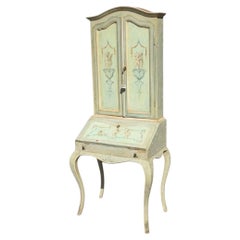
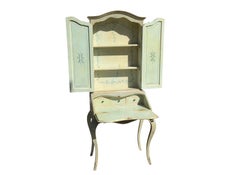
Gustavian Style Painted Light Blue Secretary Desk Cabinet
Located in LOS ANGELES, CA
Gustavian Style Painted Light Blue Secretary Desk Cabinet
Category
Vintage 1940s Italian Gustavian Secretaires
Materials
Wood
Gustavian Style Painted Light Blue Secretary Desk Cabinet
Located in LOS ANGELES, CA
Gustavian Style Painted Light Blue Secretary Desk Cabinet
Wood
$3,705 / item
H 49.22 in W 47.25 in D 18.12 in
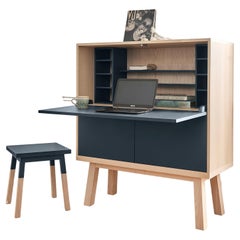
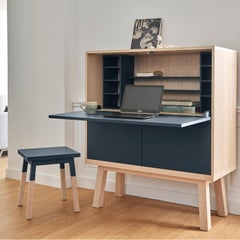
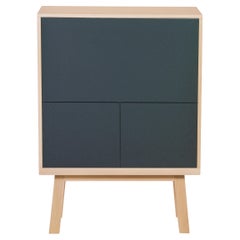
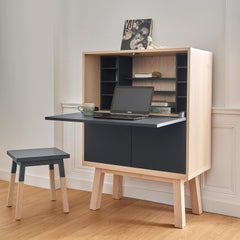
Large blue Secretary Desk - design Eric Gizard, Paris - made in France
By Éric Gizard
Located in Landivy, FR
This large secretary desk is designed by the famous parisian Designer Eric Gizard and delivered
Wood, Ash, Lacquer
$3,524
H 49.22 in W 35.44 in D 18.12 in
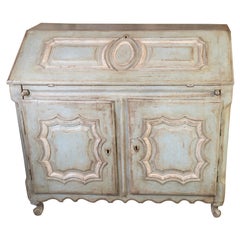
Dark blue secretary desk in wood, scandinavian design by Eric Gizard, Paris
By Éric Gizard
Located in Landivy, FR
ÉGÉE collection This secretary desk is part of the ÉGÉE collection designed by Eric Gizard in Paris
Ash, Wood, Lacquer
19thc French Painted Secretary
Located in New Orleans, LA
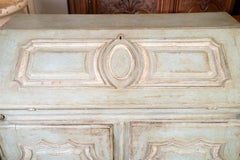
Beautiful 19thc Robin’s egg blue secretary/fall front desk.
Wood
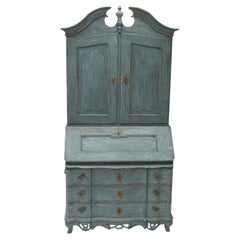
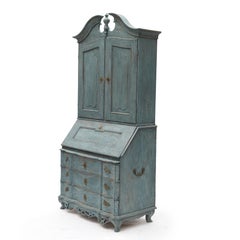
Majestic Blue painted Rococo Bureau / Secretary
Located in Kastrup, DK
A Rococo secretary desk with a cabinet or bookcase top, beautifully painted in blue with a black
Metal, Brass
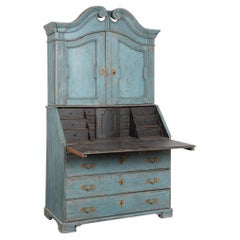
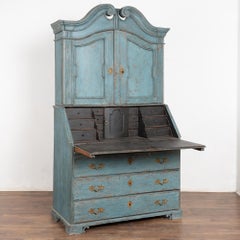
19th Century Swedish Blue Oak Secretary Bureau
Located in Round Top, TX
lower three large drawers. The entire secretary has been given a professional custom layered blue
Brass
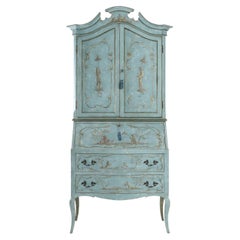
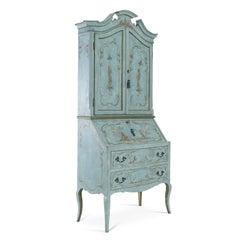
Parma Blue Doge Secretary with Gold Chinoiserie Dresser
By Porte Italia
Located in Milan, IT
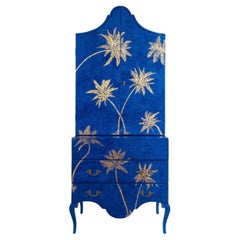
The Parma Blue Doge secretary showcases exquisite chinoiserie artistry with delicate golden figures
Wood
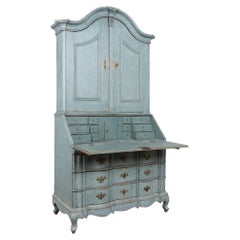
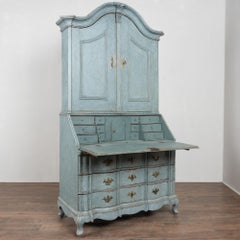
Late 18th Century Blue Swedish Oak Secretary Bureau
Located in Round Top, TX
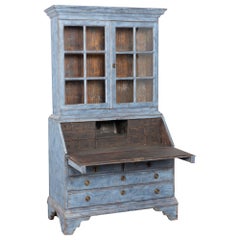
Late 18th Century Blue Swedish Oak Secretary Bureau Late 18th-century Swedish oak secretary bureau
Wood, Oak, Paint
$16,944 / item
H 96.46 in W 39.38 in D 21.66 in
18th Century Hand Painted Venetian Style Electric Blue Pesaro Secretary
By Porte Italia
Located in Ronchi dei Legionari, IT
From our Capsule Collection, we are pleased to introduce you to our brand new Electric Blue Pesaro
Wood
Mid 19th Century Swedish Blue Painted Pine Secretary
Located in Round Top, TX
Mid 19th-century Swedish pine secretary with newer professionally applied layered blue exterior
Pine
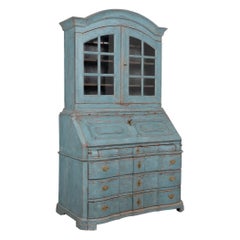
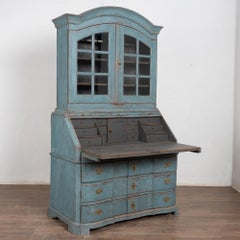
Early 19th Century Danish Blue Painted Pine Secretary Bureau
Located in Round Top, TX
Early 19th-century Danish pine secretary with newer professionally applied layered blue painted
Pine
$16,921 / item
H 96.46 in W 39.38 in D 21.66 in
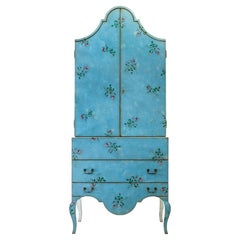
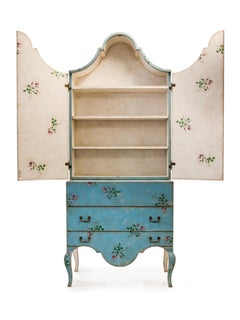
18th Century Hand-Painted Venetian Style Parma Blue Pesaro Secretary with roses
By Porte Italia
Located in Ronchi dei Legionari, IT
From our Hand-Painted Furniture Collection, we are pleased to introduce you to our Parma Blue
Wood
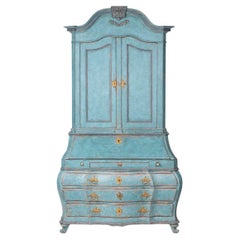
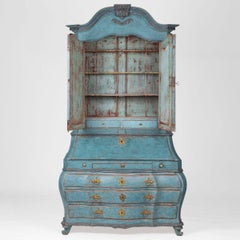
$11,104
H 84.26 in W 50.4 in D 25.99 in
Danish Blue Painted Rococo Secretary Desk in the Manner of Mathias Ortmann
Located in Kastrup, DK
Beautiful Danish Rococo secretary desk executed in the manner of cabinetmaker Mathias Ortmann (1692
Bronze
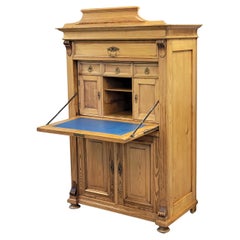
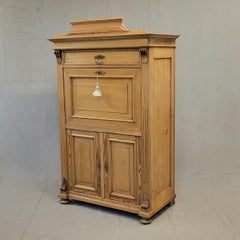
Antique Danish Biedermeier Pine Secretary Desk With Blue Leather
Located in Centennial, CO
A stately antique circa 1900 Danish Biedermeier style secretary desk crafted out of gorgeous
Brass
$9,950
H 81.125 in W 47 in D 23.5 in
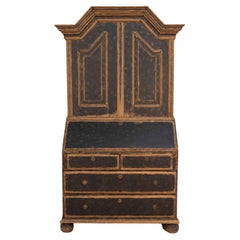
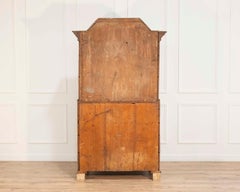
Baroque Secretary with Black Exterior and Blue Interior, Circa 1760
Located in Atlanta, GA
, contributing to the secretary’s character and authenticity. The blue interior retains visible patina and
Wood
$7,800
H 81.5 in W 39 in D 19.5 in
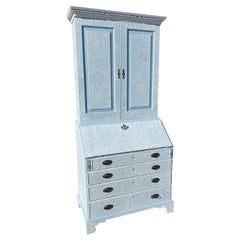
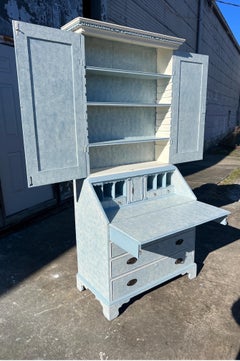
18th century Georgian secretary in hand painted blue wedge wood swirl finish
Located in Richmond, VA
Wonderful 18th century Georgian mahogany secretary with hand painted wedgewood swirl finish by “The
Wood, Paint
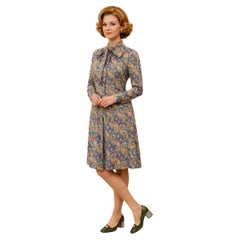
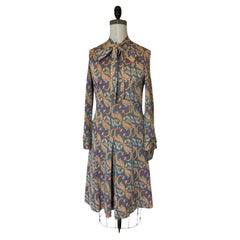
1960s Vintage Kimberly Teal Blue Knit Secretary Dress with Op Art
By KIMBERLY
Located in Brooklyn, NY
1960s Kimberly knit secretary dress a line silhouette teal blue, dark yellow, red & white mod
$2,200
H 86 in W 39.5 in D 16 in
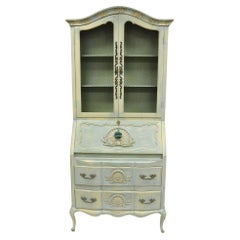
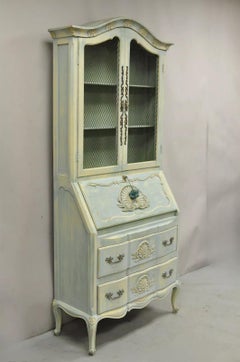
Vintage French Provincial Blue Painted Bookcase Tall Secretary Desk by Danby
By Danby
Located in Philadelphia, PA
Vintage French Provincial Blue Distress Painted Bookcase Tall Secretary Desk by Danby. Item
Wood
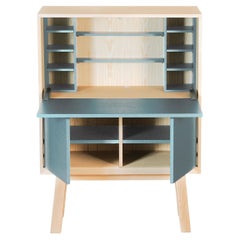
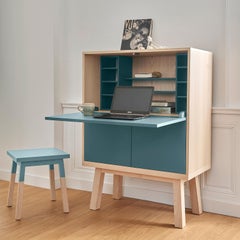
$3,528 / item
H 49.22 in W 35.44 in D 18.12 in
Light blue French secretary desk, designed by Eric Gizard in Paris
By Éric Gizard
Located in Landivy, FR
This secretary Desk belongs to our ÉGÉE COLLECTION designed by the Parisian designer Eric Gizard
Wood, Ash, Lacquer
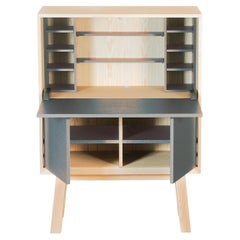
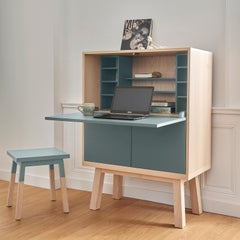
$3,524 / item
H 49.22 in W 35.44 in D 18.12 in
Blue gray secretary desk in wood, with storage - design Eric Gizard, Paris
By Éric Gizard
Located in Landivy, FR
This secretary Desk belongs to our ÉGÉE COLLECTION and is designed by the Parisian designer Eric
Wood, Ash, Lacquer
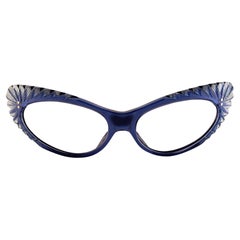
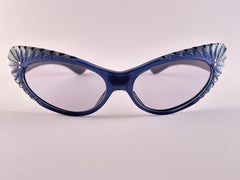
Vintage Cat Eye Blue Feathers Sunglasses Made In France
Located in Baleares, Baleares
Vintage 1960'S Feather Accents Cat Eye Secretary Blue Sunglasses. This Item Has Minor Sign Of Wear
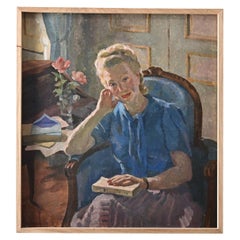
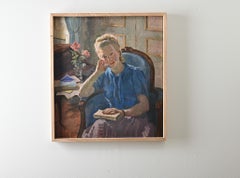
French Mid-century Oil Painting Signed Coste
Located in Baton Rouge, LA
from the nearby window, forming a corona of her hair as she sits in a blue bergere by an open secretary
Canvas, Oak, Paint
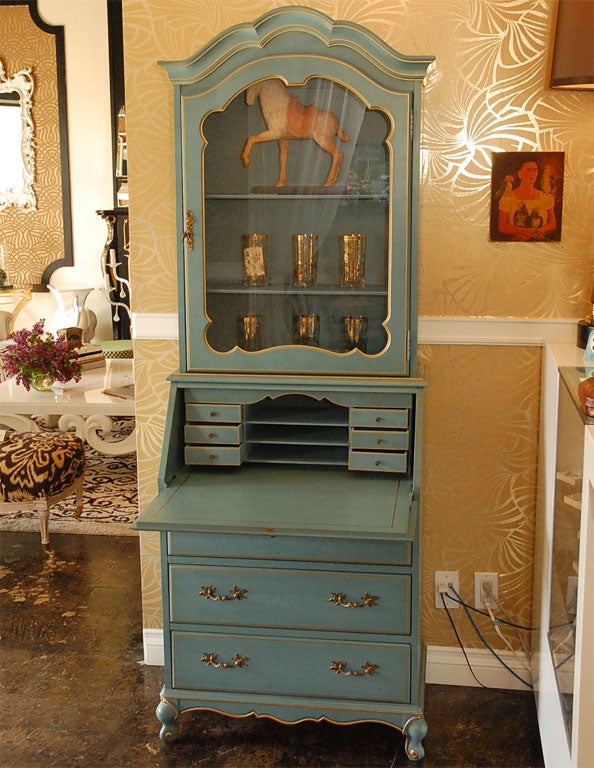
Antique French Style Secretary
Located in Los Angeles, CA
Petite Blue Antique French Style Secretary with gold detailing.
Wood, Glass
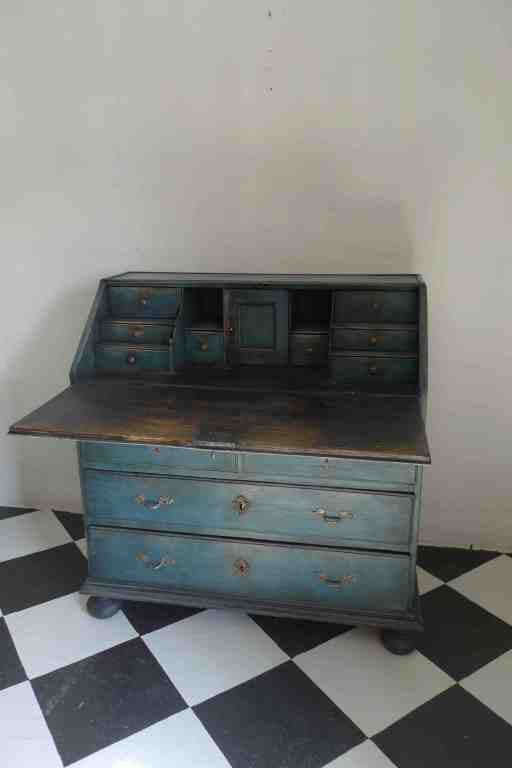
Ordinary Swedish Blue Secretary
Located in New York, NY
A lovely little secretary in a dark blue paint with a darker almost black interior. All original.
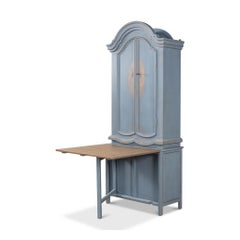
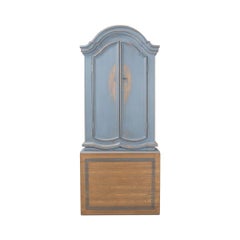
French Country Blue Painted Secretary
Located in Westwood, NJ
Antiqued blue painted secretary bookcase with an unusual folding writing surface that can convert
Wood
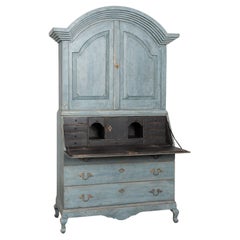
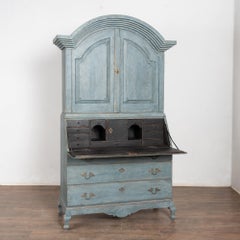
19th Century Swedish Blue Painted Tall Oak Secretary
Located in Round Top, TX
drawers resting on cabriolet feet. The entire secretary has been given a professional custom layered blue
Oak, Paint
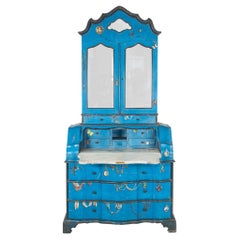
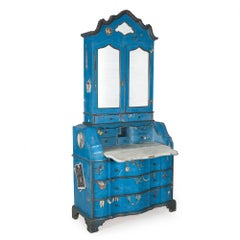
Italian Venetian Style Blue-Painted Trompe l'Oeil Secretary Desk
Located in Shippensburg, PA
VENETIAN STYLE BLUE-PAINTED TROMPE L'OEIL SECRETARY DESK Circa early 20th century with later
Glass, Paint
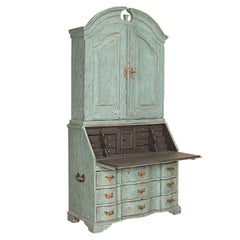
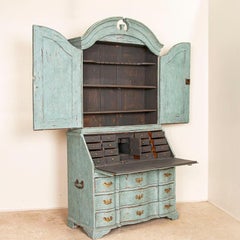
Antique Tall Blue Painted Secretary Bureau from Sweden
Located in Round Top, TX
with age. This blue painted secretary is restored, solid/stable and ready to be used. ** In light of
Wood
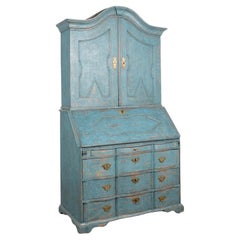

Blue Painted Oak Secretary, Sweden circa 1770-1800
Located in Round Top, TX
three drawers. The entire secretary has been given a professional custom layered blue painted finish
Brass
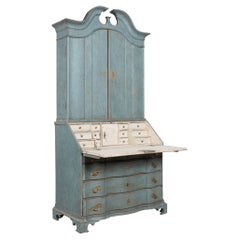
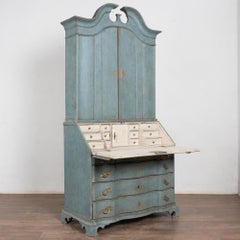
19th Century Blue Oak Secretary Bureau from Denmark
Located in Round Top, TX
. This blue painted secretary is restored, solid/stable and ready to be used. It is built in two sections
Oak, Paint
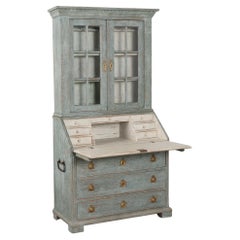

Blue Painted Swedish Oak Secretary, circa 1800-20
Located in Round Top, TX
dentil molding. The entire secretary has been given a professional custom layered blue painted finish
Brass, Iron
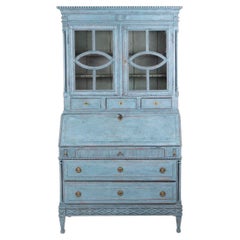

Sold
H 81.89 in W 44.49 in D 22.84 in
Bureau / Secretary Gustavian in Blue Painted In Pine. 18th Ctr. Swedish
Located in Kastrup, DK
Gustavian secretary crafted in pine, finished in a charming blue tone with an elegant patina. The
Brass
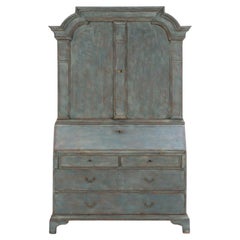
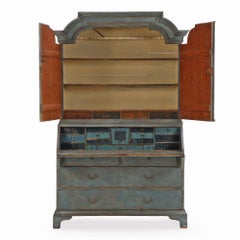
A Swedish Gustavian blue painted pine secretary, C. 1800.
Located in Philadelphia, PA
This beautiful slant front secretary desk is in two pieces with a stunning blue surface. The top
Pine, Paint
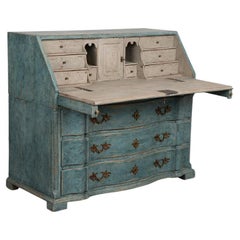
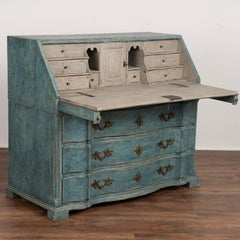
Antique Oak Rococo Blue Painted Secretary Bureau from Sweden
Located in Round Top, TX
This oak rococo secretary reflects the grace and class of Swedish styling in the early 1800's. The
Wood, Oak, Paint
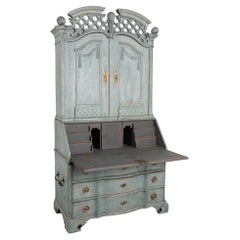

Tall Blue Painted Secretary from Sweden, circa 1800-20
Located in Round Top, TX
bonnet and finials. The entire secretary has been given a professional custom layered blue painted finish
Wrought Iron
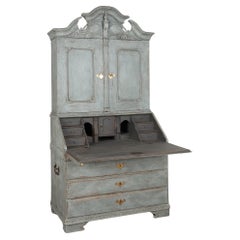
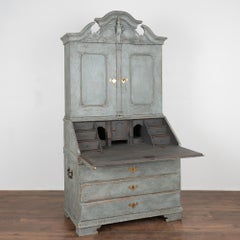
Tall Blue Painted Swedish Secretary Bureau, circa 1800-20
Located in Round Top, TX
. The entire secretary has been given a professional custom layered blue painted finish which has been
Brass
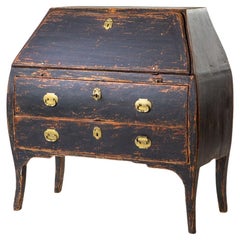

Sold
H 43.71 in W 44.49 in D 18.71 in
18th Century Swedish Rococo Black and Blue Painted Secretary Desk
Located in Kastrup, DK
Swedish Rococo bureau, black and blue painted with charming and decorative patina. Elegant
Brass
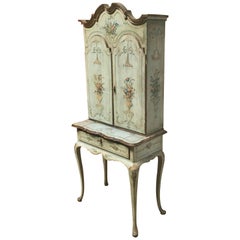

Sold
H 66.5 in W 29 in L 66.5 in
Late 19th Century Chinoiserie Italian Painted Secretary in Celadon Blue-Green
Located in Dallas, TX
A late 19th century Italian painted secretary in a powder celadon blue green. This small scale two
Wood
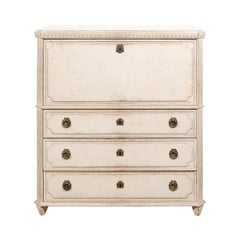
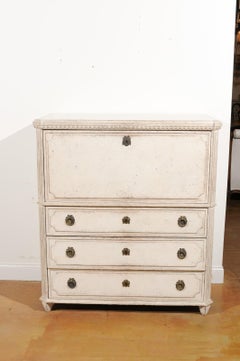
Sold
H 49.25 in W 44.5 in L 49.25 in
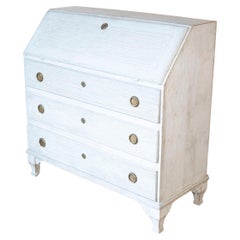
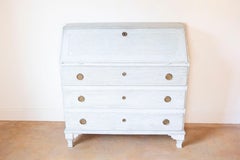
Swedish Gustavian 19th Century Painted Drop-Front Secretary with Blue Interior
Located in Atlanta, GA
A Swedish Gustavian painted wood drop-front secretary from the early 19th century with twisted
Wood
Sold
H 40 in W 39.5 in D 17.5 in
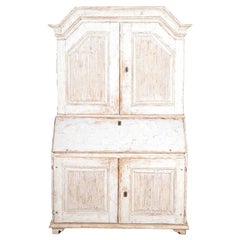
Swedish Gustavian Style 1820s Grey Blue Painted Slant Front Desk Secretary
Located in Atlanta, GA
A Swedish Gustavian style painted wood secretary circa 1820 with slant front desk, carved fluted
Wood

Sold
H 75.6 in W 48.43 in D 20.48 in
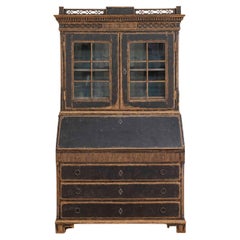
Swedish Two Part 18th Century Secretary with Original Blue Painted Interior
Located in Tetbury, Gloucestershire
Swedish two part wooden secretary from Varmland. This piece features a decorative shaped pediment
Wood
Sold
H 83 in W 49 in D 21.25 in
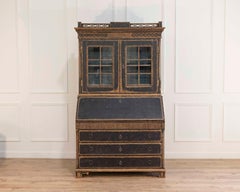
Louis XVI–Style Secretary with Glass Doors, Repainted Black, Blue Interior
Located in Atlanta, GA
A refined Louis XVI–style secretary featuring a classic architectural form and elegant proportions
Pine

Sold
H 89.75 in W 58.25 in D 24.39 in
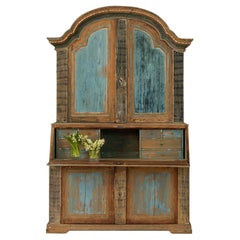
19th c. Swedish Rococo Secretary with Library in Original Blue Paint
Located in Wichita, KS
A rare, early 19th century Swedish Rococo style slant-front secretary from Fryksdalen in Värmland
Wood, Paint

Sold
H 89.75 in W 58.25 in D 24.39 in
19th c. Swedish Rococo Secretary with Library in Original Blue Paint
Located in Wichita, KS
A rare, early 19th century Swedish Rococo style slant-front secretary from Fryksdalen in Värmland
Wood, Paint
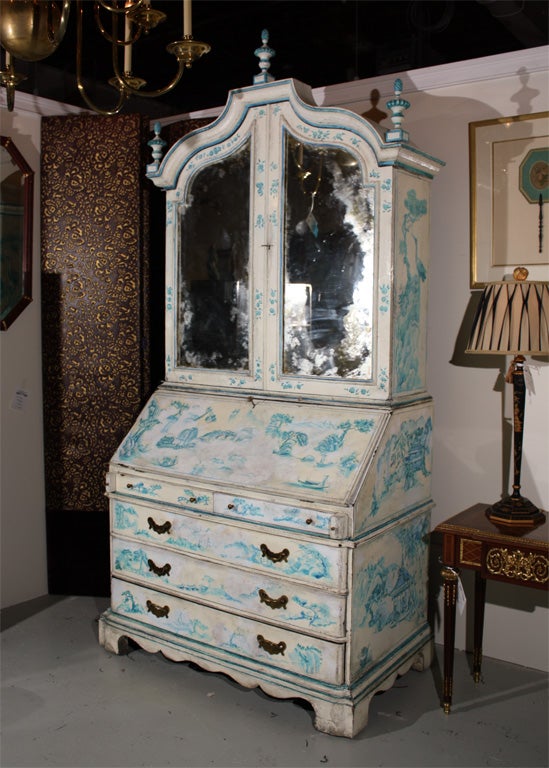
Painted Chinoiserie Style Secretary
Located in Manhasset, NY
A very chic, blue and white hand painted secretary cabinet, in the Chinoiserie style. Fine custom
Wood
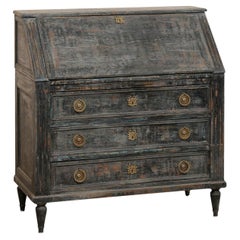

Sold
H 42.75 in W 40.75 in D 20 in
French 19th C. Secretary Chest Neoclassic Brass Hardware, Black Finish w/Blue
Located in Atlanta, GA
A French painted wood secretary chest from the 19th century. This antique slat front chest from
Wood


Blue Painted Two-Part Pine Vitrine & Secretary in Blue Painted
Located in Kastrup, DK
Gustavian secretary crafted in pine, finished in a charming blue tone with an elegant patina
Brass
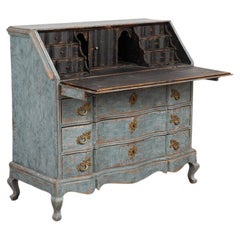

Antique Swedish Blue Painted Oak Rococo Secretary Bureau
Located in Round Top, TX
This oak secretary or "bureau" reflects the grace and class of Swedish styling in the early 1800's
Wood, Oak, Paint
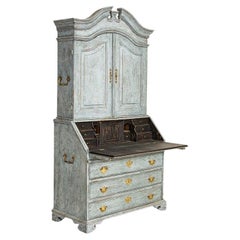

Early 19th Century Antique Swedish Secretary Bureau Painted Blue
Located in Round Top, TX
The graceful lines of this oak secretary or "bureau" reveal its Swedish country heritage. The
Wood
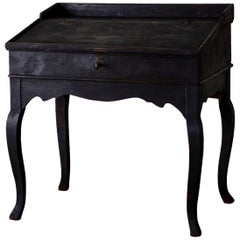

Sold
H 37.8 in W 35.6 in D 23.4 in
Secretary Writing Desk Swedish Black Blue Interior, 18th Century, Sweden
Located in New York, NY
Secretary writing desk Swedish black blue interior, 18th century, Sweden. A secretary made during
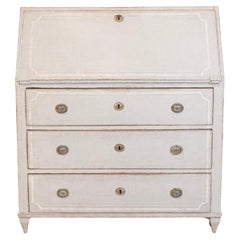

Sold
H 44.3 in W 39 in D 16.5 in
Swedish Gustavian Style 1850s Blue Gray Painted Slant Front Secretary
Located in Atlanta, GA
A Swedish Gustavian style slant front secretary from circa 1850 with blue gray painted finish and
Brass

Sold
H 38.5 in W 33.75 in D 20 in
Early 19th Century Blue Painted Swedish Gustavian Period Slant-Front Secretary
Located in Atlanta, GA
A Swedish late Gustavian period painted wood slant-front secretary from the early 19th century with
Wood
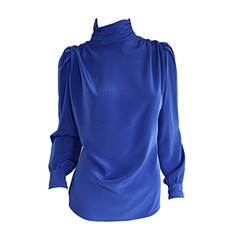
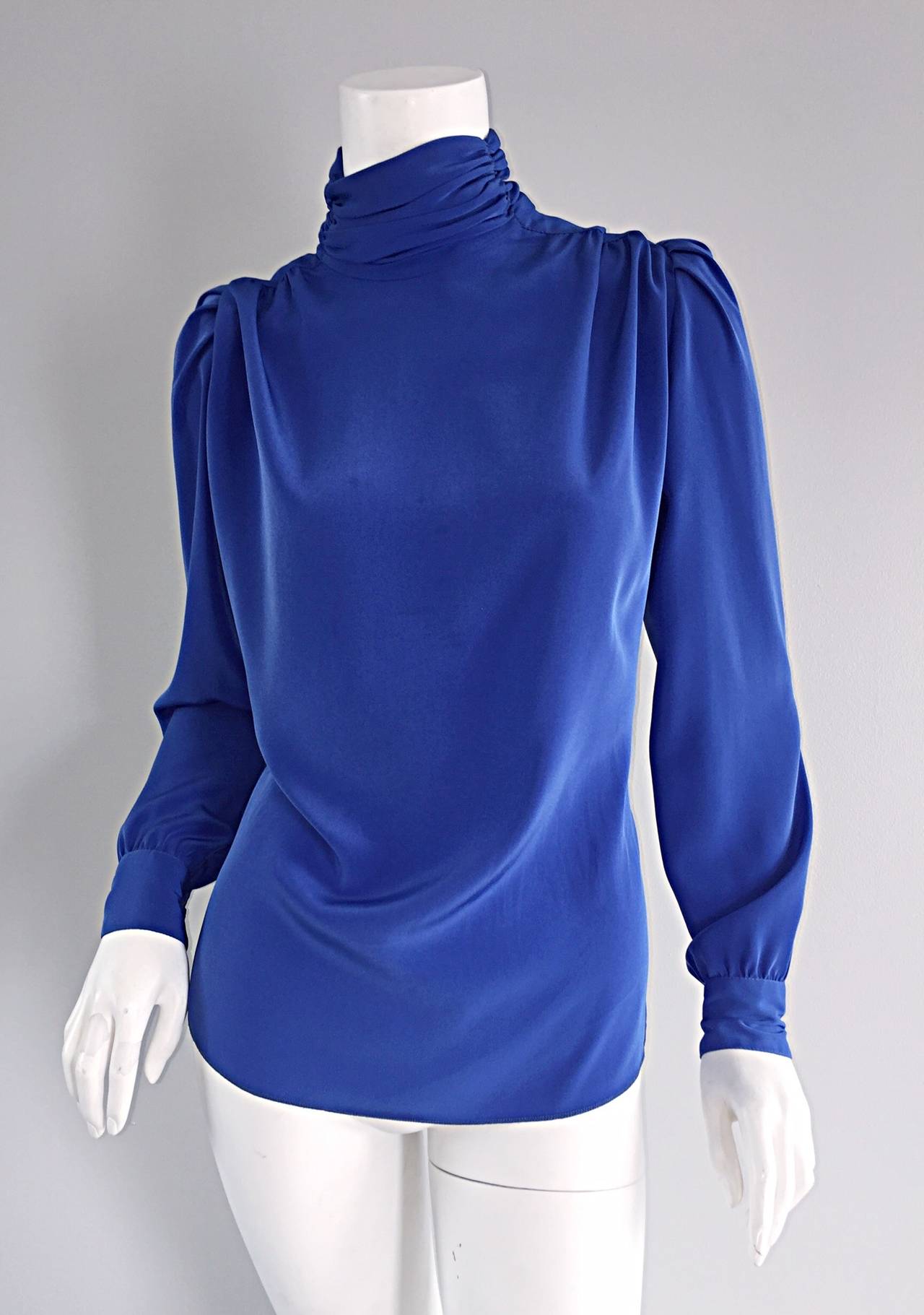
St. John Blue Silk Vintage Secretary Shirt Blouse w/ Puff Sleeves
By St. John
Located in San Diego, CA
Beautiful vintage St. John blouse! Vibrant blue color, with lots of detail. Slight puff sleeves
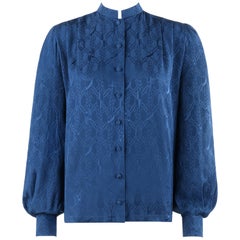

HERMES c.1970s Navy Royal Crest Silk Jacquard Bishop Sleeve Secretary Blouse
By Hermès
Located in Thiensville, WI
/ Manufacturer: Hermes Style: Blouse Color(s): Shades of navy blue (exterior, interior) Lined: No Marked Fabric

Sold
H 82.25 in W 44.75 in D 20.5 in
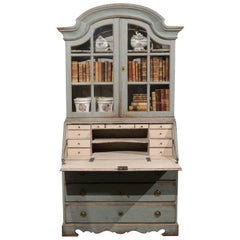
Swedish 1890s Rococo Style Painted Wood Tall Secretary with Glass Doors Cabinet
Located in Atlanta, GA
A Swedish Rococo style light grey / blue painted tall secretary with glass doors cabinet from the
Brass
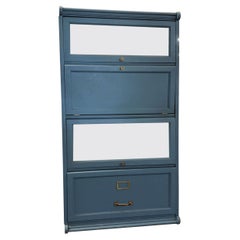
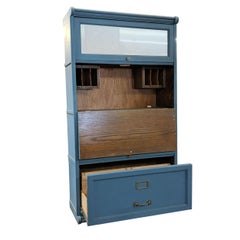
Vintage Mid Century Barrister Multi Function Bookcase File Cabinet
Located in Pasadena, TX
barrister bookcase. Antique blue with file drawer, secretary work space and book storage.
Wood
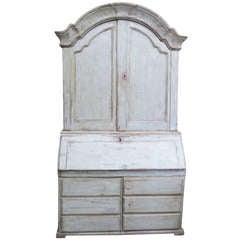

Period Rococo Swedish Blue Secretary
Located in Encinitas, CA
Lovely Swedish period rococo secretary. Beautiful arched cornice top with drop down secretary
Pine
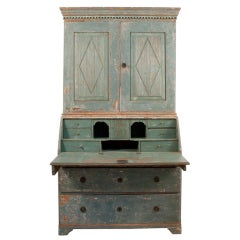

Blue Gustavian Secretary
Located in Los Angeles, CA
Tall Gustavian Secretary in a worn pale blue patina.
Wood
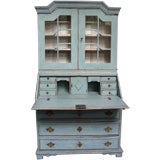
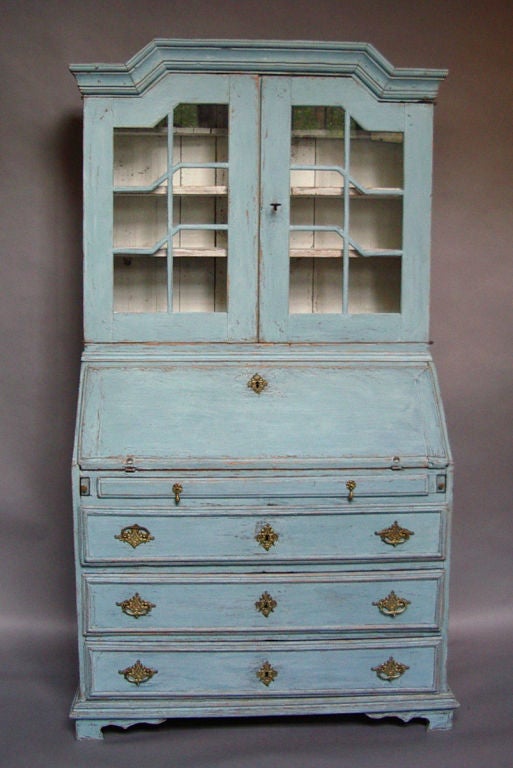
Blue Painted Secretary
Located in Sheffield, MA
Swedish secretary, circa 1820, in blue paint. Bonnet top over a pair of glass doors in the upper
Brass
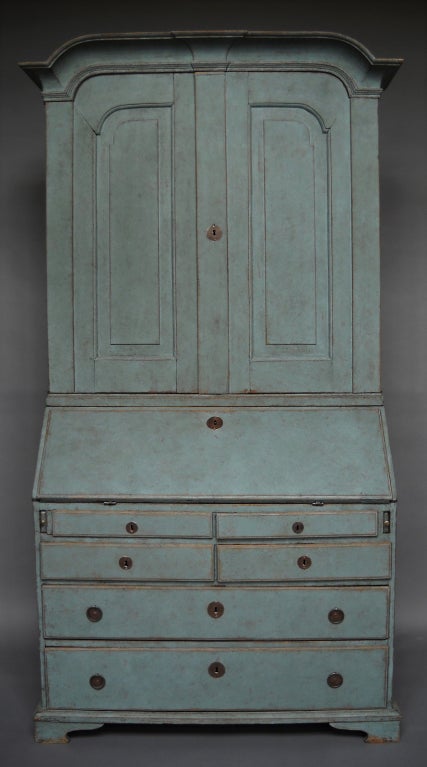
Early Swedish Secretary in Blue Paint
Located in Sheffield, MA
Two-part secretary with library, Sweden circa 1800. The upper section has three shelves and two box
Wood

A Blue Painted and Parcel Gilt Secretary
Located in New York, NY
The parcel gilt broken scrolled pediment having an armorial plaque above glass doors opening to reveal three shelves. The slant front lower case decorated with a garland opening to ...
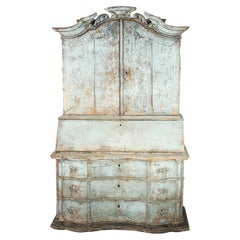

Antique French Blue Painted Secretary 'Commode De Scriban'
Located in Round Top, TX
Purchased in L'Isle sur la Sorgue, France this blue painted secretary boasts it's original finish
Wood
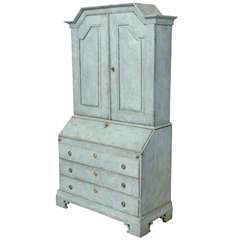
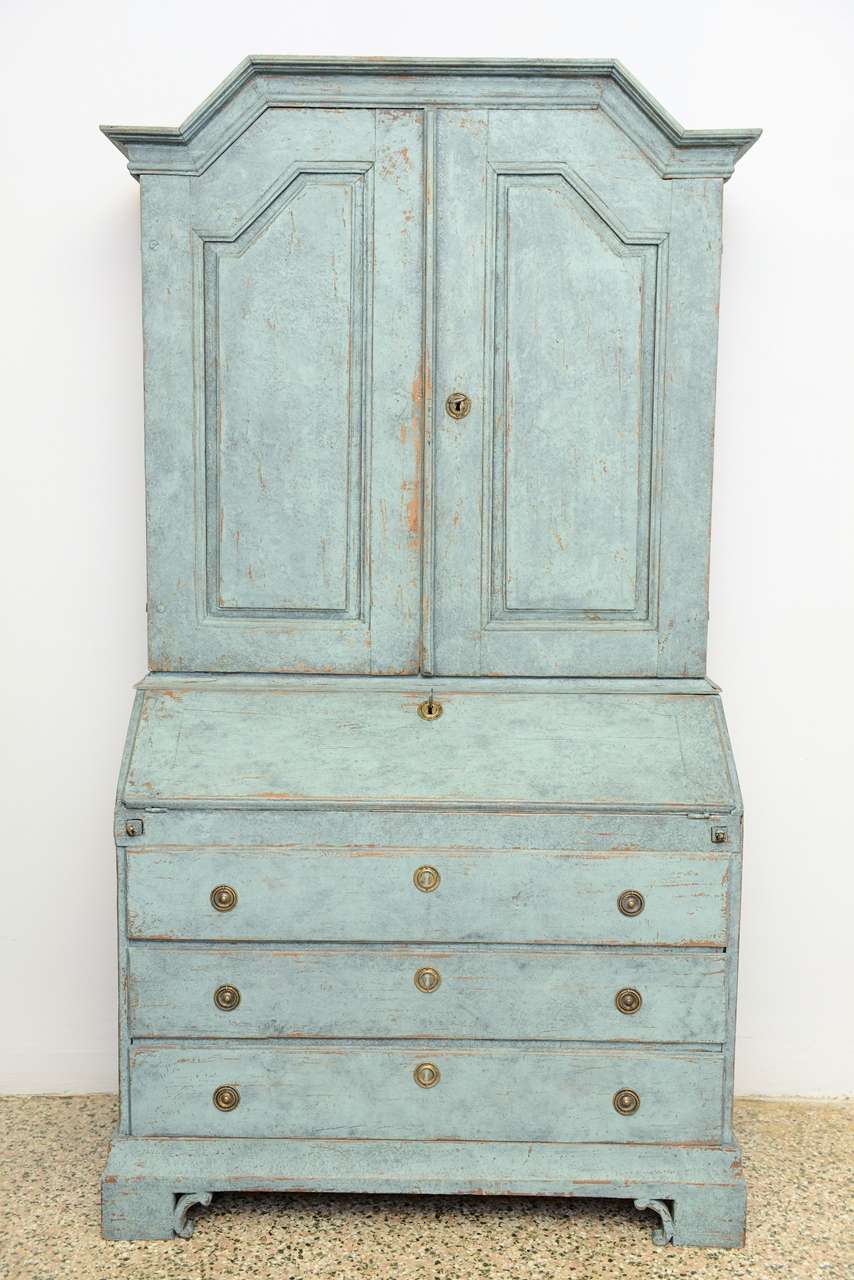
Antique Swedish Blue Painted Baroque Secretary 18th Century
Located in West Palm Beach, FL
Two-part secretary with library, Sweden circa 1780. The upper section has three shelves behind
Wood
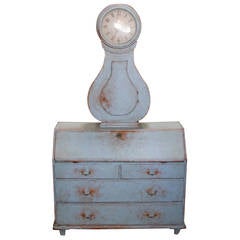
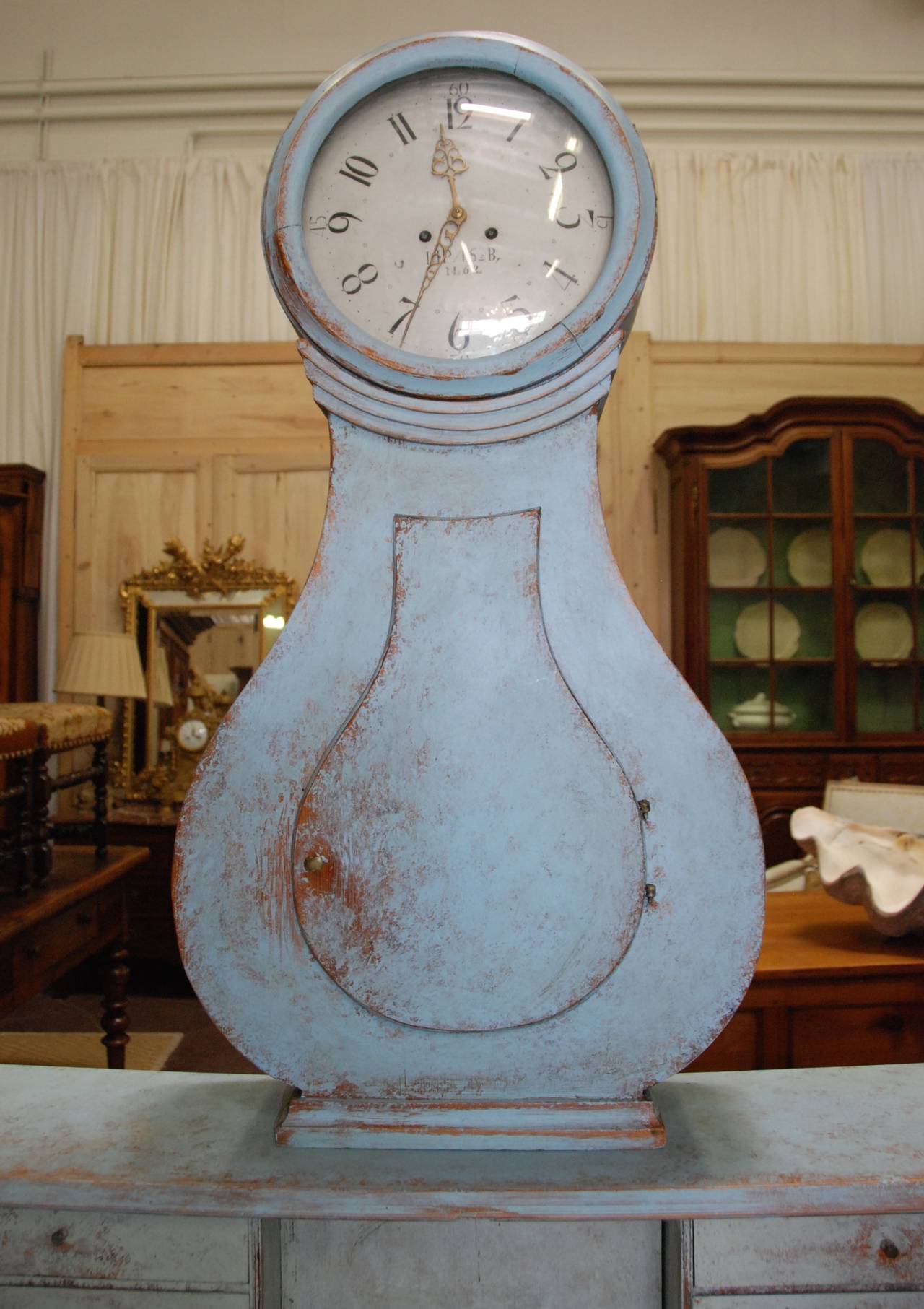
Swedish Clock Secretary
Located in Encinitas, CA
19th century Swedish clock cupboard/secretary. Vibrant blue exterior which opens up to a lovely
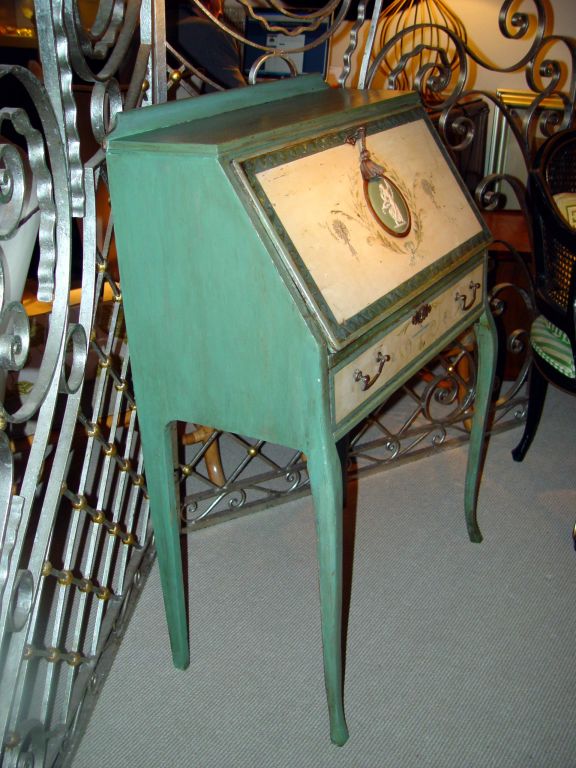
Exceptional Italian Secretary
Located in New York, NY
Elegant green-blue patinated secretary desk with a ceramic relief medallion called " biscuit".It
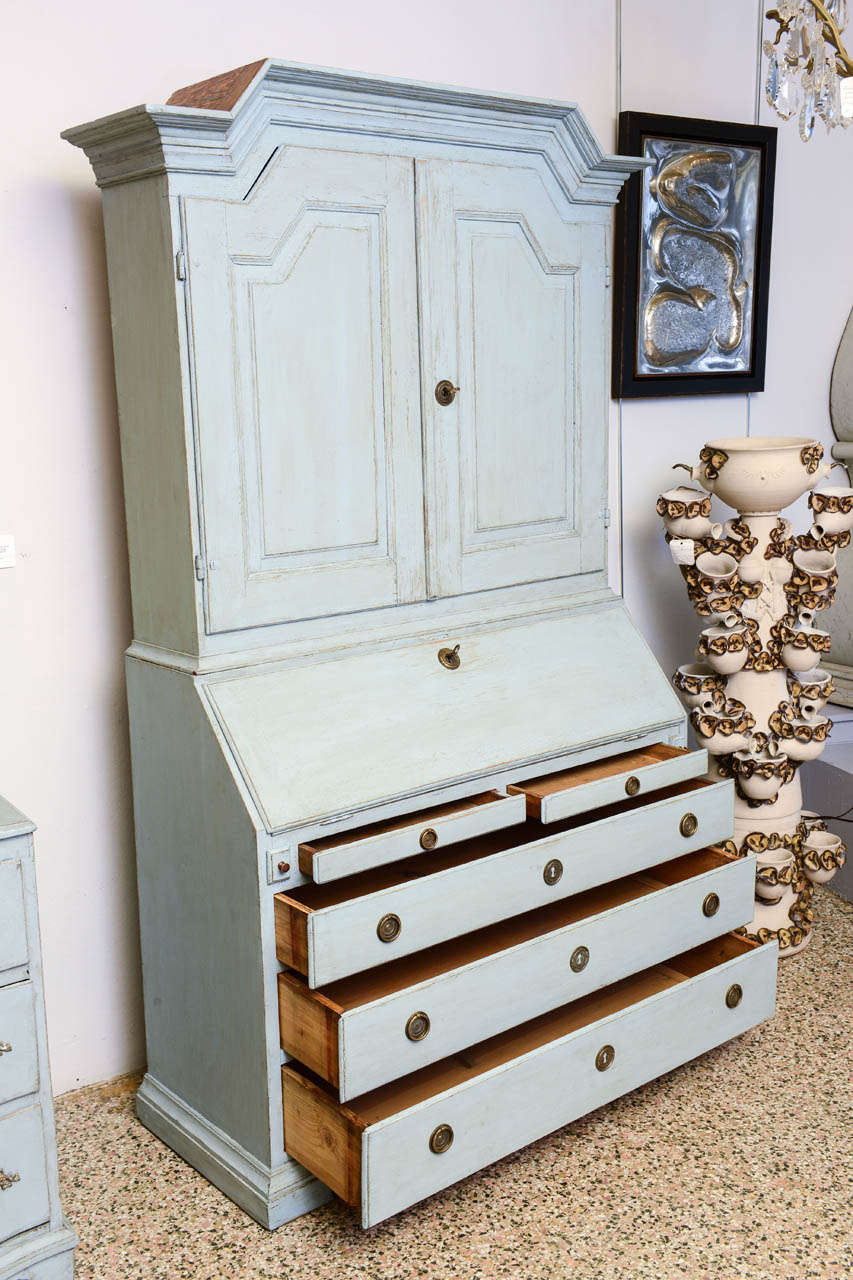
18th Century Antique Swedish Baroque Period Secretary
Located in West Palm Beach, FL
Antique Swedish Baroque period secretary; 18th century painted in light blue with white interior
Wood, Paint

Late 18th Century Antique Swedish Baroque Secretary
Located in West Palm Beach, FL
Late 18th century antique Swedish Baroque secretary refreshed in a beautiful blue. The slant desk
Wood
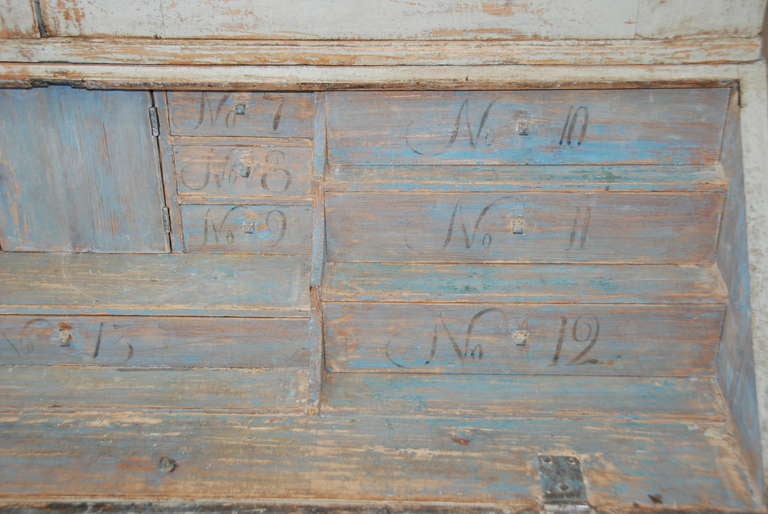
18th Century Period Swedish Cupboard
Located in Encinitas, CA
Lovely Gustavain two part secretary from Varmland, Sweden. Beautiful original Swedish blue color
Pine
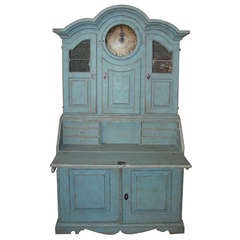

19th Century Swedish Painted Clock Cupboard
Located in Encinitas, CA
Early 19th century painted Swedish clock cupboard with slant front secretary. Lovely blue color
Pine
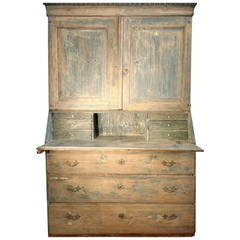
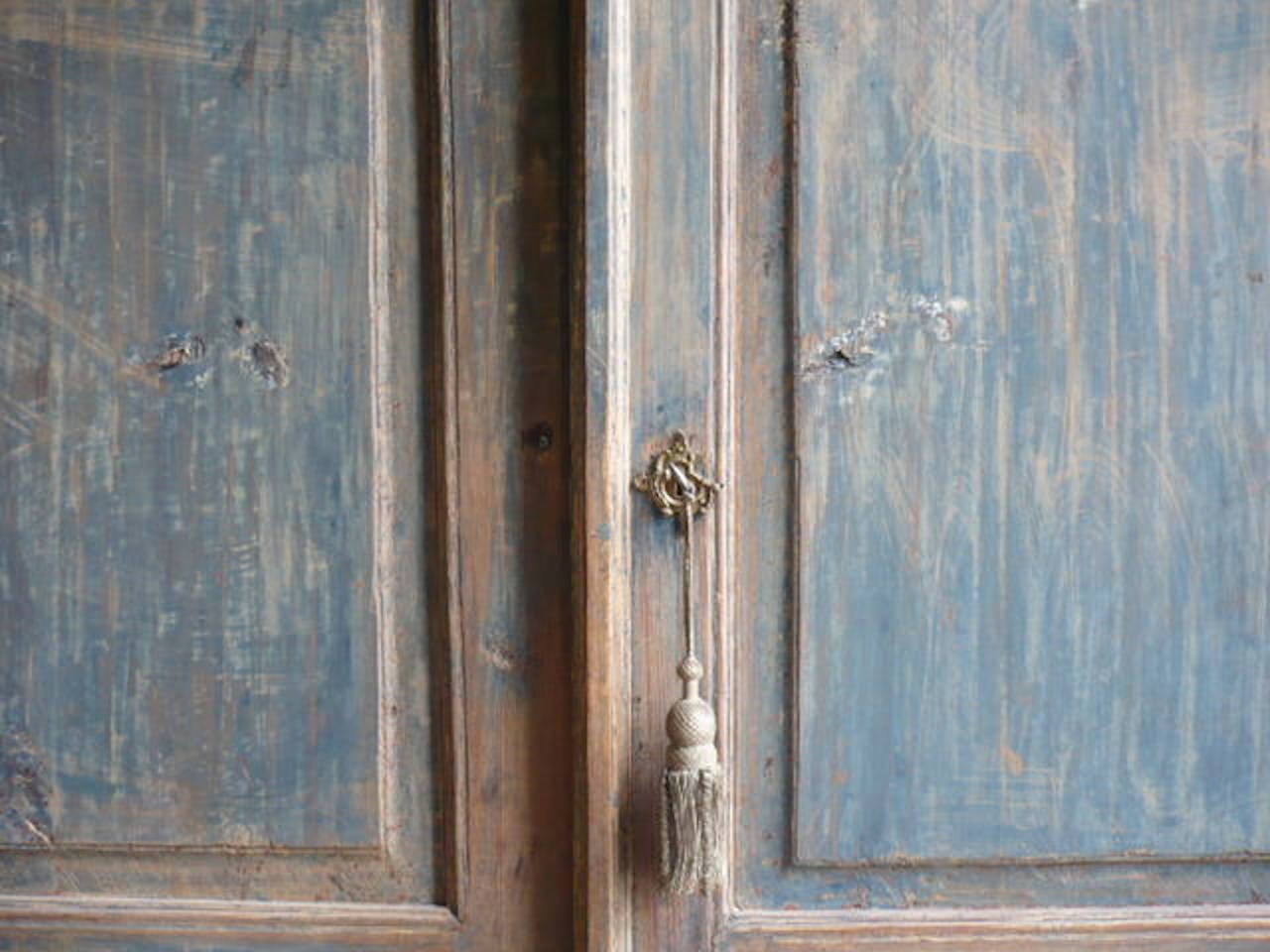
Robust Early 19th Century Blue Swedish Secretary
Located in Antwerp, BE
Early 19th century Northern Swedish secretary bookcase with the owners initials and the date of
Pine
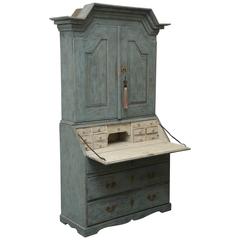

Antique Swedish Baroque Secretary Painted Blue, Late 18th Century
Located in West Palm Beach, FL
Antique Swedish Baroque secretary painted beautiful blue, late 18th century. Two part secretary
Pine
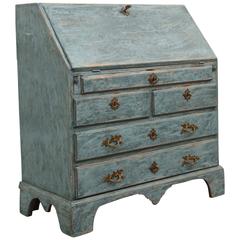

Antique Swedish Blue Slant Front Secretary Desk Early, 19th Century
Located in West Palm Beach, FL
Antique Swedish blue slant front secretary desk, early 19th century. Desk interior has one large
Wood
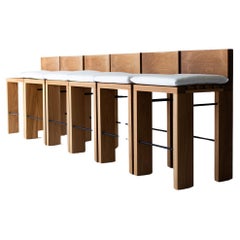
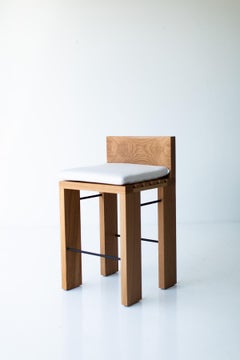
Bertu Counter Stools, White Oak Counter Stool, Chile Stool
By Bertu Furniture
Located in Oak Harbor, OH
Bertu Counter Stools, White Oak Counter Stool, Chile Stool This White Oak Chile Counter Stool is beautifully constructed from solid wood in Ohio, USA. The stool is chunky and modern...
Wood, Oak
$1,650 / item
H 16.1 in Dm 11.5 in
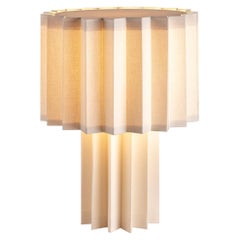
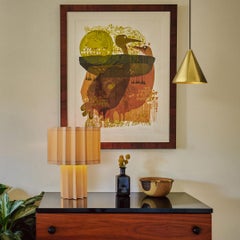
'Plissé White Edition' Pleated Textile Table Lamp by Folkform for Örsjö
By Örsjö Industri AB
Located in Glendale, CA
'Plissé White Edition' pleated textile table lamp by Folkform for Örsjö. This unique table lamp was awarded “Lighting of the Year 2022” by Residence Magazine Sweden, who called it “...
Textile

$1,750 / item
H 26 in W 16 in D 16 in
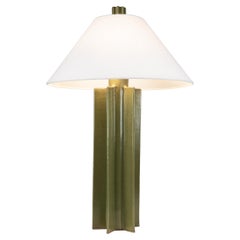
FIN Shade Ceramic Table Lamp, Hand Built, Green Satin Glaze, by Kalin Asenov
By Kalin Asenov
Located in Savannah, GA
FIN _November Green Please note that this listing includes the table base, light bulbs and finial. It is wired for use in the US. If you would like a linen shade as shown in the imag...
Ceramic
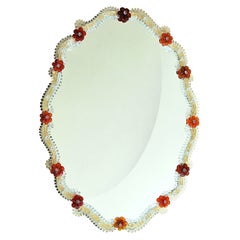
Rosso Wall Mirror
By Specchi Veneziani
Located in Milan, IT
Crafted in the finest Murano tradition, this exquisite Venetian mirror is a true work of art. Assembled with crystal and gold elements, and adorned with red glass flowers, each piece...
Glass
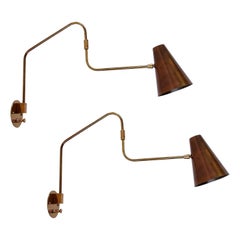
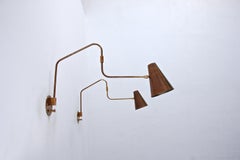
LU Swing Sconce
By Lumfardo Luminaires
Located in Los Angeles, CA
Beautiful brass LU swing sconce made by Lumfardo Luminaires in patinated brass. Wired with an E26 medium based socket. Light bulb provided as well as all mounting hardware. Priced in...
Brass
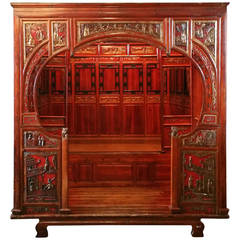
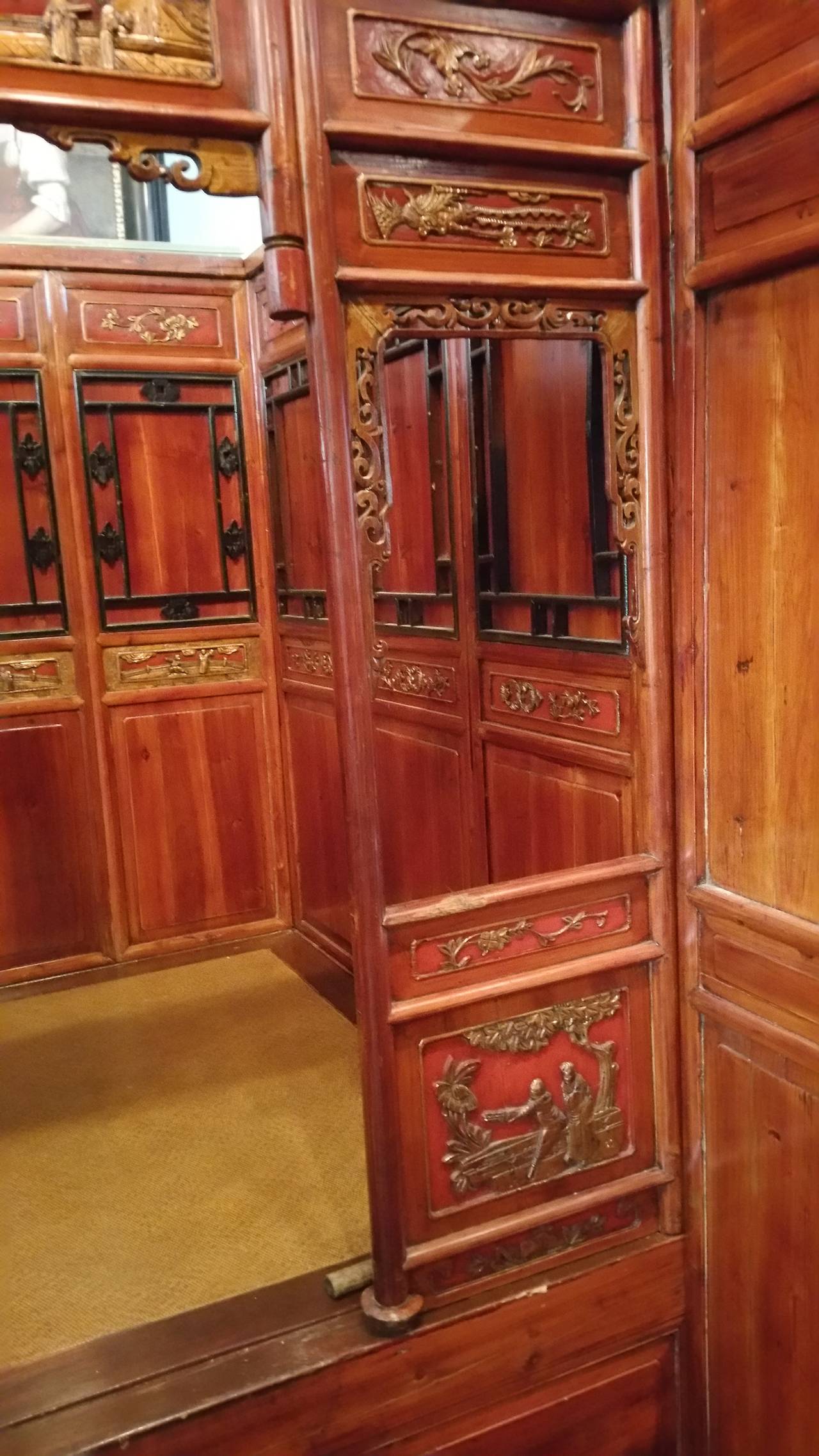
Antique Chinese Carved Canopy Bed with Alcove
Located in Buffalo, NY
Mid to late 19th century, elaborately carved, antique Chinese bed Chambers was used to greet visitors and usually was furnished with two chairs and a center table: from which tea, wi...
Lacquer, Wood
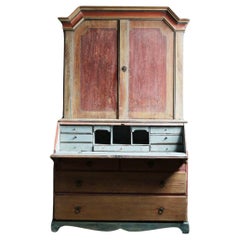
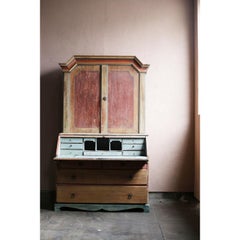
18th Century Antique Swedish Red Painted Baroque Secretary
Located in Sammu-shi, Chiba
A two-tiered wooden cabinet from the 18th century Swedish Gustavian period. The top door opens to reveal a decorative top shelf and three other shelves. The top of the bottom shelf c...
Wood
$2,000Sale Price / item|20% Off
H 17.72 in Dm 14.97 in
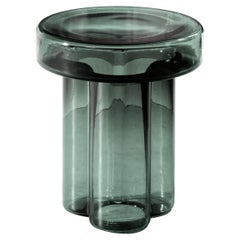
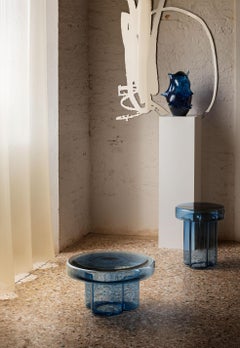
Soda Blown Murano Glass High Coffee Table in Petrol by Yiannis Ghikas
By Miniforms, Yiannis Ghikas
Located in Brooklyn, NY
Soda was born upside-down, with a puff of air. It weighs 20 kilos, and it is blown, drawn out and shaped by three master glassmakers. The result is a single volume of glass with thre...
Blown Glass
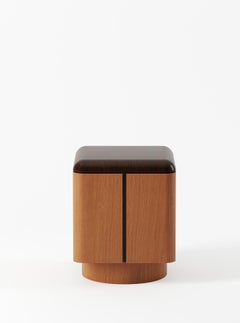
$6,942 / item
H 21.66 in W 17.72 in D 17.72 in
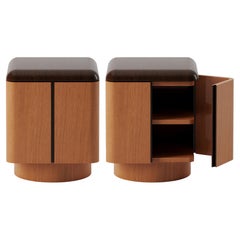
Pair Various Positions Nightstand in Walnut and Oak by Master Studio for Lemon
By Lemon
Located in Amsterdam, NL
Inspired by his fascination with the aesthetic allure of interiors depicted in films and literature, Yaniv Chen endeavors to capture the essence of captivating spaces. Reflecting upo...
Oak, Walnut
LUdown Cylinder Flush Mount
By Lumfardo Luminaires
Located in Los Angeles, CA
The LUdown cylinder flush mount fixture by Lumfardo Luminaires is part of our contemporary collection. Available In patinated unlacquerd brass or aged silver and steel with (1) E26 m...
Steel, Brass, Gold, Silver
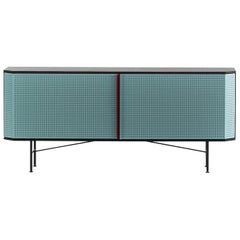
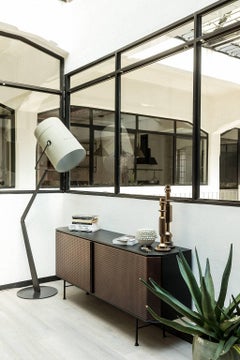
$1,712Sale Price / item|20% Off
H 25.6 in W 59 in D 13.8 in
"Perf" Sideboard in Varnished Steel by Moroso for Diesel
By Diesel Creative Team 1, Moroso
Located in Brooklyn, NY
"Perf" is a credenza, designed by Diesel Creative Team and manufactured by Moroso, in varnished steel black mat, with doors in varnished steel available in these colors: copper, blac...
Steel
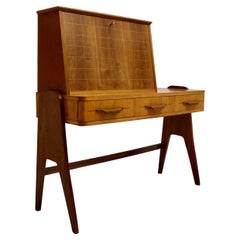
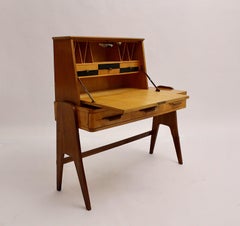
$4,118
H 47.25 in W 47.05 in D 18.51 in
Mid-Century Modern Vintage Walnut Ash Desk Bureau Secretary, 1950s, Italy
Located in Vienna, AT
Mid-Century Modern vintage secretary desk bureau Ico Parisi style from walnut and ash veneers designed and manufactured 1950s Italy. The beautiful desk features three spacious drawe...
Ash, Walnut
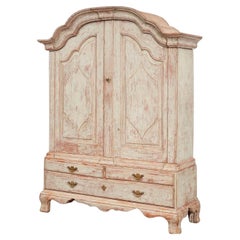
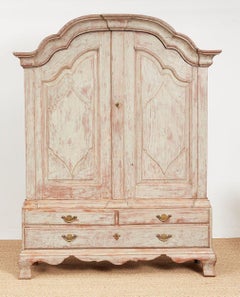
18th c. Painted Danish Cabinet
Located in Greenwich, CT
An impressive cabinet in original dry-scraped cream/grey paint, consisting of a wonderful overhanging baroque arched cornice on a two door cupboard with single adjustable shelf above...
Wood
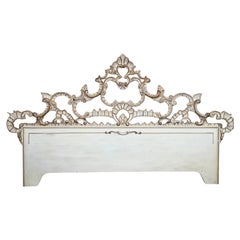
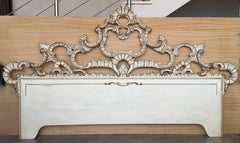
$5,450
H 77.96 in W 92.13 in D 3.94 in
1950's Carved Spanish Rococo King Size Headboard in Silver by Mariano Garcia
By Mariano Garcia
Located in Miami, FL
1950's Carved Spanish Rococo King Size Headboard in Silver Giltwood & Antique White
Wood
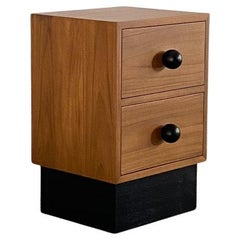
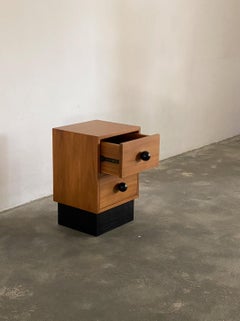
Mamun Bedside
Located in Singapore, SG
Mamun, which translates to trustworthy in Arabic, was designed by Studio Kallang in 2021 as a playful take on both midcentury and brutalist forms. Designer Faezah Shaharuddin intende...
Teak
$2,094 / set
H 24.81 in W 23.63 in D 13.78 in
French Pair of Nightstands Side Cabinets Bedside Tables Brutalist Style, 2022
Located in Labrit, Landes
Pair of oak nightstands "Pyrénées" signed by Sébastien Lamarre. This french side cabinets were made by Sébastien Lamarre for Maison Marie Anne. The creator chose for the Pyrénées mo...
Oak
Your antique, new or vintage secretary desk has become the (chic) saving grace of the "new normal" at home.
Simply put, a secretary desk is a multifunctional piece of furniture with a hinged writing surface that folds open or drops down. When the leaf is folded out, small inner storage compartments — pigeonholes, cubbies, recesses or drawers — are revealed.
Traditionally, a secretary is composed of two parts — a chest of drawers on the bottom and a cabinet with shelves on the top. Taking its name from the French word for the piece, secrétaire, the secretary desk dates back to the 18th century, when Paris-based cabinetmaker Jean-François Oeben, known for his exquisite marquetry and clever mechanical desks, is thought to have invented the secrétaire à abbattant, or drop-leaf desk.
While the defining drop-down feature of the secretary desk has remained constant, the materials used, as well as its configuration, size and style have evolved over time.
At first, secretaries were typically made from exotic woods, like rosewood, tulipwood and kingwood; later, hardwoods like cherry, maple, oak and mahogany were more common. The desks also became lighter, with space carved out of the lower half for the writer’s feet or with drawers replaced by legs — making them more table-like.
When open, the secretary is a dynamic, versatile Wunderkammer. When closed, it’s a sophisticated, space-saving piece of furniture.
“A fine secretary with a good provenance adds stature and credence to its owner — it is a cornerstone piece,” says antiques dealer Stanley Weiss, who specializes in 18th- and 19th-century English and American furniture. “In this disposable world, fine furniture is always passed on and speaks to who its owner is.”
No matter what style or period you choose, and no matter how you decide to use it, the timeless, flexible secretary desk is bound to become an indispensable part of your daily routine.
Browse a range of antique and vintage secretary desks on 1stDibs, including mid-century modern secretaires, Georgian secretaires and others.
Simple or sophisticated, equipped with console, cart or custom cabinetry, these stylish bar areas deserve a toast.
Whether you’re just moving in or ready to give your home a makeover, our guide will give you pointers on tables that are fitting for every room, nook and hallway.
The furniture equivalent of a Swiss Army knife, it's the multifunctional piece you didn't know you needed.
Italian studio DimoreMilano mustered great ingenuity when crafting these sculptural shelves, which are built without any screws.
Leaping into a design project, whether it's refreshing the bedroom or redoing the whole house, can be overwhelming. Luckily, we know more than a few interior designers. You asked questions on Instagram, and now they're answering.
Introduced nearly 500 years ago, curiosity cabinets are finding new fans among today's collectors and designers.
In the hands of New York Heartwoods cofounder Megan Offner, unwanted local trees become works of design art.
From Brooklyn townhouses to Maine campgrounds, Trattie Davies and Jonathan Toews relish a challenge, like transforming a former warehouse space into the new 1stdibs Gallery.