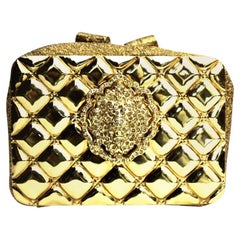
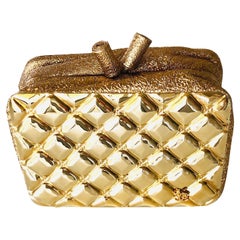
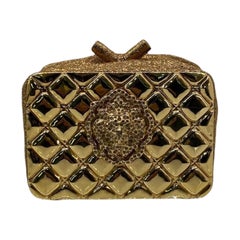
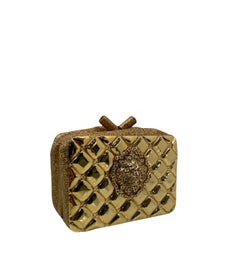
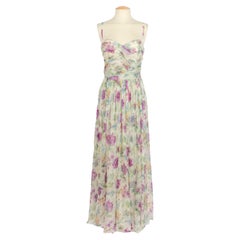
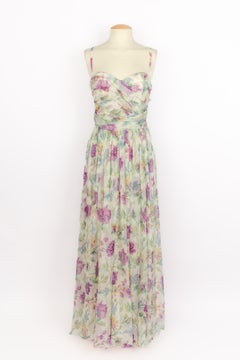
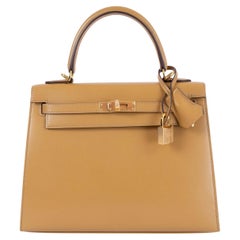
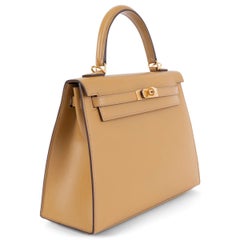
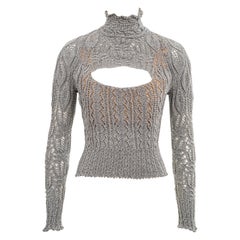
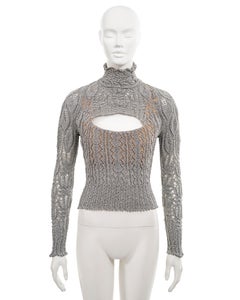
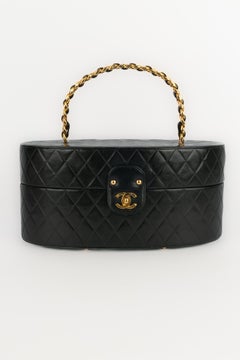
In the years following the opening of her modest millinery shop, Gabrielle "Coco" Chanel became a pivotal designer of both fashionable casual wear and Paris haute couture as well as an icon and arbiter of 20th-century style with her bob haircut and pearls. Today vintage Chanel handbags, jackets and evening dresses are among the most sought-after clothing and accessories for fashion lovers all over the world.
The first Chanel shop was established in 1910 in Paris on rue Cambon by the young milliner Gabrielle Chanel (1883–1971), who had picked up the nickname “Coco” while working as a club singer. The boutique drew the attention of the Parisian fashion elite who popularized her wide-brimmed Chanel Modes hats. Soon she added a sportswear store in the Normandy resort town of Deauville, where Coco set the tone for her defining sense of style — traditionally masculine garments reimagined for feminine shapes, made from simple jersey fabric.
Effortless and elegant, Chanel's designs promoted comfort and grace in women’s wear that had been dominated in the previous century by complicated layers of fabric and cumbersome corsets. She followed this success with a couture house, opened in 1915 in Biarritz.
But Chanel was not born into a life of glamour. Following the death of her mother, her father left her in an orphanage where she lived until the age of 18. It was there that she learned to sew as well as appreciate the classic pairing of black and white as worn by the nuns.
In 1926, Chanel introduced her first little black dress, reclaiming a color that had once been reserved for mourning and working-class women. That same decade, she debuted her perfume, Chanel No. 5, as well as the Chanel suit with a fitted skirt, inspired by the boxy lines of men’s clothing and employing a sporty tweed.
Chanel closed her fashion operations during World War II, then returned to the industry in 1954 to design for the functional needs of modern women.
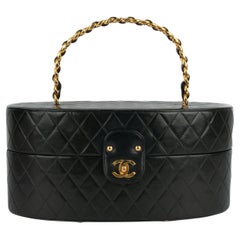
Structure and wearability endured in all of Chanel’s clothing and accessories, like the quilted leather 2.55 handbag — a 1955 update of a 1920s-era design — with its gold-chain shoulder strap that freed up a woman’s hands. The 1957 two-tone slingback pumps had a practical heel height while offering a bold statement in the black tip of the shoes. Her collarless jacket reacted against the constricting styles of Christian Dior's New Look, replacing them with a design that was timeless, an instant classic.
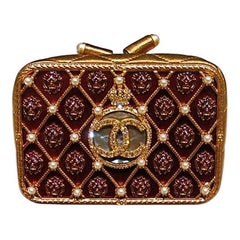
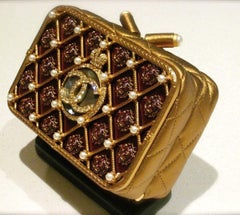
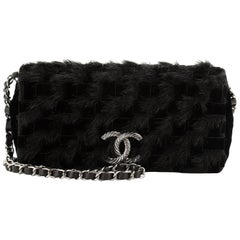
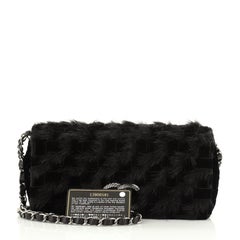
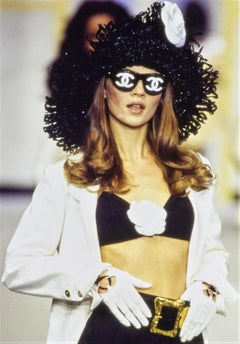
After Coco Chanel died in 1971, the brand underwent several changes in leadership, including fashion designer Karl Lagerfeld, who took over as artistic director in 1983. His collections for Chanel displayed his knack for synthesizing old and new, high and low. Lagerfeld revived Chanel ballet flats and thoroughly embraced the classic logo's interlocking CCs, which took the form of a clasp featured on so many of the rare Chanel bags that are much sought after today.
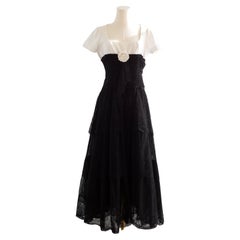
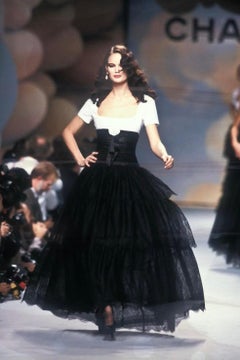
Vintage Karl Lagerfeld designs for Chanel dresses, coats and other clothing of the 1980s, '90s and 2000s riffed on its iconography, accenting a lexicon of Chanel-isms with tastes of the moment. And as the 1990s have become associated with styles adopted by today’s supermodels and influencers, vintage Chanel bags of the 1990s are among the most prized of the brand’s offerings.
Over the years, the company has continued to innovate, such as expanding into ready-to-wear fashion in 1978 and, in 2002, establishing a subsidiary company — Paraffection — dedicated to preserving the heritage skills of fashion artisan workshops. The House of Chanel still operates its flagship on rue Cambon in Paris, where it all began.
Browse vintage Chanel bags, evening dresses, shoes, jewelry and other clothing and accessories on 1stDibs.
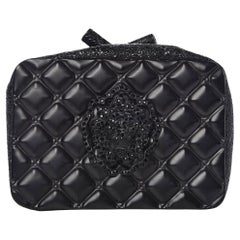
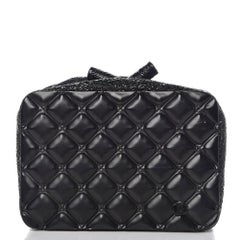
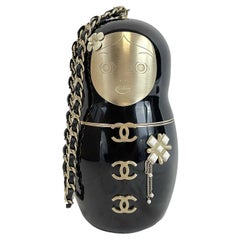
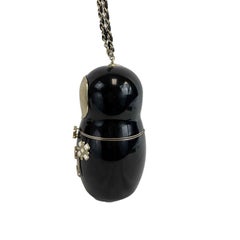
Vintage and designer clutches are the perfect size to hold exactly what you need. While they’re typically small purses, Chanel clutches, Gucci clutches and other kinds of clutches can make a big impact on an outfit. They also have a fascinating history.
Clutches are handbags without handles that are carried by hand. One of the oldest known clutches was made in Mosul, Iraq, in the 14th century. It was made of brass and inlaid with gold and silver in geometric patterns. Although the loops on the side indicate it likely had handles to wear as a shoulder bag, manuscripts show a similar example being carried by hand.
Fashion designers often made clutches to reflect the wealth of the holder. In Medieval Europe, men and women securely carried items in small bags hidden inside their clothing as tie-on pockets. Women carried their possessions, scented and secreted, in the folds of their voluminous skirts. Pockets eventually became integral to garment design, but bigger sacks were needed to carry books and documents. When women’s clothing became lighter, consisting of fewer layers, it could no longer easily hide their handbags or pockets.
Changes in fashion led to handbags becoming a popular fashion accessory, and today, even as we’re overwhelmed by options from a variety of high-end brands, iconic luxury handbags still rule. The highly decorative bags of the 19th century faded from popularity when women entered the workforce and the clutch became the dominant business accessory. Flappers in the 1920s, clad in the dazzling Art Deco jewelry of the era, also loved the freedom of carrying clutches as they didn’t get in the way of dancing.
The simplicity of the clutch remains stylish today. Once made to be carried on special occasions, they are now an accessory for everyday use. Find a collection of vintage and designer clutches from Dior, Hermès, Louis Vuitton and more on 1stDibs.