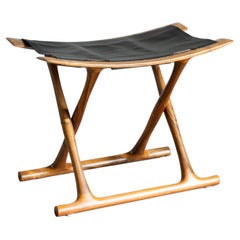
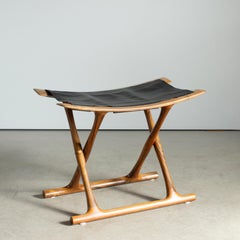
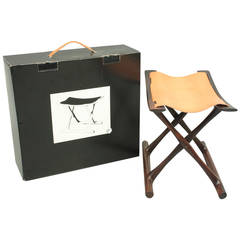
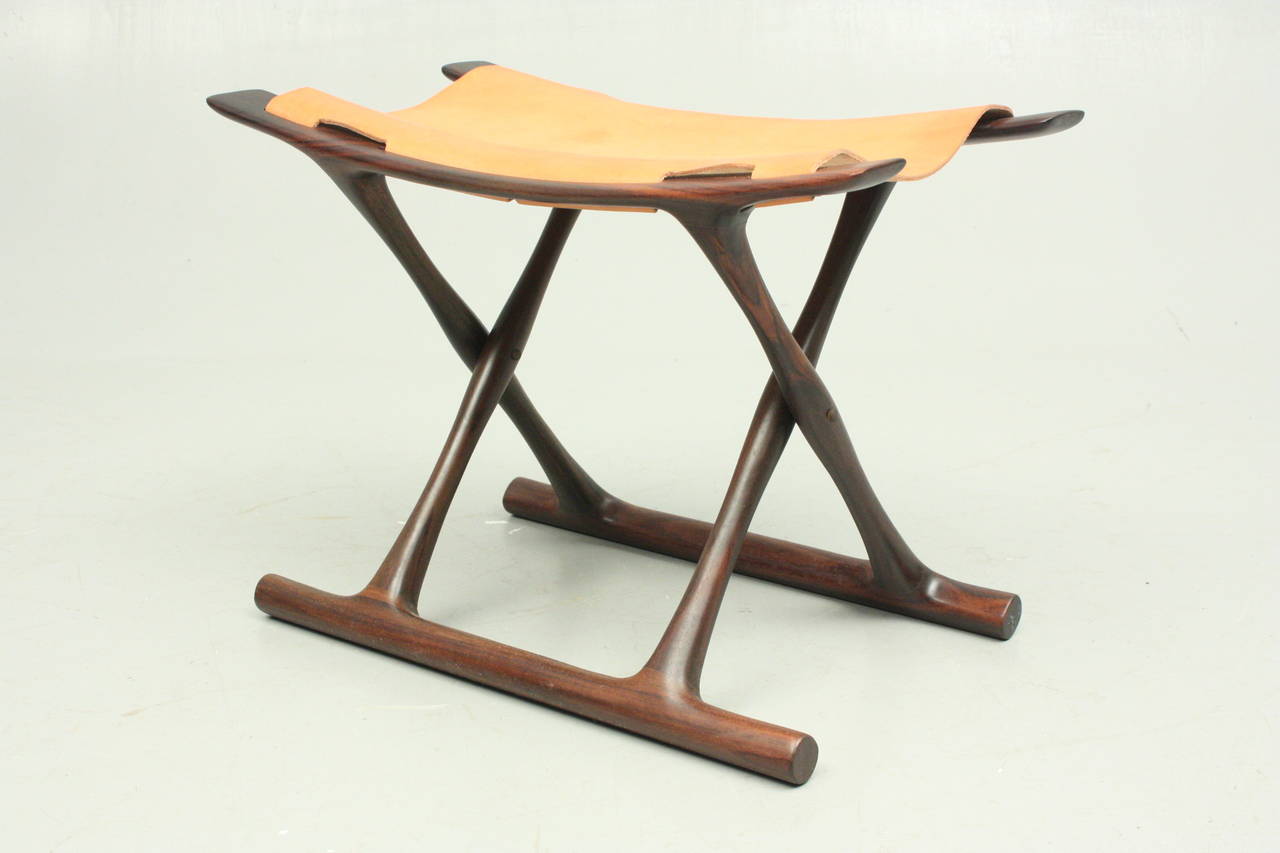
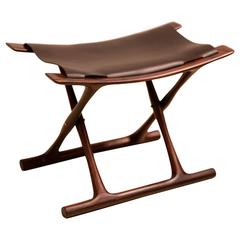
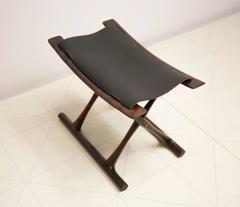
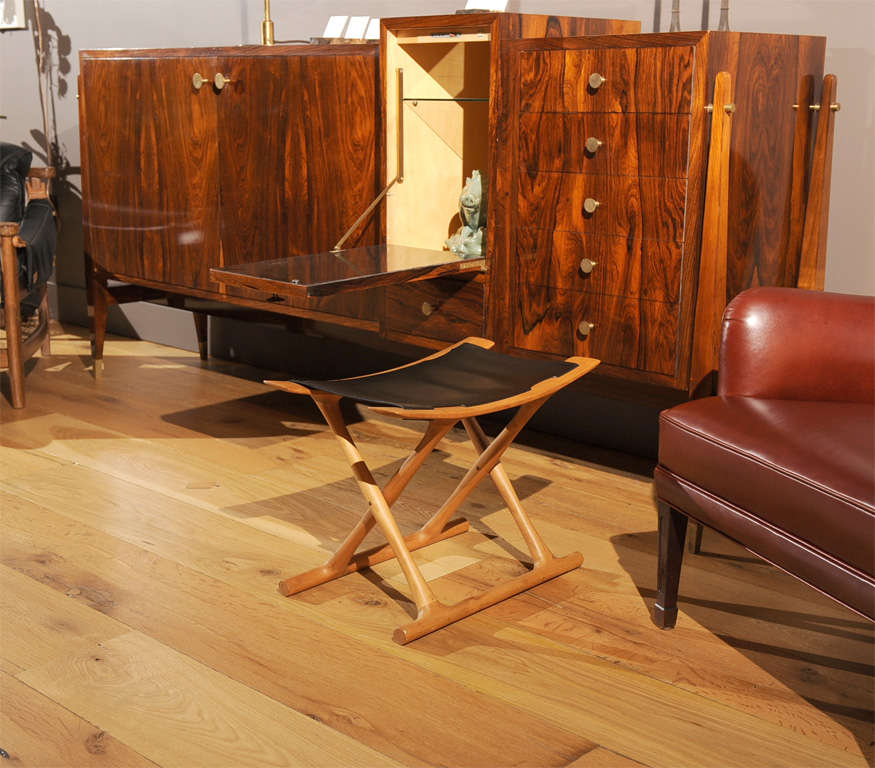
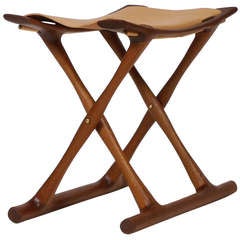
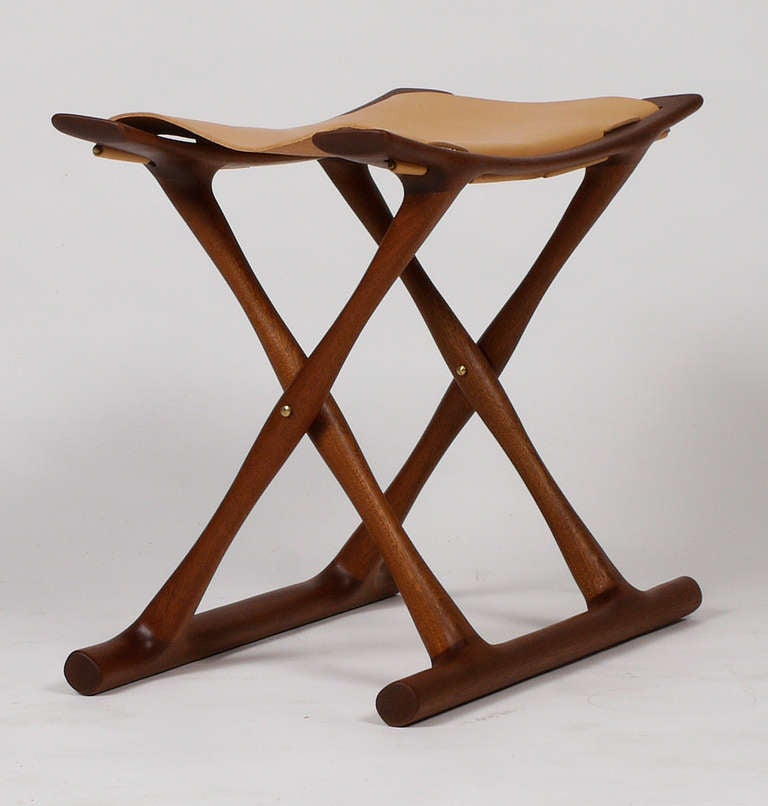
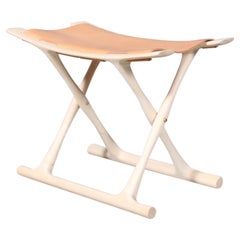
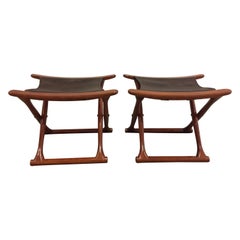
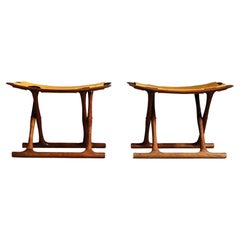
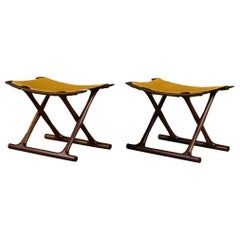
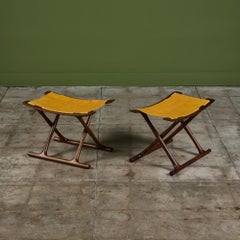
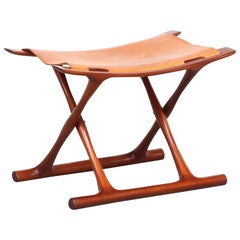
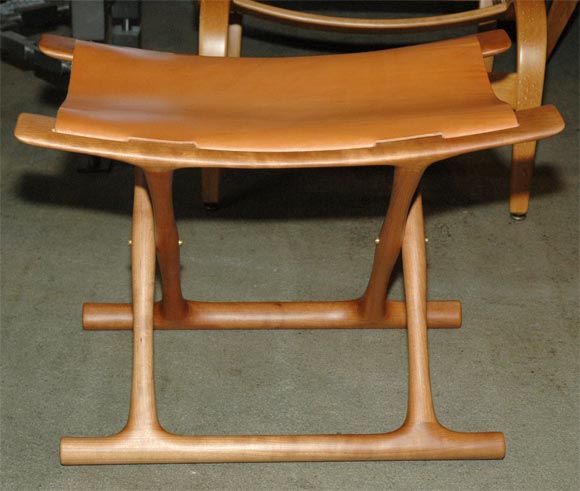
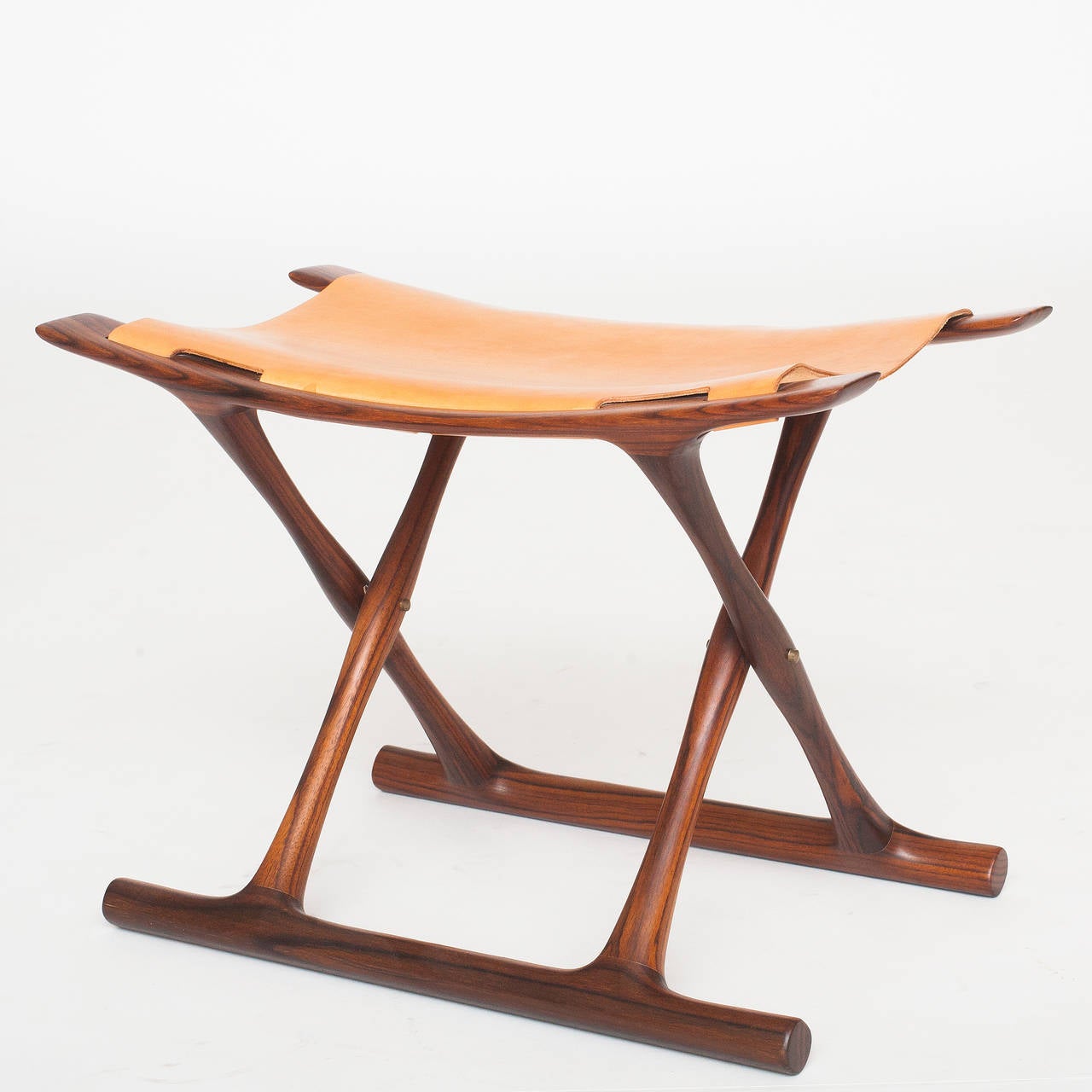
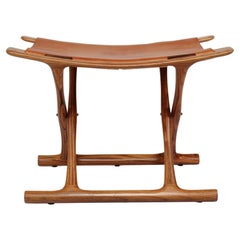
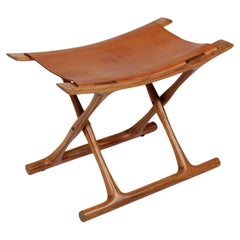
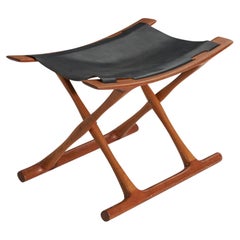
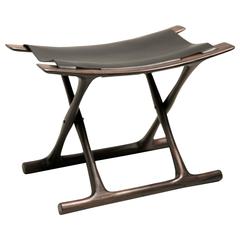
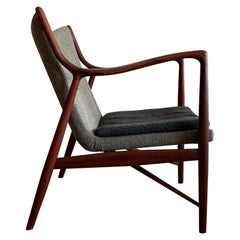
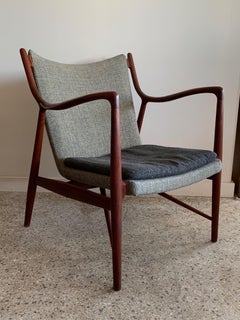
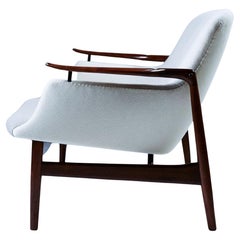
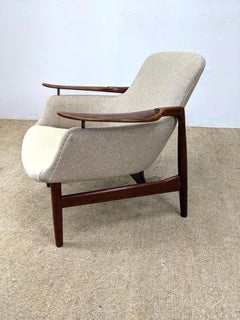
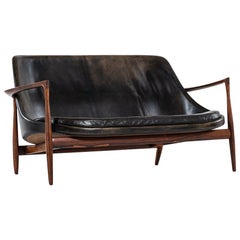
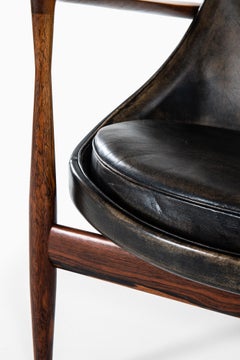
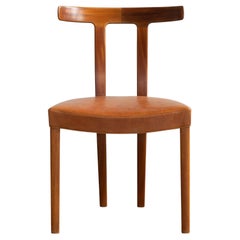
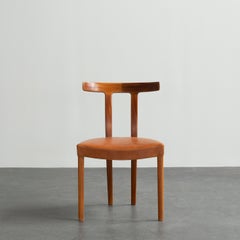
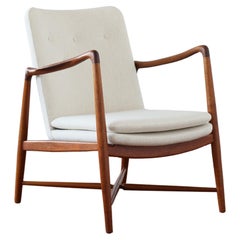
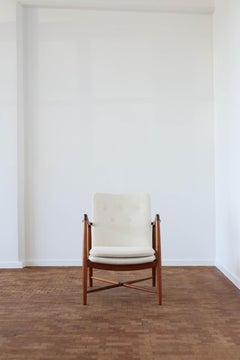
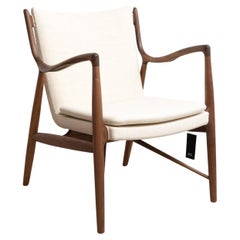
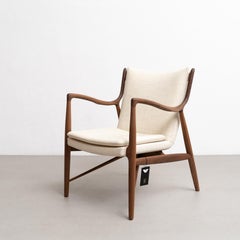
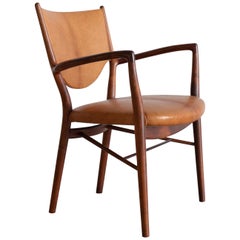
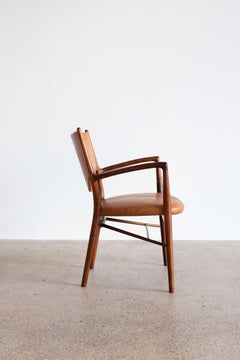
With a vast inventory of beautiful furniture at 1stDibs, we’ve got just the egyptian ole wanscher you’re looking for. A egyptian ole wanscher — often made from
wood,
animal skin and
leather — can elevate any home. If you’re shopping for a egyptian ole wanscher, we have 7 options in-stock, while there are 5 modern editions to choose from as well. Your living room may not be complete without a egyptian ole wanscher — find older editions for sale from the 20th Century and newer versions made as recently as the 21st Century. Each egyptian ole wanscher bearing
Modern,
Scandinavian Modern or
Mid-Century Modern hallmarks is very popular.
Ole Wanscher,
Carl Hansen & Søn and
P. Jeppesens Møbelfabrik each produced at least one beautiful egyptian ole wanscher that is worth considering.
Prices for a egyptian ole wanscher can differ depending upon size, time period and other attributes — at 1stDibs, they begin at $1,208 and can go as high as $6,585, while the average can fetch as much as $1,805.
A scholar and architect with the heart of an artist, Ole Wanscher helped define the functional, clean-cut style that formed the core of modern Danish furniture design. Influenced heavily by his world travels, Wanscher gained inspiration from English, Asian, Egyptian and traditional Shaker furniture, and he incorporated elements from these styles into his revered mid-century designs.
Wanscher’s deep respect for the use of traditional materials such as quality wood is reflected in his work, which is valued for being both beautiful and built to last. He was also a leader in the postwar “design for everyone” movement, creating many pieces intended for everyday life within the small confines of the average Danish household. Later, Wanscher became a prolific writer on the subject of furniture design. He is considered one of the most significant influences on the world of Scandinavian modernism.
The son of an art historian and a painter, Wanscher studied at the Royal Danish Academy of Fine Arts. From 1925 to 1927, Wanscher worked under the great Danish designer and professor Kaare Klint, who became one of the greatest stylistic influences on his output. Wanscher would go on to work as a professor at the academy from 1955 to 1973.
Wanscher founded his own furniture manufacturing company in 1929. Here he employed the top cabinetmakers of the day, most notably A.J. Iversen, with whom Wanscher collaborated for many years. While the workshop produced seductive handmade furniture with organic materials such as teak and mahogany, Wanscher intended to design durable seating, tables and more for the mass market — he was committed to making quality furniture available to a wider audience.
Of all of Wanscher’s designs, he is perhaps best known for his Colonial chair. This piece — which is part of a collection for Danish manufacturer P. Jeppesens that includes a sofa and a coffee table — exemplifies his penchant for combining minimalist design with traditional craftsmanship. Wanscher’s dining room tables, such as the Rungstedlund table, also epitomize the elegance of his work’s simple silhouettes and careful construction. These sleek tables serve as an ideal centerpiece for both modern and traditionally styled dining rooms, highlighting the versatility of Wanscher’s work.
Wanscher received a gold medal for his exemplary work at the 1960 Milan Triennale. He also received the Copenhagen Carpenters’ Guild Annual Award. Though Wanscher passed away in 1985, his iconic designs and scholarly writings remain relevant to this day.
Find vintage Ole Wanscher tables, seating and case pieces on 1stDibs.
Stools are versatile and a necessary addition to any living room, kitchen area or elsewhere in your home. A sofa or reliable lounge chair might nab all the credit, comfort-wise, but don’t discount the roles that good antique, new and vintage stools can play.
“Stools are jewels and statements in a space, and they can also be investment pieces,” says New York City designer Amy Lau, who adds that these seats provide an excellent choice for setting an interior’s general tone.
Stools, which are among the oldest forms of wooden furnishings, may also serve as decorative pieces, even if we’re talking about a stool that is far less sculptural than the gracefully curving molded plywood shells that make up Sōri Yanagi’s provocative Butterfly stool.
Fawn Galli, a New York interior designer, uses her stools in the same way you would use a throw pillow. “I normally buy several styles and move them around the home where needed,” she says.
Stools are smaller pieces of seating as compared to armchairs or dining chairs and can add depth as well as functionality to a space that you’ve set aside for entertaining. For a splash of color, consider the Stool 60, a pioneering work of bentwood by Finnish architect and furniture maker Alvar Aalto. It’s manufactured by Artek and comes in a variety of colored seats and finishes.
Barstools that date back to the 1970s are now more ubiquitous in kitchens. Vintage barstools have seen renewed interest, be they a meld of chrome and leather or transparent plastic, such as the Lucite and stainless-steel counter stool variety from Indiana-born furniture designer Charles Hollis Jones, who is renowned for his acrylic works. A cluster of barstools — perhaps a set of four brushed-aluminum counter stools by Emeco or Tubby Tube stools by Faye Toogood — can encourage merriment in the kitchen. If you’ve got the room for family and friends to congregate and enjoy cocktails where the cooking is done, consider matching your stools with a tall table.
Whether you need counter stools, drafting stools or another kind, explore an extensive range of antique, new and vintage stools on 1stDibs.