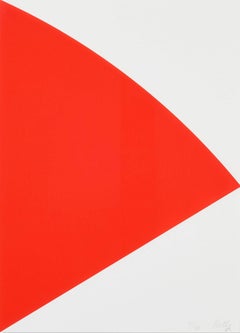
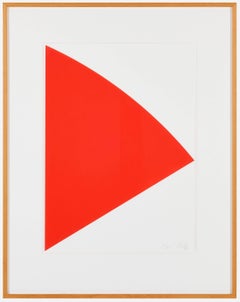
Red Curve (For Joel)
By Ellsworth Kelly
Located in New York, NY
A stunning example of the artist’s best work, Red Curve (For Joel) was created by Ellsworth Kelly
Category
20th Century Abstract Geometric Abstract Prints
Materials
Lithograph
Red Curve (For Joel)
By Ellsworth Kelly
Located in New York, NY
A stunning example of the artist’s best work, Red Curve (For Joel) was created by Ellsworth Kelly
Lithograph
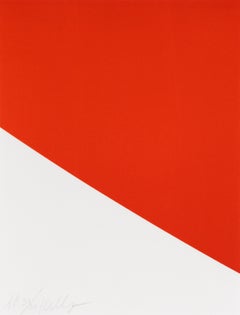
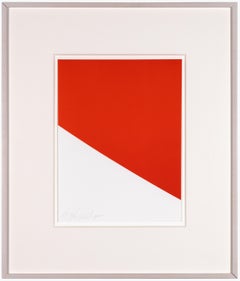
Red Curve - Abstract Color Lithograph, 1999
By Ellsworth Kelly
Located in Palm Desert, CA
“Red Curve” is a color lithograph by minimalist, abstract artist, Ellsworth Kelly from 1999. The
Lithograph
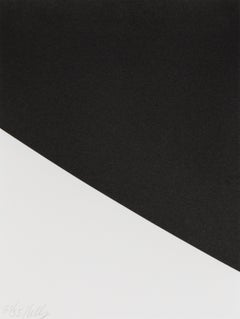
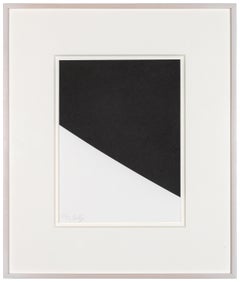
$8,000
H 10 in W 7.5 in
Red Curve (Black State) - Minimalist Abstract Lithograph, 1999
By Ellsworth Kelly
Located in Palm Desert, CA
Red Curve (Black State)” is a color lithograph by minimalist, abstract artist, Ellsworth Kelly from
Lithograph
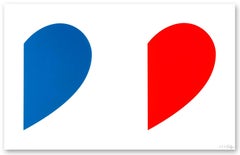
Blue Curve/Red Curve
By Ellsworth Kelly
Located in West Hollywood, CA
2 color lithograph on Rives BFK paper, signed and numbered by the artist. Edition of 50
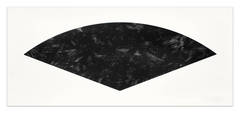
Black Curve
By Ellsworth Kelly
Located in Boston, MA
Signed 'Kelly' and numbered lower right
Lithograph
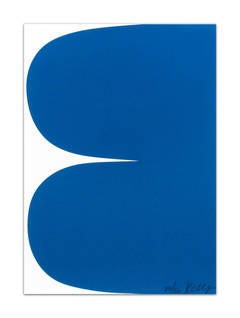
Blue Curves
By Ellsworth Kelly
Located in Boston, MA
Signed 'Kelly' and numbered lower right in image
Lithograph
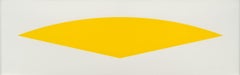
Yellow Curve
By Ellsworth Kelly
Located in New York, NY
1988 Lithograph in colors, on wove paper Sheet: 26 x 84 in. (66 x 213.4 cm) Edition of 25 Signed and numbered in pencil, lower margin
Paper, Lithograph
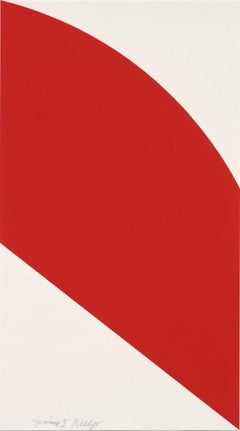
Red Curve
By Ellsworth Kelly
Located in New York, NY
2006 1-color lithograph Sheet: 12 x 6 3/4 in. (30.5 x 17.2 cm) Edition of 100 Signed and numbered in pencil
Lithograph
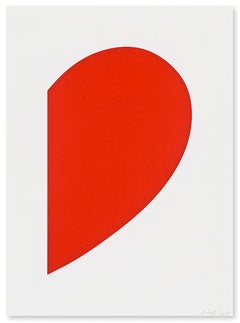
Red Curve
By Ellsworth Kelly
Located in New York, NY
1-color lithograph Sheet: 30 x 22 in. (76.2 x 55.9 cm) Edition of 50 Signed and numbered in pencil on lower margin Published by Gemini G.E.L., Los Angeles
Lithograph
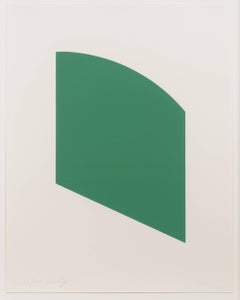
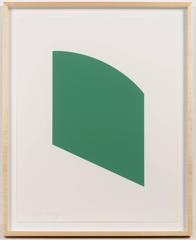
Green Curve
By Ellsworth Kelly
Located in Santa Monica, CA
Lithograph 19 3/8 x 15 inches Edition of 100 Signed and numbered KELLY011A
Lithograph
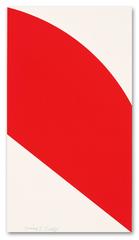
Red Curve
By Ellsworth Kelly
Located in West Hollywood, CA
1 color lithograph Edition of 100
Lithograph
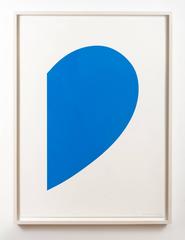

Blue Curve
By Ellsworth Kelly
Located in West Hollywood, CA
1 color lithograph Edition of 50
Lithograph
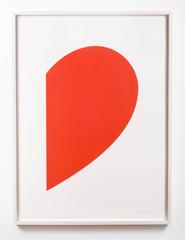

Red Curve
By Ellsworth Kelly
Located in West Hollywood, CA
1 color lithograph Edition of 50
Lithograph
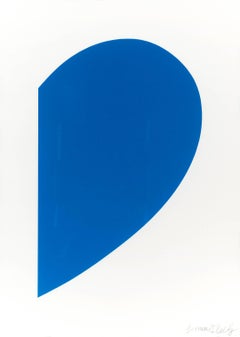
Small Blue Curve
By Ellsworth Kelly
Located in West Hollywood, CA
1 color lithograph on Rives BFK paper, signed and numbered in pencil by the artist. Edition of 100.
Lithograph
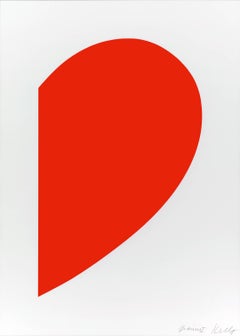
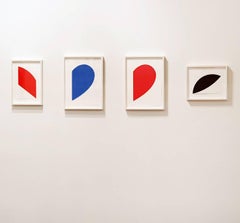
Small Red Curve
By Ellsworth Kelly
Located in West Hollywood, CA
1 color lithograph on Rives BFK paper, signed and numbered in pencil by the artist. Edition of 100.
Lithograph
Sold
H 23.5 in W 32.5 in
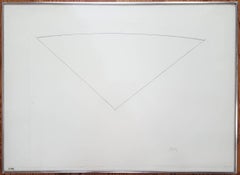
Untitled Curve (Study for a Painting or Sculpture)
By (after) Ellsworth Kelly
Located in Saint Augustine, FL
Kelly (1923-2015) titled "Untitled Curve (Study for a Painting or Sculpture)", c. 1980. Pencil
Pencil, Graphite
Sold
H 15.99 in W 19.49 in
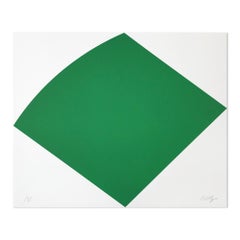
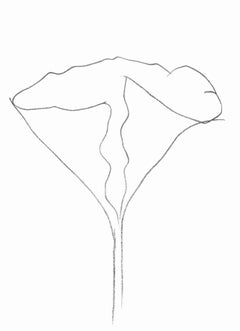
Green Curve, Abstract Artist, Geometric Abstraction, Hard-Edge, Minimalism
By Ellsworth Kelly
Located in Hamburg, DE
Ellsworth Kelly (American, 1923-2015) Green Curve, 1996 Medium: Lithograph in Green on Rives BFK
Lithograph
Sold
H 15 in W 11 in
Lotus (Axsom Ic), Hommage à Aimé et Marguerite Maeght, Derrière le miroir
By Ellsworth Kelly
Located in Southampton, NY
issued. Catalogue raisonné references: Axsom, Richard H., and Ellsworth Kelly. The Prints of Ellsworth
Lithograph
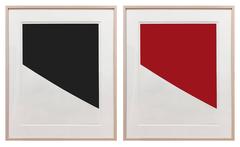
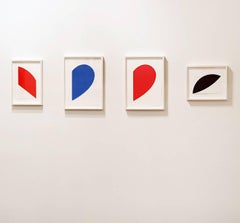
Black Curve / Red Curve
By Ellsworth Kelly
Located in Los Angeles, CA
Ellsworth Kelly Black Curve (left) Red Curve (right) Lithograph 30" x 22-7/8" (76.2 x 58.1 cm
Lithograph
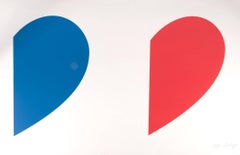
Blue Curve/Red Curve
By Ellsworth Kelly
Located in New York, NY
Born in Newburgh, New York in 1923, Ellsworth Kelly is a major figure in American painting
Lithograph
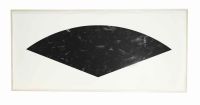
Black Curve
By Ellsworth Kelly
Located in Los Angeles, CA
Edition of 25 plus 8 artist's proofs Signed in pencil
Lithograph
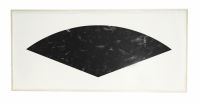
Black Curve
By Ellsworth Kelly
Located in Santa Monica, CA
Edition of 25 Signed in pencil $20,000-$25,000
Lithograph
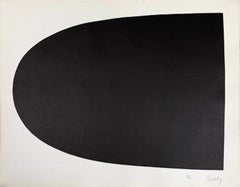

Black Curve from Portfolio 9
By Ellsworth Kelly
Located in West Hollywood, CA
Ellsworth Kelly Black Curve from Portfolio 9; 1967; Lithograph in colors; 17 x 21 7/8 inches
Lithograph
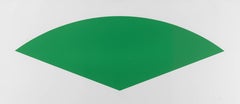
Green Curve (State II)
By Ellsworth Kelly
Located in New York, NY
Printer: Gemini G.E.L. Publisher: Gemini, G.E.L., Los Angeles Edition: 15, plus proofs Signed and numbered in pencil, lower margin
Lithograph
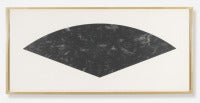
Black Curve, ed. 20/25
By Ellsworth Kelly
Located in Santa Fe, NM
Lithograph
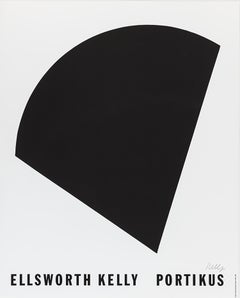
Ellsworth Kelly, Portikus (Black Curve)
By Ellsworth Kelly
Located in New York, NY
Publisher: Portikus, Frankfurt Signed in pencil, lower margin
Screen
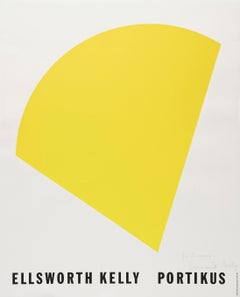
Ellsworth Kelly, Yellow Curve - Portikus
By Ellsworth Kelly
Located in New York, NY
Publisher: Portikus, Frankfurt Signed and annotated in pencil, recto
Offset
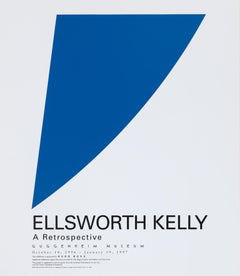
Ellsworth Kelly, A Retrospective (Blue Curve)
By Ellsworth Kelly
Located in New York, NY
Publisher: Solomon R. Guggenheim Museum, New York
Offset
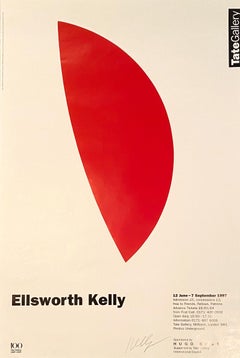
Ellsworth Kelly, Tate Gallery, London (Red Curve)
By Ellsworth Kelly
Located in New York, NY
Publisher: Tate Gallery, London Signed in pencil
Offset
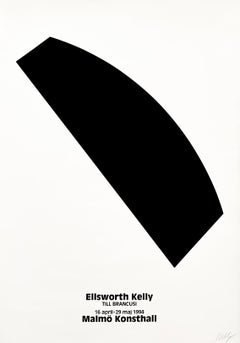
Sold
H 39.5 in W 27.625 in
Ellsworth Kelly, Till Brancusi (Diagonal with Curve VIII)
By Ellsworth Kelly
Located in New York, NY
Publisher: Malmö Konsthall, Malmö, Sweden Signed in pencil, lower margin
Offset
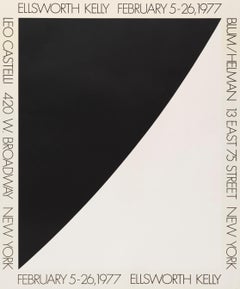
Sold
H 26.375 in W 22 in
Ellsworth Kelly, Leo Castelli, NY & Blum Helman, NY (Black Curve)
By Ellsworth Kelly
Located in New York, NY
Publisher: Leo Castelli Gallery, NY and Blum Helman Gallery, NY
Offset
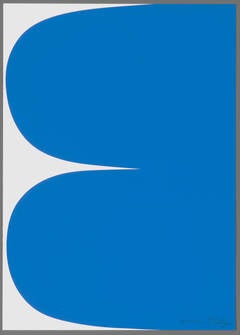
Blue Curves
By Ellsworth Kelly
Located in West Hollywood, CA
1 color lithograph edition of 50
Lithograph
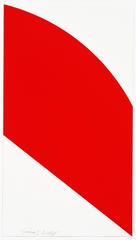
Red Curve
By Ellsworth Kelly
Located in West Hollywood, CA
1 color lithograph, unframed
Lithograph
Ellsworth Kelly was one of the key figures in postwar American art, exercising major influence on the fields of Pop art, minimalism, Color-Field and hard-edge painting. Widely known for his brightly colored geometric compositions, he was among the first artists, alongside his contemporary Frank Stella, to use irregularly shaped canvases. Although highly abstract, Kelly’s paintings and prints are precise expressions in color and form of his sensory experience of the world.
Kelly's works, both two- and three-dimensional, are in the collections of the Museum of Modern Art, the Metropolitan Museum of Art, the Los Angeles County Museum of Art, and displayed at such sites as the UNESCO headquarters in Paris.
Kelly grew up in the town of Newburgh, New York, near the Oradell Reservoir. He was an avid birder as a child and loved the colorful illustrations of naturalist John James Audubon. Encouraged to study art by a high school teacher, he enrolled at the Pratt Institute in Brooklyn, remaining there until 1943, when he was inducted into the army. During World War II, he served along with scores of other artists, in a unit known as the Ghost Army, where he learned the elements of camouflage while creating ersatz trucks and tanks intended to mislead Axis forces.
When the war was over, Kelly took advantage of the G.I. Bill to study painting at the School of the Museum of Fine Arts, Boston, drawing inspiration from the museum's collections, and, later, at the École nationale supérieure des Beaux-Arts, in Paris. While in France, he immersed himself in the varied artistic movements and styles represented there and befriended Americans avant-gardists, such as composer John Cage and choreographer Merce Cunningham, as well as the German-French Surrealist Jean Arp and Romanian sculptor Constantin Brâncuși.
Upon his return to the United States, in 1954, he found himself at odds with the dominant style of the period, Abstract Expressionism, which favored a dynamic and energetic application of paint in a loose manner. Like Stella, Kelly was interested in formal precision and explorations of color. Following an exhibition of his work at the Betty Parsons Gallery in 1956, Kelly’s work was included in the "Young America 1957” show at the Whitney Museum of American Art.
During the 1960s, Kelly played with color and form to tease out and celebrate the tension between a painting’s subject and its background. In one of his most famous works, 1963's Red Blue Green, for example, two shapes, one red, one blue, both contrast and resonate with a green background that extends to the edge of the canvas on both sides, appearing at moments to be the work’s primary shape. To explore this relationship between form and ground further, Kelly began using nontraditional, shaped canvases, as in the monochromatic 1966 Yellow Piece, from, whose two curved corners draws the eye to the wall behind it, as though the gallery wall itself were part of the composition. A lithograph from the same period, Blue and Orange consists of two shapes in the title’s complementary colors facing off against one another with a tension that makes them appear almost animated.
Kelly made drawings and prints throughout his career, using plants and flowers as his primary source of inspiration. Like his paintings, his drawings tend to be relatively flat in perspective, but they are rarely abstract. A 1993 drawing of an oak leaf is clearly representational, but rendered with very minimal color and line. In the mid-1960s, he produced the series “Suite of Twenty-Seven Lithographs” with the Paris-based Maeght Éditeur.
Later, collaborating with Gemini G.E.L., he created very large-scale works, such as 1988’s Purple/Red/Gray/Orange, which is 18 feet long and might be one of the biggest lithographs ever made. Kelly produced 140 sculptures, including the aluminum White Curves, created for the Fondation Beyeler, in Riehen, Switzerland, in 2002. In his three-dimensional works, as in his paintings, Kelly used form, color and light to play with perceptions of surface and depth, inviting viewers to look closely and see the world in a new way.
Find original Ellsworth Kelly art on 1stDibs.
Decorating with fine art prints — whether they’re figurative prints, abstract prints or another variety — has always been a practical way of bringing a space to life as well as bringing works by an artist you love into your home.
Pursued in the 1960s and ’70s, largely by Pop artists drawn to its associations with mass production, advertising, packaging and seriality, as well as those challenging the primacy of the Abstract Expressionist brushstroke, printmaking was embraced in the 1980s by painters and conceptual artists ranging from David Salle and Elizabeth Murray to Adrian Piper and Sherrie Levine.
Printmaking is the transfer of an image from one surface to another. An artist takes a material like stone, metal, wood or wax, carves, incises, draws or otherwise marks it with an image, inks or paints it and then transfers the image to a piece of paper or other material.
Fine art prints are frequently confused with their more commercial counterparts. After all, our closest connection to the printed image is through mass-produced newspapers, magazines and books, and many people don’t realize that even though prints are editions, they start with an original image created by an artist with the intent of reproducing it in a small batch. Fine art prints are created in strictly limited editions — 20 or 30 or maybe 50 — and are always based on an image created specifically to be made into an edition.
Many people think of revered Dutch artist Rembrandt as a painter but may not know that he was a printmaker as well. His prints have been preserved in time along with the work of other celebrated printmakers such as Pablo Picasso, Salvador Dalí and Andy Warhol. These fine art prints are still highly sought after by collectors.
“It’s another tool in the artist’s toolbox, just like painting or sculpture or anything else that an artist uses in the service of mark making or expressing him- or herself,” says International Fine Print Dealers Association (IFPDA) vice president Betsy Senior, of New York’s Betsy Senior Fine Art, Inc.
Because artist’s editions tend to be more affordable and available than his or her unique works, they’re more accessible and can be a great opportunity to bring a variety of colors, textures and shapes into a space.
For tight corners, select small fine art prints as opposed to the oversized bold piece you’ll hang as a focal point in the dining area. But be careful not to choose something that is too big for your space. And feel free to lean into it if need be — not every work needs picture-hanging hooks. Leaning a larger fine art print against the wall behind a bookcase can add a stylish installation-type dynamic to your living room. (Read more about how to arrange wall art here.)
Find fine art prints for sale on 1stDibs today.