Salvador Dalí Prints and Multiples
One of the most recognizable names in 20th-century art, Spanish printmaker, painter, photographer and sculptor Salvador Dalí (1904–89) forged a distinctive approach to dreamlike imagery in his work, a practice buoyed by his bombastic public persona.
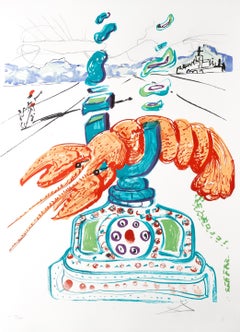
Although after moving to Paris in 1929 he collaborated with Surrealists, including Spanish director Luis Buñuel on the film Un Chien Andalou (1929), Dalí was more interested in taking his own route in referencing the style of Old Masters in otherworldly work that was steeped in symbolism. Eggs, eyes, crutches, keys and other recurring motifs reflected on how creativity could open gateways to the unconscious. Now-iconic images, like the dripping clocks in the famed painting The Persistence of Memory (1931) and the Lobster Telephone (1936), a Surrealist object commissioned by British poet and arts patron Edward James, played with expectations for reality and hinted at the subversive thoughts of the psyche.
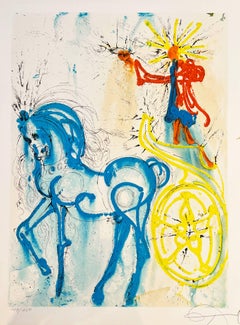
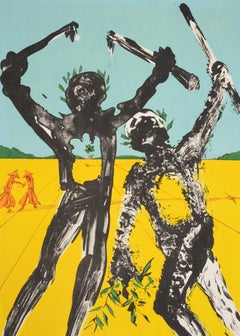
Dalí brought that same unconventional spirit to his printmaking, which he mainly engaged with between the 1930s and 1970s. His experiments included using a 15th-century musket to fire bullets of printer’s ink at lithography stones, leaving chaotic splatters. He employed a rhinoceros horn filled with bread soaked in ink to produce sloshes on the stones as well as materials such as sea urchins, gravel and eggs, their unpredictable patterns giving the resulting prints a performative feel.
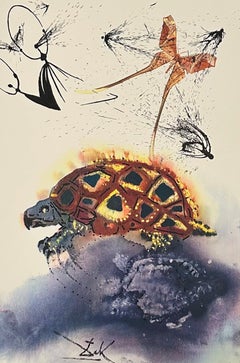
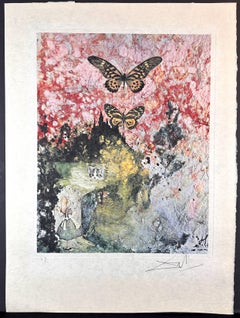
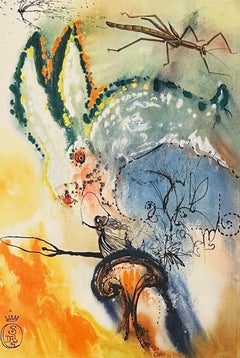
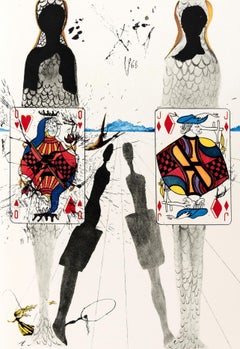
While many of his etchings, engravings, lithographs and woodcuts were stand-alone works of art, he also regularly partnered with publishers on books. For a 1946 edition of Miguel de Cervantes’s Don Quixote De La Mancha, Dalí created drawings and watercolors with the Spanish hero tilting at chimerical windmills and riding a horse formed from a tangle of frenetic lines. For a 1969 edition of Lewis Carroll’s Alice’s Adventures in Wonderland, he made 12 vibrant heliogravures, with the Persistence of Memory clock making an unearthly appearance at the Mad Tea-Party. Dalí’s illustrations gave the recipes for gargantuan towers and chickens splayed like sacrifices in the 1973 Les Dîners de Gala — named for his wife and muse, Gala — a hedonistic eroticism.
These publications brought Dalí’s hypnagogic imagery to a broader audience, yet his later habit of presigning blank paper for his prints led to rampant forgeries in the 1980s and ’90s. Still, this recognition of the power of marketing his work widely while maintaining a distinct vision has paved the way for contemporary artists such as Jeff Koons and Damien Hirst, who similarly merge the uncanny with the commercial.
On 1stDibs, browse a collection of Salvador Dalí prints, including figurative prints, nude prints and other works on paper.
Late 20th Century Surrealist Salvador Dalí Prints and Multiples
Lithograph
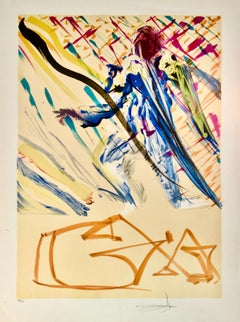
1980s Surrealist Salvador Dalí Prints and Multiples
Etching, Aquatint
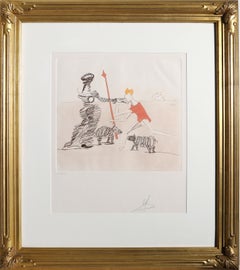
1970s Surrealist Salvador Dalí Prints and Multiples
Lithograph
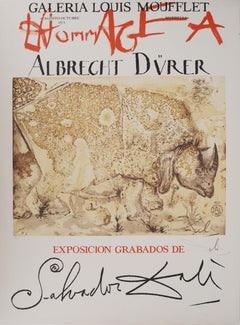
1960s Surrealist Salvador Dalí Prints and Multiples
Etching, Lithograph
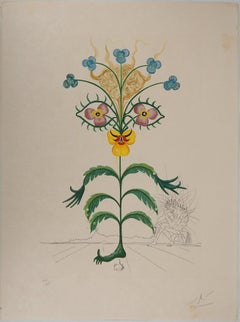
1970s Surrealist Salvador Dalí Prints and Multiples
Lithograph
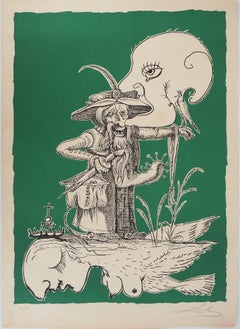
1960s Surrealist Salvador Dalí Prints and Multiples
Woodcut
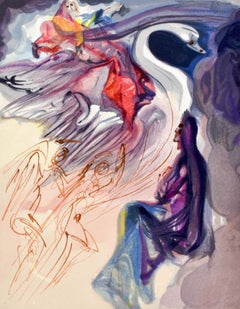
1960s Surrealist Salvador Dalí Prints and Multiples
Woodcut
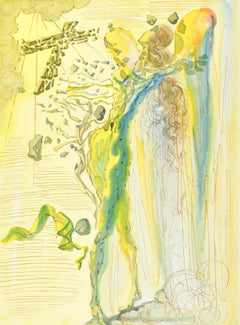
1960s Surrealist Salvador Dalí Prints and Multiples
Woodcut
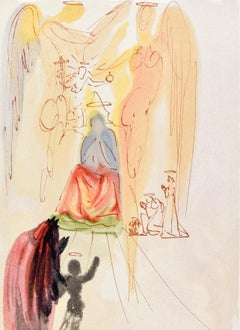
1960s Surrealist Salvador Dalí Prints and Multiples
Woodcut
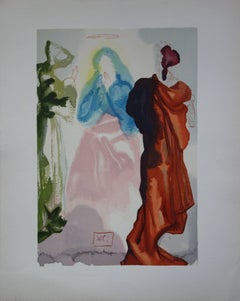
1970s Salvador Dalí Prints and Multiples
Lithograph
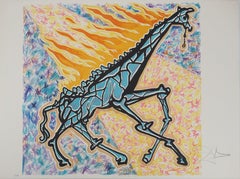
1960s Surrealist Salvador Dalí Prints and Multiples
Etching
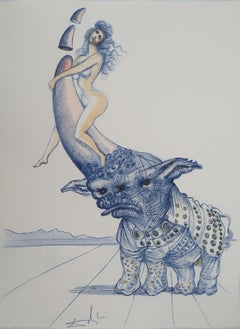
1960s Surrealist Salvador Dalí Prints and Multiples
Woodcut
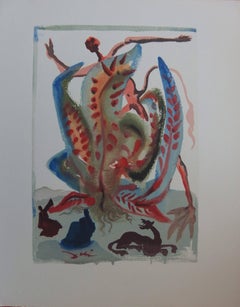
1960s Surrealist Salvador Dalí Prints and Multiples
Woodcut
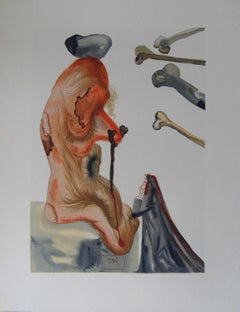
1970s Surrealist Salvador Dalí Prints and Multiples
Archival Paper, Etching
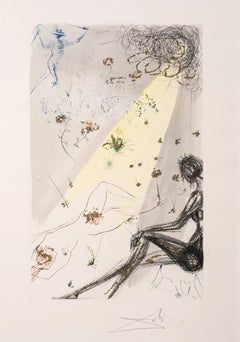
1960s Modern Salvador Dalí Prints and Multiples
Etching, Aquatint
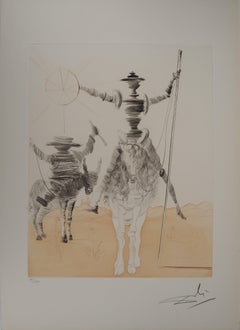
1970s Surrealist Salvador Dalí Prints and Multiples
Archival Paper, Etching
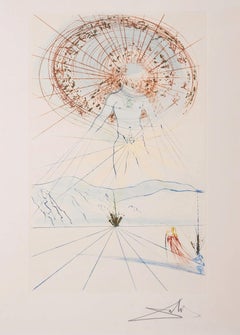
1960s Surrealist Salvador Dalí Prints and Multiples
Etching
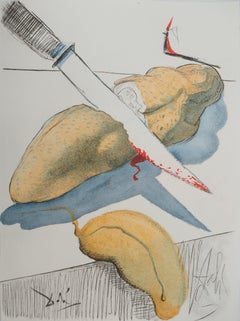
1960s Modern Salvador Dalí Prints and Multiples
Woodcut
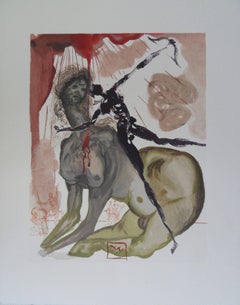
1980s Surrealist Salvador Dalí Prints and Multiples
Lithograph
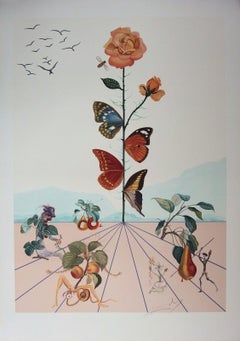
1960s Surrealist Salvador Dalí Prints and Multiples
Etching
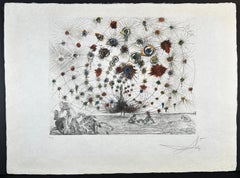
1970s Surrealist Salvador Dalí Prints and Multiples
Archival Paper, Etching
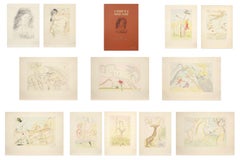
1960s Surrealist Salvador Dalí Prints and Multiples
Etching
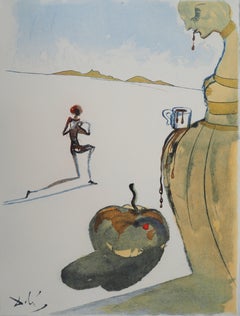
1960s Surrealist Salvador Dalí Prints and Multiples
Etching
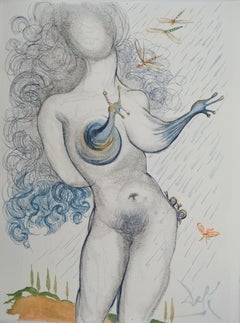
1970s Surrealist Salvador Dalí Prints and Multiples
Drypoint, Watercolor
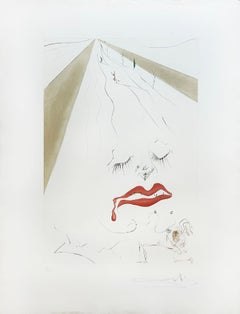
1960s Surrealist Salvador Dalí Prints and Multiples
Etching, Photographic Film, Lithograph
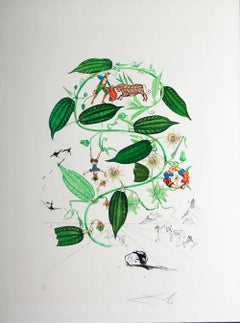
1960s Surrealist Salvador Dalí Prints and Multiples
Etching
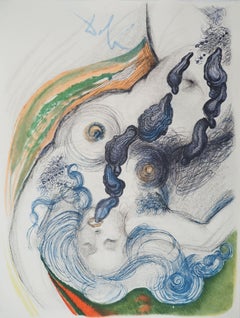
1970s Surrealist Salvador Dalí Prints and Multiples
Archival Paper, Lithograph
1970s Surrealist Salvador Dalí Prints and Multiples
Archival Paper, Etching
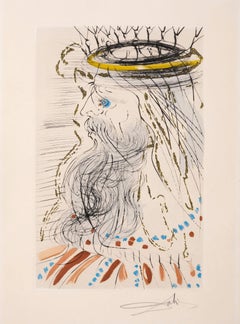
1960s Salvador Dalí Prints and Multiples
Woodcut
1970s Surrealist Salvador Dalí Prints and Multiples
Etching, Lithograph
1960s Surrealist Salvador Dalí Prints and Multiples
Lithograph
1970s Surrealist Salvador Dalí Prints and Multiples
Lithograph

1960s Salvador Dalí Prints and Multiples
Woodcut

1970s Surrealist Salvador Dalí Prints and Multiples
Etching
1960s Salvador Dalí Prints and Multiples
Woodcut
1960s Surrealist Salvador Dalí Prints and Multiples
Lithograph
1970s Modern Salvador Dalí Prints and Multiples
Watercolor, Etching

1970s Surrealist Salvador Dalí Prints and Multiples
Lithograph
1970s Surrealist Salvador Dalí Prints and Multiples
Lithograph
1970s Surrealist Salvador Dalí Prints and Multiples
Etching
1970s Surrealist Salvador Dalí Prints and Multiples
Lithograph
1970s Surrealist Salvador Dalí Prints and Multiples
Lithograph
1960s Surrealist Salvador Dalí Prints and Multiples
Lithograph
1970s Surrealist Salvador Dalí Prints and Multiples
Lithograph

1970s Surrealist Salvador Dalí Prints and Multiples
Lithograph
1970s Surrealist Salvador Dalí Prints and Multiples
Lithograph
1960s Surrealist Salvador Dalí Prints and Multiples
Lithograph
1960s Surrealist Salvador Dalí Prints and Multiples
Etching
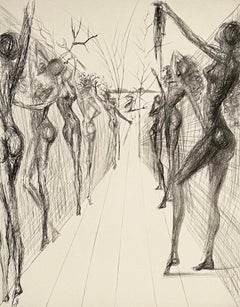
1970s Surrealist Salvador Dalí Prints and Multiples
Drypoint, Stencil
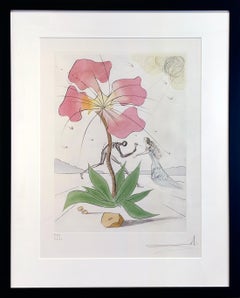
1970s Surrealist Salvador Dalí Prints and Multiples
Lithograph
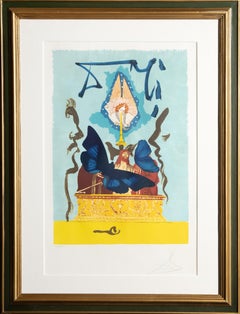
1970s Surrealist Salvador Dalí Prints and Multiples
Lithograph
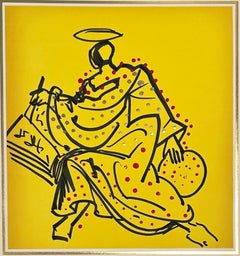
1970s Salvador Dalí Prints and Multiples
Etching, Lithograph
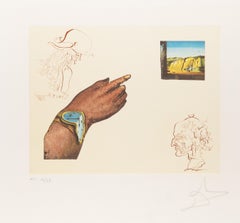
1970s Surrealist Salvador Dalí Prints and Multiples
Lithograph
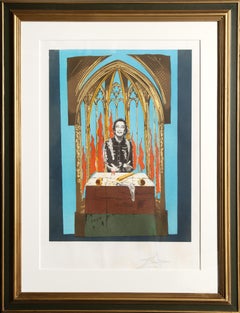
Mid-20th Century Surrealist Salvador Dalí Prints and Multiples
Etching

1970s Surrealist Salvador Dalí Prints and Multiples
Lithograph
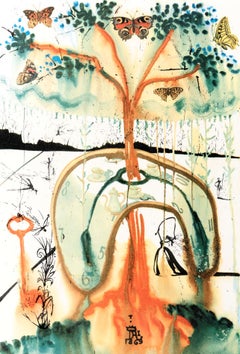
1980s Surrealist Salvador Dalí Prints and Multiples
Lithograph
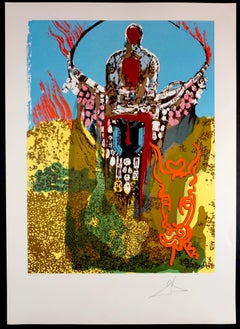
1970s Surrealist Salvador Dalí Prints and Multiples
Etching
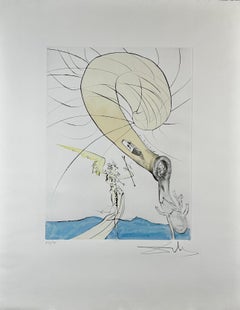
1970s Surrealist Salvador Dalí Prints and Multiples
Lithograph
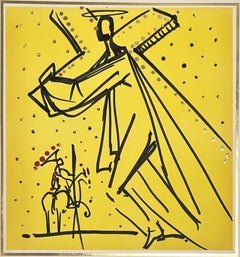
Mid-20th Century Salvador Dalí Prints and Multiples
Lithograph
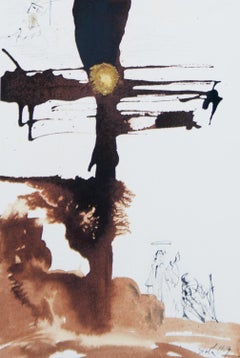
1960s Abstract Salvador Dalí Prints and Multiples
Lithograph
Salvador Dalí prints and multiples for sale on 1stDibs.
Artists Similar to Salvador Dalí
- 1stDibs ExpertFebruary 7, 2024Yes, some Salvador Dalí lithographs are valuable, but prices for them vary. The age, subject, quality of the paper and quality of the image itself all play a role in determining a lithograph’s value. Some of the artist's lithographs are rarer than others and tend to sell for more as a result. A certified appraiser or knowledgeable art dealer can give you an estimate of how much a particular lithograph is worth. Find a selection of Salvador Dalí art on 1stDibs.
- 1stDibs ExpertApril 5, 2022Yes, Salvador Dali did create jewelry. Dali liked to explore different art mediums and jewelry definitely caught his fancy at one point in his life. His jewelry pieces were works of art in themselves and not mass produced—it was more like wearable miniature art. On 1stDibs, find a variety of original artwork from top artists.
- 1stDibs ExpertApril 5, 2022After Dali was forced into involuntary retirement, fake prints flooded the market. Very few of Dali’s works were signed after 1980. Arjomari paper, the paper on which Dali worked, changed their mark by adding an infinity symbol. So if you see the infinity symbol and Dali’s signature, the print is a fake. On 1stDibs, find a collection of Salvador Dali’s pieces from some of the world’s top sellers.
- 1stDibs ExpertApril 5, 2022Yes, Salvador Dalí made sculptures. Salvador Dalí was known for his work in Surrealism and his work spans a multitude of repertoires including painting, graphic art, film, photography and sculpture. Some of Salvador Dalí’s most famous sculptures include Lobster Telephone and Mae West Lips Sofa. Shop a selection of Salvador Dali art on 1stDibs.