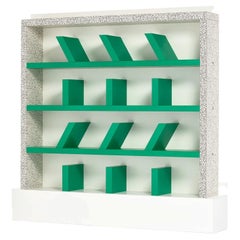
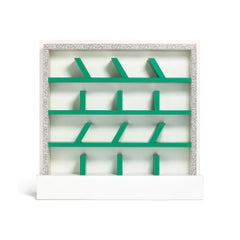
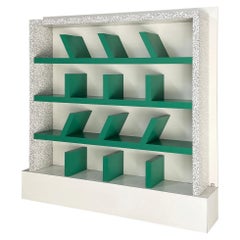
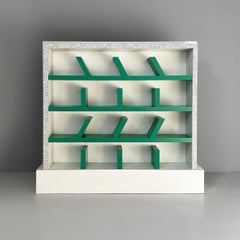
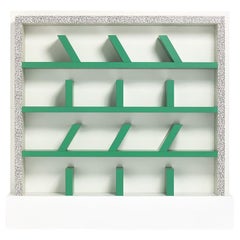
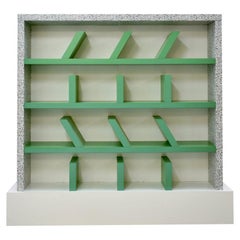
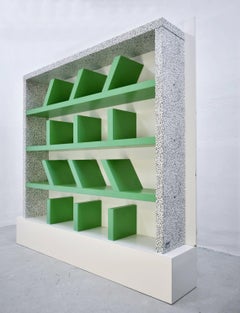
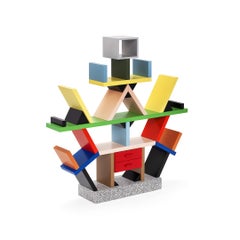
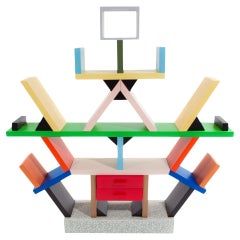
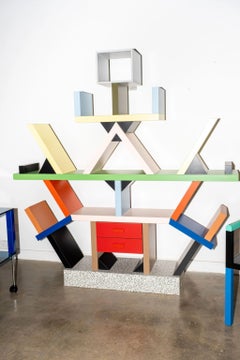
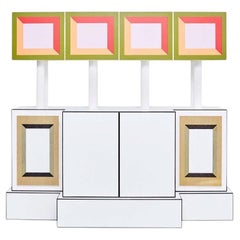
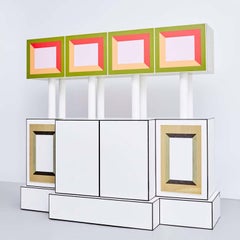
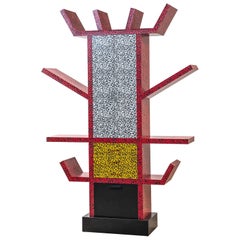
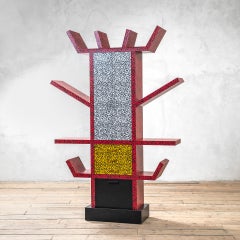
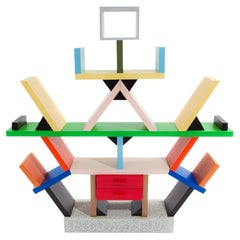
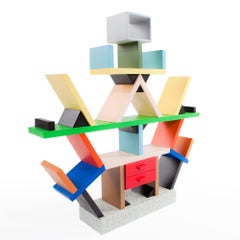
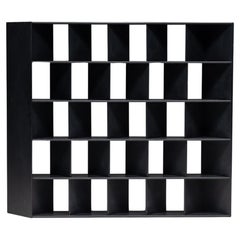
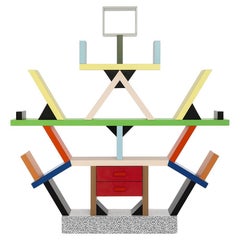
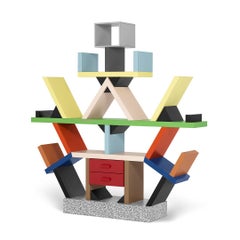
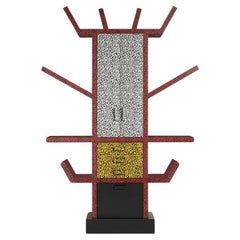
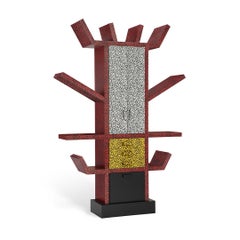
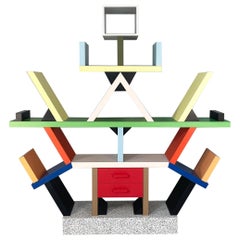
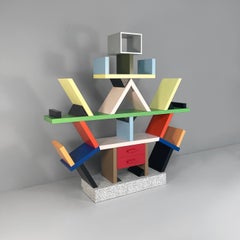
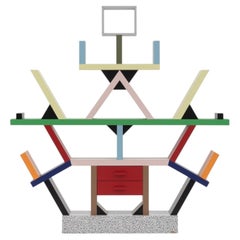
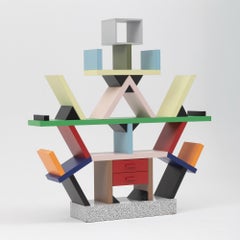
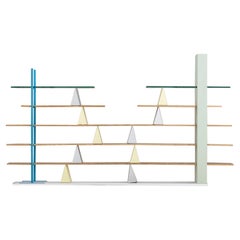
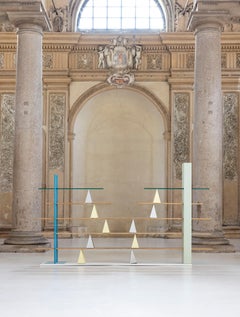
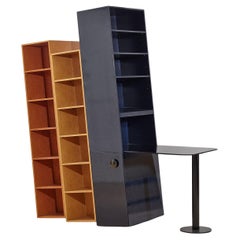
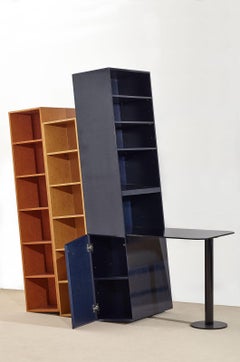
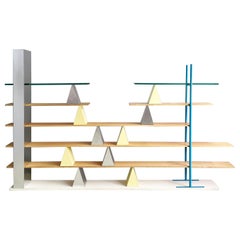
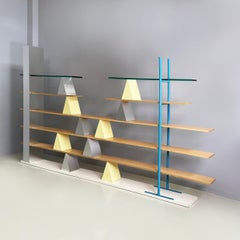
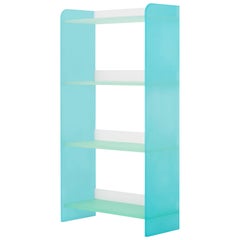
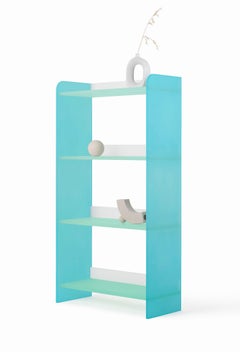
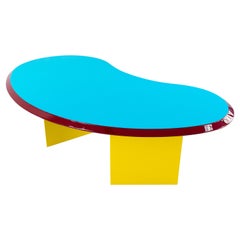
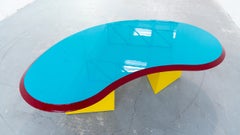
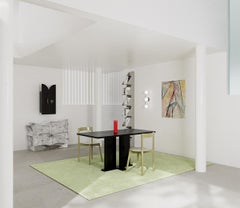
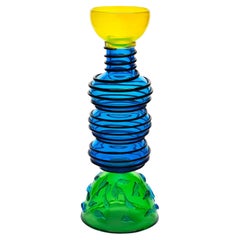
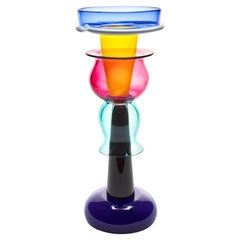
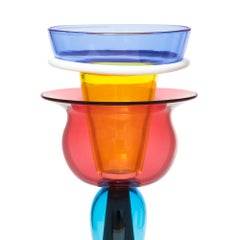
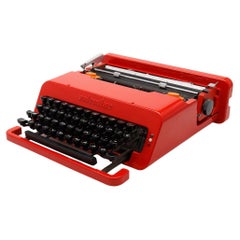
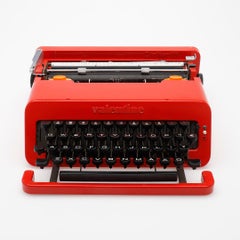
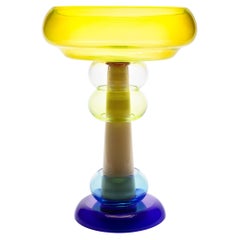
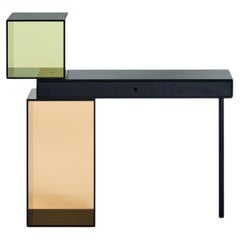
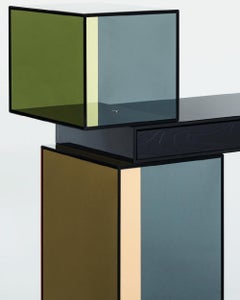
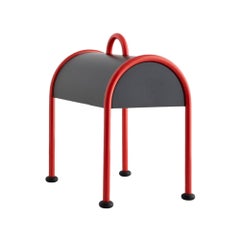
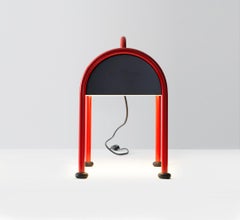
To many people, postmodern design is synonymous with the Memphis Group. This Italian collaborative created the most radical and attention-getting designs of the period, upending most of the accepted standards of how furniture should look. Today, the Memphis Milano brand, which is managed by Alberto Bianchi Albrici, still produces designs created by the group between 1981 and 1988.
The Memphis story begins in 1980, when Ettore Sottsass, then a beacon of Italian postmodernism, tapped a coterie of younger designers to develop a collection for the Milan Furniture Fair the next year, determined that all the new furniture they were then seeing was boring. Their mission: Boldly reject the stark minimalism of the 1970s and shatter the rules of form and function. (Sottsass’s Ultrafragola mirror, designed in 1970, embodied many of what would become the collective’s postmodern ideals.)
The group decided to design, produce and market their own collection, one that wouldn’t be restricted by concerns like functionality and so-called good taste. Its debut, at Milan’s 1981 Salone del Mobile, drew thousands of viewers and caused a major stir in design circles.
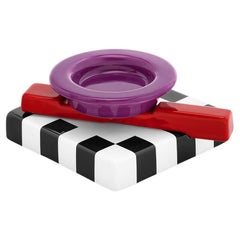
So as a record of Bob Dylan’s “Stuck Inside of Mobile” played on repeat, they took their name from the song, devised their marketing strategy and plotted the postmodern look that would come to define the decade of excess — primary colors, blown-up proportions, playful nods to Art Deco and Pop art. A high-low mix of materials also helped define Memphis, as evidenced by Javier Mariscal’s pastel serving trays, which feature laminate veneer — a material previously used only in kitchens — as well as Shiro Kuramata’s Nara and Kyoto tables made from colored glass-infused terrazzo.
An image of Sottsass posing with his collaborators in a conversation pit shaped like a boxing ring appeared in magazines all over the world, and Karl Lagerfield furnished his Monte Carlo penthouse entirely in Memphis furniture. Meanwhile, members like Andrea Branzi, Aldo Cibic, Michele de Lucchi, Nathalie du Pasquier, Kuramata, Paola Navone, Peter Shire, George Sowden, Sottsass and his wife, journalist Barbara Radice, went on to enjoy fruitful careers.
Some people think of the Milan-based collective as the design equivalent to Patrick Nagel’s kitschy screenprints, but for others Memphis represents what made the early 1980s so great: freedom of expression, dizzying patterns and off-the-wall colors.
Eventually, the Reagan era gave way to cool 1990s minimalism, and Memphis fell out of fashion. Sottsass left the group in 1985, and by 1987, it had disbanded. Yet decades later, Memphis is back and can be traced to today’s most exciting designers.
“As someone who was born in the 1980s, Memphis at times feels like the grown-up, artsy version of the toys I used to play with,” says Shaun Kasperbauer, cofounder of the Brooklyn studio Souda. “It feels a little nostalgic, but at the same time it seems like an aesthetic that’s perfectly suited to an internet age — loud, colorful and utilizing forms that are graphic and often a little unexpected.”
Find a collection of Memphis Milano seating, tables, decorative objects and other furniture on 1stDibs.
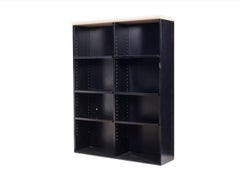
Whether you proudly shelve your books in regal mahogany or behind glass cabinet doors, an antique bookcase — or perhaps more than one — is essential to creating a cozy nook for any book lover.
As long as curious people have collected stories, we have needed a place to stow them away and preserve them. When auction houses and book dealers proliferated by the late 17th century, the bibliophile was born. And, of course, as with any treasured decorative objects or collectibles, a book lover’s volumes were suddenly worthy of a luxurious display — enter the bookcase.
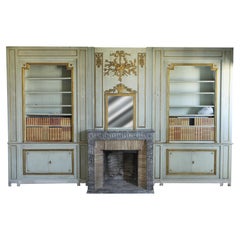
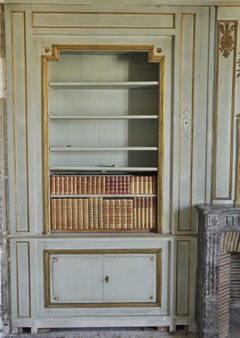
Americans of means during the 19th century took to amassing art as well as rare books, and bookcases of the era — rife with hand-carved decorative accents and architectural motifs — were ideal for displaying their handsome leather-bound wares.
Although our favorite titles may change over the years, the functionality and beauty of their home within our home is timeless. Even those who don’t covet the perfect home library can benefit from an attractive display case, as bookcases can easily double as charming étagères.
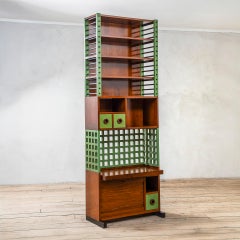
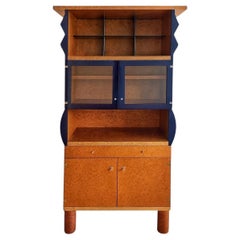
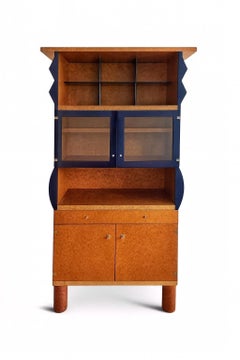
Contemporary and customizable options make it easier for you to find the perfect bookcase for your style and stacks. If you don’t wish to fill your storage piece so that your collection is snug within its confines, incorporate extra space to allow for additional displays and decorative objects. And by introducing a striking dark wood Art Deco bookcase or low-profile mid-century modern design by Paul McCobb into your living room, your signed first editions won’t be the only items making a statement.
Find barrister bookcases, Globe Wernicke bookcases, bookcases with doors and other vintage and antique bookcases on 1stDibs now.