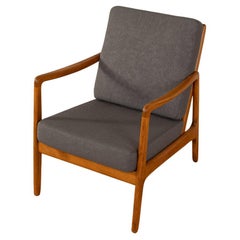
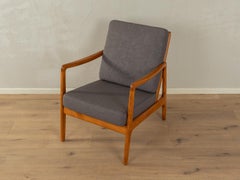
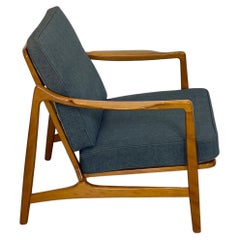
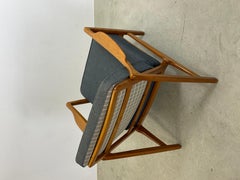
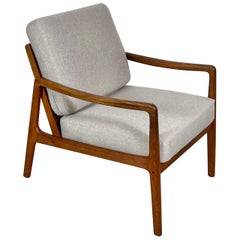
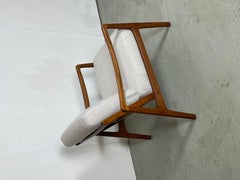
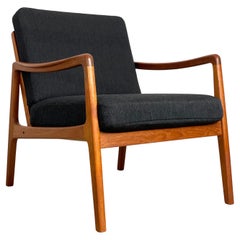
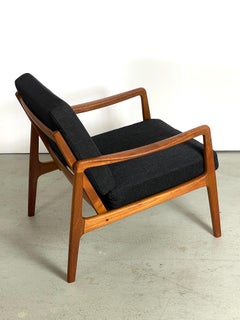
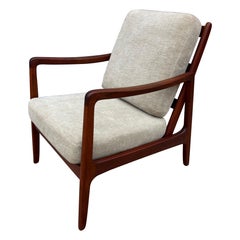
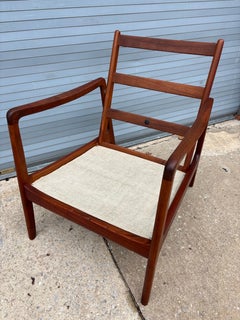
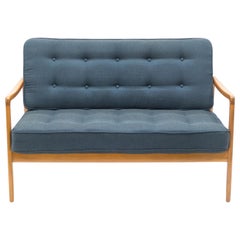
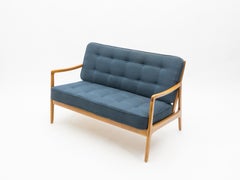
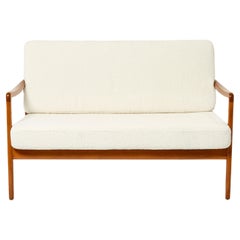
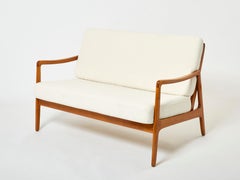
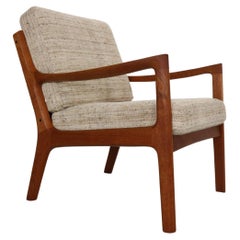
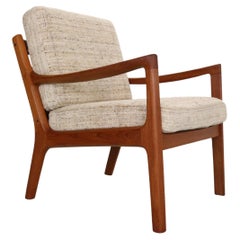
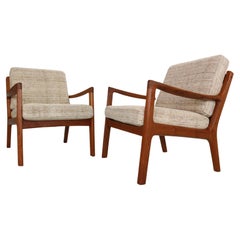
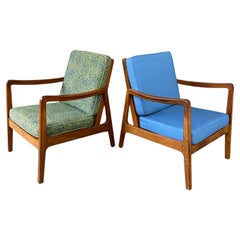
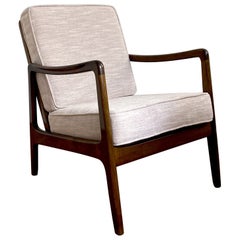
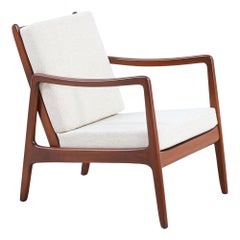
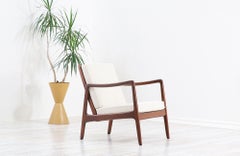
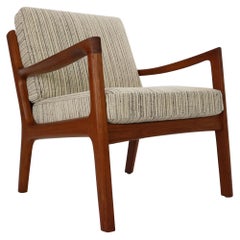
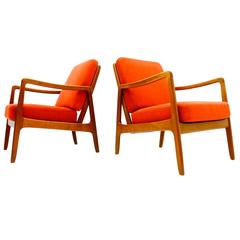
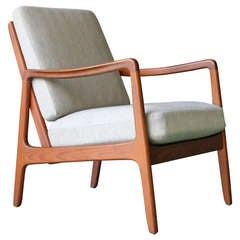
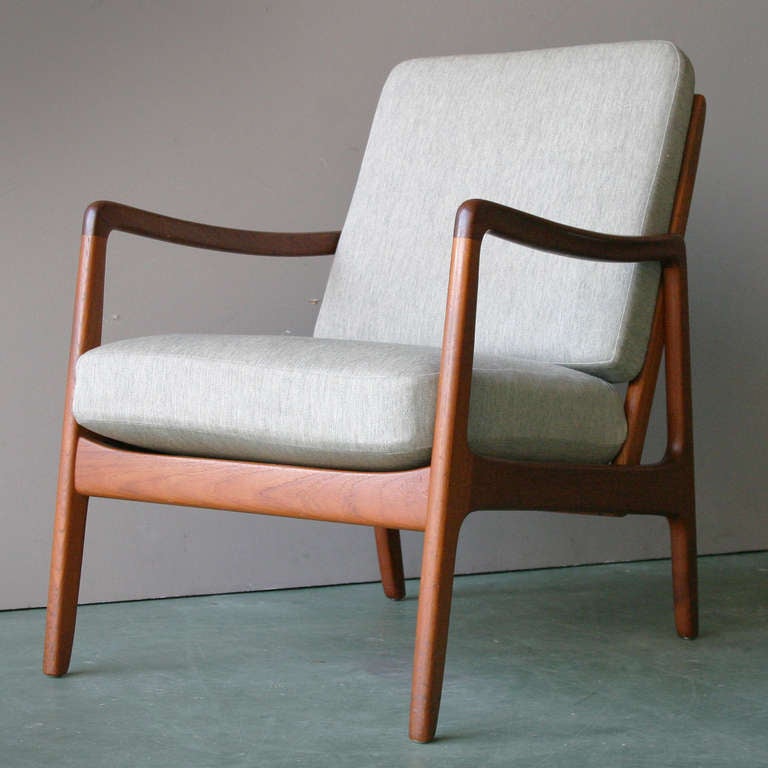
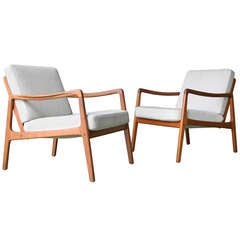
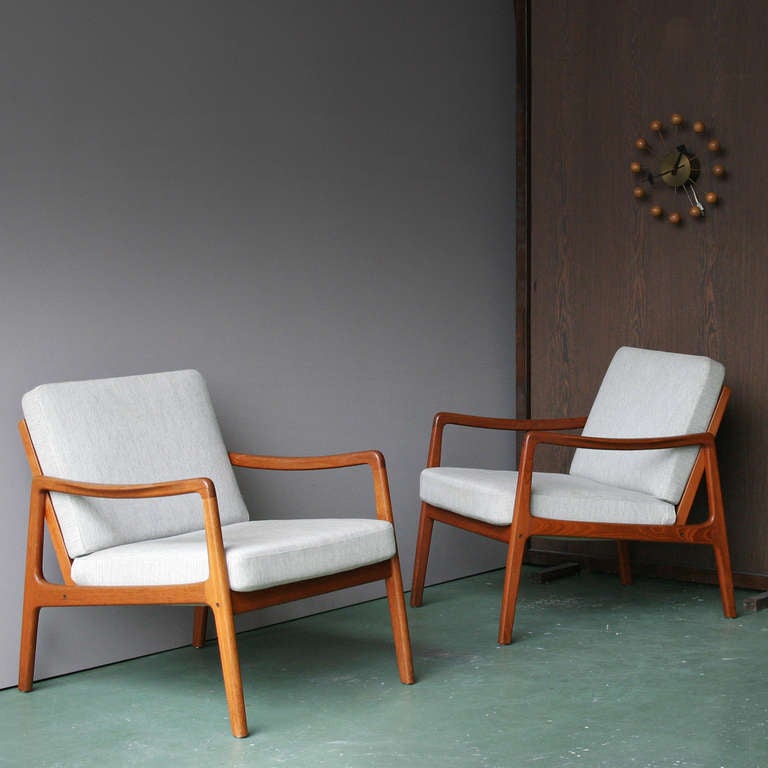
Choose from an assortment of styles, material and more with respect to the fd 109 you’re looking for at 1stDibs. A fd 109 — often made from
fabric,
wood and
hardwood — can elevate any home. Whether you’re looking for an older or newer fd 109, there are earlier versions available from the 20th Century and newer variations made as recently as the 20th Century. Each fd 109 bearing
Scandinavian Modern or
Mid-Century Modern hallmarks is very popular.
Prices for a fd 109 can differ depending upon size, time period and other attributes — at 1stDibs, they begin at $1,245 and can go as high as $6,800, while the average can fetch as much as $2,994.
A scholar and architect with the heart of an artist, Ole Wanscher helped define the functional, clean-cut style that formed the core of modern Danish furniture design. Influenced heavily by his world travels, Wanscher gained inspiration from English, Asian, Egyptian and traditional Shaker furniture, and he incorporated elements from these styles into his revered mid-century designs.
Wanscher’s deep respect for the use of traditional materials such as quality wood is reflected in his work, which is valued for being both beautiful and built to last. He was also a leader in the postwar “design for everyone” movement, creating many pieces intended for everyday life within the small confines of the average Danish household. Later, Wanscher became a prolific writer on the subject of furniture design. He is considered one of the most significant influences on the world of Scandinavian modernism.
The son of an art historian and a painter, Wanscher studied at the Royal Danish Academy of Fine Arts. From 1925 to 1927, Wanscher worked under the great Danish designer and professor Kaare Klint, who became one of the greatest stylistic influences on his output. Wanscher would go on to work as a professor at the academy from 1955 to 1973.
Wanscher founded his own furniture manufacturing company in 1929. Here he employed the top cabinetmakers of the day, most notably A.J. Iversen, with whom Wanscher collaborated for many years. While the workshop produced seductive handmade furniture with organic materials such as teak and mahogany, Wanscher intended to design durable seating, tables and more for the mass market — he was committed to making quality furniture available to a wider audience.
Of all of Wanscher’s designs, he is perhaps best known for his Colonial chair. This piece — which is part of a collection for Danish manufacturer P. Jeppesens that includes a sofa and a coffee table — exemplifies his penchant for combining minimalist design with traditional craftsmanship. Wanscher’s dining room tables, such as the Rungstedlund table, also epitomize the elegance of his work’s simple silhouettes and careful construction. These sleek tables serve as an ideal centerpiece for both modern and traditionally styled dining rooms, highlighting the versatility of Wanscher’s work.
Wanscher received a gold medal for his exemplary work at the 1960 Milan Triennale. He also received the Copenhagen Carpenters’ Guild Annual Award. Though Wanscher passed away in 1985, his iconic designs and scholarly writings remain relevant to this day.
Find vintage Ole Wanscher tables, seating and case pieces on 1stDibs.
While this specific seating is known to all for its comfort and familiar form, the history of how your favorite antique or vintage lounge chair came to be is slightly more ambiguous.
Although there are rare armchairs dating back as far as the 17th century, some believe that the origins of the first official “lounge chair” are tied to Hungarian modernist designer-architect Marcel Breuer. Sure, Breuer wasn’t exactly reinventing the wheel when he introduced the Wassily lounge chair in 1925, but his seat was indeed revolutionary for its integration of bent tubular steel.
Officially, a lounge chair is simply defined as a “comfortable armchair,” which allows for the shape and material of the furnishings to be extremely diverse. Whether or not chaise longues make the cut for this category is a matter of frequent debate.
The Eames lounge chair, on the other hand, has come to define somewhat of a universal perception of what a lounge chair can be. Introduced in 1956, the Eames lounger (and its partner in cozy, the ottoman) quickly became staples in television shows, prestigious office buildings and sumptuous living rooms. Venerable American mid-century modern designers Charles and Ray Eames intended for it to be the peak of luxury, which they knew meant taking furniture to the next level of style and comfort. Their chair inspired many modern interpretations of the lounge — as well as numerous copies.
On 1stDibs, find a broad range of unique lounge chairs that includes everything from antique Victorian-era seating to vintage mid-century modern lounge chairs by craftspersons such as Hans Wegner to contemporary choices from today’s innovative designers.