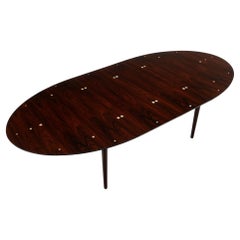
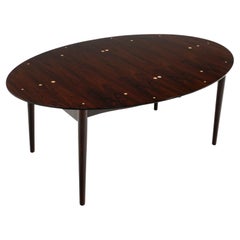
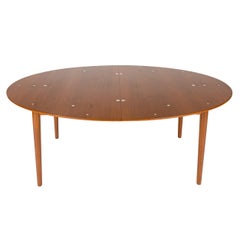
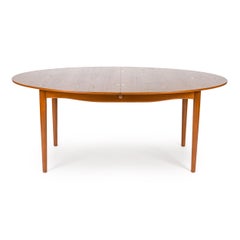
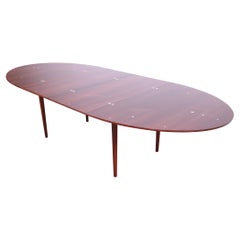
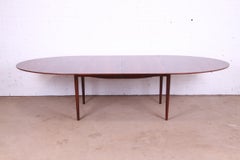
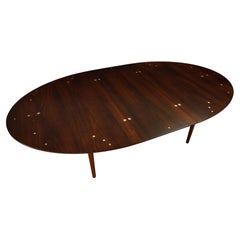
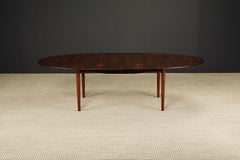
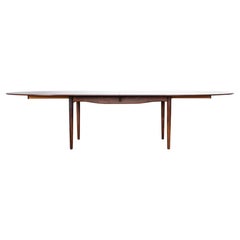
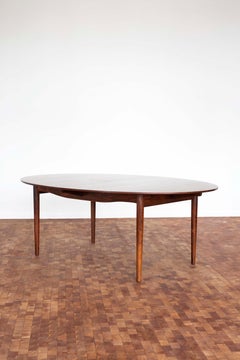
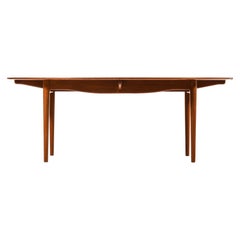
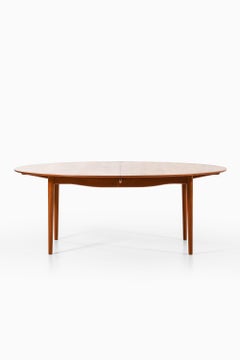
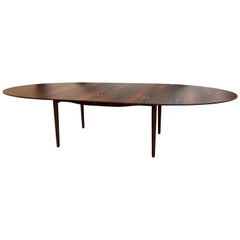
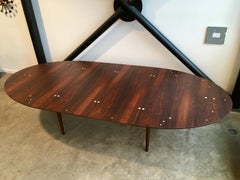
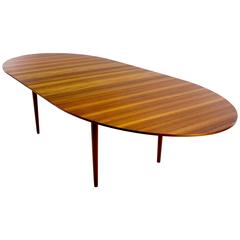
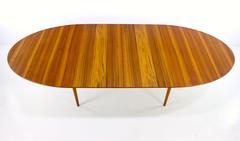
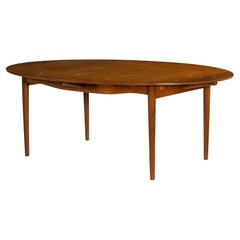
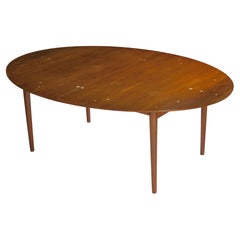
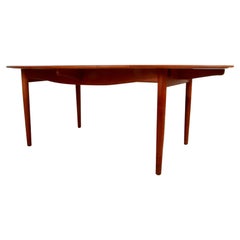
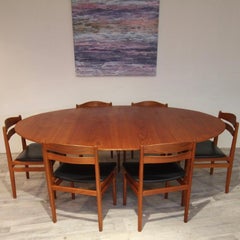
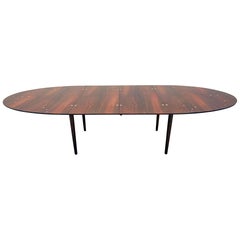
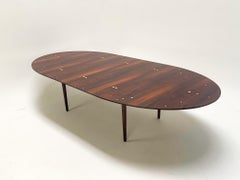
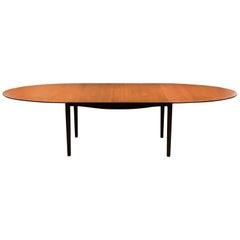
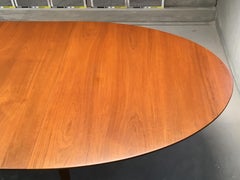
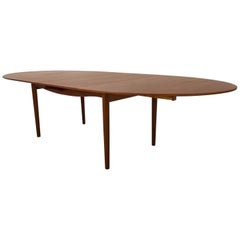
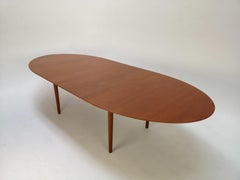
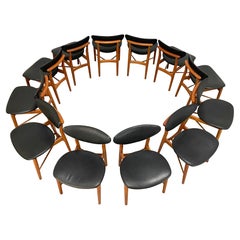
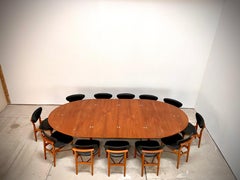
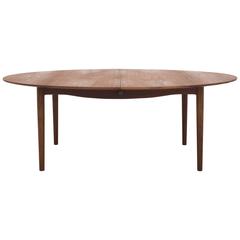
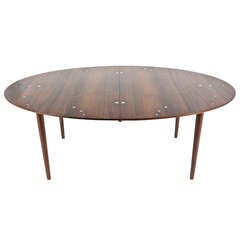
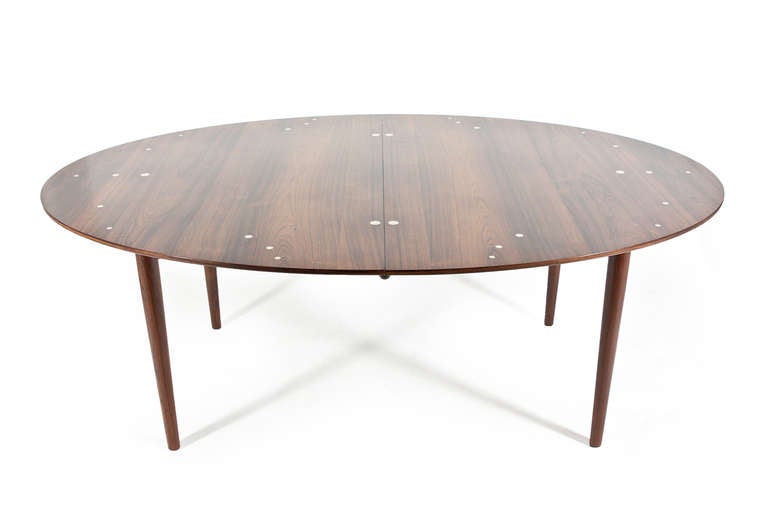
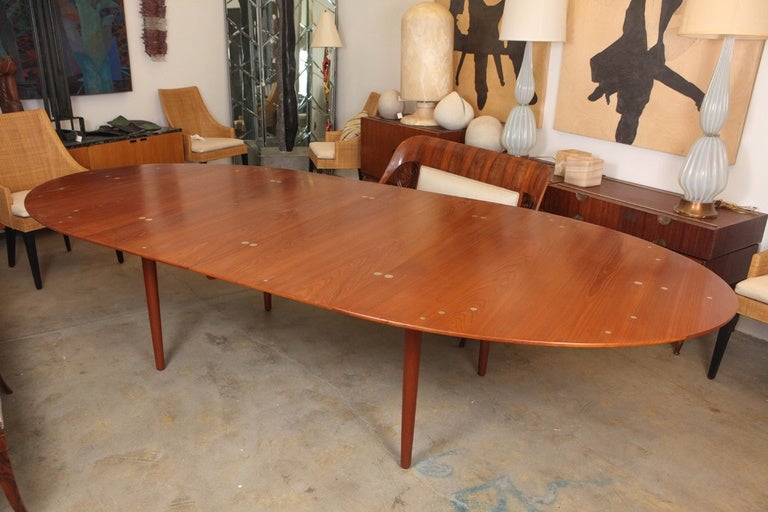
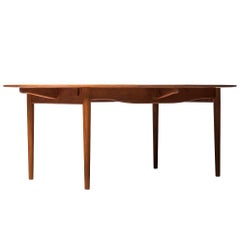
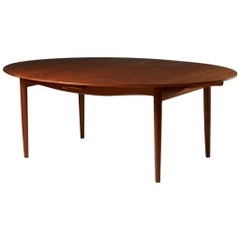
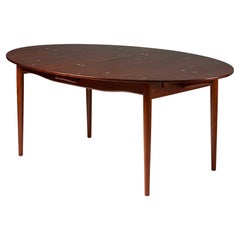
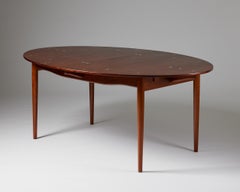
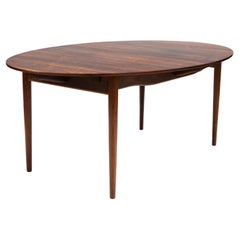
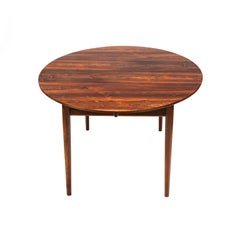
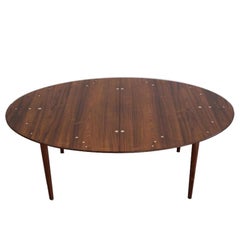
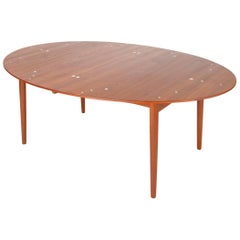
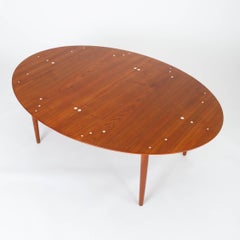
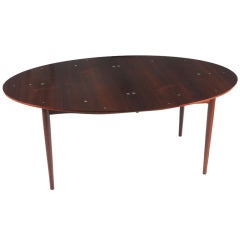
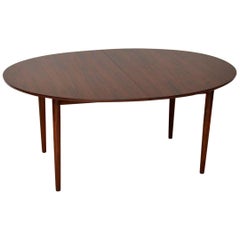
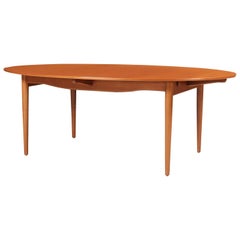
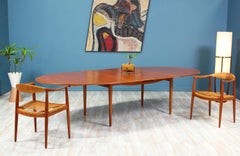
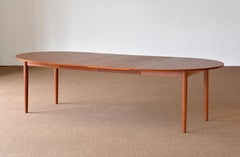
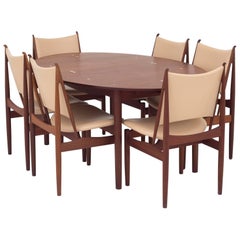
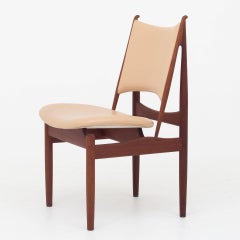
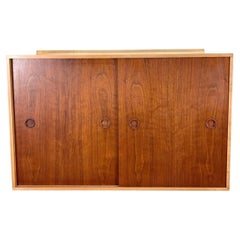
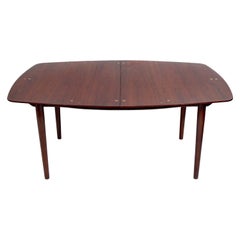
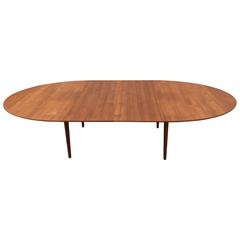
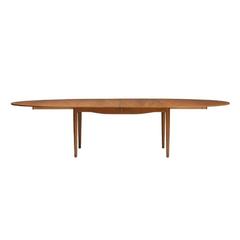
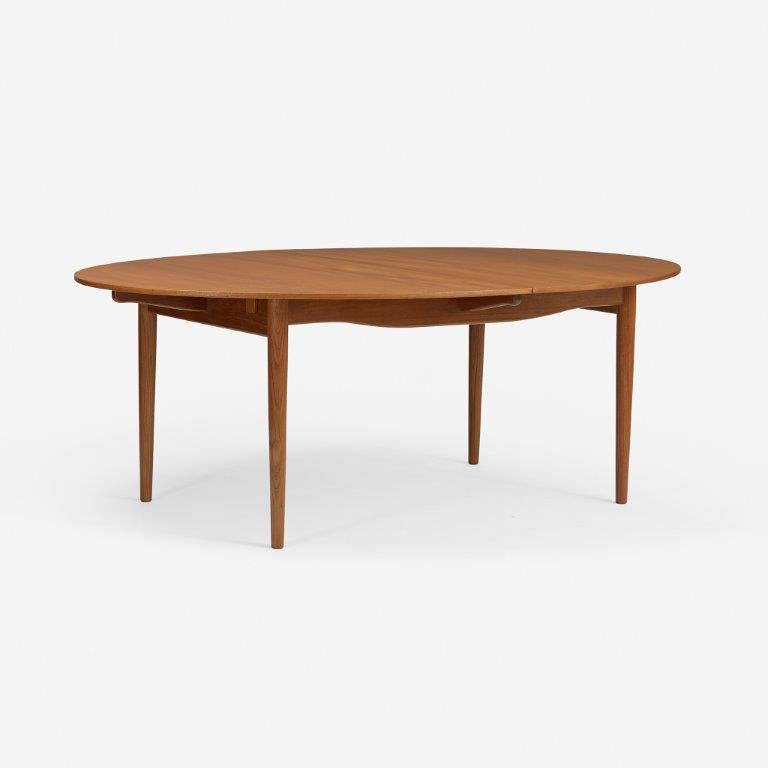
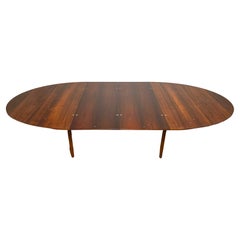
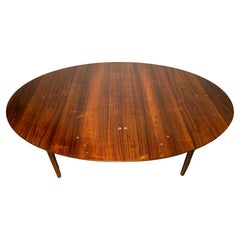
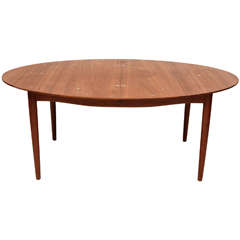
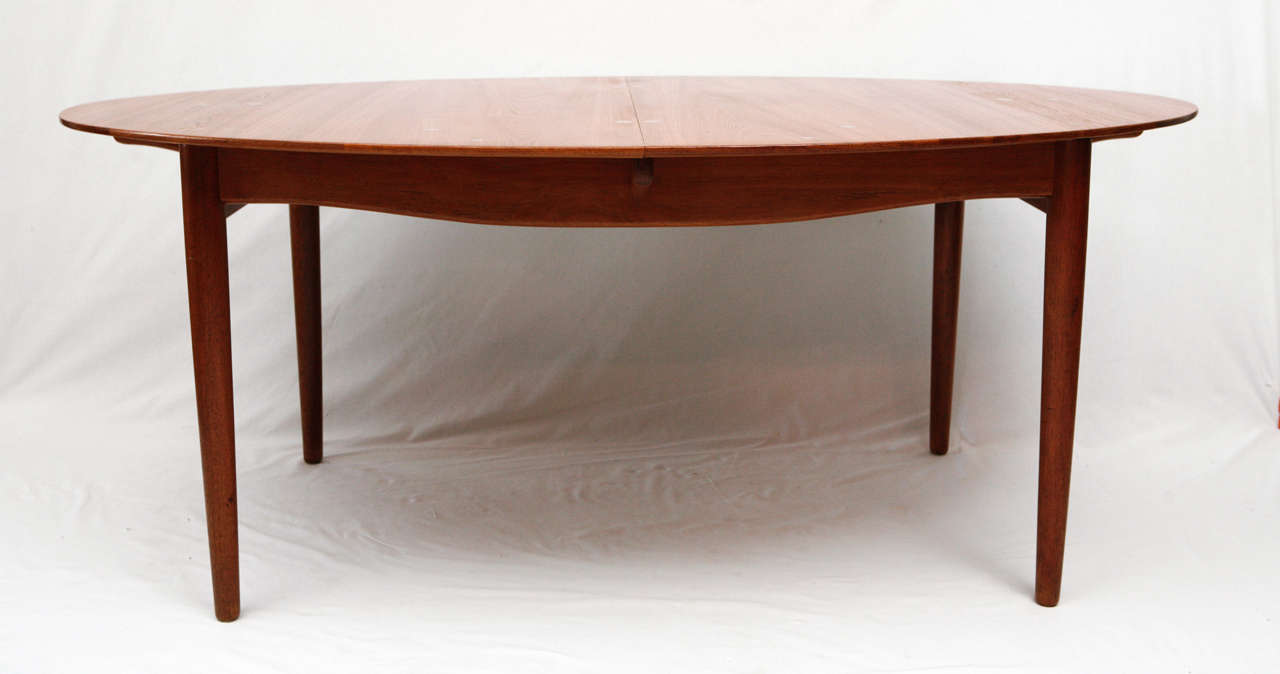
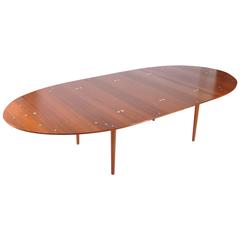
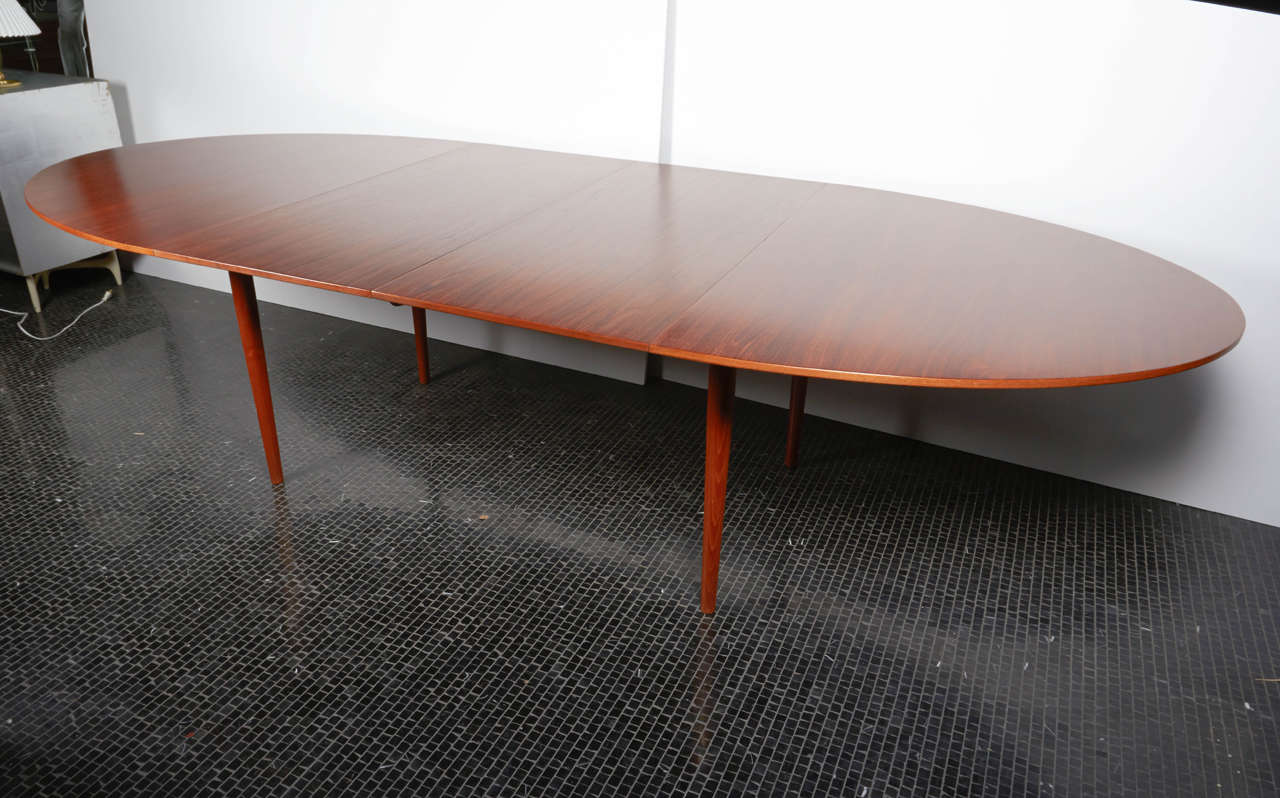
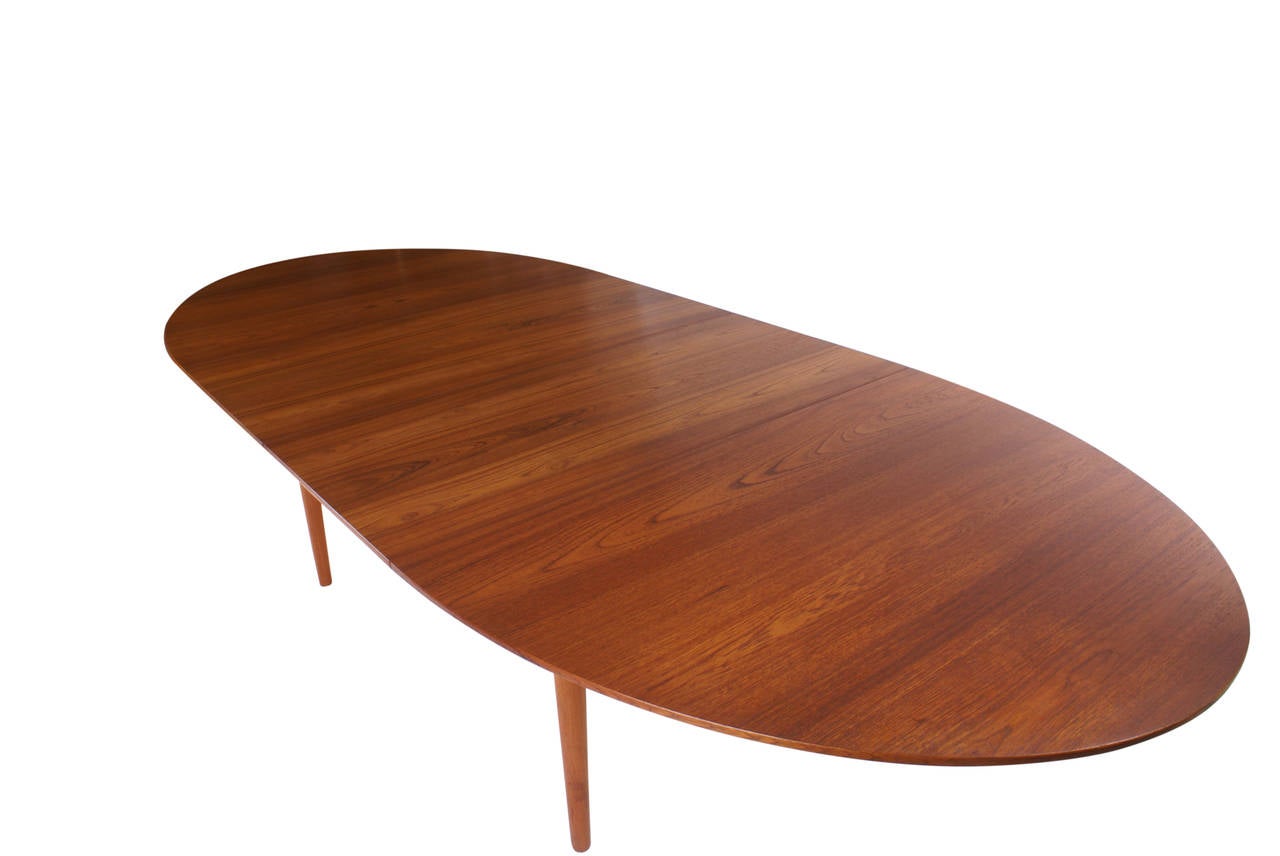
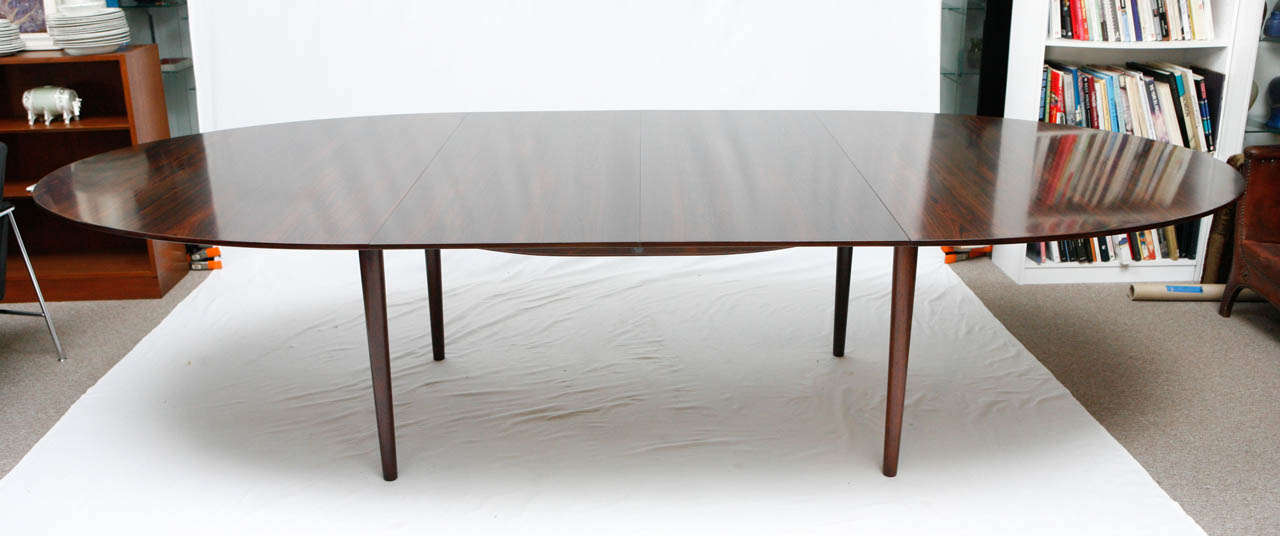
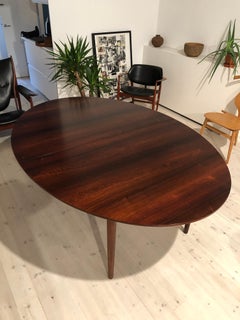
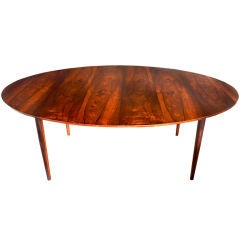
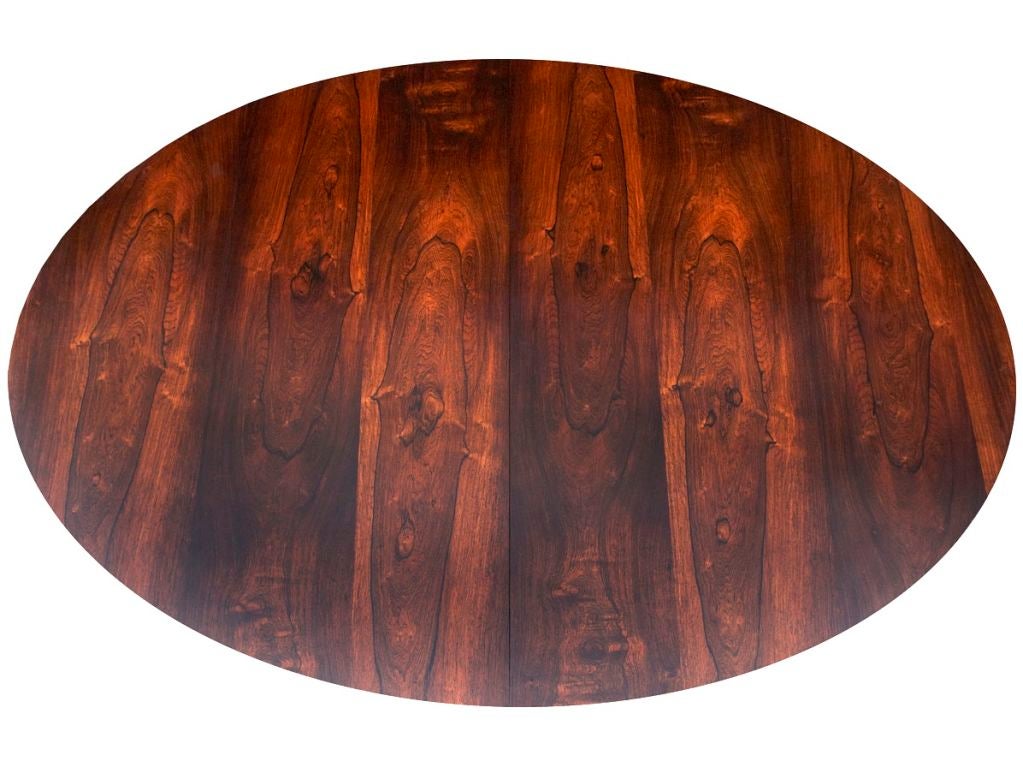
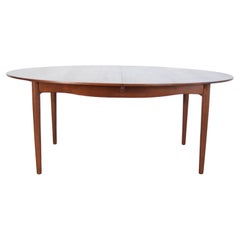
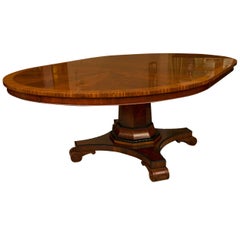
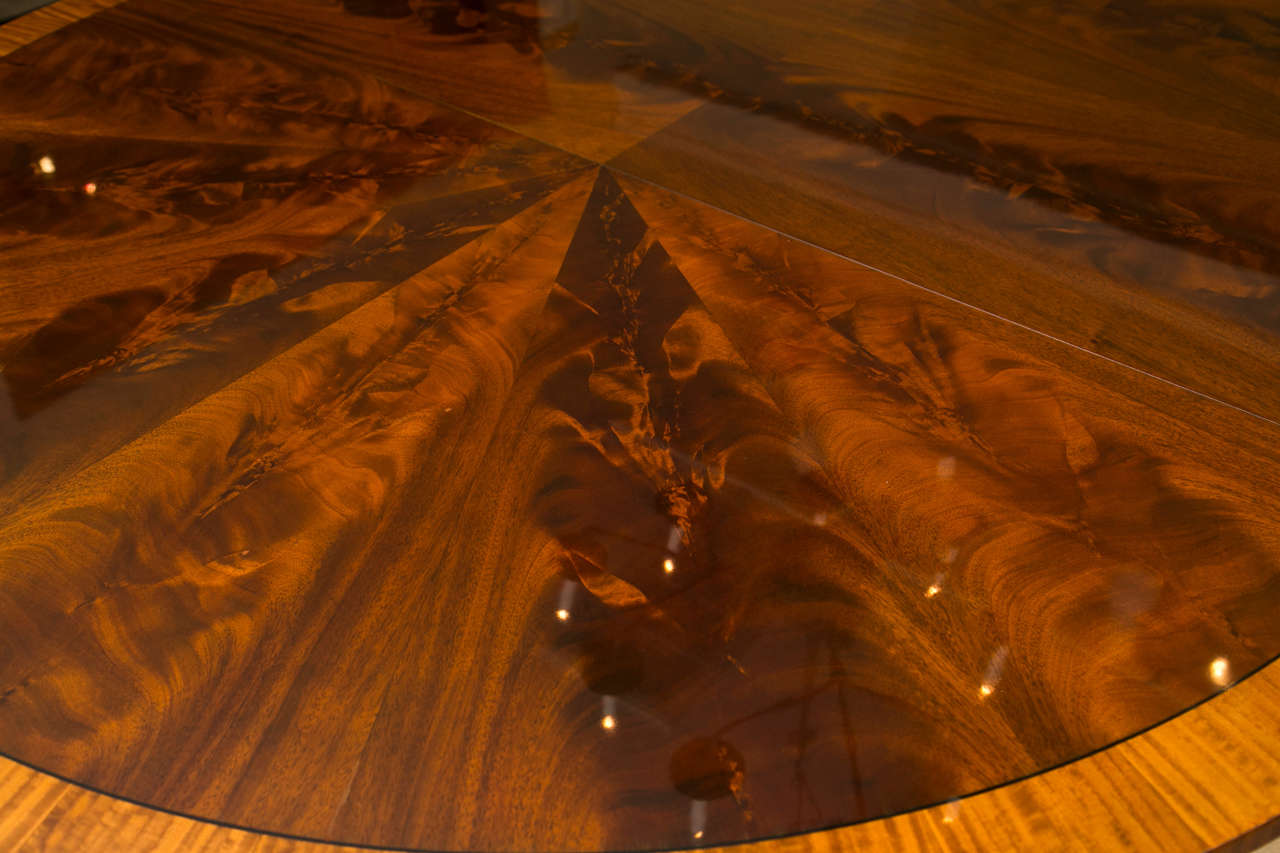
Find many varieties of an authentic finn juhl judas dining table available at 1stDibs. Frequently made of
wood,
hardwood and
teak, every finn juhl judas dining table was constructed with great care. Whether you’re looking for an older or newer finn juhl judas dining table, there are earlier versions available from the 20th Century and newer variations made as recently as the 20th Century. A finn juhl judas dining table, designed in the
Scandinavian Modern or
Mid-Century Modern style, is generally a popular piece of furniture. A well-made finn juhl judas dining table has long been a part of the offerings for many furniture designers and manufacturers, but those produced by
Finn Juhl,
Niels Vodder and
Baker Furniture Company are consistently popular.
Prices for a finn juhl judas dining table can differ depending upon size, time period and other attributes — at 1stDibs, they begin at $10,000 and can go as high as $113,705, while the average can fetch as much as $18,500.
Along with Hans Wegner, Arne Jacobsen and Børge Mogensen, Finn Juhl was one of the great masters of mid-20th-century Danish design. Juhl was the first among that group to have his work promoted overseas, bringing the character of the nation’s furnishings — and the inherent principles of grace, craftsmanship and utility on which they were based — to an international audience.
A stylistic maverick, Juhl embraced expressive, free-flowing shapes in chair, credenzas and sofa designs much earlier than his colleagues, yet even his quietest pieces incorporate supple, curving forms that are at once elegant and ergonomic.
As a young man, Juhl hoped to become an art historian, but his father steered him into a more practical course of study in architecture. He began designing furniture in the late 1930s, a discipline in which, despite his education, Juhl was self-taught, and quite proud of the fact.
Juhl’s earliest works, designed in the late 1930s, are perhaps his most idiosyncratic. The influence of modern art is clear in his 1939 Pelican chair: an almost Surrealist take on the classic wing chair. Critics reviled the piece, however; one said it looked like a "tired walrus." Juhl had tempered his creativity by 1945, when the workshop of Danish cabinetmaker Niels Vodder began to issue his designs. Yet Juhl’s now-classic NV 45 armchair still demonstrates panache, with a seat that floats above the chair’s teak frame.
Juhl first exhibited his work in the United States in 1950, championed by Edgar Kaufmann Jr., an influential design critic and scion of America’s most prominent family of modern architecture and design patrons. (Kaufmann’s father commissioned Frank Lloyd Wright’s design of the house “Fallingwater.”)
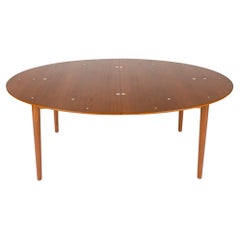
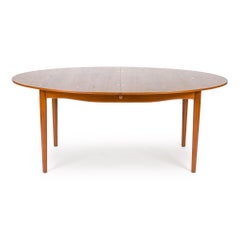
Juhl quickly won a following for such signature designs as the supremely comfortable Chieftan lounge chair, the Judas table — a piece ornamented with stylish inlaid silver plaquettes — and the biomorphic Baker sofa. After an article authored by Kaufmann on Juhl and his work appeared in the U.S.-based magazine Interiors in 1948, he began receiving American commissions.
Kaufmann commissioned Juhl to create the exhibition design for, and contribute pieces to, the 1951 edition of the Good Design shows he organized for MoMA and Chicago’s Merchandise Mart. Baker Furniture asked Juhl to design for the firm, and he produced a collection of chairs, tables and cabinets, and, later, the 1957 sofa.
Scandinavian modernist seating, such as the chairs and sofas Juhl created for Baker, became immensely popular in postwar America, as the seeds of the Scandinavian style that Juhl sowed took root and spread in the United States. Juhl and his work featured prominently in the landmark show “Design from Scandinavia,” which opened in 1954 at the Virginia Museum of Fine Arts and traveled to 24 museums in the U.S. and Canada; over three years, it was seen by more than a million people.
Juhl’s furniture — as well as his ceramics, tableware and accessories — has an air of relaxed sophistication and elegance that is unique in the realm of mid-century design.
Find vintage Finn Juhl armchairs, coffee tables, desks and other furniture for sale on 1stDibs.
No matter your furniture style of choice, a shared meal is one of life’s true rewards. Why not treat your family and friends to a luxurious dining experience? Browse our top picks to find the perfect antique, new or vintage dining room table for this important occasion.
Modern furniture design borrows significantly from the trends of yore, and this is especially apparent in dining tables. Ancient Egyptians made practical use of the earliest four-legged tables of wood and rock — their models bear striking similarity to the dining tables of today — while common large medieval dining room tables in England were made of oak or elm. Romans and Greeks, renowned for big banquets that involved entertainment as well as good food, used early dining room tables made of marble or wood and metals such as bronze for meals.
On 1stDibs, find a range of dining room tables that offers no shortage of options to accommodate modest interiors, midsize family homes and even lavish banquets (entertainment not included).
Beginning in the mid-19th century, more American homes featured dining rooms, where families could gather specifically for a meal together. In the States, upper-class families were the first to enjoy dining room tables, which were the centerpiece of the dining room.
Dining room tables of the Victorian era were created in a range of revivalist styles inspired by neoclassical, Renaissance, Gothic and other traditions. Furnishings of the period were made of various woods, including oak, rosewood and mahogany, and referenced a variety of decorative arts and architectural motifs. Some dining room tables finished in the Rococo style feature gorgeous inlaid marble tabletops or other ornamental flourishes handcrafted by Parisian furniture makers of the 18th century.
In many modern spaces, there often isn’t a dining room separate from the kitchen — instead, they frequently share real estate in a single area. Mid-century modern dining room tables, specifically those created by designers such as Osvaldo Borsani, Edward Wormley and Alvar Aalto, are typically clean and uncomplicated designs for a dining area that’s adjacent to where the cooking is done. Furniture of this era hasn’t lost its allure for those who opt for a casual and contemporary aesthetic.
If you’re of the modern mindset that making and sharing meals should be one in the same — and perhaps large antique dining tables don’t mesh well with your style — consider a popular alternative. Working with a tighter space may mean that a round or oval dining room table, a design that references the festive meals of the medieval era, may be a better fit. Round dining room tables, particularly those that originated in the Art Deco period, still endure as a popular contemporary substitute for traditional rectangular dining tables. Giovanni Offredi’s Paracarro table for Saporiti Italia is a striking round table option that showcases the magnificent Italian industrial design of the 1970s.
Find a collection of antique, new and vintage dining tables on 1stDibs.