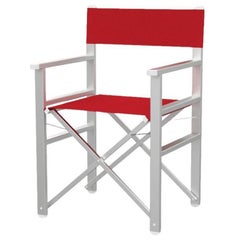
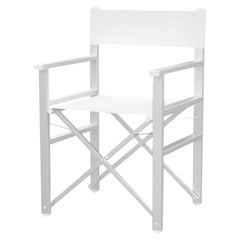
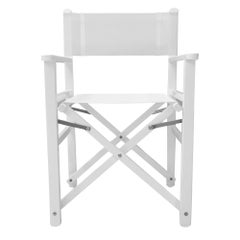
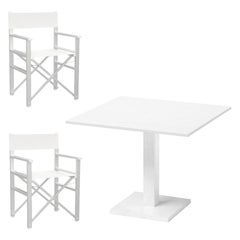
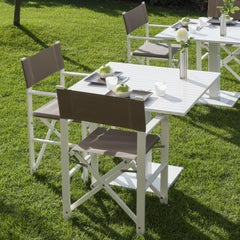
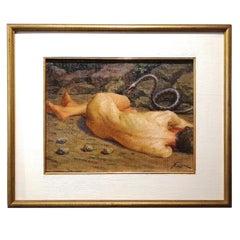
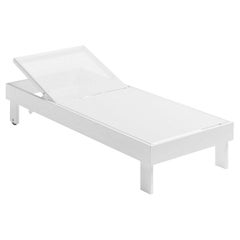
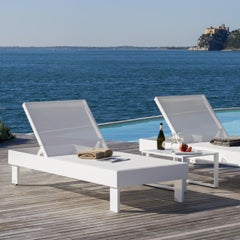
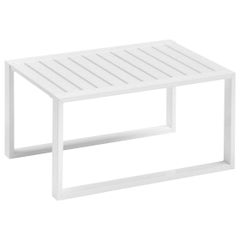
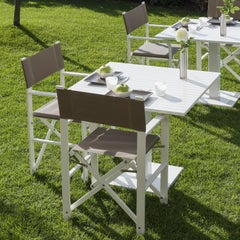
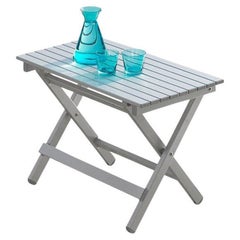
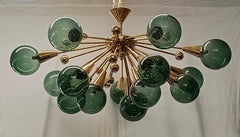
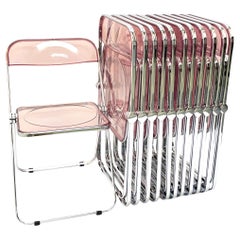
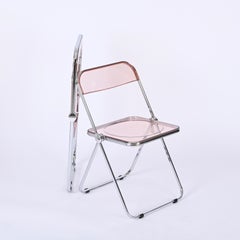
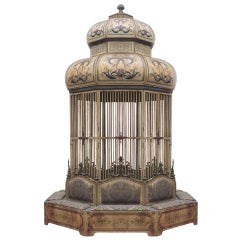
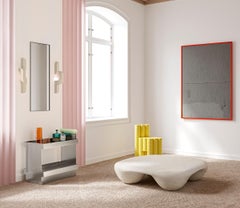
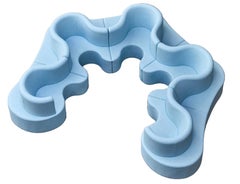
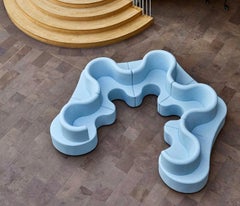
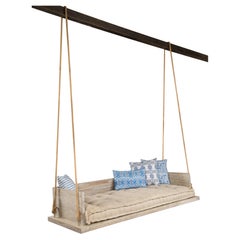
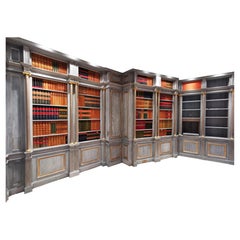
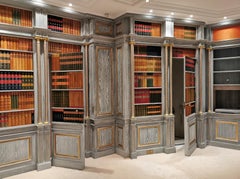
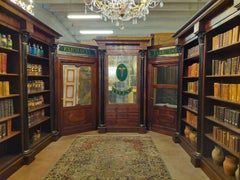
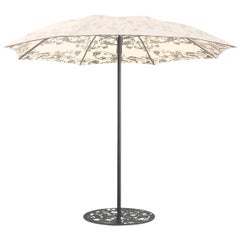
Find many varieties of an authentic giovanni battista crema available at 1stDibs. Frequently made of
aluminum,
metal and
pvc, every giovanni battista crema was constructed with great care. There are many kinds of the giovanni battista crema you’re looking for, from those produced as long ago as the 20th Century to those made as recently as the 21st Century. When you’re browsing for the right giovanni battista crema, those designed in
Modern styles are of considerable interest.
A giovanni battista crema can differ in price owing to various characteristics — the average selling price 1stDibs is $1,436, while the lowest priced sells for $279 and the highest can go for as much as $8,507.
Giovanni Battista Crema was born in 1883 in Ferrara, Italy. In 1889, he moved to Naples to study under Michele Cammarano and Domenico Morelli at the Academy of Fine Arts of Naples. He then moved to Bologna to finish his studies. From 1903–64, Crema lived in Rome. He mainly painted social subjects with symbolist style. Crema was influenced by Gaetano Previati. His work is included in the collection of the Minneapolis Institute of Art, the Museo Revoltella in Trieste, Italy, the Ascoli Piceno Museum at Palazzo dell'Arengo, Ascoli Piceno, Marche and the Cassa di Risparmio di Tortona Foundation in Tortona, Italy.
The late 19th and early 20th centuries saw sweeping social change and major scientific advances — both of which contributed to a new aesthetic: modernism. Rejecting the rigidity of Victorian artistic conventions, modernists sought a new means of expression. References to the natural world and ornate classical embellishments gave way to the sleek simplicity of the Machine Age. Architect Philip Johnson characterized the hallmarks of modernism as “machine-like simplicity, smoothness or surface [and] avoidance of ornament.”
Early practitioners of modernist design include the De Stijl (“The Style”) group, founded in the Netherlands in 1917, and the Bauhaus School, founded two years later in Germany.
Followers of both groups produced sleek, spare designs — many of which became icons of daily life in the 20th century. The modernists rejected both natural and historical references and relied primarily on industrial materials such as metal, glass, plywood, and, later, plastics. While Bauhaus principals Marcel Breuer and Ludwig Mies van der Rohe created furniture from mass-produced, chrome-plated steel, American visionaries like Charles and Ray Eames worked in materials as novel as molded plywood and fiberglass. Today, Breuer’s Wassily chair, Mies van der Rohe’s Barcelona chair — crafted with his romantic partner, designer Lilly Reich — and the Eames lounge chair are emblems of progressive design and vintage originals are prized cornerstones of collections.
It’s difficult to overstate the influence that modernism continues to wield over designers and architects — and equally difficult to overstate how revolutionary it was when it first appeared a century ago. But because modernist furniture designs are so simple, they can blend in seamlessly with just about any type of décor. Don’t overlook them.
Whether you're sitting around a firepit, playing games or enjoying a meal, outdoor furniture is crucial for a successful social gathering.
We’ve come a long way from the rudimentary patio and garden furniture of yore, which, in the Ancient Roman and Greek eras, meant stone slabs. Back then, your grandiose patch of outdoor greenery was a place to relax and admire the manicured hedges and fruit orchards. Fortunately, advancements in the design of outdoor furniture as well as the burgeoning of artisan landscape designers have made it easier to do so since then.
The need for outdoor chairs, tables and benches to withstand varying weather conditions means that many contemporary offerings prioritize durability over form. For a touch of glamour in your garden, antique and vintage pieces from France or Italy, which have already proven they can stand the test of time, can introduce an elegant sensibility to your outdoor space.
In the late 1940s, Hawaii-based architect Walter Lamb began fashioning outdoor furniture from nautical rope and metal tubing rescued from sunken Pearl Harbor ships. Although his designs were originally intended as gifts for returning GIs, his creations gained such popularity that they were picked up by the then-new Brown Jordan furniture company of California.
Lamb’s adventurous creations inspired many designers who followed. The seating and tables crafted by other mid-century furniture makers noted for their seminal patio and garden works — a list that includes Hendrik Van Keppel and Taylor Green, Russell Woodard and Woodard Furniture, Maurizio Tempestini and Richard Schultz — remain highly sought after by collectors today.
Whether it’s wicker couches for your screened porch or wrought-iron armchairs for fireside drinks, find the antique and vintage patio and garden furniture you need to wind down the day or welcome the morning sun on 1stDibs.