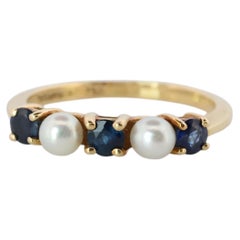
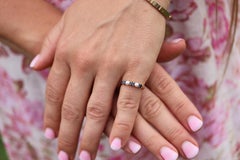
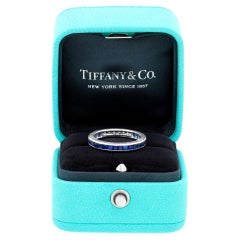
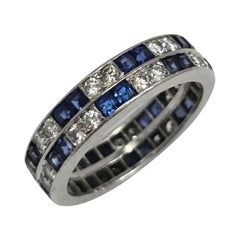
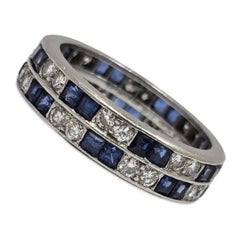
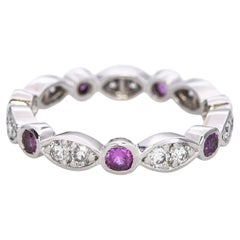
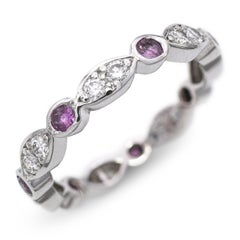
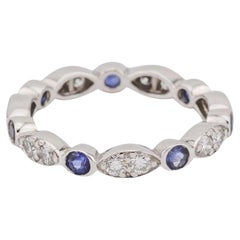
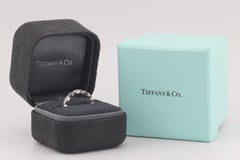
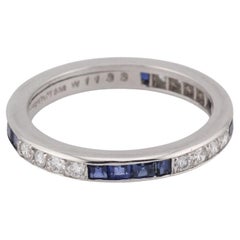
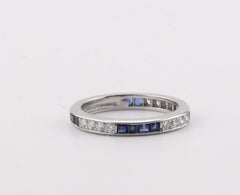
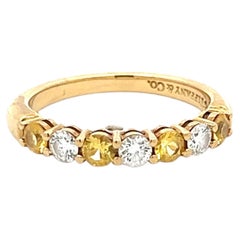
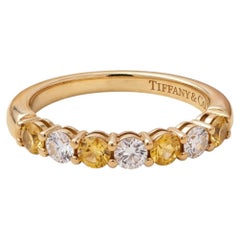
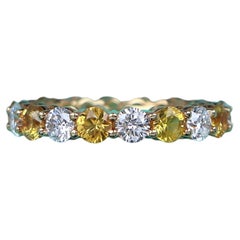
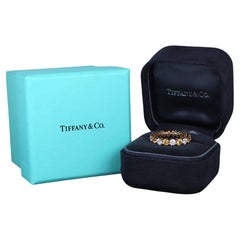
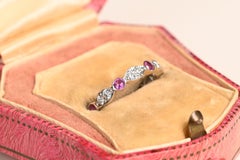
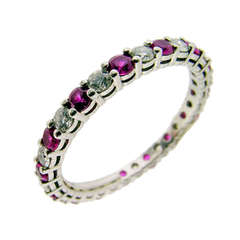
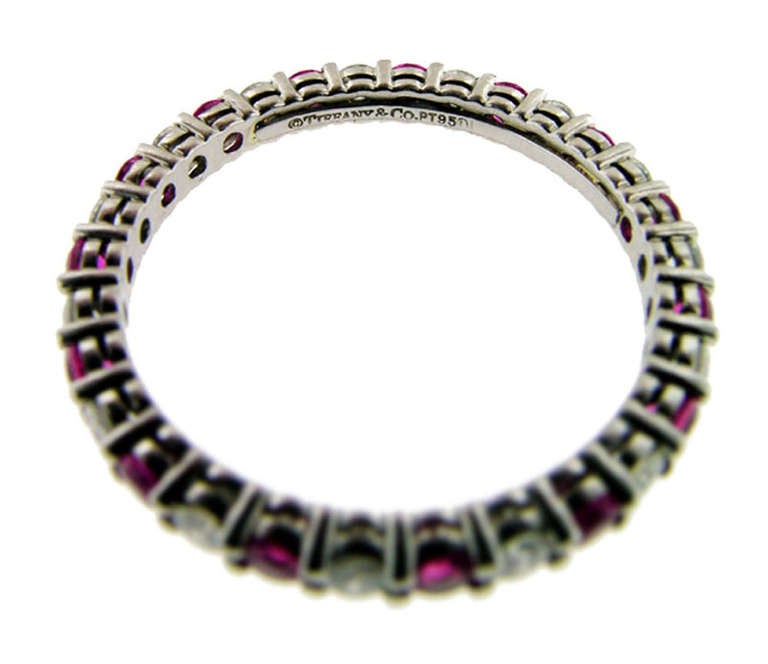
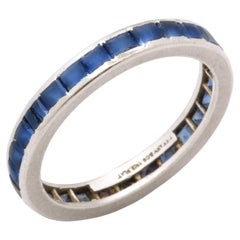
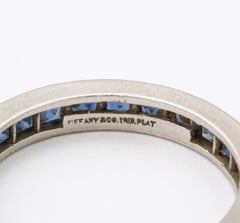
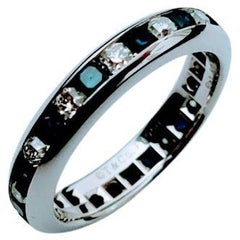
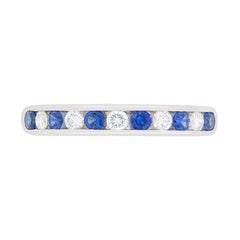
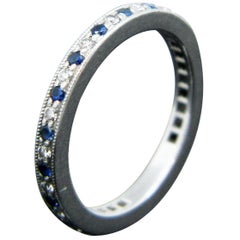
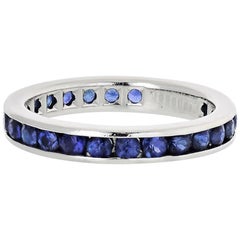
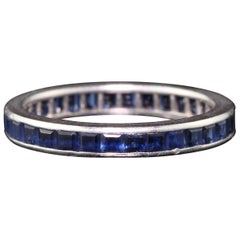
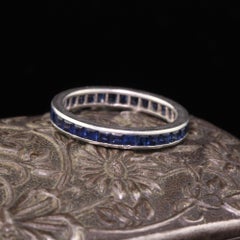
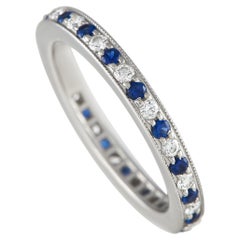
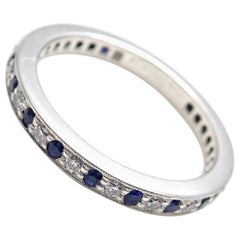
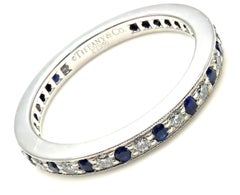
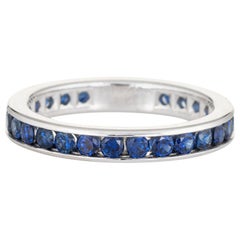
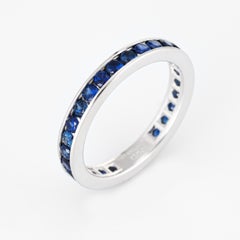
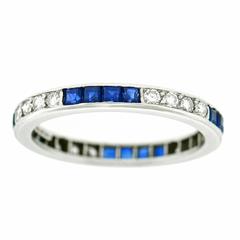
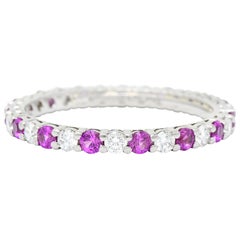
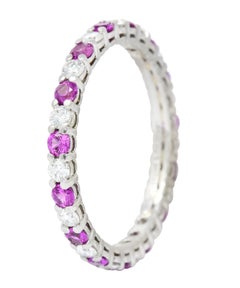
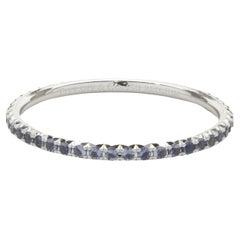
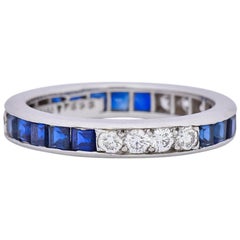
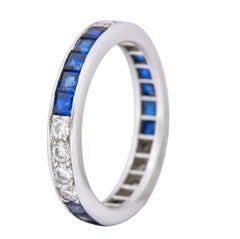
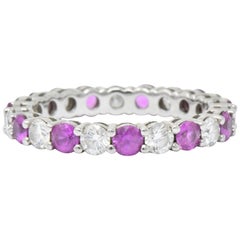
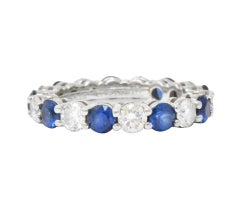
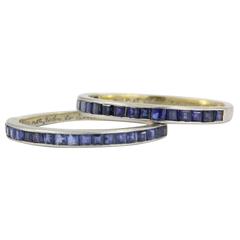
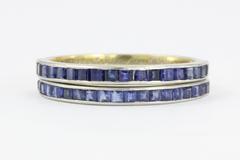
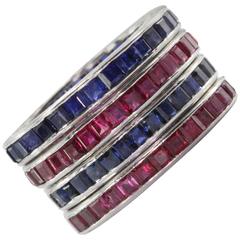
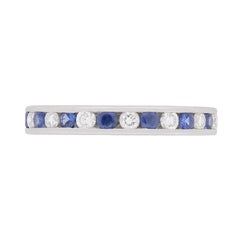
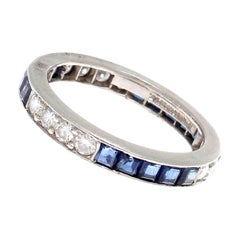
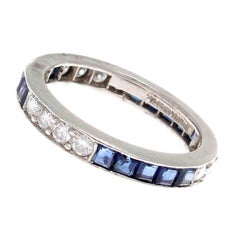
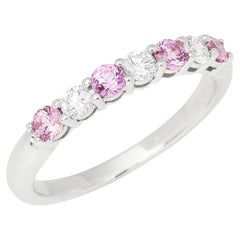
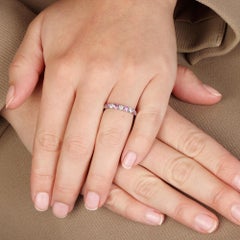
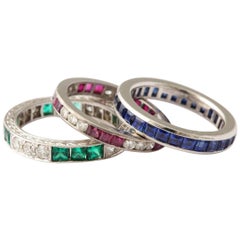
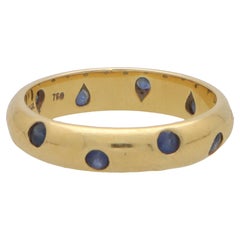
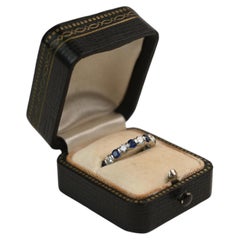
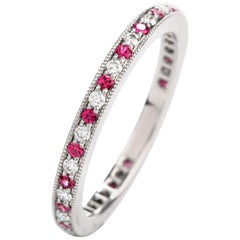
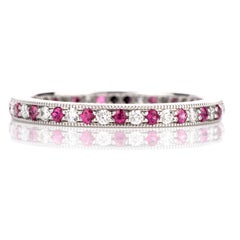
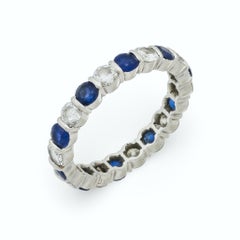
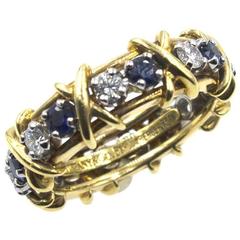
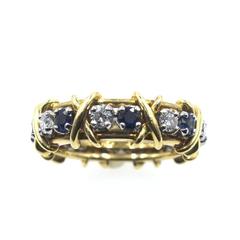
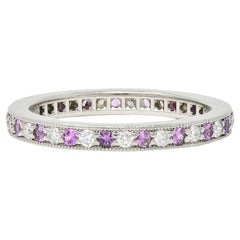
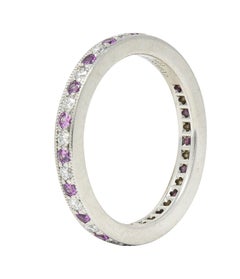
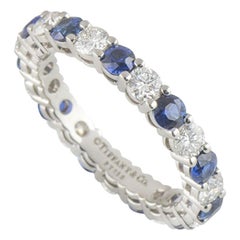
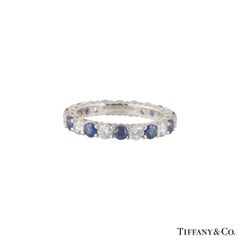
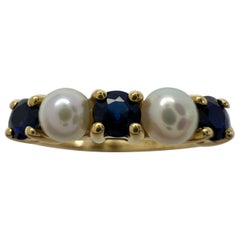
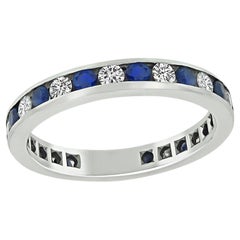
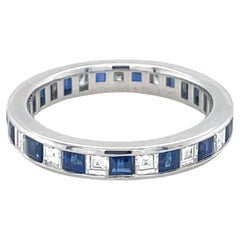
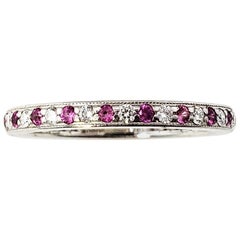
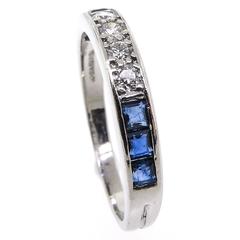
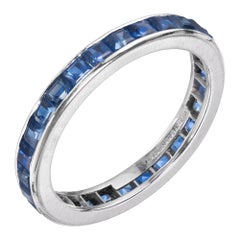
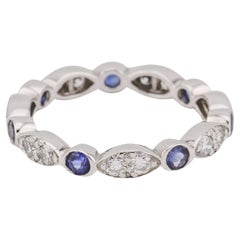
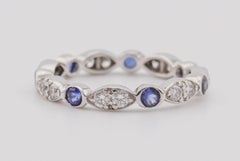
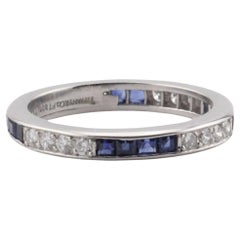
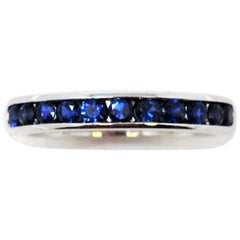
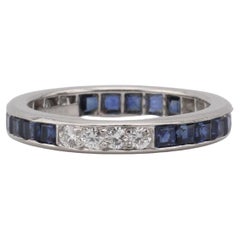
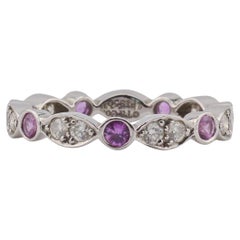
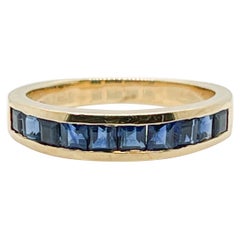
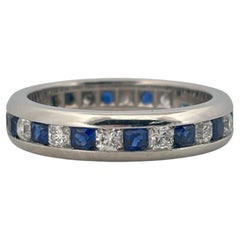
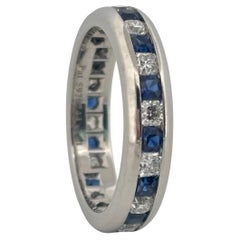
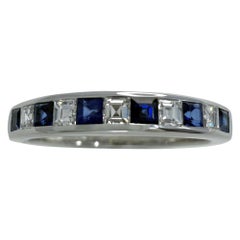
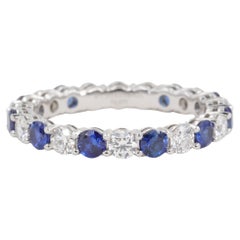
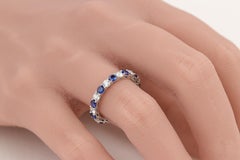
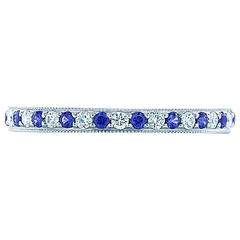
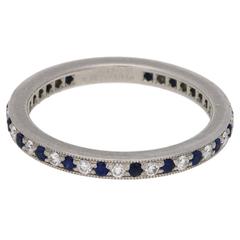
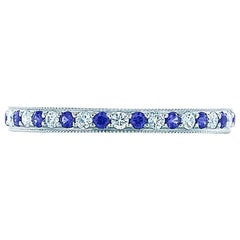
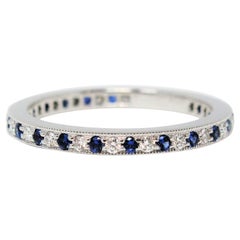
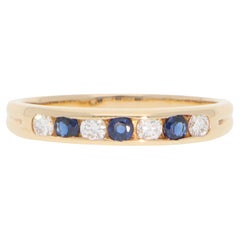
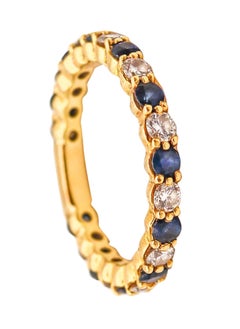
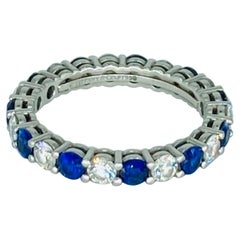
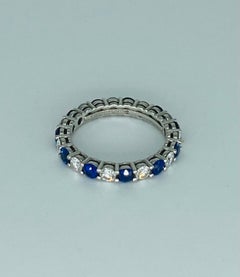
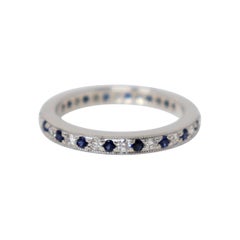
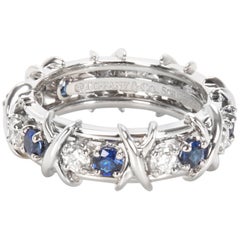
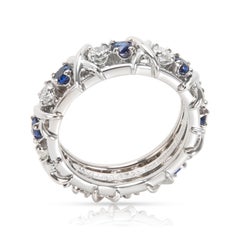
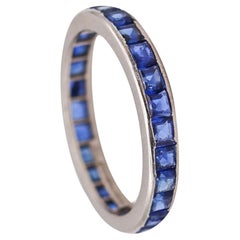
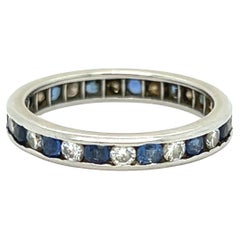
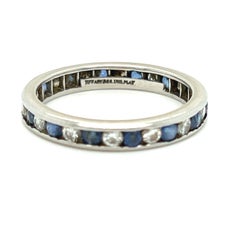
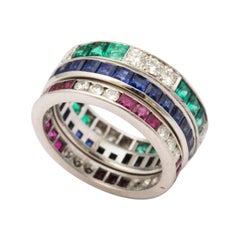
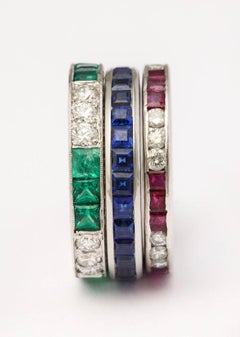
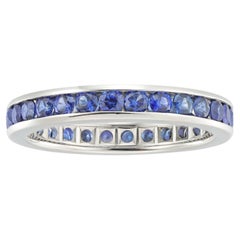
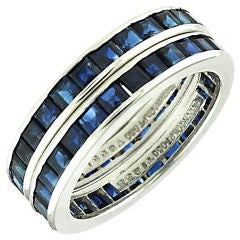
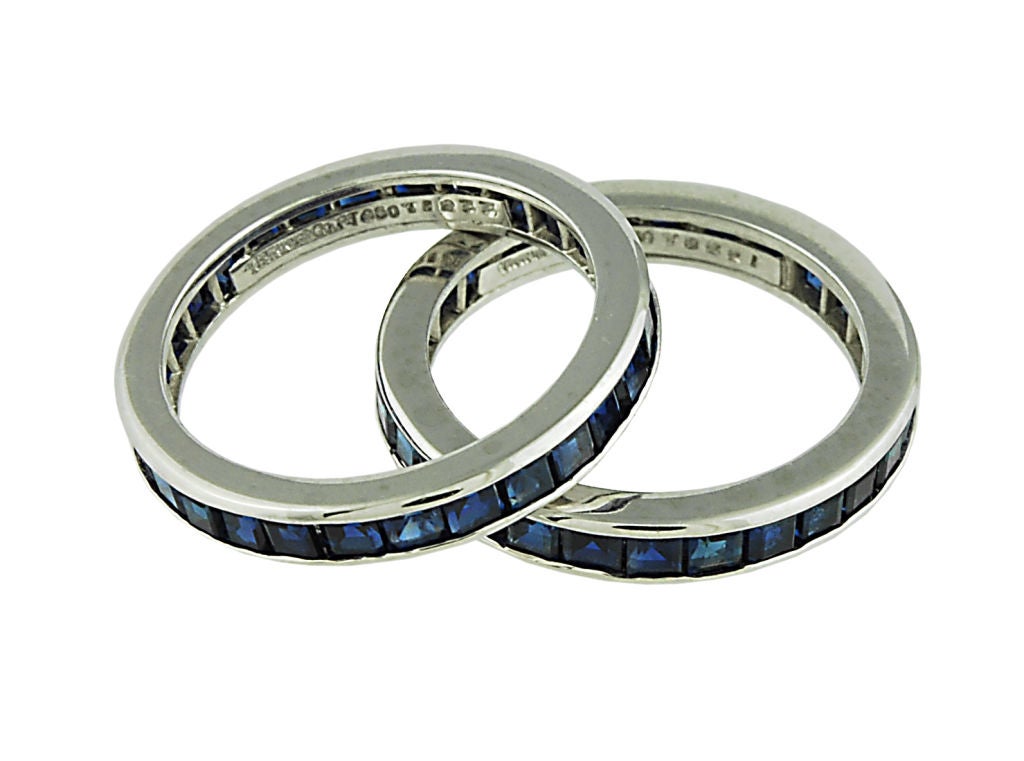
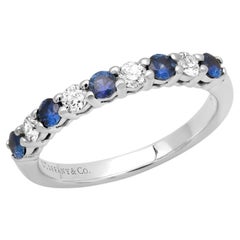
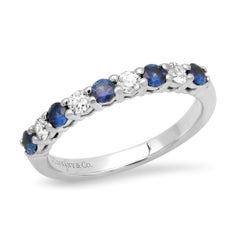
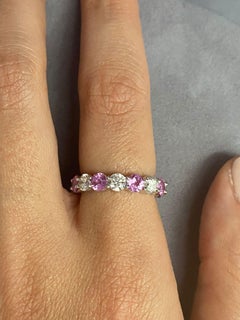
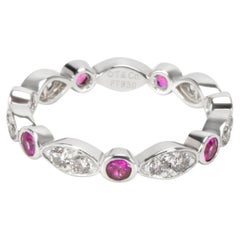
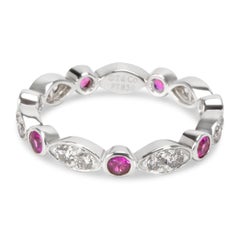
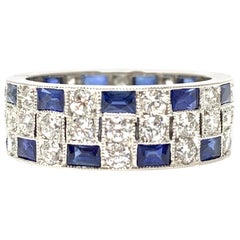
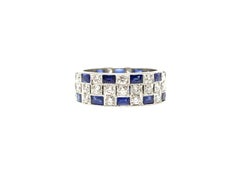
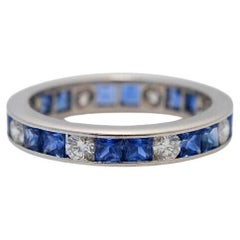
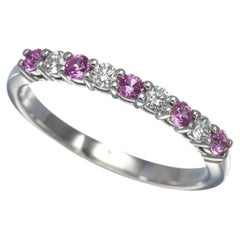
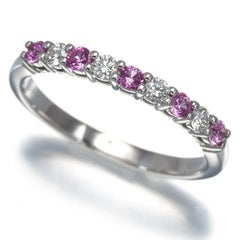
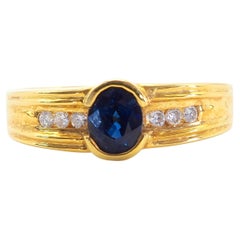
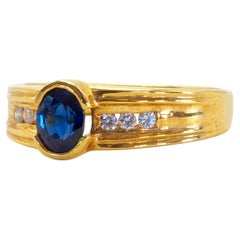
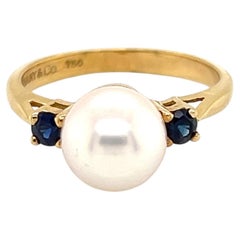
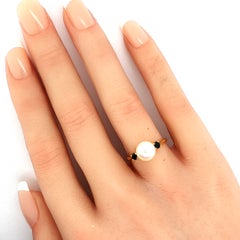
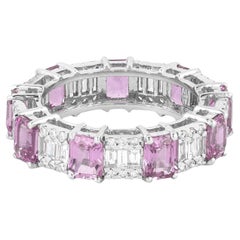
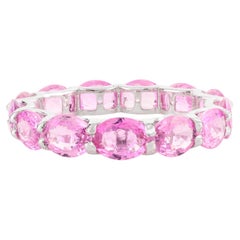
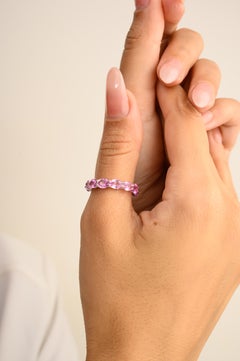
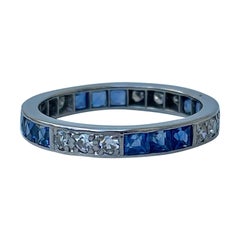
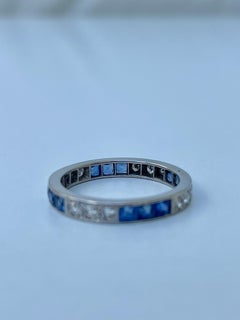
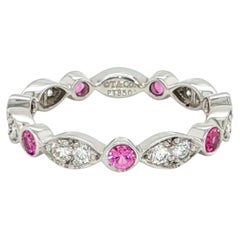
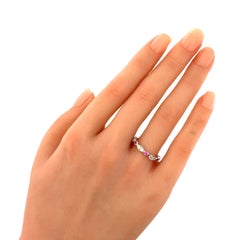
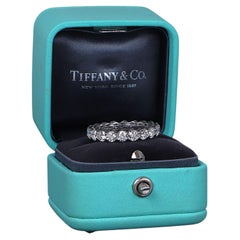
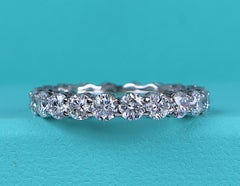
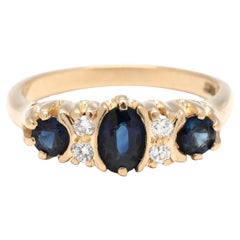
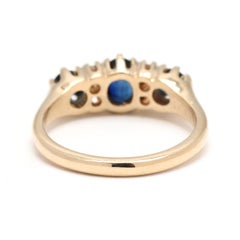
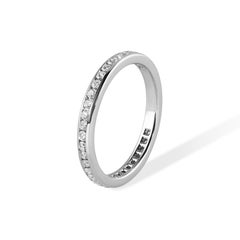
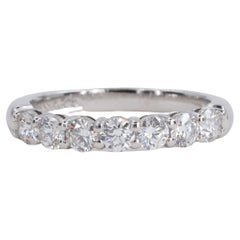
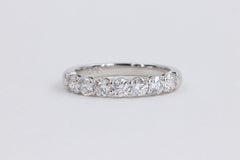
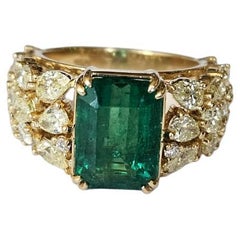
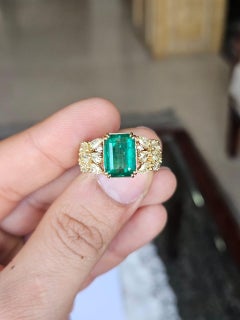
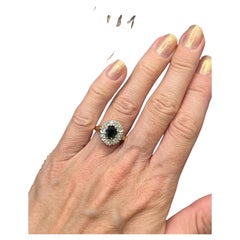
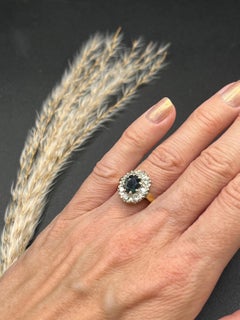
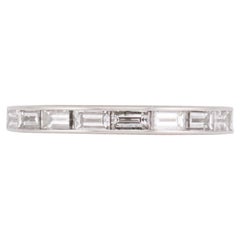
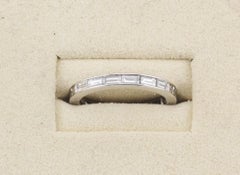
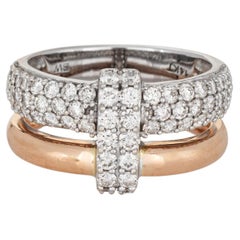
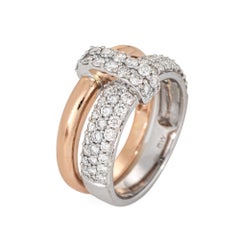
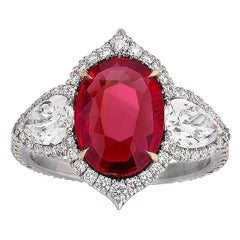
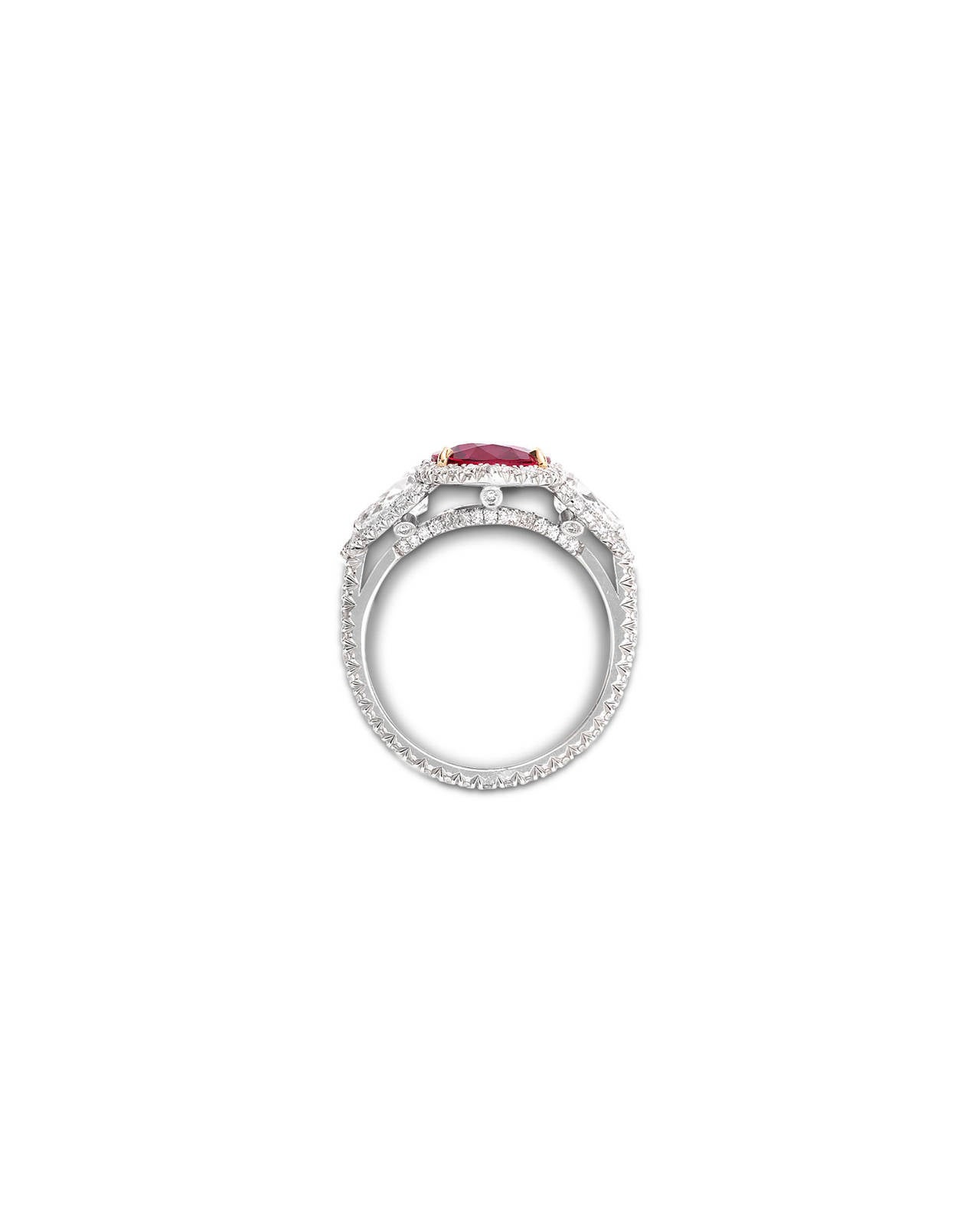
Tiffany Sapphire Eternity Band For Sale on 1stDibs
You are likely to find exactly the tiffany sapphire eternity band you’re looking for on 1stDibs, as there is a broad range for sale. Every item for sale was constructed with extraordinary care, often using
Platinum,
Gold and
18k Gold. In our selection of items, you can find a vintage example as well as a contemporary version. Making the right choice when shopping for a tiffany sapphire eternity band may mean carefully reviewing examples of this item dating from different eras — you can find an early iteration of this piece from the 20th Century and a newer version made as recently as the 21st Century, both of which have proven very popular over the years. For this particular accessory, there are many different carat weights to choose from, but
.5 Carat and
1 Carat versions are of considerable interest. A
round cut version of this piece has appeal, but there are also
emerald cut and
french cut versions for sale. When shopping for a tiffany sapphire eternity band, you’ll find that there are less available pieces for unisex or
men today than there are for
women.
How Much is a Tiffany Sapphire Eternity Band?
Prices for a tiffany sapphire eternity band can differ depending upon size, time period and other attributes — at 1stDibs, these accessories begin at $1,450 and can go as high as $16,500, while this accessory, on average, fetches $3,025.
Tiffany & Co. for sale on 1stDibs
Tiffany & Co. is one of the most prominent purveyors of luxury goods in the United States, and has long been an important arbiter of style in the design of diamond engagement rings. A young Franklin Delano Roosevelt proposed to his future wife, Eleanor, with a Tiffany ring in 1904. Vanderbilts, Whitneys, Astors and members of the Russian imperial family all wore Tiffany & Co. jewelry. And Jacqueline Kennedy Onassis preferred Tiffany china for state dinners at the White House.
Although synonymous with luxury today, the firm started out rather modestly. Charles Lewis Tiffany and John B. Young founded it in Connecticut as a “stationery and fancy goods emporium” in 1837, at a time when European imports still dominated the nascent American luxury market. In 1853, Charles Tiffany — who in 1845 had launched the company’s famed catalog, the Blue Book, and with it, the firm’s signature robin’s-egg blue, which he chose for the cover — shifted the focus to fine jewelry.
In 1868, Tiffany & Co. gained international recognition when it became the first U.S. firm to win an award for excellence in silverware at the Exposition Universelle in Paris. From then on, it belonged to the pantheon of American luxury brands.
At the start of the Gilded Age, in 1870, Tiffany & Co. opened its flagship store, described as a "palace of jewels" by the New York Times, at 15 Union Square West in Manhattan. Throughout this period, its designs for silver tableware, ceremonial silver, flatware and jewelry were highly sought-after indicators of status and taste. They also won the firm numerous accolades, including the grand prize for silverware at the Paris Exposition of 1878. Among the firm’s glittering creations from this time are masterworks of Art Nouveau jewelry, such as this delicate aquamarine necklace and this lavish plique-à-jour peridot and gold necklace, both circa 1900.
When Charles Lewis Tiffany died, in 1902, his son Louis Comfort Tiffany became the firm’s design director. Under his leadership, the Tiffany silver studio was a de facto design school for apprentice silversmiths, who worked alongside head artisan Edward C. Moore. The firm produced distinctive objects inspired by Japanese art and design, North American plants and flowers, and Native American patterns and crafts, adding aesthetic diversity to Tiffany & Co.’s distinguished repertoire.
Tiffany is also closely associated with diamonds, even lending its name to one particularly rare and exceptional yellow stone. The firm bought the Tiffany diamond in its raw state from the Kimberley mines of South Africa in 1878. Cut to create a 128.54-carat gem with an unprecedented 82 facets, it is one of the most spectacular examples of a yellow diamond in the world.
In a broader sense, Tiffany & Co. helped put diamonds on the map in 1886 by introducing the American marketplace to the solitaire diamond design, which is still among the most popular engagement-ring styles. The trademark Tiffany® Setting raises the stone above the band on six prongs, allowing its facets to catch the light. A lovely recent example is this circa-2000 platinum engagement ring. Displaying a different design and aesthetic (but equally chic) is this exquisite diamond and ruby ring from the 1930s.
Find Tiffany & Co. jewelry, serveware and decorative objects for sale on 1stDibs.
The Legacy of Sapphire in Jewelry Design
On 1stDibs, shop the bright blue gems that star in sapphire rings, sapphire necklaces and other vintage and antique sapphire jewelry.
Sapphires — the stone of choice for Napoleon, Princess Diana and Elizabeth Taylor — have been a favorite of aristocrats and the well-to-do since the time of the Ancient Greeks.
Picture a sapphire. If the stone you conjure is a deep cornflower blue, you’re seeing only part of the picture. Although blue Kashmirs are considered the most valuable, sapphires come in every color except red. No matter the hue, this very special gem is rich in history and beloved by royals (FYI, Princess Diana and Kate Middleton share an 11-carat sapphire engagement ring), so September babies are in very noble company.
America’s version of royalty — old money and celebrities — have also shown a predilection for the blue stones. In 1940, John D. Rockefeller Jr. had Cartier mount a 62-carat sapphire he had bought from an Indian maharajah in a brooch for his first wife, Abby Aldrich Rockefeller; in 2001, the piece sold for a then-record of $3,031,000 at Christie’s New York.
The grand dame of jewelry, Elizabeth Taylor had a passion for the gems that her lovers were happy to indulge. Second husband Michael Wilding gave her an engagement ring set with a cabochon sapphire, while Richard Burton famously presented her with a BVLGARI sautoir set with diamonds and sapphires, including at its center a cabochon Burmese weighing 52.72 carats. One of the star lots in the sale of Taylor’s jewels at the Christie’s New York in 2011, it sold for $5,906,500.
You don’t have to have blue blood or a bulging bank account, however, to get an eyeful of this much-coveted gem. A number of outstanding examples reside in public collections.
The Smithsonian Museum of Natural History owns the 423-carat Logan sapphire, a gift from the Guggenheim family, and the Hall sapphire and diamond necklace, designed by Harry Winston and featuring 36 fine, well-matched cushion-cut Sri Lankan sapphires weighing a combined 195 carats. Also in the collection is the Bismarck sapphire necklace, designed by Cartier and sporting a central sapphire weighing 98.6 carats, which Mona Von Bismarck donated to the museum.
Sapphires are composed of corundum. Their color derives from trace elements, such as iron, titanium, chromium, copper or magnesium. When the trace element produces a ruby hue, the stone is called, what else, a ruby. (which is, as mentioned above, why sapphires cannot be red by definition).
The allure of large gemstones endures throughout the periods characterized as vintage, and sapphire features frequently in vintage engagement rings. (On 1stDibs, a range of buying guides can be found for those in the market for antique engagement rings, vintage engagement rings or Art Deco engagement rings.)
Find an exquisite collection of vintage and antique sapphire jewelry on 1stDibs.
Finding the Right Band-rings for You
If you’re shopping for antique and vintage band rings, you likely know that this particular kind of ring is among the most versatile in jewelry.
You don’t need a special occasion to dazzle friends with a flashy sapphire band ring or to make a statement with a wide band ring — this accessory knows no boundaries, and many different iterations have materialized over the years. Whether you’re seeking an unadorned modern sterling-silver band ring for everyday wear or dual gold wedding bands for the big day, there are lots of options waiting for you.
On 1stDibs, there are enduring antique wedding bands to be found dating from the Victorian and Edwardian eras. Jewelers who were active during the reign of Queen Victoria — specifically, the Romantic period — designed rings with large colorful gemstones and decorative motifs, while the jewelry of the latter era was all about the exquisite diamond, platinum and pearl creations made by such famous names as Cartier and Boucheron. Matching wedding bands, which may reduce the stress of wedding-band shopping if you prefer a traditional route, afford you and your partner the chance to have the engagement ring and wedding bands in the same metal and design.
And because band rings aren’t necessarily relegated to black-tie events, they’ve come a long way, design-wise. David Yurman’s band rings, for example, are well known for their integration of mixed metals, and the celebrated jewelry designer’s powerful silver and gold bracelets, rings, pendants and earrings frequently express his iconic industrial-cable motif.
A simple and chic band ring goes with anything, from the evening gown you’ve chosen for a weekend gala to the jeans and vintage tee you’ve thrown on for a casual lunch with colleagues. Browse a distinctive collection of contemporary and vintage diamond band rings, gold band rings and other accessories on 1stDibs today.