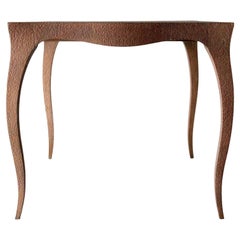
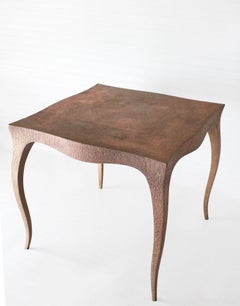
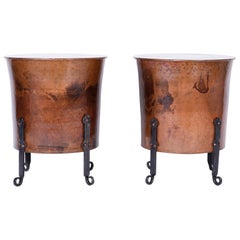
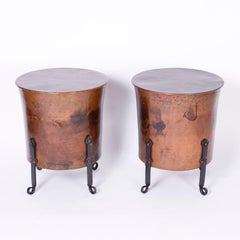
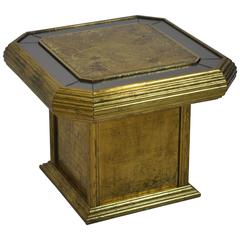
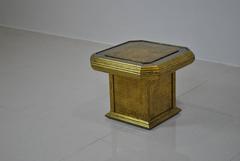
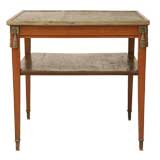
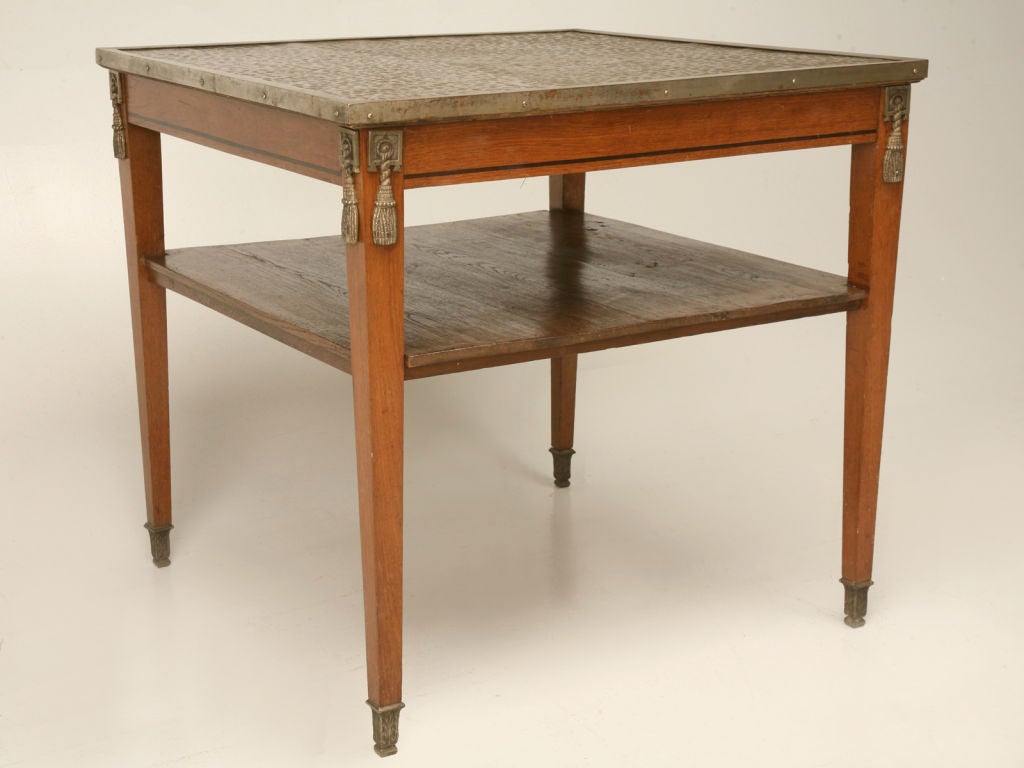
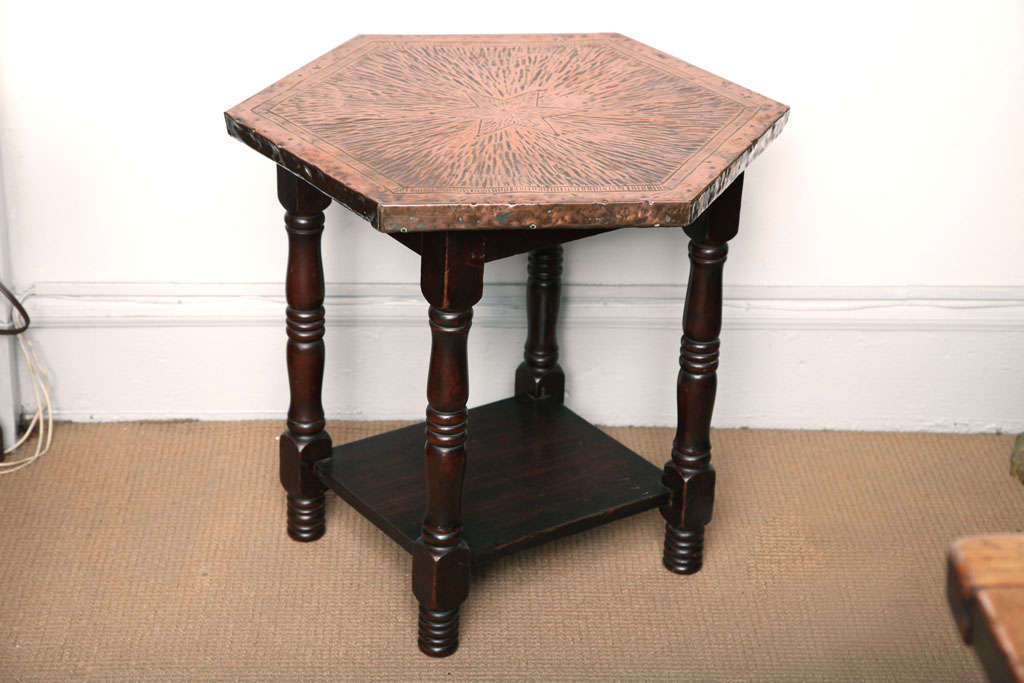
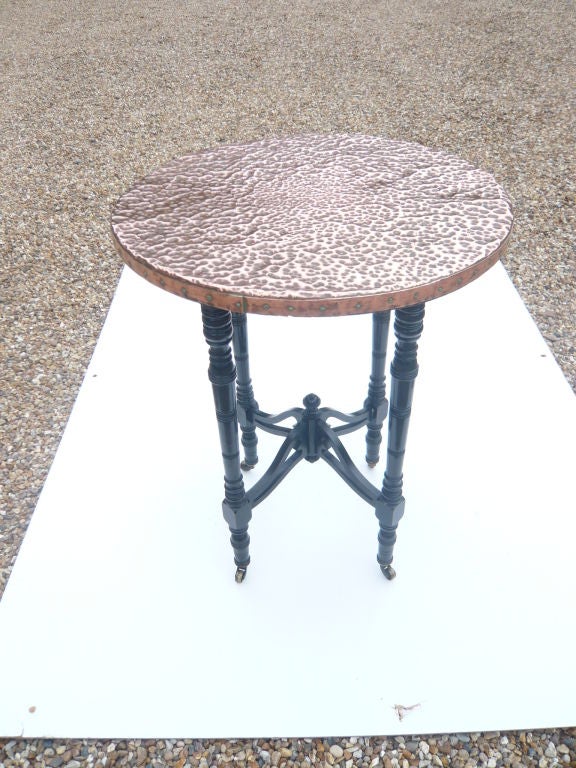
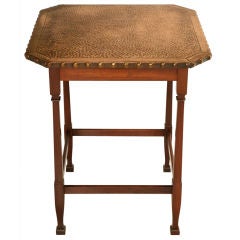
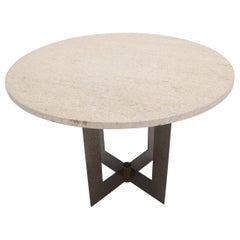
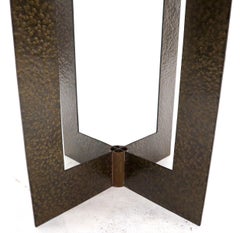
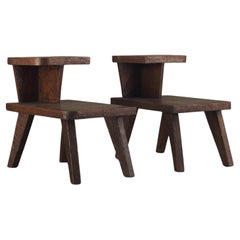
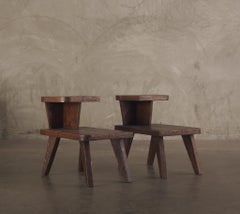
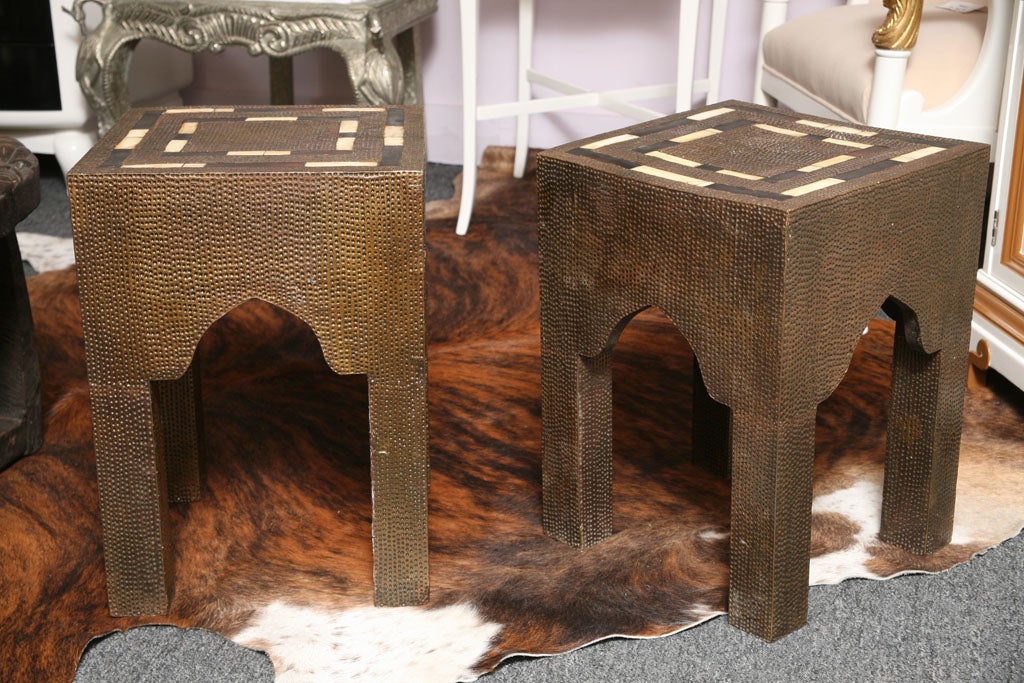
Find a variety of hammered copper end tables available on 1stDibs. Frequently made of
metal,
copper and
wood, all hammered copper end tables available were constructed with great care. There are all kinds of hammered copper end tables available, from those produced as long ago as the 19th Century to those made as recently as the 20th Century. Hammered copper end tables are generally popular furniture pieces, but
Art Deco,
Mid-Century Modern and
Modern styles are often sought at 1stDibs. Large hammered copper end tables can prove too imposing for some spaces, so the smaller hammered copper end tables available at 1stDibs — each spanning 17.25 inches in width — may make for a better choice.
From cupolas to cookware and fine art to filaments, copper metal has been used in so many ways since prehistoric times. Today, antique, new and vintage copper coffee tables, mirrors, lamps and other furniture and decor can bring a warm metallic flourish to interiors of any kind.
In years spanning 8,700 BC (the time of the first-known copper pendant) until roughly 3,700 BC, it may have been the only metal people knew how to manipulate.
Valuable deposits of copper were first extracted on the Mediterranean island of Cyprus around 4,000 BC — well before Europe’s actual Bronze Age (copper + tin = bronze). Tiny Cyprus is even credited with supplying all of Egypt and the Near East with copper for the production of sophisticated currency, weaponry, jewelry and decorative items.
In the 15th, 16th and 17th centuries, master painters such as Leonardo da Vinci, El Greco, Rembrandt and Jan Brueghel created fine works on copper. (Back then, copper-based pigments, too, were all the rage.) By the late 19th and early 20th centuries, decorative items like bas-relief plaques, trays and jewelry produced during the Art Deco, Arts and Crafts and Art Nouveau periods espoused copper. These became highly valuable and collectible pieces and remain so today.
Copper’s beauty, malleability, conductivity and versatility make it perhaps the most coveted nonprecious metal in existence. In interiors, polished copper begets an understated luxuriousness, and its reflectivity casts bright, golden and earthy warmth seldom realized in brass or bronze. (Just ask Tom Dixon.)
Outdoors, its most celebrated attribute — the verdigris patina it slowly develops from exposure to oxygen and other elements — isn’t the only hue it takes. Architects often refer to shades of copper as russet, ebony, plum and even chocolate brown. And Frank Lloyd Wright, Renzo Piano and Michael Graves have each used copper in their building projects.
Find antique, new and vintage copper furniture and decorative objects on 1stDibs.
Beyond just providing additional tabletop space for your living room, an attractive vintage end table can help you organize as well as display books and decorative objects.
The term “end table” is frequently used interchangeably with “coffee table,” and while these two furnishings have much in common, each offers their own distinctive benefits in your space.
Your end table is likely going to stand as tall as the arms of your sofa, and its depth will match the seating. These attributes allow for tucking the table neatly at the end of your sofa in order to provide an elevated surface between your seating and the wall. End tables are accent pieces — they’re a close cousin to side tables, but side tables, not unlike the show-stealing low-profile coffee table, are intended to be positioned prominently and have more to do with the flow and design of a room than an end table, which does a great job but does it out of the way of everything else.
End tables with a drawer or a shelf can easily stow away books or television remotes. Living-room end tables frequently assist with lighting, specifically as they’re often positioned adjacent to a wall. Their height and compact tabletop render them ideal for table lamps and plants, particularly if parked near a window.
And given their practicality, there is no shortage of simple, streamlined end tables from mid-century modern favorites such as Baker Furniture Company, Dunbar and Knoll that will serve your clutter-clearing minimalist efforts or wide-open loft space well. But over the years, furniture designers have taken to venturesome experimentation, crafting tables from fallen trees, introducing organic shapes and playing with sculptural forms, so much so that your understated end table might eventually become the centerpiece of a room, no matter where you choose to place it. One-of-a-kind contemporary designs prove that there are endless options for what an end table can be, while furniture makers working in the Art Deco style have proven that end tables can be stacked, staggered and nested at will, creating all kinds of variations on this popular home accent.
Find an extraordinary variety of antique, new and vintage end tables on 1stDibs today.