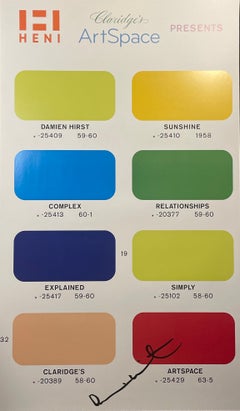
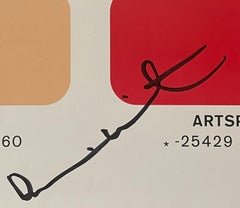
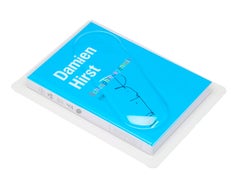
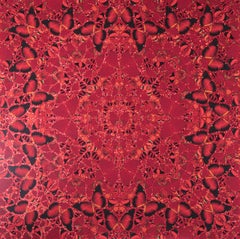
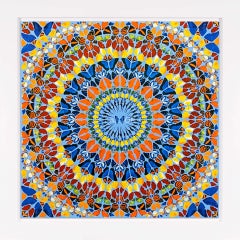
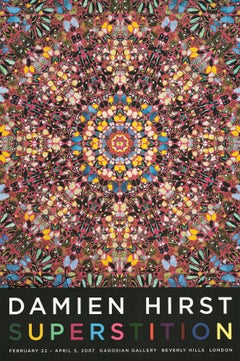
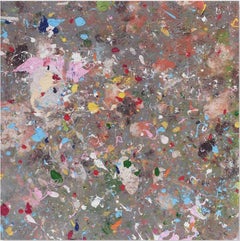
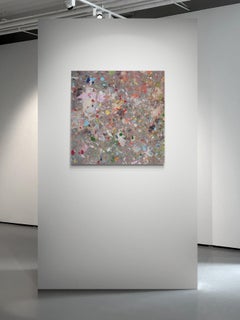
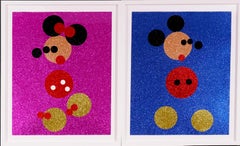
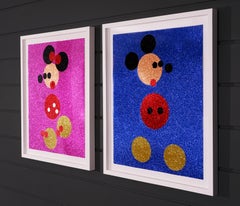
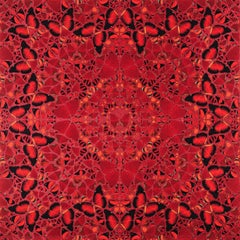
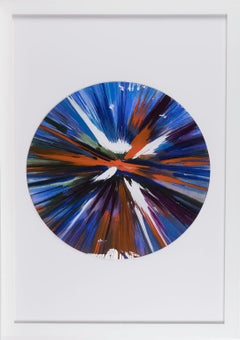
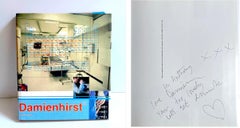
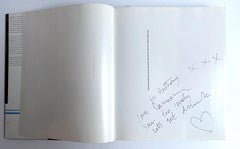
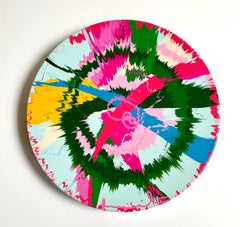
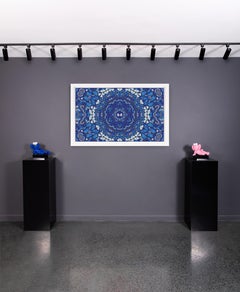
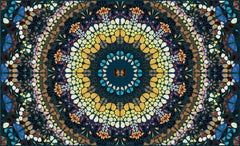
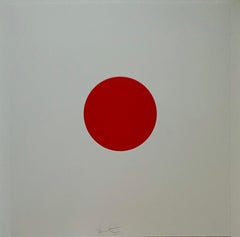
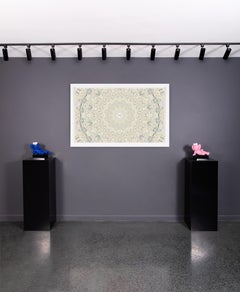
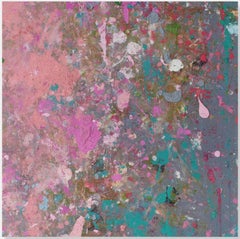
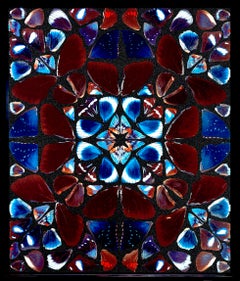
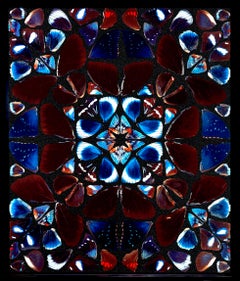
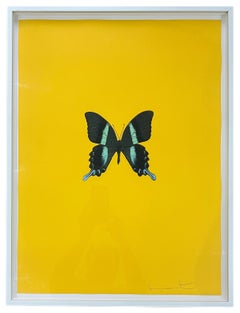
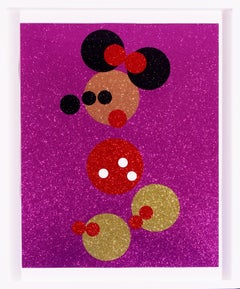
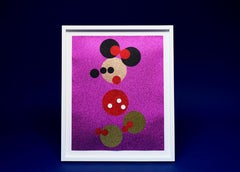
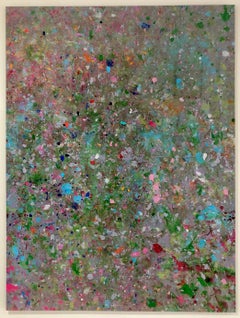
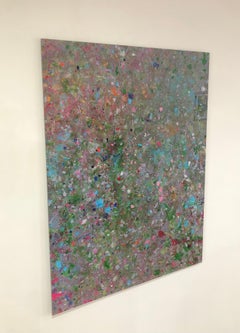
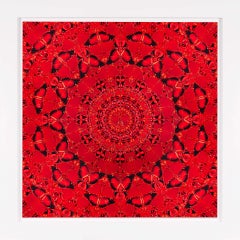
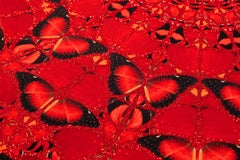
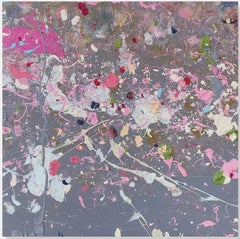
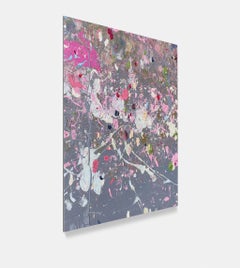
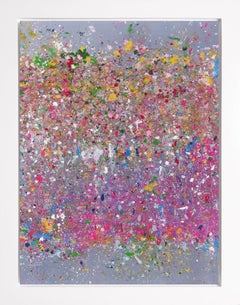
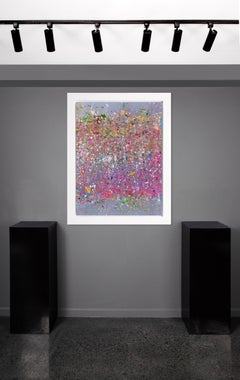
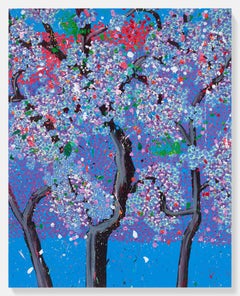
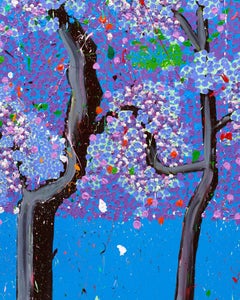
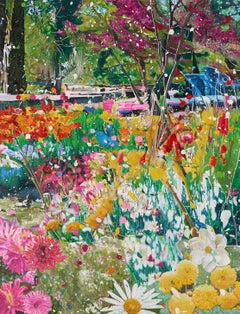
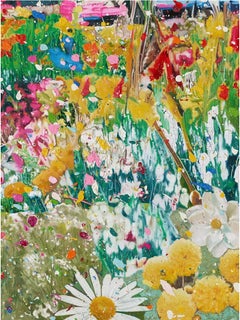
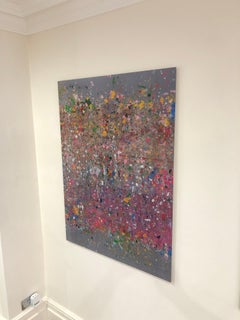
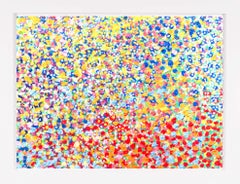
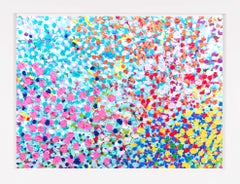
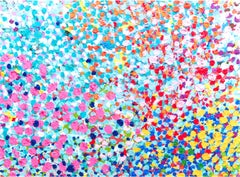
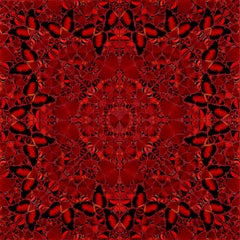
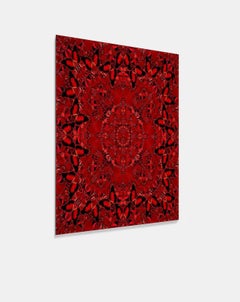
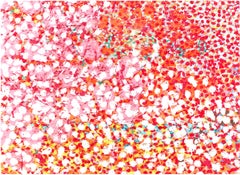
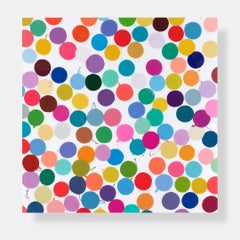
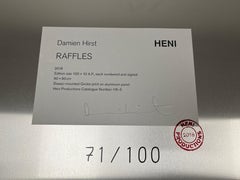
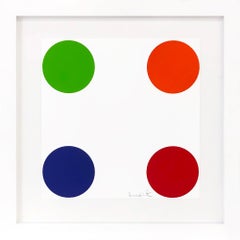
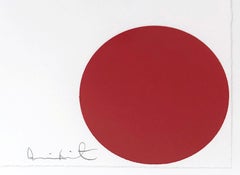
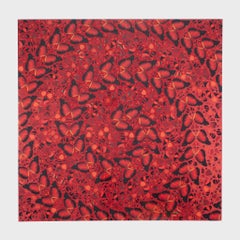
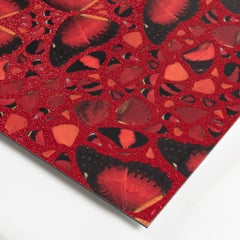
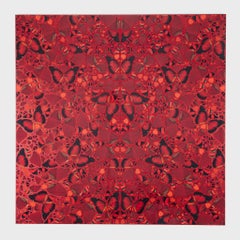
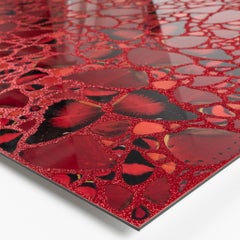
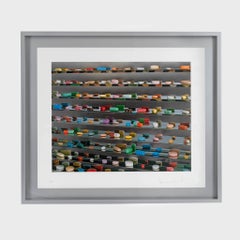
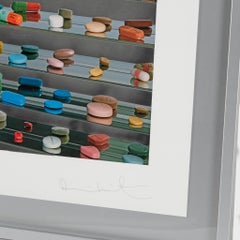
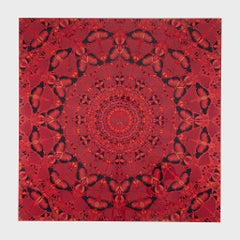
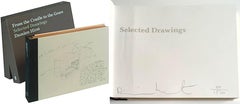
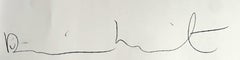
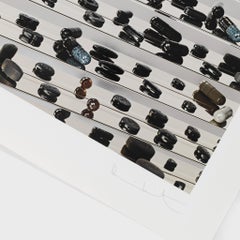
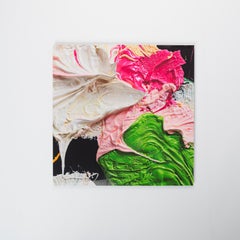
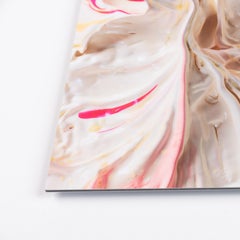
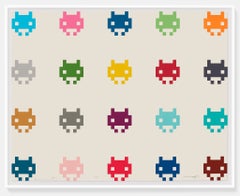
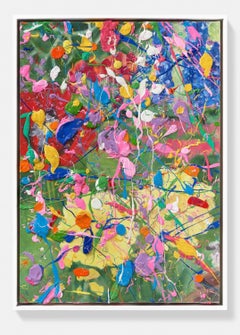
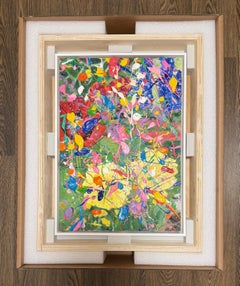
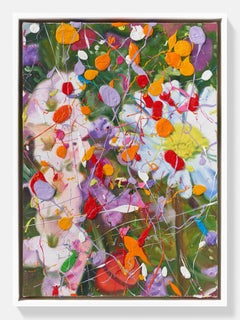
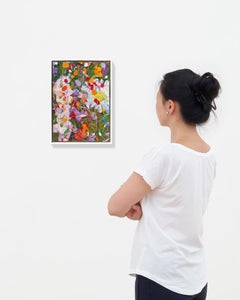
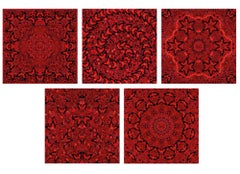
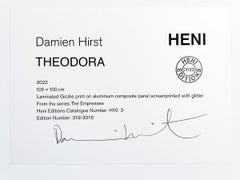
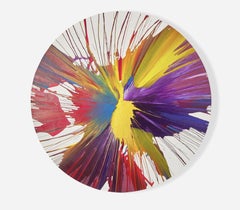
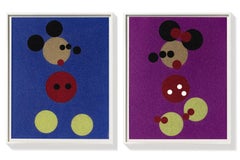
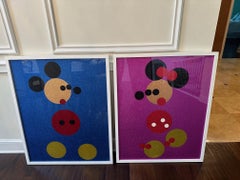
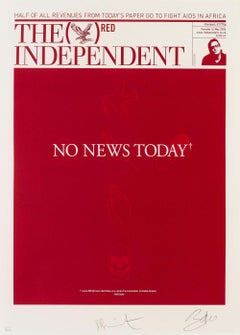
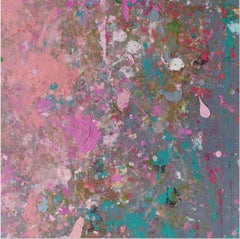
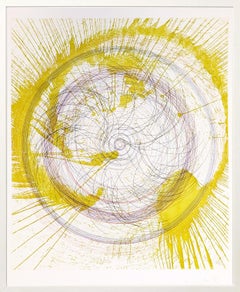
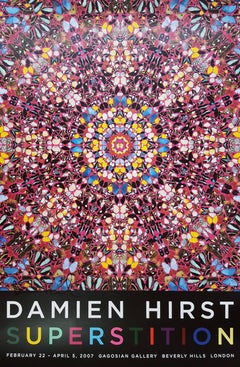
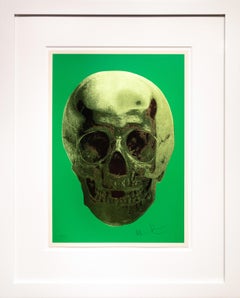
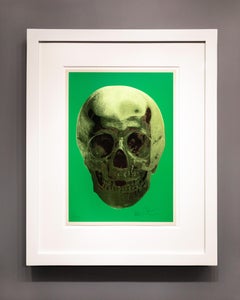
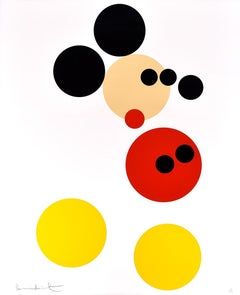
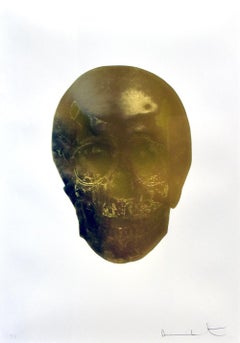
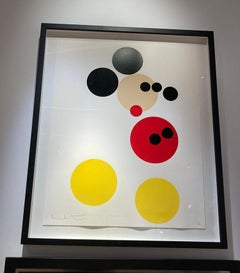
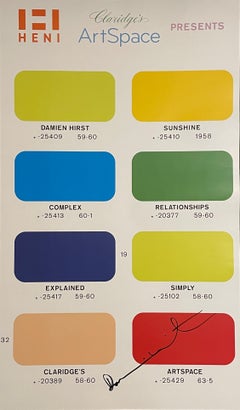
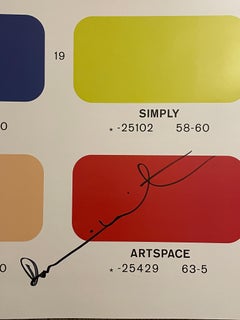
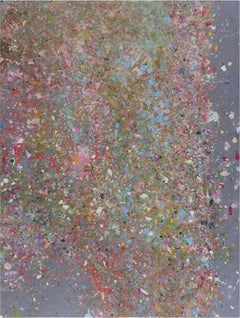
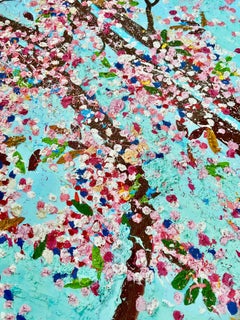
You are likely to find exactly the damien hirst signed you’re looking for on 1stDibs, as there is a broad range for sale. There are many
Contemporary,
Abstract and
Pop Art versions of these works for sale. Making the right choice when shopping for a damien hirst signed may mean carefully reviewing examples of this item dating from different eras — you can find an early iteration of this piece from the 20th Century and a newer version made as recently as the 21st Century. Adding a damien hirst signed to a room that is mostly decorated in warm neutral tones can yield a welcome change — find a piece on 1stDibs that incorporates elements of
beige,
black,
brown,
pink and more. Artworks like these — often created in
acrylic paint,
etching and
lithograph — can elevate any room of your home. If space is limited, you can find a small damien hirst signed measuring 12.75 high and 11.5 wide, while our inventory also includes works up to 36.23 across to better suit those in the market for a large damien hirst signed.
The price for an artwork of this kind can differ depending upon size, time period and other attributes — a damien hirst signed in our inventory may begin at $500 and can go as high as $30,035, while the average can fetch as much as $6,330.
British artist Damien Hirst is widely considered the enfant terrible of contemporary art. He is the most prominent of the so-called Young British Artists, or YBAs, a group, largely composed of Hirst’s classmates at Goldsmiths, in London, that began exhibiting together in warehouses and factories after 1988 and is known for the use of unconventional materials and “shock tactics” in his paintings, prints, sculptures and other works.
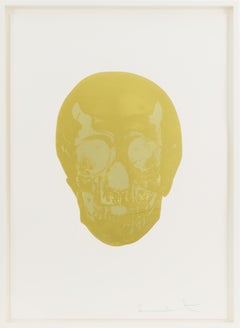
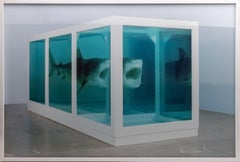
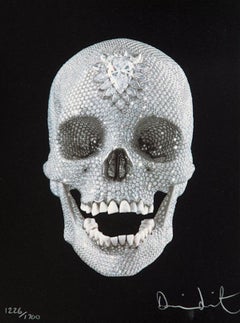
In the 1990s, Hirst said, “I can’t wait to get into a position to make really bad art and get away with it.” And indeed, he is notorious for piquing critics and baffling the public with such pieces as his signature glass vitrines containing dead sheep or sharks in formaldehyde, and his diamond-encrusted skull, For the Love of God.
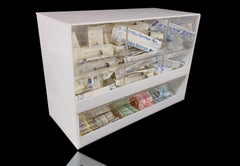
Working primarily in sculpture, Hirst takes after French modernist master Marcel Duchamp in his use of ready-made objects and materials, which he combines to ironic effect. He often creates in series, as with "The Cure (Violet)" and "The Cure (Turquoise)," both from 2014, which are among several pill paintings referencing Andy Warhol’s embrace of mass production.
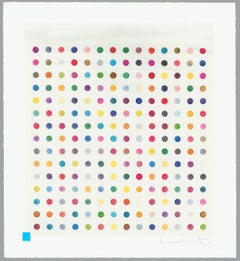
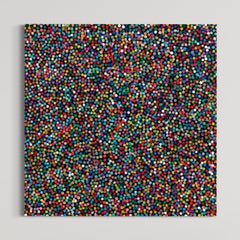
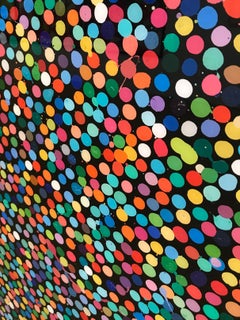
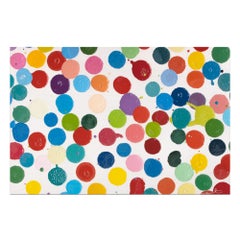
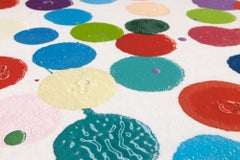
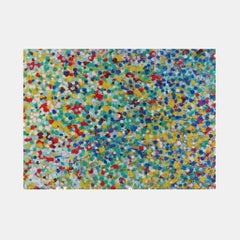
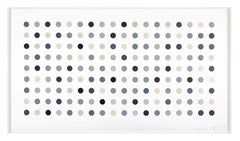
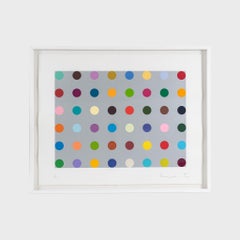
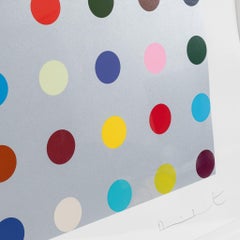
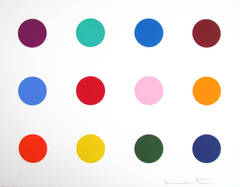
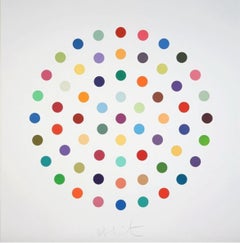
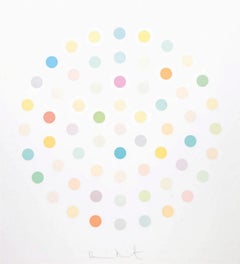
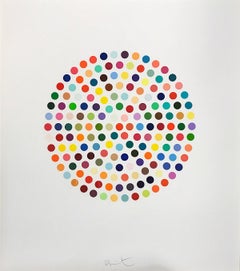
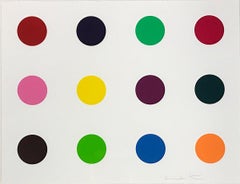
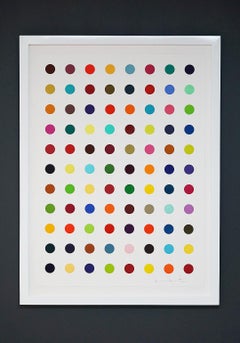
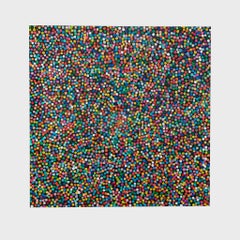
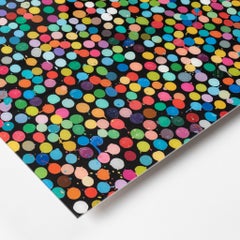
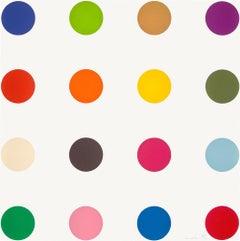
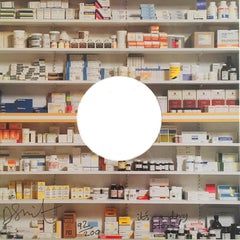
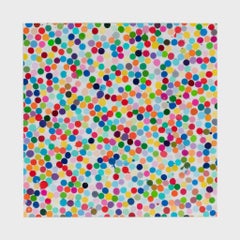
Belonging to Hirst's ongoing series of “spot” paintings, begun in the 1980s, the 2005 piece Xylene Cyanol Dye Solution is striking for its machinelike, industrial uniformity and almost childlike simplicity, a seeming rebuke to the idea of the artist-as-genius.
In addition to making art, Hirst has launched stores that sell editioned works (Other Criteria), a restaurant (Pharmacy2) and even his own London museum (Newport Street Gallery).
Find original Damien Hirst paintings, prints and other works on 1stDibs.
Decorating with fine art prints — whether they’re figurative prints, abstract prints or another variety — has always been a practical way of bringing a space to life as well as bringing works by an artist you love into your home.
Pursued in the 1960s and ’70s, largely by Pop artists drawn to its associations with mass production, advertising, packaging and seriality, as well as those challenging the primacy of the Abstract Expressionist brushstroke, printmaking was embraced in the 1980s by painters and conceptual artists ranging from David Salle and Elizabeth Murray to Adrian Piper and Sherrie Levine.
Printmaking is the transfer of an image from one surface to another. An artist takes a material like stone, metal, wood or wax, carves, incises, draws or otherwise marks it with an image, inks or paints it and then transfers the image to a piece of paper or other material.
Fine art prints are frequently confused with their more commercial counterparts. After all, our closest connection to the printed image is through mass-produced newspapers, magazines and books, and many people don’t realize that even though prints are editions, they start with an original image created by an artist with the intent of reproducing it in a small batch. Fine art prints are created in strictly limited editions — 20 or 30 or maybe 50 — and are always based on an image created specifically to be made into an edition.
Many people think of revered Dutch artist Rembrandt as a painter but may not know that he was a printmaker as well. His prints have been preserved in time along with the work of other celebrated printmakers such as Pablo Picasso, Salvador Dalí and Andy Warhol. These fine art prints are still highly sought after by collectors.
“It’s another tool in the artist’s toolbox, just like painting or sculpture or anything else that an artist uses in the service of mark making or expressing him- or herself,” says International Fine Print Dealers Association (IFPDA) vice president Betsy Senior, of New York’s Betsy Senior Fine Art, Inc.
Because artist’s editions tend to be more affordable and available than his or her unique works, they’re more accessible and can be a great opportunity to bring a variety of colors, textures and shapes into a space.
For tight corners, select small fine art prints as opposed to the oversized bold piece you’ll hang as a focal point in the dining area. But be careful not to choose something that is too big for your space. And feel free to lean into it if need be — not every work needs picture-hanging hooks. Leaning a larger fine art print against the wall behind a bookcase can add a stylish installation-type dynamic to your living room. (Read more about how to arrange wall art here.)
Find fine art prints for sale on 1stDibs today.