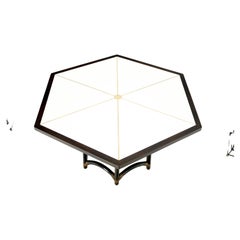
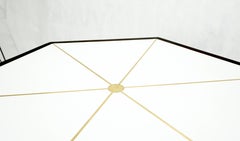
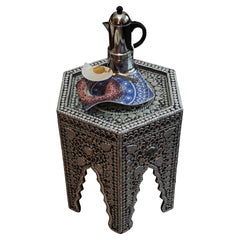
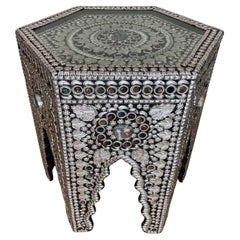
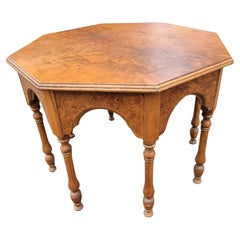
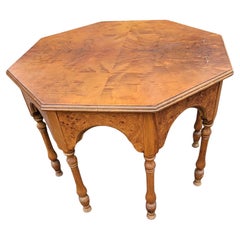
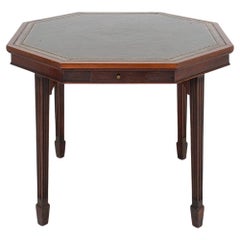
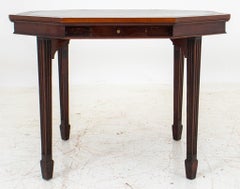
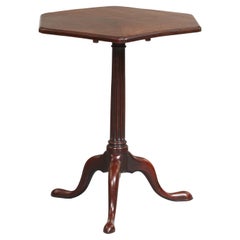
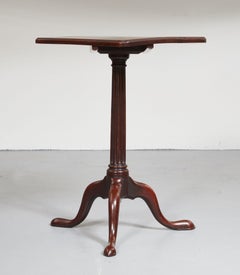
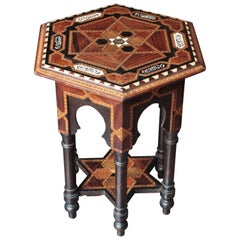
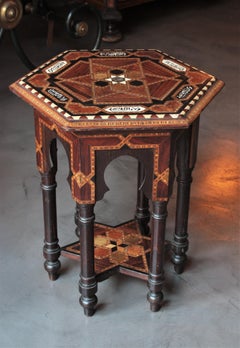
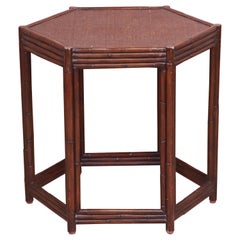
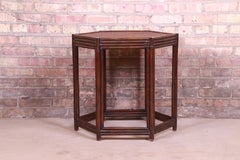
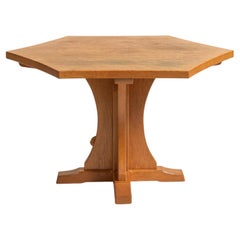
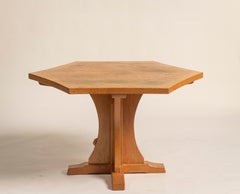
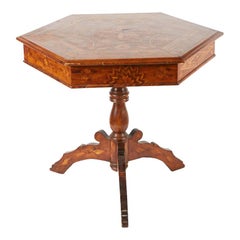
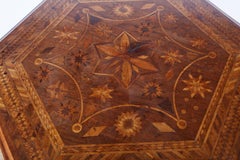
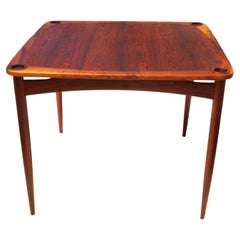
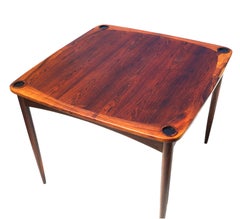
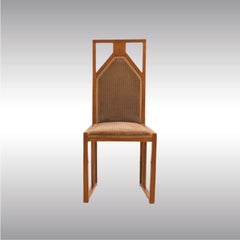
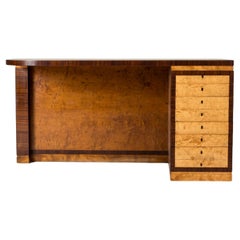
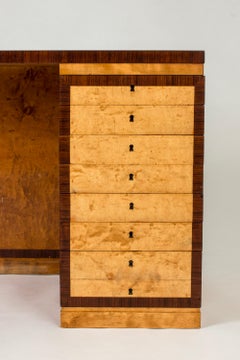
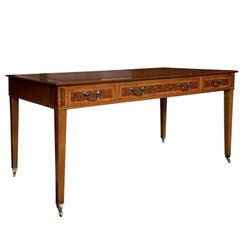
At 1stDibs, there are many versions of the ideal hexagon card table for your home. Each hexagon card table for sale was constructed with extraordinary care, often using
wood,
ceramic and
delft. Find 9 options for an antique or vintage hexagon card table now, or shop our selection of 2 modern versions for a more contemporary example of this long-cherished piece. Your living room may not be complete without a hexagon card table — find older editions for sale from the 19th Century and newer versions made as recently as the 21st Century. A hexagon card table is a generally popular piece of furniture, but those created in
Art Deco,
Art Nouveau and
Hollywood Regency styles are sought with frequency. A well-made hexagon card table has long been a part of the offerings for many furniture designers and manufacturers, but those produced by
Stephanie Odegard Collection and
Frederick Carder Steuben are consistently popular.
Prices for a hexagon card table can differ depending upon size, time period and other attributes — at 1stDibs, they begin at $495 and can go as high as $14,500, while the average can fetch as much as $6,297.
Today, the phrase “card tables” might evoke the image of common plastic tables covered in felt, but historically these tables were statement pieces that invited merriment and were made of mahogany, walnut or other fine woods. Today, antique and vintage card tables and tea tables can enliven a space and encourage spirited competition in your home.
Card tables originated in England in the late 17th century, and during this time, as well as the 18th century, game tables in general became quite popular. We refer to early versions of card tables as antique Regency card tables because the Prince of Wales ruled England during the period and his official title was Regent. Back then, these furnishings were typically small, rectangular tables outfitted with hinged tops so that they could be opened to reveal a playing surface. Ornamental flourishes of the era might have included an integration of fine velvet or needlepoint as lining for the table’s surface. For furniture makers, wide adoption of a dense woven green material called baize for table covering — similar to felt but stronger — occurred during the early 1700s.
Tea became widely affordable during the early 1800s in England, and tea time exploded in popularity and involved large tea sets — especially during the Victorian era — as well as small, well-crafted tea tables. Your beverage was paired with petite baked goods, and the tea table would be home to teacups, saucers, a milk pot and other items. While tea tables are similar in design to card tables, the focus is more on presentation. Georgian card tables and tea tables — furniture made during the reign of England’s three Georges — were especially ornate. Some featured intricately carved design elements on each side and stood on elegantly curved legs. After all, tea time became a sacred ritual that society women dressed up for. It was a time to pause, reflect and sip a comforting beverage.
When no guests were visiting to enjoy tea or play games, owners could fold down both card tables and tea tables to their smaller size and tuck them away into a corner of the room.
Antique and vintage card tables and tea tables can make a lovely addition to any living room, entertainment room or game room. Find yours on 1stDibs.