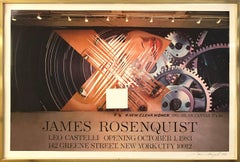
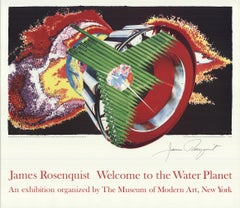
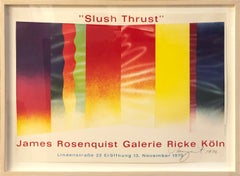
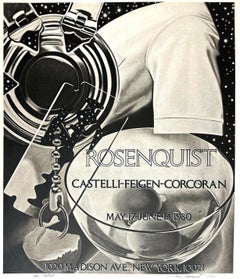
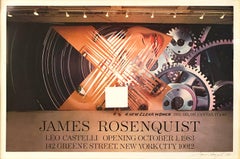
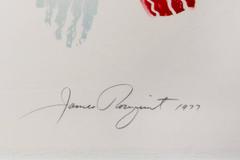
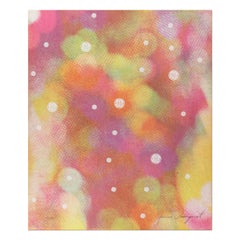
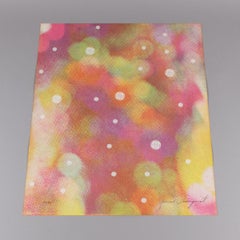
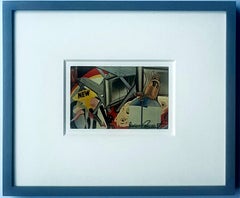
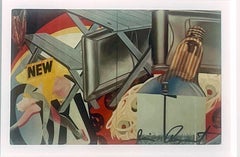
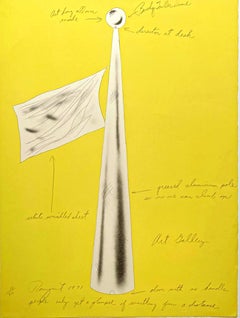
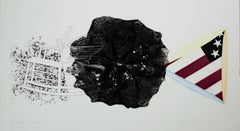
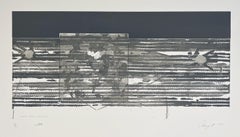
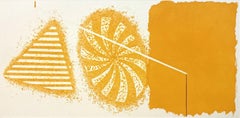
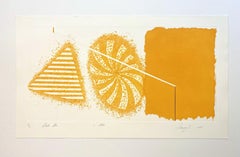
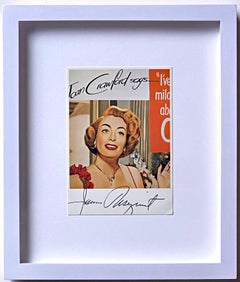
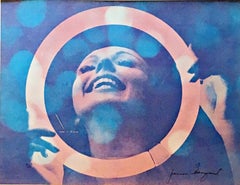
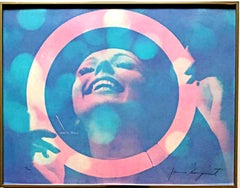
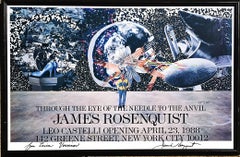
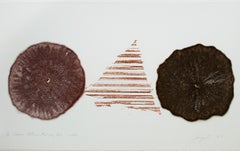
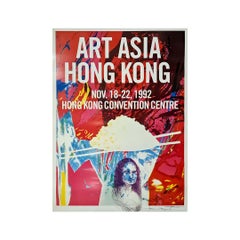
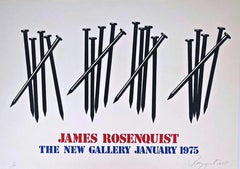
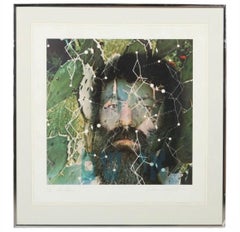
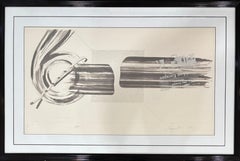
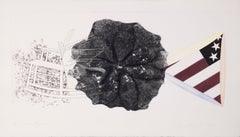
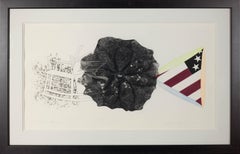
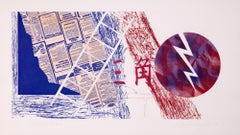
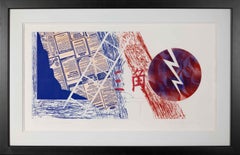
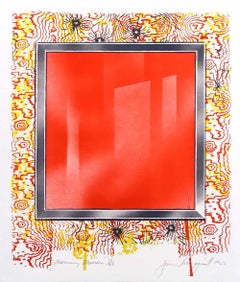
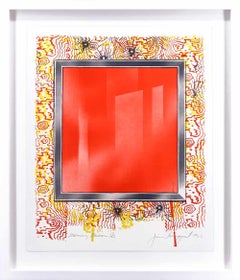
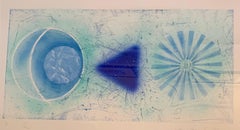
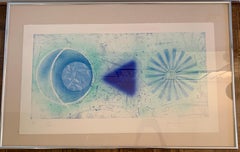
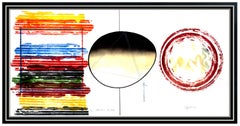
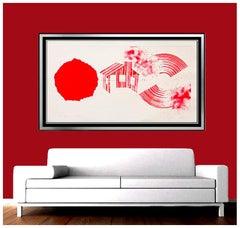
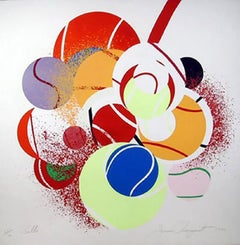
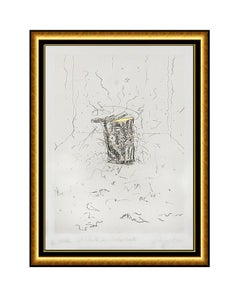
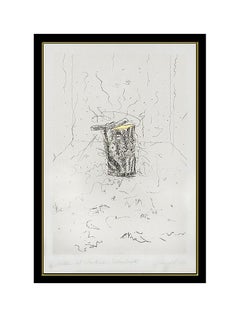
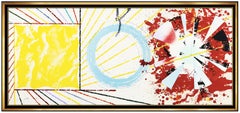
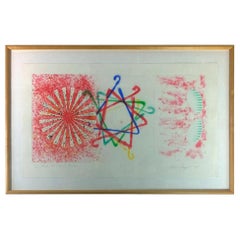
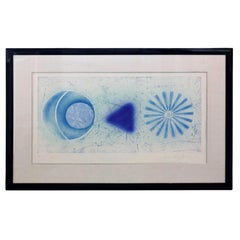
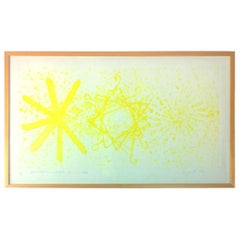
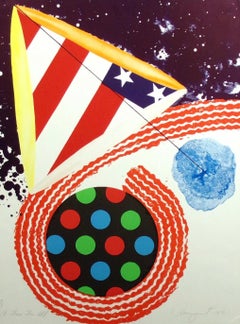
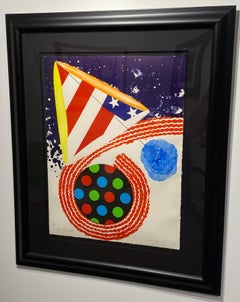
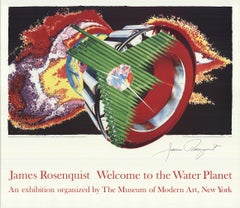
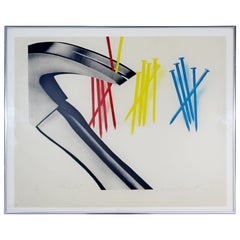
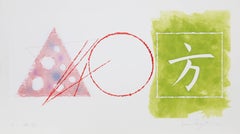
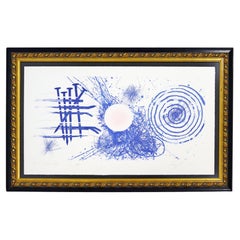
Surely you’ll find the exact james rosenquist signed you’re seeking on 1stDibs — we’ve got a vast assortment for sale. There are many
Pop Art,
abstract and
modern versions of these works for sale. You’re likely to find the perfect james rosenquist signed among the distinctive items we have available, which includes versions made as long ago as the 20th Century as well as those made as recently as the 20th Century. On 1stDibs, the right james rosenquist signed is waiting for you and the choices span a range of colors that includes
black,
brown,
gray and
beige. A james rosenquist signed from
James Rosenquist and
Jack Mitchell — each of whom created distinctive versions of this kind of work — is worth considering. Frequently made by artists working in
etching,
offset print and
lithograph, these artworks are unique and have attracted attention over the years.
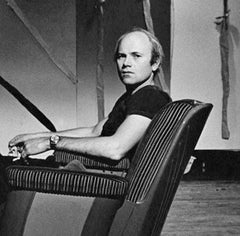
Although he insisted that he and his fellow Pop artists developed their art-making styles independently, American painter James Rosenquist belonged at the table with Andy Warhol and Roy Lichtenstein.
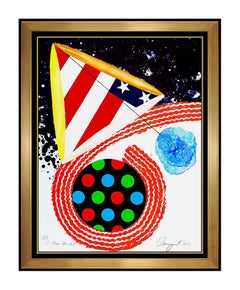
Known for his distinctive use of visual montage, Rosenquist produced large, vibrantly colored tableaux marked by fragmentation and overlap. He often employed familiar motifs and objects drawn from popular contemporary culture — hot dogs, lipstick tubes, American flags — which he manipulated to form disorienting compositions whose constituent elements are nearly unrecognizable.
Born in North Dakota to Swedish parents, Rosenquist was encouraged to pursue painting by his mother, who was also an artist. He studied painting for two years at the University of Minnesota, but dropped out at the age of 21 to attend the Art Students League in New York on a scholarship. A job as a billboard painter in the late 1950s set him up to pursue his signature style, which borrowed its bold graphics and remixed kitschy aesthetic from the visual vocabulary of advertising. Works like Flamingo Capsule (1983) embody his trademark visual dissonance, drawing cigarette-ad motifs into conversation with stripes from the American flag and aluminum foil wrappers.
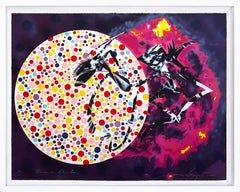
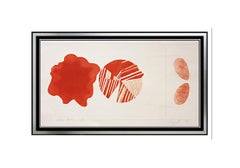
In addition to enormous paintings, Rosenquist created drawings, prints and collages. The 2011 lithograph The Memory Continues but the Clock Disappears is a montage of melting clocks and confetti, all submerged in a pool of water. While wryly hinting at the inevitability of decay and deterioration — suggesting that life is a ticking clock — the composition also alludes to Salvador Dalí's signature motif, the defining symbol of Surrealism. Such compositions demonstrate how Rosenquist masterfully combined seemingly incongruous elements into a harmonious and poetic whole.
Find James Rosenquist art today on 1stDibs.
Decorating with fine art prints — whether they’re figurative prints, abstract prints or another variety — has always been a practical way of bringing a space to life as well as bringing works by an artist you love into your home.
Pursued in the 1960s and ’70s, largely by Pop artists drawn to its associations with mass production, advertising, packaging and seriality, as well as those challenging the primacy of the Abstract Expressionist brushstroke, printmaking was embraced in the 1980s by painters and conceptual artists ranging from David Salle and Elizabeth Murray to Adrian Piper and Sherrie Levine.
Printmaking is the transfer of an image from one surface to another. An artist takes a material like stone, metal, wood or wax, carves, incises, draws or otherwise marks it with an image, inks or paints it and then transfers the image to a piece of paper or other material.
Fine art prints are frequently confused with their more commercial counterparts. After all, our closest connection to the printed image is through mass-produced newspapers, magazines and books, and many people don’t realize that even though prints are editions, they start with an original image created by an artist with the intent of reproducing it in a small batch. Fine art prints are created in strictly limited editions — 20 or 30 or maybe 50 — and are always based on an image created specifically to be made into an edition.
Many people think of revered Dutch artist Rembrandt as a painter but may not know that he was a printmaker as well. His prints have been preserved in time along with the work of other celebrated printmakers such as Pablo Picasso, Salvador Dalí and Andy Warhol. These fine art prints are still highly sought after by collectors.
“It’s another tool in the artist’s toolbox, just like painting or sculpture or anything else that an artist uses in the service of mark making or expressing him- or herself,” says International Fine Print Dealers Association (IFPDA) vice president Betsy Senior, of New York’s Betsy Senior Fine Art, Inc.
Because artist’s editions tend to be more affordable and available than his or her unique works, they’re more accessible and can be a great opportunity to bring a variety of colors, textures and shapes into a space.
For tight corners, select small fine art prints as opposed to the oversized bold piece you’ll hang as a focal point in the dining area. But be careful not to choose something that is too big for your space. And feel free to lean into it if need be — not every work needs picture-hanging hooks. Leaning a larger fine art print against the wall behind a bookcase can add a stylish installation-type dynamic to your living room. (Read more about how to arrange wall art here.)
Find fine art prints for sale on 1stDibs today.