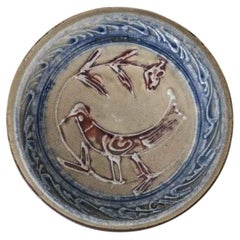
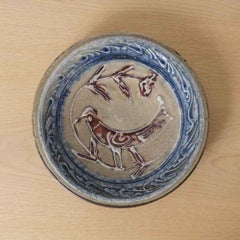
Japanese Mashiko Pottery Plate with Mingei Bird Motif, 1950s
Located in Los Angeles, CA
Stunning Mashiko pottery plate from Japan, 1950s. Cream crackle glaze over iron-rich clay ceramic
Category
Vintage 1950s Japanese Ceramics
Materials
Ceramic
Japanese Mashiko Pottery Plate with Mingei Bird Motif, 1950s
Located in Los Angeles, CA
Stunning Mashiko pottery plate from Japan, 1950s. Cream crackle glaze over iron-rich clay ceramic
Ceramic
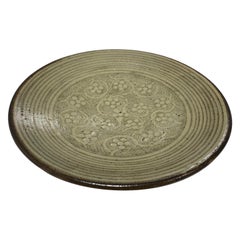
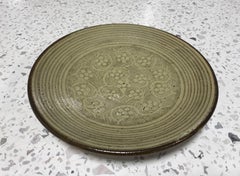
$1,695
H 3.25 in W 11.75 in D 11.75 in
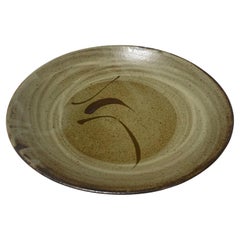
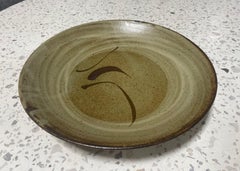
Tatsuzo Shimaoka Signed Japanese Mingei Rope Inlay Mashiko Pottery Plate Charger
By Tatsuzo Shimaoka 2
Located in Studio City, CA
A wonderfully decorated and executed large Mingei pottery plate/charger by Japanese National
Earthenware, Pottery
$1,595
H 2.75 in Dm 12.5 in
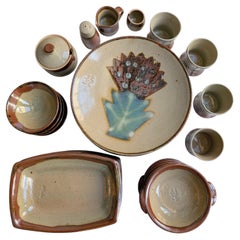
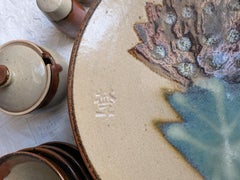
Tatsuzo Shimaoka Signed Japanese Mingei Banana Leaf Mashiko Pottery Plate Bowl
By Tatsuzo Shimaoka 2
Located in Studio City, CA
A wonderfully hand-decorated and executed large Mingei pottery plate/charger/low bowl by Japanese
Earthenware, Pottery
$1,250 / set
H 1.75 in Dm 11 in
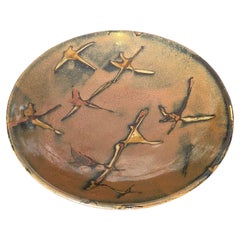
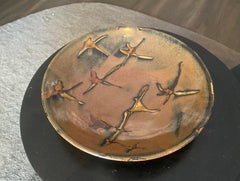
Vintage Japanese Mashiko Ware 30 Piece Pottery Lot Set Stoneware Plate Bowl Etc.
Located in Greer, SC
Vintage 30 piece Japanese Mashiko ware serving set. Created in Mashiko, Tochigi Prefecture which is
Pottery
$595
H 2.25 in Dm 12 in
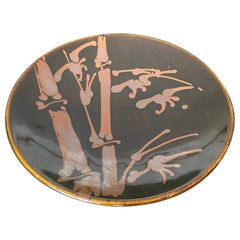
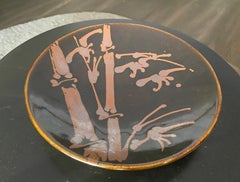
Japanese Signed Mashiko Mingei Art Pottery Plate in the Manner of Shoji Hamada
Located in Studio City, CA
A quite beautiful, expertly crafted, sumptuously glazed large Japanese Mashiko Ware Mingei (folk
Pottery, Stoneware
$395
H 1.75 in Dm 10.75 in
Japanese Mashiko Mingei Bamboo Art Pottery Plate in the Manner of Shoji Hamada
Located in Studio City, CA
A quite beautiful and expertly crafted Japanese Mashiko Ware Mingei (folk craft/folk art) bamboo
Pottery, Stoneware
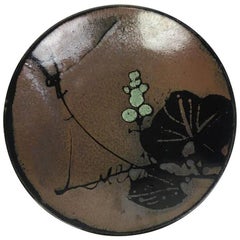
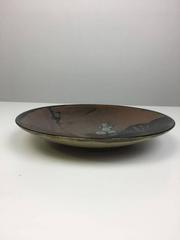
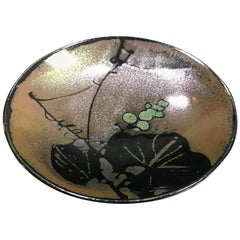
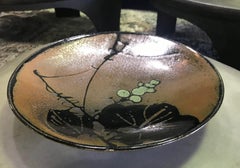
Beautiful Japanese Mashiko Ceramic Pottery Plate with Lily Pad
Located in Studio City, CA
A beautifully decorated and finely glazed Japanese plate. We don't know much about this in regards
Ceramic
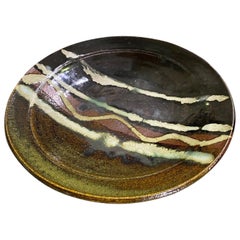
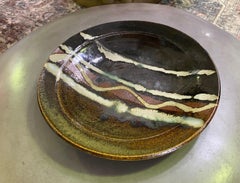
Sold
H 1.5 in Dm 10.5 in
Beautiful Glazed Japanese Signed Mashiko Yaki Mingei Art Pottery Charger Plate
Located in Studio City, CA
A wonderfully decorated and glazed Mashiko pottery charger plate very much in the manner of Shoji
Stoneware
Sold
H 2 in Dm 11.25 in
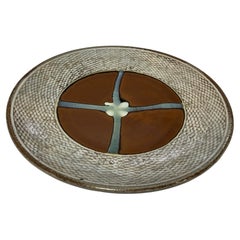
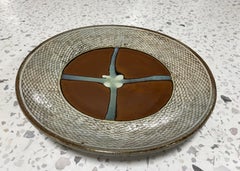
Beautiful Japanese Mashiko Glazed Ceramic Pottery Plate Charger with Lily Pads
Located in Studio City, CA
A beautifully decorated and finely glazed Japanese Mashiko ware plate/ charger. From a very
Stoneware
Sold
H 3.25 in W 12 in D 12 in
Tatsuzo Shimaoka Signed Japanese Mingei Rope Inlay Mashiko Pottery Bowl Plate
By Tatsuzo Shimaoka 2
Located in Studio City, CA
A wonderfully decorated and executed large Mingei ceramic plate/charger/low bowl by Japanese
Earthenware, Pottery
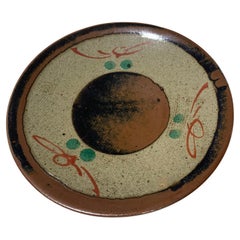
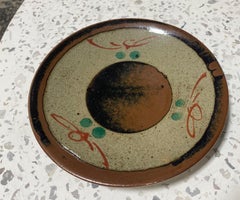
Japanese Mashiko Mingei Art Pottery Plate Bowl Attrbuted to Tatsuzo Shimaoka
By Tatsuzo Shimaoka 2
Located in Studio City, CA
A wonderfully decorated and executed Mashiko pottery low bowl/ plate attributed to Japanese
Stoneware
Sold
H 2 in W 9.75 in D 9.75 in
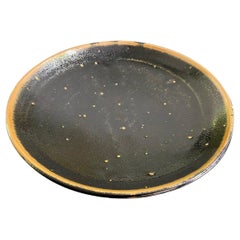
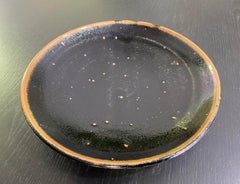
Shoji Hamada Mingei Mashiko Pottery Large Black Glaze Plate Bowl with Noted Box
By Shoji Hamada
Located in Studio City, CA
the base are also both distinct features of Hamada's work. Black glaze plate Mashiko-Mon-Gama (this is
Stoneware
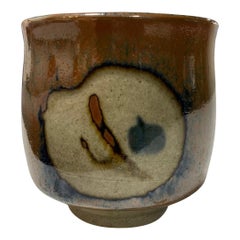
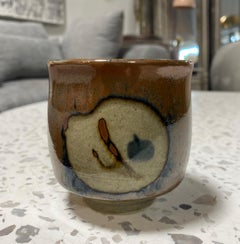
Shoji Hamada Mingei Kakiyu Kaki Glaze Japanese Studio Pottery Yunomi Teacup
By Shoji Hamada
Located in Studio City, CA
An exquisite, beautifully crafted, and wonderfully designed Yunomi teacup by master Japanese potter Shoji Hamada featuring his wax-resistant technique and highly coveted rich Kaki gl...
Stoneware
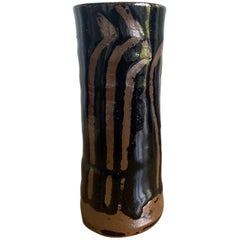
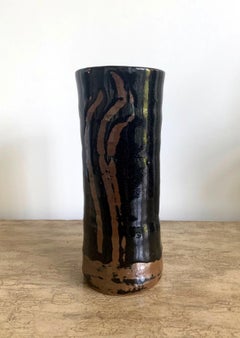
Japanese Ceramic Vase Mingei Style Hamada Shoji
By Hamada Shoji
Located in Atlanta, GA
A heavily potted stoneware vase in cylindrical form, decorated with abstract strokes in iron rust glaze (known as Persimmon Glaze in Japanese) on a black glazed background. The patte...
Ceramic
$16,000
H 1.63 in Dm 9.75 in
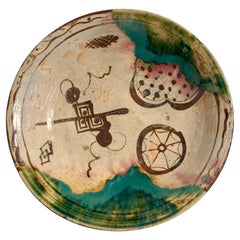
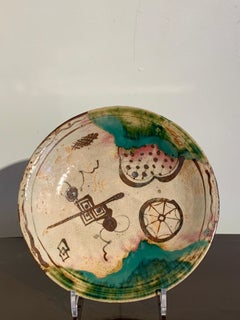
Japanese Ao-Oribe Glazed Stoneware Dish, Early Edo Period, 17th Century, Japan
Located in Austin, TX
A fine and rare Japanese ao-oribe glazed minoyaki stoneware dish, late Momoyama or early Edo period, 17th century, Japan. The circular dish of wheel thrown stoneware, glazed in the ...
Stoneware
$1,595
H 6.5 in W 4 in D 4 in
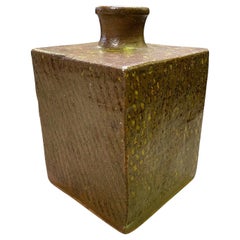
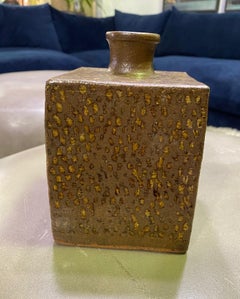
Tatsuzo Shimaoka Japanese Glazed Rope Inlay Pottery Ceramic Vase with Signed Box
By Tatsuzo Shimaoka 2
Located in Studio City, CA
A wonderfully designed and gorgeously colored coveted square Mingei bottle vase by Japanese National Treasure pottery master Tatsuzo Shimaoka. This vase is an early work of Shimaoka'...
Earthenware
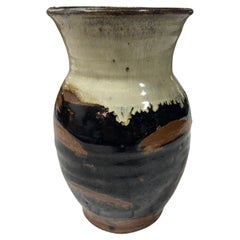
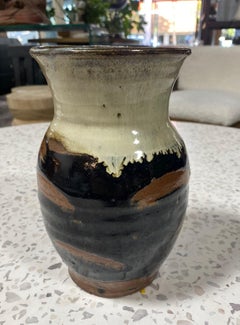
$2,495
H 10.25 in W 7 in D 7 in
Shoji Hamada Tenmoku Kaki And Nuka Glaze Vase With Original Signed Branded Box
By Shoji Hamada
Located in Studio City, CA
An exquisite, beautifully crafted Japanese Mingei pottery vase by master potter Shoji Hamada featuring Hamada's famous signature tenmoku glaze with kaki finger wipe decoration and a ...
Pottery, Stoneware
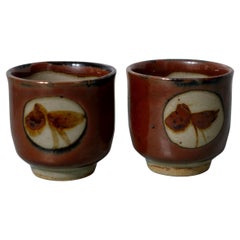
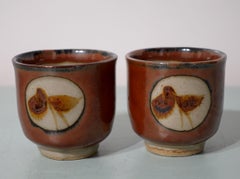
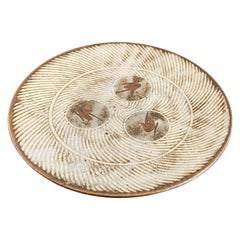
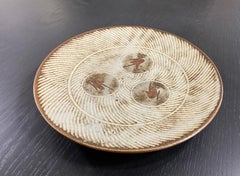
Pair of Mashiko Yaki Japanese Mid-Century Studio Pottery Yunomi
Located in Norton, MA
A very stylish Japanese Mashiko Yaki studio pottery Yunomi with stylized designs in panels set within a brown glazed body in the manner of Shoji Hamada and dating from around the 195...
Stoneware
$1,695
H 1.5 in Dm 9.6 in
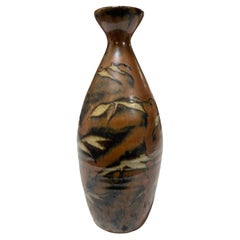
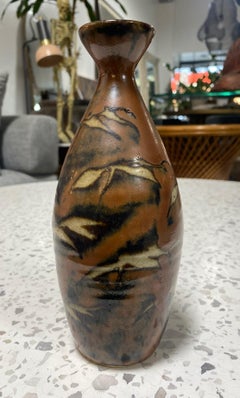
Tatsuzo Shimaoka Signed Japanese Mingei Rope Inlay Ceramic Pottery Bowl Plate
By Tatsuzo Shimaoka 2
Located in Studio City, CA
An exquisitely decorated and wonderfully executed ceramic Mingei glazed plate/ low bowl by Japanese National Treasure and Mashiko pottery master Tatsuzo Shimaoka. This work displays ...
Earthenware
$3,450
H 11 in W 5.5 in D 5.5 in
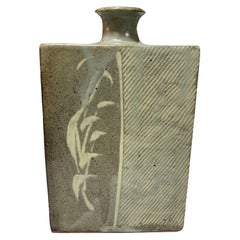
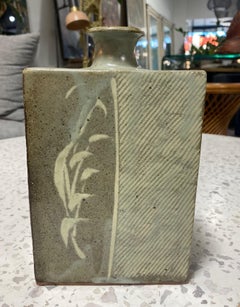
Shoji Hamada Mingei Kakiyu Kaki Persimmon Glaze Vase Original Signed Sealed Box
By Shoji Hamada
Located in Studio City, CA
An exquisite, beautifully crafted, sumptuously glazed vase by master Japanese Mingei potter Shoji Hamada, which features a fine example of his highly coveted rich Kaki/persimmon glaz...
Stoneware
$2,495
H 9.9 in W 6.4 in D 3.75 in
Tatsuzo Shimaoka Signed Japanese Mingei Henko Rope Inlay Pottery Vase with Box
By Tatsuzo Shimaoka 2
Located in Studio City, CA
A wonderfully designed, gorgeously glazed, and highly coveted press-molded square Mingei Henko vase by Japanese National Treasure and Mashiko pottery master Tatsuzo Shimaoka. This w...
Earthenware
$1,784
H 3.86 in Dm 3.75 in
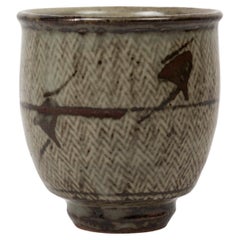
Japanese Shawan tea cup in celadon with corded pattern by to Tenzo Shimaoka
Located in PARIS, FR
Celadon tea cup with corded patterns glazed in the Jômon zogan style made by Tatsuzô Shimaoka (1919-2007, Mingei school). Developed by himself, this style is inspired by ancient proc...
Ceramic, Celadon
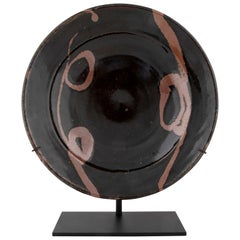
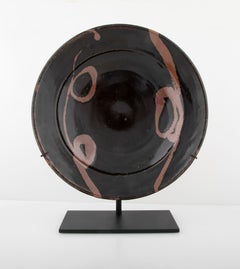
Charger Attributed to Shoji Hamada On Contemporary Stand
By Shoji Hamada
Located in Stamford, CT
Shoji Hamada Japanese clay charger with black glaze and terracotta toned glazed decoration, circa 1960s. On contemporary stand. The piece is unsigned and as such cannot definitively ...
Clay
With their rich and diverse history, antique, new and vintage Asian ceramics offer colorful and sophisticated ways to add flair to any space.
Japanese pottery dates back at least 13,000 years to the Jōmon period. Pieces from the Late Jōmon era display a rope-cord pattern encircling a pot or jug. During the Muromachi period, potters created simple bowls and utensils frequently used in tea ceremonies and were made as both functional and aesthetic objects.
Ceramics made during Japan’s Meiji period, from 1868 to 1912, reflected an explosion of artistic expression propelled by new access to international trade. Details became more intricate and refined, and colors were enhanced with new glazing practices.
Chinese porcelain, meanwhile, is often identified by its shape. Each reign and dynasty had specific shapes and styles that were encouraged by the imperial ruler. During the Song dynasty, for instance, there were four dominant types of ceramic vase shapes: plum-shaped, pear-shaped, cong-shaped (tall and square) and double-gourd.
Chinese ceramics that were made during the Qing dynasty were demonstrative of an expanded artistic expression, with more delicate shapes and a focus on intricate detailing. The shapes of ceramics from this era are thinner, taller and have subtle features like a gentle flare, such as on the mallet-shaped vase.
Later, the 17th- and 18th-century interior design trend of chinoiserie brought Asian paintings and screens, textiles and other art and furniture from the continent into many European homes.
Explore an extensive range of antique, new and vintage Asian ceramics on 1stDibs to find the perfect piece for your home.
Decorated with white cranes and the sought-after thousand-butterflies motif, the Meiji-period vessel offers both a celebration of traditional aesthetics and a clear reflection of the era’s appetite for exquisite export pieces.
For 25 years, gallerist Betsy Nathan has leveraged her keen eye and key connections to bring a unique selection of rare finds to the market.
Now working alongside his daughter Bianca, dealer Joel Chen has presented a most covetable array of antiques, art and contemporary creations for more than 40 years.
From cherry-blossom-adorned walls paired with glamorous lighting to wood-paneled ceilings above checkerboard-patterned chairs, these 12 spaces seamlessly blend Eastern and Western aesthetics.
The dealer and curator has spent the past 50 years amassing a collection of exceptional art, furniture and architectural elements that trace the cultural influence of the Spanish empire from Europe to the Americas and beyond.
These spaces exemplify how Eastern elements elevate a home's decor.