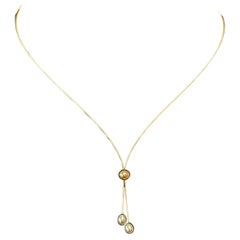
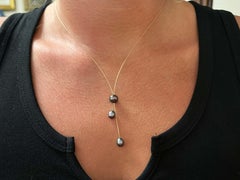
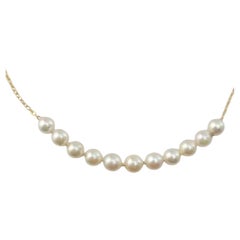
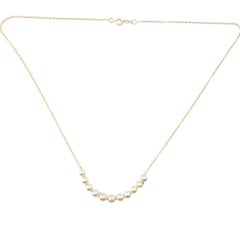
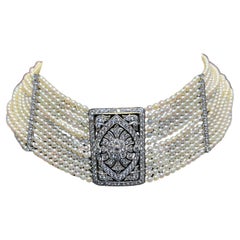
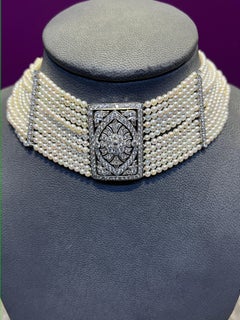
The pearl has been synonymous with ladylike elegance since the Tudor period — learn what to look for when shopping for vintage and antique pearl jewelry as well as how to tell the origin of a pearl with our handy primer.
Every woman at some point in her life desires a simple strand of pearls. They are elegant, timeless, versatile — just ask Coco Chanel or Jacqueline Kennedy — and valuable. In 1917, Pierre Cartier famously traded a double-strand of natural pearls for a Fifth Avenue mansion, the Cartier brand’s flagship store ever since. And if you were born in the beginning of summer, pearl is the June birthstone.
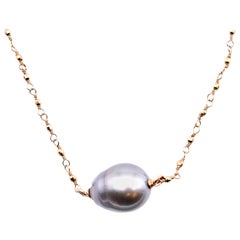
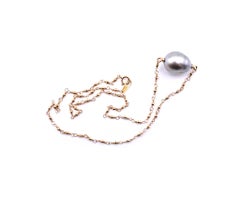
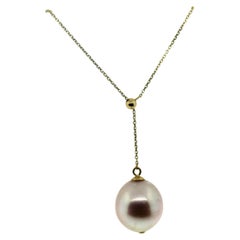
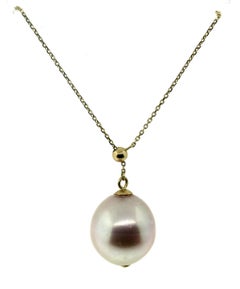
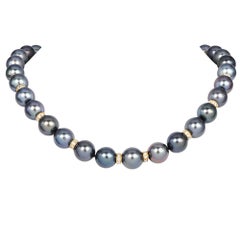
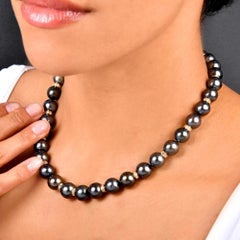
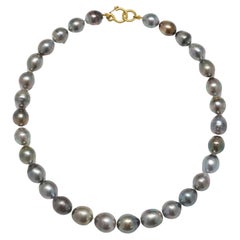
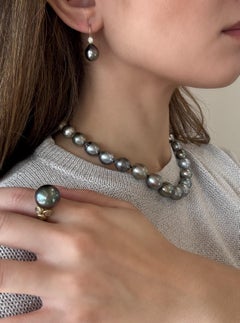
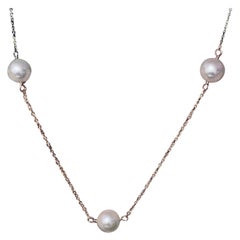
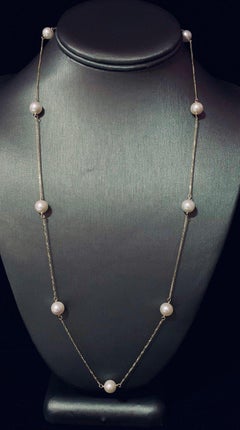
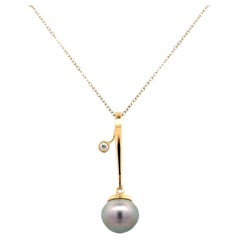
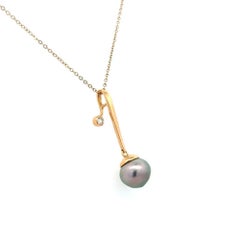
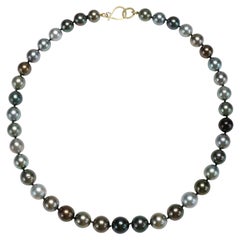
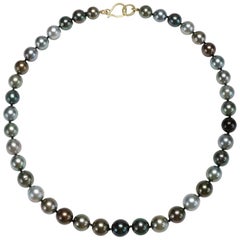
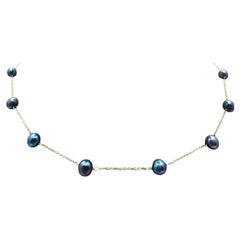
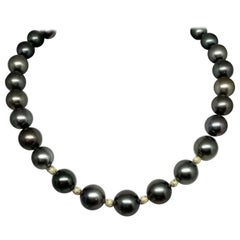
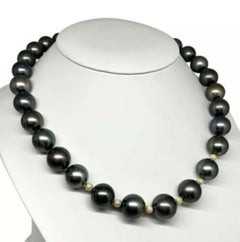
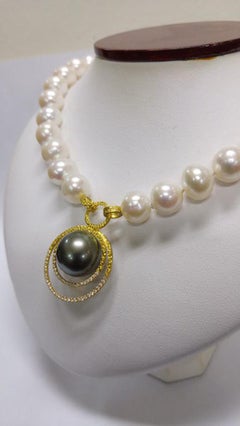
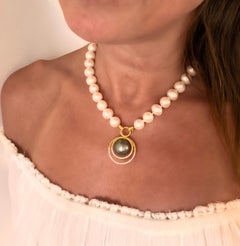
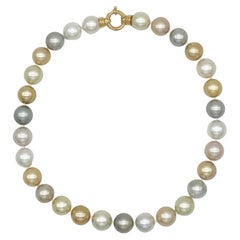
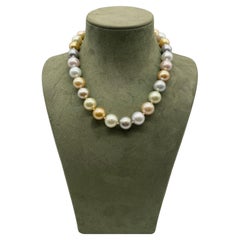
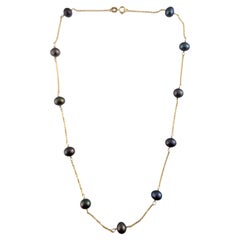
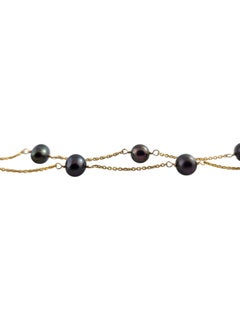
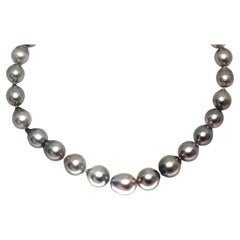
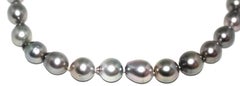
It is possible to tell where a pearl originated from its appearance. Akoyas are usually round and white — the classic pearl, if you will. South Sea pearls are normally larger and vary in color; orangey yellow ones are not uncommon. Tahitian pearls are mostly black but can also be gray or brown, and between the Akoya and the South Sea varieties in size. Freshwater pearls, or Orientals, run the gamut in terms of color and size, but in shape, they tend to resemble Rice Krispies. Another important distinction is a round pearl versus a baroque pearl. A round pearl is self-explanatory, but there are two types of baroque pearls: symmetrical and asymmetrical. In general, the symmetrical variation commands a higher valuation. Within a strand of pearls, uniformity is prized — the more the individual pearls resemble one another, the more valuable the strand.
According to the Gemological Institute of America (GIA), the earliest recorded mention of a pearl was in 2206 BC by a Chinese historian. Centuries later, Christopher Columbus made it a point to visit pearl fisheries during his 15th-century exploration of the Caribbean. Since the late-19th century, the Japanese have been at the forefront of cultivating pearls, when jeweler Kokichi Mikimoto successfully cultured the world’s first pearl in 1893.
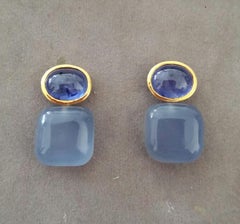
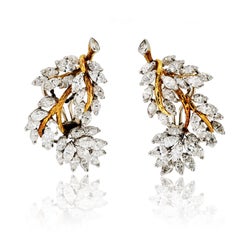
On 1stDibs, find vintage and antique pearl necklaces, pearl earrings and other accessories.
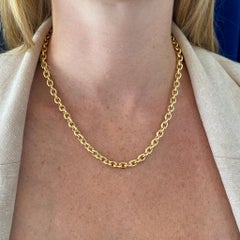
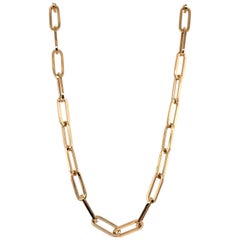
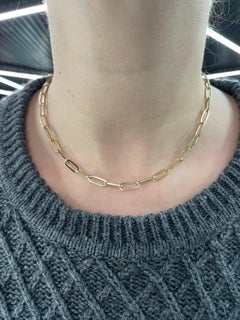
Vintage link necklaces are a popular style of jewelry that sees a flexible set of links, usually metal, fashioned into versatile neckwear. The design of link necklaces creates an engaging movement, rendering the jewelry a focal point of any outfit.
Chain necklaces date back to antiquity. These early chains frequently used the loop-in-loop technique. They evolved into symbols of prestige. Royalty in medieval Europe wore gold jewelry often adorned with beads and gemstones.
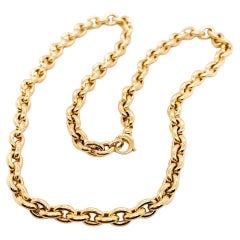
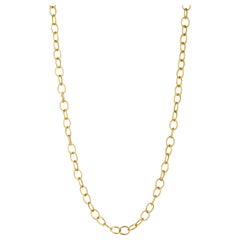
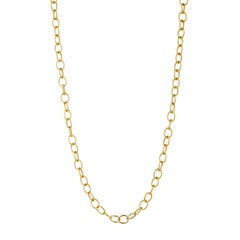
Over the centuries, artisans and jewelry makers developed different types of chain links. Chain-link necklaces with oval links or mariner links are currently fashionable, but styles have changed from one decade to the next. While some eras have favored large chains as statement pieces, others emphasized dainty jewelry, so vintage link necklaces offer a wide range of link types.
The link is an important consideration when choosing a chain. The twisted curb chain is unique and striking in form; flat link chains and cable chains feature bold oval-shaped links. Infinity chains use links of assorted sizes for added variety. In men’s jewelry, chains with box chain links or Cuban links have tight rows and angular shapes lending a more masculine flair.
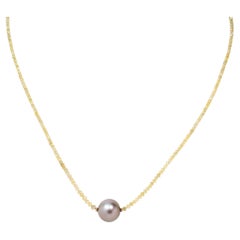
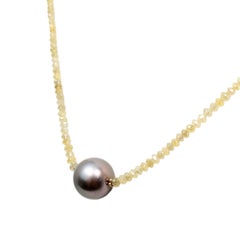
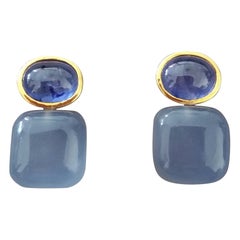
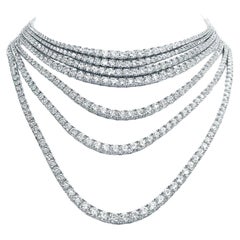
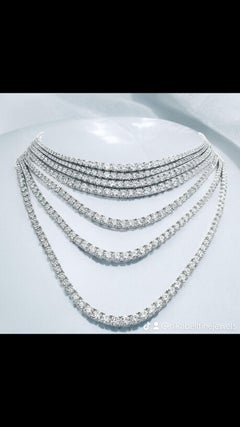
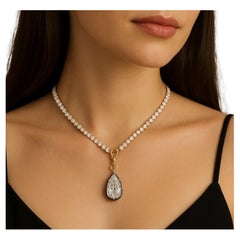
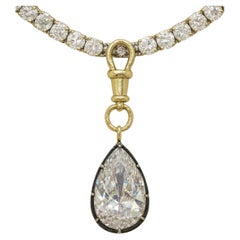
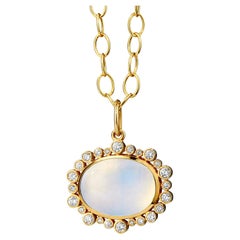
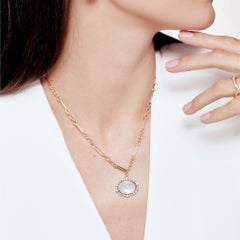
Link necklaces are also made in a variety of metals. Gold link necklaces are ideal to match warmer hues; silver link necklaces pair well with cool tones in your wardrobe. A simple gold or silver chain can complement a favorite blouse, or it can be dressed up with a pendant necklace. A necklace with pearls, diamonds, amethysts or sapphires can add a pop of color.
Browse 1stDibs for a large selection of vintage link necklaces and other necklaces. From gold to silver jewelry, as well as different types of links and pendants, there is a link necklace to suit any taste.