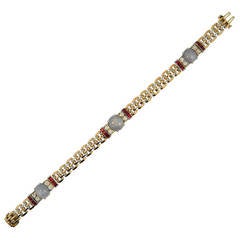
Oscar Heyman Ruby Bracelet
20th Century American Modern Modern Bracelets
Diamond, White Diamond, Ruby, 18k Gold, Yellow Gold
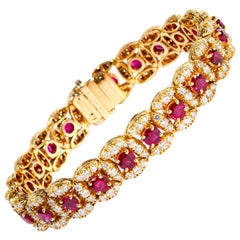

2010s American Contemporary Tennis Bracelets
Ruby, Platinum
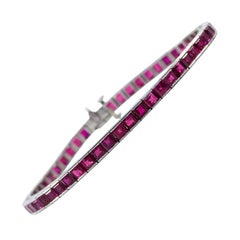
20th Century More Bracelets
Diamond, Ruby, 18k Gold, Platinum, Yellow Gold, Gold
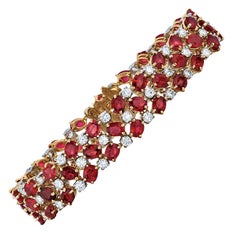
Vintage 1940s Retro Link Bracelets
Diamond, Ruby, Gold, 18k Gold, Yellow Gold
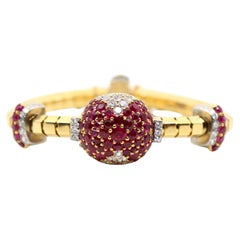
Late 20th Century Link Bracelets
Diamond, Ruby, Gold, 18k Gold, Yellow Gold, Platinum
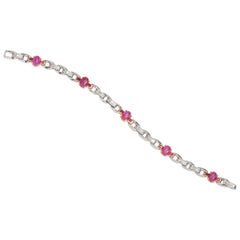
Recent Sales
1990s American Tennis Bracelets
Diamond, Ruby, 18k Gold, Yellow Gold, Platinum
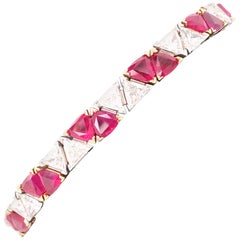
20th Century American Contemporary Tennis Bracelets
Diamond, Ruby, 18k Gold, Yellow Gold
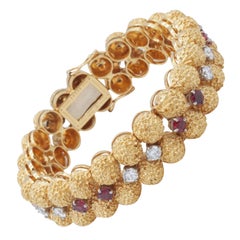
Vintage 1960s American Link Bracelets
Diamond, Ruby, 18k Gold
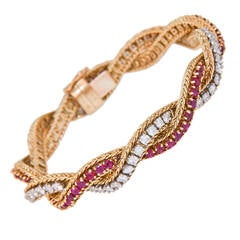
Late 20th Century Tennis Bracelets
Diamond, Ruby, 18k Gold, Yellow Gold, Platinum
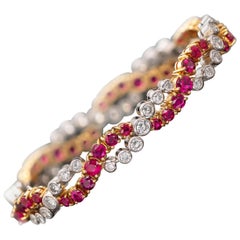
20th Century American Link Bracelets
Diamond, Ruby, 18k Gold
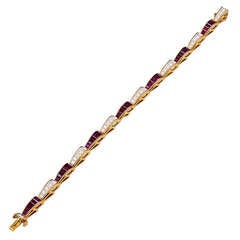
20th Century American Modern Modern Bracelets
Diamond, White Diamond, Ruby, 18k Gold, Yellow Gold
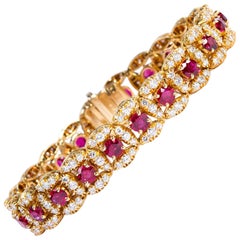
Vintage 1960s American Tennis Bracelets
White Diamond, Diamond, Ruby, Platinum
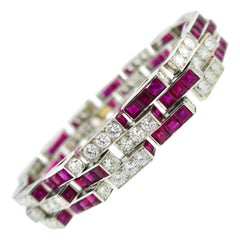
20th Century American Modern Modern Bracelets
Diamond, White Diamond, Ruby, 18k Gold, Yellow Gold
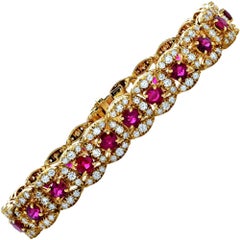
Late 20th Century American Modern Link Bracelets
White Diamond, Ruby, 18k Gold, Yellow Gold
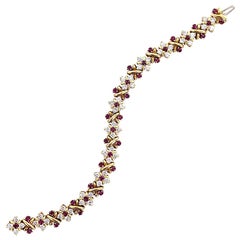
Late 20th Century American Link Bracelets
Diamond, Yellow Diamond, Opal, Ruby, Sapphire, Black Opal, Gold, 18k Gol...
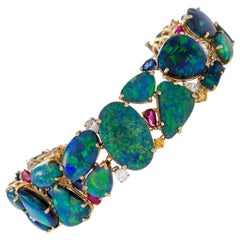
21st Century and Contemporary American Tennis Bracelets
Diamond, Ruby, 18k Gold
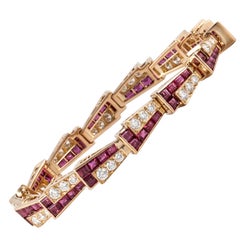
Vintage 1970s American Tennis Bracelets
Diamond, Ruby, Yellow Gold, Platinum, 18k Gold
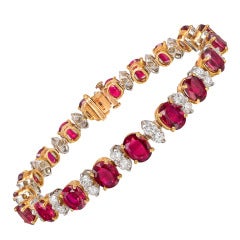
20th Century American Link Bracelets
Ruby, Diamond, Platinum
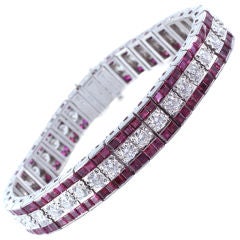
American More Bracelets
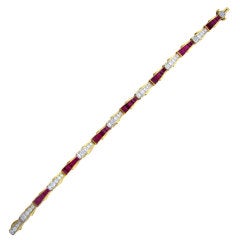
Vintage 1970s American More Bracelets
Diamond, Ruby, 18k Gold
Vintage 1940s American Retro Link Bracelets
Diamond, Ruby, Sapphire, Platinum, 18k Gold
People Also Browsed
1990s Italian Evening Dresses and Gowns
1990s Asian Multi-Strand Necklaces
Diamond, Pearl, 18k Gold, Yellow Gold
Early 2000s Italian Evening Gowns
2010s Italian Jewelry Boxes

Early 2000s Italian Top Handle Bags
Late 20th Century Swiss Wrist Watches
Diamond, White Diamond, 18k Gold, Yellow Gold, Gold
1990s French Evening Dresses
21st Century and Contemporary Drop Necklaces
Diamond, White Diamond, Emerald, 18k Gold
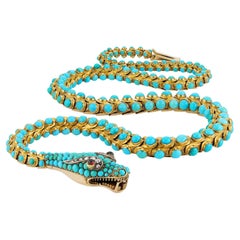
Antique 1840s British Early Victorian Link Necklaces
Turquoise, Gold
Early 2000s Cocktail Dresses
21st Century and Contemporary Choker Necklaces
Diamond, White Diamond, Ruby, Platinum

Late 20th Century French Artist Link Necklaces
Diamond, Lapis Lazuli, 18k Gold
21st Century and Contemporary French Top Handle Bags
Vintage 1920s French Art Deco Chain Necklaces
White Diamond, 18k Gold, White Gold
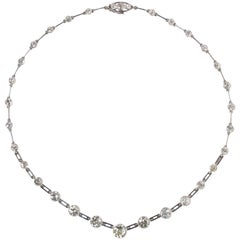
Early 2000s Beaded Necklaces
Diamond, Pearl, Platinum

Early 2000s French Evening Dresses and Gowns
Oscar Heyman Ruby Bracelet For Sale on 1stDibs
How Much is a Oscar Heyman Ruby Bracelet?
Oscar Heyman for sale on 1stDibs
Known as “the jewelers’ jeweler,” Oscar Heyman (1888–1970) designed pieces for Cartier, Tiffany & Co., Van Cleef & Arpels, Harry Winston and Black, Starr & Frost. The family-run Oscar Heyman & Brothers jewelry company was founded by Heyman with his brothers Nathan and Harry in 1912. Jewelers from Latvia, they had trained at their great-uncle’s workshop, which had clients including Russian imperial jeweler Fabergé, before immigrating to the United States in the early 1900s.
After arriving in New York, Oscar worked with Pierre Cartier and Nathan was a tool maker at Western Electric before they came together to open their jewelry business. Highly skilled craftsmen, the Heyman brothers quickly developed a roster of high-profile clients — primarily big-name jewelers — drawn to their work with dazzling stones and meticulous design. In 1917, Black, Starr & Frost commissioned the brothers to design an American flag brooch, which would become a recurring motif in the Oscar Heyman & Brothers portfolio. They also designed the Pansy brooch in the 1930s, another long-popular accessory that was produced exclusively for Tiffany & Co. toward the end of the 20th century. After Heyman designed for four of the five jewelers on view at the 1939 World’s Fair House of Jewels (Cartier, Udall & Ballou, Marcus & Co. and Black, Starr & Frost), the company was given the moniker “the jewelers’ jeweler.”
Heyman & Brothers later designed gem-encrusted medallions that traveled to the moon on Apollo 16, the necklace setting for the 69-carat diamond Richard Burton gave Elizabeth Taylor in 1969 and even a pair of ruby-encrusted Stuart Weitzman stilettos in 2003. Over the years, the company has entranced such clients as Evelyn Lauder, Marjorie Merriweather Post, Billy Porter and Tina Fey with its pieces.
In 2012, the century-old jeweler underwent a rebranding to simplify its name to Oscar Heyman and today is still run by the Heyman family, which manages the whole process from alloying their own metal to cutting and polishing their gemstones to assembling the final product in-house. In 2017, the Museum of Fine Arts, Boston published a monograph authored by Yvonne J. Markowitz and Elizabeth Hamilton that details for a broader audience the history of Oscar Heyman, an unsung company that’s long been behind some of the biggest names in jewelry.
Shop authentic Oscar Heyman rings, brooches and bracelets on 1stDibs.
The Legacy of Ruby in Jewelry Design
This deep red gem is the color of heat and passion — vintage and antique ruby jewelry is perfect for those born in the middle of summer.
Rubies are one of the few gemstones that can give diamonds a run for their money. Just consider the Van Cleef & Arpels “scarf” necklace the Duke of Windsor presented to the Duchess on her 40th birthday, in 1936 — set with diamonds and dripping with rubies, a testament to the deep-red gemstone’s power — or the slippers encrusted with 4,600 rubies that Harry Winston made to commemorate The Wizard of Oz’s golden anniversary. July babies have permission to adorn themselves with this beautiful red stone even when it’s not their birthday.
Rubies are considered precious stones — along with diamonds, sapphires and emeralds — and have a hardness of 9.0 on the Mohs Scale, surpassed only by Moissanite and diamonds. They are composed of corundum, a colorless mineral that is also the basic material of sapphires. In the July birthstone, the red of the gemstone — and the various hues seen in sapphires — are produced by the presence of trace elements. In the case of a ruby, this element is chromium. Rubies range in color from vermilion to a violet red. They are also pleochroic, which means that a stone’s hue can vary depending on the direction of viewing. The most sought-after color is pigeon’s blood: pure red with a hint of blue.
Rubies that are hosted in dolomite marble are the most prized: Because the marble is low in iron, so are the rubies, resulting in a more intense color. Rubies found in basalt, which has a higher iron content, are generally darker and less intense.
When shopping for antique and vintage ruby jewelry, remember that the 4Cs of selecting the perfect diamond — color, clarity, cut and carat — also apply to rubies.
According to the Gemological Institute of America, the color of the July birthstone should be a vibrant to slightly purplish red, and the stone should be clear and inclusion-free. Accordingly, the cut should show off its color and clarity. As for the last criterion, fine rubies more than a carat in weight are rare. Often, large rubies are more expensive than diamonds of comparable weights.
Find a collection of ruby necklaces, ruby rings and other accessories on 1stDibs.
Finding the Right Bracelets for You
Today, antique and vintage bracelets are versatile and universally loved accessories that can add polish and pizzazz to any ensemble.
Bracelets were among the jewels discovered to have been buried with Pharaoh Tutankhamun when his tomb was unearthed in 1922, and wrist and arm bracelets were allegedly worn by Queen Puabi in Sumer, southern Mesopotamia. But preceding the adornments of Ancient Egypt and elsewhere, the people of prehistoric times likely wore the decorative accessory, fashioning it from shells and fish bones. When the Bronze Age allowed for more durable materials and semiprecious stones to be incorporated into jewelry, bracelets became a treasured symbol of wealth.
In the thousands of years following the debut of the world’s first bracelets, the artistry behind this common accessory has only broadened, with designers at popular jewelry houses growing more venturesome over time. David Webb looked to nature for his Animal Kingdom bracelets, and for her best-selling bracelets and more at Tiffany & Co., Elsa Peretti would frequently do the same. From bangles to tennis bracelets, the modern age offers plenty of options.
Internationally acclaimed bracelet designs have on occasion become powerful symbols of status, style and, in the case of Cartier's iconic design, love. The Cartier Love bracelet can be found on the wish list of most jewelry lovers and on the wrist of some of the world’s biggest stars. Its arrangement of mock screwheads and distinctive functionality — it was initially locked and unlocked with an accompanying vermeil screwdriver — is an enduring expression of loyalty, unity and romance. (Do you know how to spot a fake Cartier Love bracelet?)
While the Love bracelet has played a role in the skyrocketing popularity of cuff-style bracelets, they are far from the only glamorous option for collectors. Make a statement with an Art Deco design, a style that sees all kinds of iterations fitted with studded cuffs, one-of-a-kind shapes and dazzling insets. A chunky vintage gold bracelet in the Retro style will prove eye-catching and elevate any outfit.
One of the best things about bracelets, however, is that you never have to choose just one. Style icon Jacqueline Kennedy stacked her Croisillon bracelets — designed by Jean Schlumberger for Tiffany & Co. — with such frequency that the ornate bangles were eventually dubbed “Jackie bracelets” by reporters. Contemporary silver pieces can easily complement each other, rendering a layering of luxury almost a necessity.
Find a diverse collection of bracelets that you can sort by style, stone cut and more on 1stDibs.