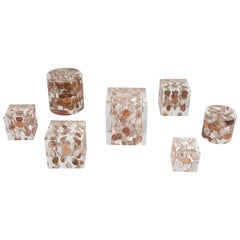
Arguably the world’s most ubiquitous man-made material, plastic has impacted nearly every industry. In contemporary spaces, new and vintage plastic furniture is quite popular and its use pairs well with a range of design styles.
From the Italian lighting artisans at Fontana Arte to venturesome Scandinavian modernists such as Verner Panton, who created groundbreaking interiors as much as he did seating — see his revolutionary Panton chair — to contemporary multidisciplinary artists like Faye Toogood, furniture designers have been pushing the boundaries of plastic forever.
When The Graduate's Mr. McGuire proclaimed, “There’s a great future in plastics,” it was more than a laugh line. The iconic quote is an allusion both to society’s reliance on and its love affair with plastic. Before the material became an integral part of our lives — used in everything from clothing to storage to beauty and beyond — people relied on earthly elements for manufacturing, a process as time-consuming as it was costly.
Soon after American inventor John Wesley Hyatt created celluloid, which could mimic luxury products like tortoiseshell and ivory, production hit fever pitch, and the floodgates opened for others to explore plastic’s full potential. The material altered the history of design — mid-century modern legends Charles and Ray Eames, Joe Colombo and Eero Saarinen regularly experimented with plastics in the development of tables and chairs, and today plastic furnishings and decorative objects are seen as often indoors as they are outside.
Find vintage plastic lounge chairs, outdoor furniture, lighting and more on 1stDibs.
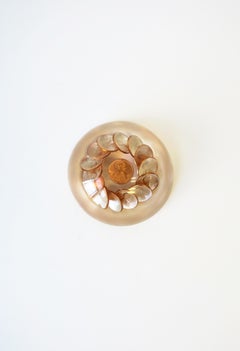
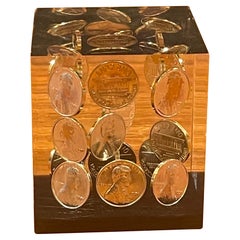
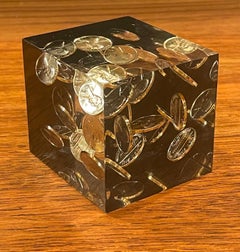
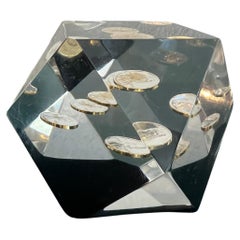
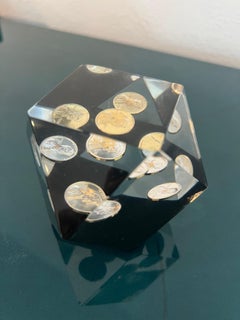
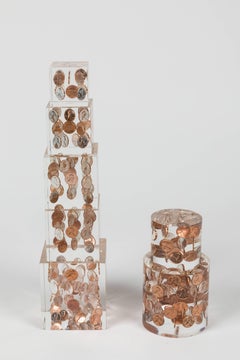
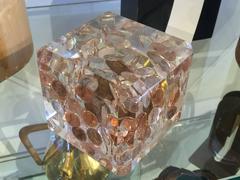
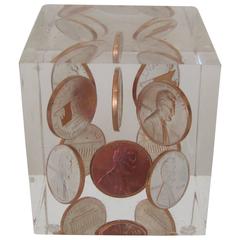
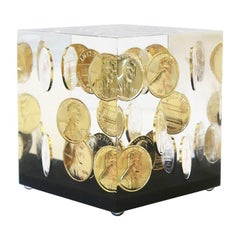
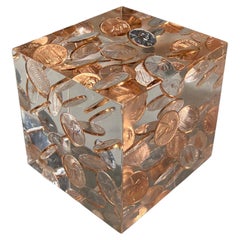
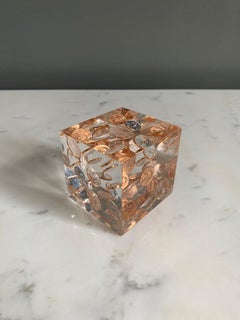
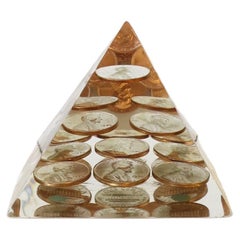
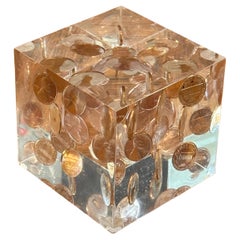
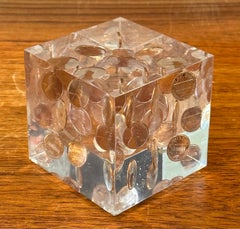
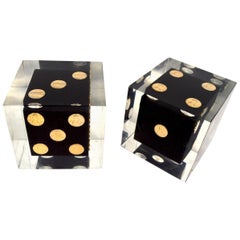
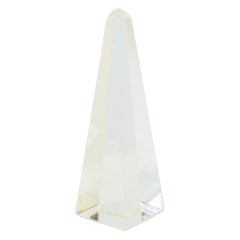
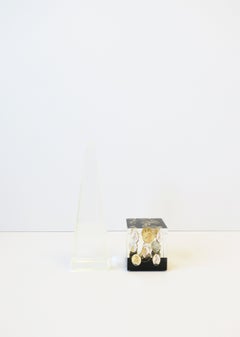
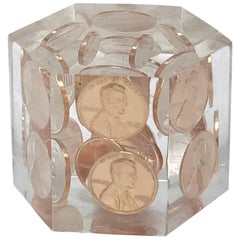
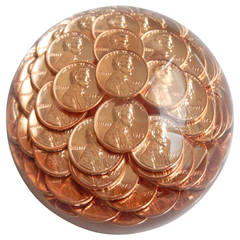
While any heavy object can be used to hold loose papers, there’s nothing as ornate yet perfectly functional as a paperweight. Antique, new and vintage paperweights can unobtrusively enhance the ambience of a room or act as a colorful conversation starter. On a desk or writing table, it can contribute a subtle sense of style.
Glass paperweights emerged in Europe in the mid-19th century. Early paperweight artisans like Venetian glassmaker Pietro Bigaglia often crafted them with a design on the inside. By the early 1900s, paperweight objects became even more popular through innovative iterations by artists like Louis Comfort Tiffany.
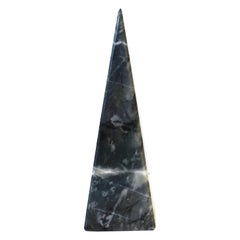
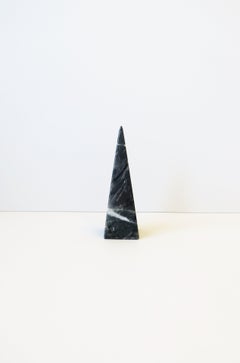
As the paperweight became both a luxury and utilitarian object, creators used a variety of materials to set their wares apart. Today, in addition to the classic glass versions, paperweights are made of metal, wood, ceramic and stone.
A vast selection of paperweights as well as a whole range of other desk accessories can be found on 1stDibs — browse by type, price, period, material or style, from Art Deco and Hollywood Regency to metal and glass. Reflecting their widespread appeal, paperweights are available in a diverse array from across the globe, including Italy, France and North America, as well as examples by leading designers and brands such as Fratelli Toso, William Guillon and René Lalique. Whether an office or a study needs a touch of something vintage or a mid-century modern twist, there are paperweights to suit every taste.