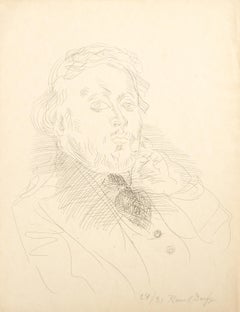
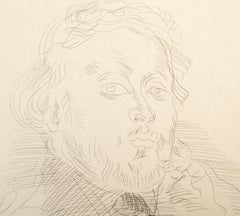
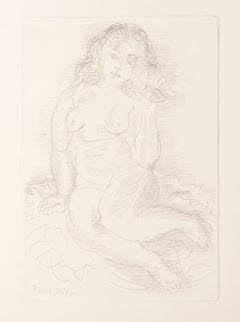
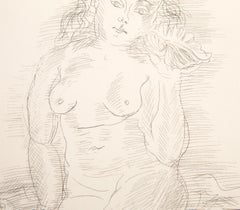
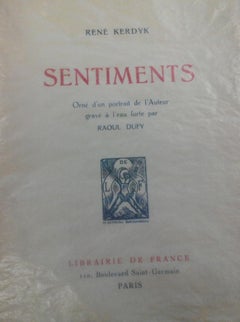
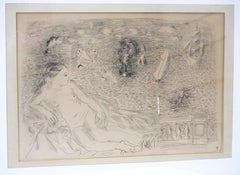
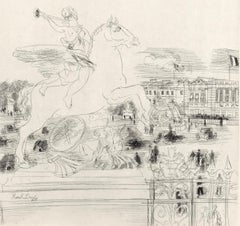
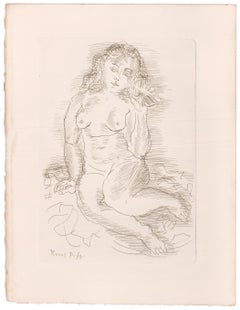
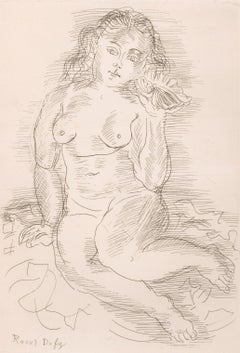
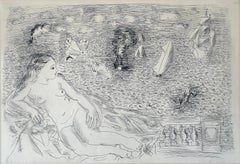
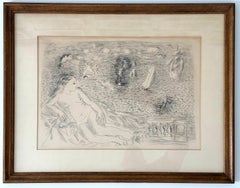
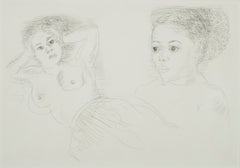
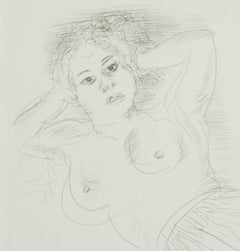
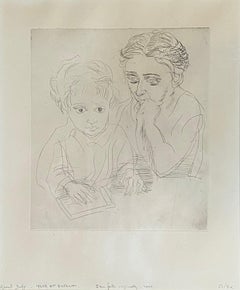
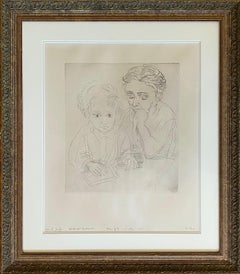
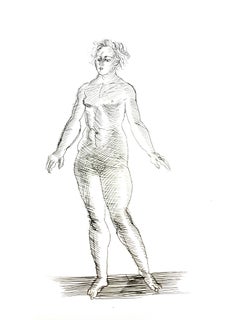
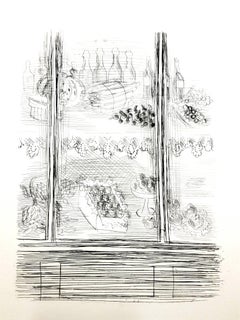
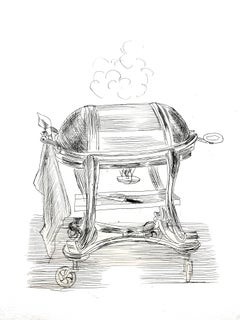
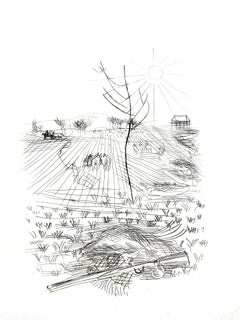
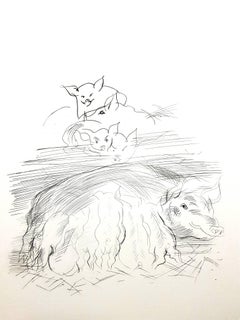
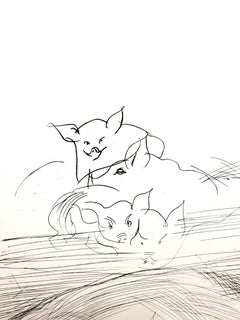
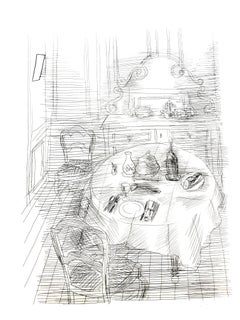
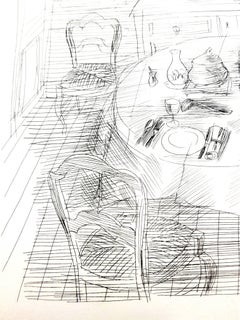
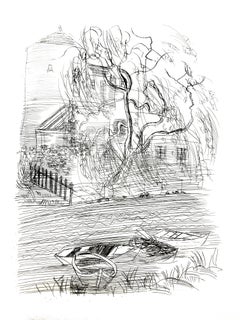
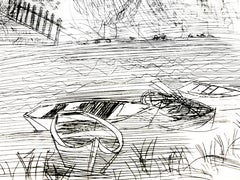
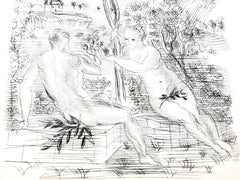
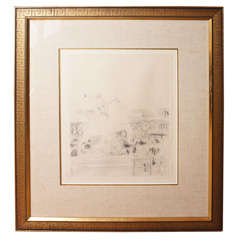
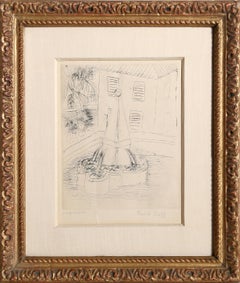
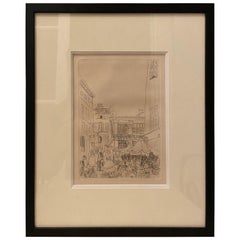
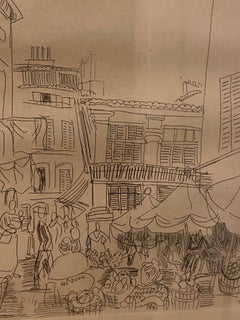
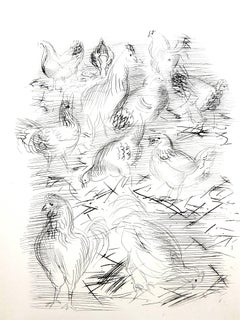
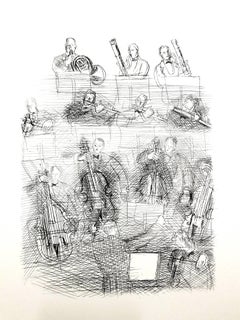
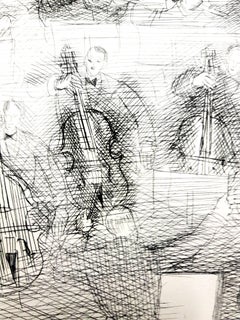
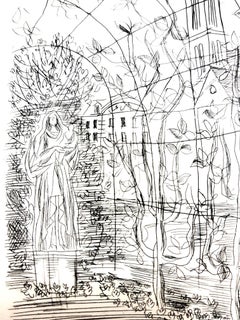
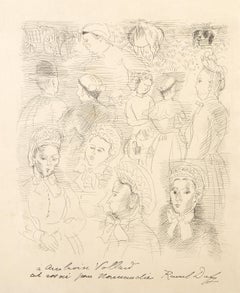
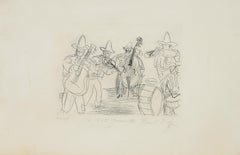
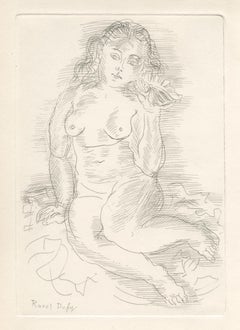
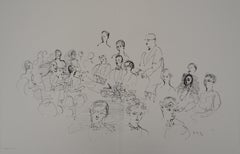
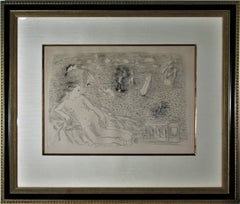
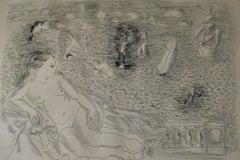
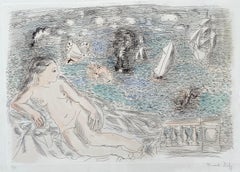
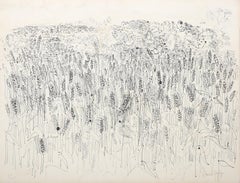
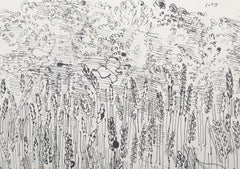
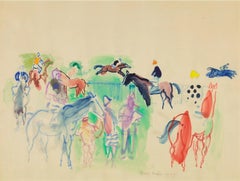
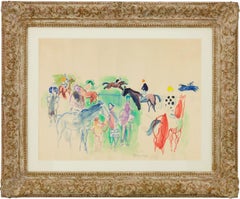
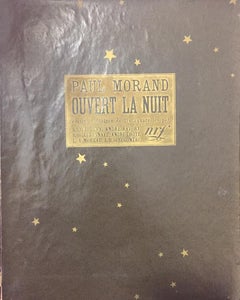
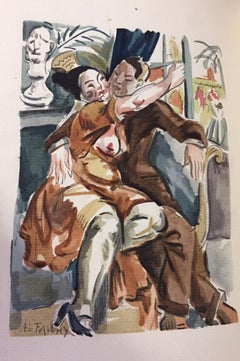
An assortment of raoul dufy etchings is available on 1stDibs. There are many
Modern,
Impressionist and
Post-Impressionist versions of these works for sale. These items have been produced for many years, with earlier versions available from the 20th Century and newer variations made as recently as the 20th Century. You can search the raoul dufy etchings that we have for sale on 1stDibs by color — popular works were created in bold and neutral palettes with elements of
gray and
beige. Frequently made by artists working in
etching and
paper, all of these available pieces are unique and have attracted attention over the years.
Prices for art of this kind can differ depending upon size, time period and other attributes — raoul dufy etchings in our inventory begin at $325 and can go as high as $3,544, while the average can fetch as much as $827.
Raoul Dufy was a renowned French Fauvist painter, famous for his colorful, decorative designs. He was born in Le Havre, Normandy, in 1877. Dufy had a simple upbringing, leaving school at 14 to work at a Brazilian coffee-importing company. His formal artistic education began when he was eighteen at Le Havre's École des Beaux-Arts, where he took evening art classes. He continued to paint within the purlieu of Le Havre and was greatly inspired by the Impressionist landscape painters Claude Monet and Camille Pissarro. In 1900, after serving in the military for one year, Dufy won a scholarship to the École Nationale Supérieure des Beaux-Arts in Paris.
Dufy began painting watercolors of the Norman landscapes but was soon widely celebrated for his brightly colored and bold contoured paintings – in dialogue with the Fauvist style. He remained faithful to Fauvism until Paul Cézanne’s work guided him to embrace a subtler aesthetic. This new mode of sobriety saw his work return to a lighter style, which he celebrated through rapid inscription-like drawings over vivid backgrounds of color washes.
The rise of Cubism in Paris during the first two decades of the 20th century influenced him to develop a systematic approach that was later known as stenographics. Using this he experimented with foreshortened perspective, thin washes of paint and skeletal structures. In this style, he portrayed the lavish scenes of the French Riviera, leisureliness of the period, and chic revelries. Dufy was also fascinated by other amusements such as regattas, horse races and concerts and loved to depict the excitement and commotion of the crowds.
Dufy had his first exhibition in 1901 at the Salon des Artistes Français, following a string of exhibitions over the following years. In 1906 he took part in the Cercle de l’Art Moderne Exhibition in Le Havre with artists Georges Braque, Henri Matisse and Henri Charles Manguin. Dufy was given his first retrospective in 1921 at the Galerie Bernheim-Jeune and in 1932 his first painting was accepted into a national collection. He celebrated two large commissions for the 1937 Exposition Internationals des Artes et Techniques dans la Vie Moderne. The most notable of the two was the adornment for the Pavilion of Light and Electricity. He was commissioned with the task to illustrate the history of electricity from the classical era to its current position in 20th century developments. He painted La Fée électricité, a huge fresco which was donated to the Musée d’Art Moderne in 1964. In 1952 he represented France at the 26th Venice Biennale, where he won the Gran Premio. A year later he died aged 75, of polyarthritis, an illness he had been suffering from since 1937.
Find authentic Raoul Dufy prints, paintings and other art on 1stDibs.
(Biography provided by Stern Pissarro Gallery)
Decorating with fine art prints — whether they’re figurative prints, abstract prints or another variety — has always been a practical way of bringing a space to life as well as bringing works by an artist you love into your home.
Pursued in the 1960s and ’70s, largely by Pop artists drawn to its associations with mass production, advertising, packaging and seriality, as well as those challenging the primacy of the Abstract Expressionist brushstroke, printmaking was embraced in the 1980s by painters and conceptual artists ranging from David Salle and Elizabeth Murray to Adrian Piper and Sherrie Levine.
Printmaking is the transfer of an image from one surface to another. An artist takes a material like stone, metal, wood or wax, carves, incises, draws or otherwise marks it with an image, inks or paints it and then transfers the image to a piece of paper or other material.
Fine art prints are frequently confused with their more commercial counterparts. After all, our closest connection to the printed image is through mass-produced newspapers, magazines and books, and many people don’t realize that even though prints are editions, they start with an original image created by an artist with the intent of reproducing it in a small batch. Fine art prints are created in strictly limited editions — 20 or 30 or maybe 50 — and are always based on an image created specifically to be made into an edition.
Many people think of revered Dutch artist Rembrandt as a painter but may not know that he was a printmaker as well. His prints have been preserved in time along with the work of other celebrated printmakers such as Pablo Picasso, Salvador Dalí and Andy Warhol. These fine art prints are still highly sought after by collectors.
“It’s another tool in the artist’s toolbox, just like painting or sculpture or anything else that an artist uses in the service of mark making or expressing him- or herself,” says International Fine Print Dealers Association (IFPDA) vice president Betsy Senior, of New York’s Betsy Senior Fine Art, Inc.
Because artist’s editions tend to be more affordable and available than his or her unique works, they’re more accessible and can be a great opportunity to bring a variety of colors, textures and shapes into a space.
For tight corners, select small fine art prints as opposed to the oversized bold piece you’ll hang as a focal point in the dining area. But be careful not to choose something that is too big for your space. And feel free to lean into it if need be — not every work needs picture-hanging hooks. Leaning a larger fine art print against the wall behind a bookcase can add a stylish installation-type dynamic to your living room. (Read more about how to arrange wall art here.)
Find fine art prints for sale on 1stDibs today.